


Hi, dear flight-report members and readers!
This FR, continuing the series of FRs of my trip from Spain to Ecuador in February-March 2020 in the eve of the pandemic, covers the return transatlantic flight from Guayaquil (GYE) to Amsterdam Schiphol (AMS) on KLM B777-200ER. The preceding FRs: MAD-CDG on AF A319 and CDG-UIO on AF B787-9.
I already published a shortened version of this FR (without airports) before, but decided to make the full version; the shortened version then will be deleted.
KL is one of 3 airlines that sustain regular transatlantic operations between EU and Ecuador (the 2 others are IB and UX). In contrast to IB and UX, who have separate nonstop flights to UIO and GYE, KL flies the triangle route AMS-UIO-GYE-AMS, where GYE serves as a refueling stop due to high altitute of UIO (as KL hauls a lot of cargo) and a destination as well (KL doesn't have cabotage rights between UIO and GYE). As I was leaving Ecuador from GYE, I flown the return non-stop transatlantic leg of this triangle flight.
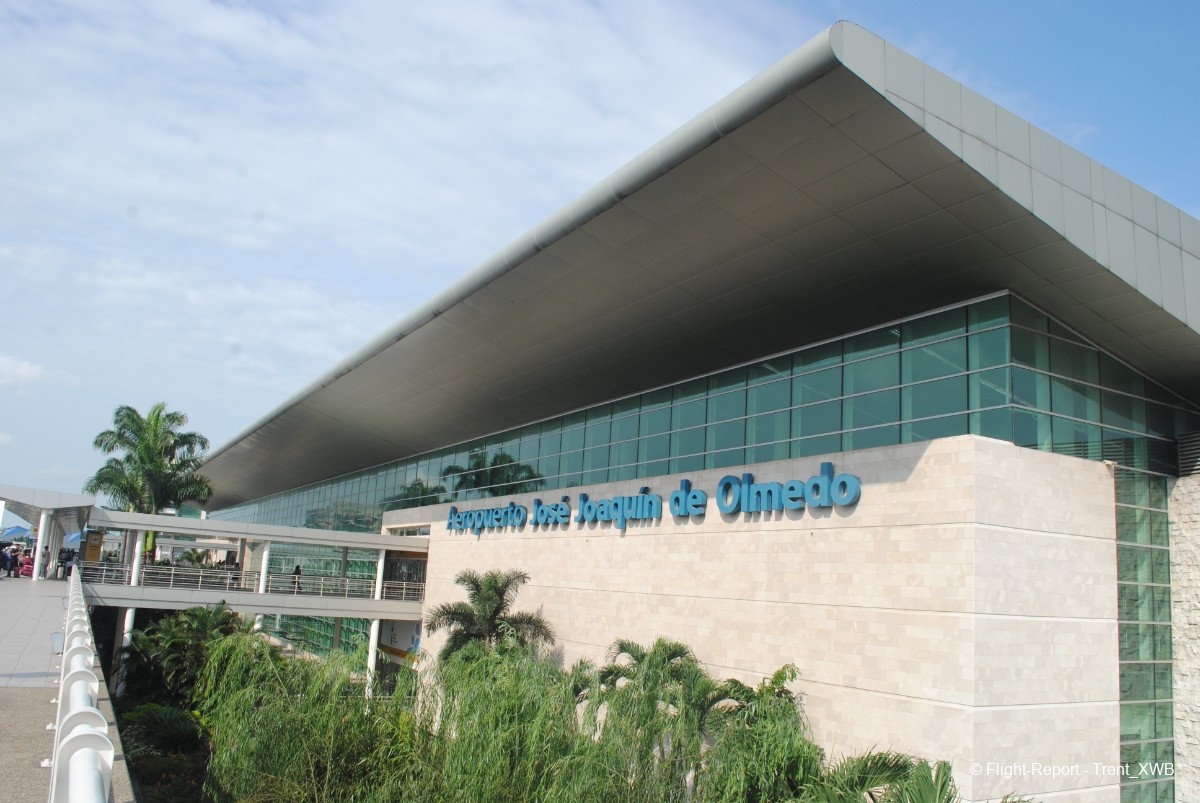
Guayaquil Jose Joaquin De Olmedo International Airport (GYE)
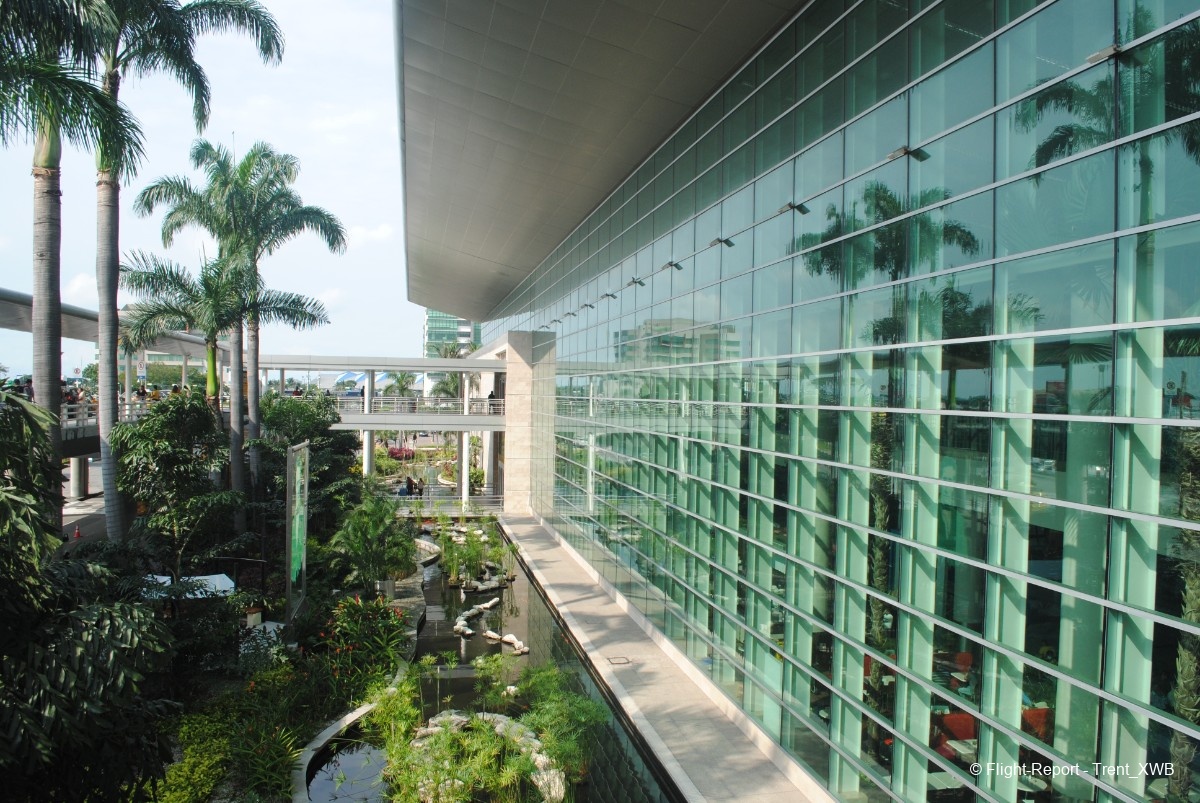
GYE, located just north of Guayaquil (the largest city in Ecuador) city centre is the second-busiest airport in Ecuador after UIO. GYE has just 1 runway and modern and rather compact terminal.
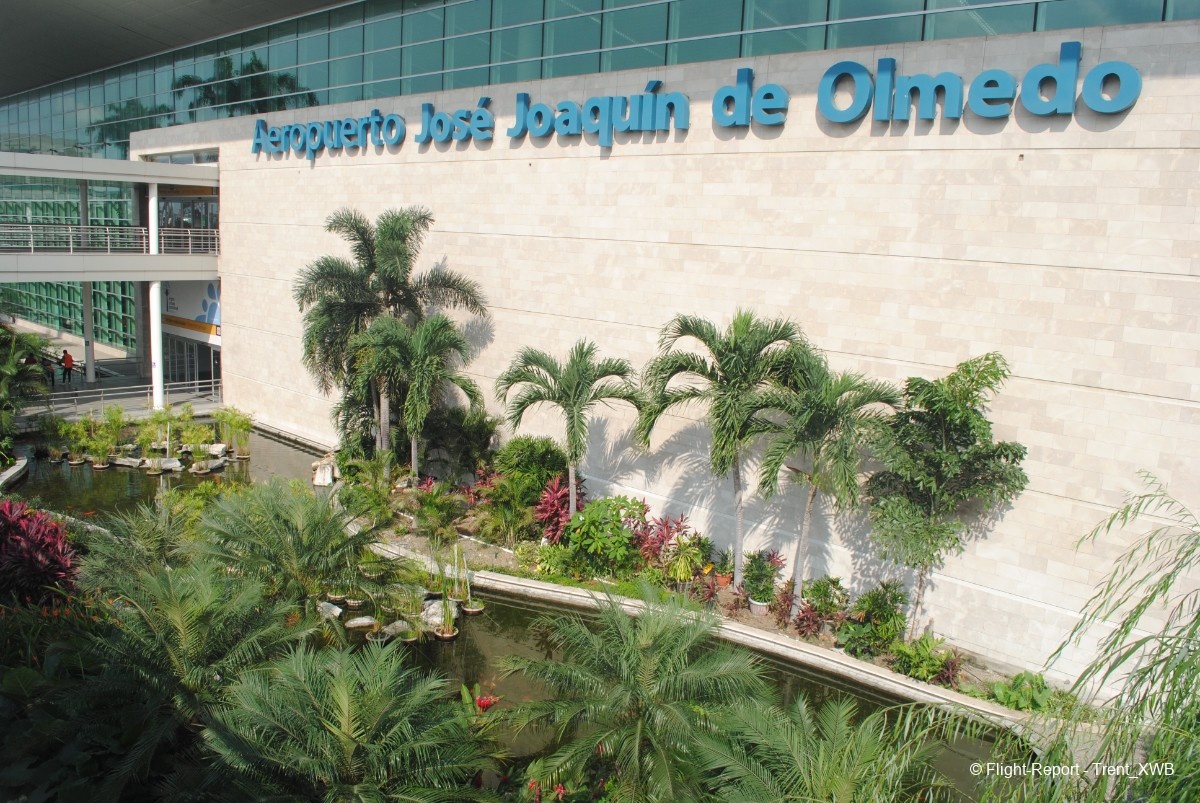
This is how GYE terminal looks from the outside. On the arrivals level it has kind of Japanese garden with carps, but I looked on this garden only from the above.

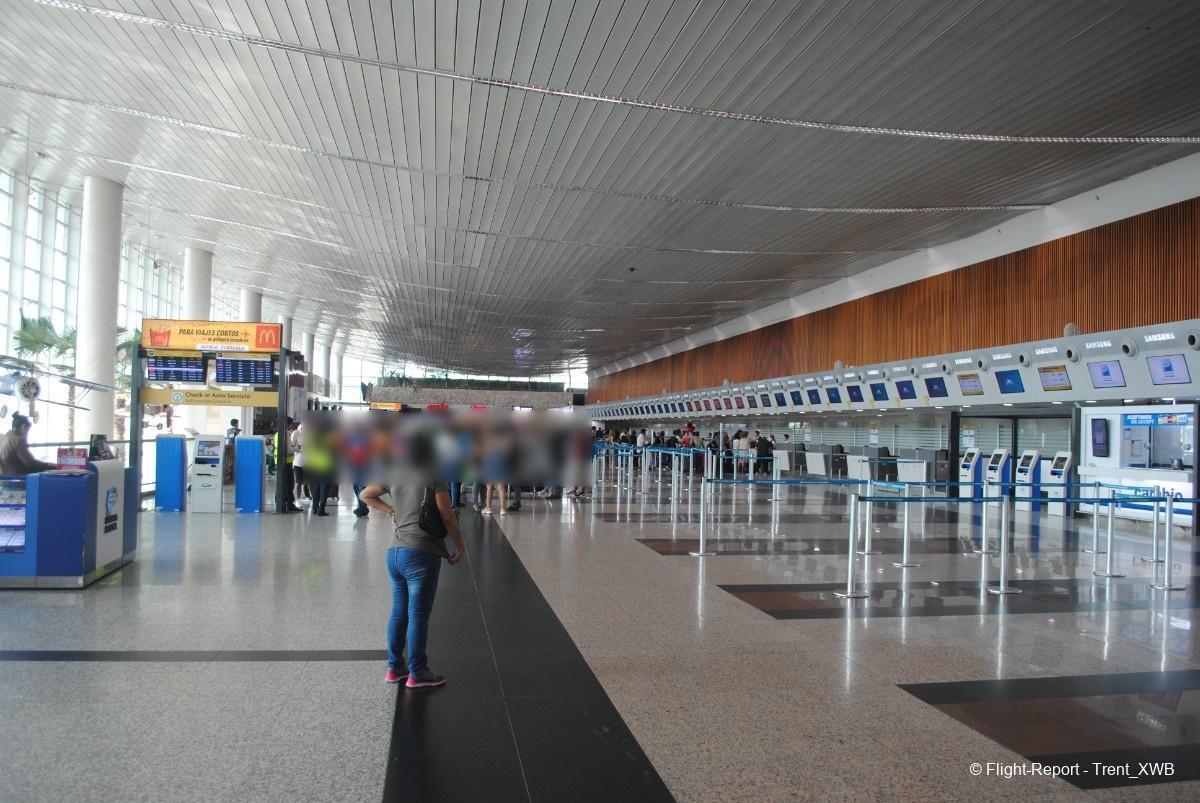
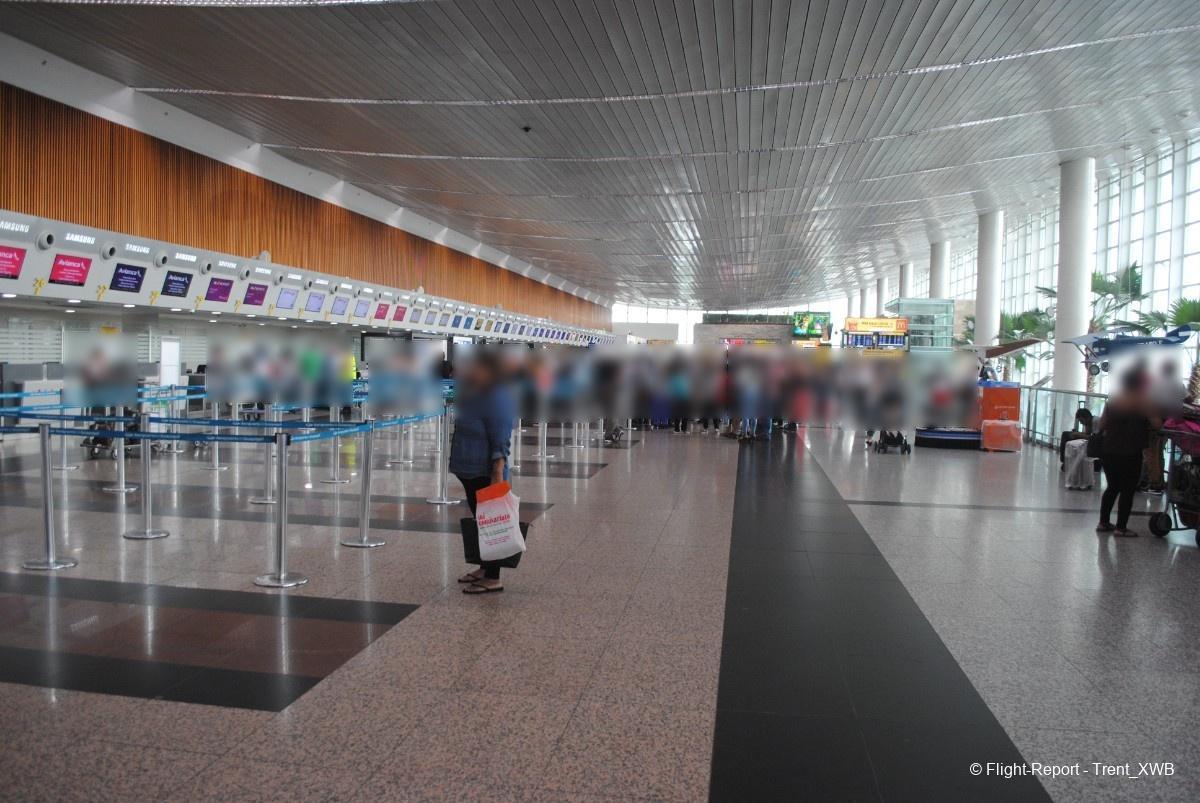
General views of the check-in hall, which is rather compact.
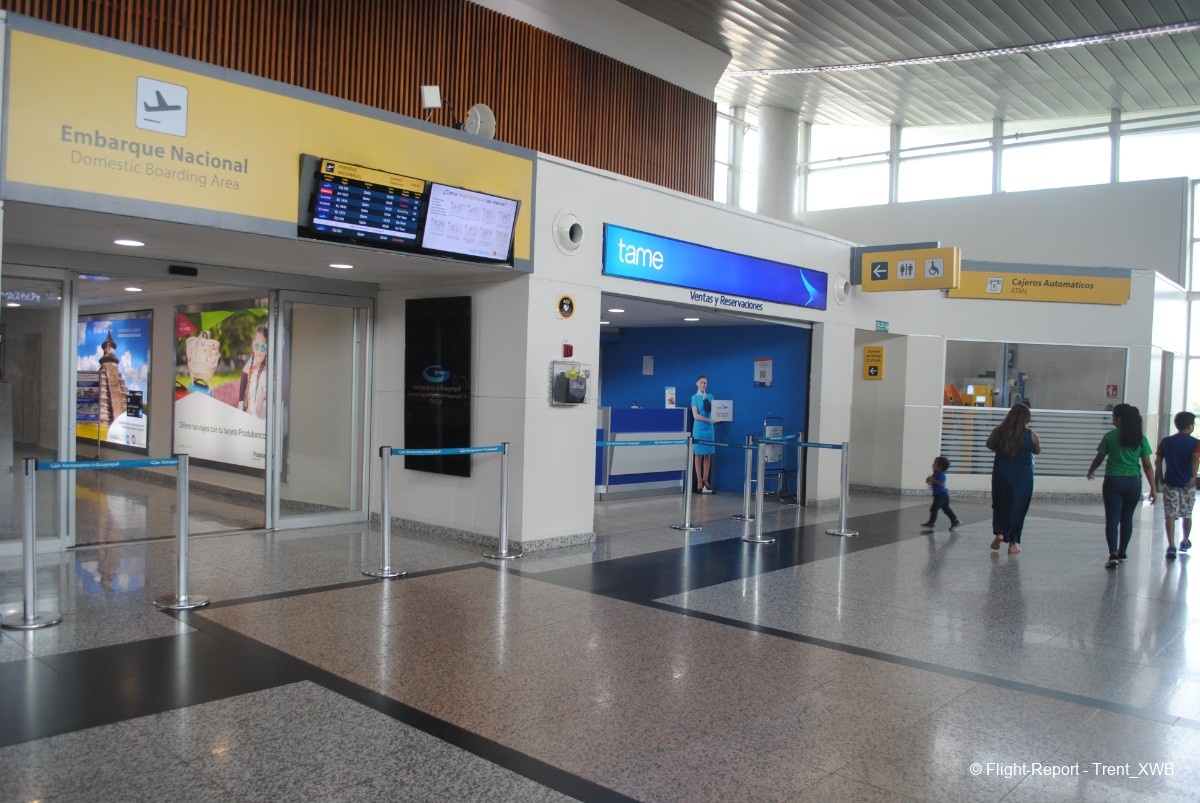
Entrance to the domestic gates (not for me, obviously) and TAME ticket office. TAME, which was already struggling backe then, ceased operations during the pandemic just 2 months later, in May 2020.
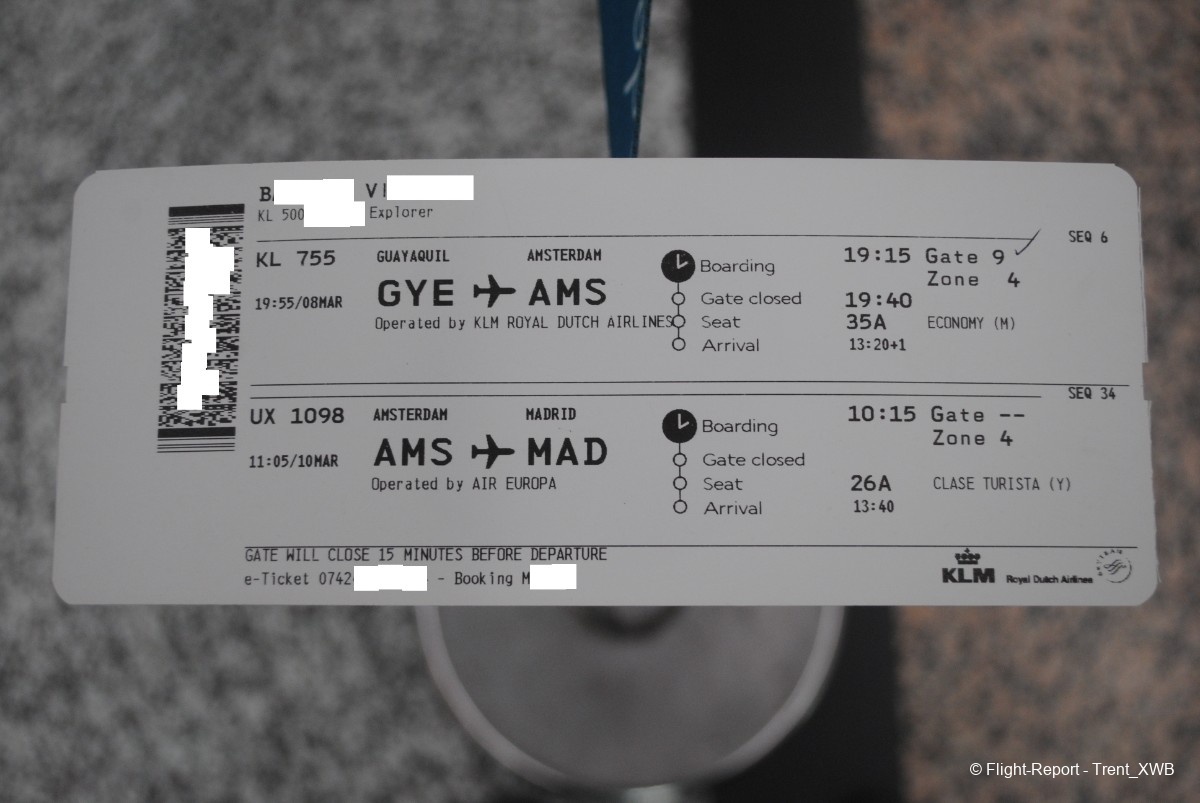
My BP for both legs GYE-AMS-MAD.
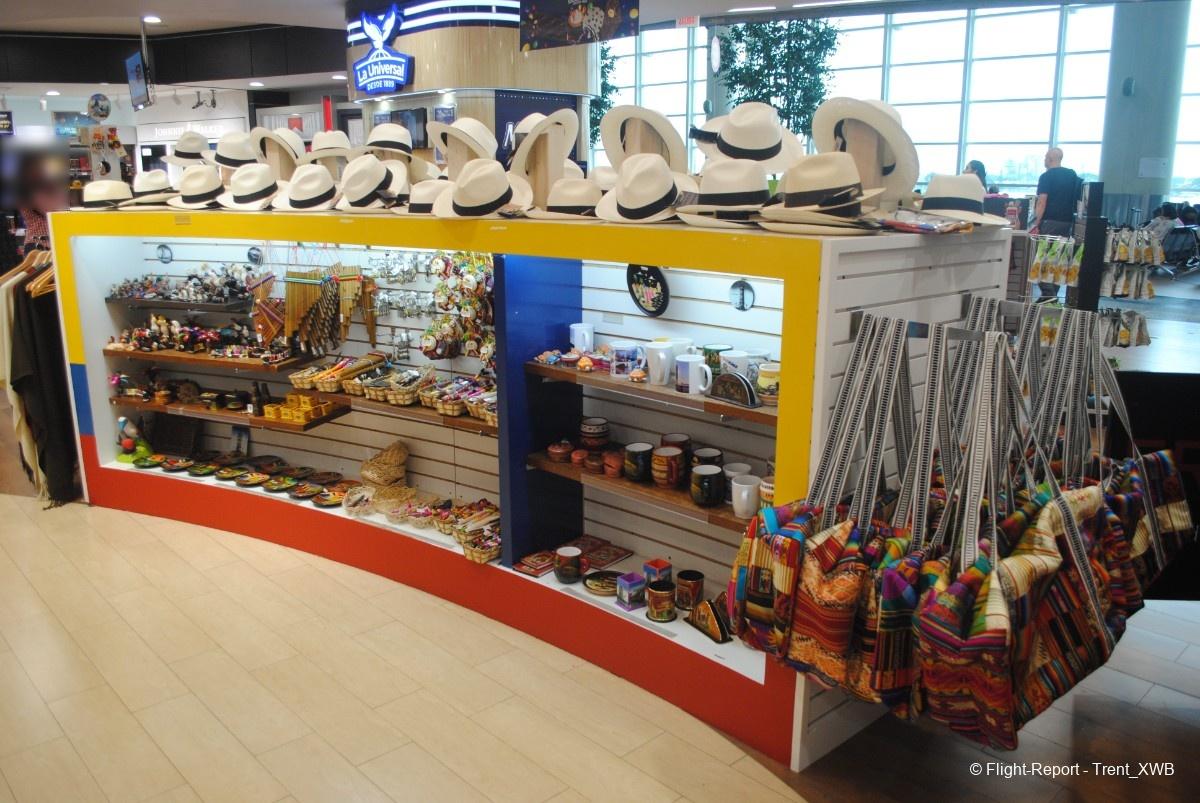
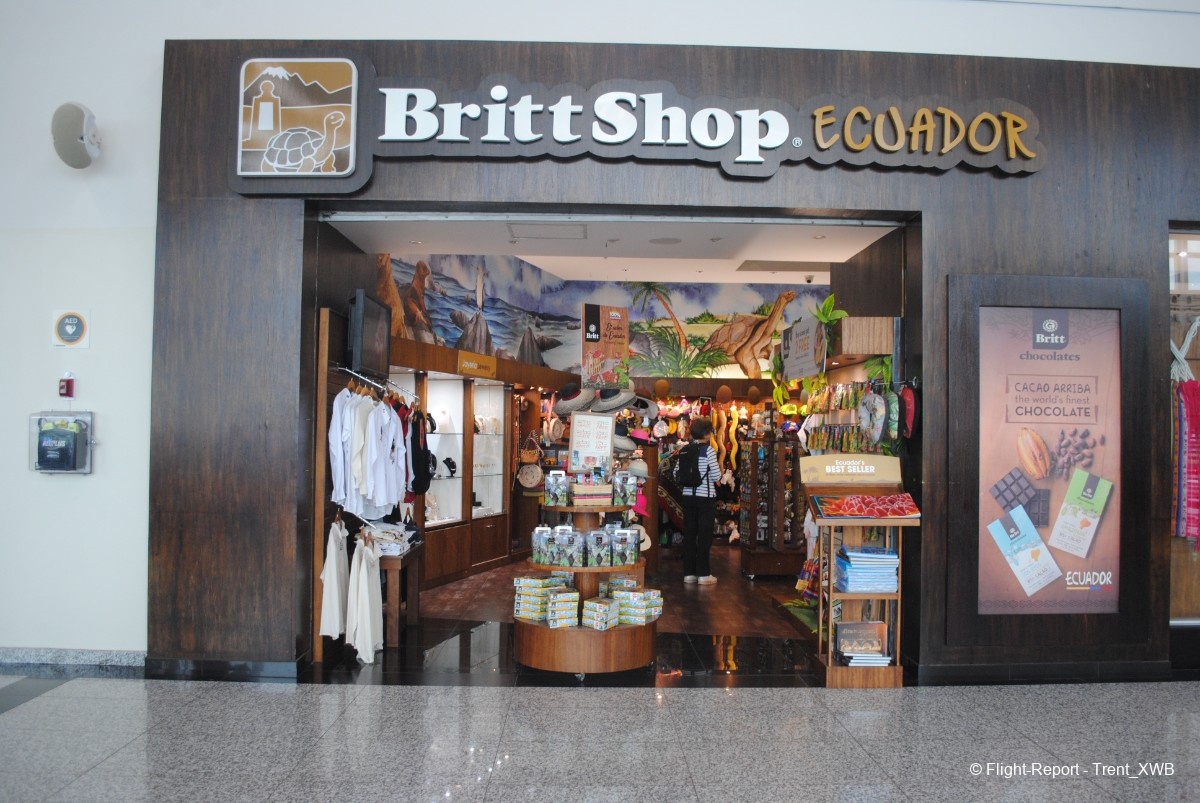
A shop with national souvenirs (including famous hats) after the immigration.
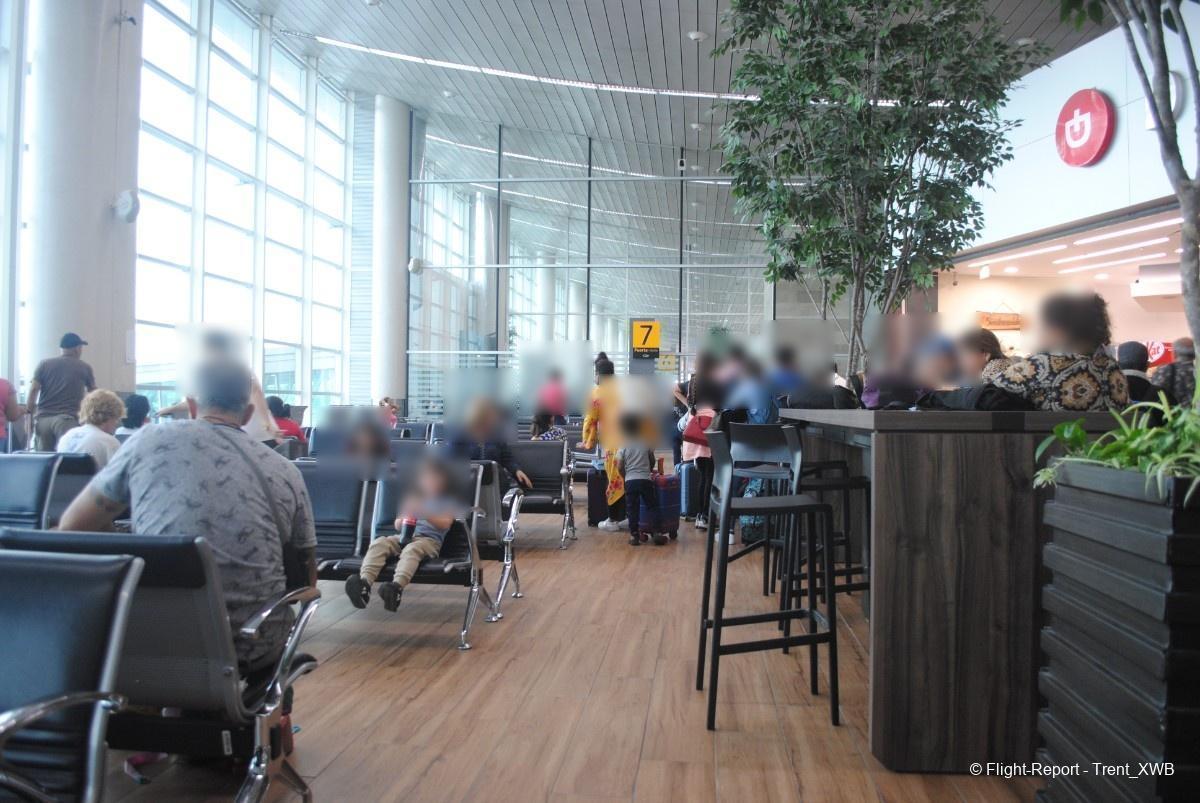
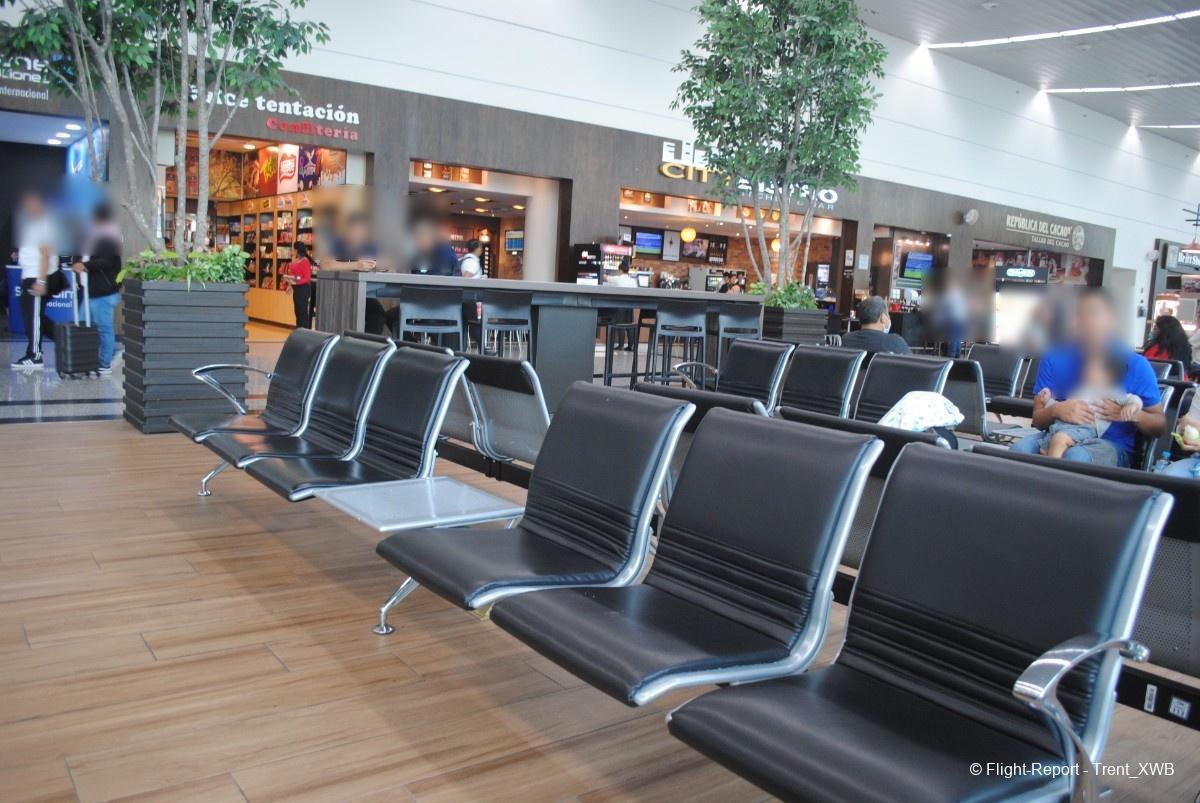
The airside is rather compact, but with high ceilings and a lot of light. Much better than airside in UIO.
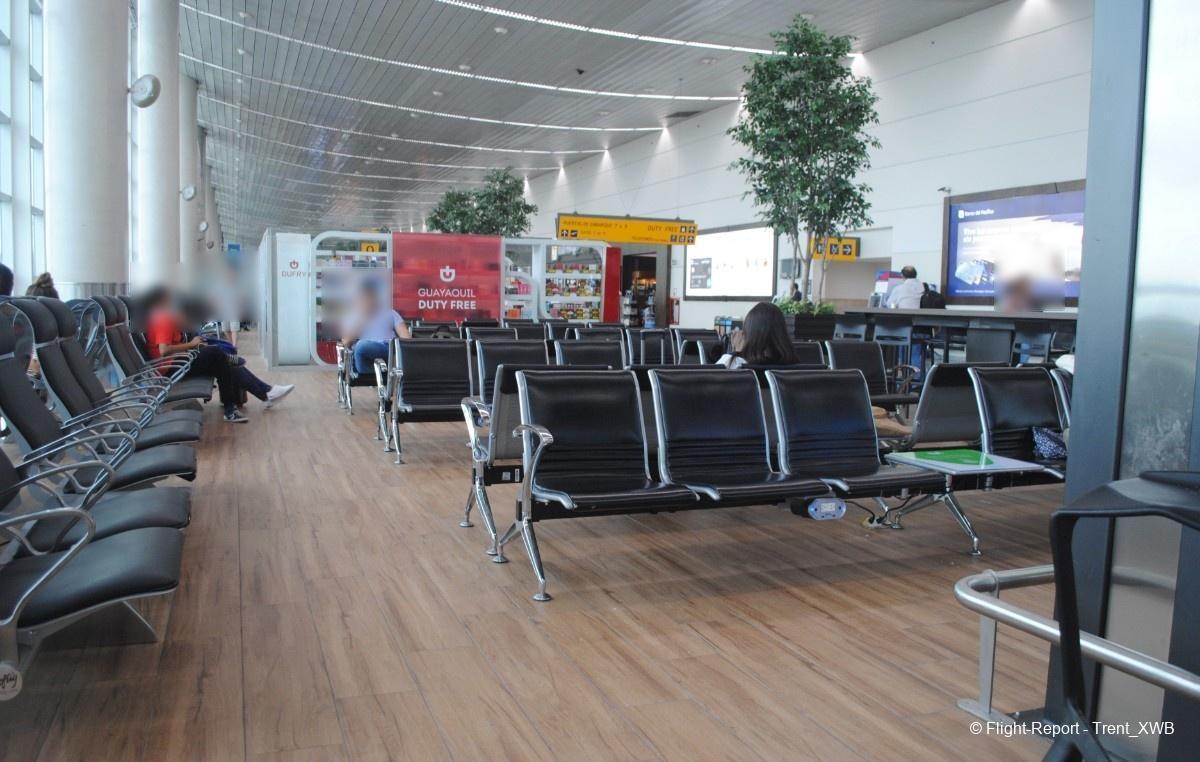
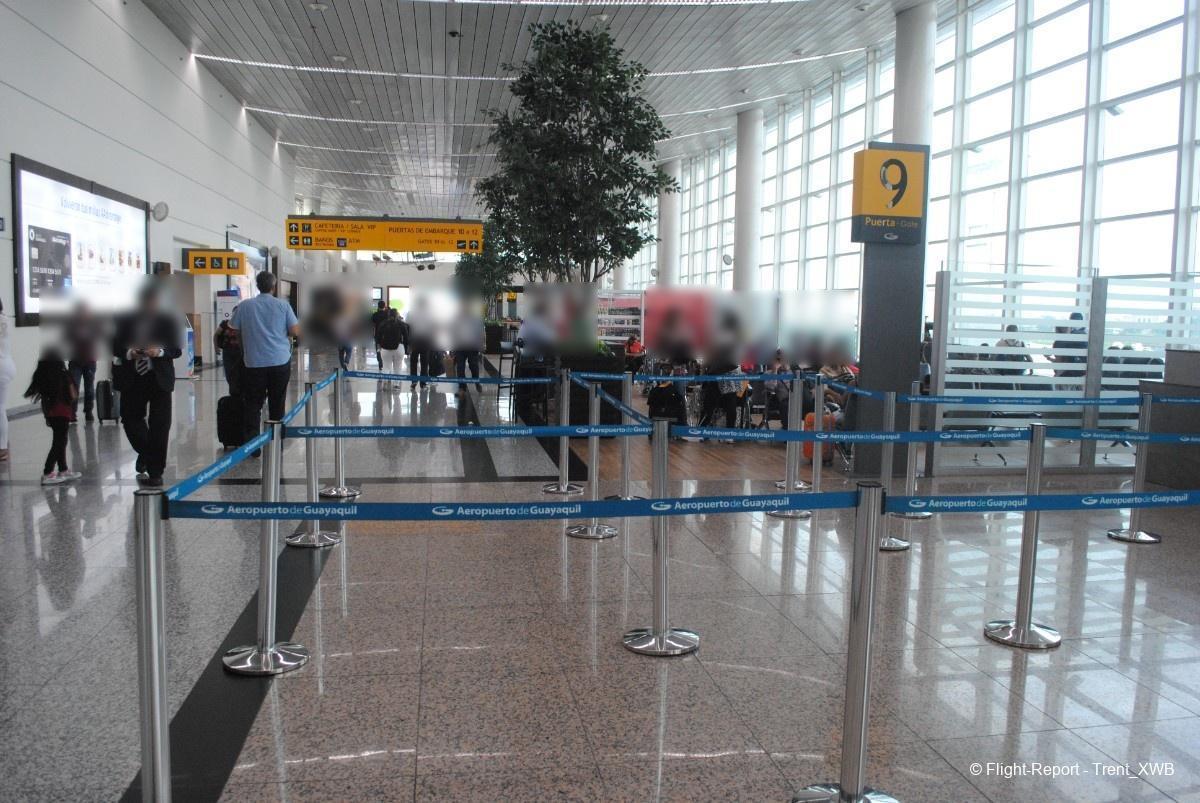
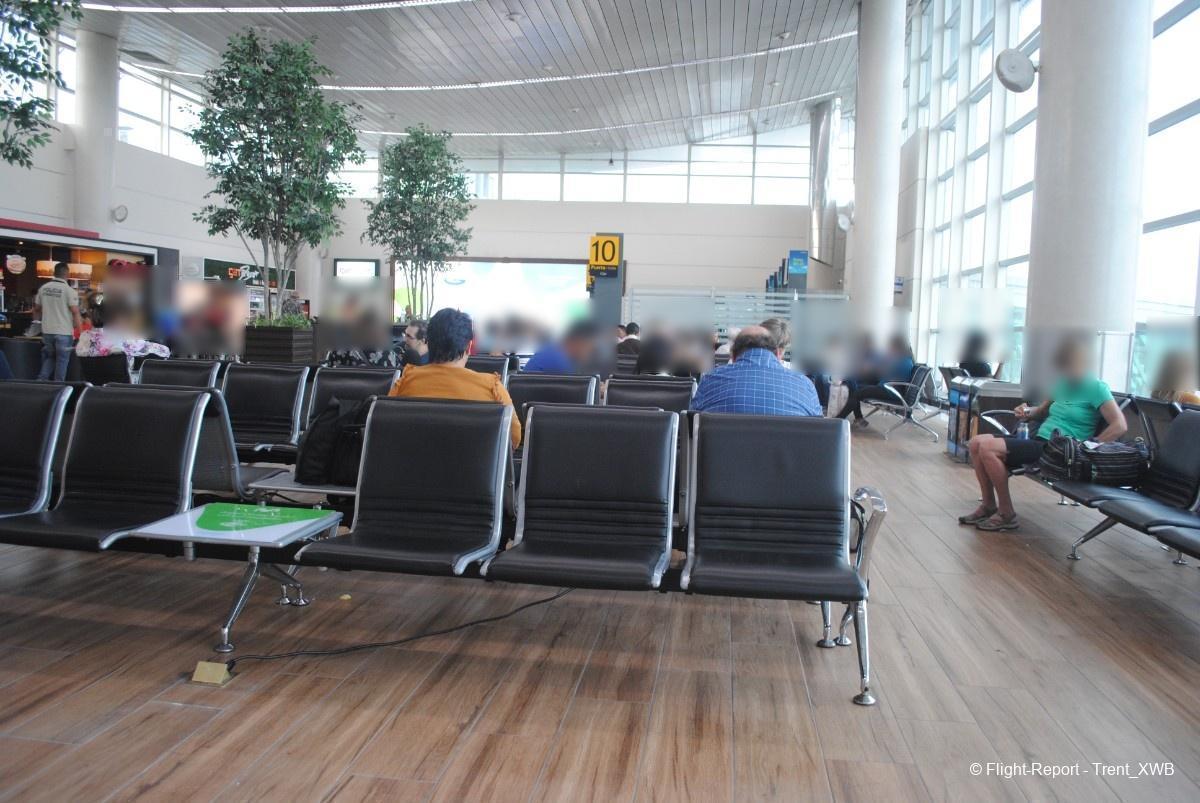
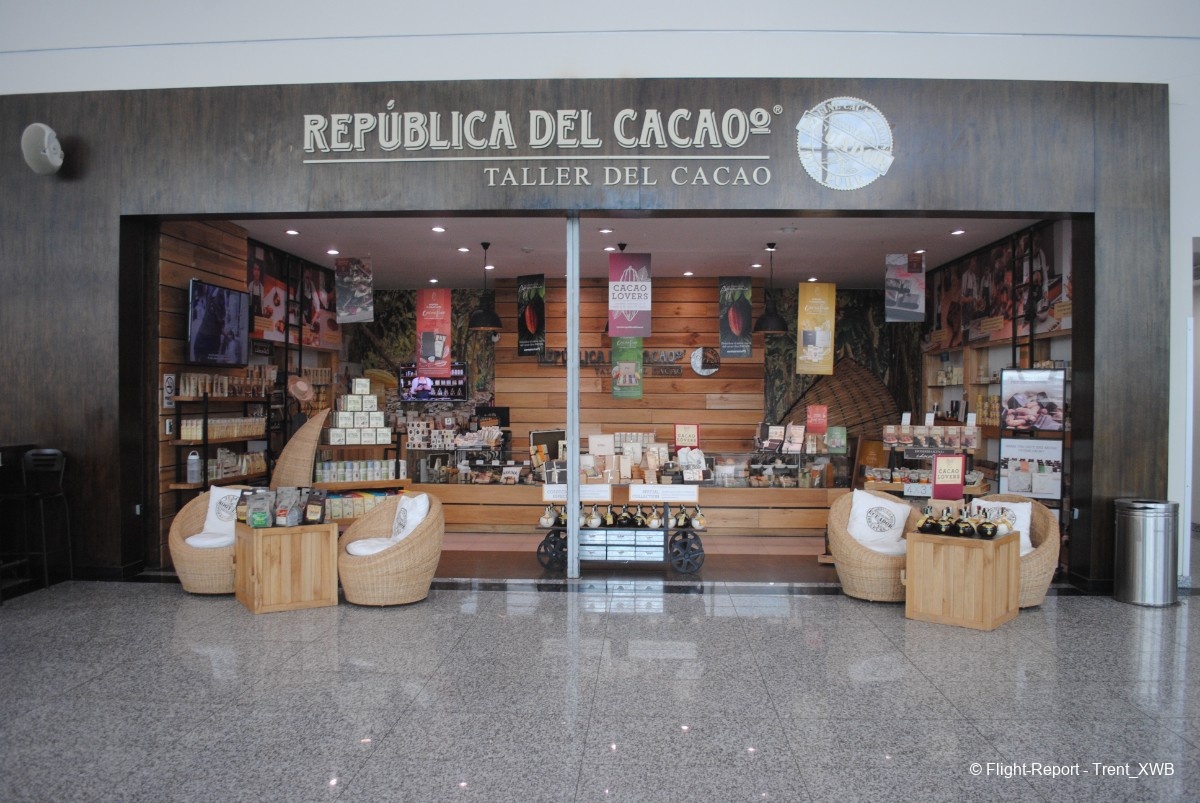
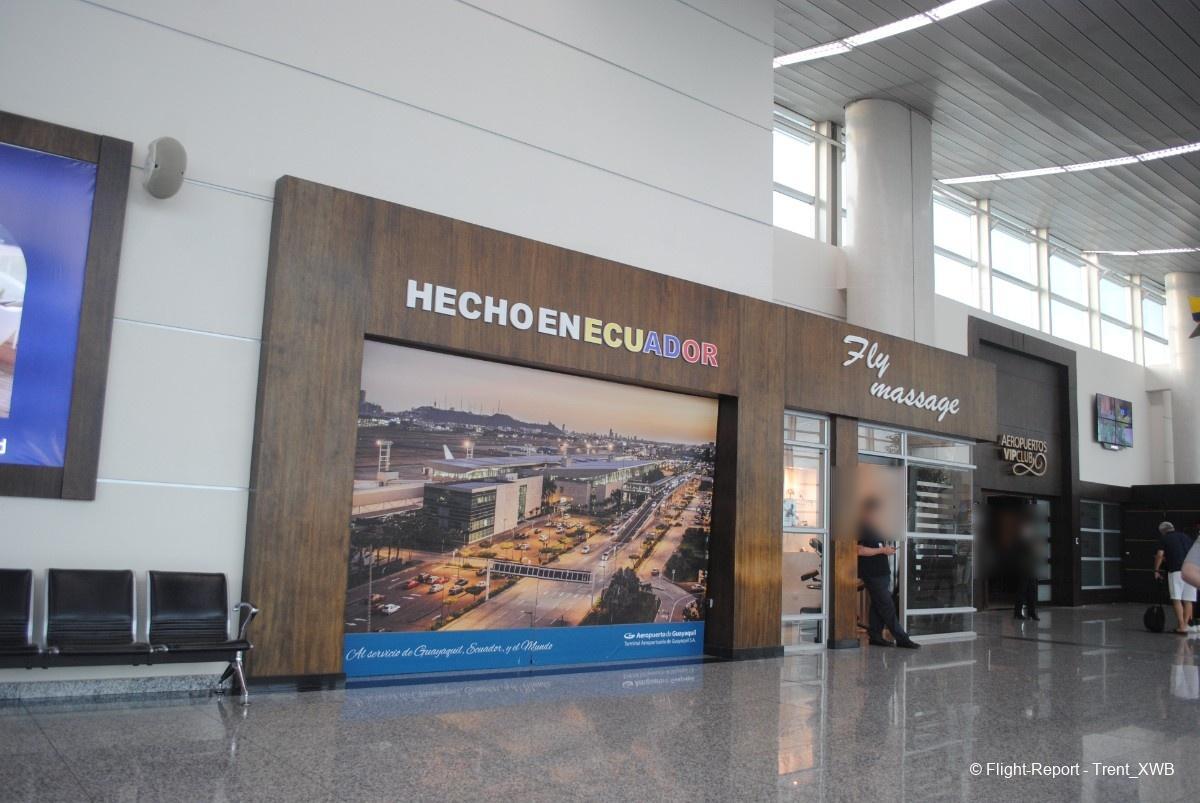
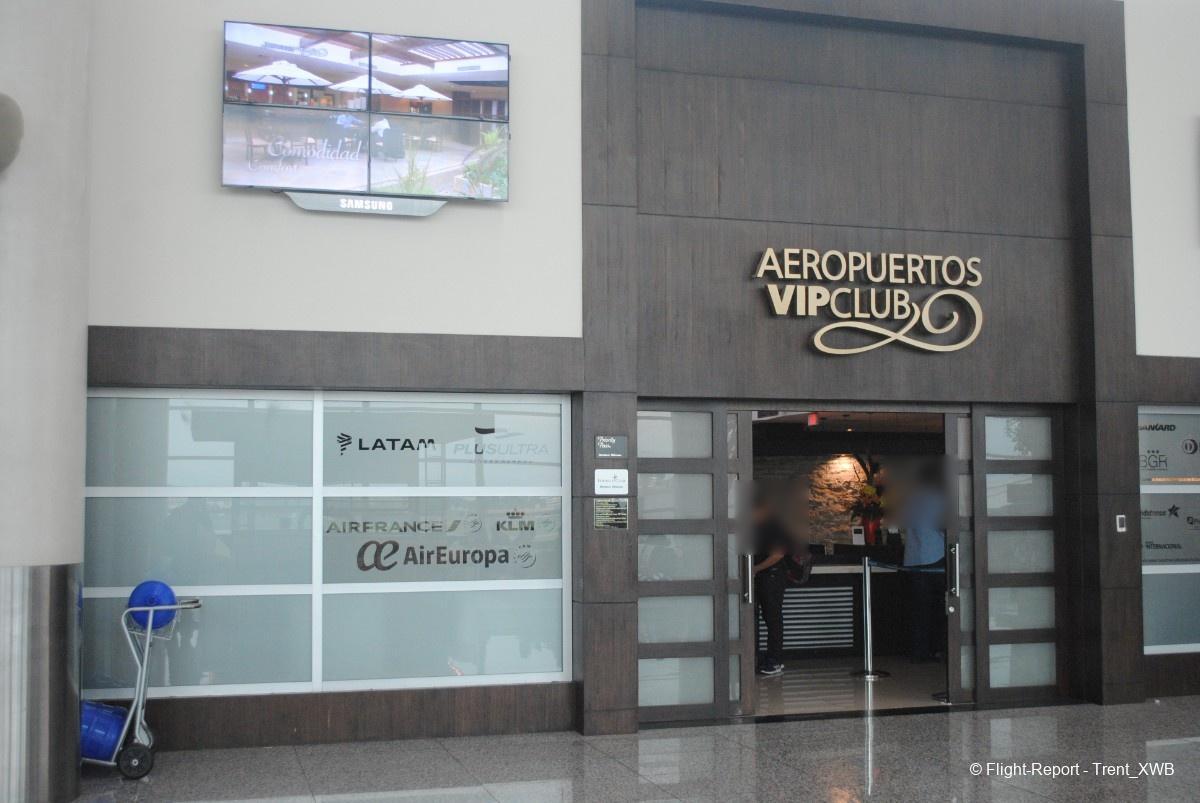
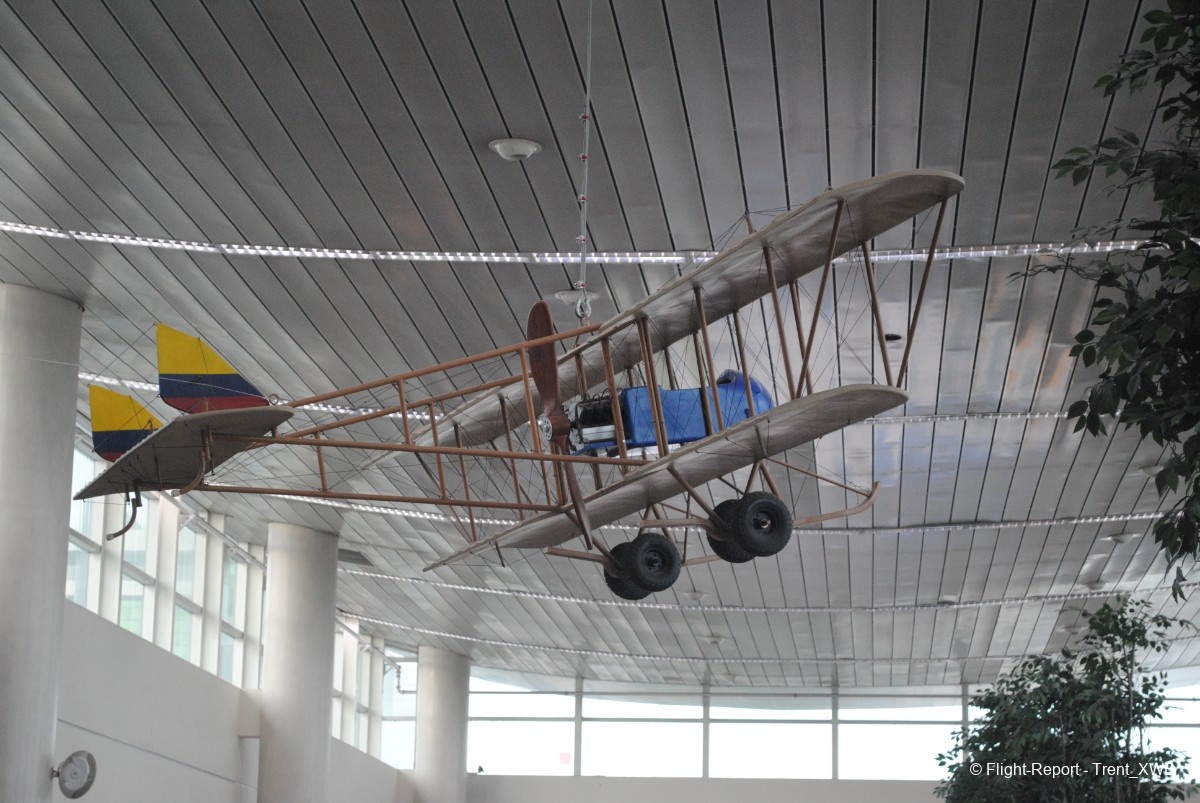
An airplane maquette under the roof.
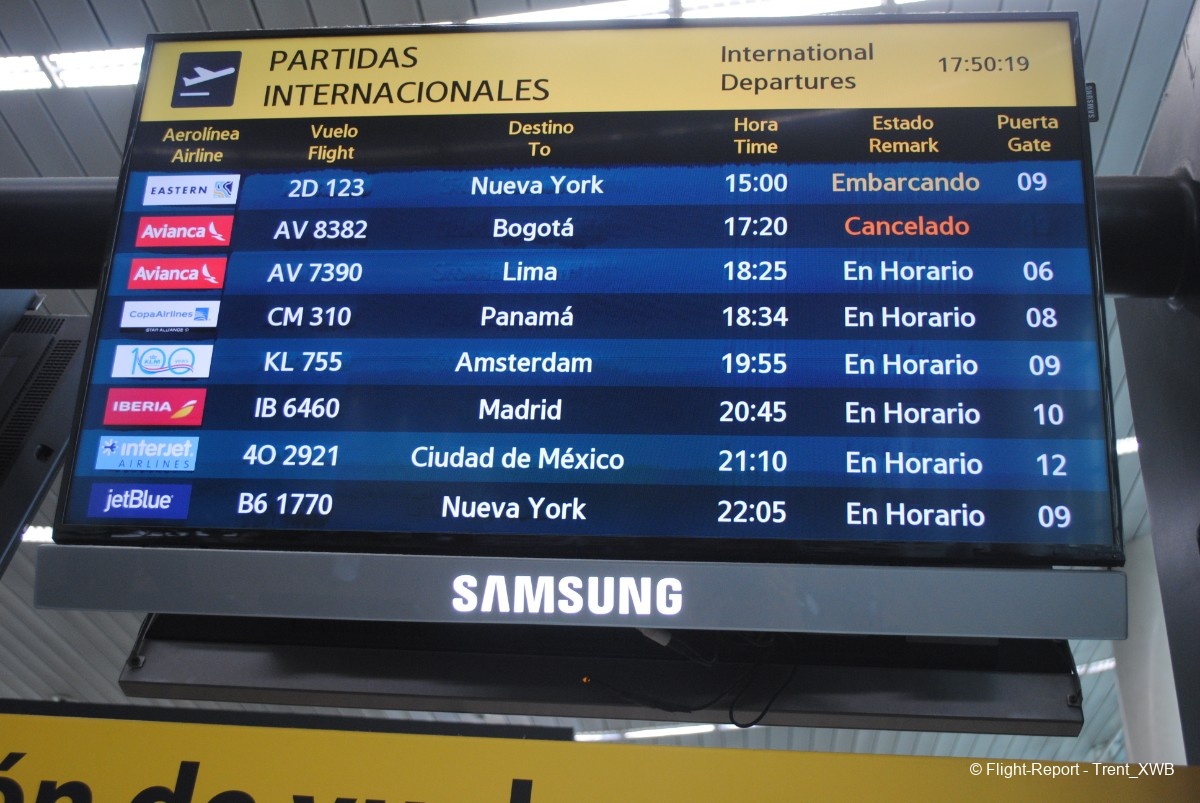
FID for international departures from GYE.
Planespotting in GYE
Considering how small is Ecuador as an aviation market, one can hardly expect something interesting in terms of planespotting. But in GYE in the eve of the pandemic there was something interesting.
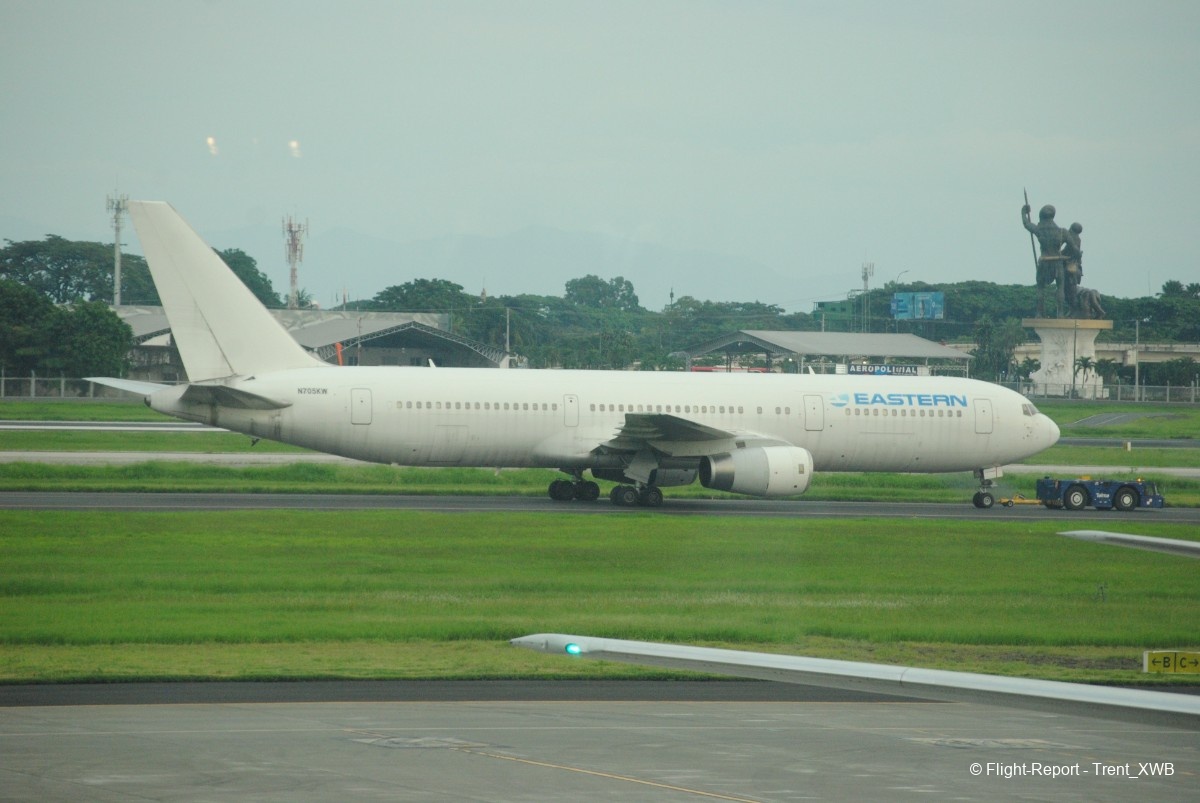
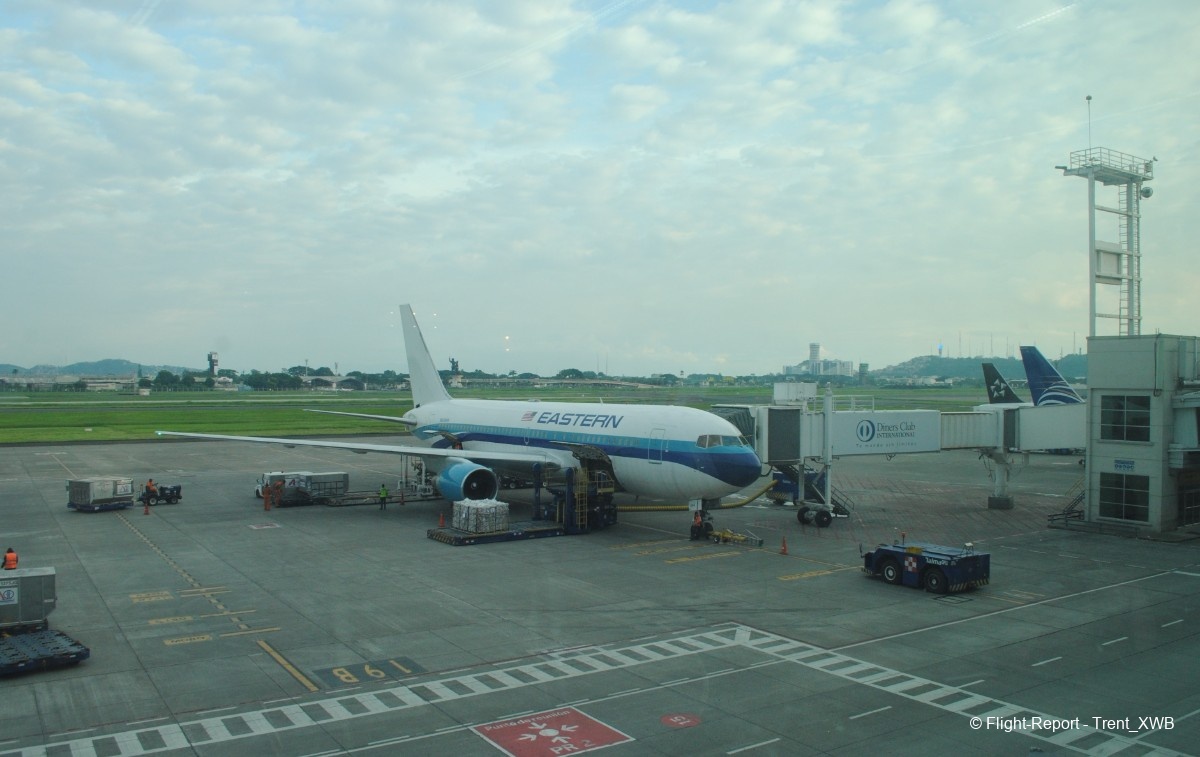
I entered the airside right on time to witness an unique sight: two B767 of Eastern Airlines (from US) - ultra-rare RR-powered B763 plus ultra-rare PW JT9D-powered B762!!!
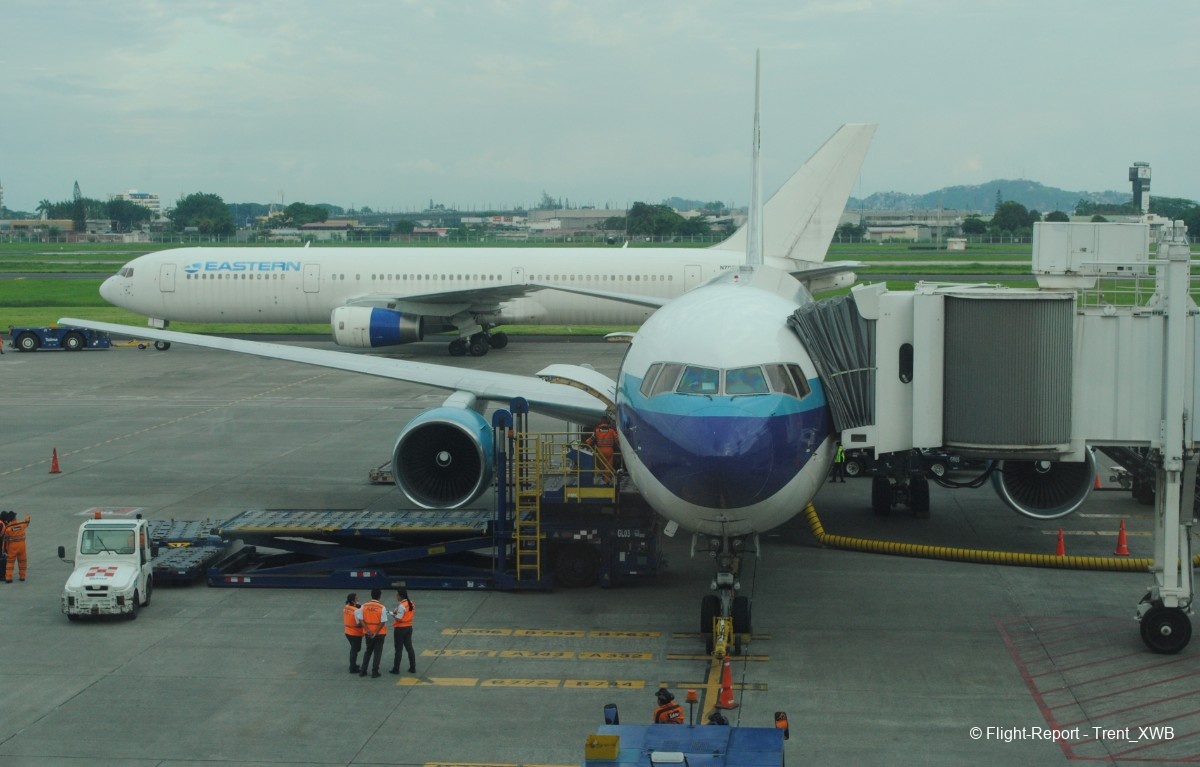
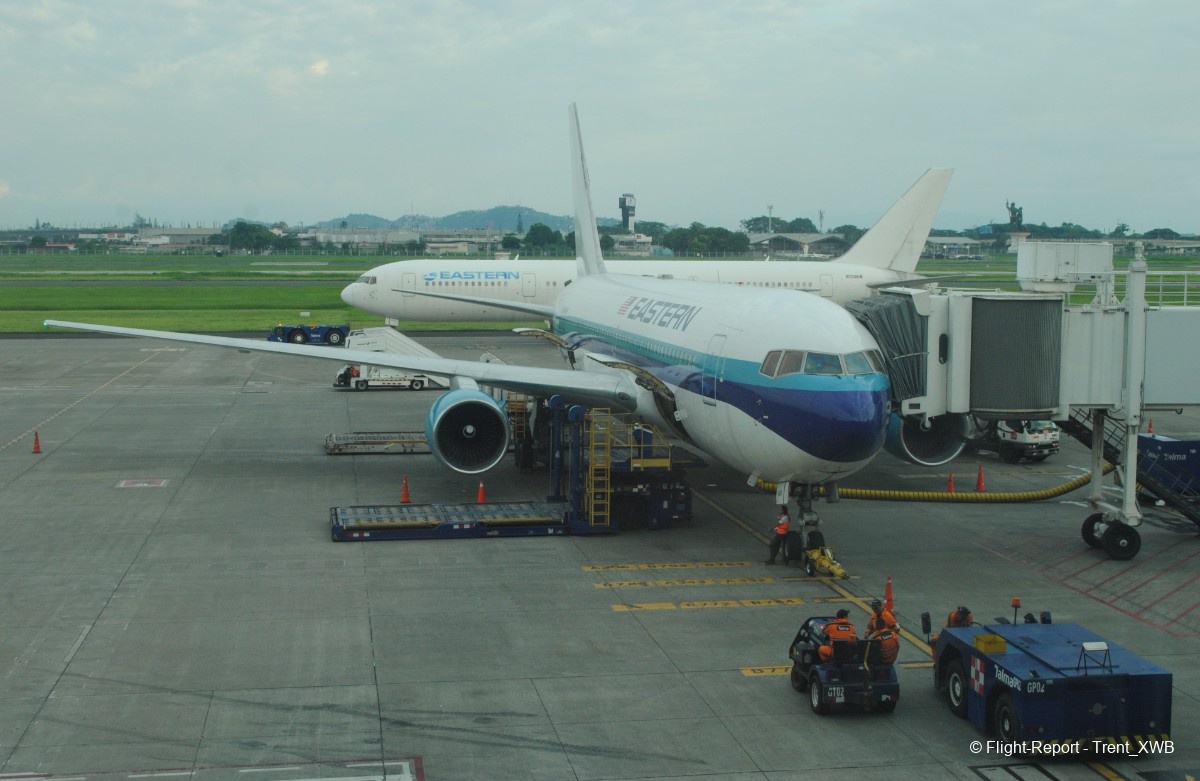
1991-built N705KW - one of the very few remaining active RR-powered passenger B763 in the world. AFAIR, 2D is the last operator of these RR-powered B763s. And yes - the first operator of these B763 was BA.
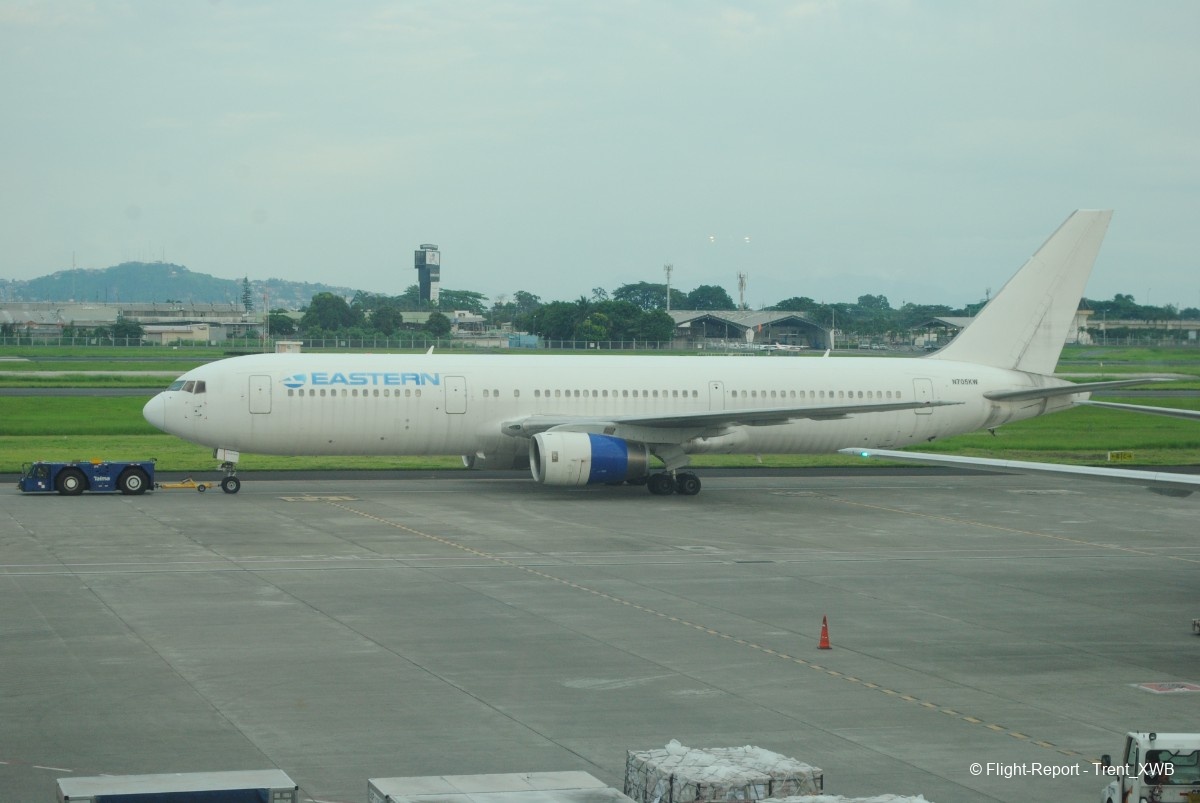
N705KW being towed to the other side of GYE with a monument to indigenous people on the backdrop.
1998-built B762 (N604KW), powered by PW JT9D-7R4D, was operating heavily delayed flight to JFK that day. N604KW was phased out in 2022 and is since stored. 2D phased out all its B762s by 2023. Since then there are only 2 operators of the world smallest widebody left in the world: Air Zimbabwe (one 1990-built PW4056-powered unit) and UTair (one 2001-built GE-powered unit).
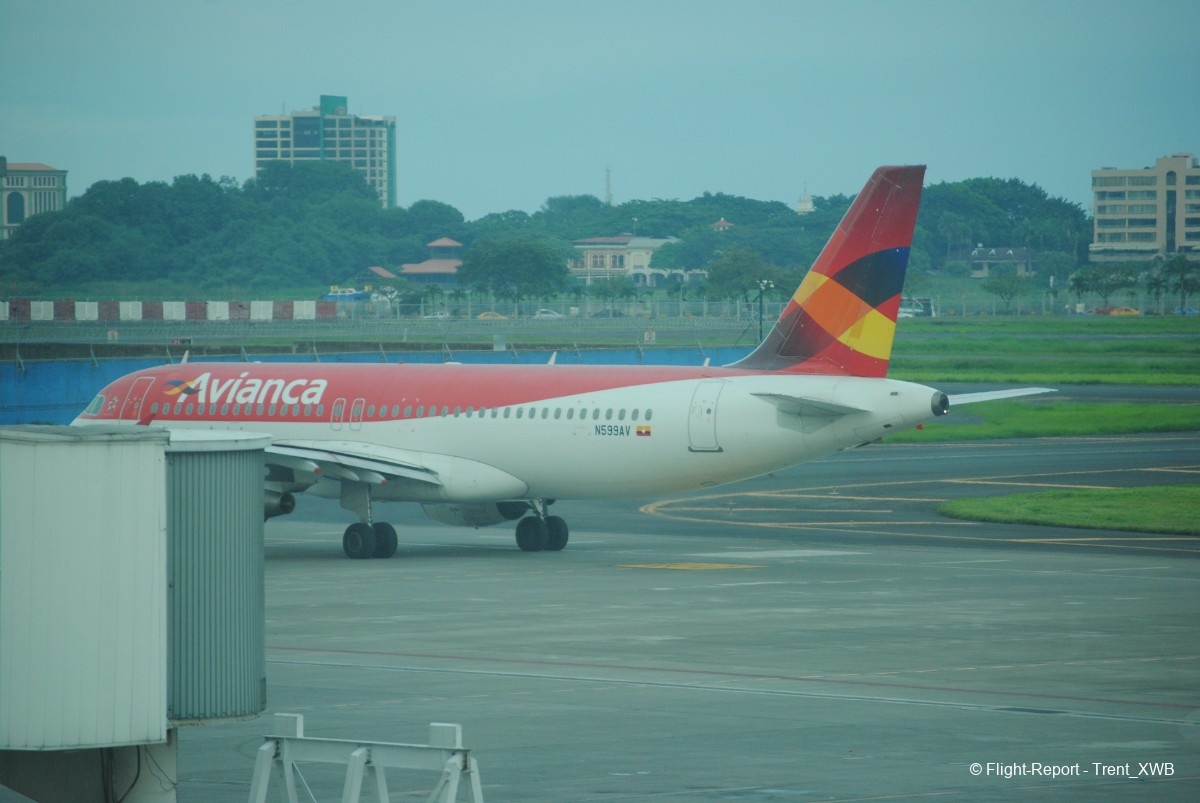
A320 (N599AV) of AV Ecuador, which had the old "juicy" livery back then. It was the last time I saw the old AV livery.
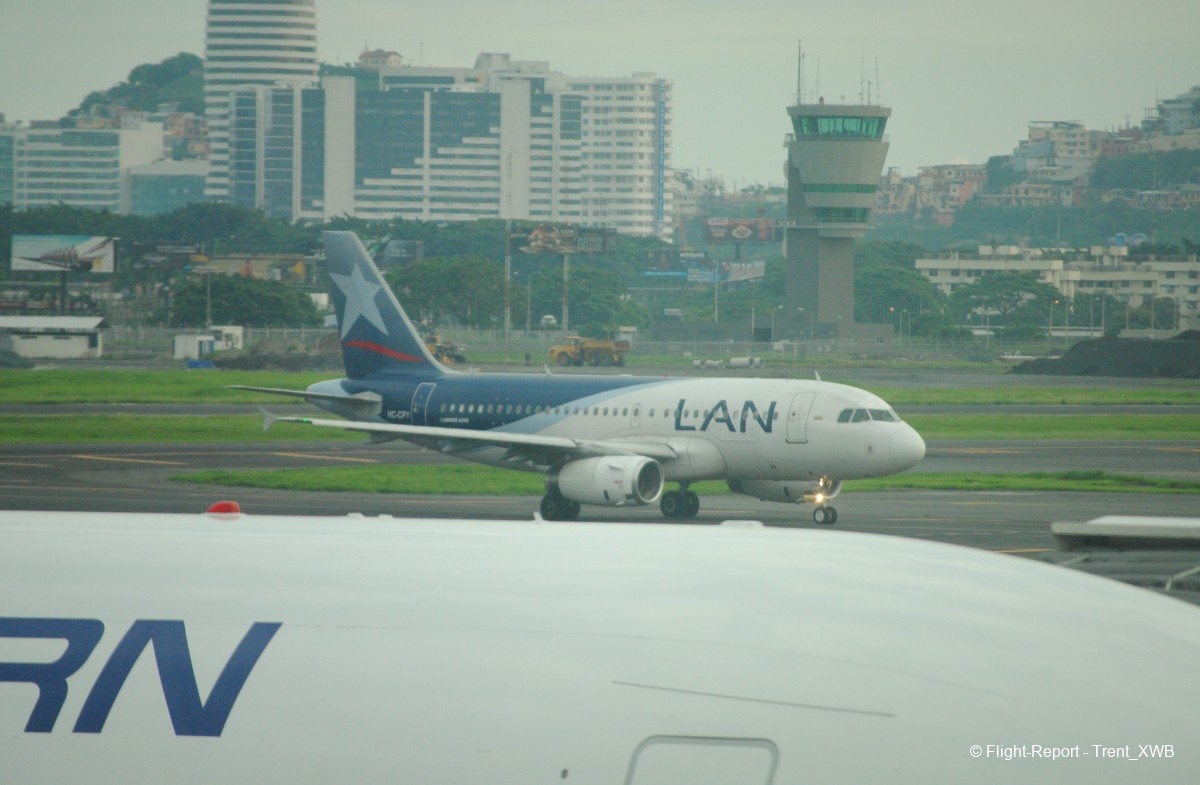
A319 (HC-CPY) of LATAM Ecuador in the old LAN livery (it was the last time I saw this livery). Ecuador is one of the few South American countries that doesn't allow the Chilean CC-reg for the aircrafts, based in the country. This aircraft is similar to CC-CPF I flew in Colombia on MDE-SMR back in 2018.
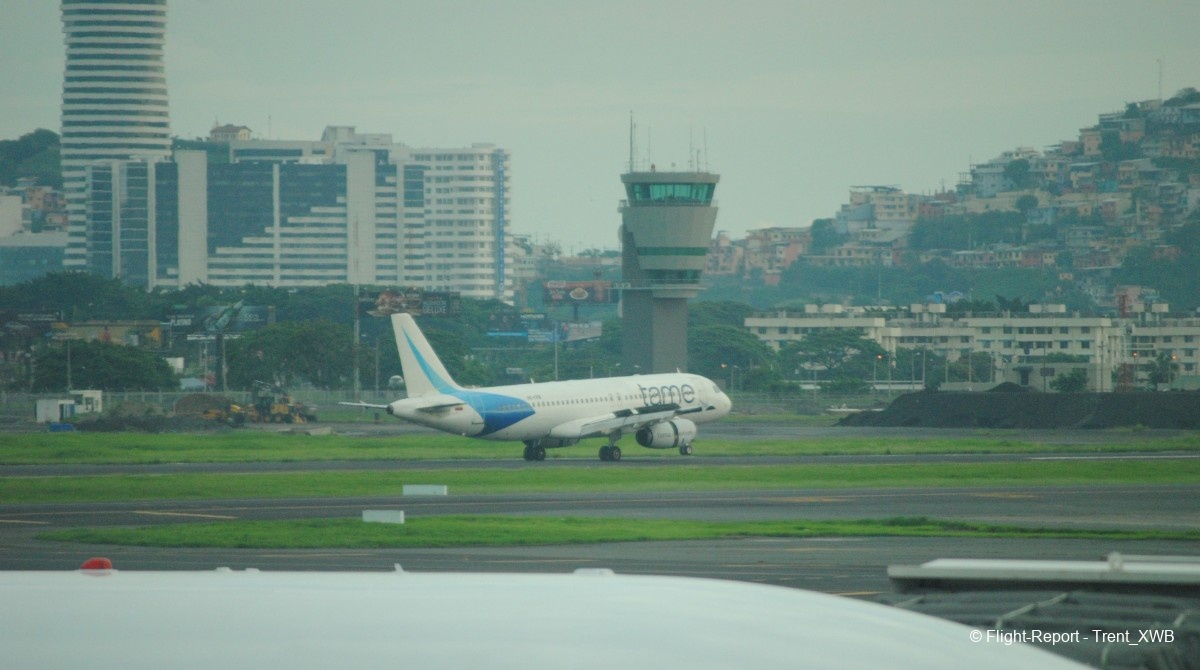
An A320 of then-already-struggling TAME (which ceased to exist 2 months later) and the ATC tower of GYE. It was the first and last time I saw an EQ aircraft.
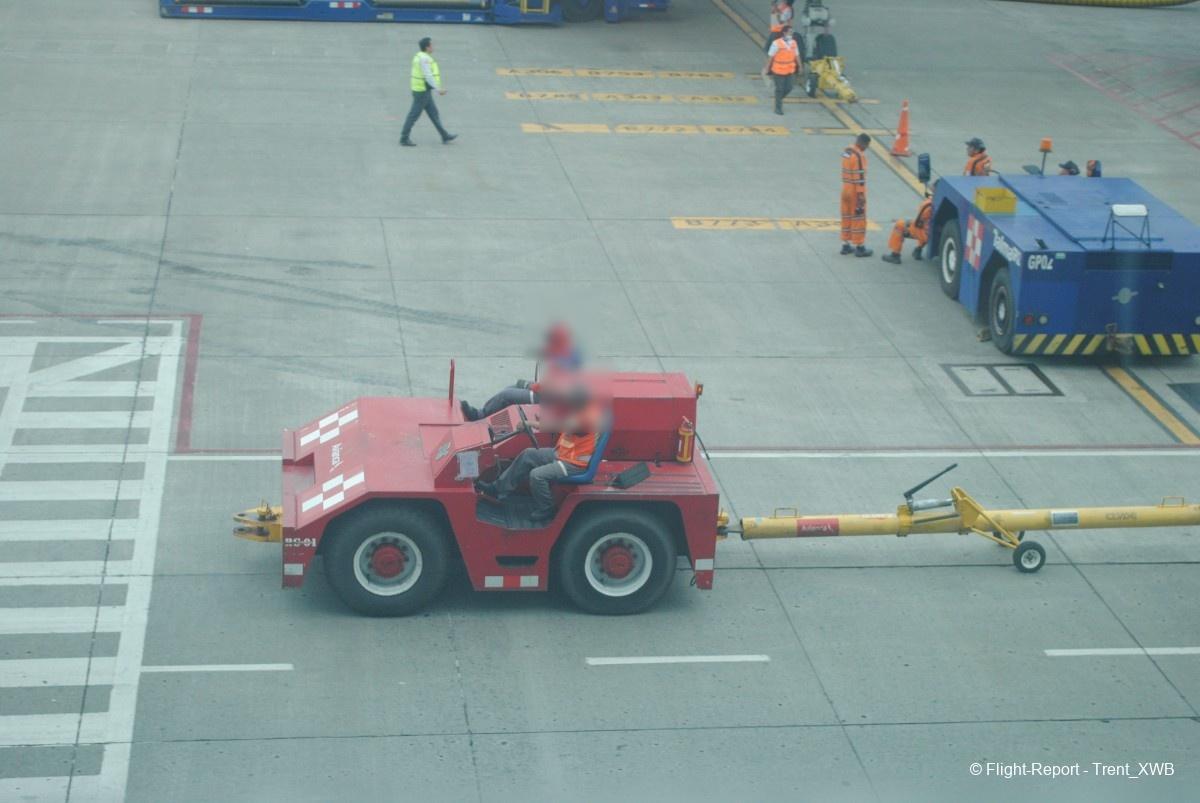
Local tugs and their operators.
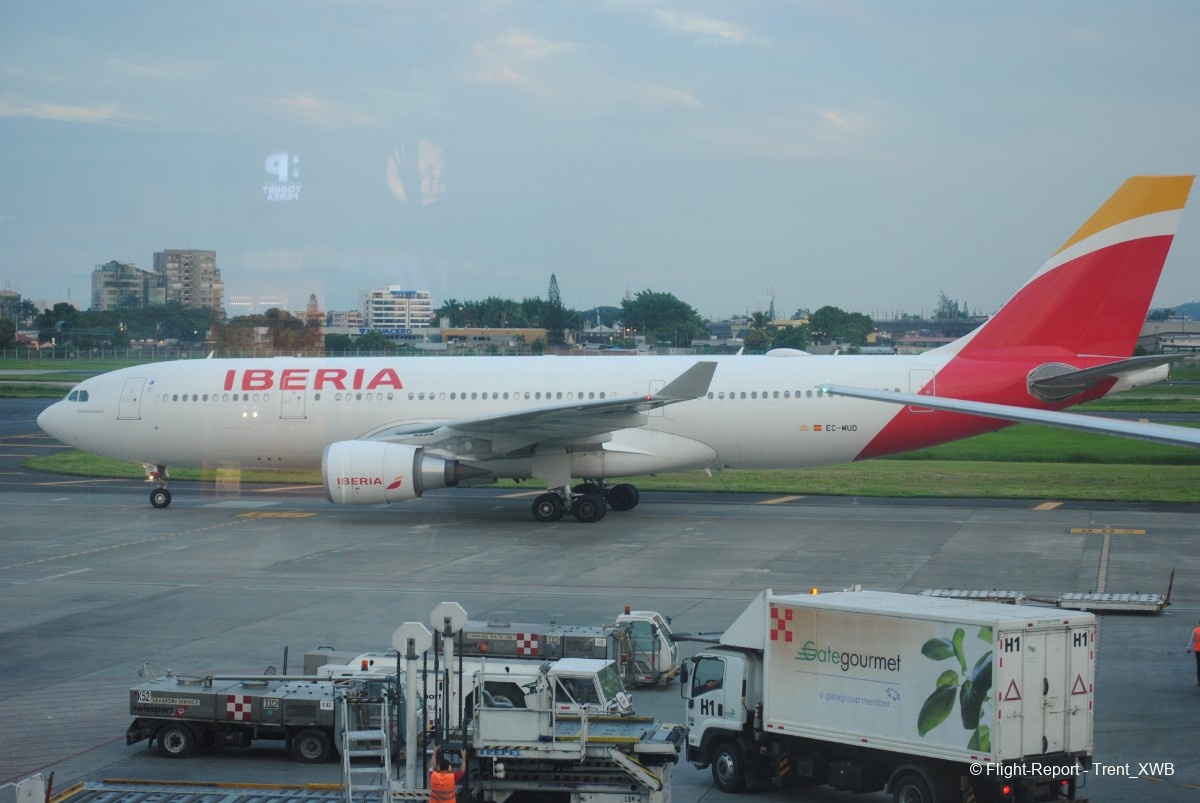
IB A332 (EC-MUD) arriving from MAD.
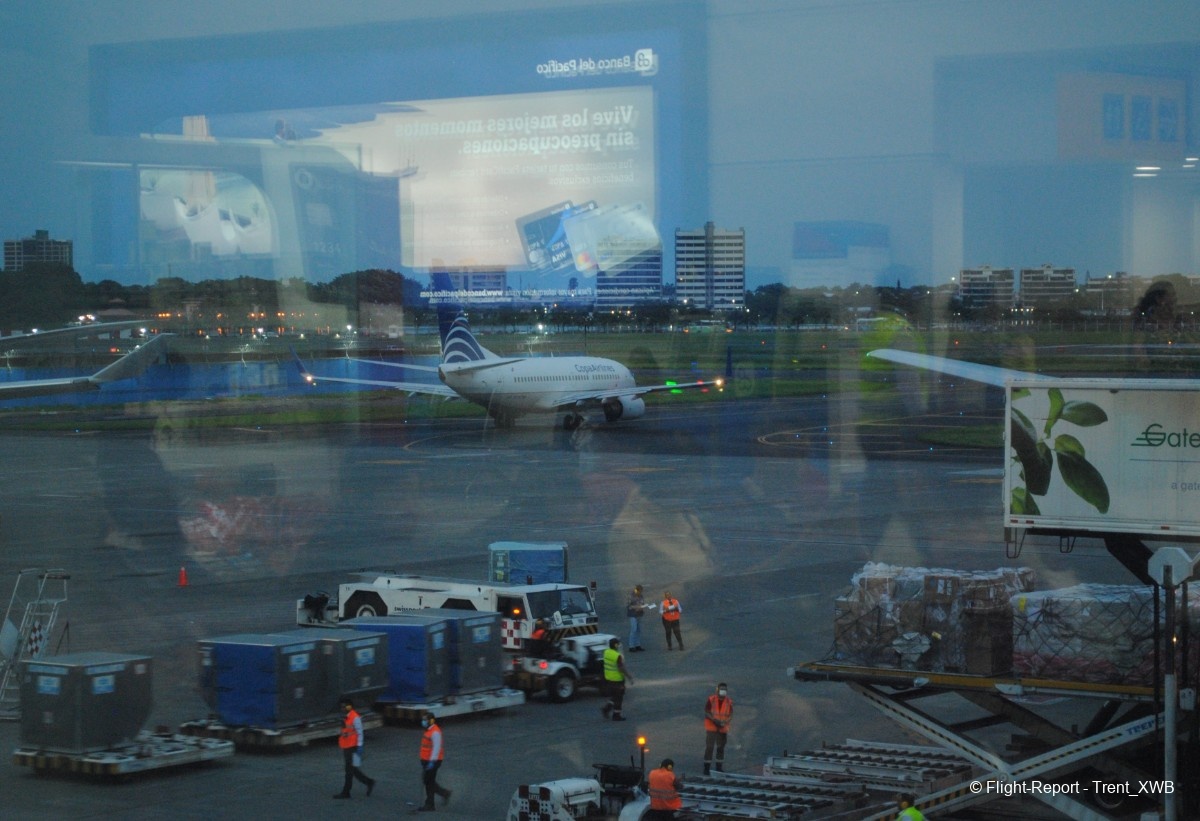
CM B737, departing for PTY.
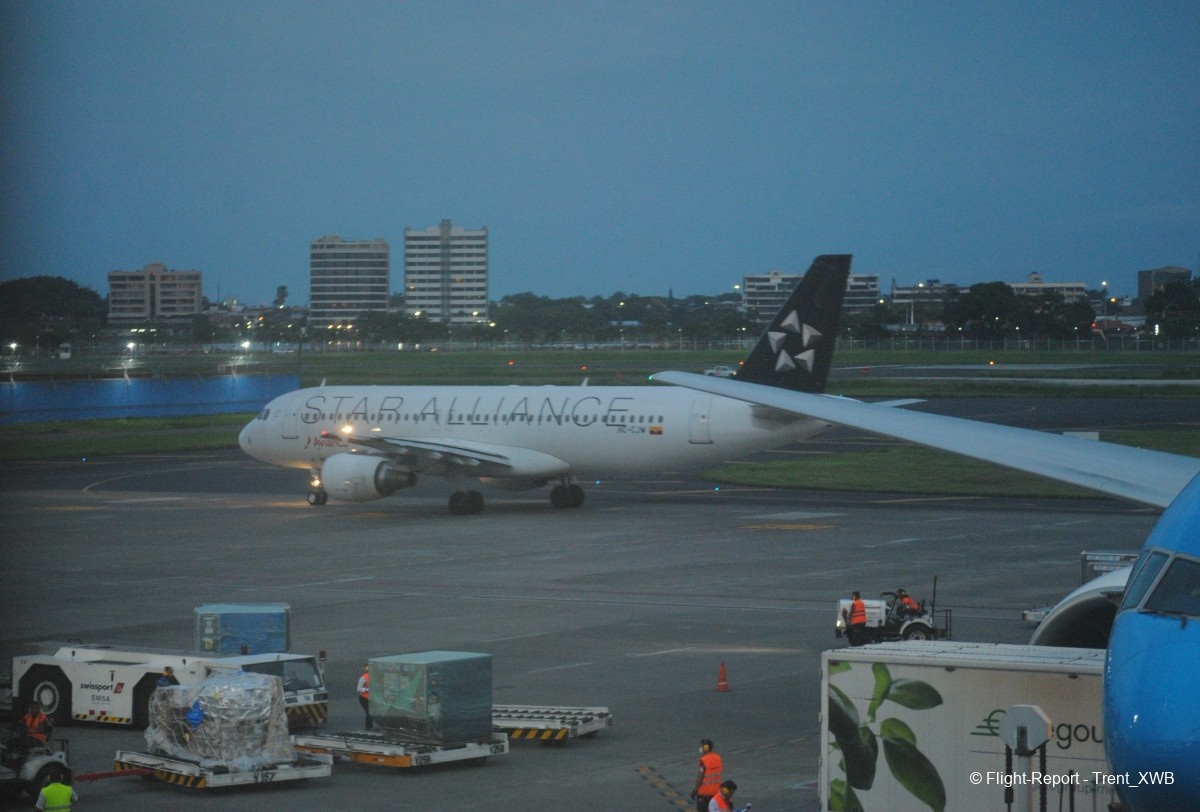
A320 (HC-CJW) of AV Ecuador in the Star Alliance livery.
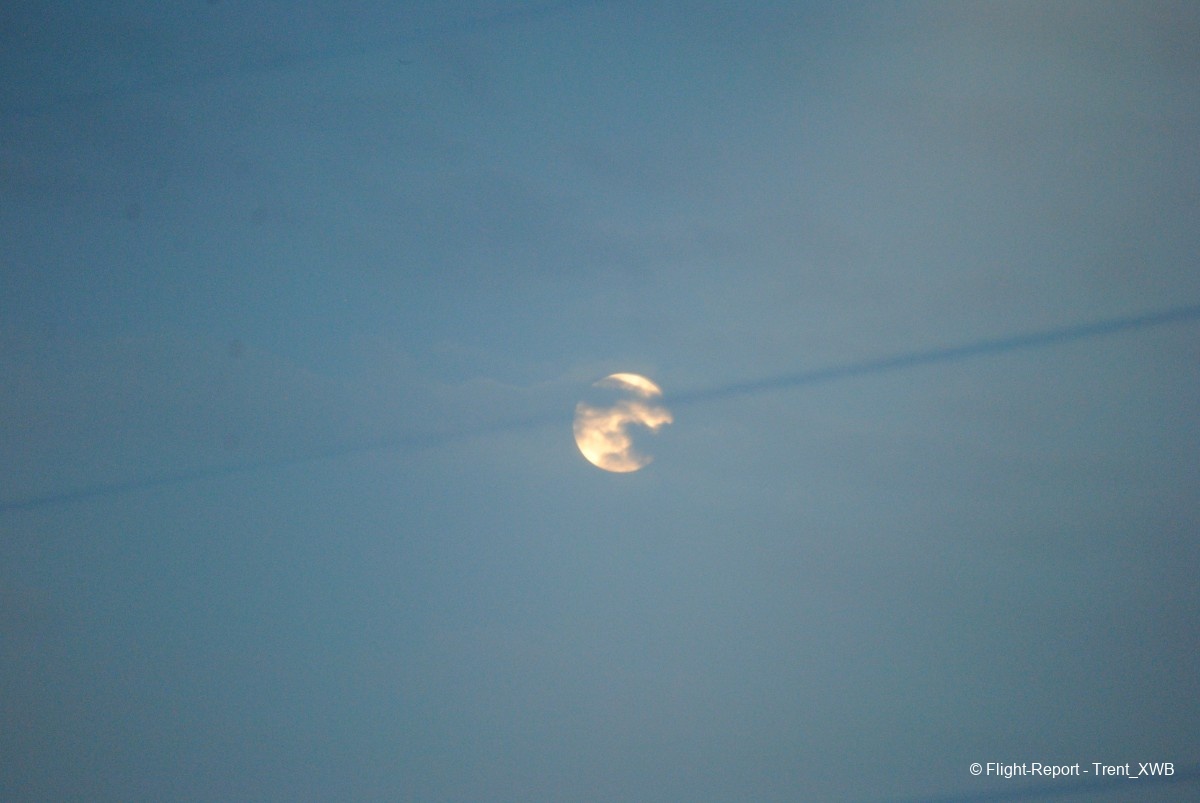
The rise of the first supermoon of 2020. The parade of supermoons of that pandemic year started the turbulence of 2020s.
The Aircraft
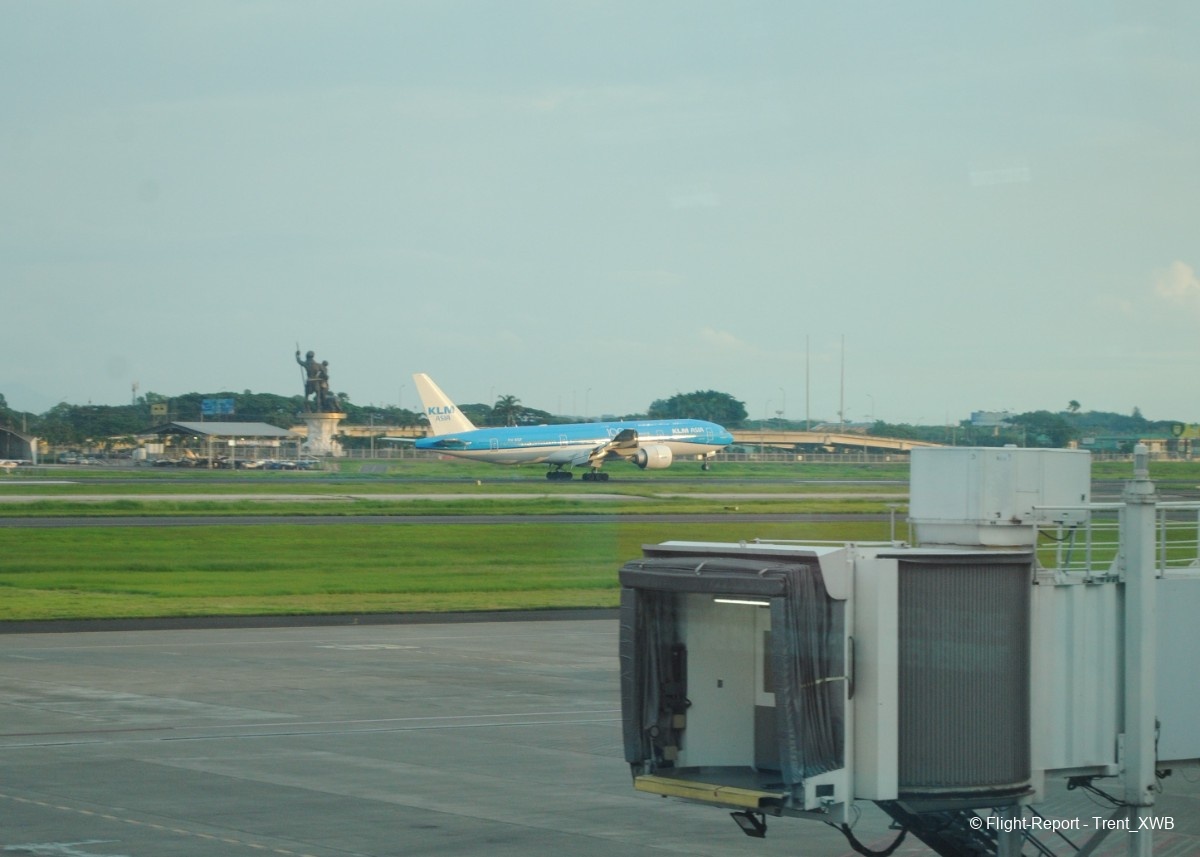
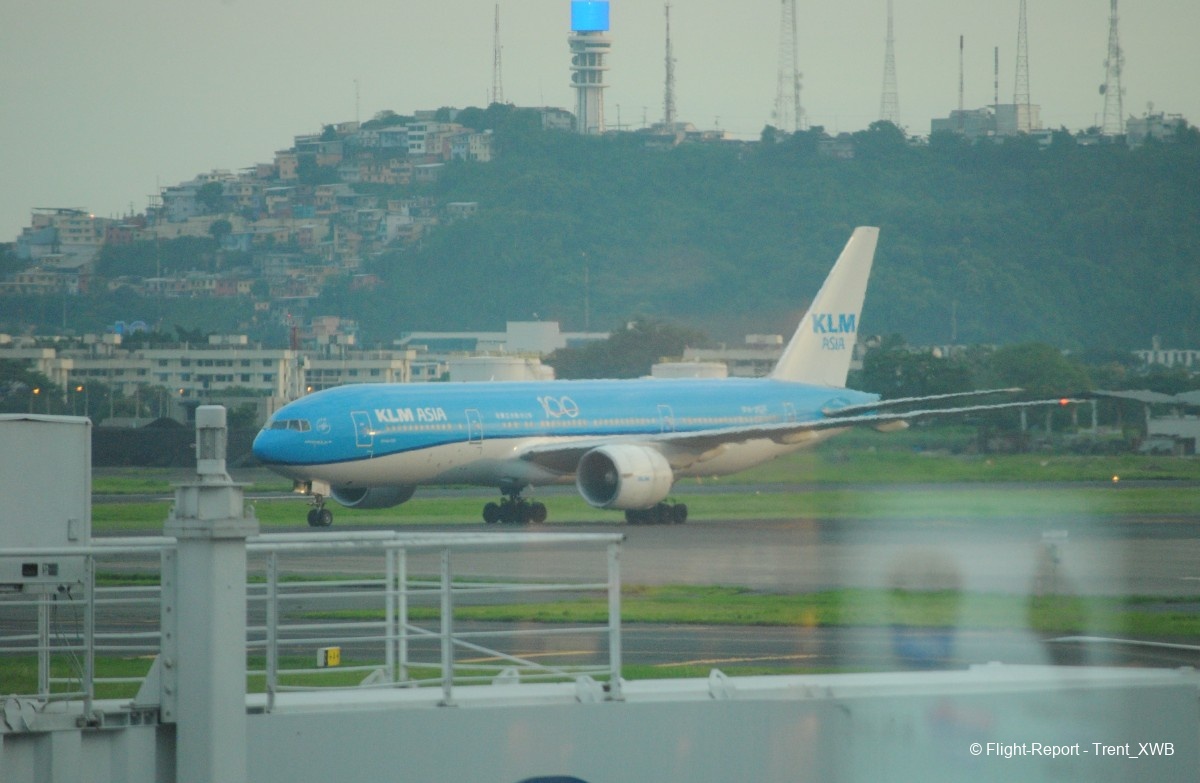
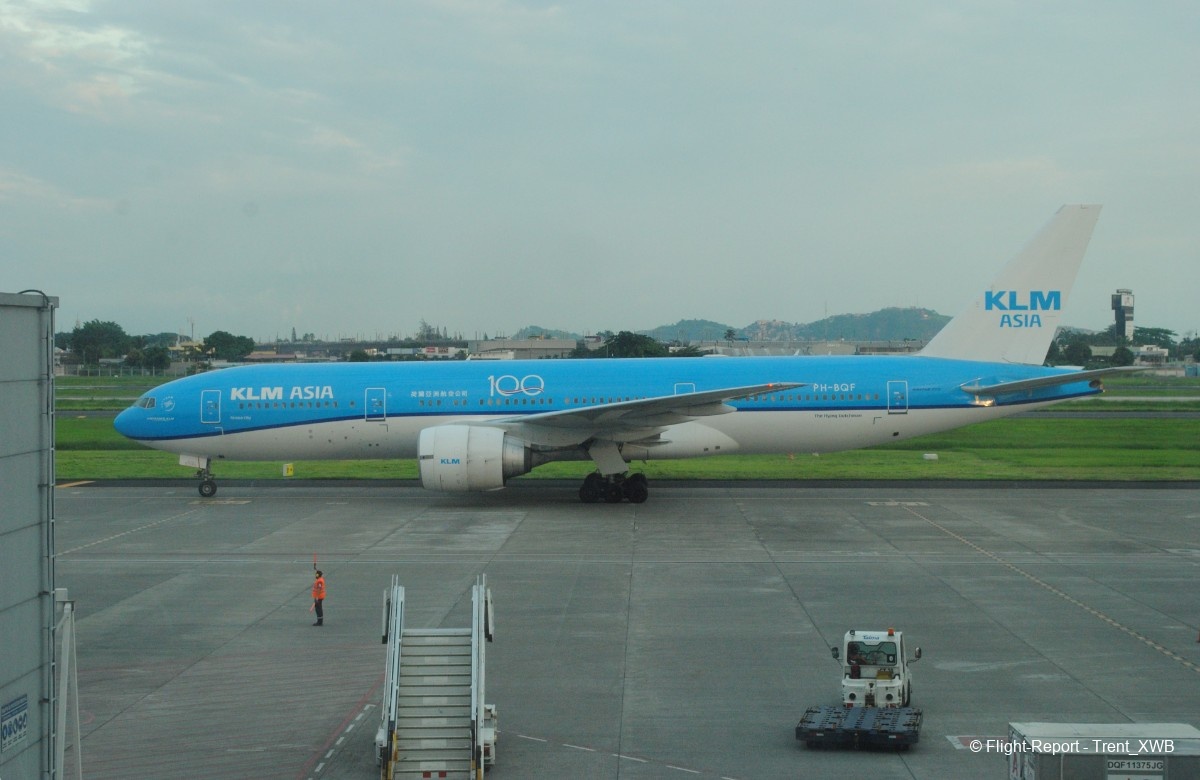
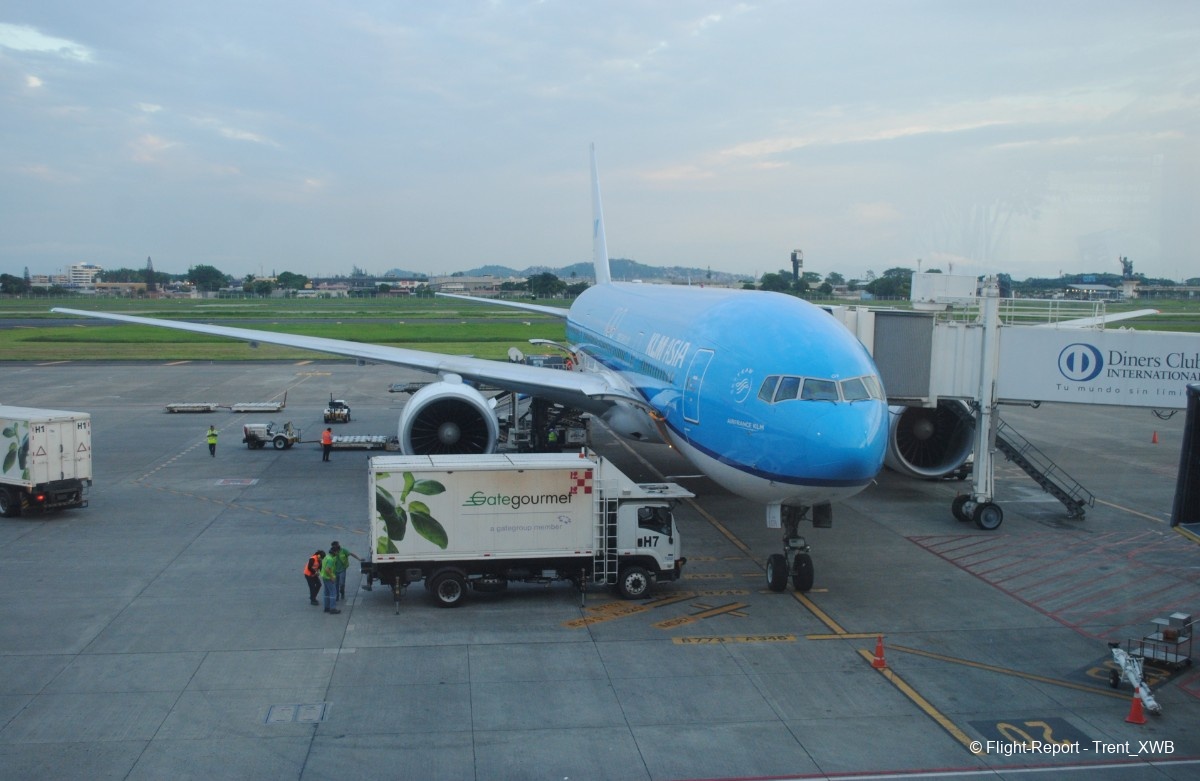
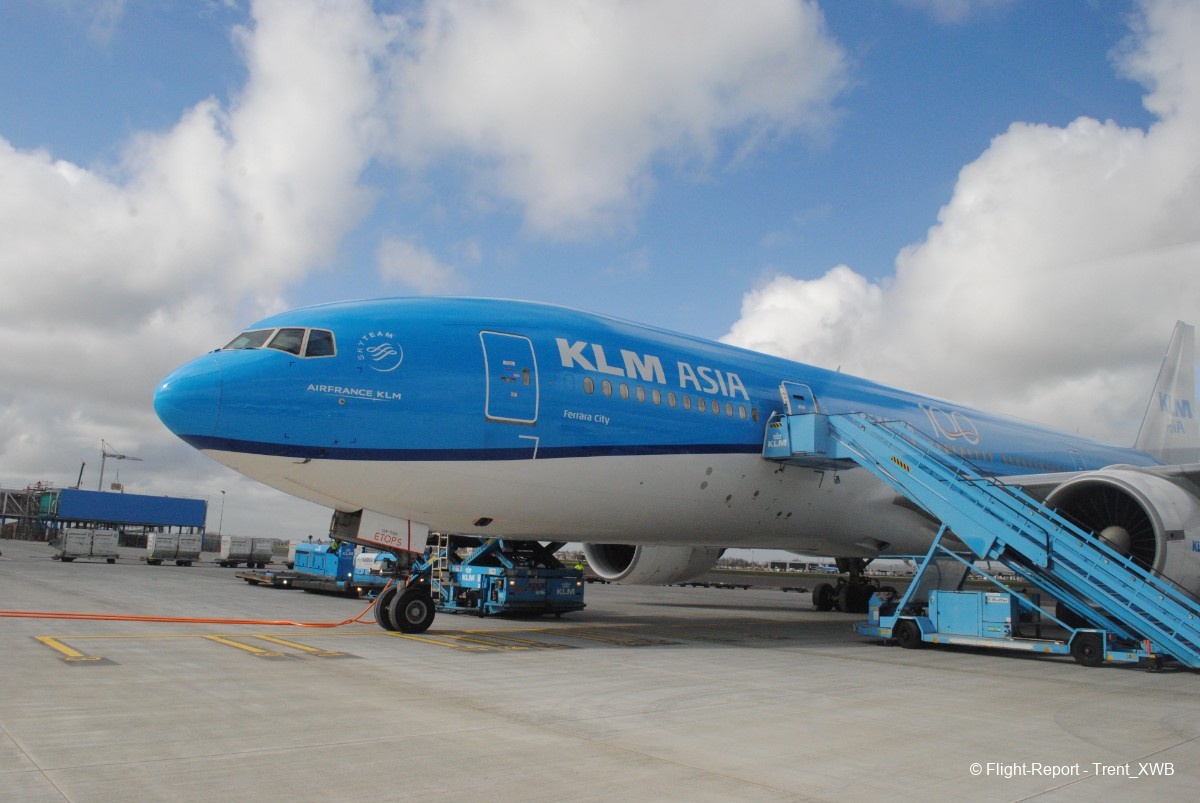
My flight to AMS was served by 2004-built B77E (PH-BQF). Shortly before the sunset the aircraft landed from UIO. All the KL B77Es had 2-class C34_Y286 layout (with 2-2-2 business class and 3-4-3 economy) back then, but in 2024 the premium cabins were reconfigured and their new layout is C35_W24_Y229 with 1-2-1 business and 2-4-2 premium economy (one can check this FR by SoraNoTabi, where these new business and premium economy cabins are shown). The size of economy was reduced, but its layout and seat model remains the same as before. PH-BQF is one of the 8 KL widebodies (1 B77W plus 7 B77Es) in the misterious "KLM Asia" livery. KL set up this "subsidiary" for being able to serve flights to Taiwan without disputing with China. Though, now even mainland Chinese airlines operate flights to Taiwan (despite the tensions between the countries), so the practical use of KL Asia is questionnable.
The Economy Cabin
B777s of different operators have a very broad spectrum of possible economy cabins. Speaking about the top of the spectrum, I definitely place there TK older B77Ws with 3-3-3 Weber 5751 economy (like the one that flew me ISL-GRU back in 2016). The KL B77Ws and B77Es, though, deserve to be at the very bottom of this spectrum because of laterally dense 3-4-3 economy with very uncomfortable Recaro CL3710 seats.
It was not KL who pioneered 3-4-3 layout into B777s (EK did it), but it was KL who pioneered Recaro slimline seats in the widebodies and since then Recaro, who won the lion's share of the market with its slimline crap, has driven the overall reputation of economy class to the bottom. As you may have noticed, one of my missions is to enlighten passengers about the good and bad economy seat models. Whereas I praise Weber 5751, Safran Z300, Collins Pinnacle and some other longhaul economy seats for being designed with human in mind, I almost always have nothing but swear words about the Recaro economy lineup. These seats are designed with cost- and weight-optimisation but with no human in mind. Thus, I recommend to stay away from Recaro economy on long-haul flights, if possible (in some cases it may not be possible due to the absence of choice). The only exception from Recaro slimline long-haul lineup is, probably, CL3620 (which is installed in the first batch of QR A359s) which seems to be quite OK for flight duration of 7 hours (though, I'm not sure about the longer durations). And the ultra-popular CL3710 is one of the worst economy seats in the world (the absolutely worst is Recaro CL3520 "Star Plus edition" in LH B748s).
A couple of views of the economy class during the boarding. Back then the first rows of the front economy cabin had increased row pitch and were designated with black headrests. In 2024 this section was replaced with the proper 2-4-2 premium economy with Collins Aerospace MiQ seats.
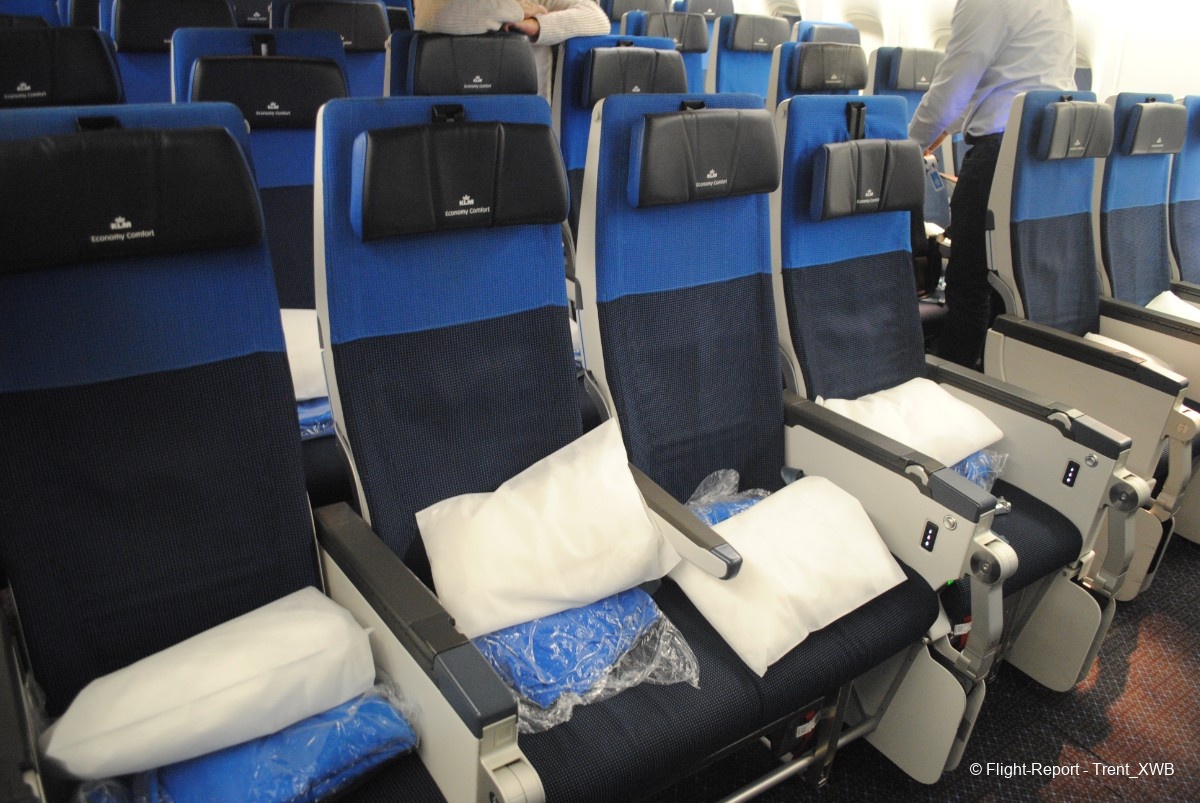
A view of the regular economy. More detailed views will be shown further.
The Economy Seat
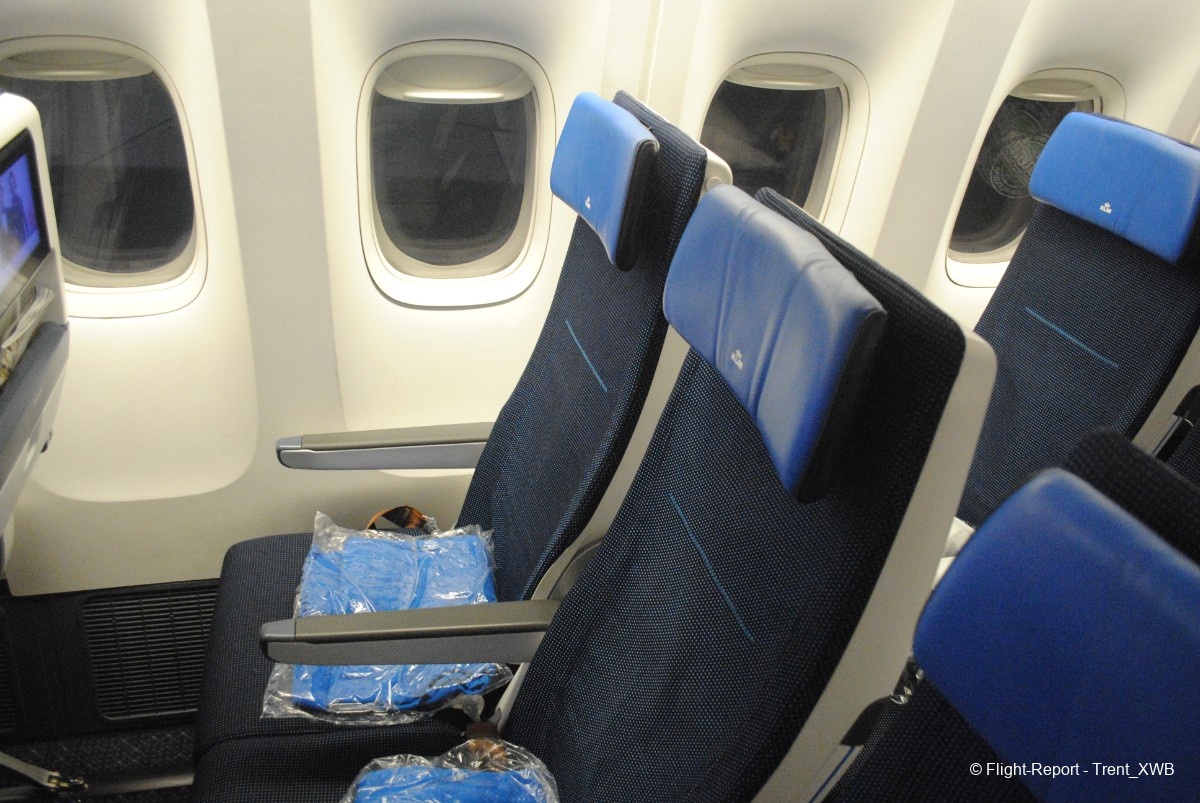
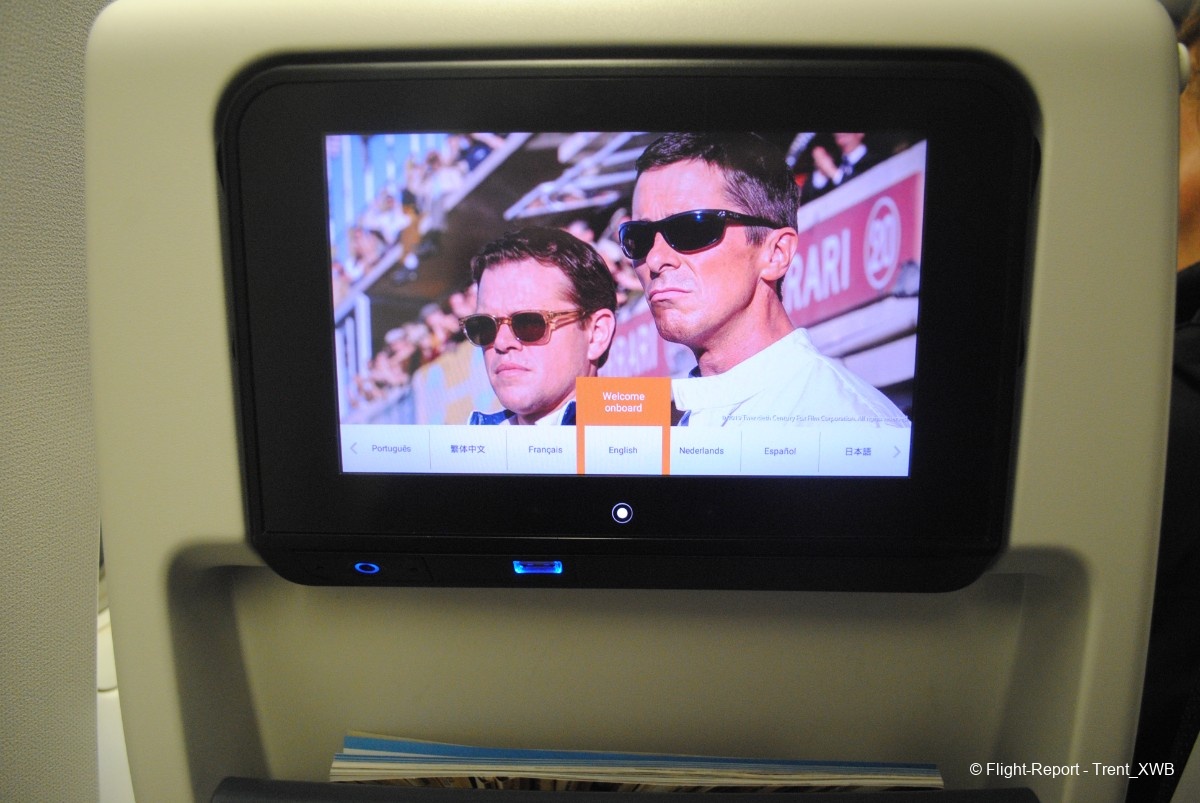
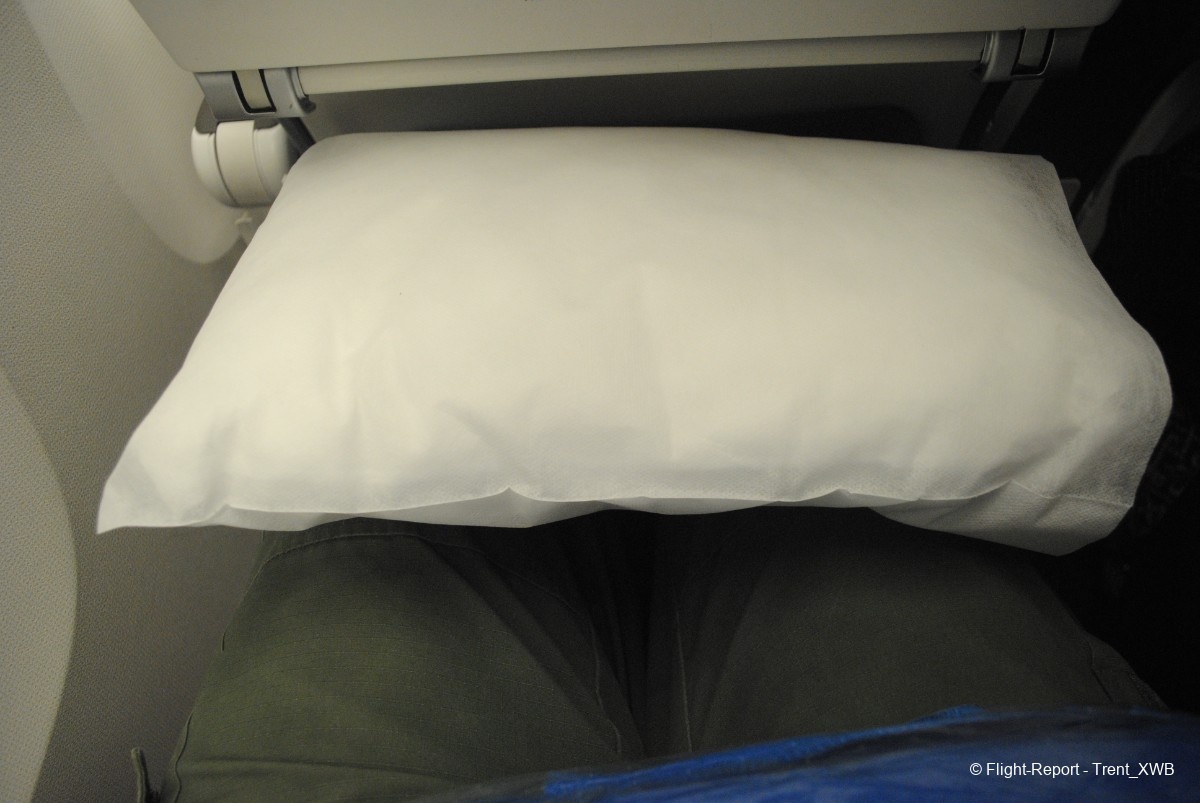
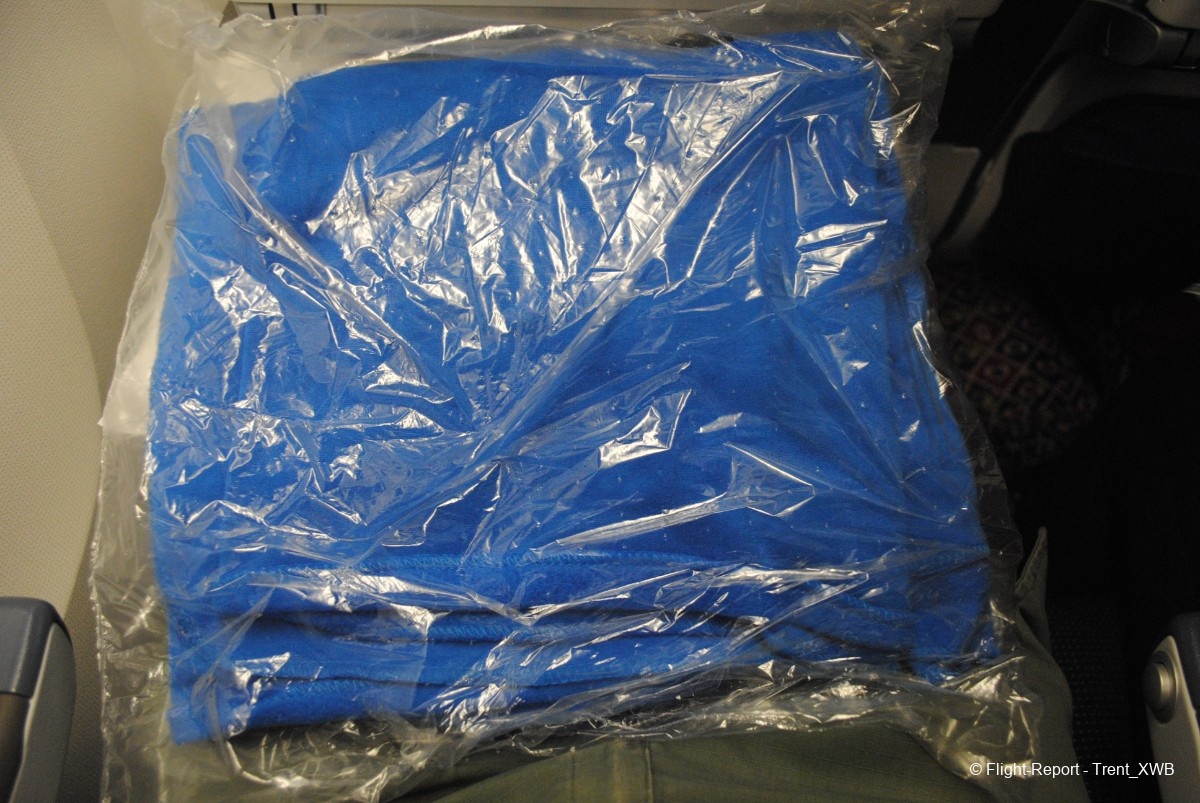
My seat was 35A in the second economy cabin (between 3L/R and 4L/R doors). As I said earlier, the seat model is abysmal Recaro CL3710. In addition to the uncomfortable badly designed seat, the seatwidth is also abysmal - 16.7" in the narrowest place between armrests! The seat has "leather" adjustable headrest, fabric upholstery, Panasonic eX3 IFE with USB port, hard upper seat pocket, bi-fold tray table, lower soft seat pocket and underseat universal power plug. Needless to say that the legroom is very good - this is the only upside of this cabin (for comparison, 2 of 3 WK A343s - HB-JMD/E - not only have equally narrow CL3710s, but their row pitch is abysmal, and my CPT-ZRH flight with full cabin load back in 2018 was a true nightmare). Waiting on the seat were pillow and blanket. Initially my seat triplet was fully occupied, but after takeoff I persuaded my neighbor to change the seat, as the flight was not full. The empty middle seat and two pillows I put under my back, helped me a lot to survive this flight.
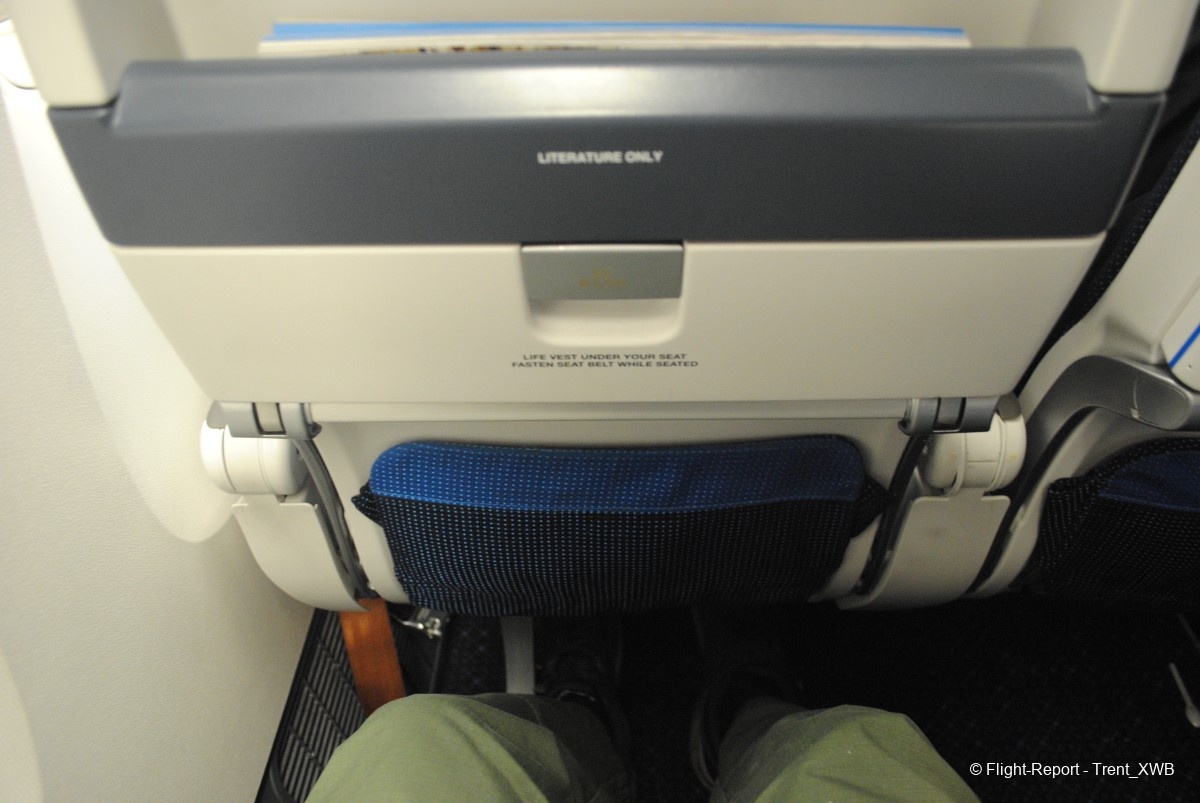
The seatpocket content: safety card, inflight magazine and waste bag.
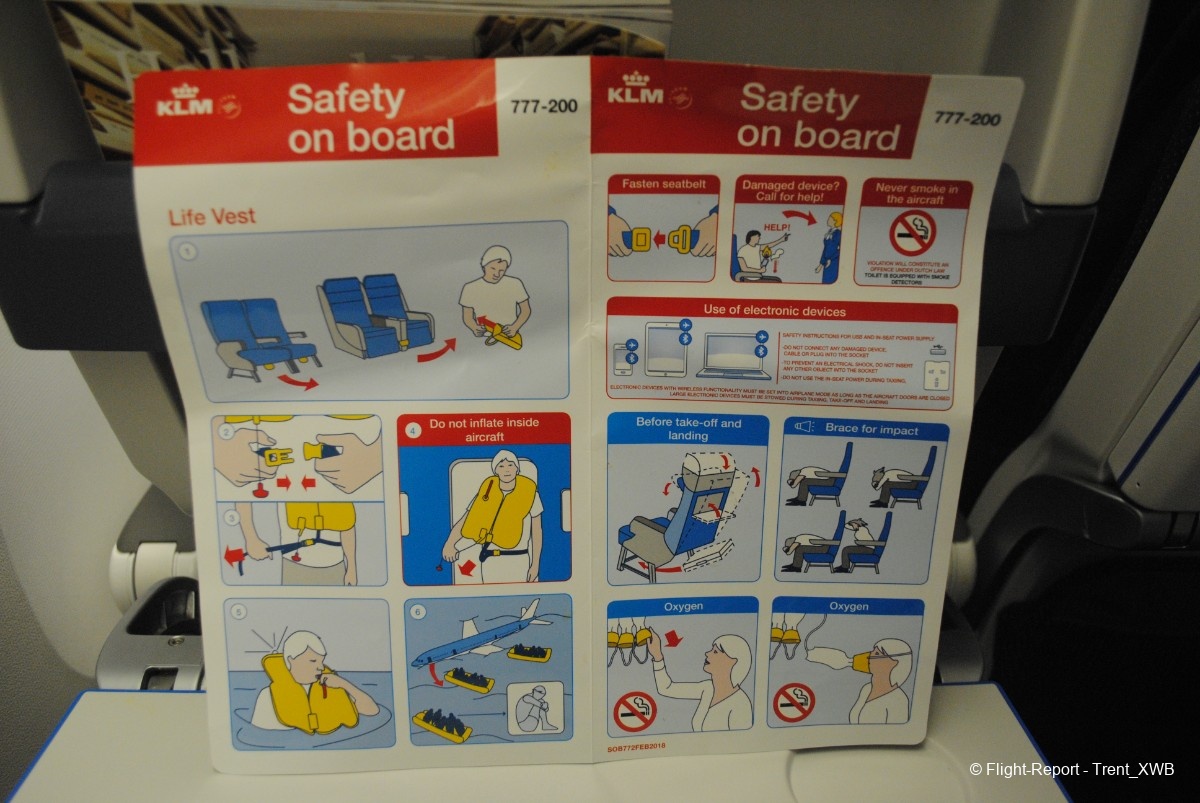
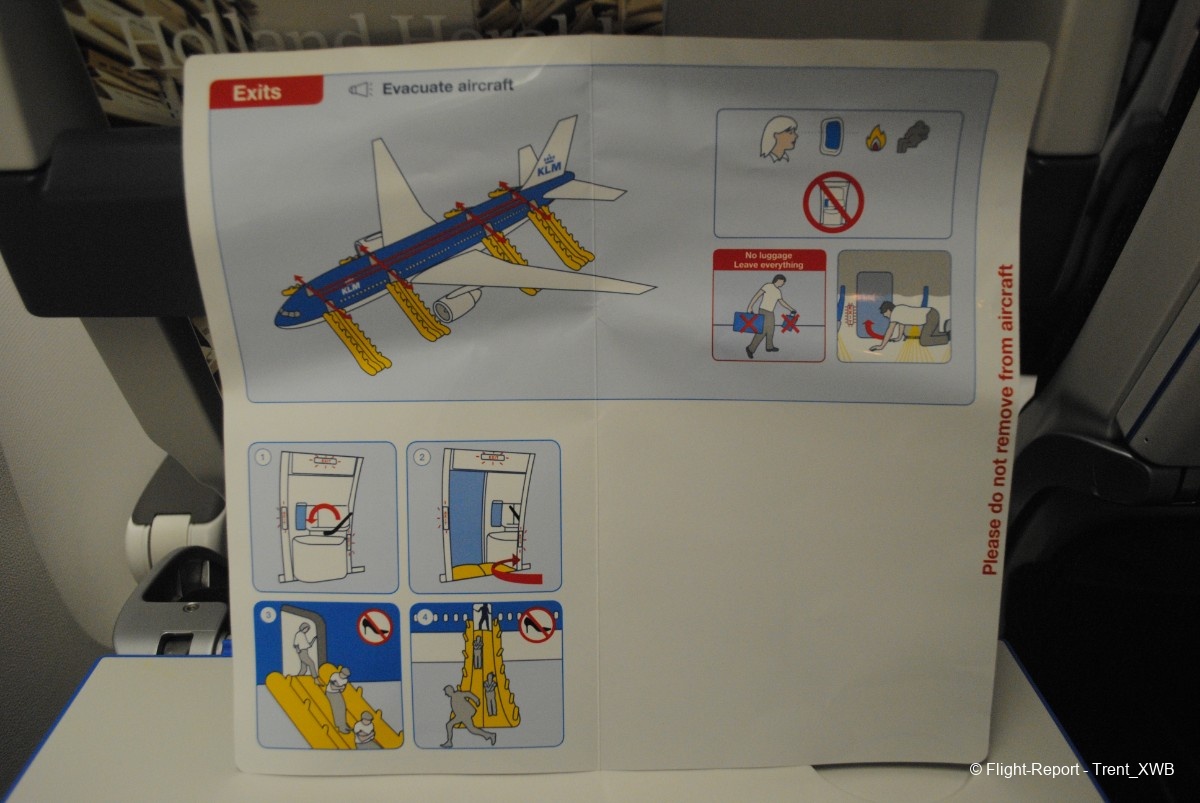
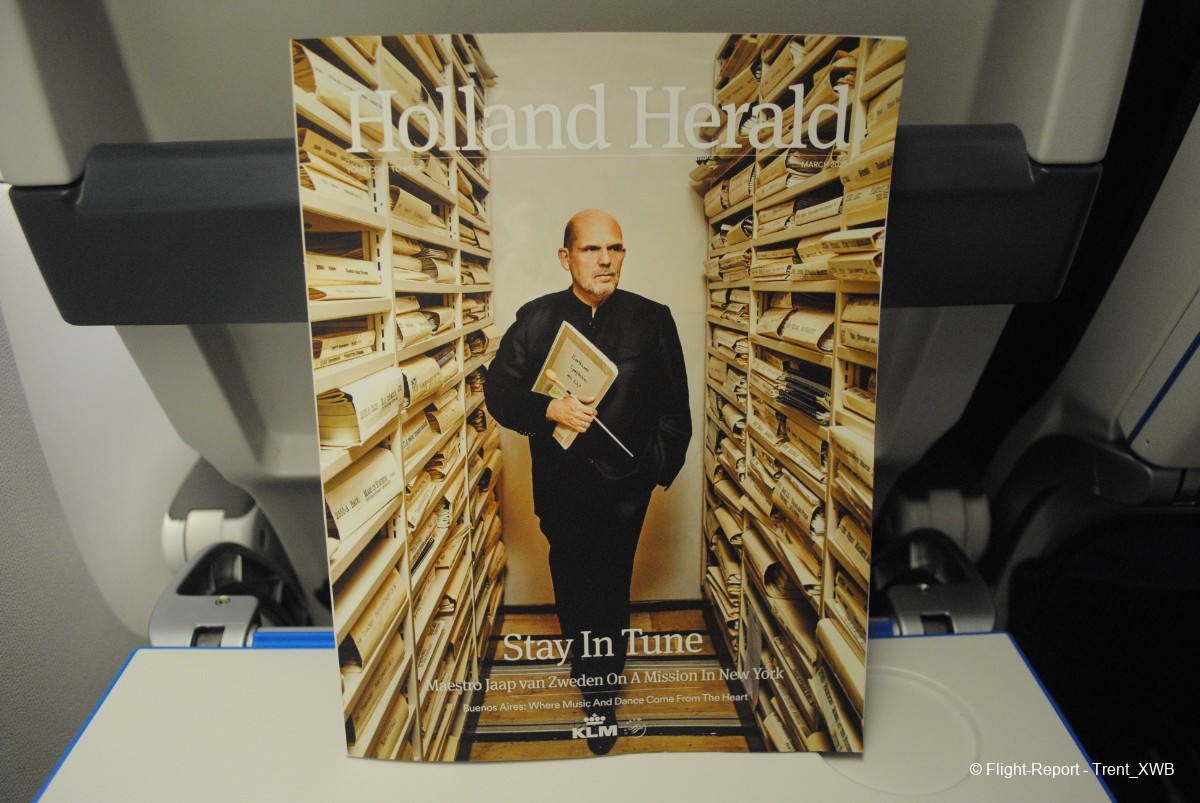
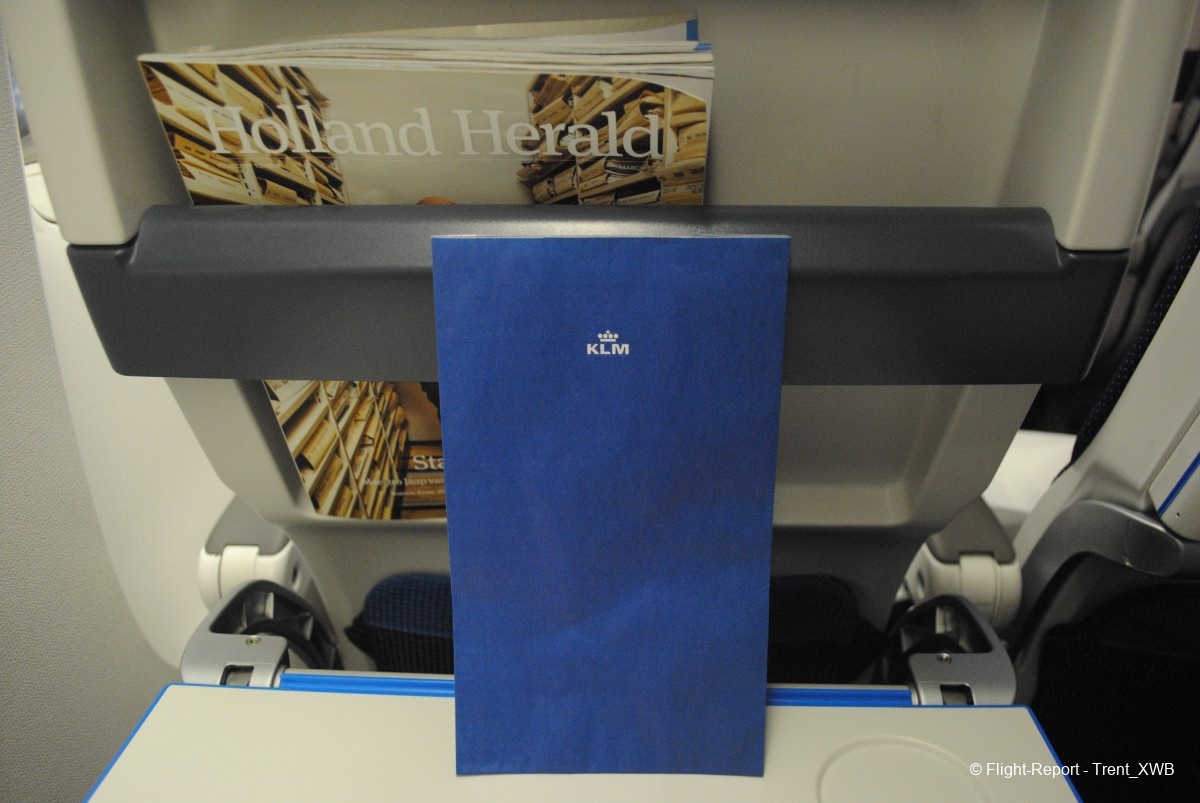
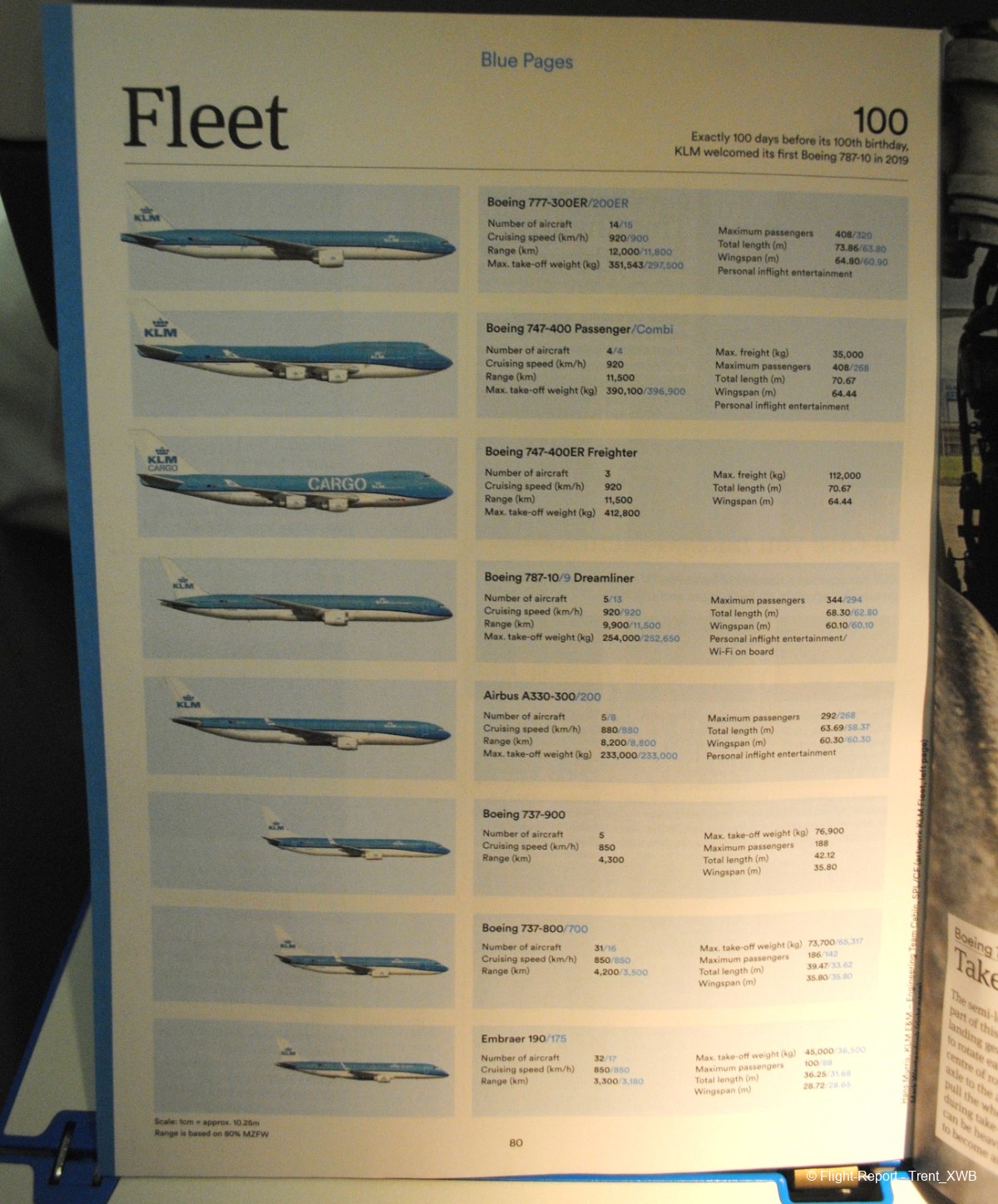
This is how KL fleet looked like in the eve of the pandemic. KL back then had a few remaining B744s - both full-passenger ones and combi ones, and all of them were phased out during the pandemic.
The Flight
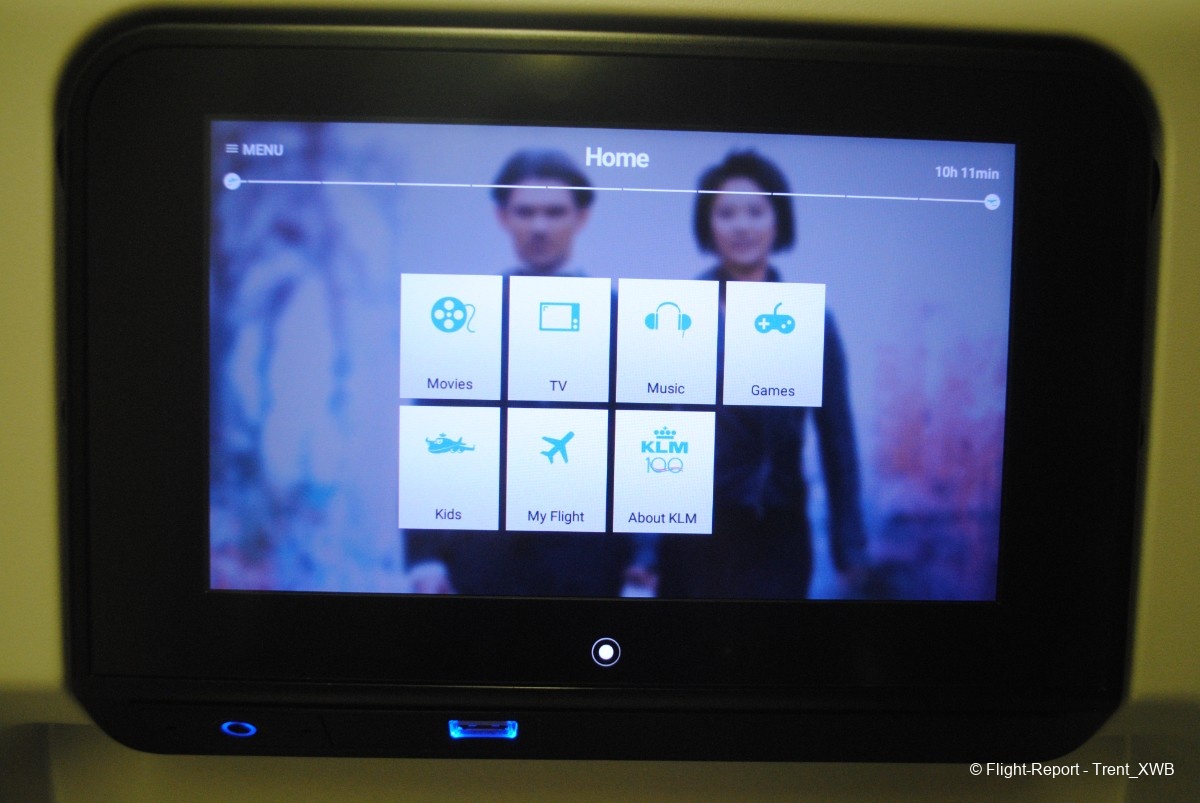
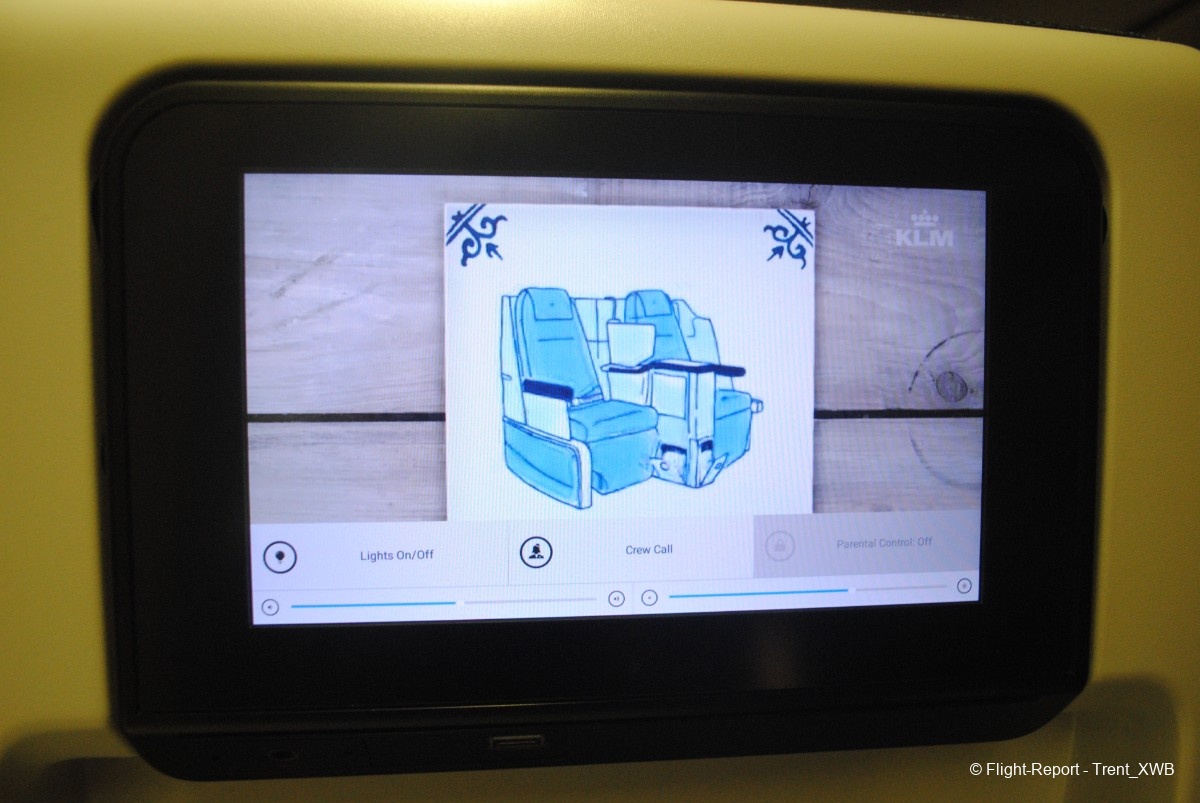
The main menu of IFE and some screenshots from the safety video, featuring Delft tiles, played during the pushback.
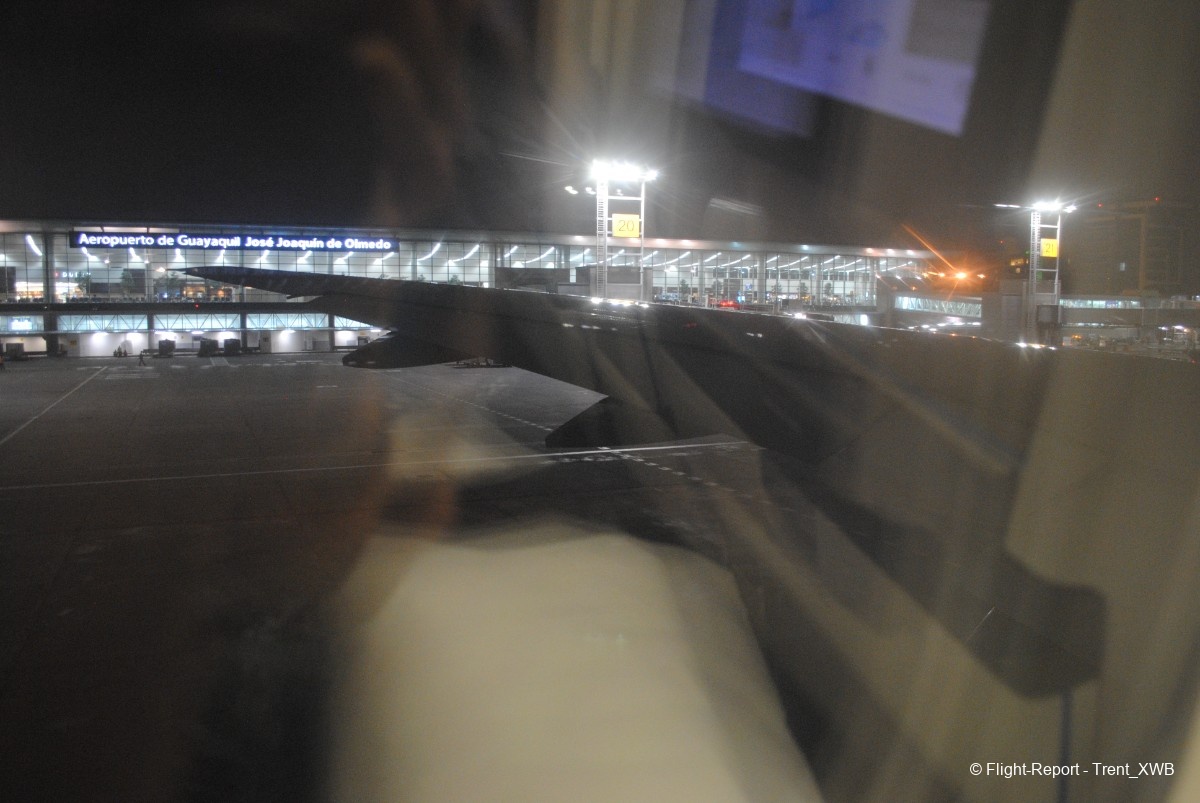
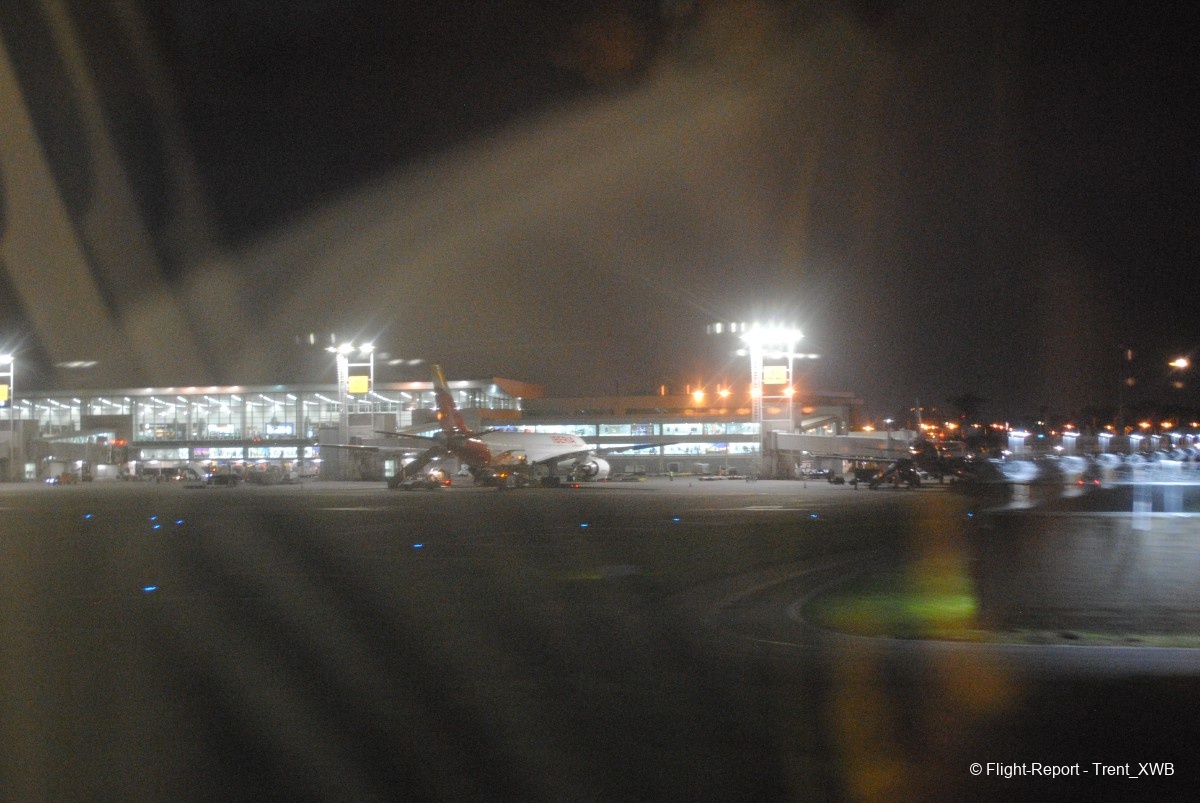
Views of GYE terminal with IB A332.
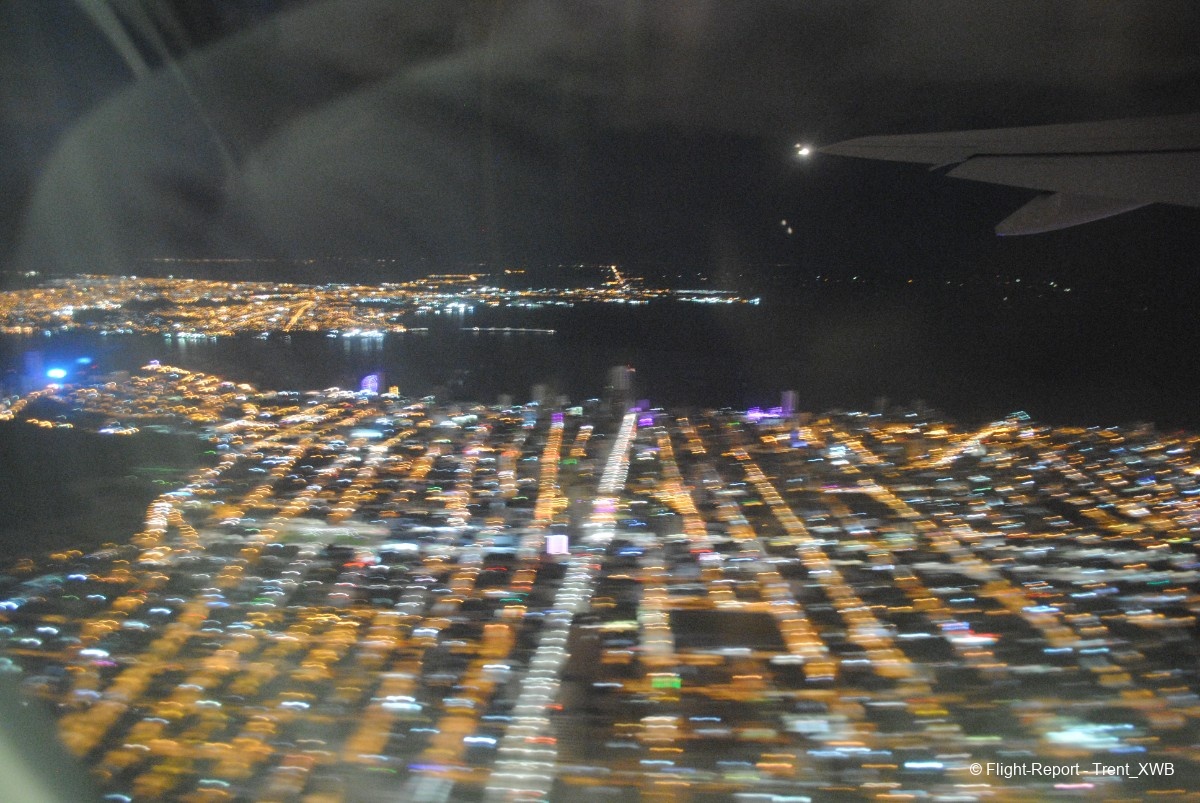
Taking off from GYE with the Malecon (embankment) of Guayas river in sight (I walked the Malecon that day before heading to the airport).
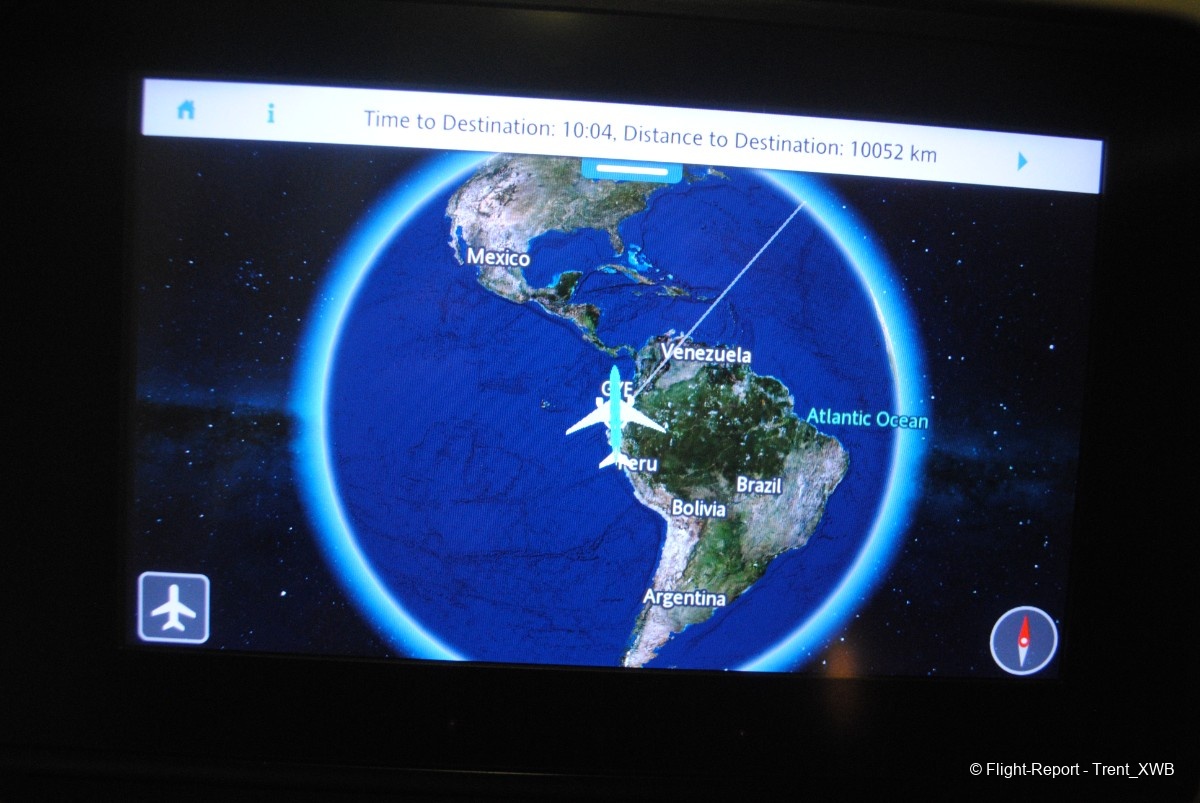
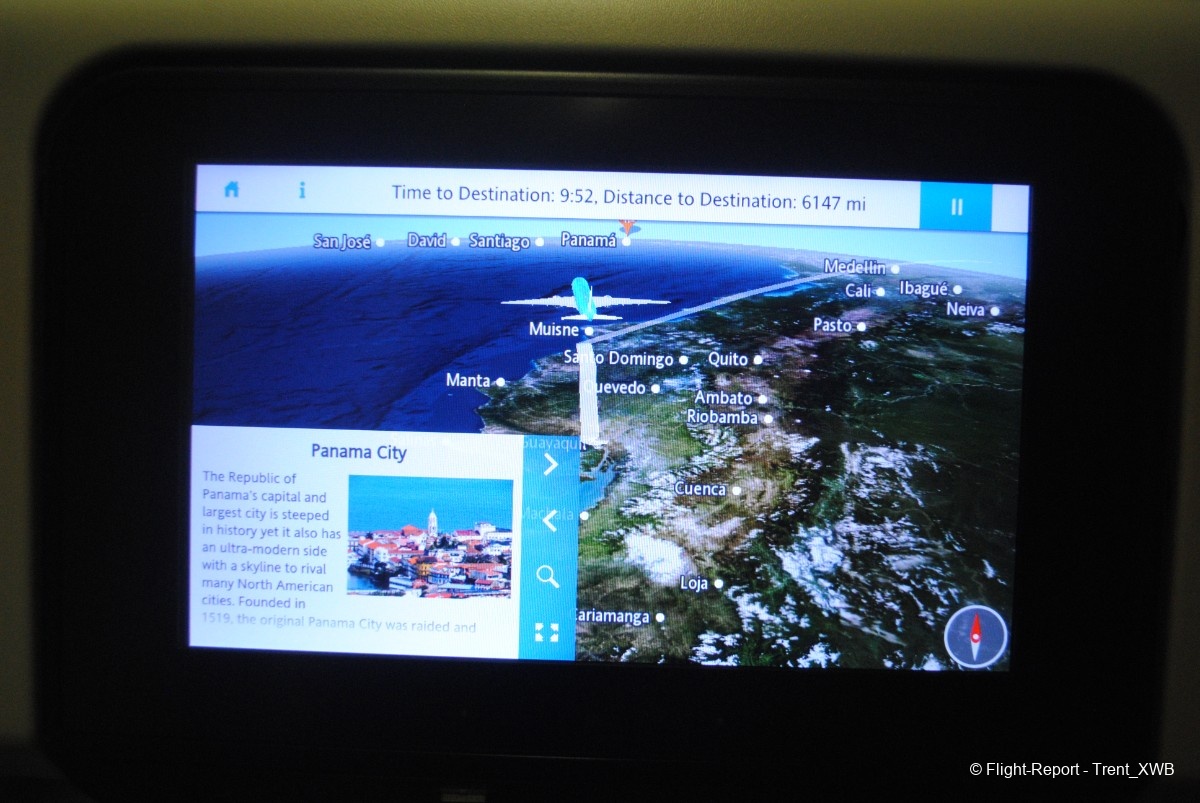
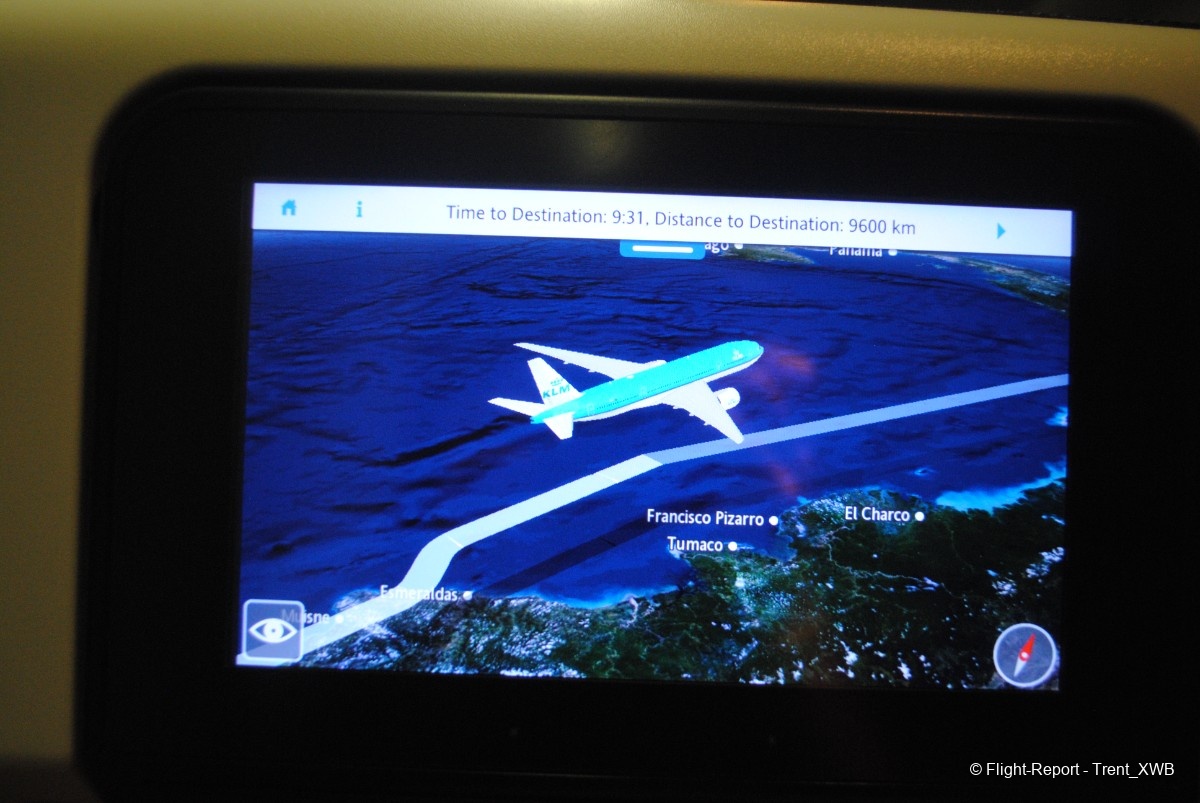
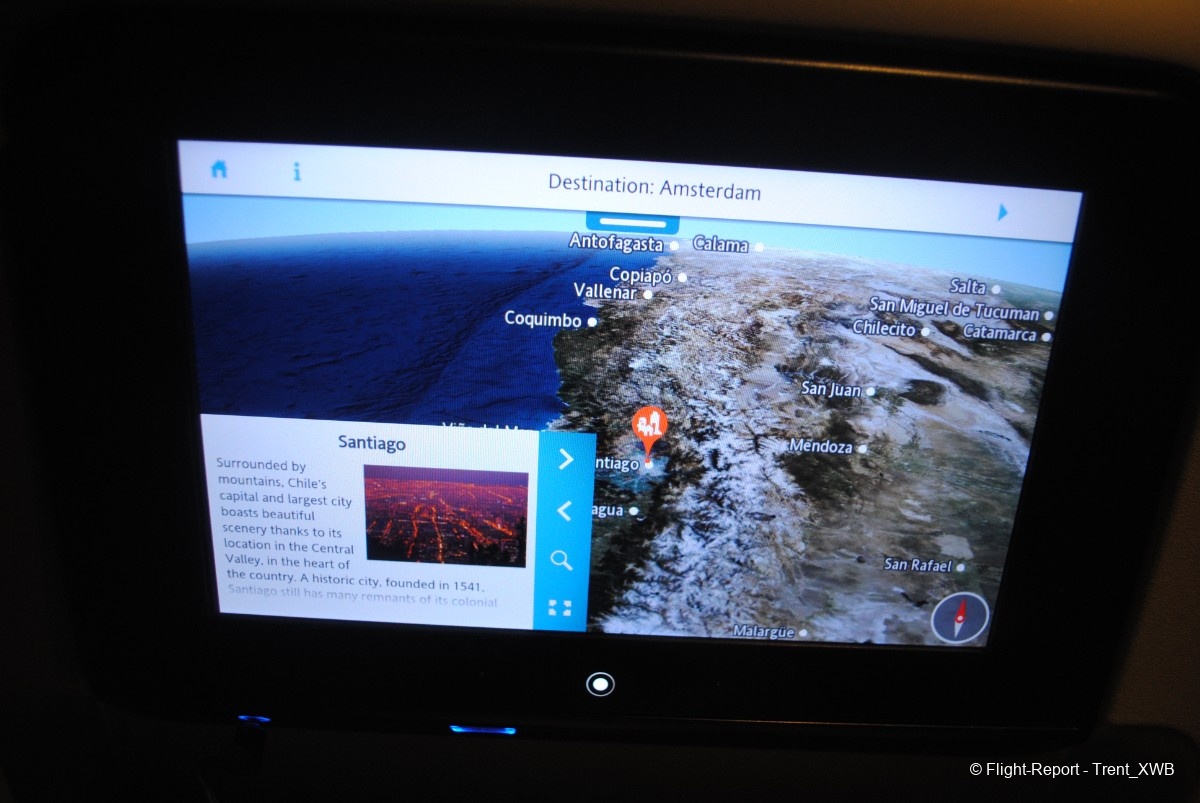
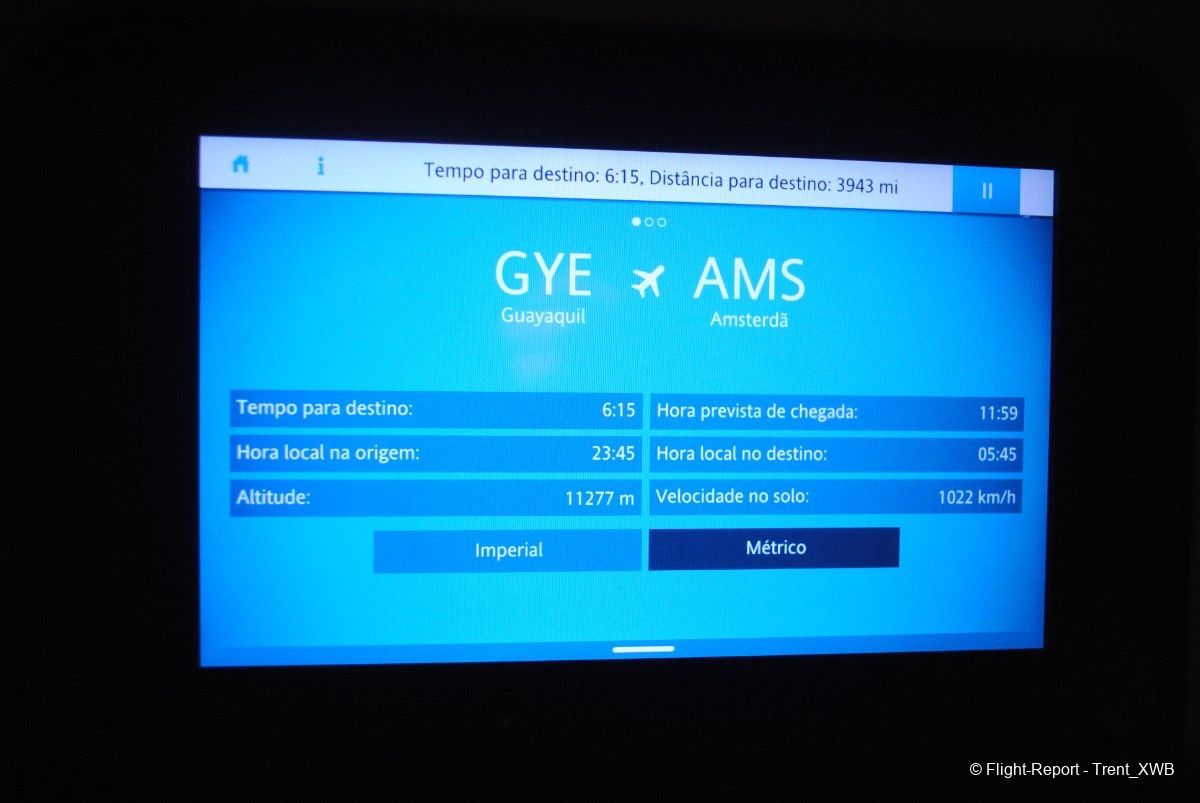
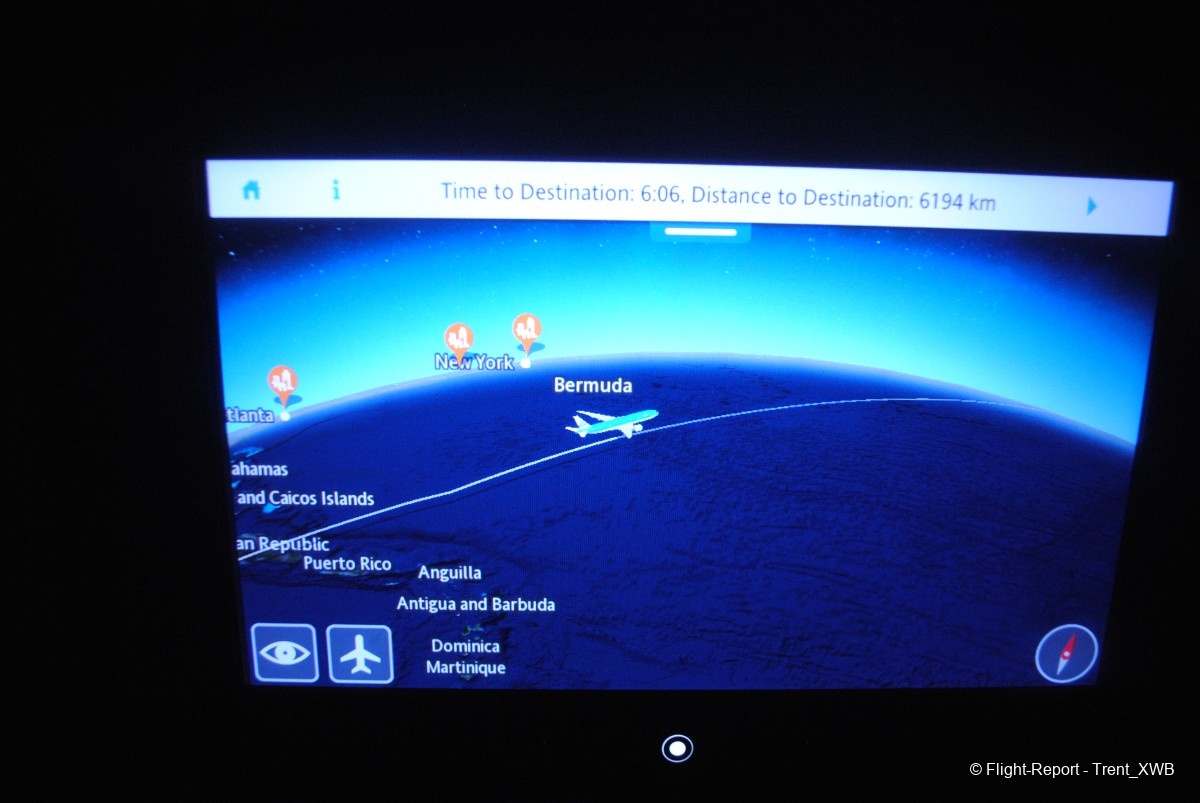
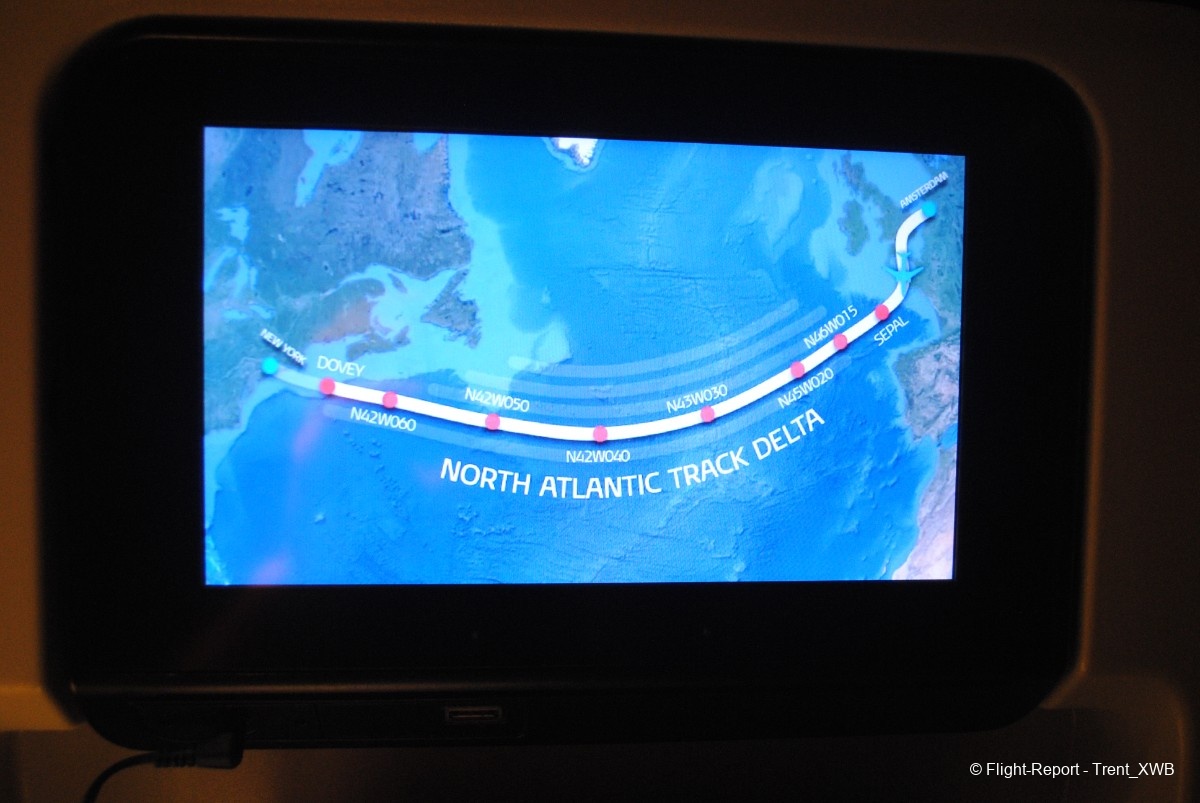
The flight map with quite a distance to cover. The map is highly interactive and can show some information about KL destinations (as the examples - Panama city and Santiago de Chile).
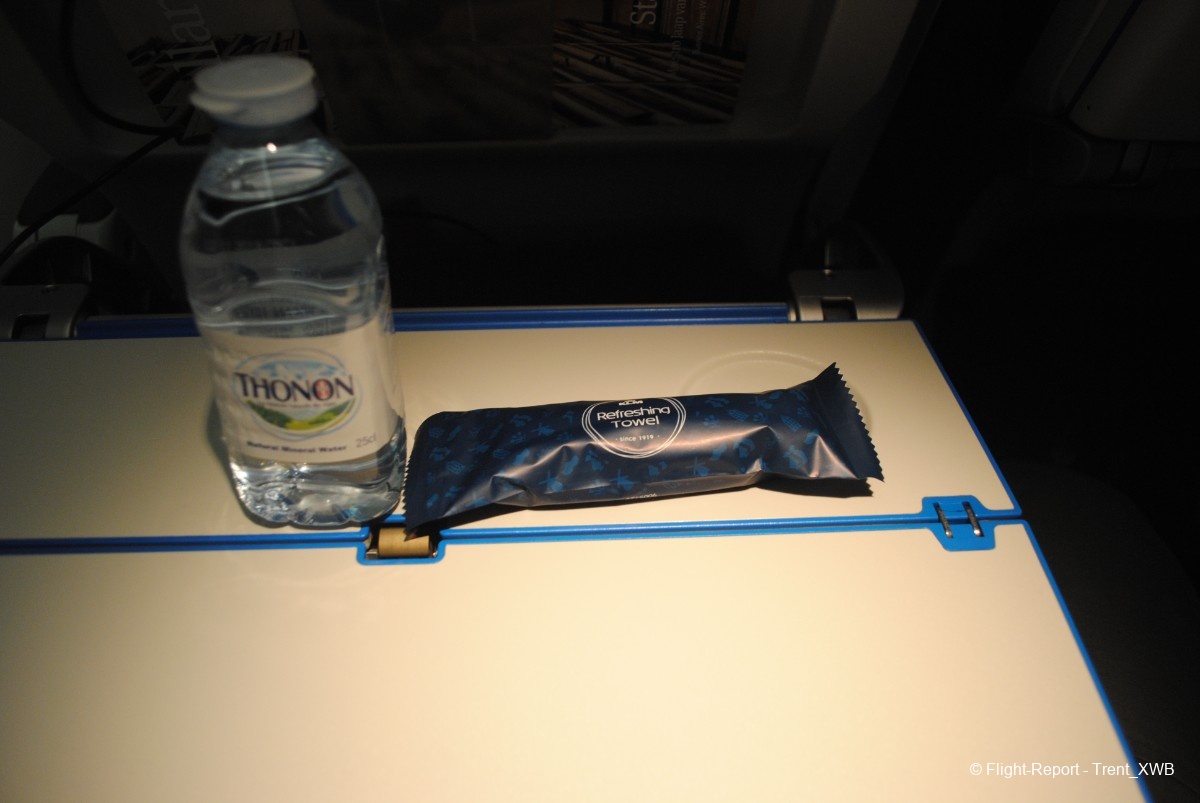
The crew started service handing bottle of water and oshibori. Needless to say that the crew were friendly, which is the norm for KL.
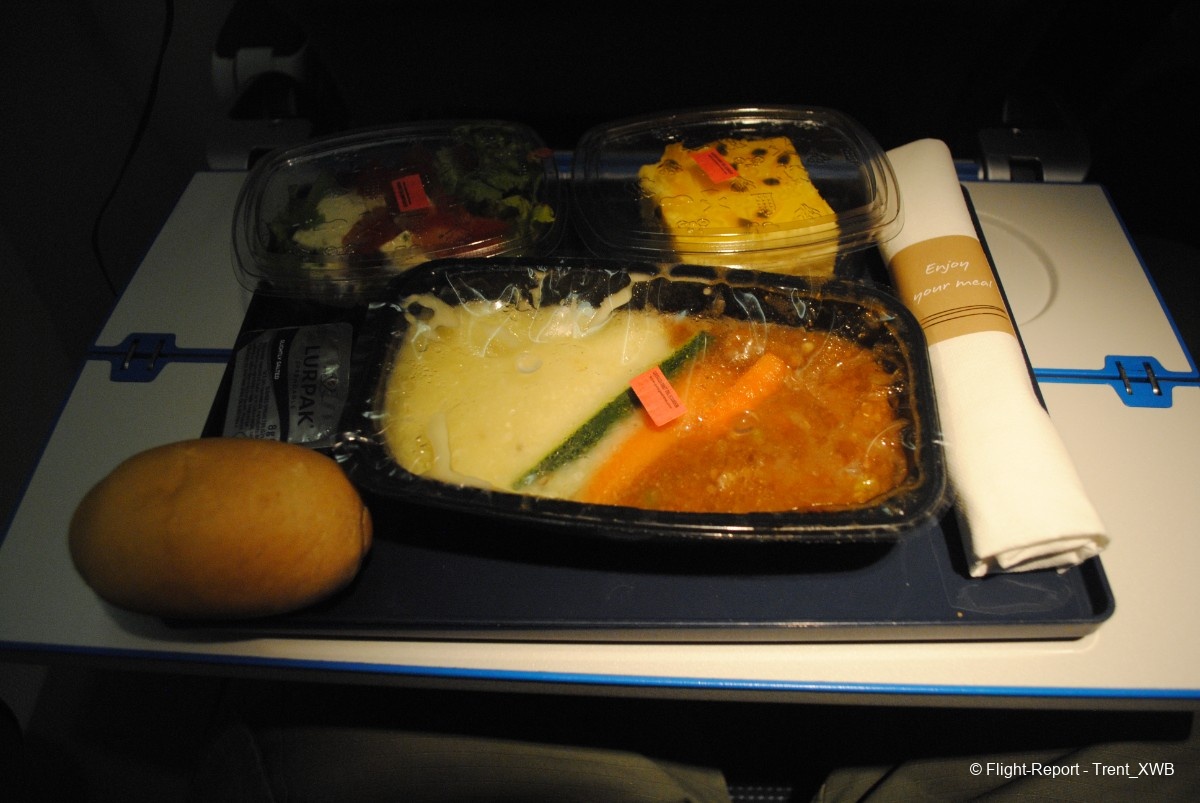
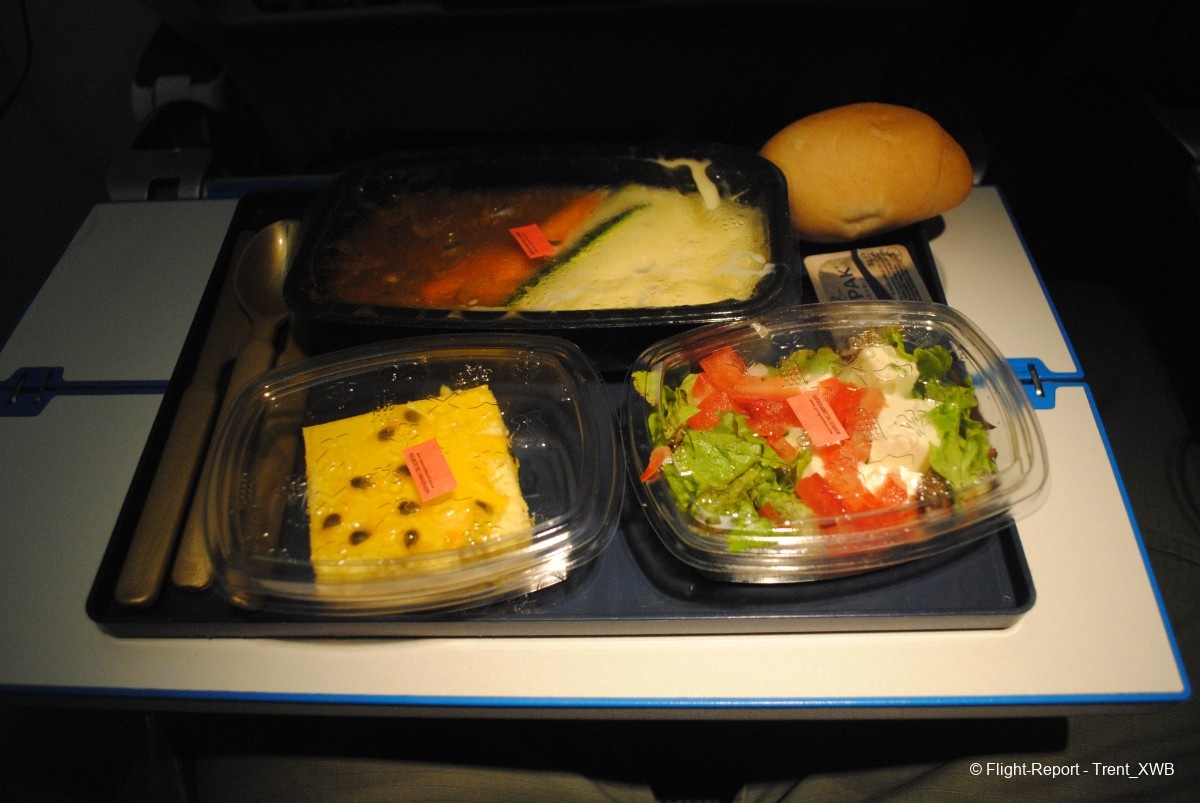
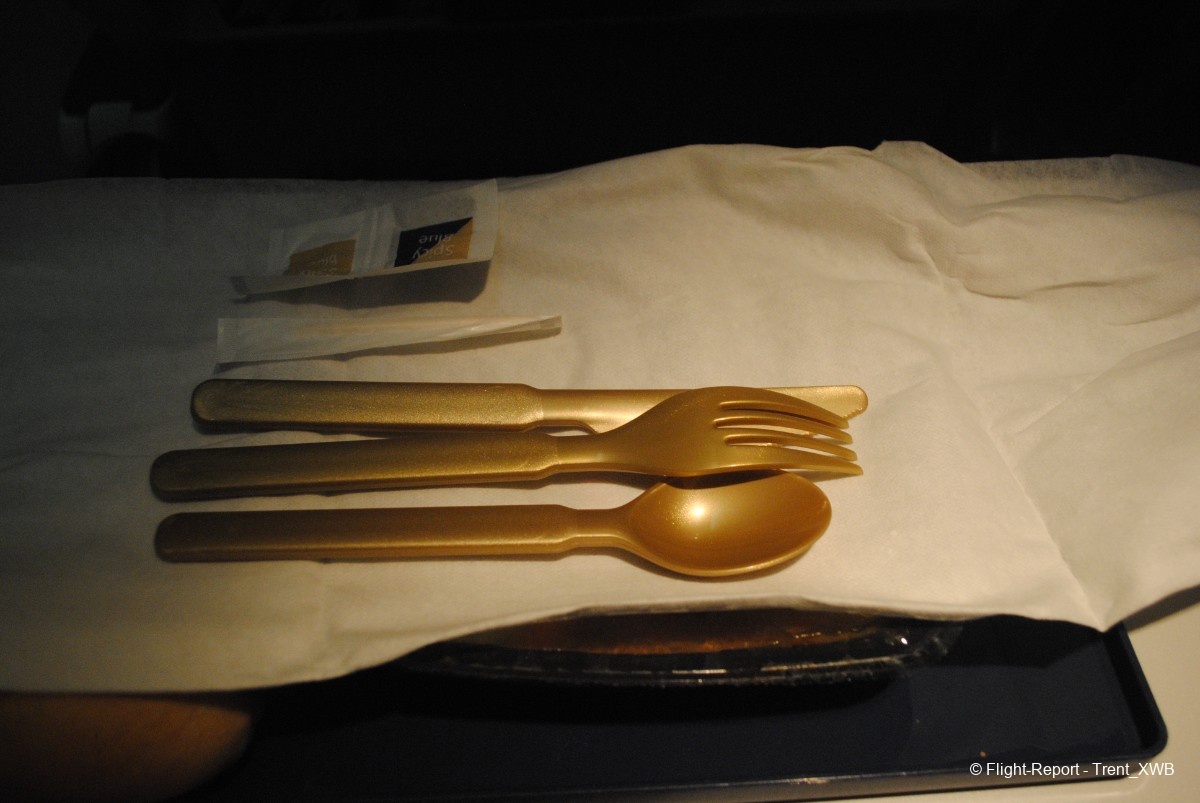
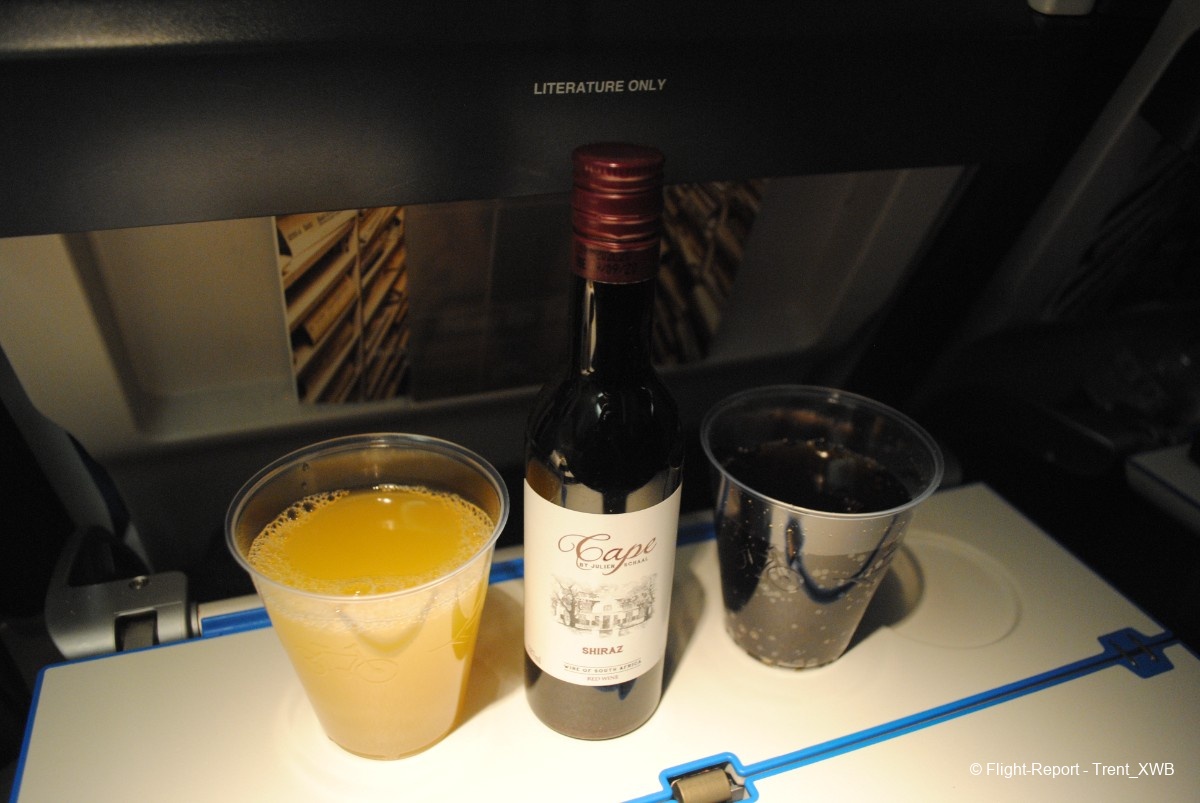
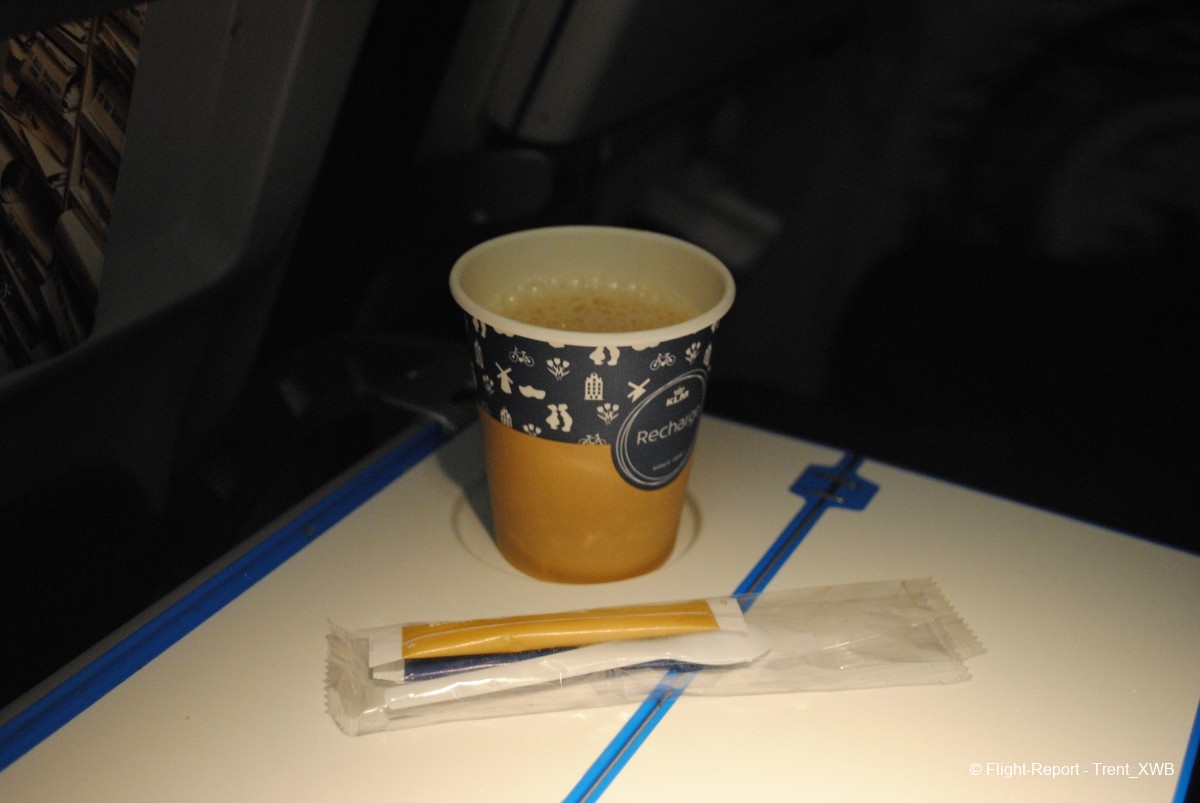
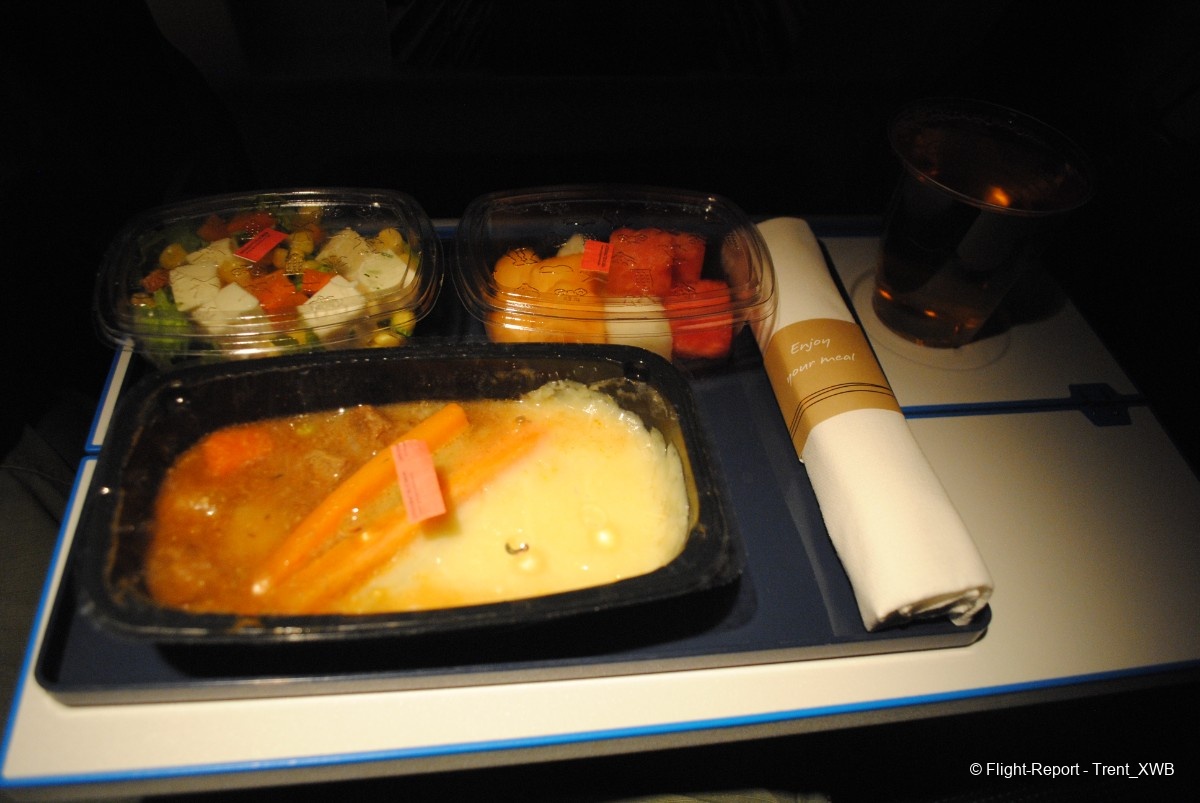
Then followed the meal - goulashe with mashed potatoes and vegs, plus salad, plus cheescake. The cutlery was plastic (of good quality). For the drinking I chose red wine, orange juice, cola and then coffee. Despite looking less premium than AF economy meals, this meal was tasty.
Then I slept for a few hours, and when I woke up, we were in the middle of the North Atlantic.
As my back and ass were starting to become quadratisch (kein praktisch, kein gut) in these dreaded CL3710 seats (despite two softening pillows), it was time to stretch the legs.
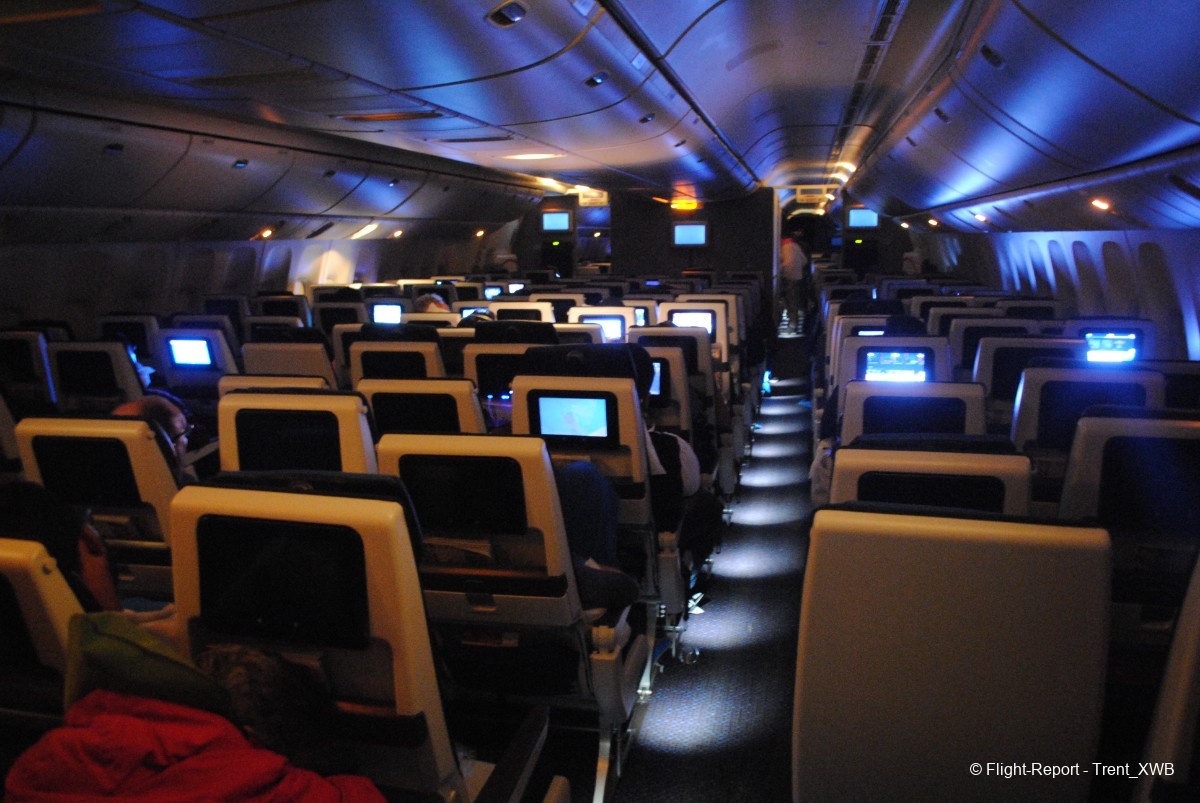
An inflight view of the rear economy cabin in semi-darkness.
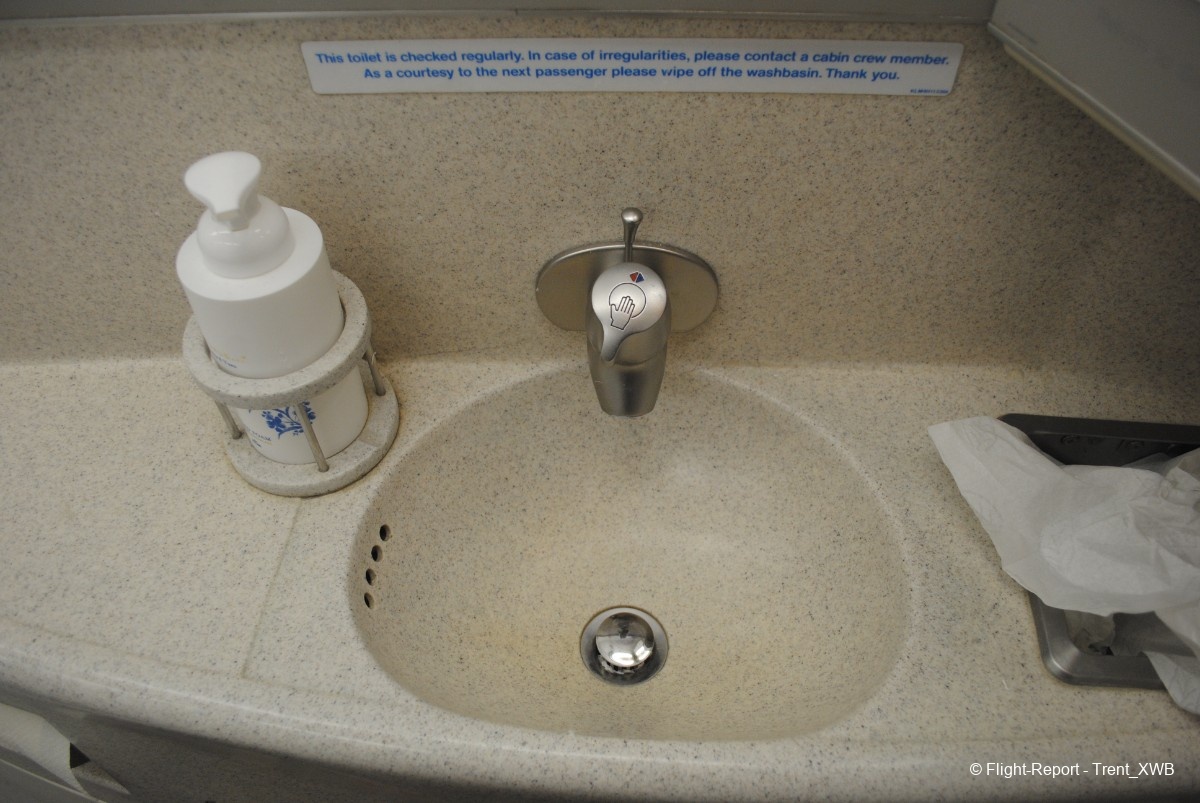
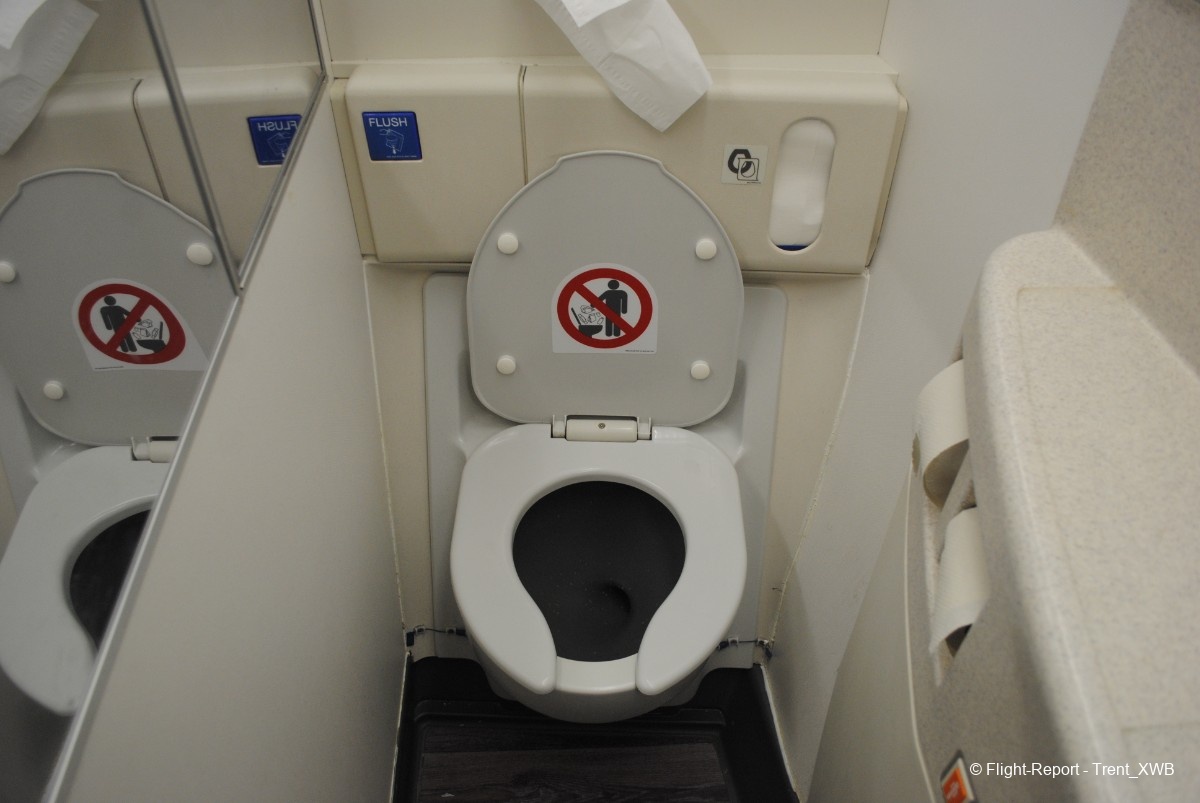
It's hard not to like spacious B777 lavatories in the rear. Dreamliners don't have such ones.
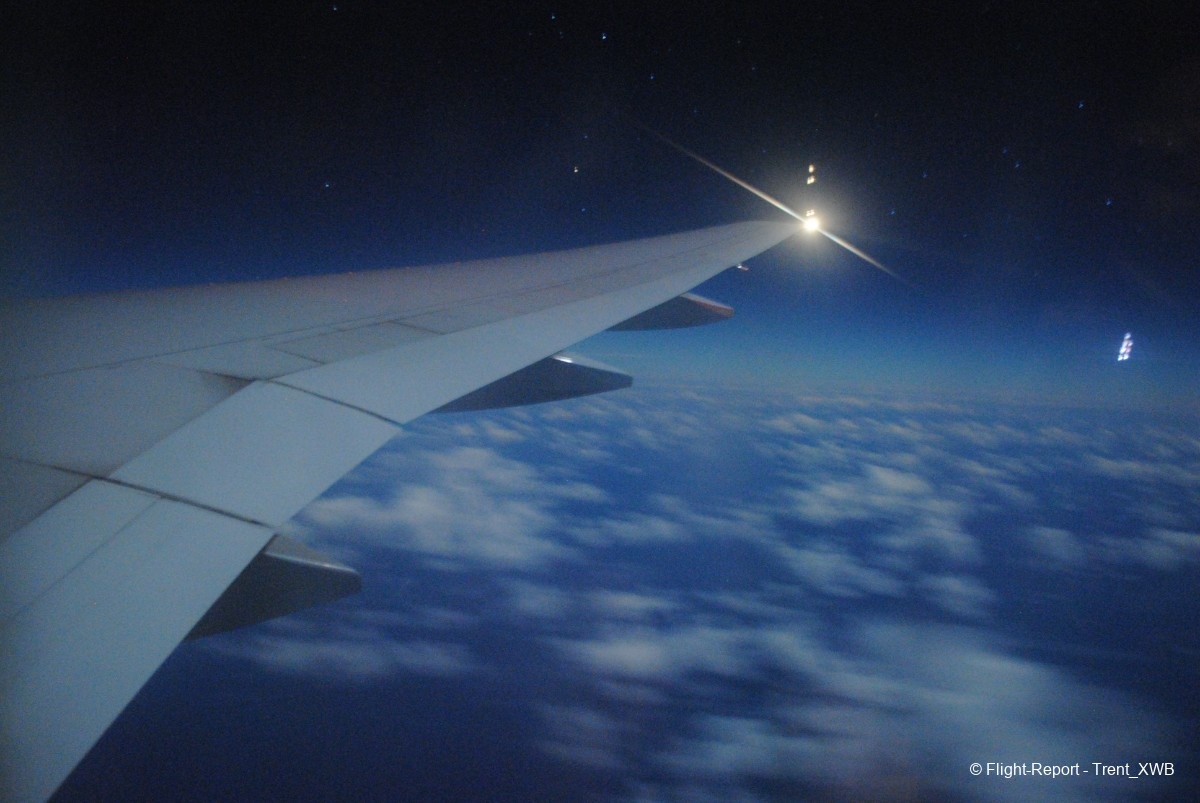
Wing view in the supermoon-lit night over the North Atlantics.
As the cabin load is not full, I ask crew for an additional meal and they give me one with the same goulash, but with different salad and with fruit salad instead of cheesecake. Two meals were enough to be filled until the breakfast.
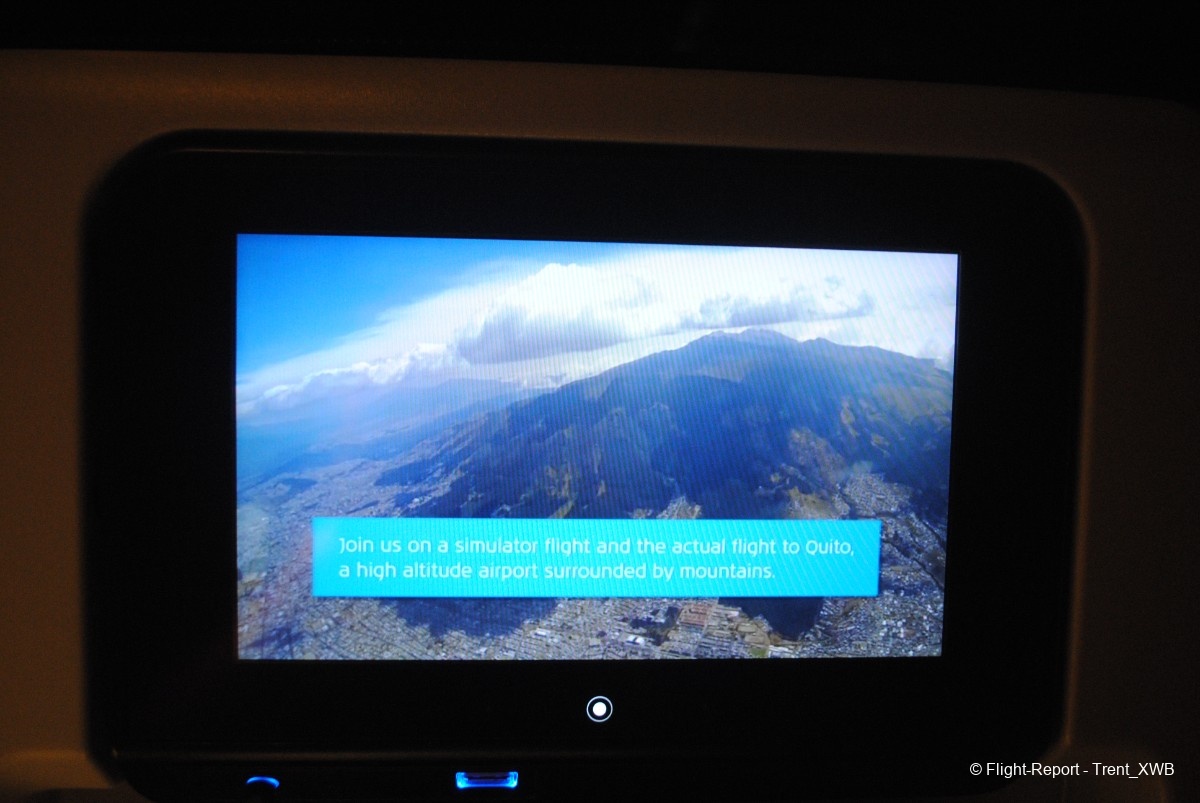
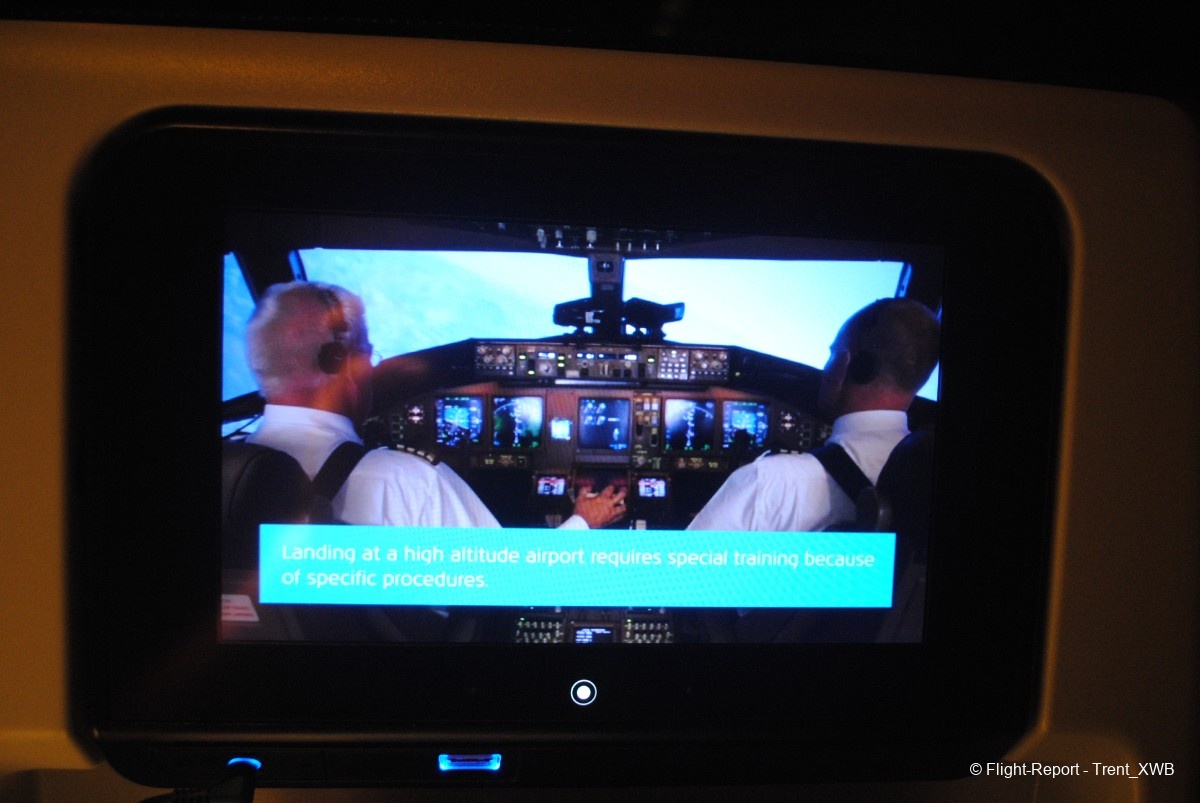
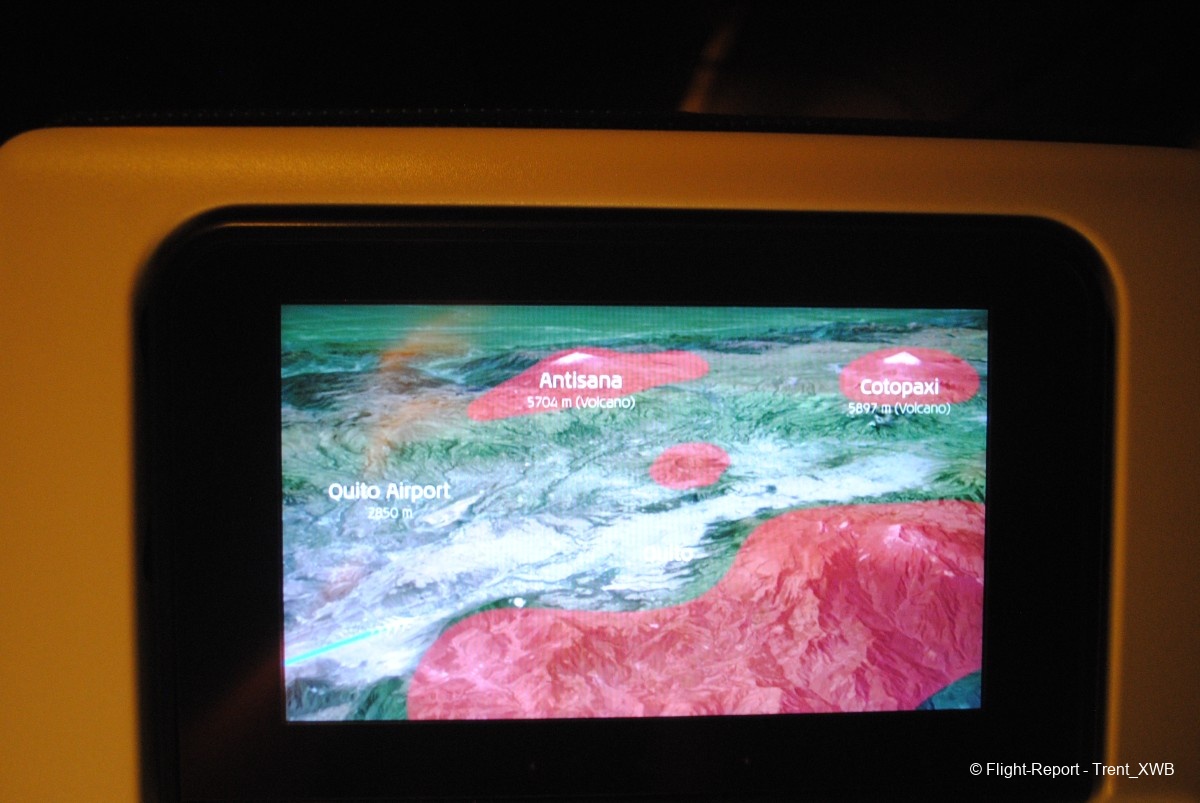
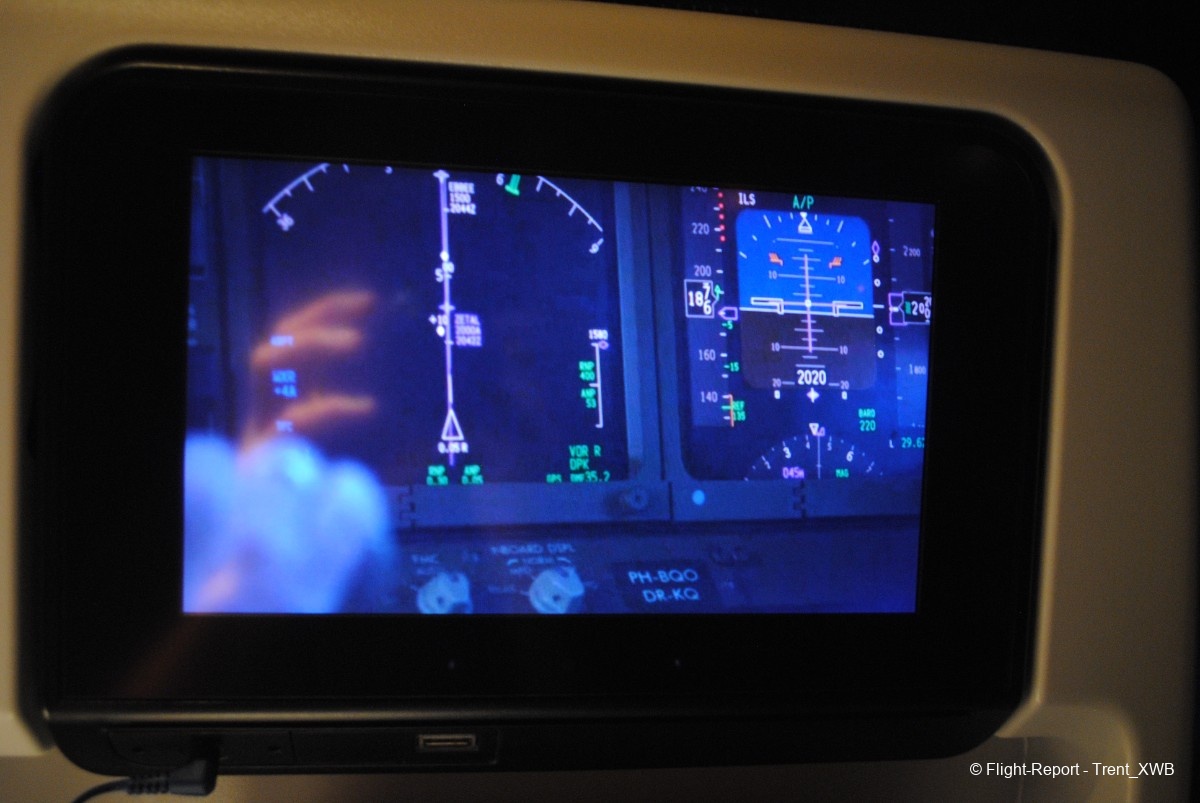
As I didn't want to sleep anymore, I was killing time watching movies about nuances of flight operations to such destinations as UIO and SXM and ATC coverage over the North Atlantic.
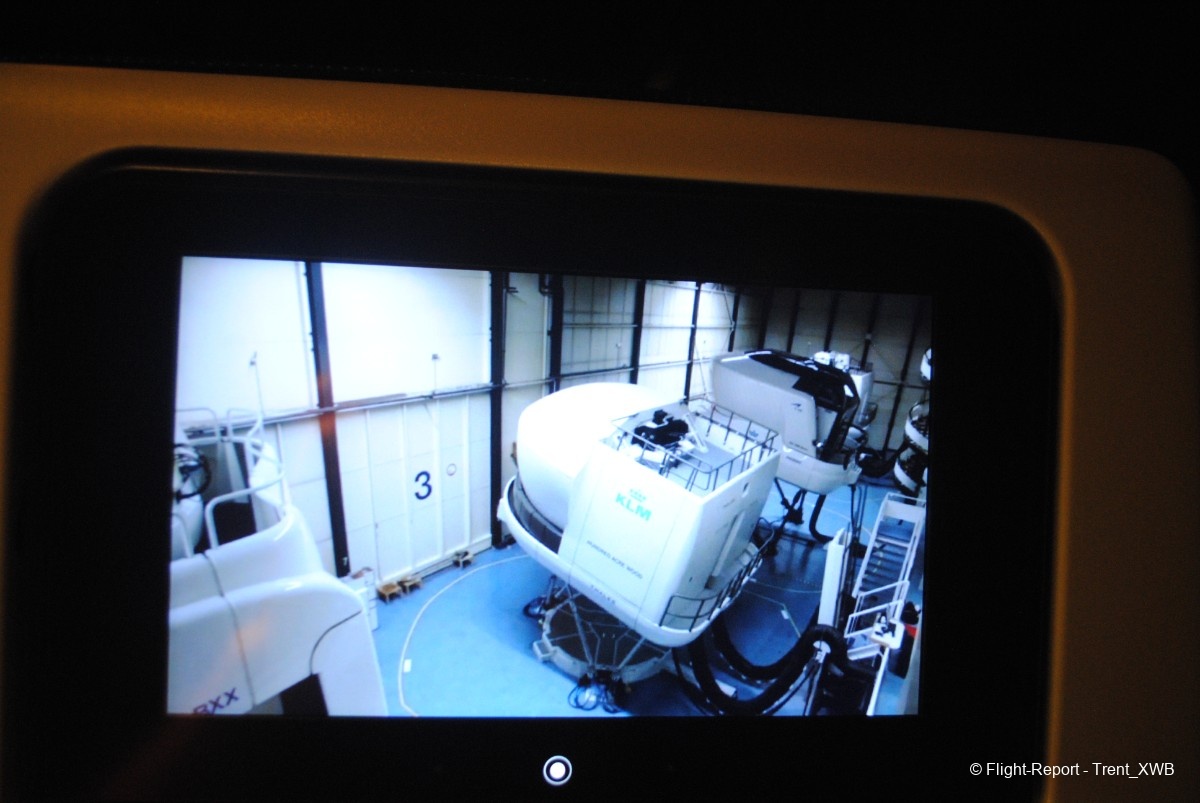
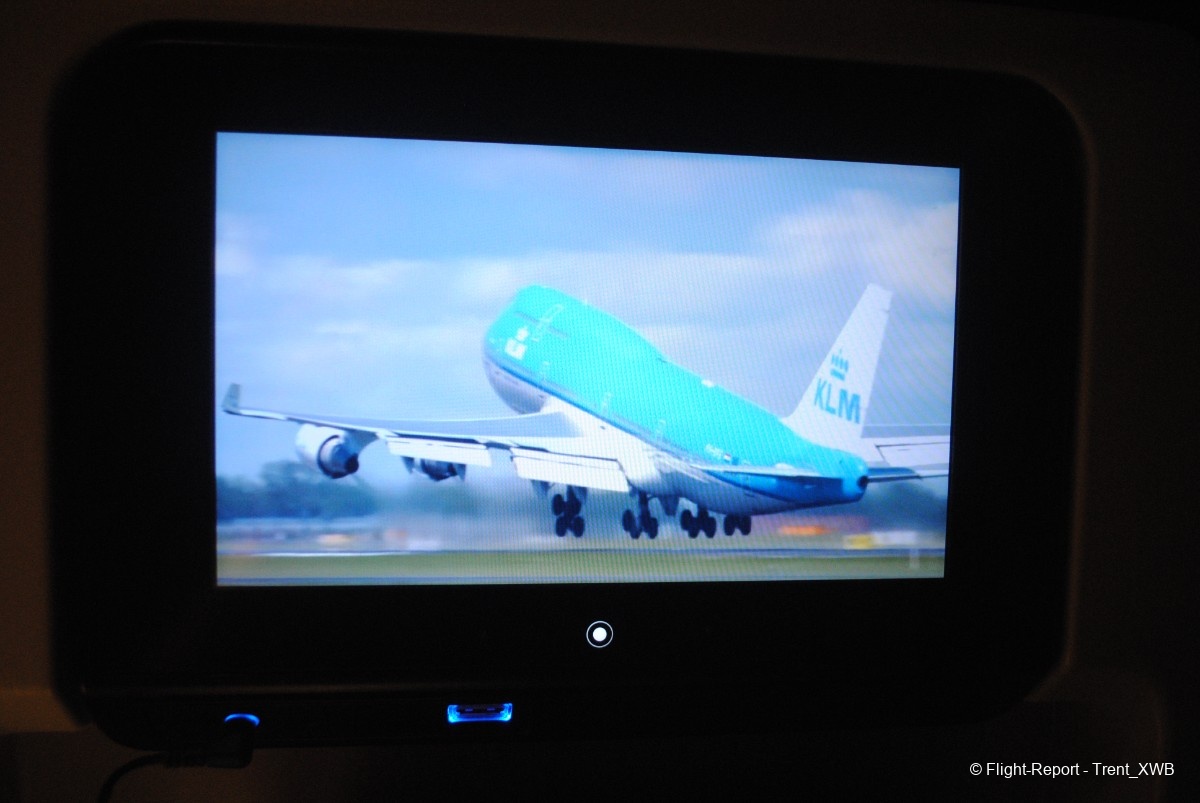
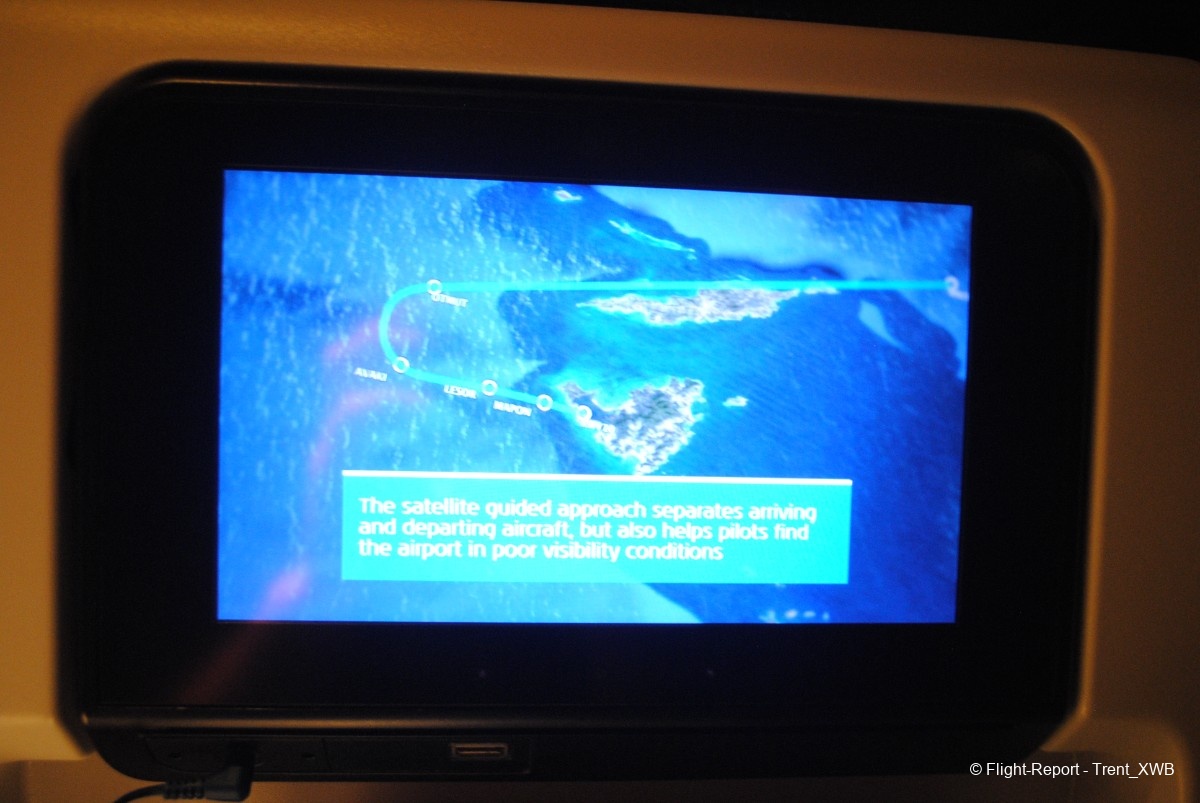
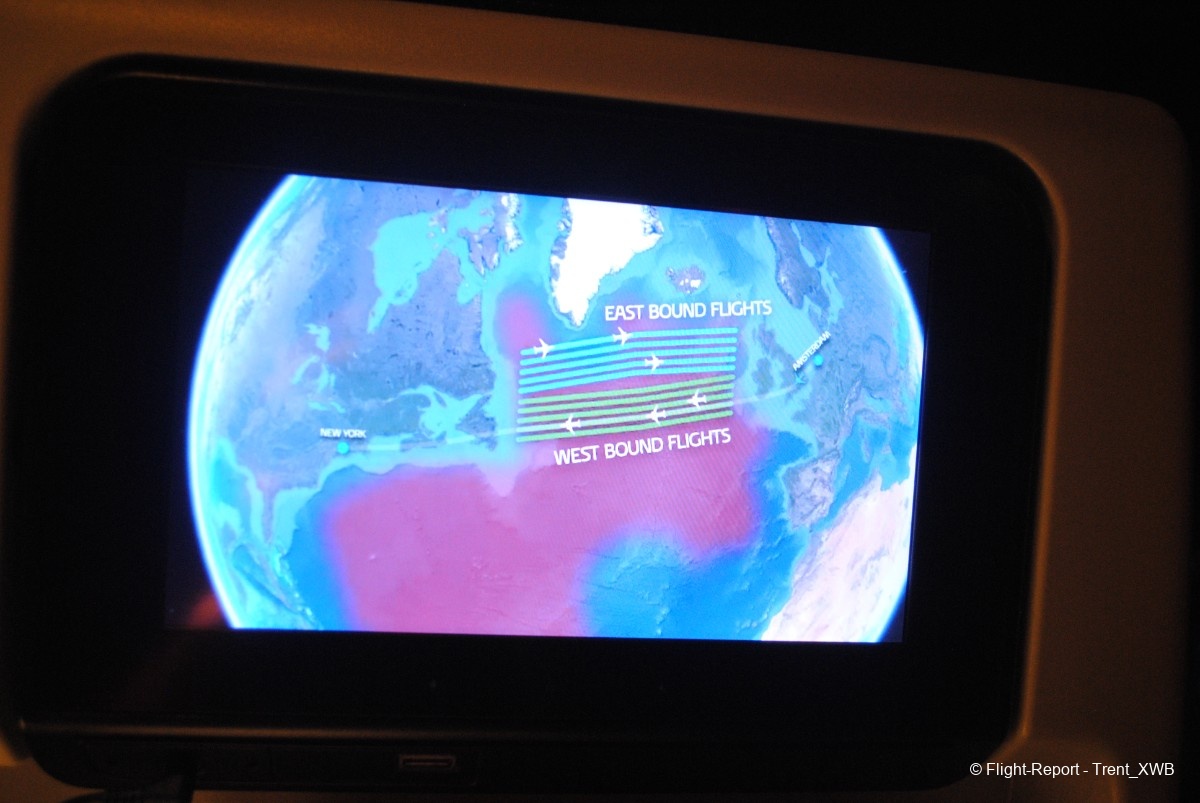
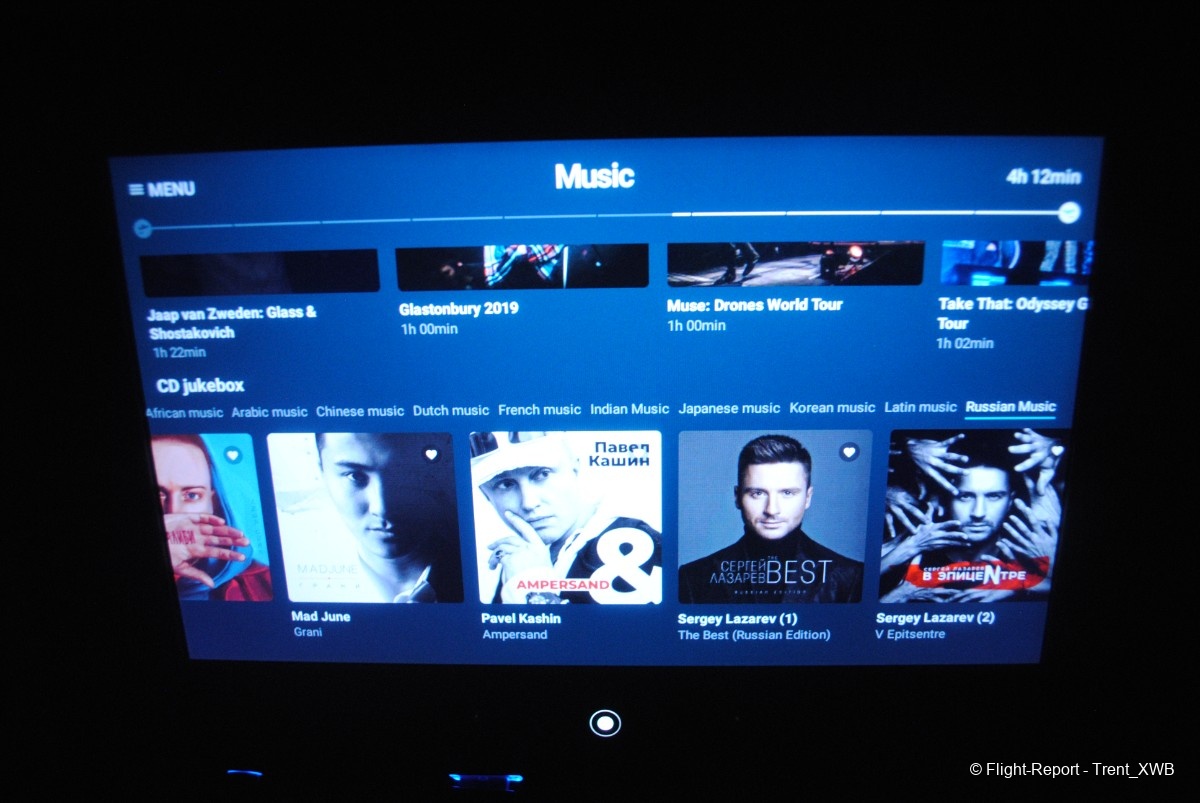
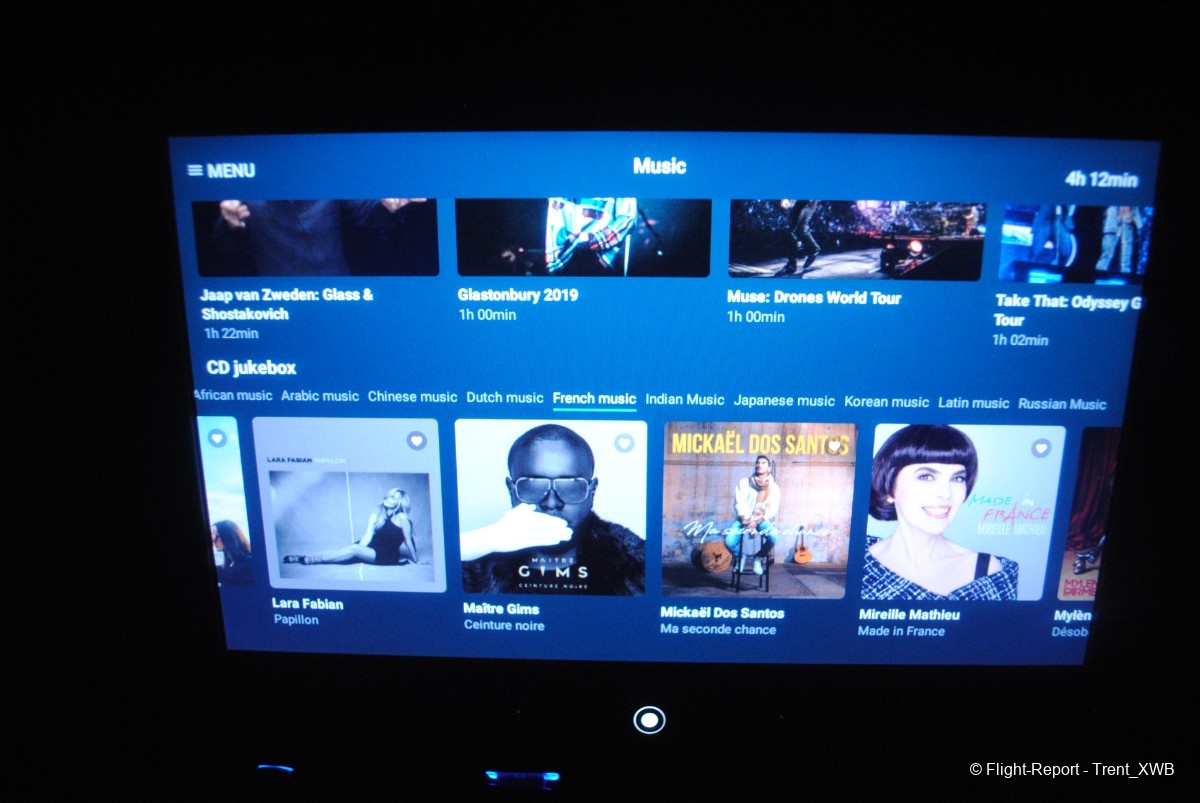
Music section of IFE. Could you imagine Russian music section in the KL IFE now? It's absolutely unimaginable.
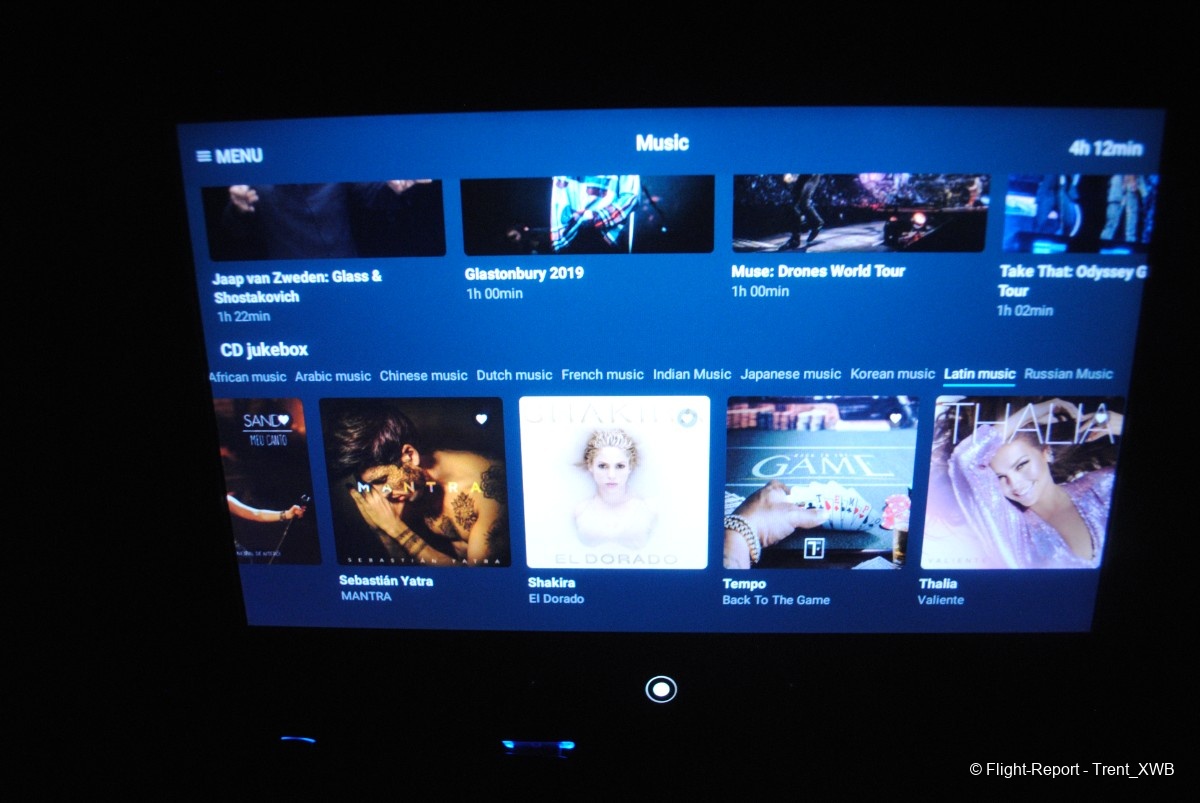
Latin American music.
French music.
The dawn started when it was less than 4 hours remaining until AMS.
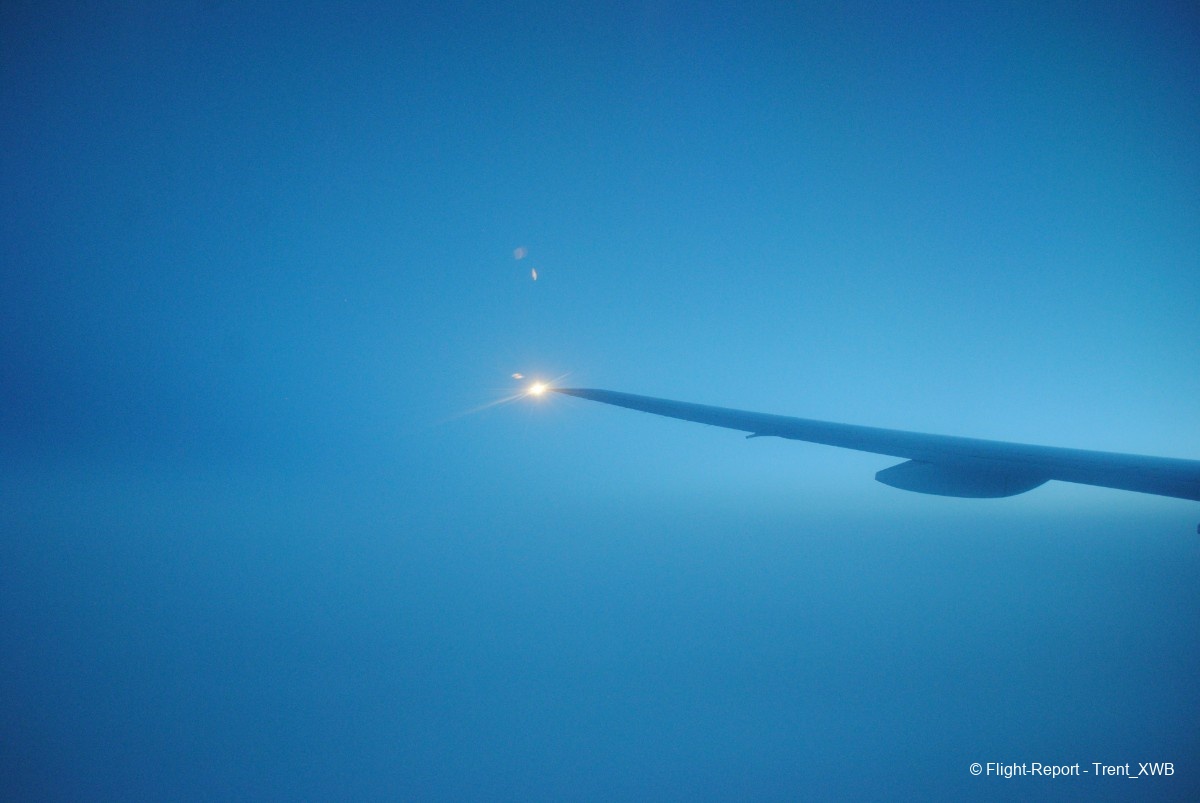
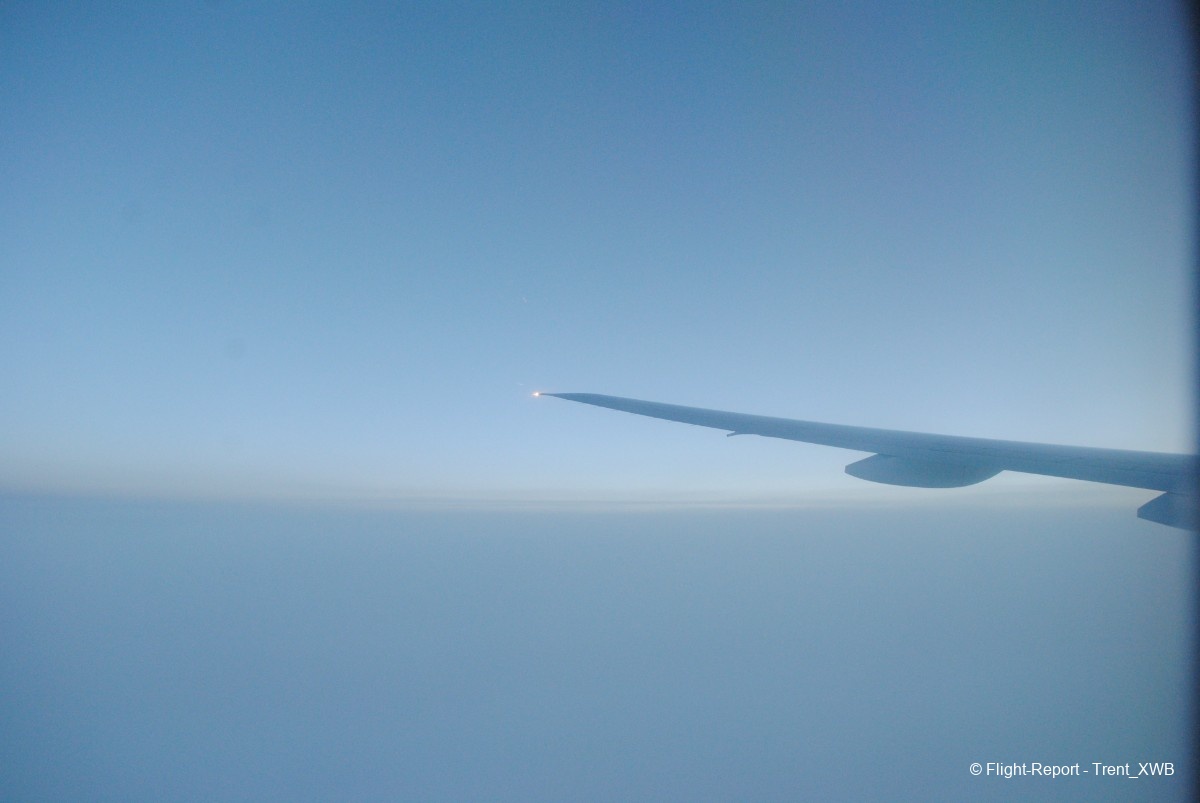
Our dense contrail in the first rays of the rising sun.
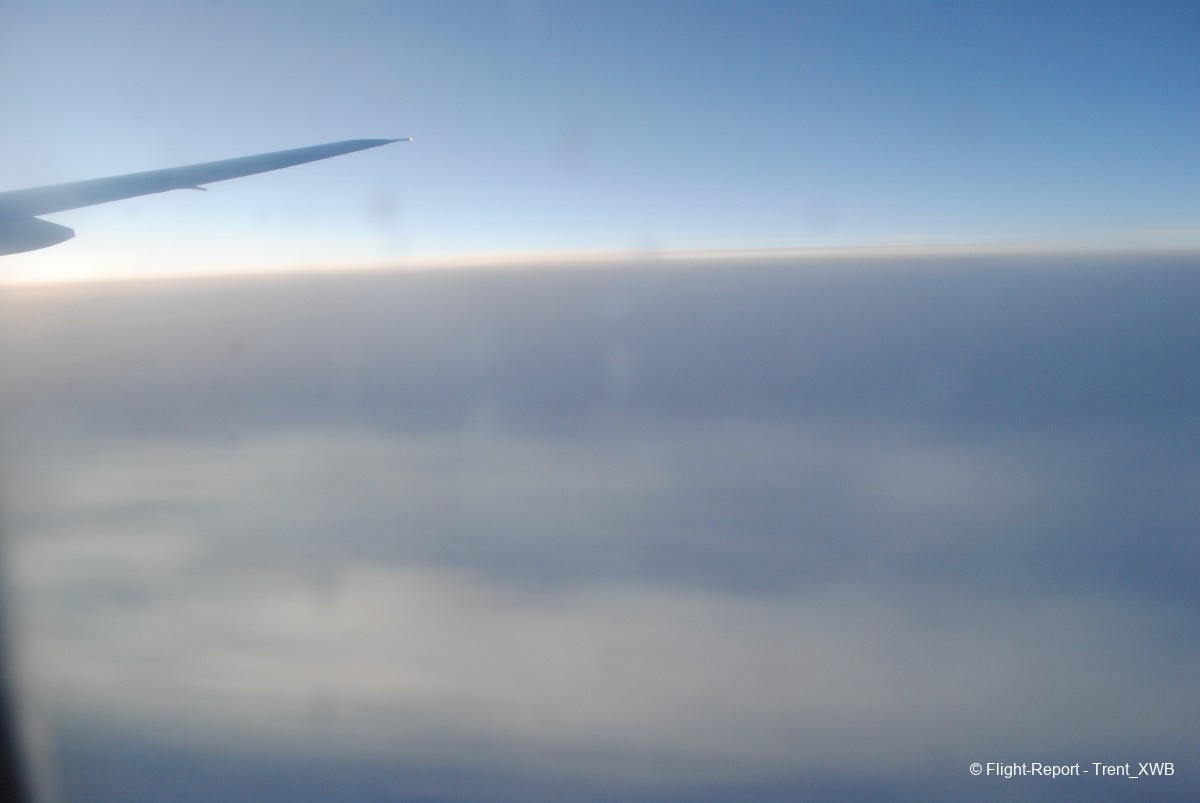
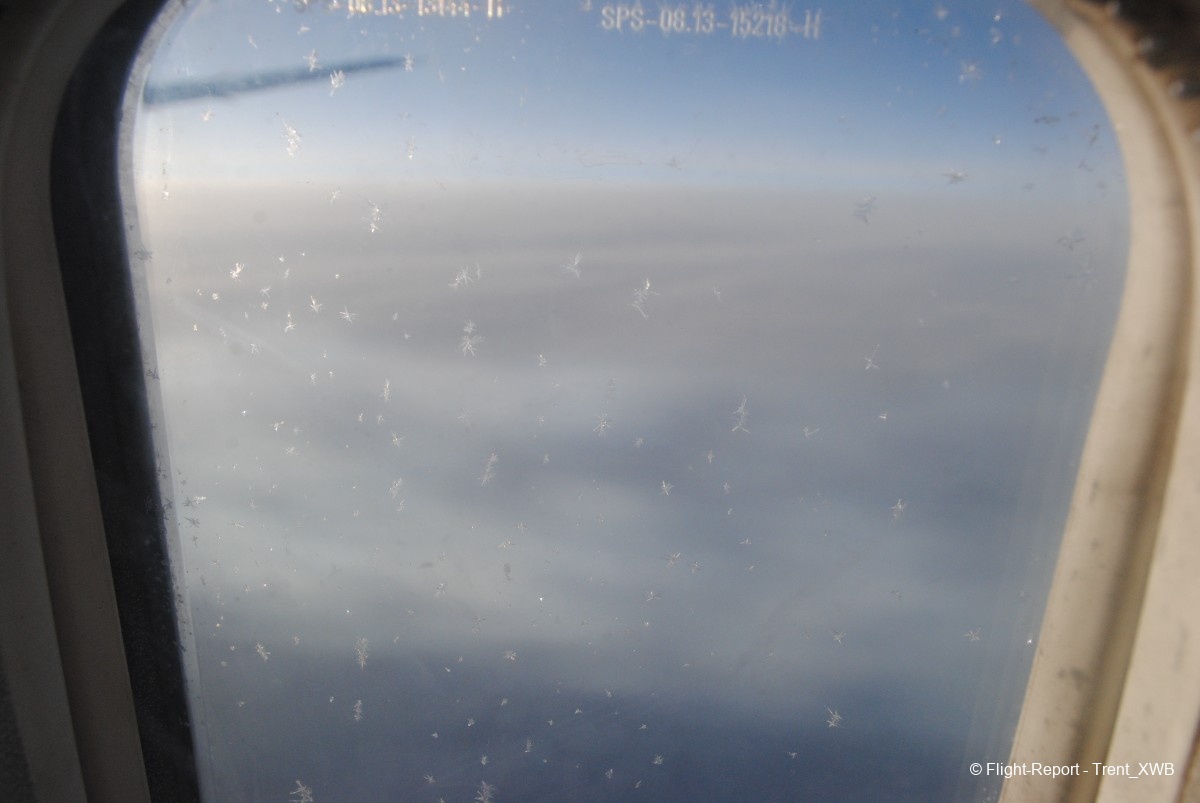
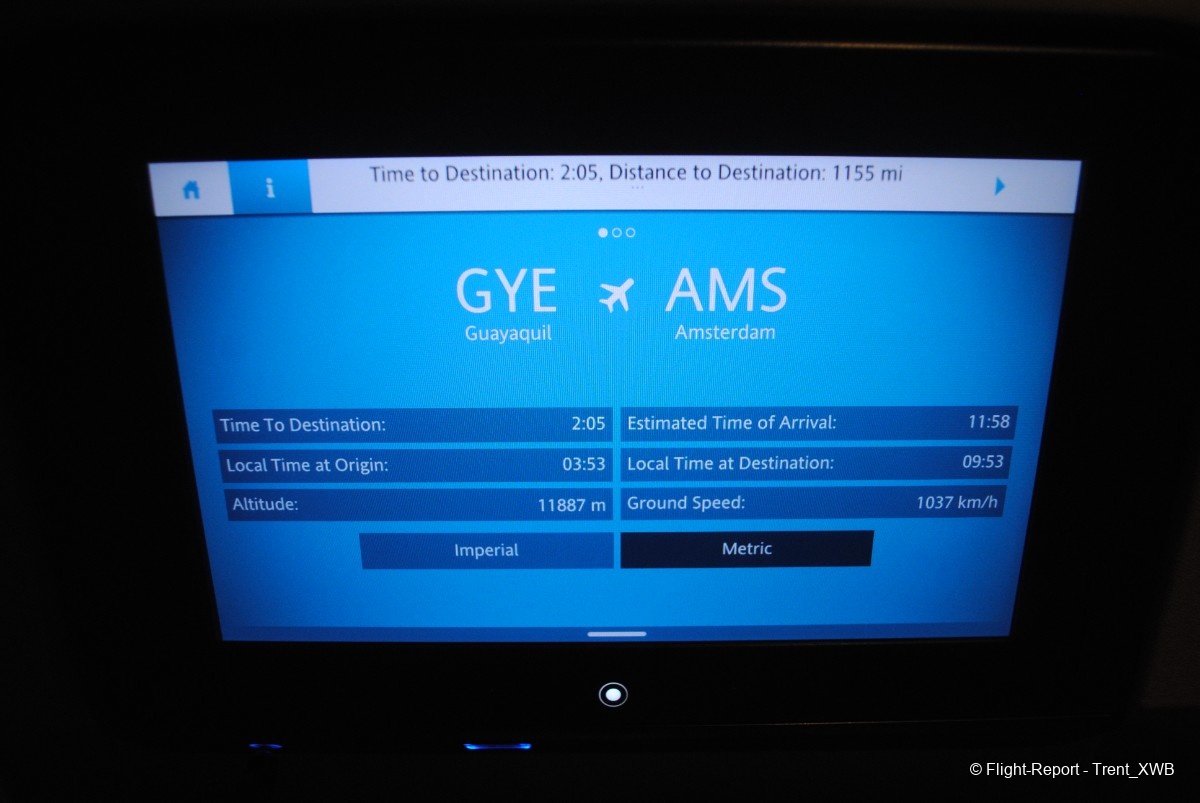
When it was 2 hours until AMS…
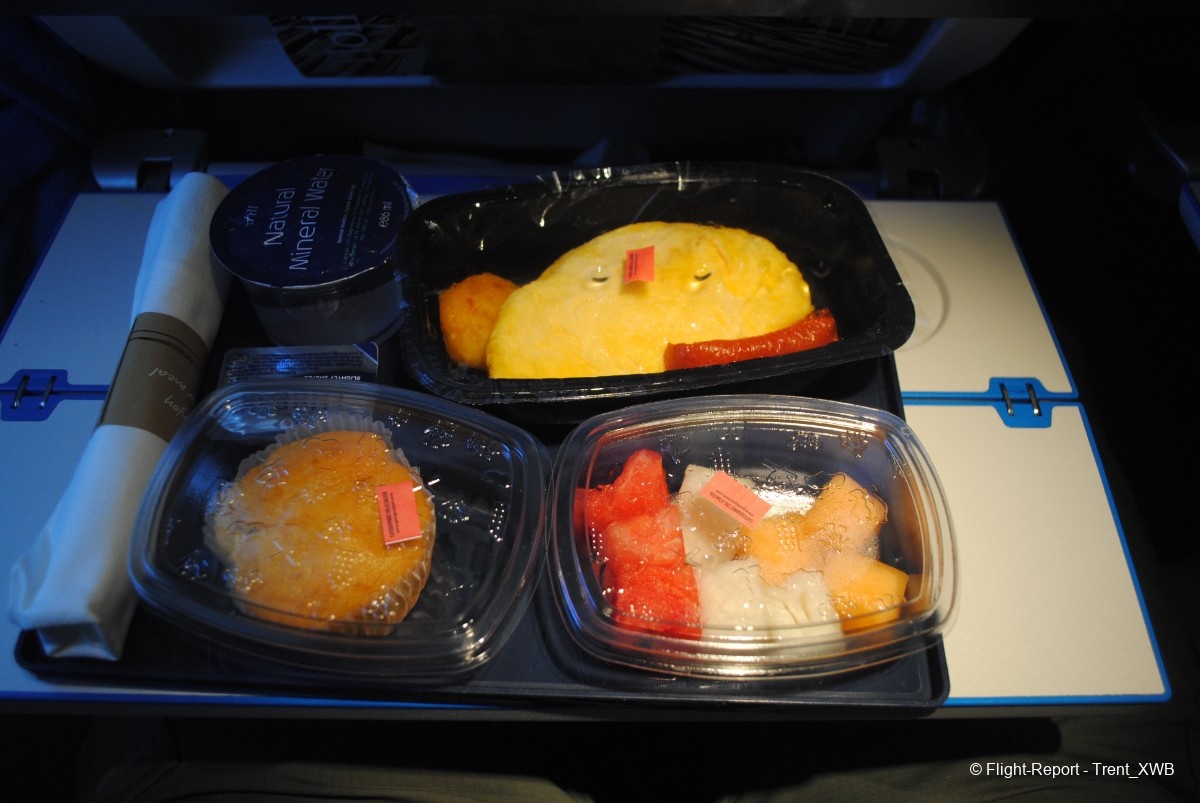
… the breakfast was served. Omelette with sausage and hashbrown, cake and fruit salad. Not bad, not excellent and definitely better than nothing.
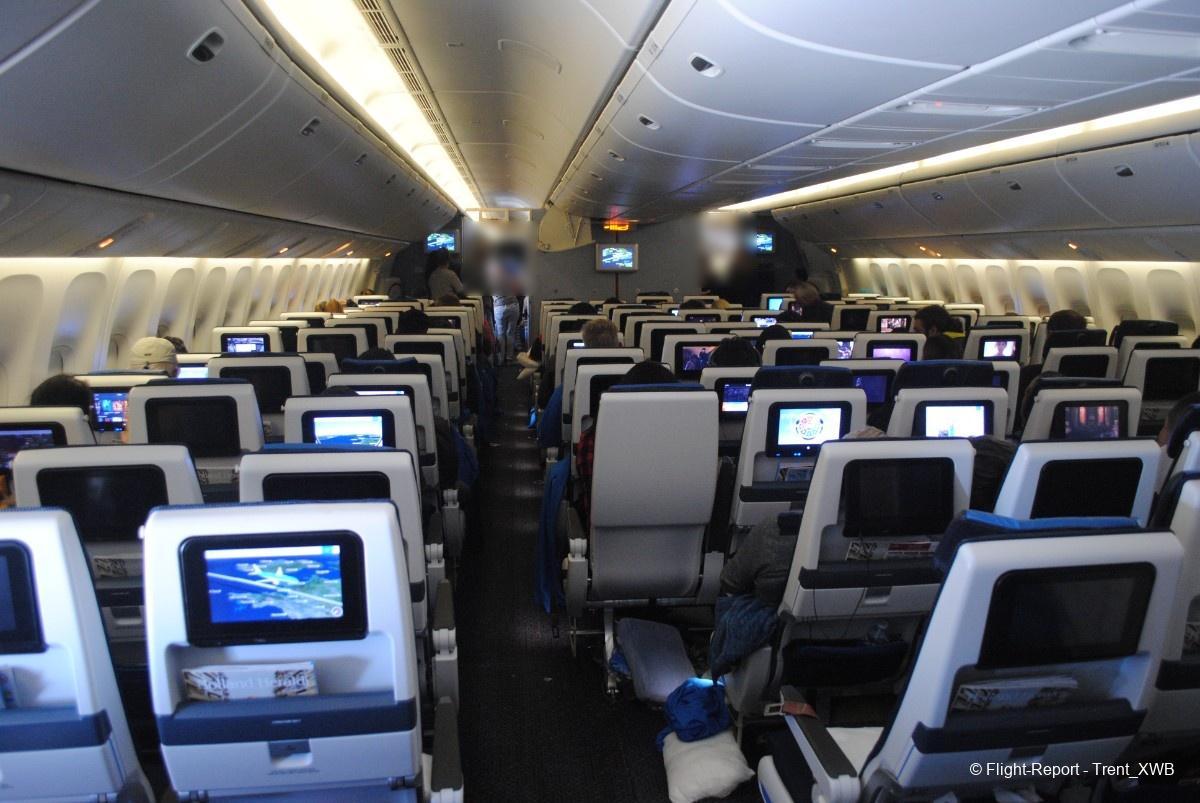
A morning view of the rear economy cabin. A lot of people standing with ther back and asses being quadratisch (kein praktisch, kein gut) due to these dreaded CL3710s.
Meanwhile we're entering British airspace, cruising at FL408.
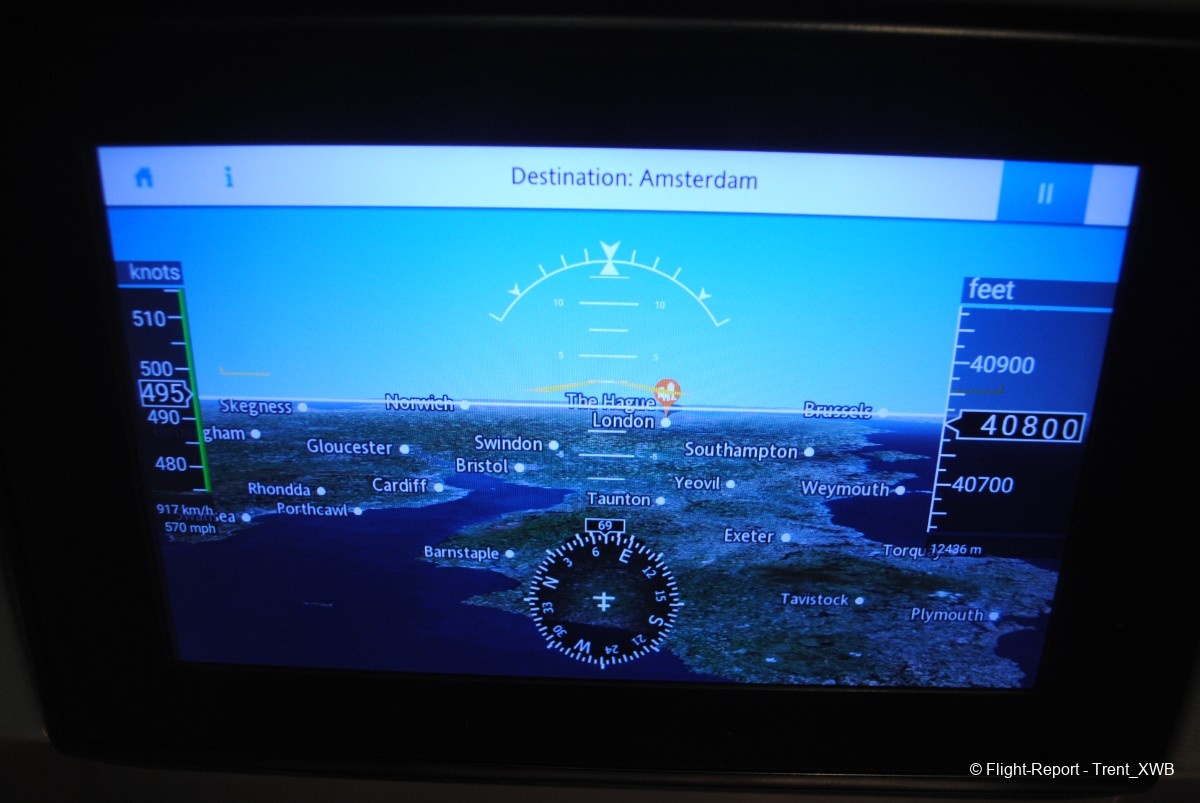
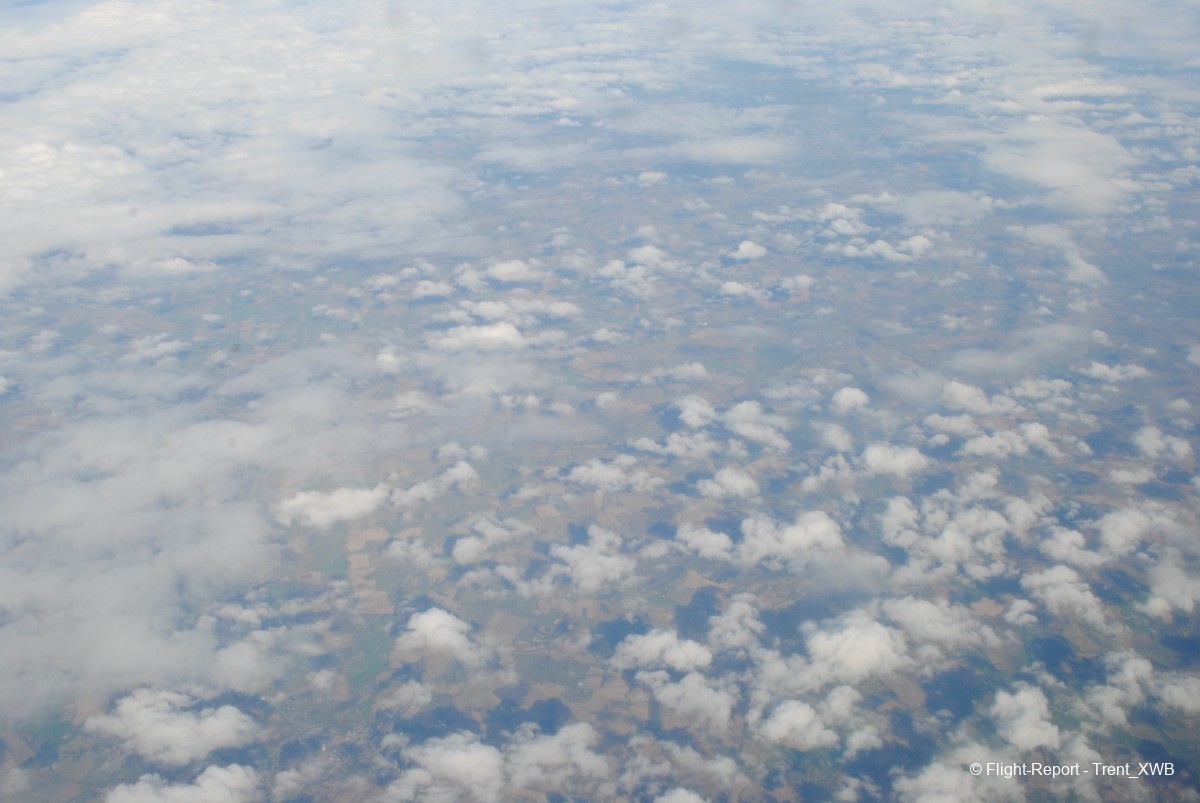
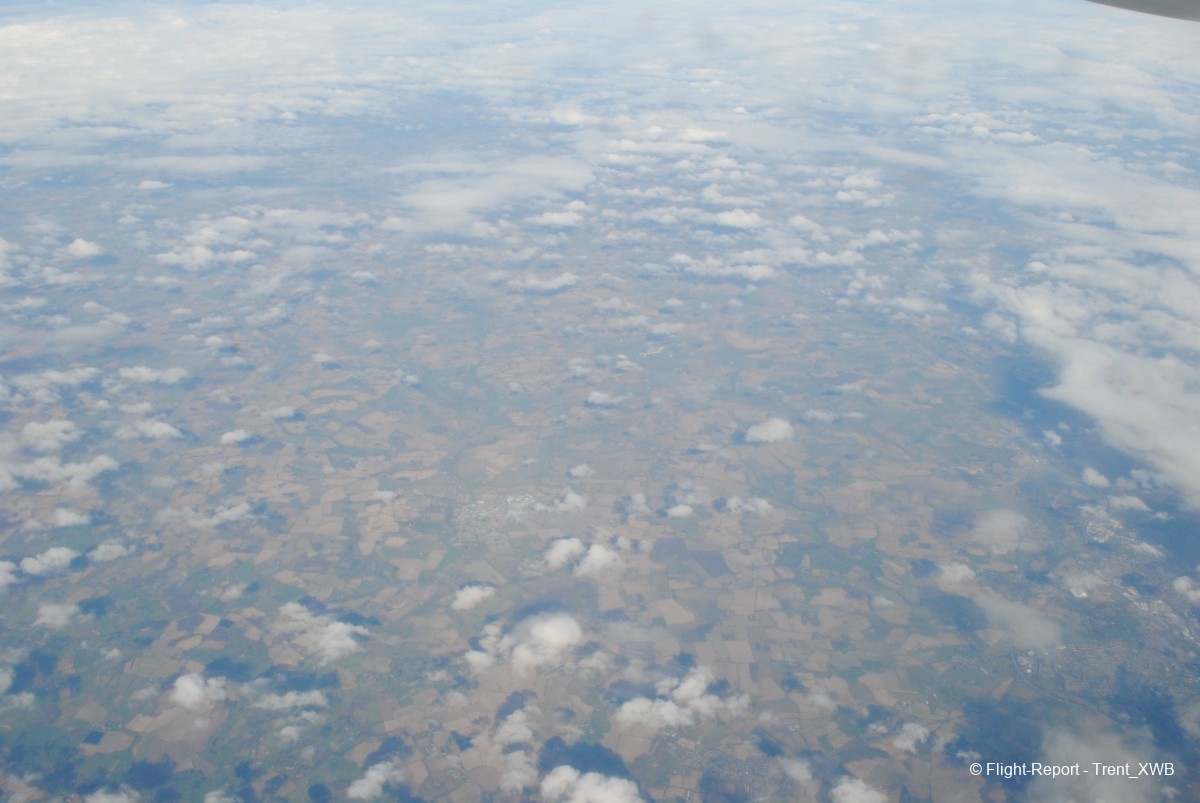
As we're crossing Midlands…
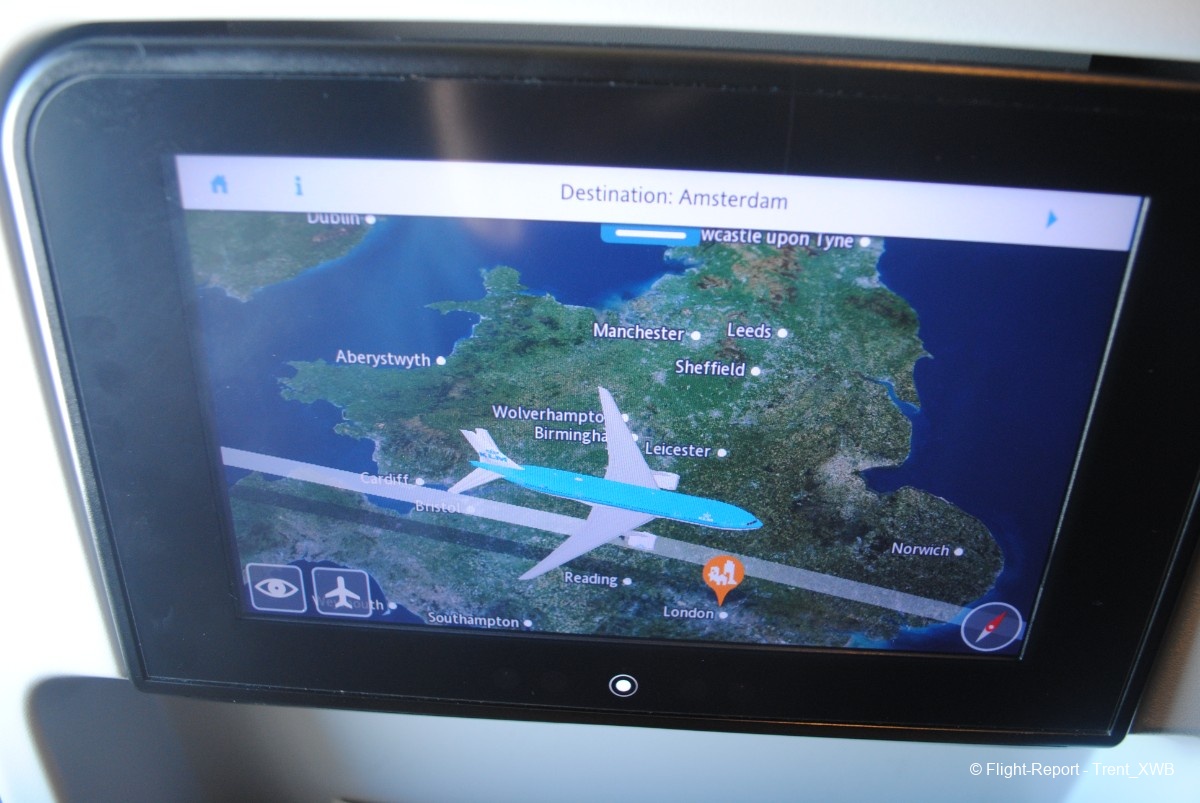
… the clouds give way to clear breaks thus giving possibility to look at UK from the above for the second time (the first time was back in 2016 when due to LH strike I flew HEL-LHR-MEX on BA instead of HEL-FRA-MEX on LH). I became able to visit UK only 3 years later, in May 2023…
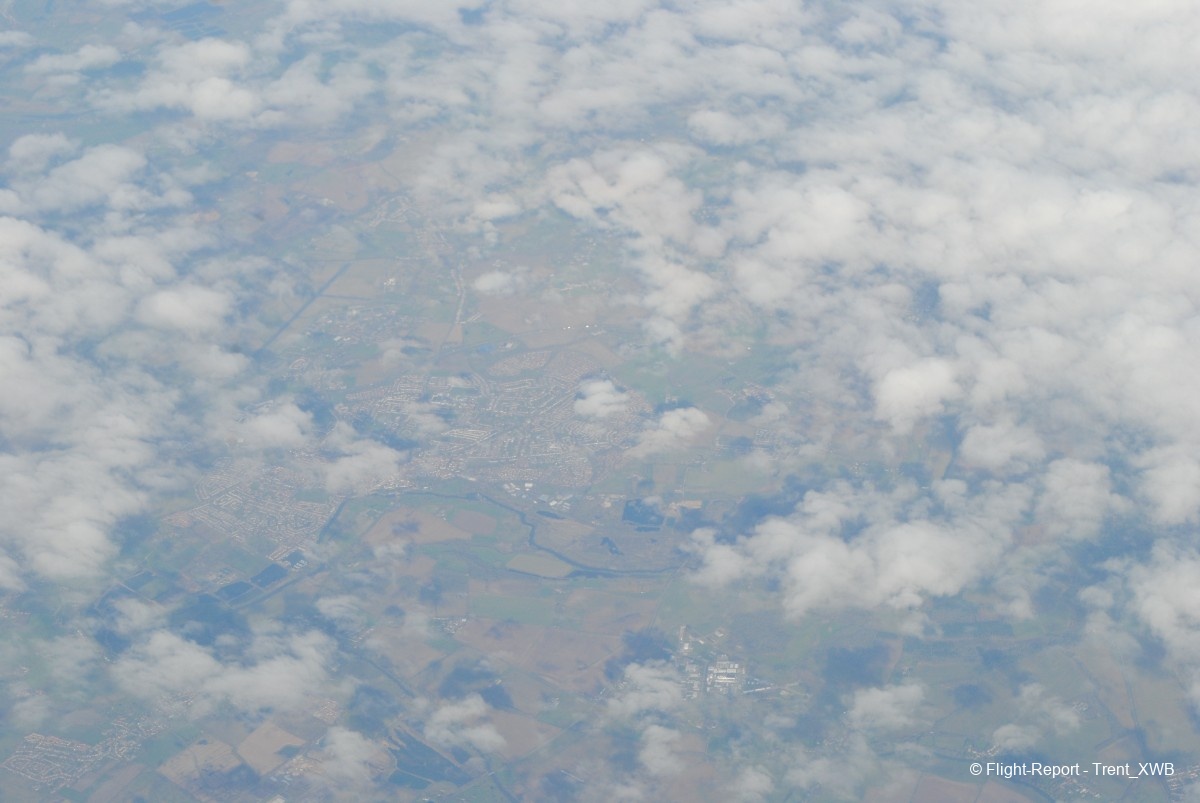
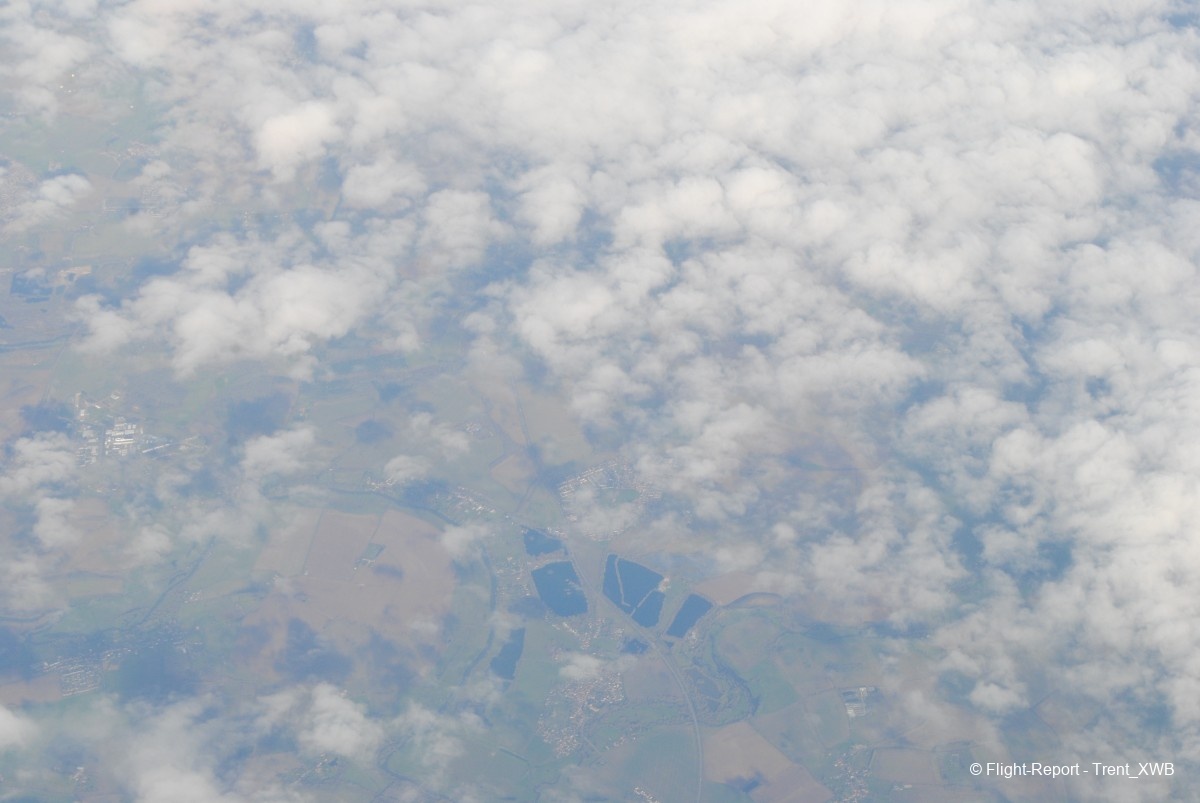
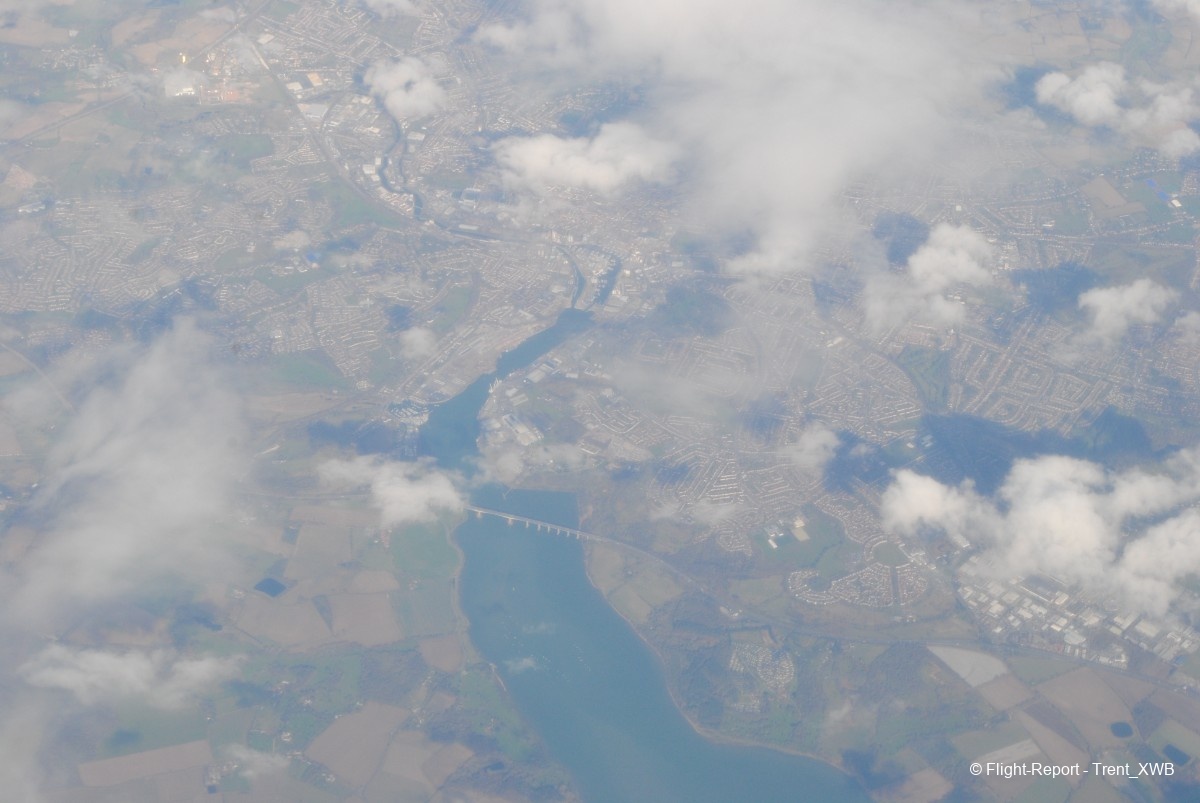
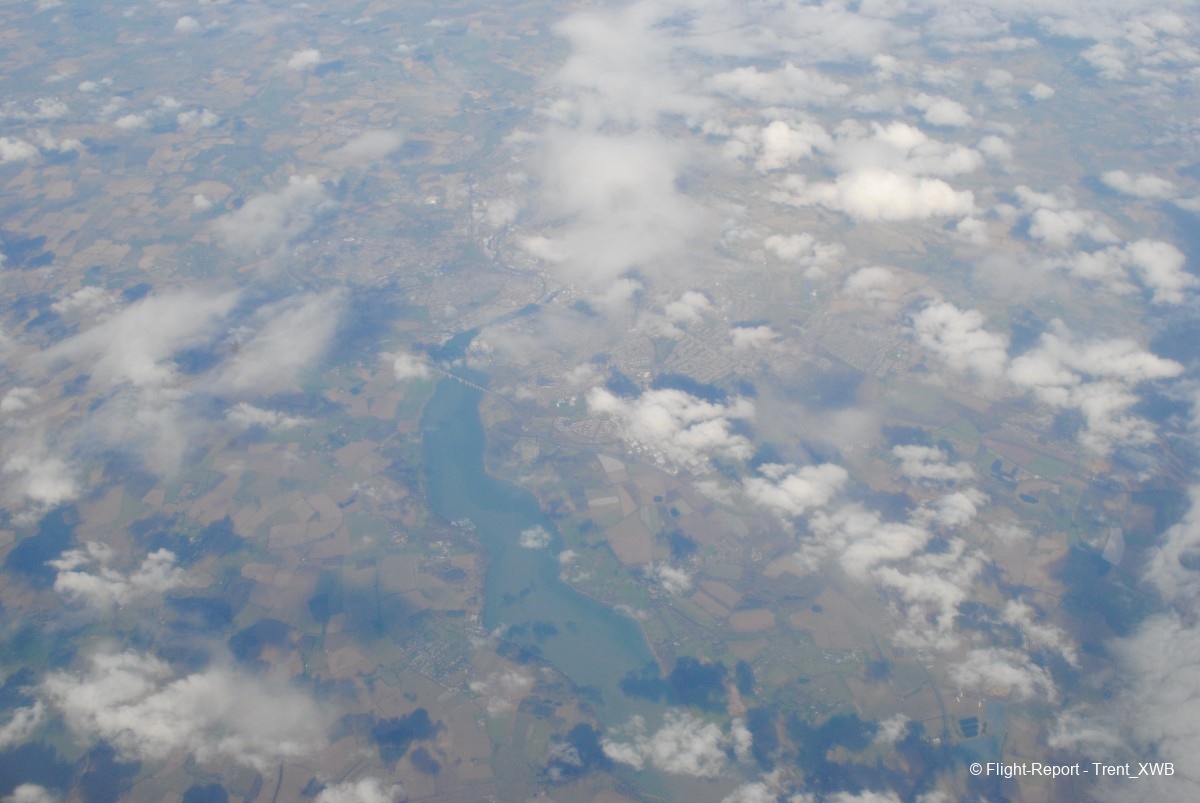
Ipswich town on Orwell river and the Orwell bridge. Very symbolic name (of the river) in the eve of the pandemic and all the turbulence in the world that followed…
Then the clouds hide everything for a while and then the North See and its wind generators becomes visible through the breaks in the clouds. The color of the sea was almost like Caribbean! From this moment everything was like flying in a Hayao Miyazaki's film…

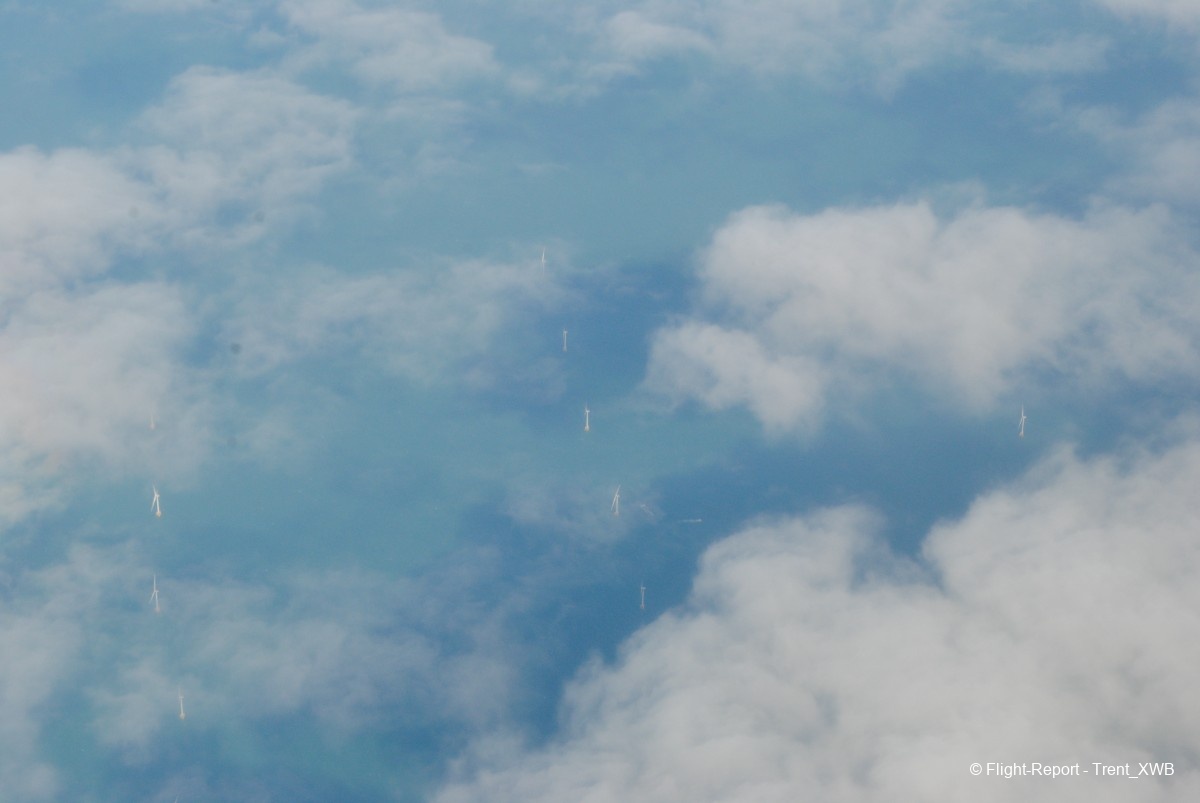
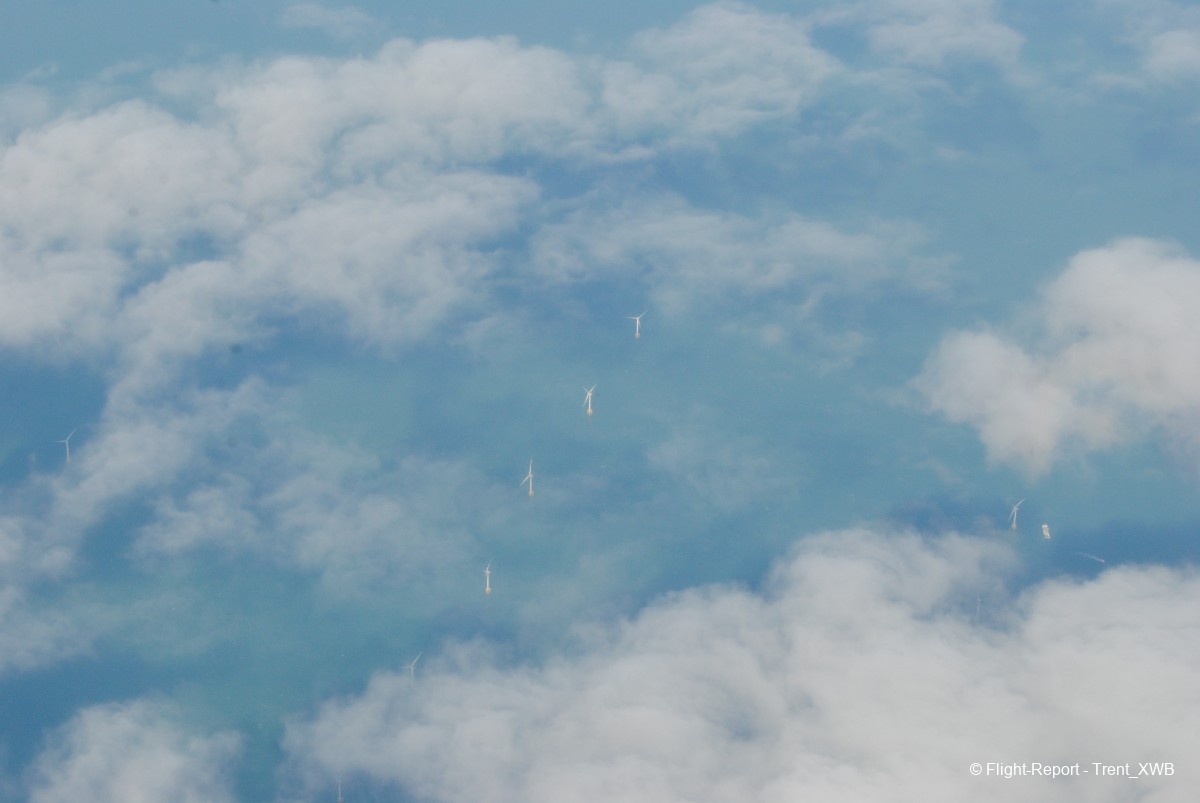
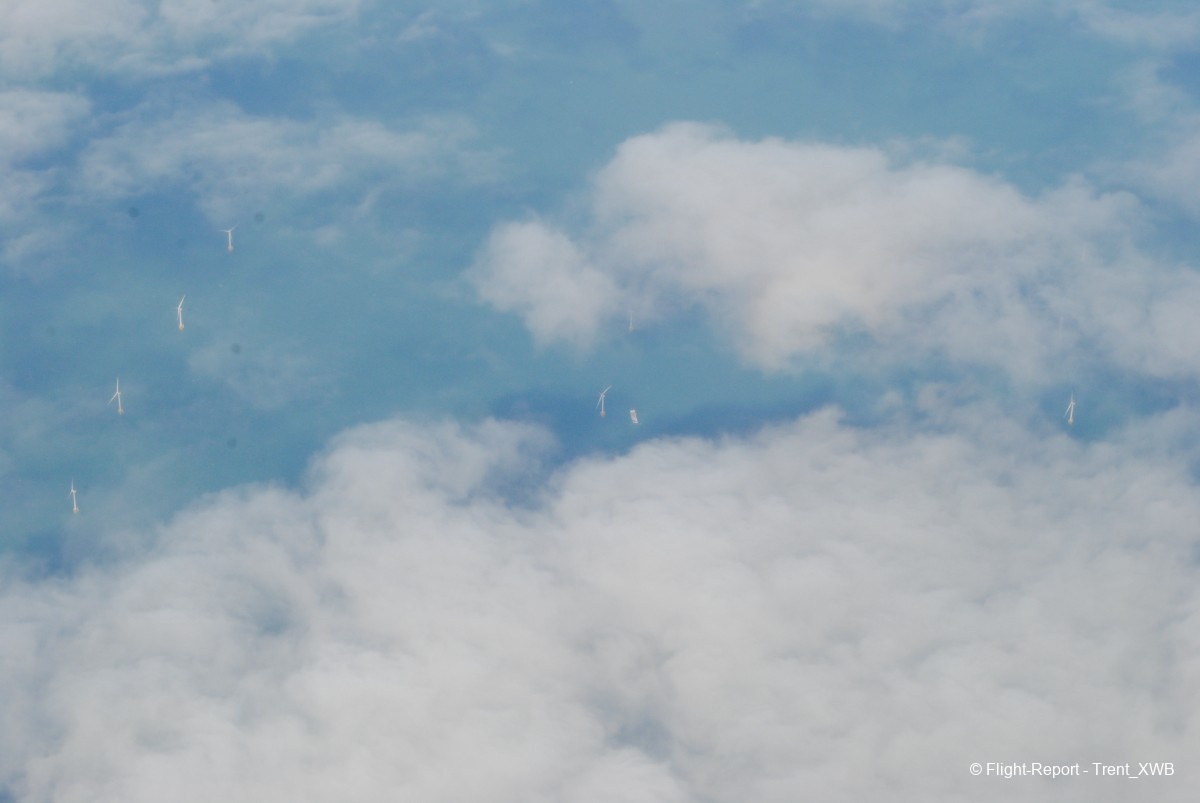
Descending and maneuvring over the North Sea.
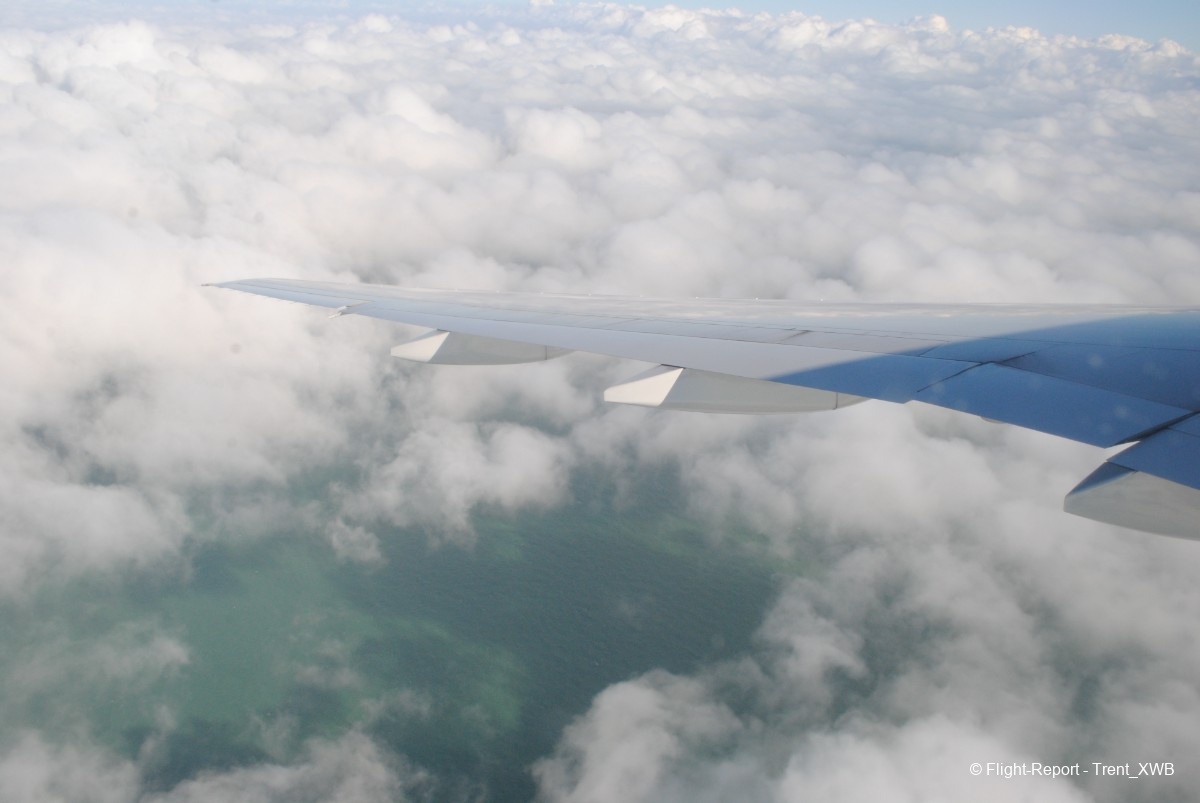
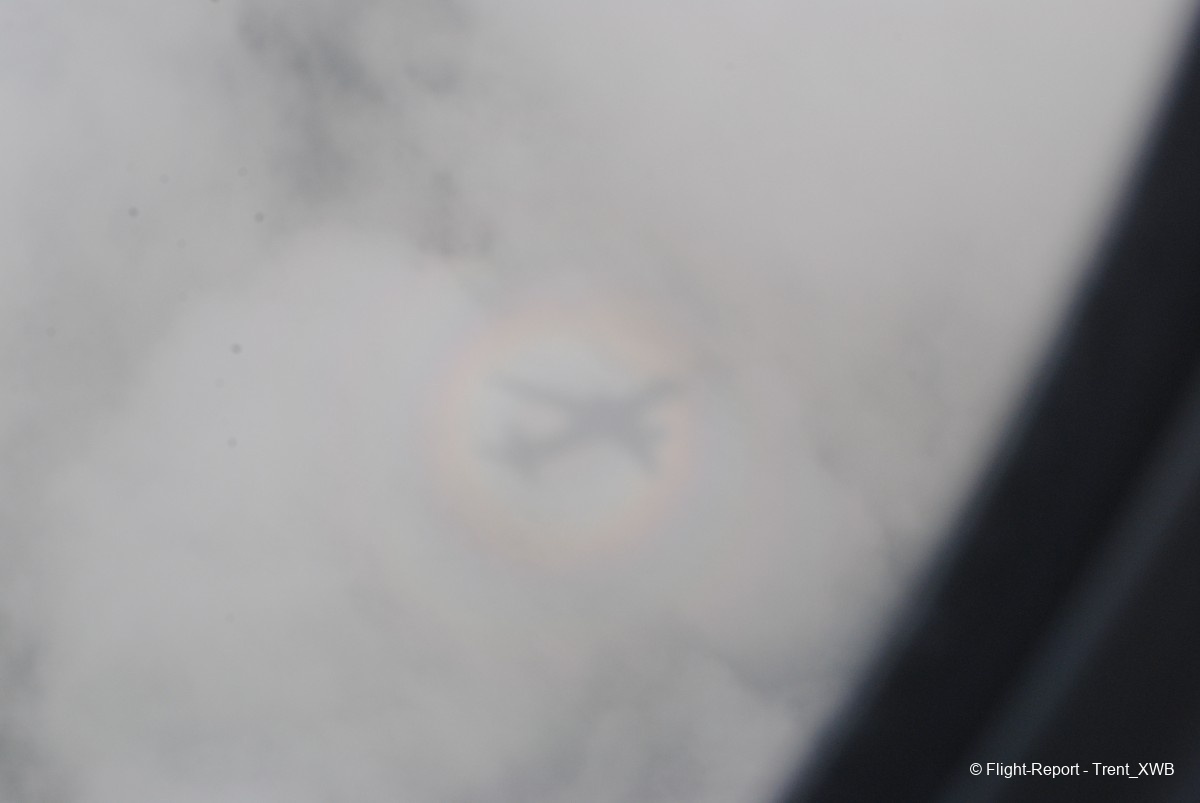
Our gloria on the clouds.
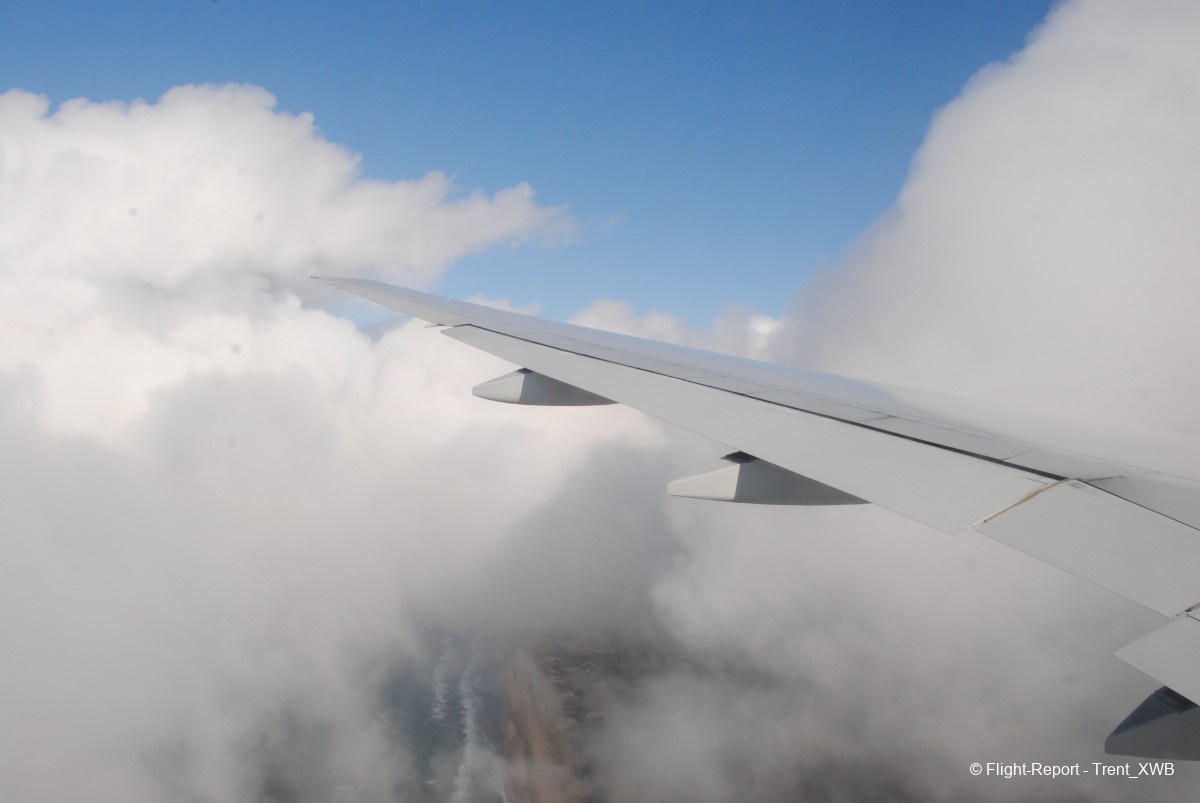
Making landfall into the Netherlands with furious waves crashing onto the shore seen through the clouds.
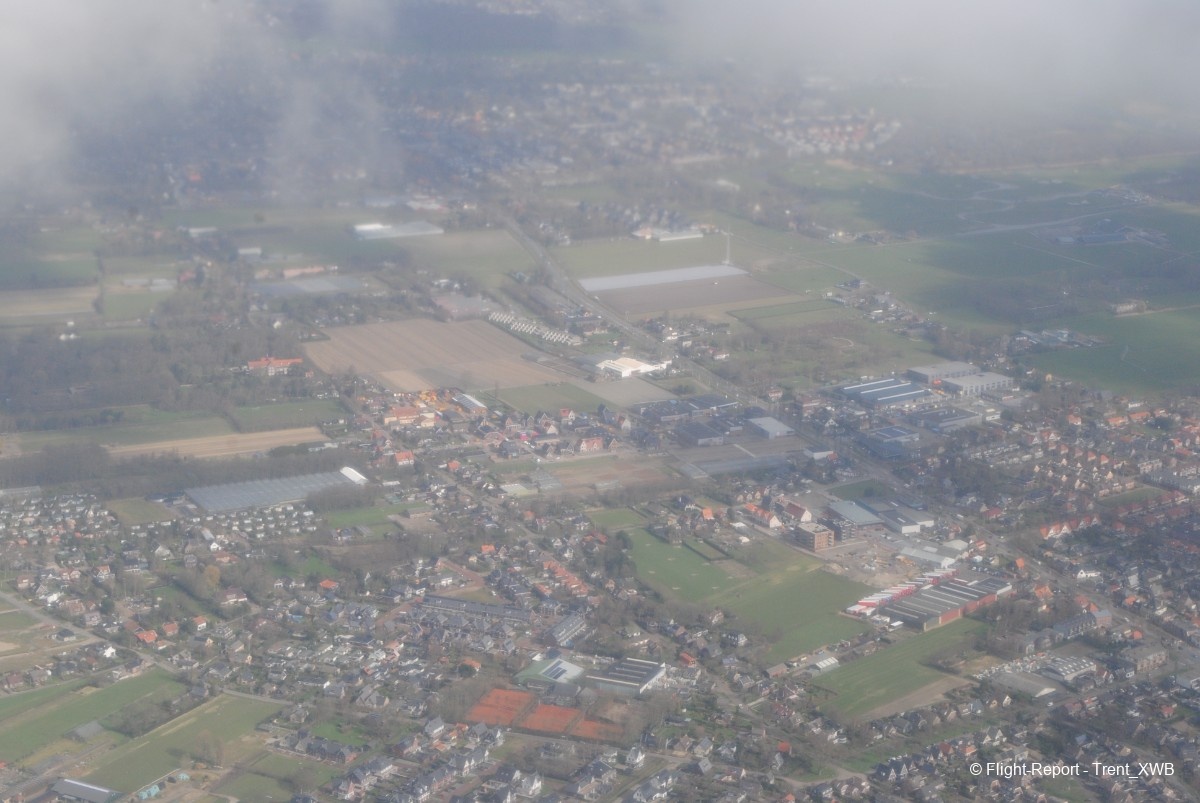
Limmen town.
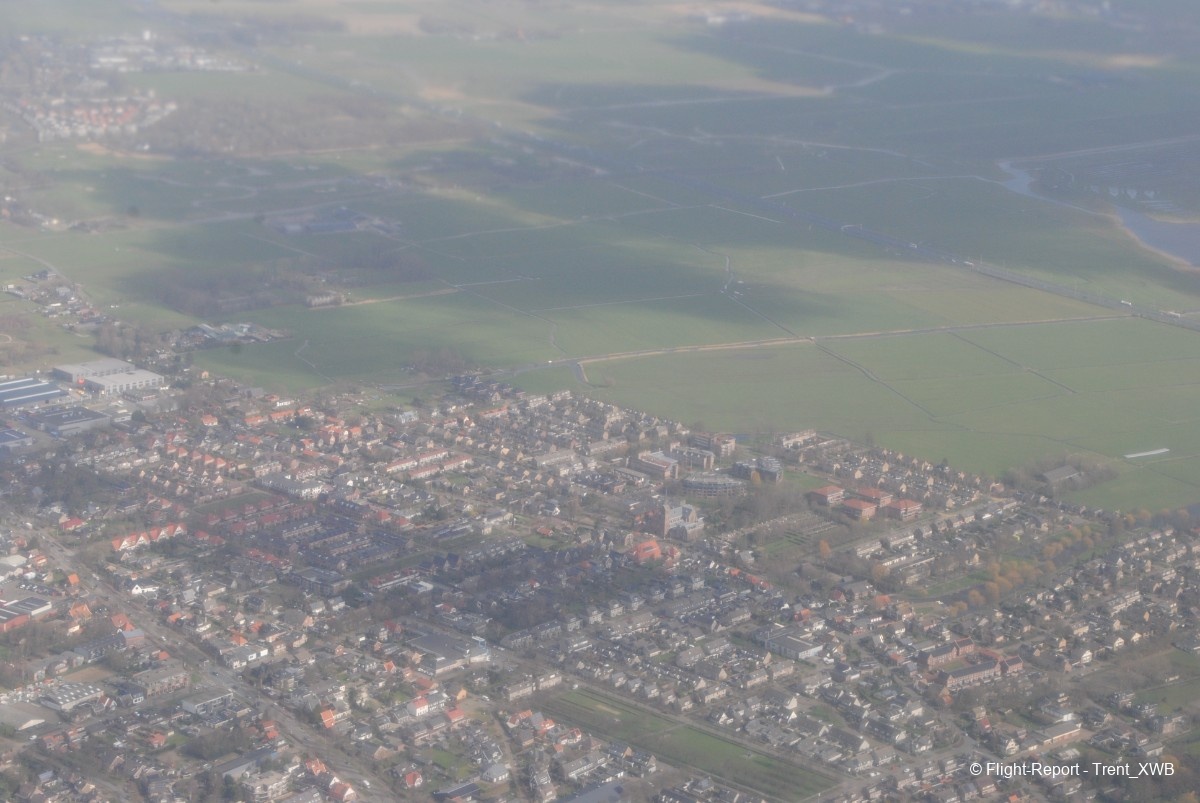
Akersloot and Alkmaardermeer lake.
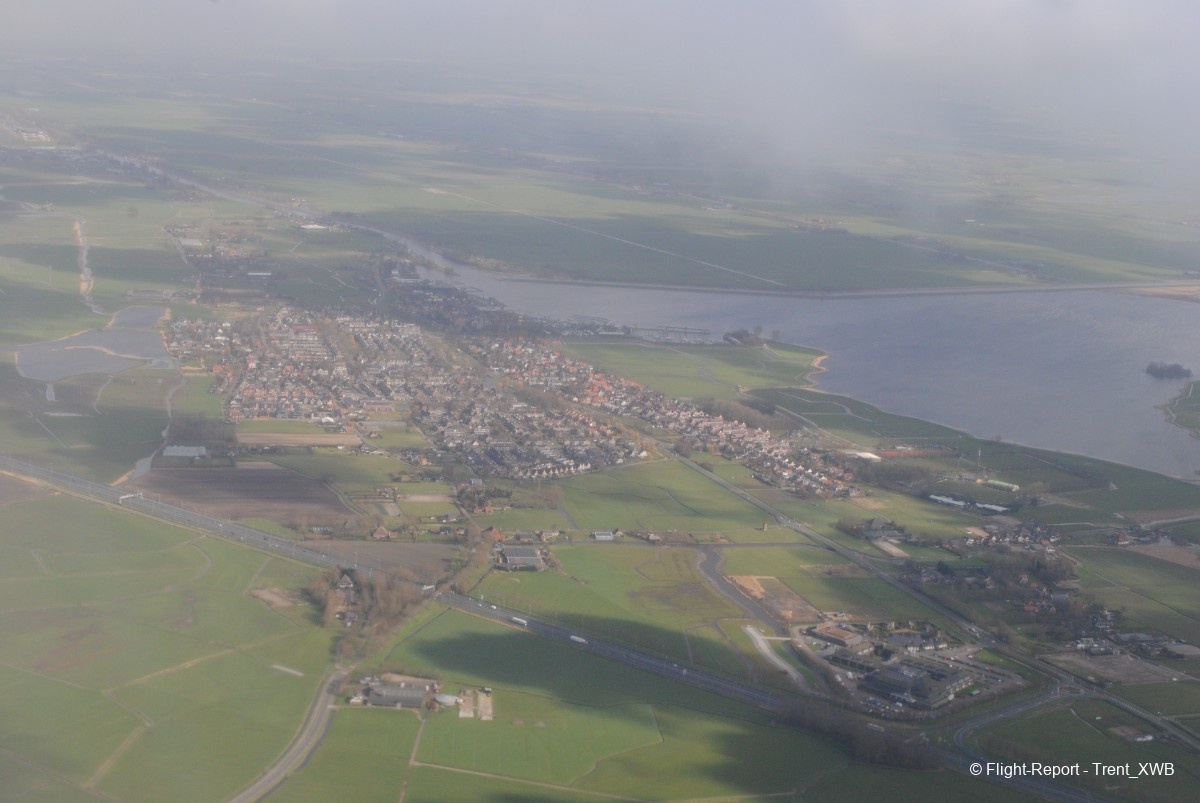
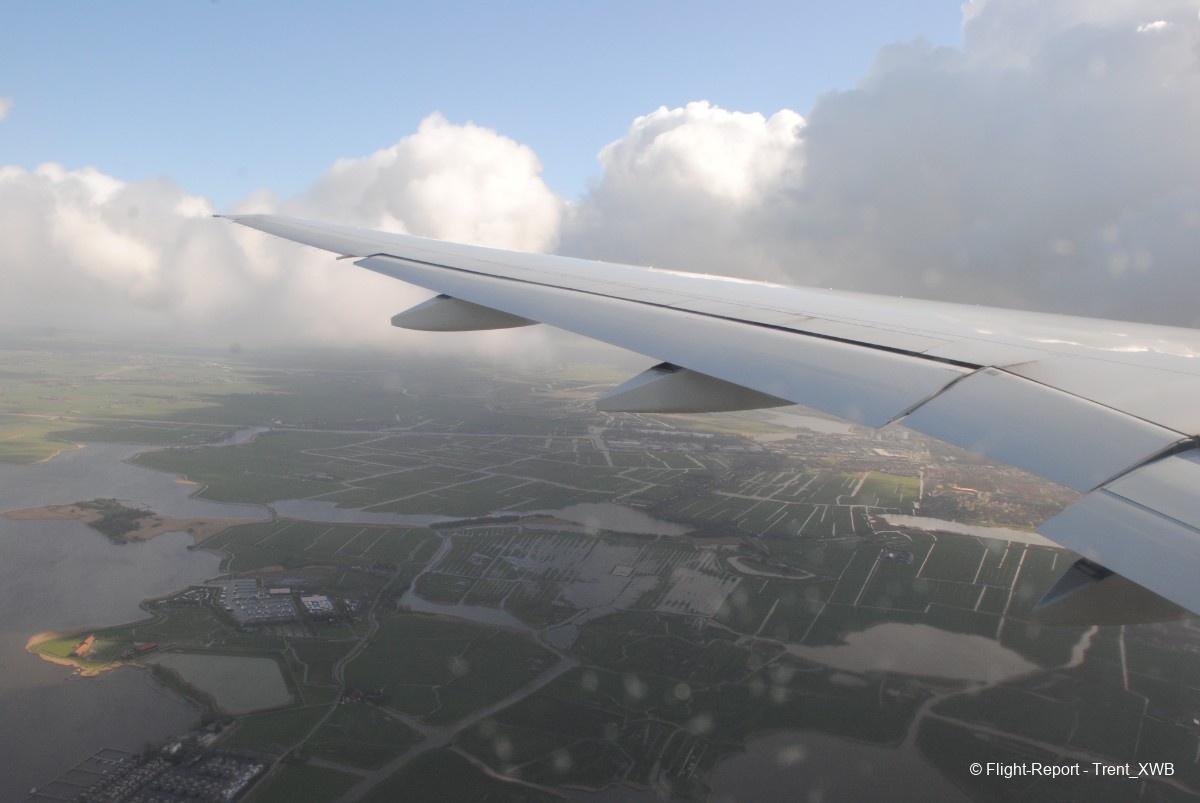
Overflying Krommenie…
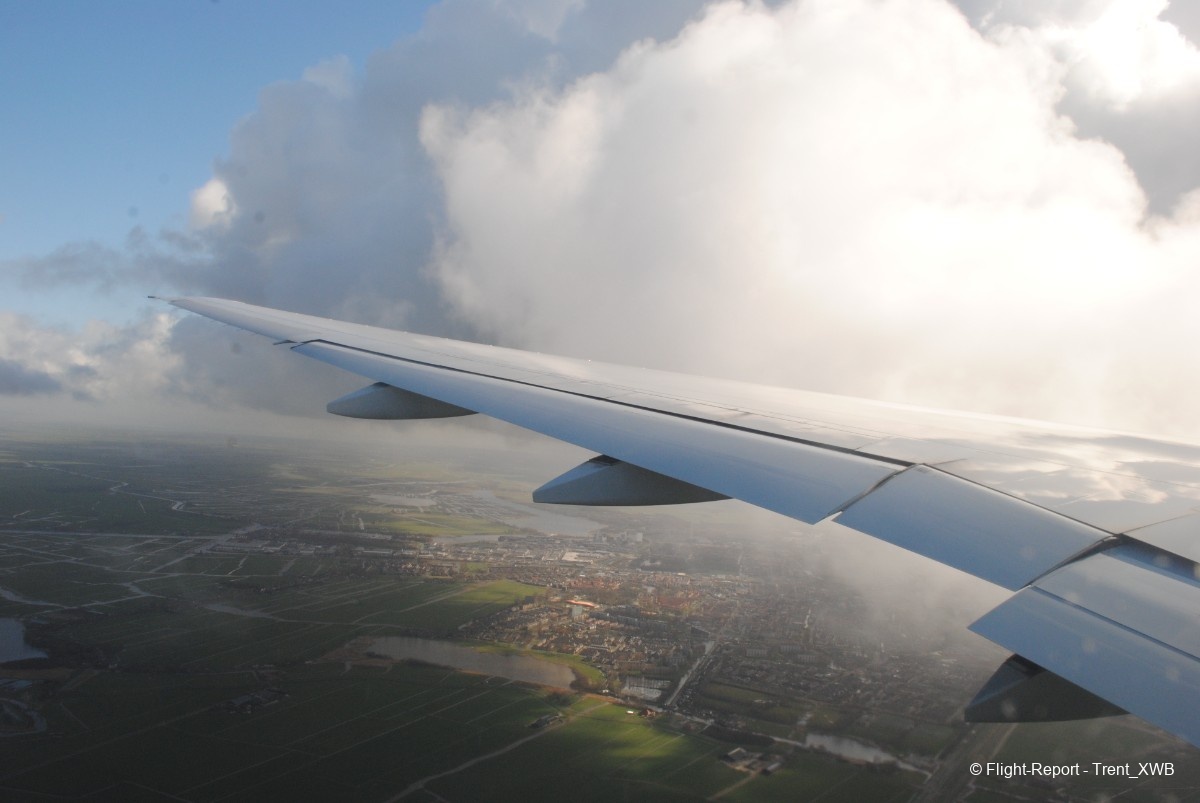
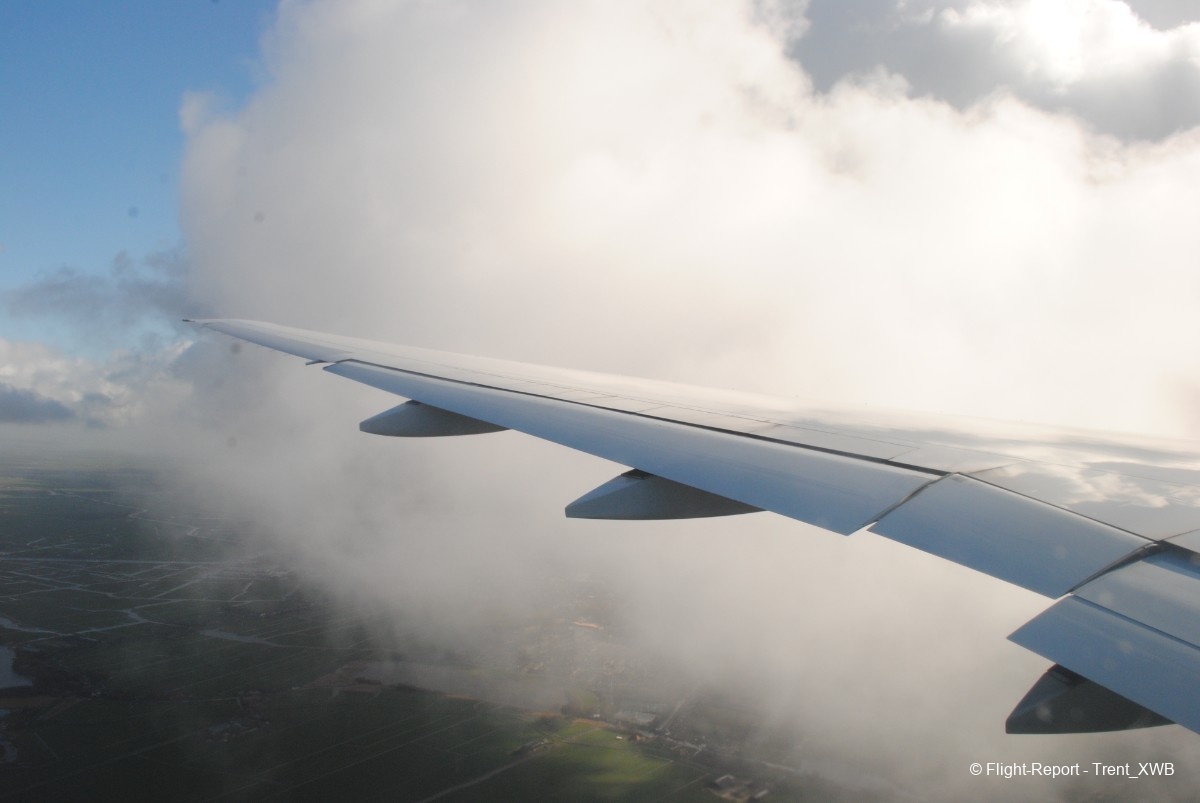
… and Assendelft.
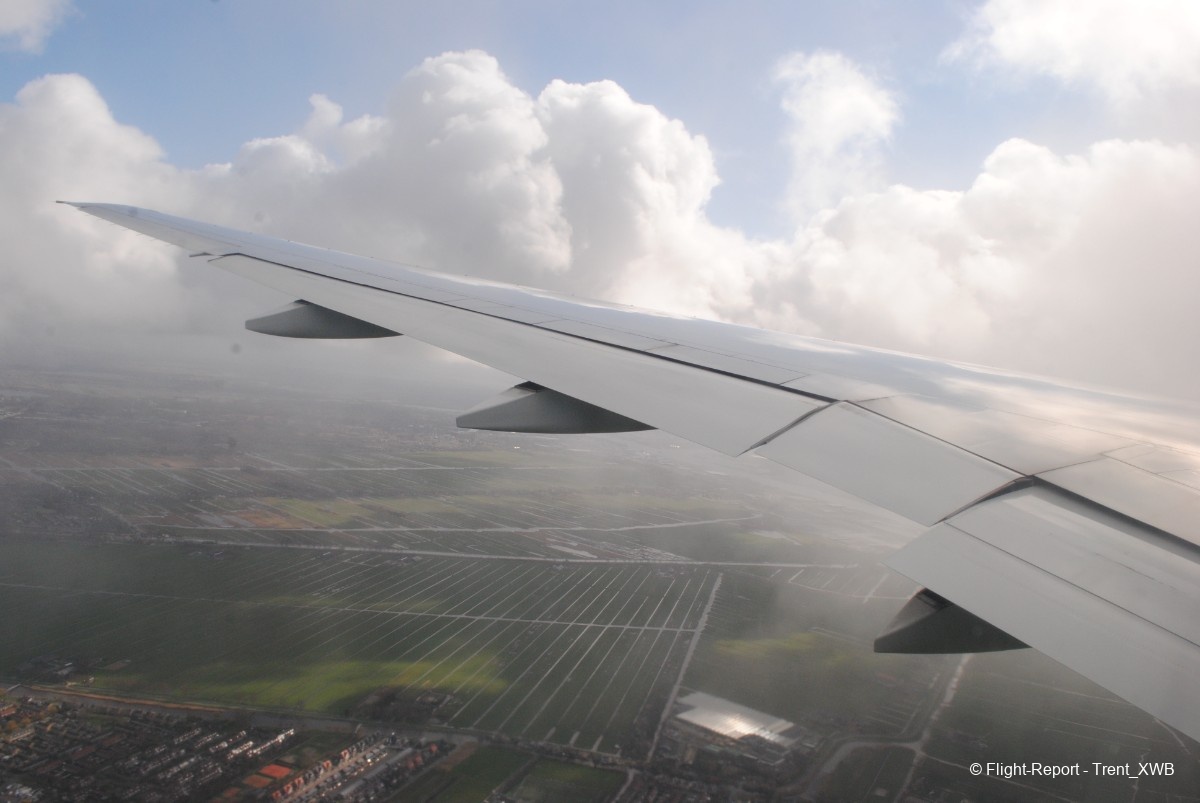
Crossing the giant Nordzeekanaal…
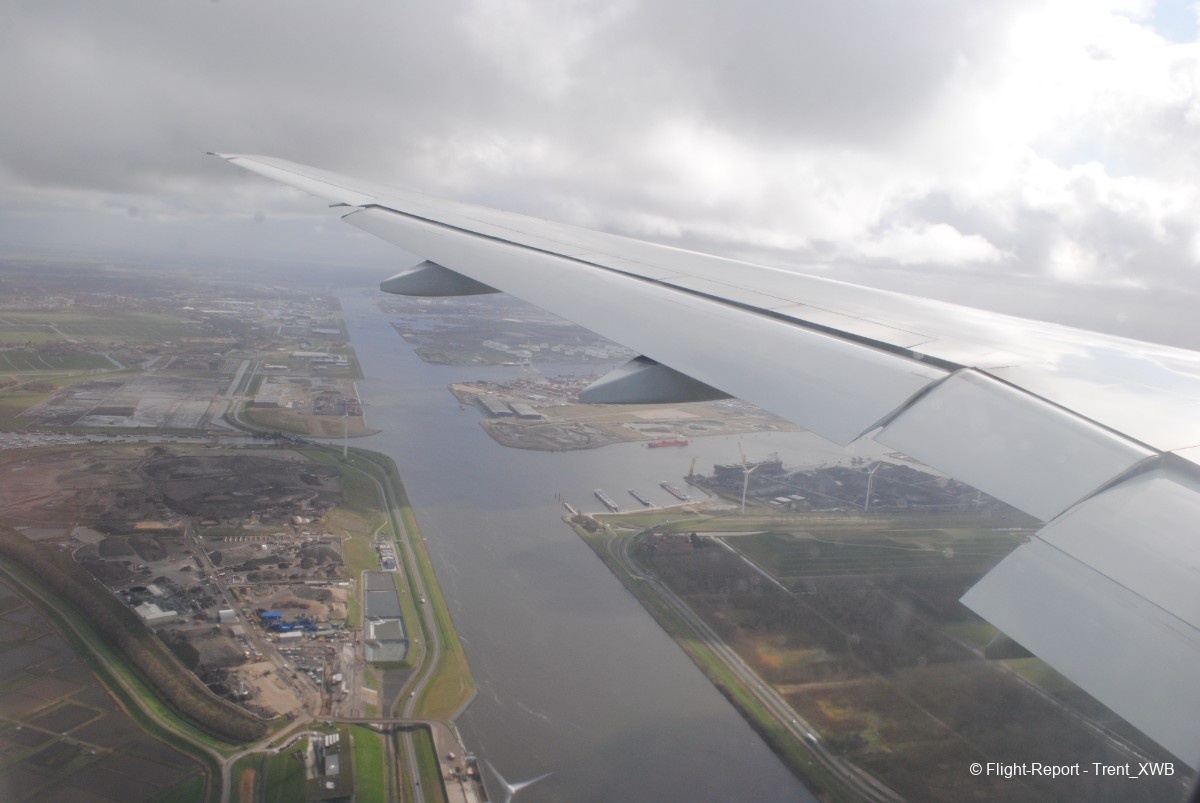
… with its wind generators and ship terminals.
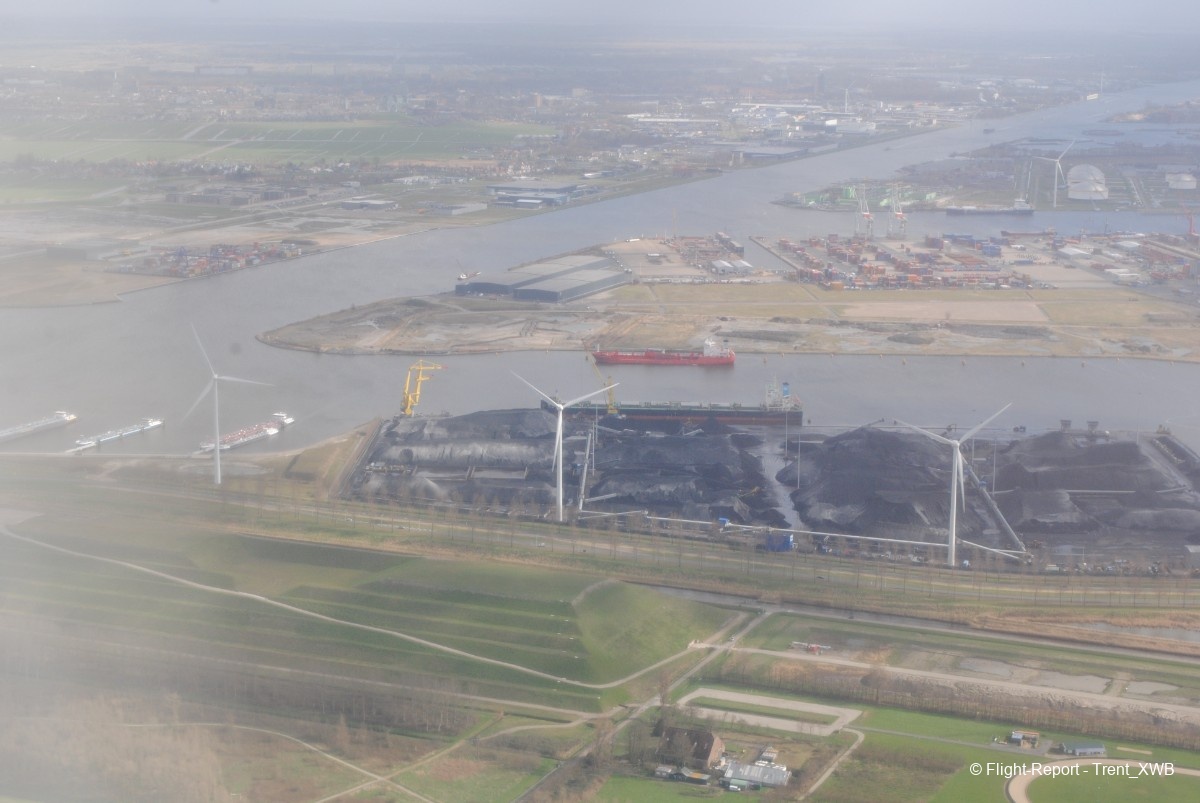
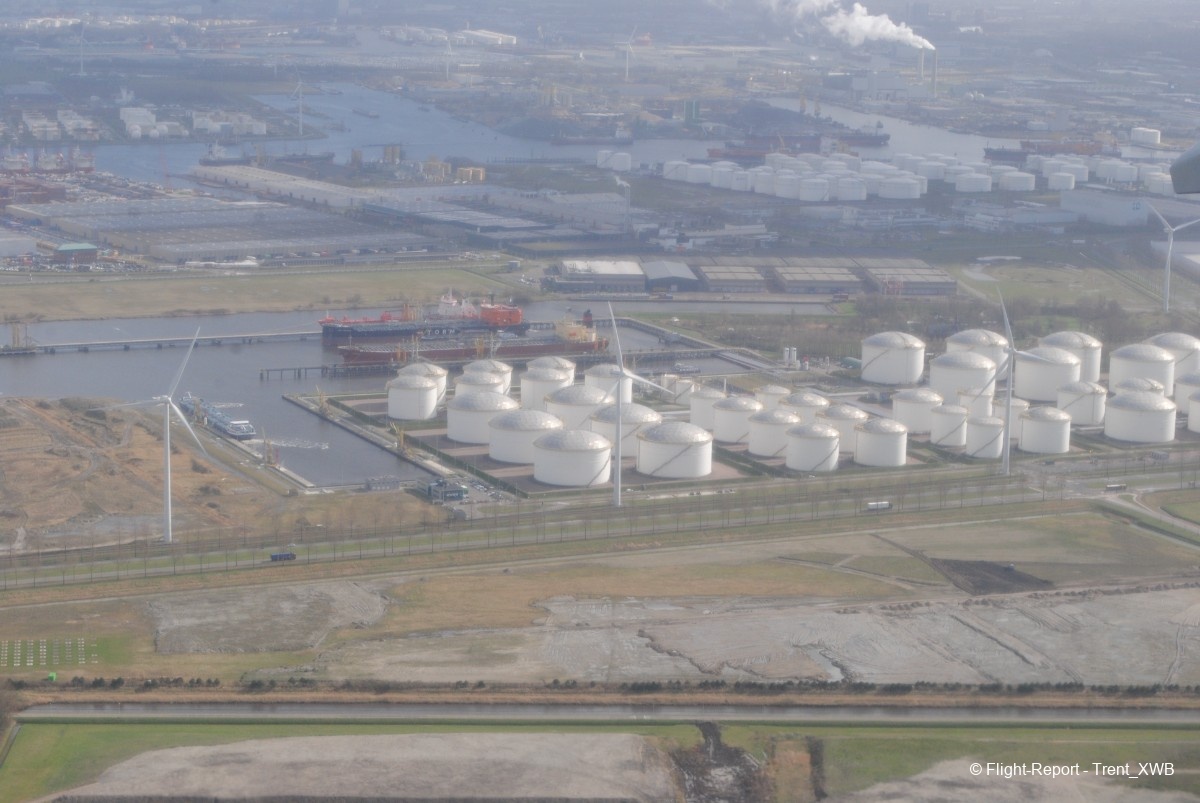
Overflying Zwanenburg…
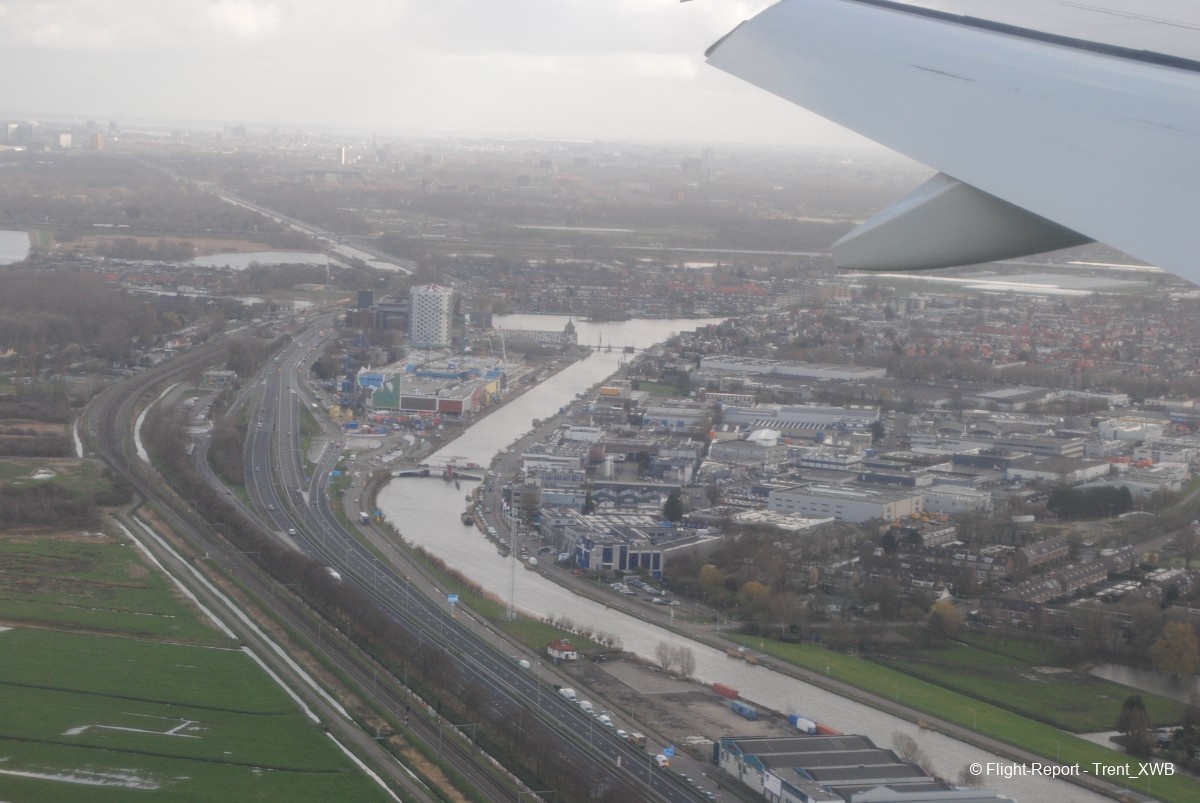
… a picturesque field…
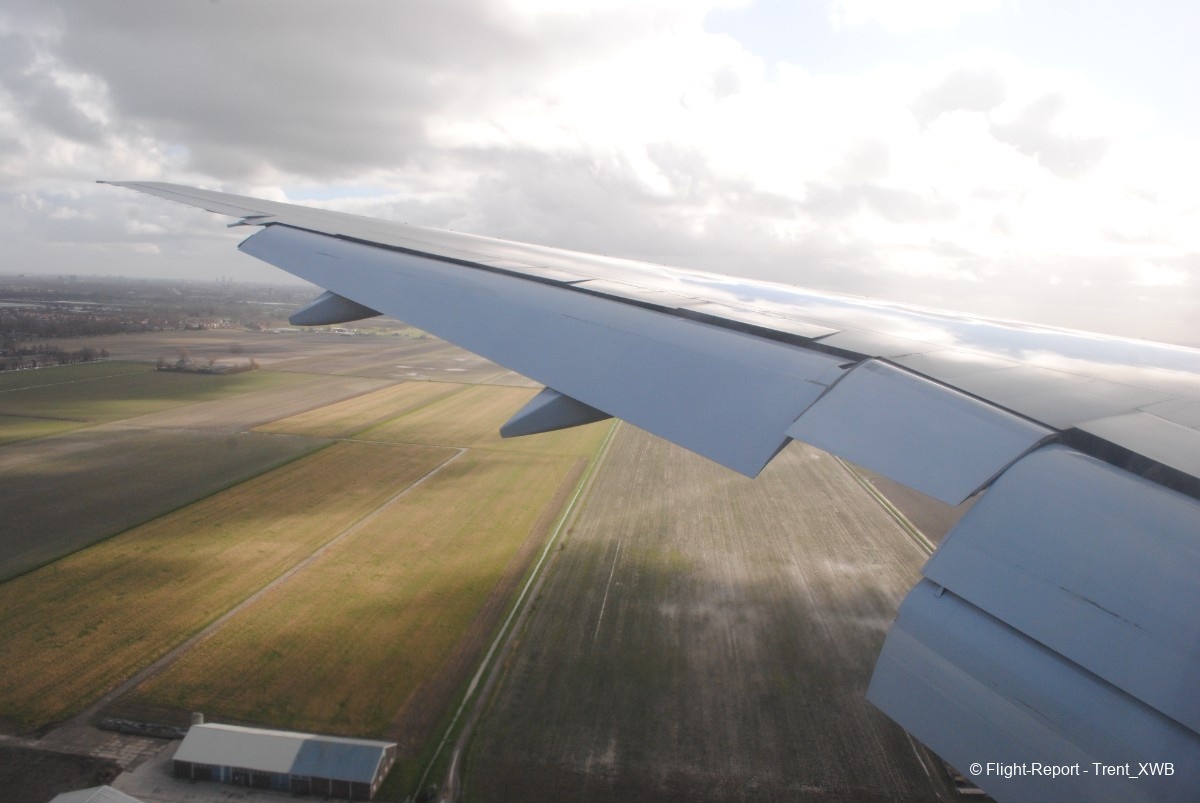
… and a busy highway…
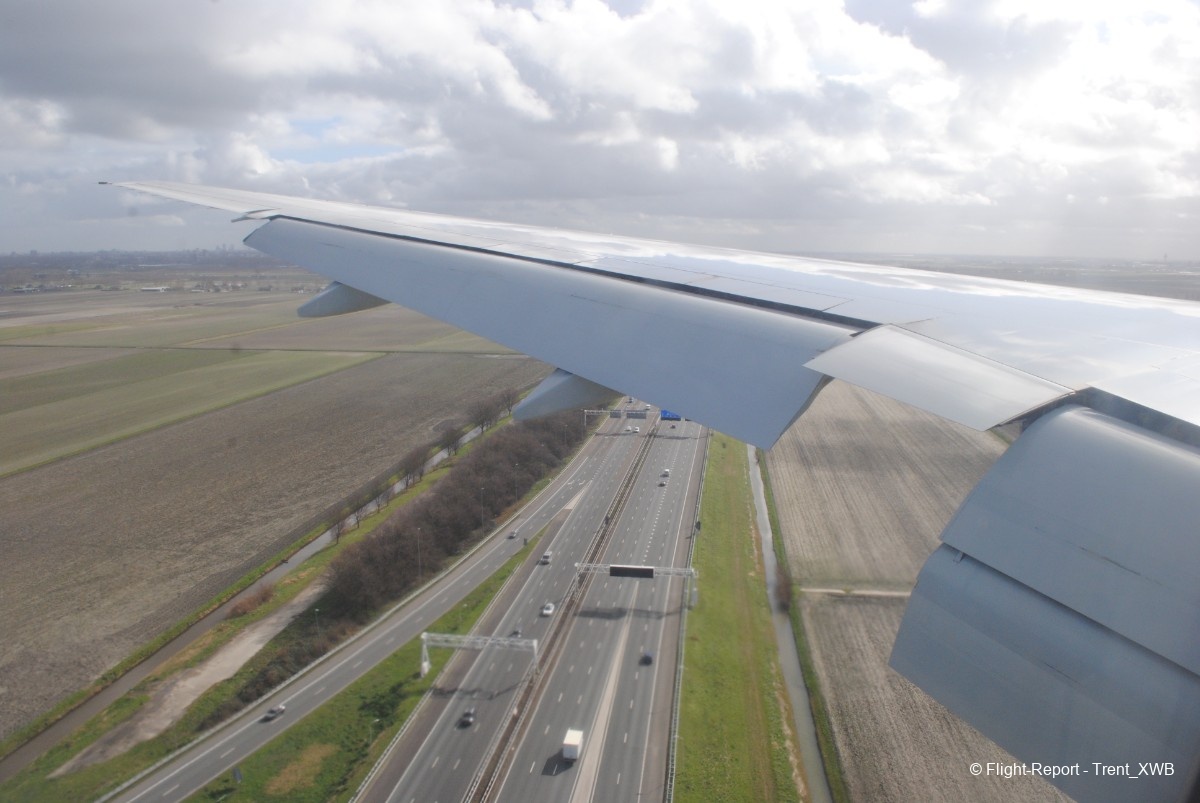
… and landing at Polderbaan - the furthest of 6 AMS's runways, whose name means "runway, claimed from a body of water" (almost all AMS's territory is a polder).
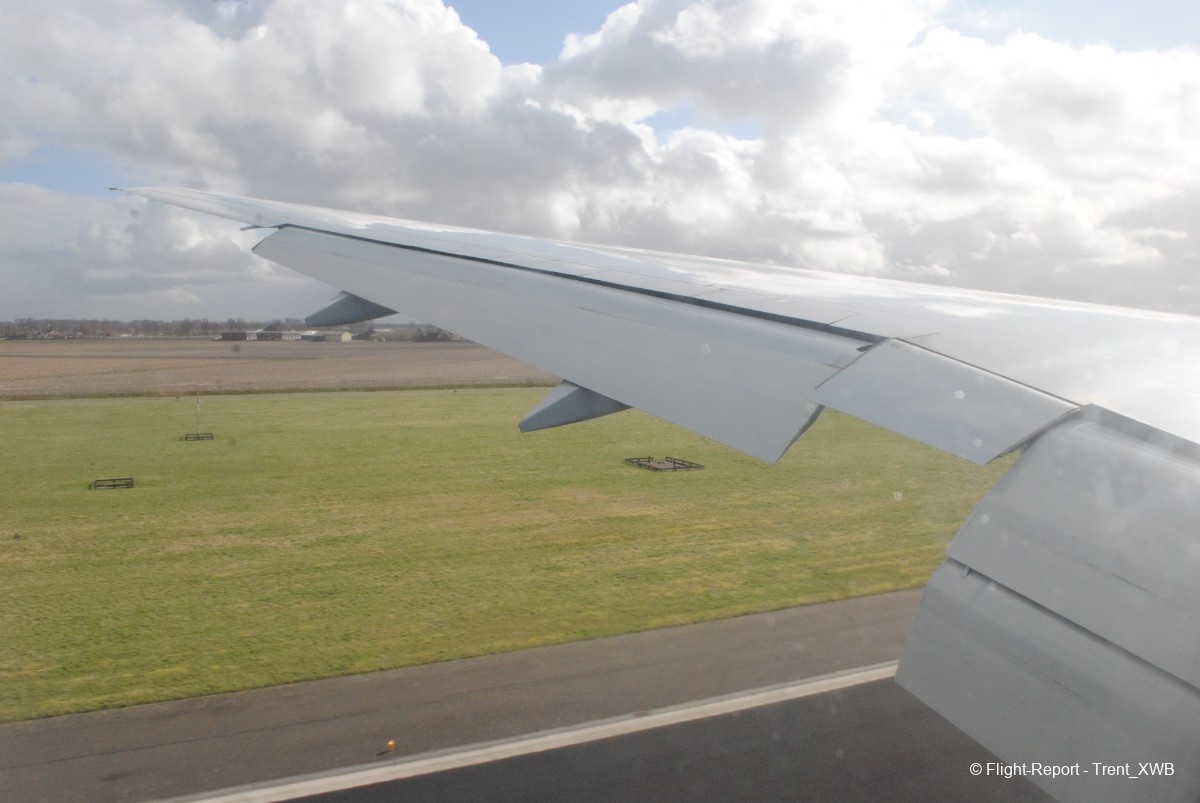
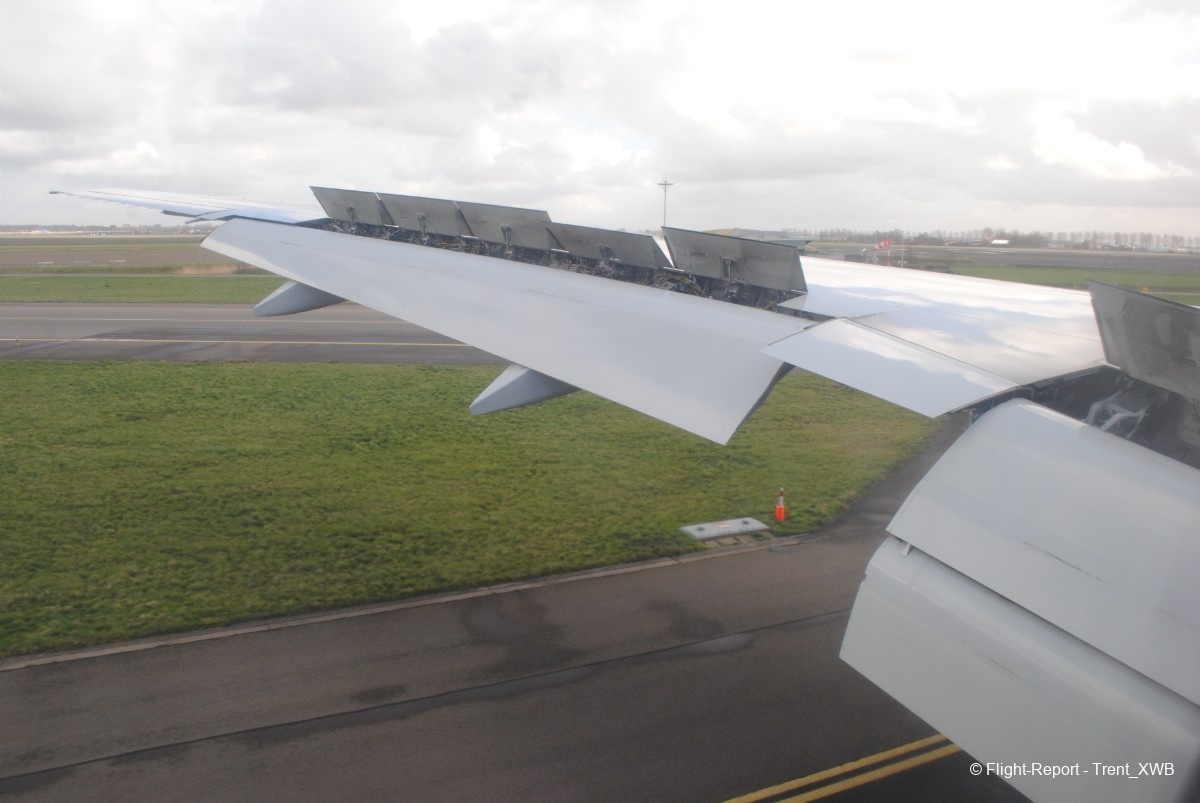
Crossing Hoofdvaart channel while taxiing towards AMS terminal.
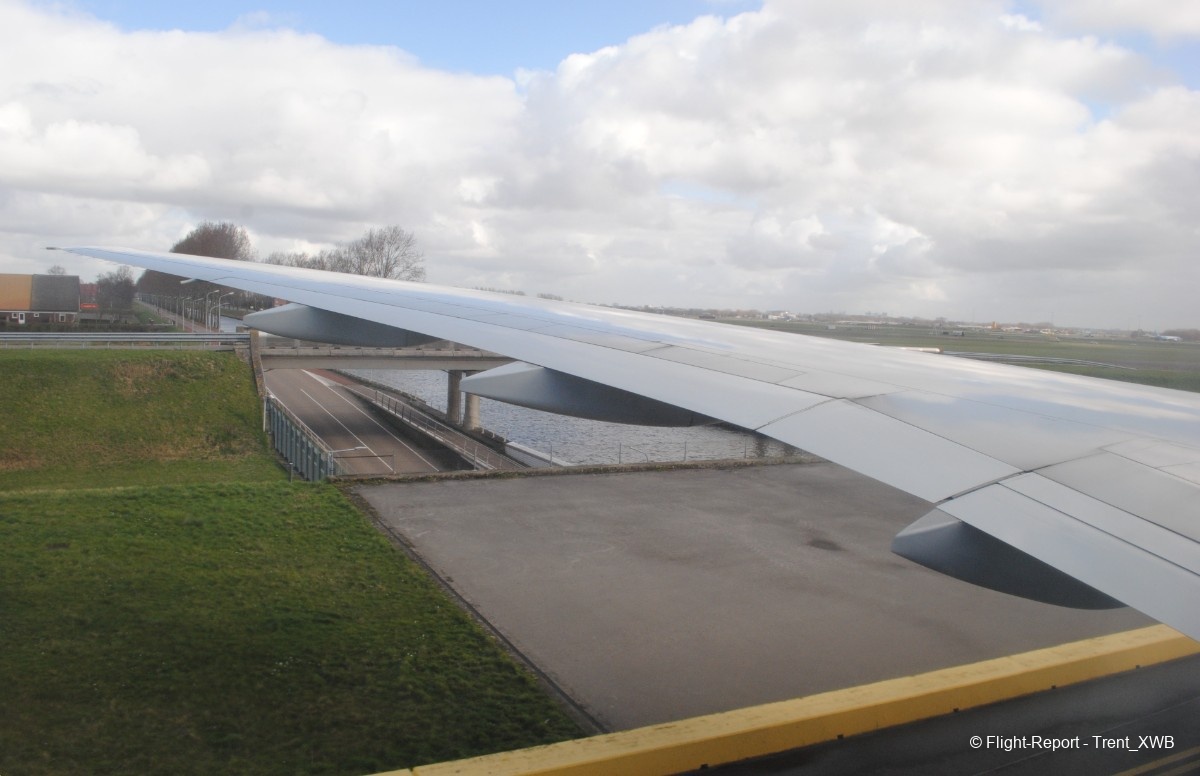
A KL B77W and a TUI fly B763. TUI group phased out its last B763 in 2024.
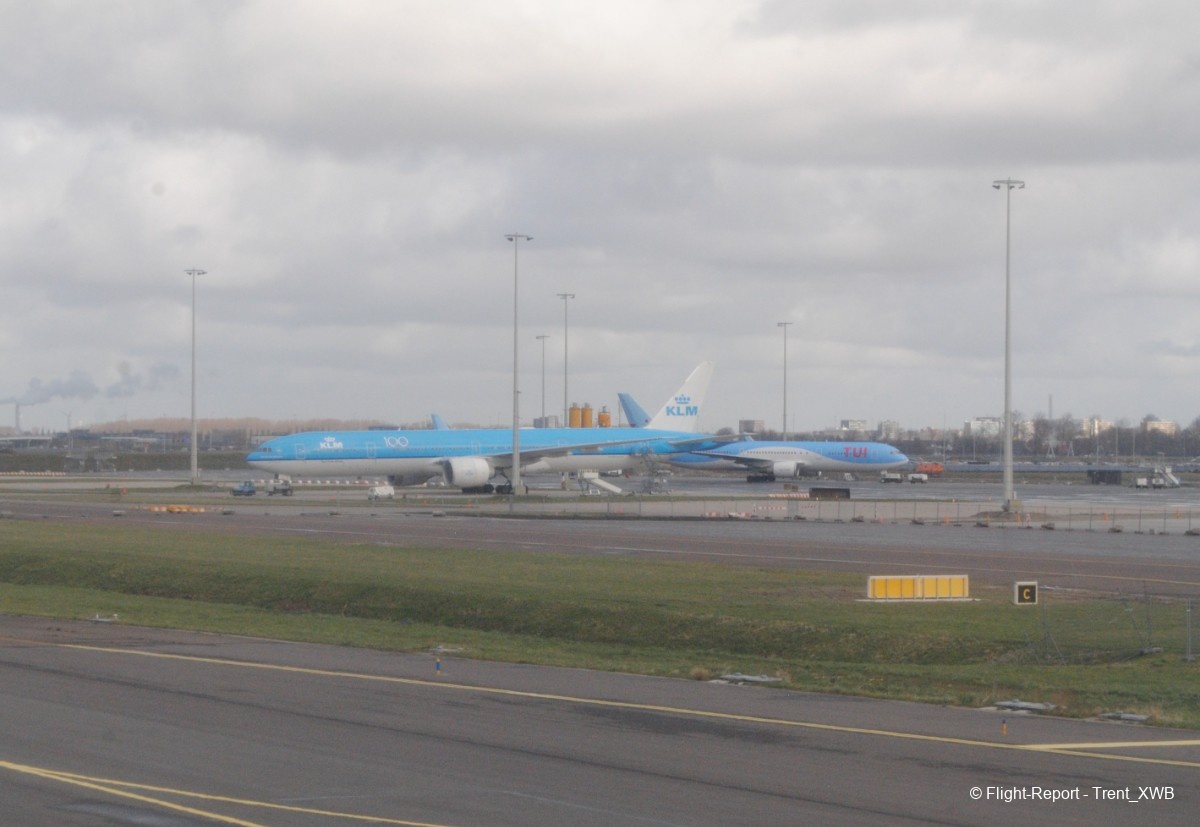
The firefighting training center of AMS with a part of a B744 fuselage as a trainer.
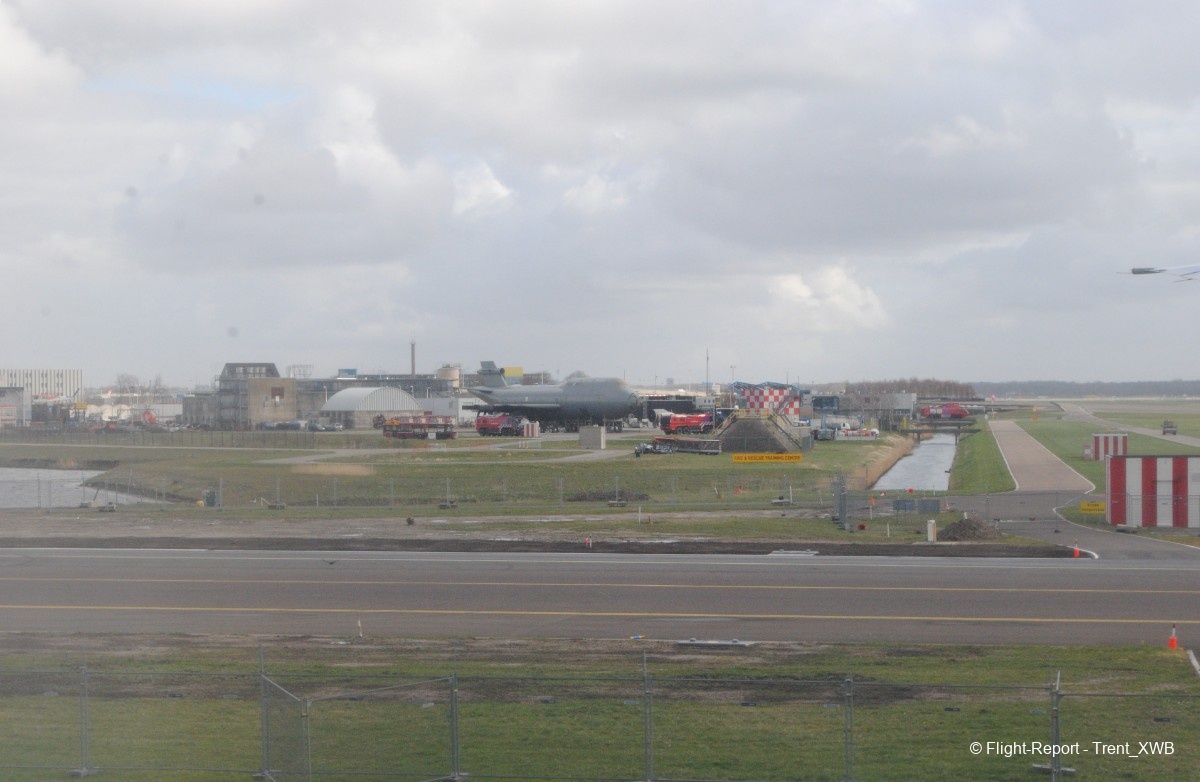
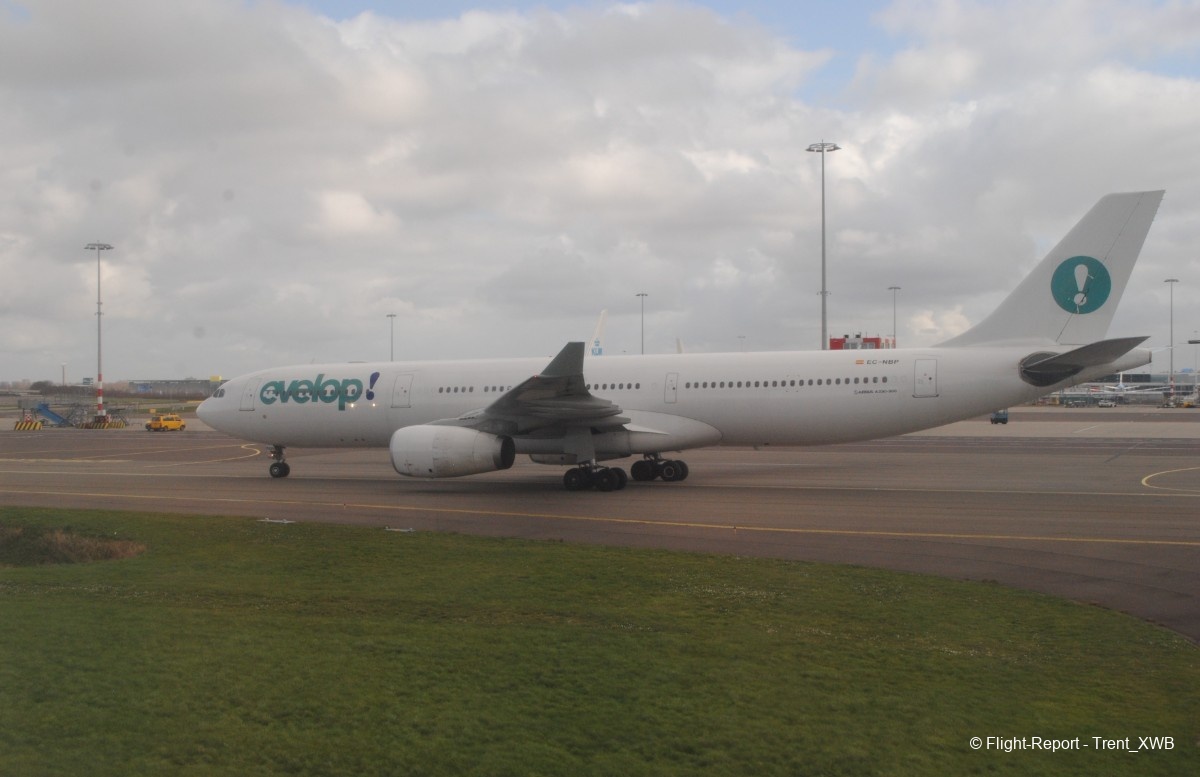
A333 (EC-NBP) of Evelop. In 2024 it was converted to freighter an now flies in Avianca Cargo Mexico. Evelop was rebranded into Iberojet in 2021.
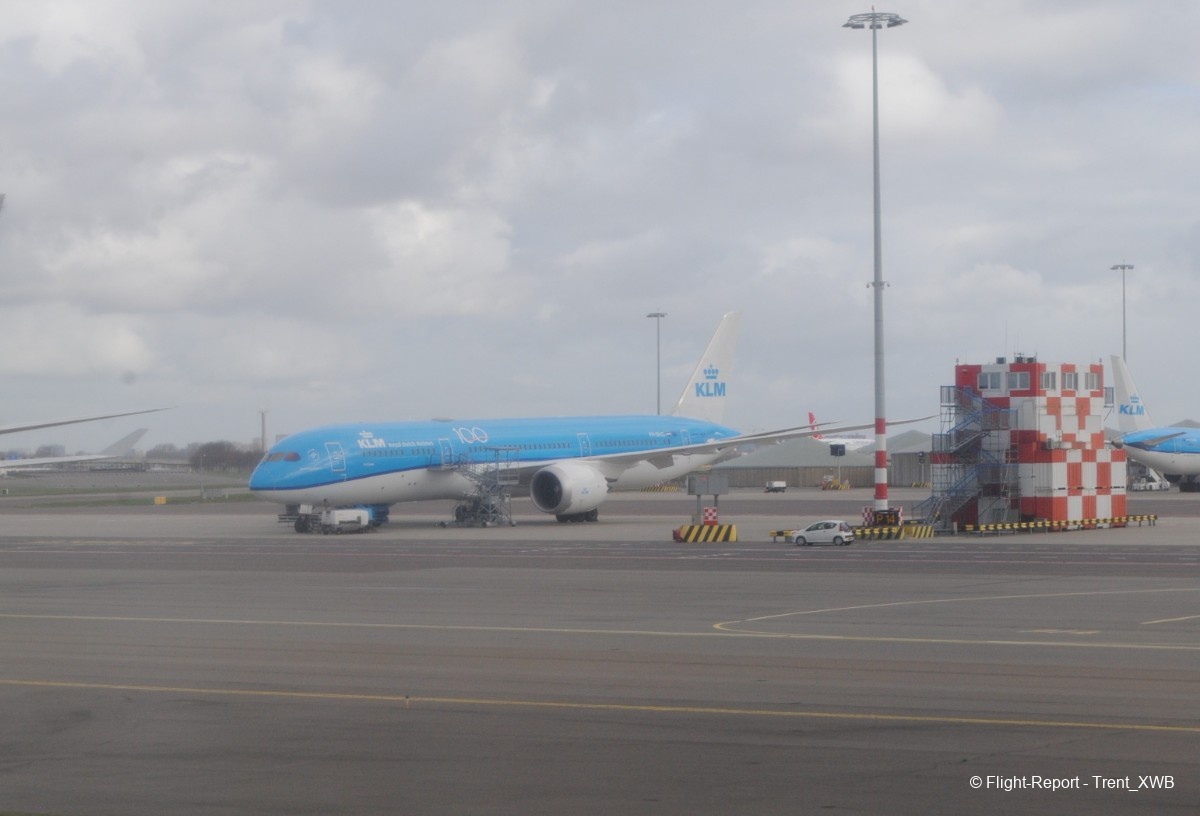
KL B789 (PH-BHO).
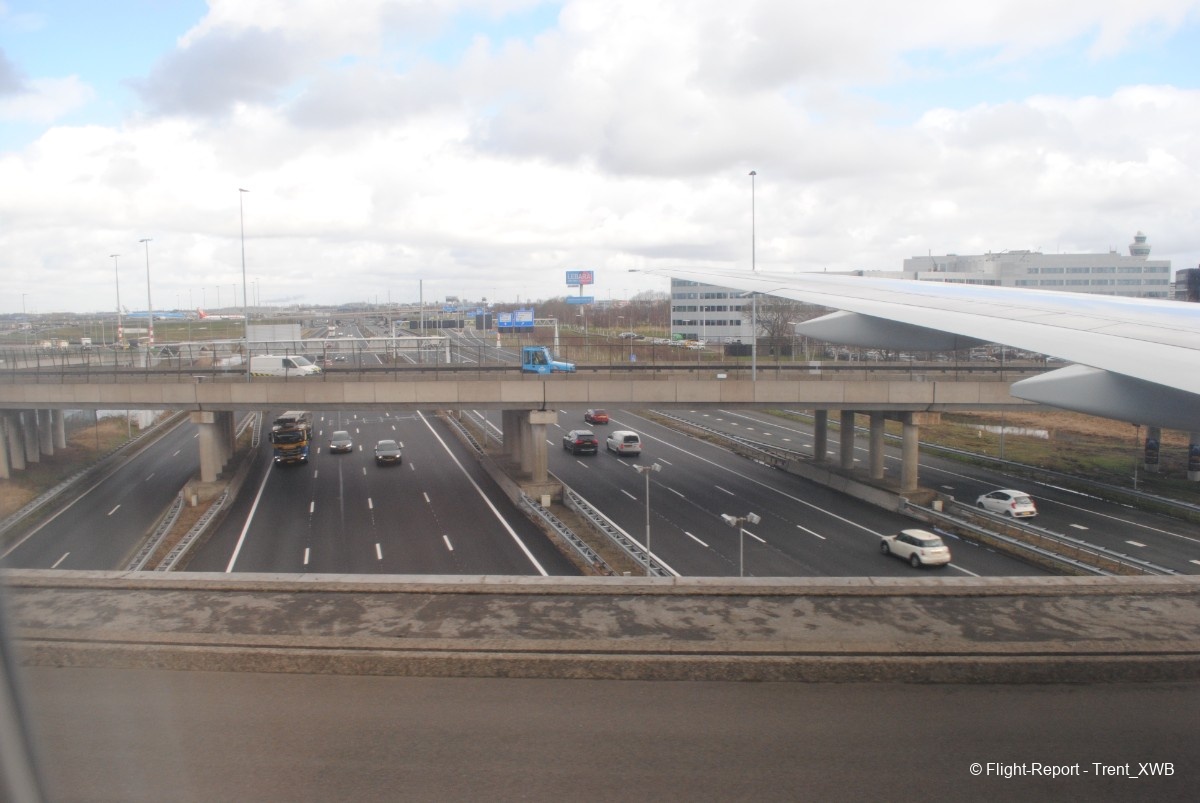
Crossing a busy highway while getting closer to the terminal.
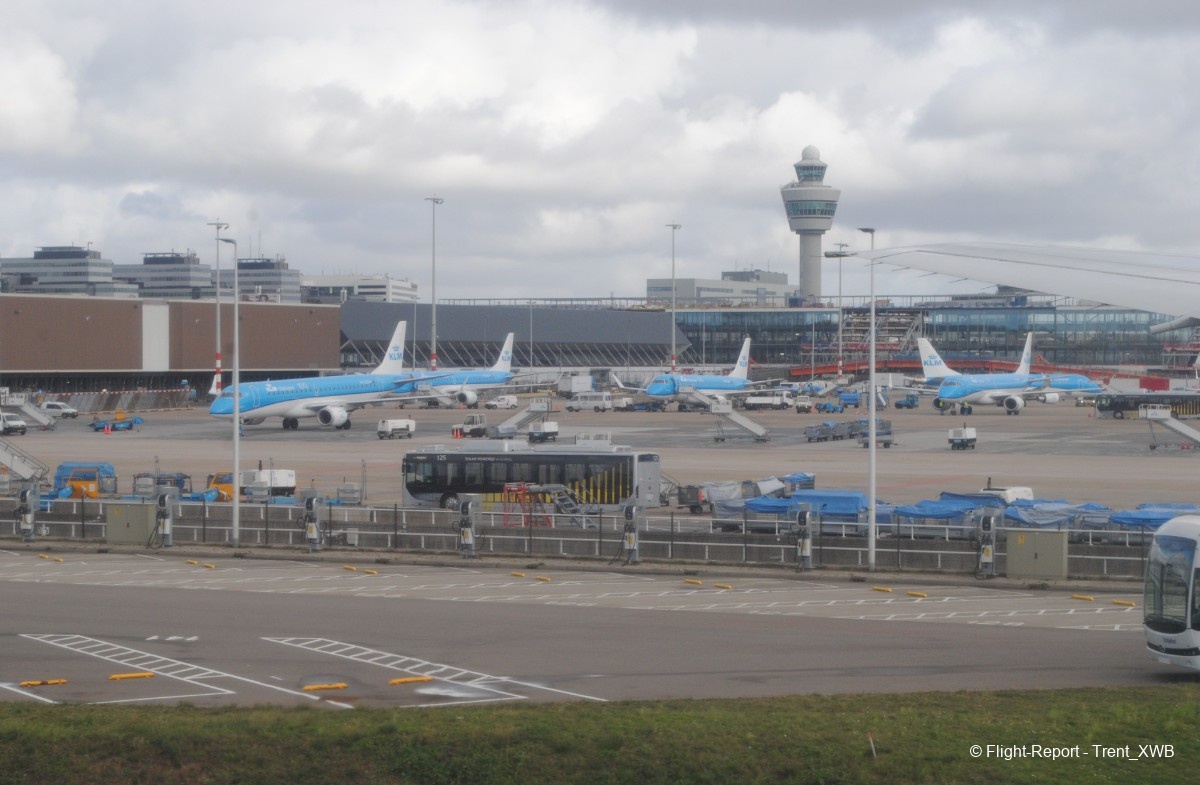
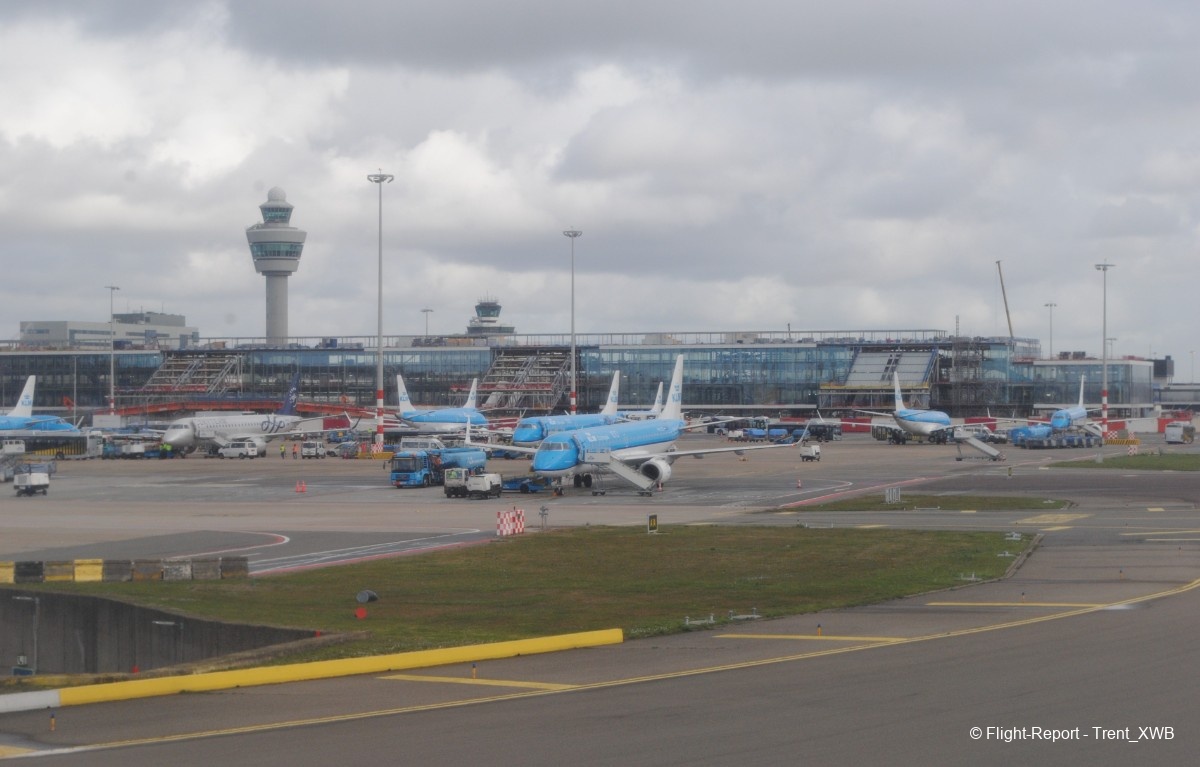
Taxiing past AMS terminal and the remote stand of KL Cityhopper E190s (including one in the Skyteam livery).
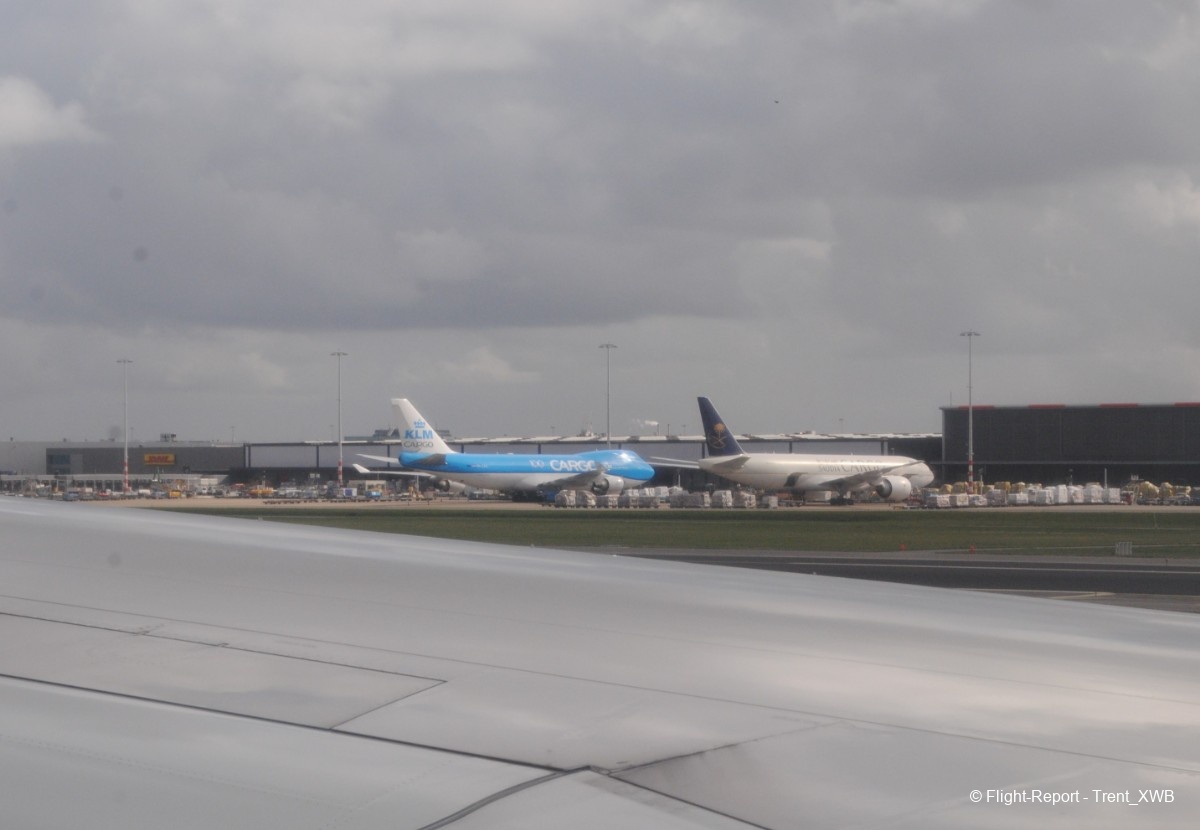
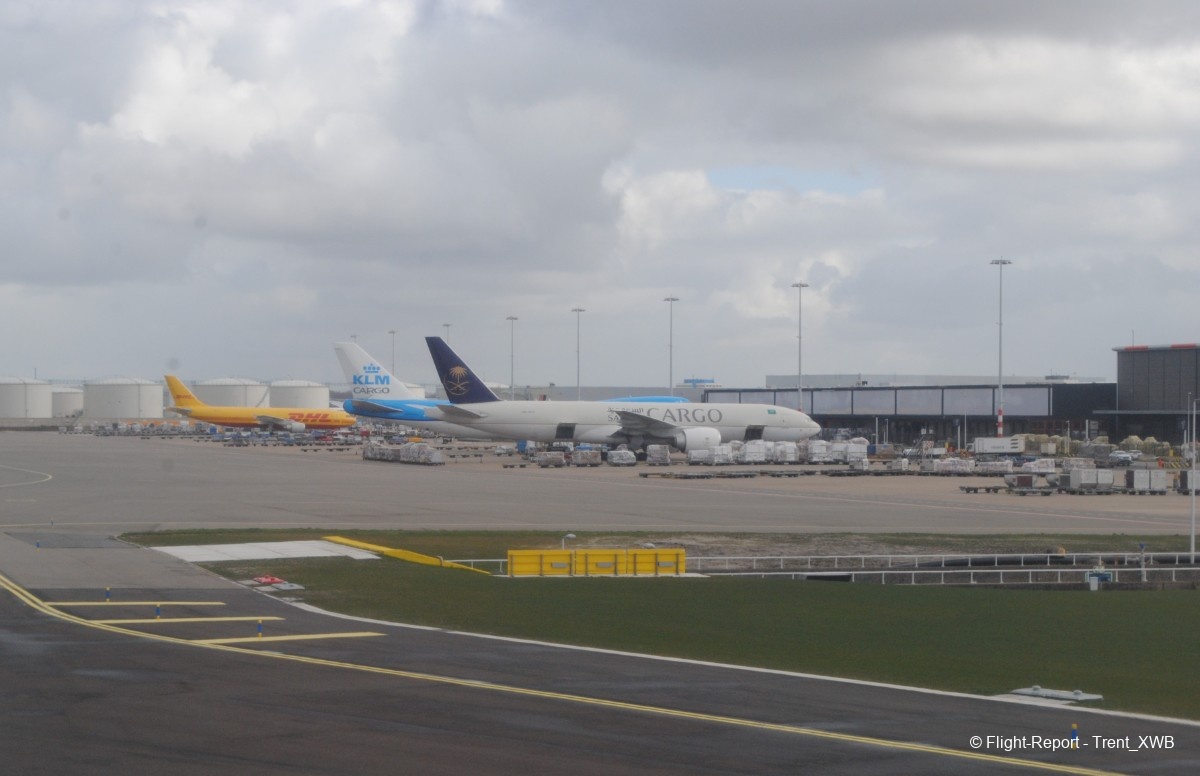
Cargo terminal with B744F of KL Cargo, B77F of Saudia Cargo and A300F of DHL.
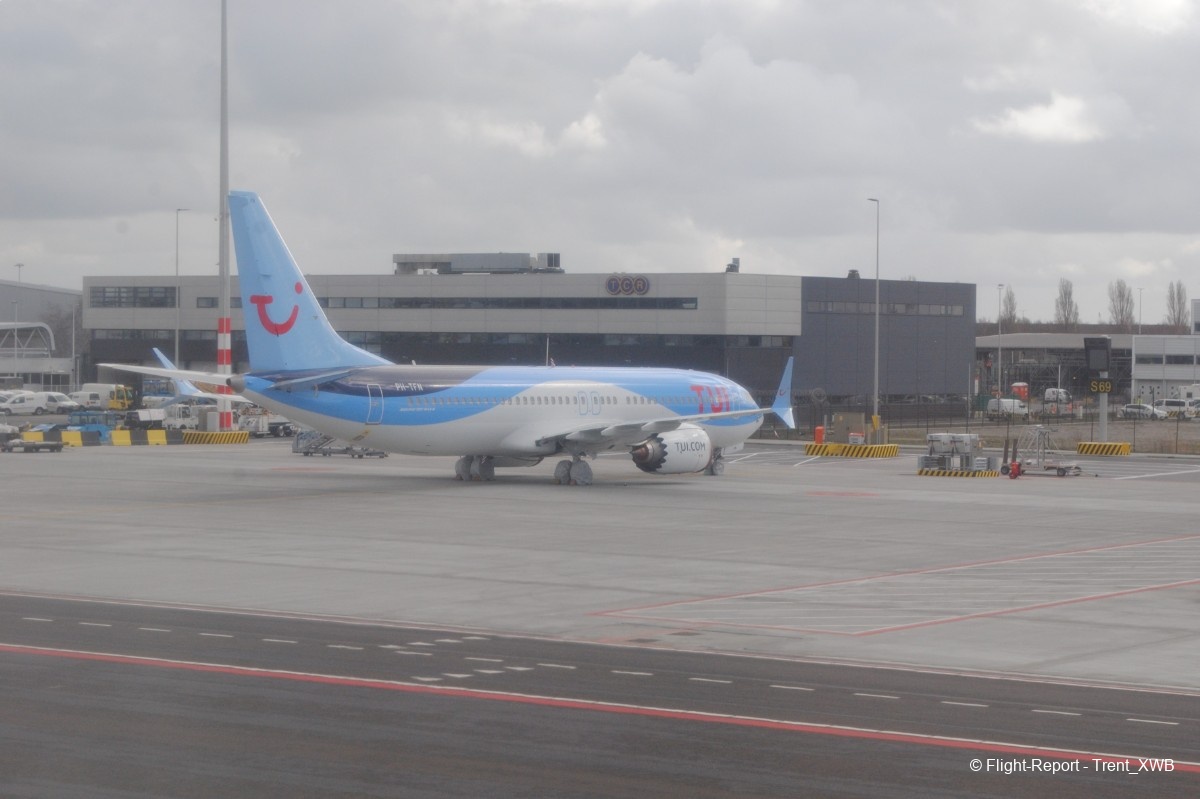
Parking near stored TUI B7M8s (back then all the MAXes were forbidden to fly after 2018 and 2019 crashes).
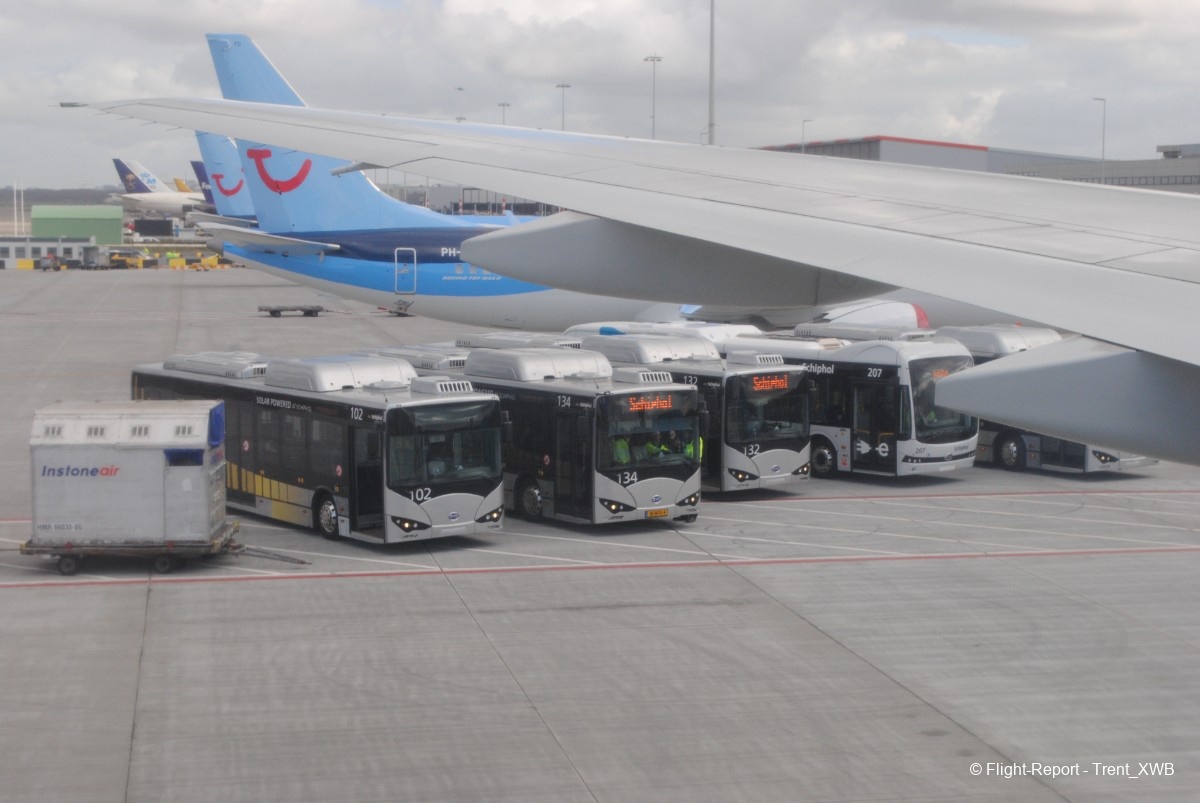
Our parking stand is quite far away from the terminal.
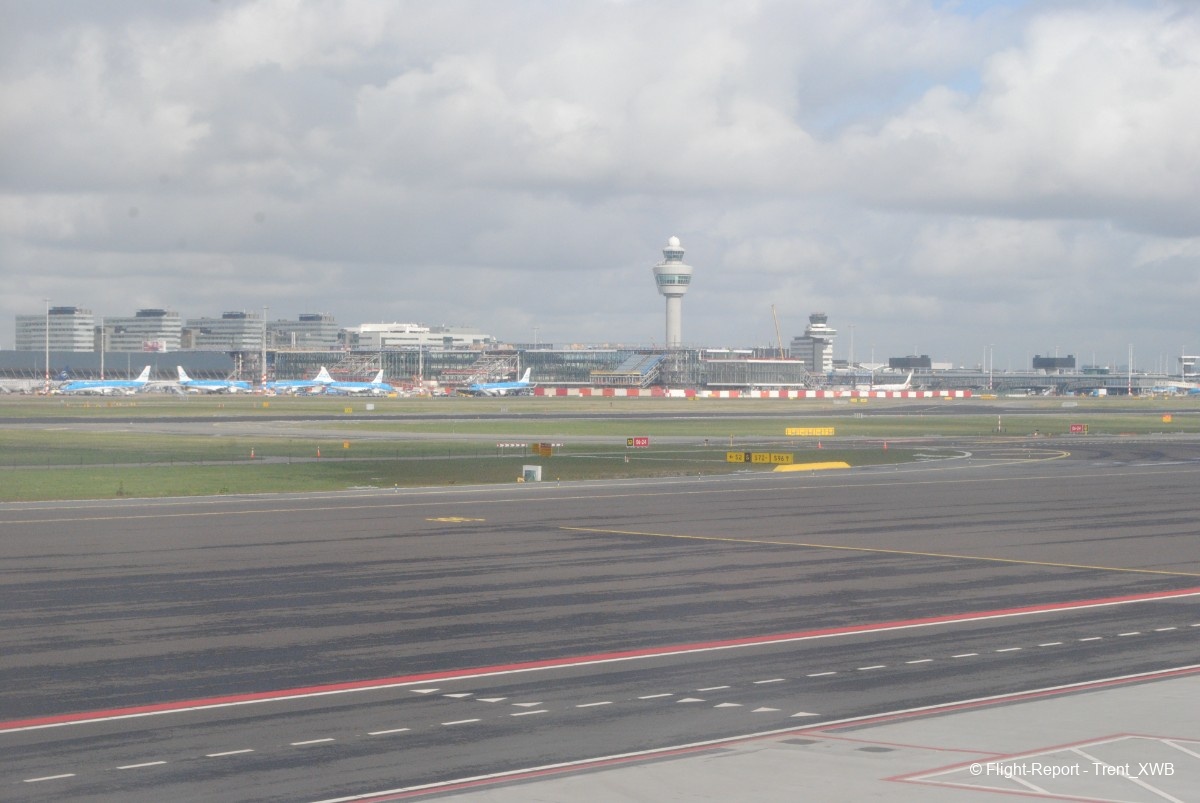
The Economy Class After The Flight
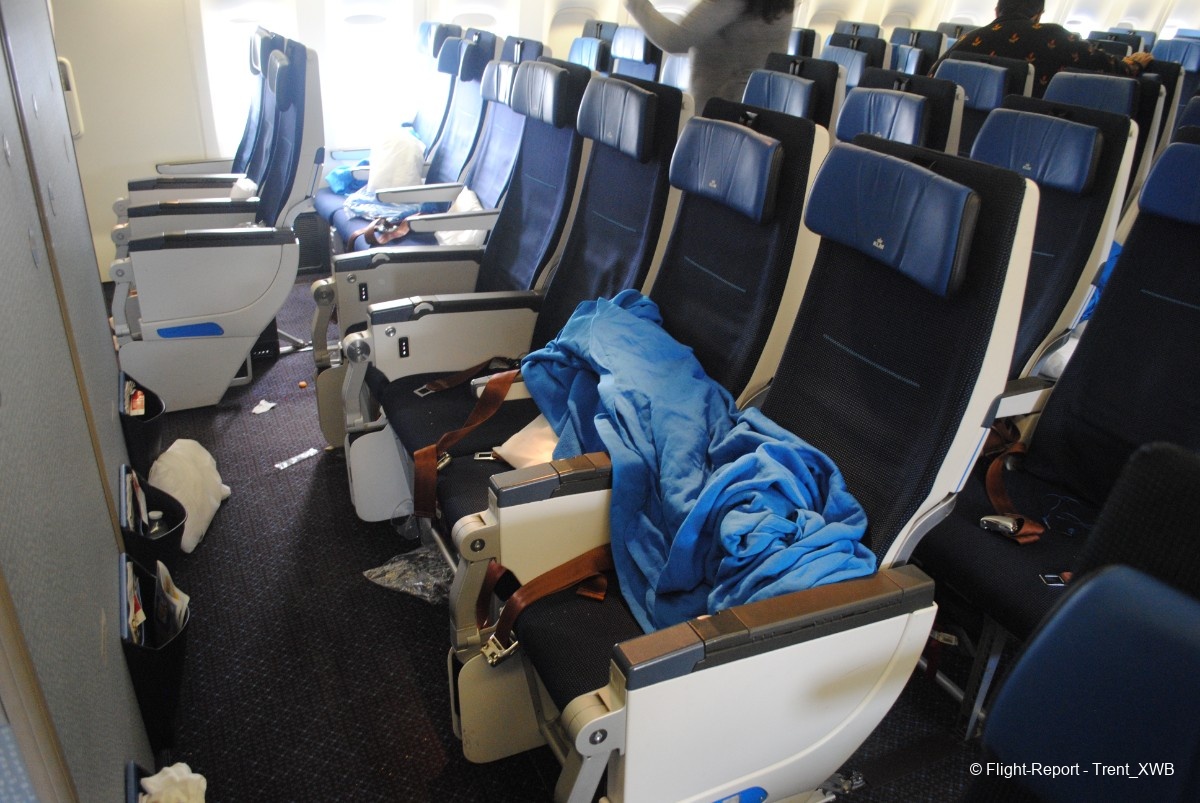
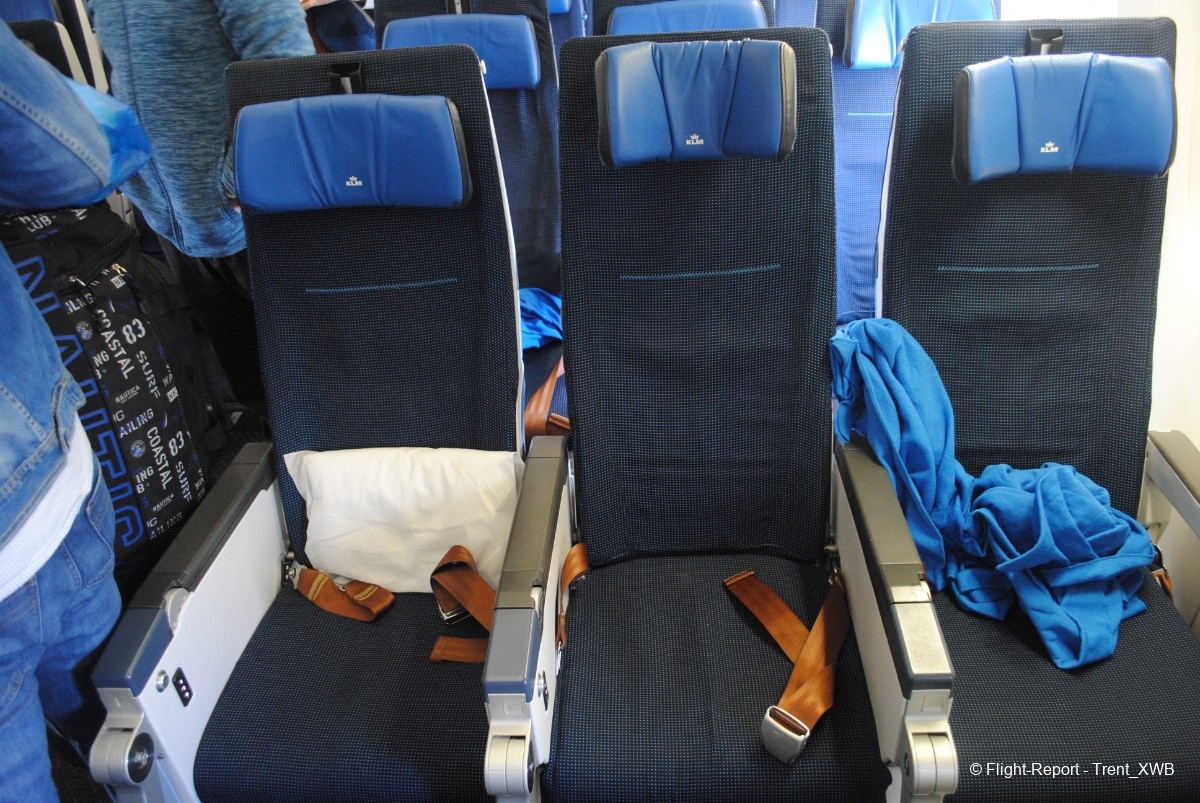
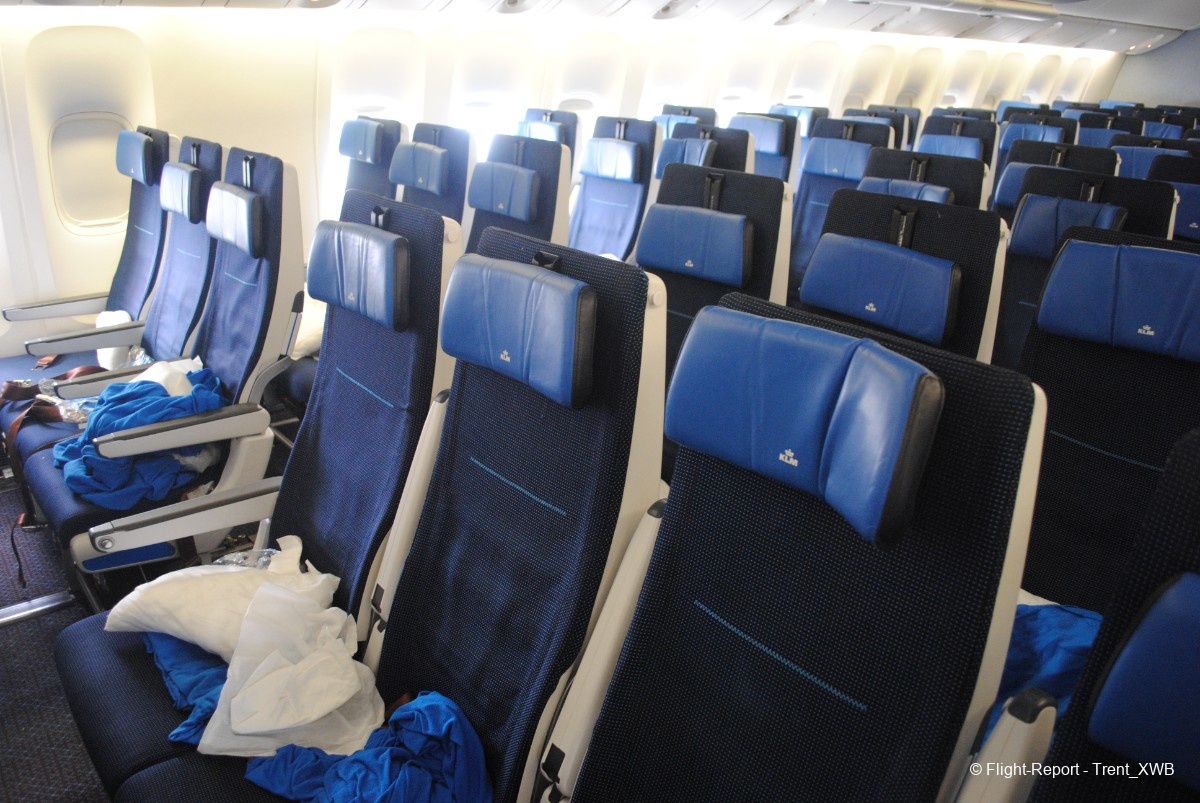
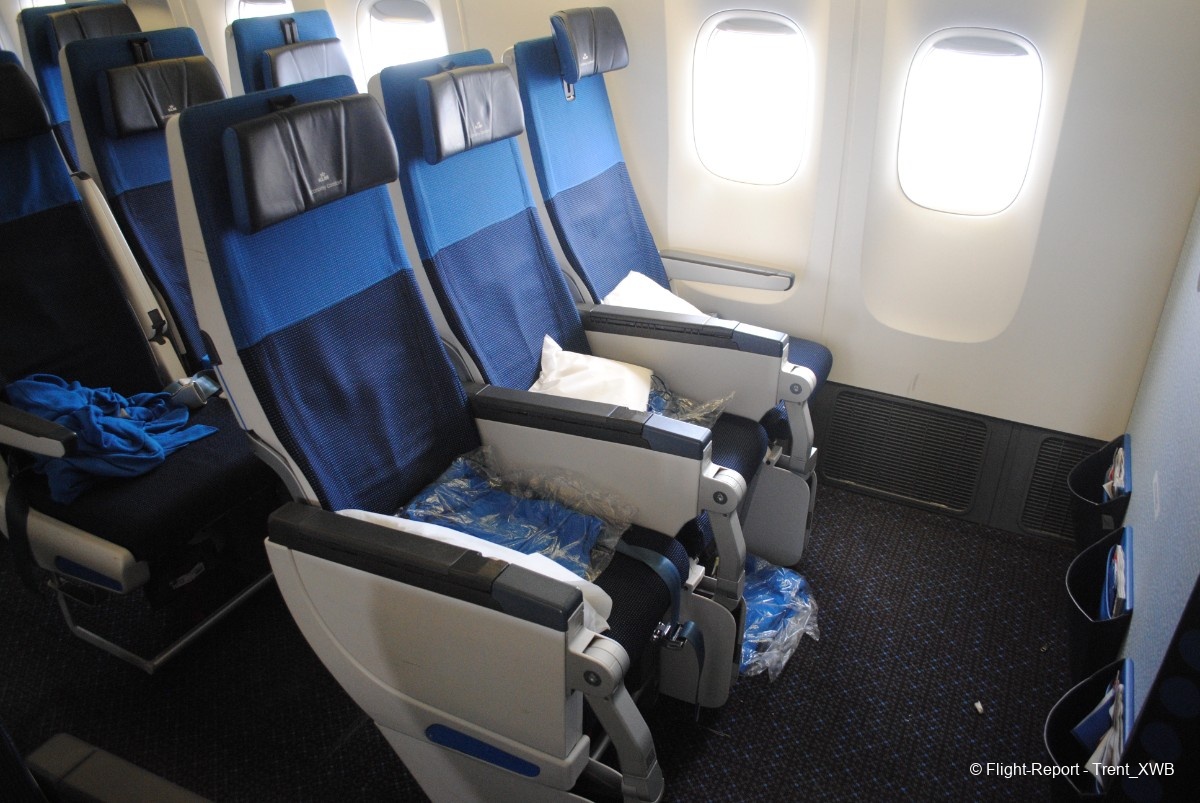
Views of the rear economy cabin upon disembarkment. On the first photo in the gallery is my seat 35A. The hard product of KL economy in B777s is a disaster (except decent legroom), but I survived the flight - thanks to the empty seat near me! I cannot imagine how to survive the KL's longest flights - AMS-EZE-SCL and NRT-AMS in these cabins, especially if they're full. Only a significant price discount compared to AF (which has way more comfortable economy cabins) can justify such an ordeal.
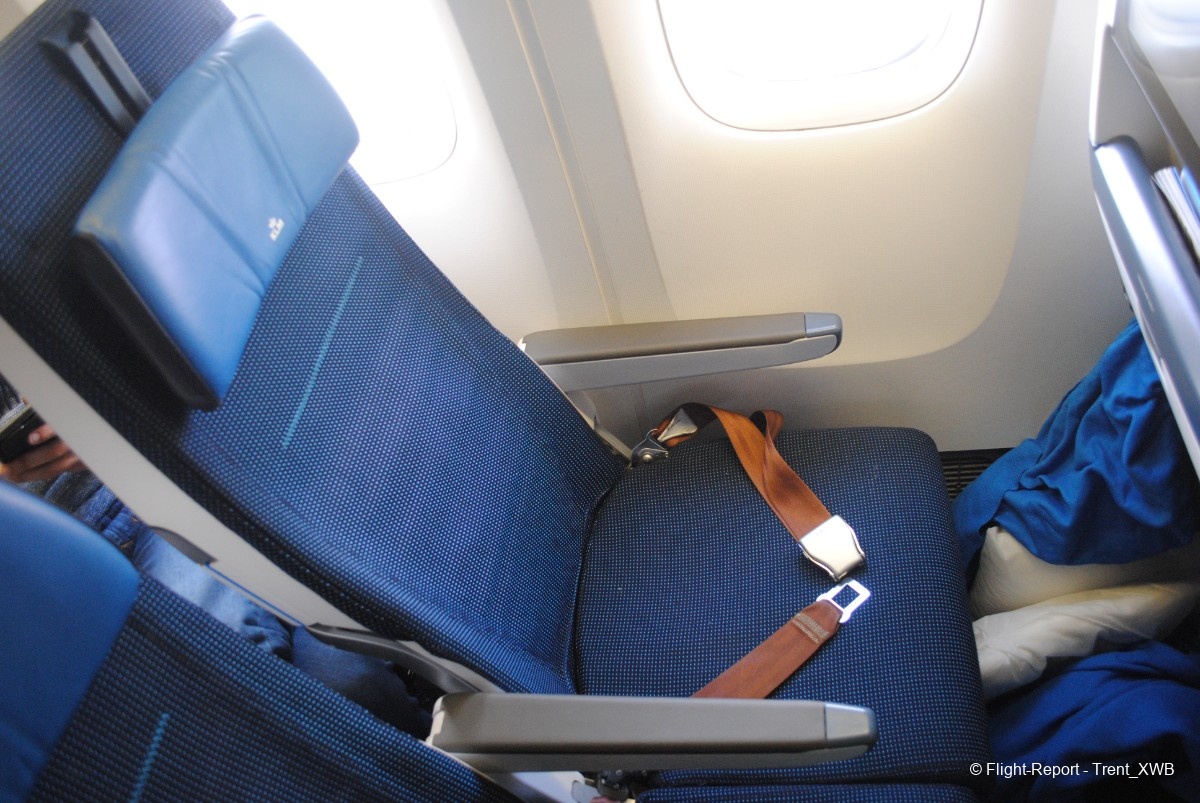
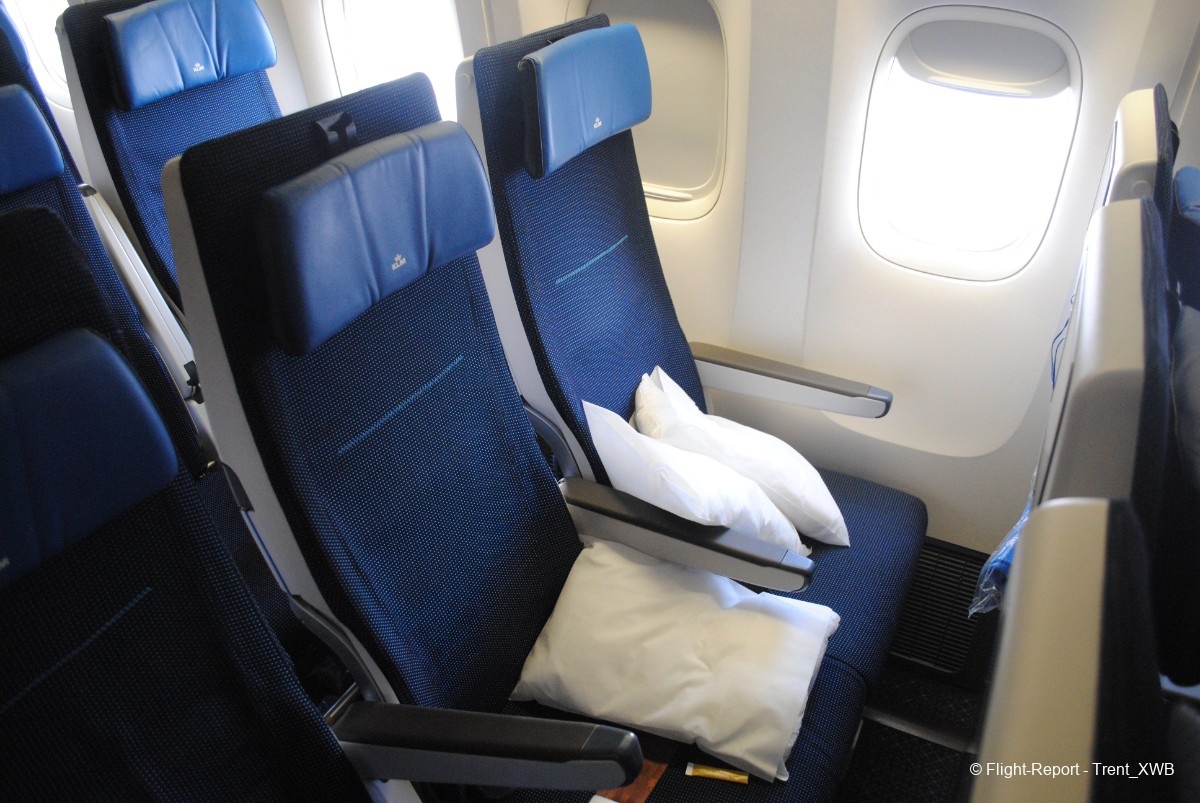
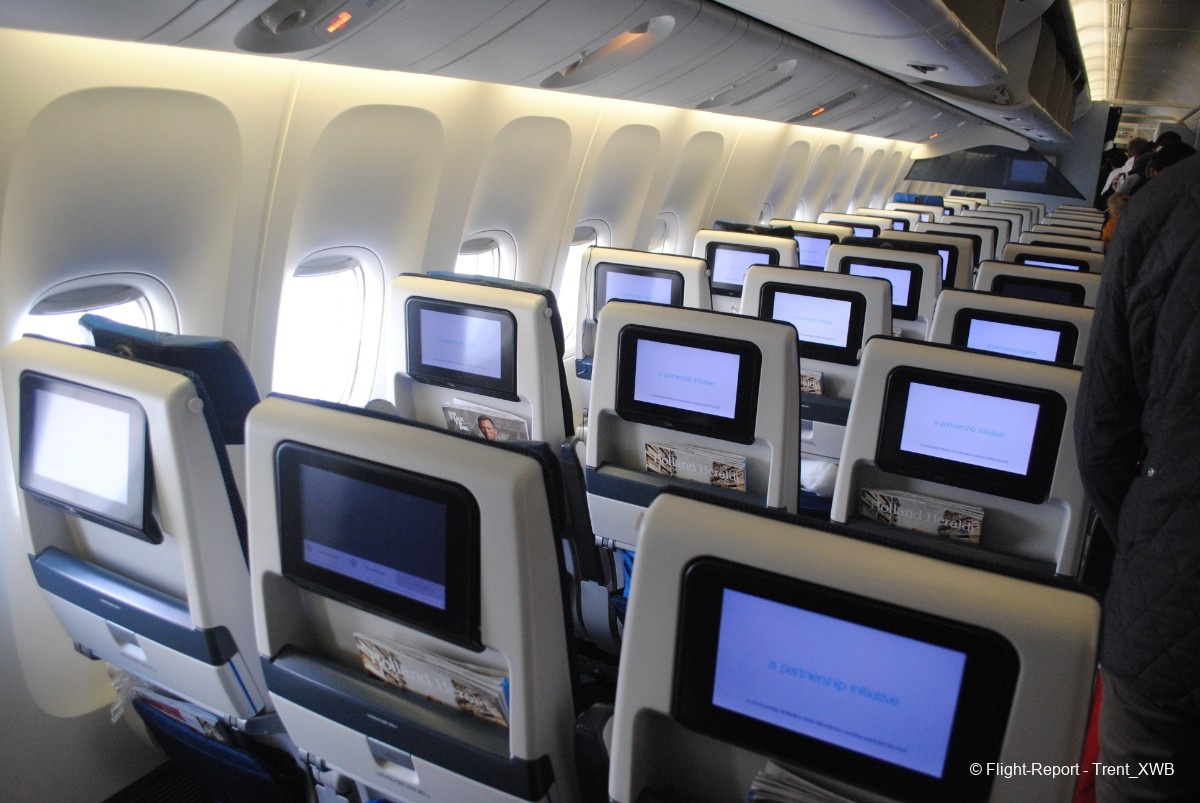
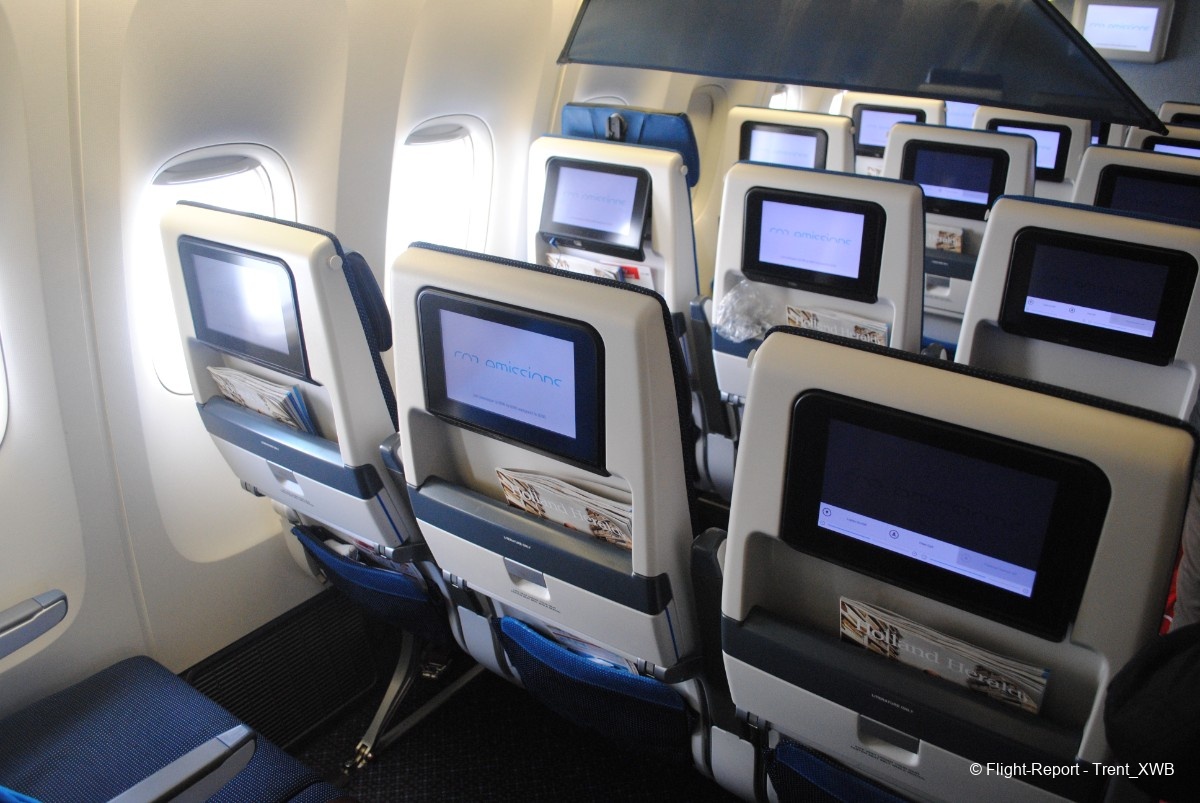
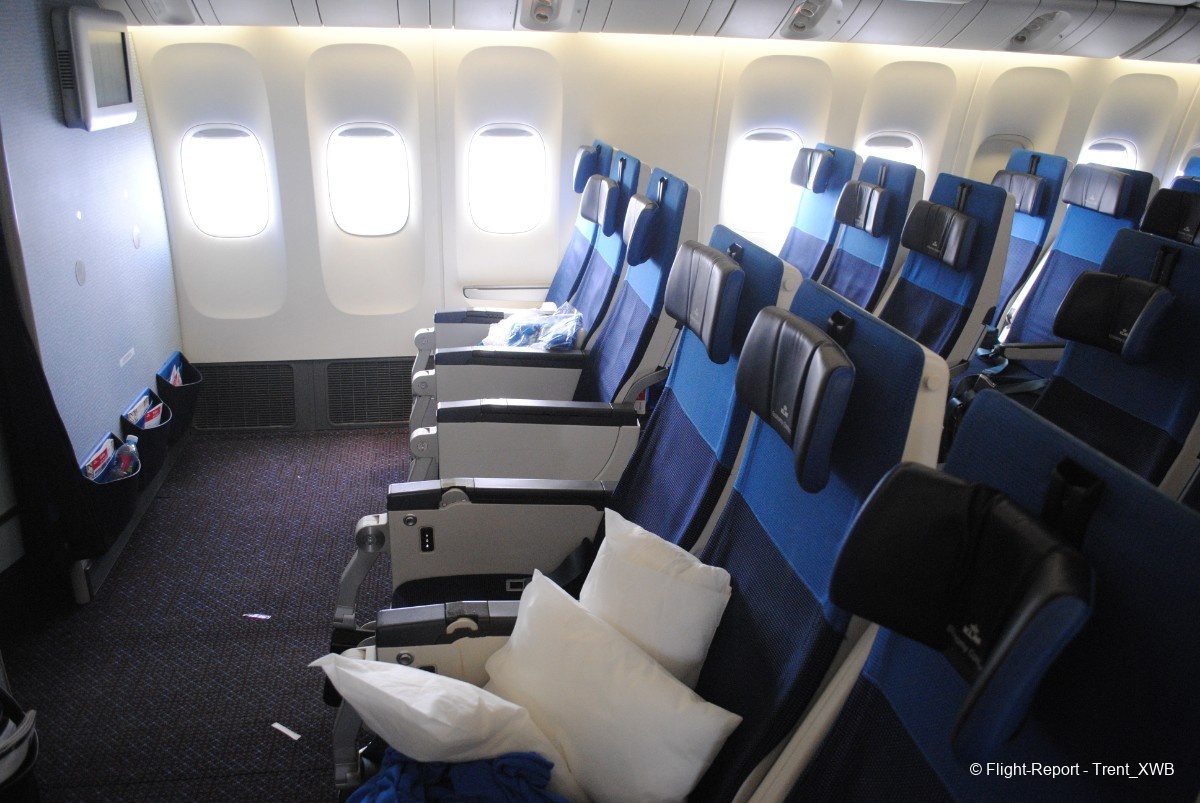
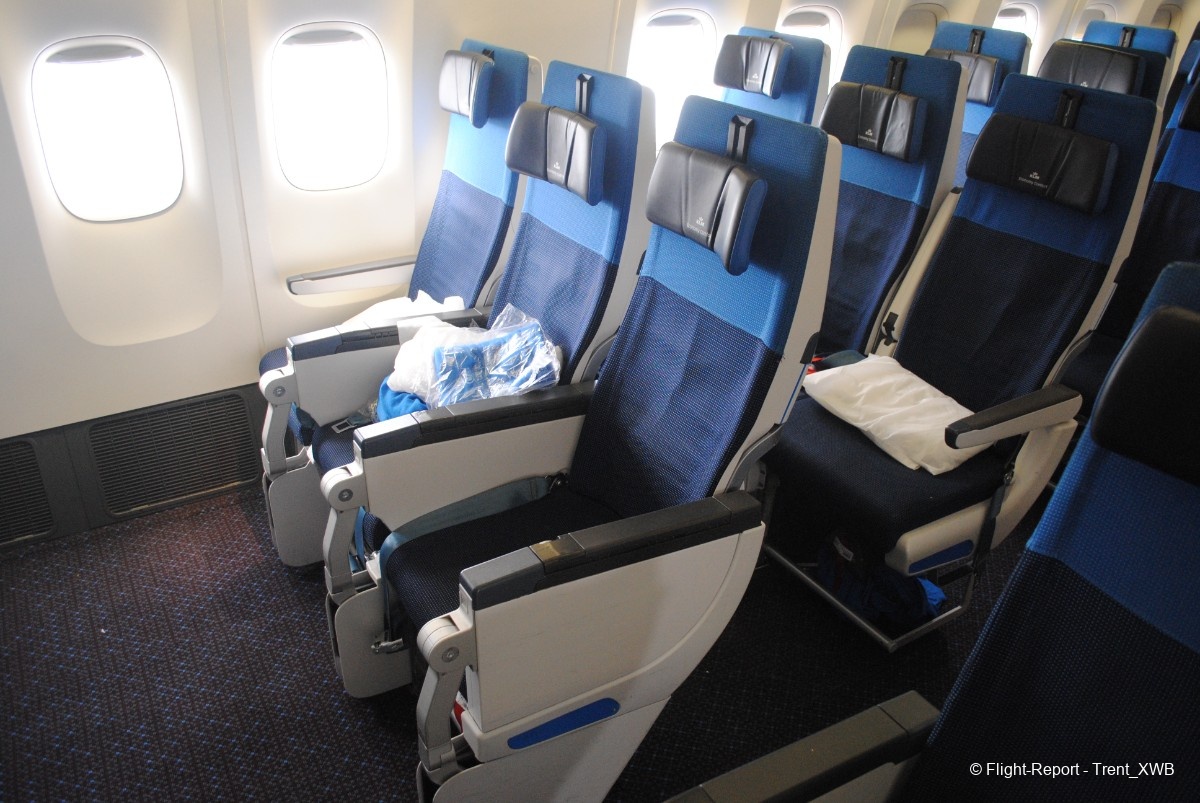
Views of the front economy cabin with its first "economy plus" rows with black headrests. Let's remind that "economy plus" section was replaced in 2024 by the true premium economy cabin with 2-4-2 layout.
The Business Class After The Flight
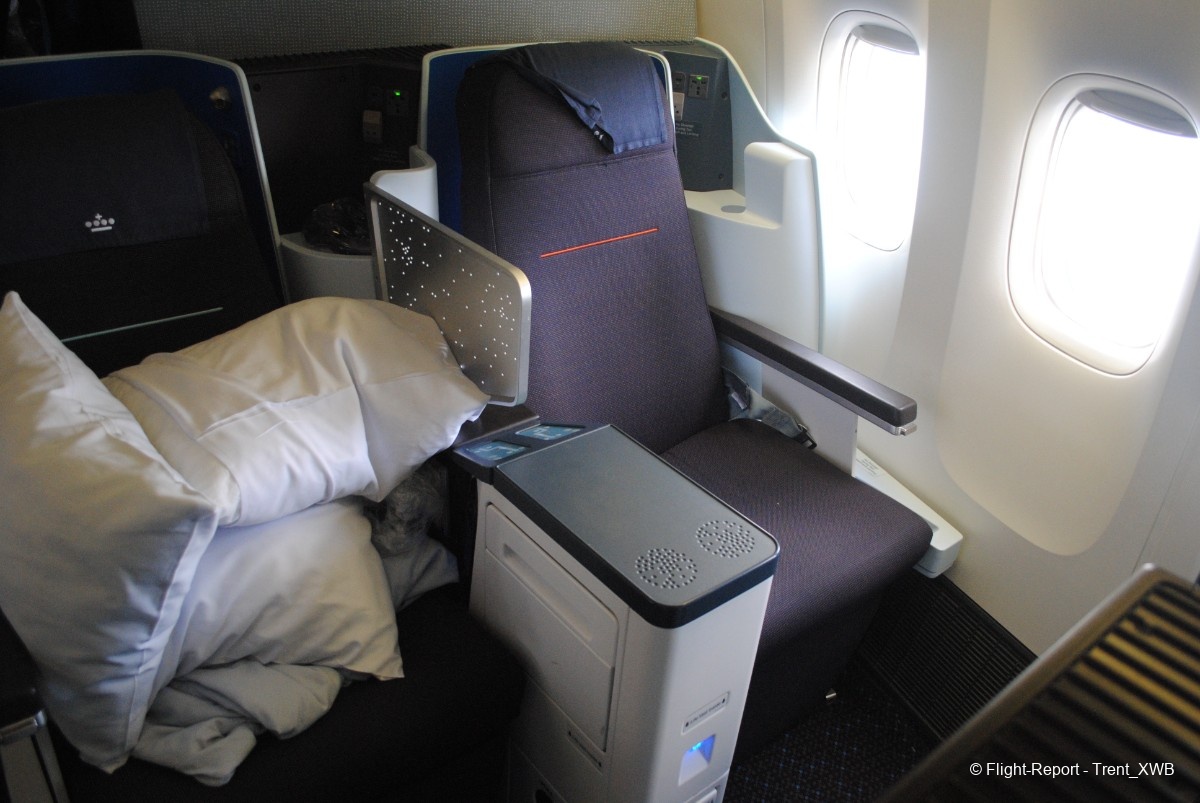
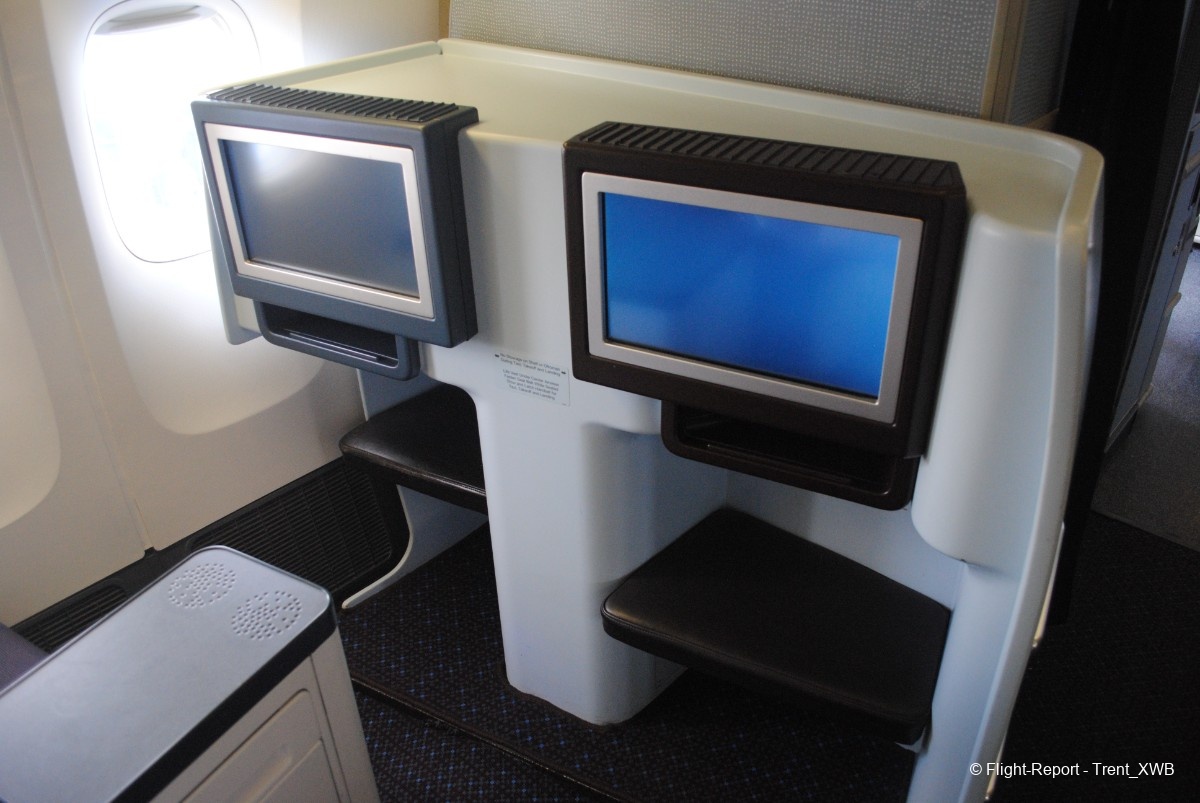
Just for the sake of history - a couple of photos of the old obsolete business seats in 2-2-2 layout, which were replaced in 2024 by 35 Jamco Venture seats in 1-2-1 layout.
The Aircraft After The Flight
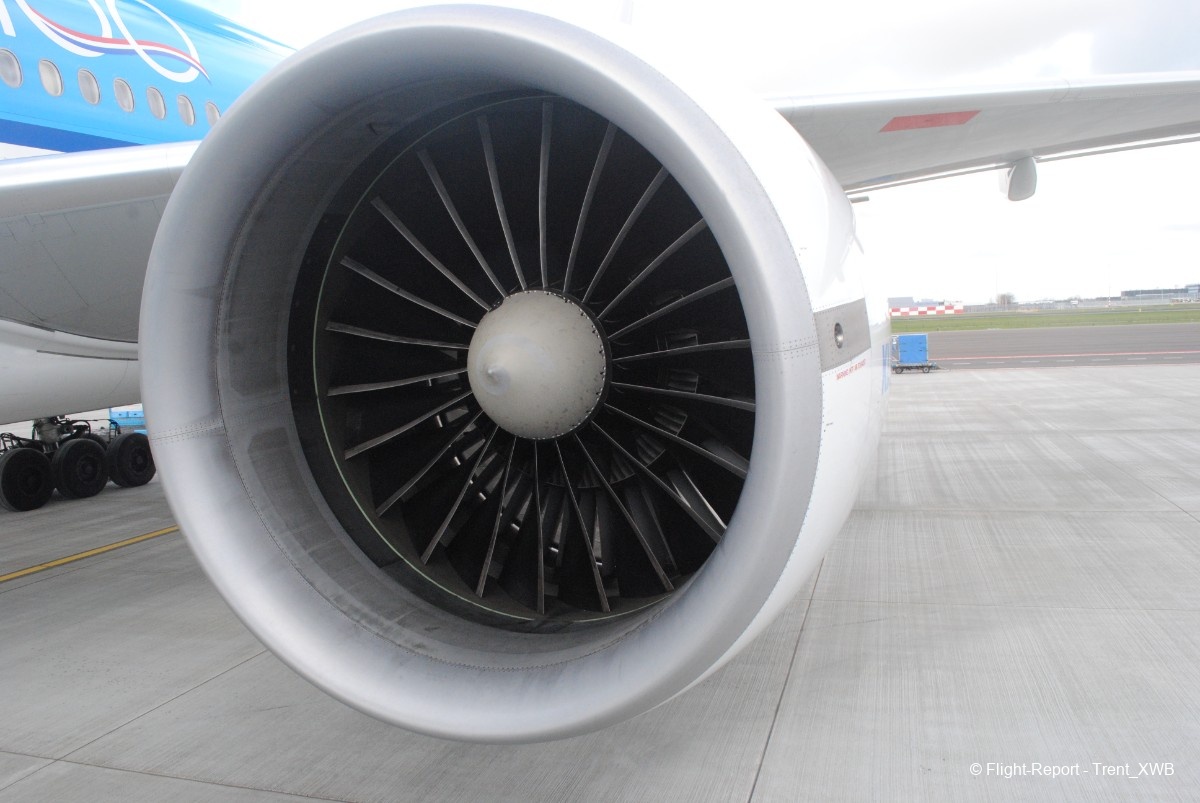
A view of the portside GE90-94B engine from the stair. Even the form of the blades tell that this 1st-gen GE90 engine is too old and its time has long gone. KL plans to replace its B77Es (even though their recent refurbishment) with the newest NPS A359s, ordered by AFKL group.
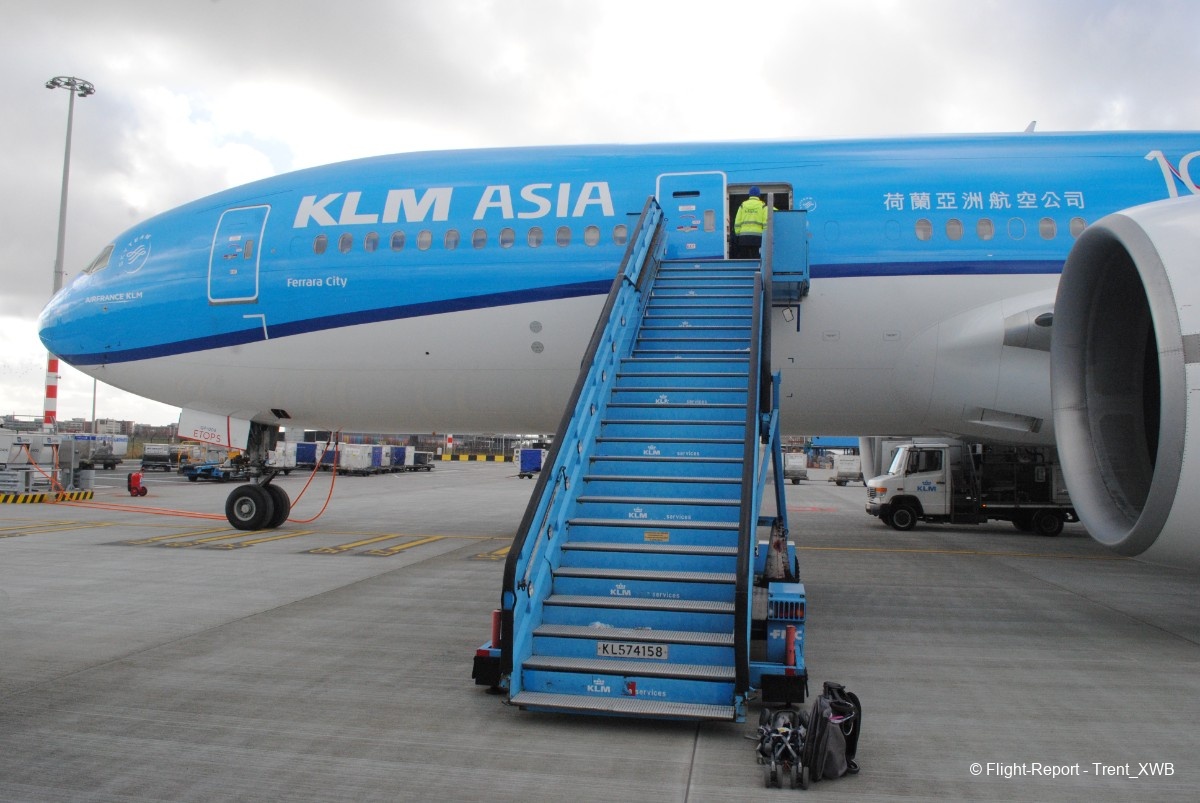
The last glance on the aircraft. It was my last transatlantic flight before the pandemic. Symbolically, my first transatlantic post-pandemic flights were also with AFKL group - from Israel to Canada in 2023: TLV-CDG-YQB with AF, YYZ-AMS-TLV with KL. AMS-TLV leg was operated by the same PH-BQF, which back then still had the old layout. BTW, SoraNoTabi got refurbished PH-BQF on his SIN-DPS flight in 2024.
A Bit Of Planespotting After The Flight
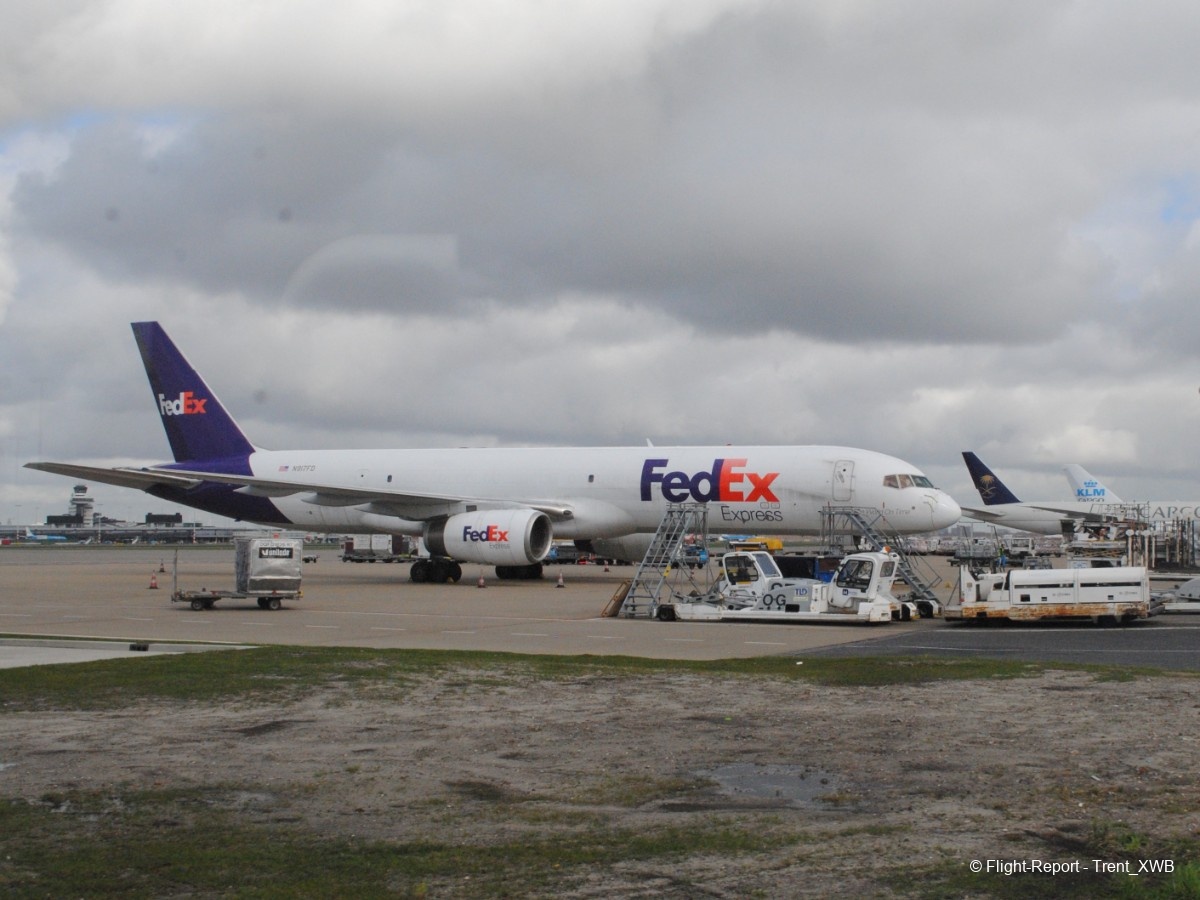
From the bus, taking the passengers to the terminal, I spotted FedEx B752F (N917FD), standing near the already seen Saudia Cargo B77F. Interestingly, the last passenger operator of this B752 (before the freighter conversion) was PLUNA - now-long-defunct airline of Uruguay.
Thank you for your attention and welcome to the next FR: AMS-MAD on UX B789.
Bonus: B777-200/200ER Passenger Fleets As Of April 2026
As B77Es are still present in the world in quite not insignificant number, but are in slowly, but steady decline, being replaced by A359s, B78Xs and B789s, it would be useful to list the remaining B77E operators (and also very few remaining B772 operators) and their layouts.
1) Air France: 18 1998-2002-built GE-powered frames (C28_W32_Y268, 3-4-3 Y). Will be replaced by A359s.
2) Air Peace: 1 1998-built RR-powered frame (C54_Y220) plus 1 2005-built GE-powered frame (C26_Y286).
3) All Nippon Airways: 8 (3 2006-built, 5 2012-2013-built - one of the last-built ones) PW-powered units (C28_Y364, 3-4-3 Y). Also NH has 2 2006-built PW-powered B772s (C21_Y384, 3-4-3 Y). The 2006-built frames will be replaced by the new B78Xs in domestic config.
4) American Airlines: 47 1999-2006-built RR-powered frames (C37_W24_Y212 variant 1 and variant 2, 3-4-3 Y).
5) Asiana Airlines: 9 2002-2013-built PW-powered frames (3 older in C22_Y278, the rest 6 in C24_Y278 variant 1 and variant 2 layouts, all with 3-3-3 Y), including the last ever built first-gen B777. Will be replaced by A359s during OZ integration into KE.
6) Austrian Airlines: 6 1997-2007-built GE-powered frames (C32_W40_Y258, 3-4-3 Y). Will be replaced by B789s.
7) British Airways: 18 1997-1999-built GE-powered frames based in LHR (F8_C49_W40_Y138, 3-4-3 Y), plus 13 2000-2009-built RR-powered frames based in LHR (C48_W40_Y184, 3-4-3 Y), plus 6 1999-built GE-powered frames based in LGW (C32_W52_Y252, 3-4-3 Y), plus 6 2000-built RR-powered frames based in LGW (C32_W48_Y252, 3-4-3 Y). 4-class frames will be replaced by B78Xs, all the rest - by A35Ks.
8) Eastern Airlines: 2 2002-2003-built RR-powered frames (one in Y380 layout with 3-4-3 Y).
9) El Al: 5 2001-2007-built RR-powered frames (C28_W32_Y253, 3-4-3 Y).
10) EuroAtlantic Airways: 2 2003-2004-built GE-powered frames (C30_W24_Y239, 3-4-3 Y).
11) Ikar: 2 1998-2006-built GE-powered frames (Y440, 3-4-3 Y).
12) Jin Air: 3 2005-2007-built PW-powered frames (Y393, 3-4-3 Y).
13) KLM: 15 2003-2007-built GE-powered frames (C35_W24_Y229, 3-4-3 Y). Will be replaced by A359s.
14) Mahan Air: 2 2001-2003-built RR-powered frames.
15) Nordwind Airlines: 1 2005-built GE-powered frame (Y540, 3-4-3 Y).
16) Pakistan International Airlines: 3 2004-2007-built GE-powered frames (2 in C35_Y294, 1 in C25_W54_Y240 layouts, all with 3-3-3 Y).
17) Red Wings: 3 1996-1998-built RR-powered frames (Y412, 3-4-3 Y).
18) Thai Airways: 2 2007-built RR-powered frames (C30_Y262, 3-3-3 Y). Will soon be phased out.
19) United Airlines: 29 1997-2002-built PW-powered frames (C50_W24_Y202, 3-4-3 Y), plus 22 1999-2010-built GE-powered frames (C50_W24_Y202, 3-4-3 Y), plus 2 2001-built PW-powered frames in domestic layout (C32_Y330, 3-4-3 Y). Also UA has 13 1994-2000-built PW-powered B772s (C28_Y336, 3-4-3 Y).
Thus:
OZ has the last-built (2013) PW-powered B77E (it's also the last-built 1st-gen B777). NH has also 5 slightly older 2012-2013-built PW-powered B77Es.
UA has the last-built (2010) GE-powered B77E.
BA has the last-built (2009) RR-powered B77E. Also, BA is the world's only operator of 4-class B77Es.
The oldest B77E in passenger service is a WZ's one (1996).
Only 3 operators of B77Es have 3-3-3 economy: OZ, PK and TG (TG is about to say farewell to its B77Es).
The oldest B772 in passenger service is an UA's one (1994).
The youngest B772s in passenger service are NH's ones (2006).