


Hi, dear flight-report members and readers!
This FR is the Part 1 of the review of my return transatlantic flight from Bogota El Dorado (BOG) to now-defunct Istanbul Ataturk (ISL) via Panama Tocumen (PTY) on a Turkish Airlines A332, taken on 11-12 March 2018. Here I'll show the short BOG-PTY leg.
The already reviewed flights of my trip to Colombia in 2018: ISL-BOG + BOG-PTY on TK A332, CTG-BGA on VE AT45, BOG-PEI on VE AT45, MDE-SMR on LA A319, CTG-BOG on AV A321SL.
Some Basics Of Long-Haul Intercontinental Flying From High-Altitude Airports
There's a number of large international airports, located at quite high altitudes and served by long-haul intercontinental flight (mostly on long-range widebodies).
Some of these with the altitude of 2000+ MASL: BOG (2548 MASL), UIO (2400 MASL), MEX (2230 MASL), ADD (2334 MASL).
Some of these with the altitude of 1000+ MASL: JNB (1694 MASL), DEN (1655 MASL), NBO (1625 MASL), GUA (1509 MASL).
Some of these with the altitude less than 1000+ MASL (which can be considered as moderate, but still significant): SJO (921 MASL), GRU (750 MASL).
There are some ultra-high-elevation international airports like LPB (4062 MASL), but they don't serve long-haul flights (for example, in Bolivia, where LPB is located, the long-haul hub is VVI, located in selva at low altitude, and LPB serves only domestic and short- to mid-haul international flights to the neighbouring countries).
Operating long-haul flights FROM high-elevation airports poses a number of challenges due to the "thin" air (which significantly less dense than at sea level). For the commercial viability of the flight the aircraft should take a decent amount of passengers and belly cargo. Combined with the significant weight of the fuel required for long-haul flying, it can easily max out lifting capabilites of the aircraft at takeoff, because lift is proportional to the air density multiplied to squared airspeed of the aircraft.
Lower air density can be compensated by increase of takeoff speed (that's why most high-altitude airports have long or very long runways!), but only to a quite certain extent. First of all, if the flight is operated by a twinjet, the takeoff weight must comply limitations for the case of one engine failure at takeoff. The aircraft must be able to continue the climb on one engine. The thrust is also proportional to the air density, thus less dense air means less thrust along with the need of reaching higher takeoff speed needed for the lift (which is, let's remind, is proportional to the squared airspeed, multiplied by the air density!). Here we come to the next more limitation: the speed limit of the gear tyres, which can blow due to the centrifugal forces if the speed exceeds the limit.
If such a flight is operated by a quadjet, it significantly eases the operation, because in the case of 1 engine failure at takeoff the quadjet is left with 75% of the thrust - 25% more than in the case of twinjet. Thus, quadjet can take more payload and/or fuel than twinjet, and can operate a long-haul nonstop flight from a high-altitude airport more easily and with less sacrificies.
Though, due to the general decline of passenger quadjets (which are no longer produced since 2021, when the very last A380 was built) only 3 high-altitude airports are currently served with quadjets: MEX (Lufthansa on B748) and JNB (Emirates on A380, British Airways on A380 and Lufthansa on B748, Swiss on A343). SJO, which is at more or less moderate altitude, also has a quadjet flight (Lufthansa on A343), but its altitude is not a big issue.
BTW, GRU, which has moderate altitude, is also served by quadjets (Emirates on A380 and Lufthansa on B748), but the reason is not the altitude (it doesn't pose any operational challenge for any existing long-haul flight from GRU), but the significance of GRU, which is the largest and busiest airport in Latin America.
So, in the general case long-haul flights from high-elevation airports are operated by widebody twinjet. There are 2 ways to make these flights commercially viable. The example of BOG illustrates both of them:
1) To take maximum possible commercial payload but little fuel from the high-altitude airport and to make a refueling stop (which can also serve as a destination) somewhere nearby at low altitude. Examples: Turkish Airlines with BOG-PTY-IST (currently on A359), KLM with BOG-CTG-AMS (on B78X or B789), Edelweiss Air with BOG-CTG-ZRH (on A359). PTY is the most significant city in Central America and CTG is a very popular leisure destination, so the combination of BOG+PTY works perfectly for TK as well as BOG+CTG for KL and WK.
2) To fly nonstop fully refueled by using some tweaks (such as nighttime departure, when the air becomes cooler and thus more dense) and/or taking suboptimal payload. Examples: Air France with BOG-CDG (on A359) and Lufthansa with BOG-FRA (on B789). In the case of AF, AFKL Group can redistribute belly cargo to KL BOG-CTG-AMS flight and, which is more important, to the dedicated Martinair Cargo freighter flights on B744F. In the case of LH, LH Group also have WK BOG-CTG-ZRH flight (albeit non-daily compared to LH daily nonstop) which can take some payload. So, by decreasing belly cargo and using nighttime departures, transatlantic long-hauls from BOG can be operated nonstop.
Bogota El Dorado International Airport (BOG), Terminal 1
In the previous FR I arrived to BOG in late evening from CTG on AV flight and most of the night exploring the landside of T1. Then I slept for a few hours and woke up shortly before opening of the TK check-in desks.
A bit more of Botero's reproductions in the international departures area.
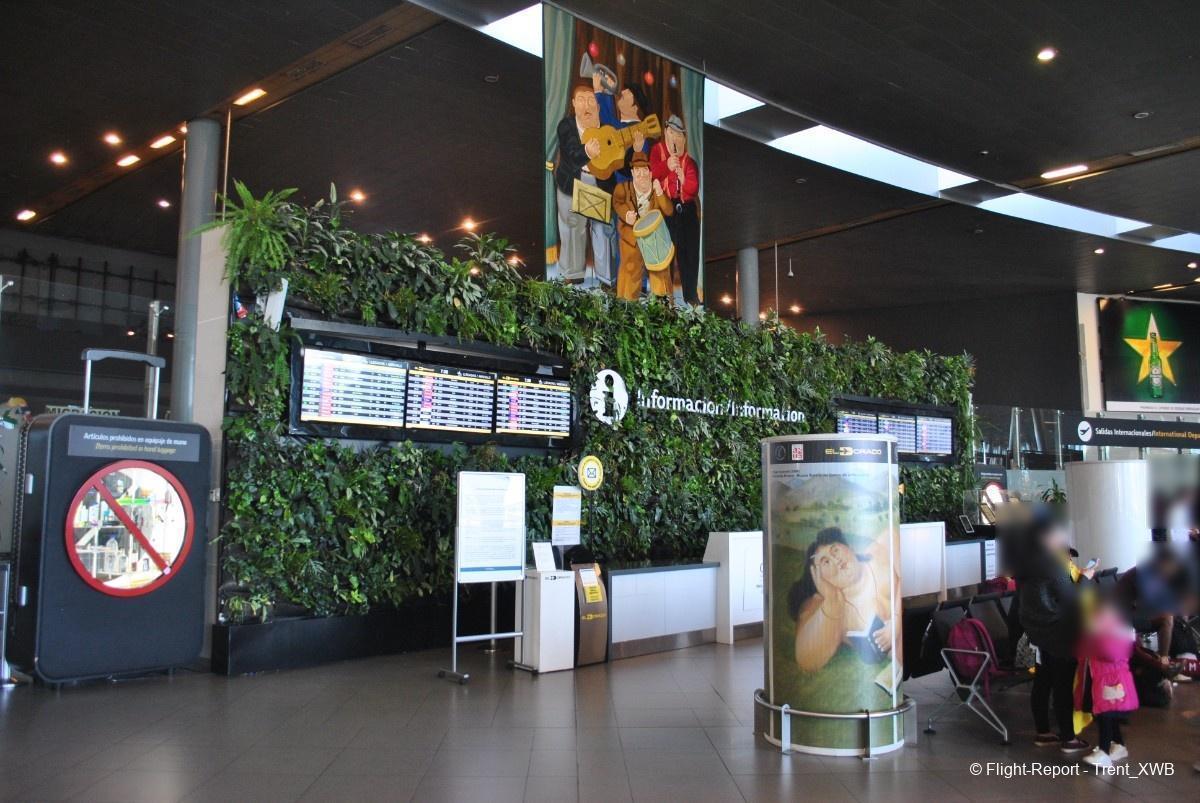
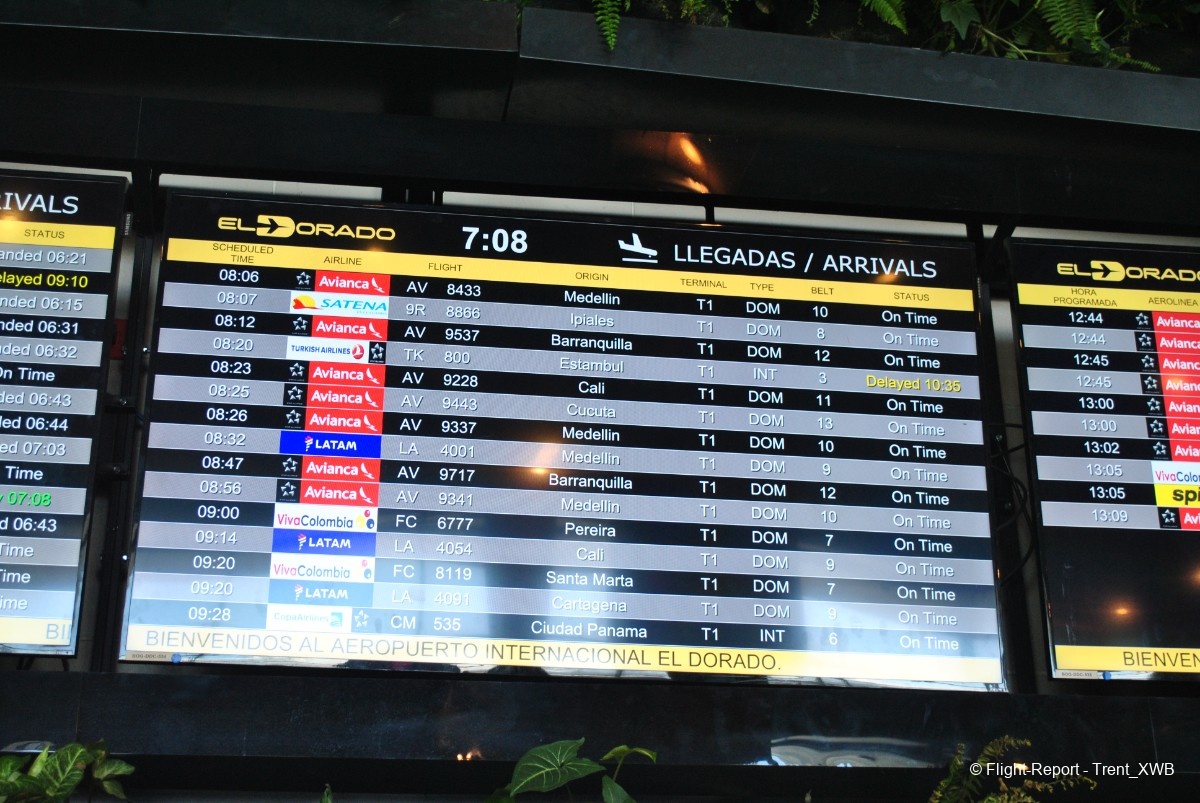
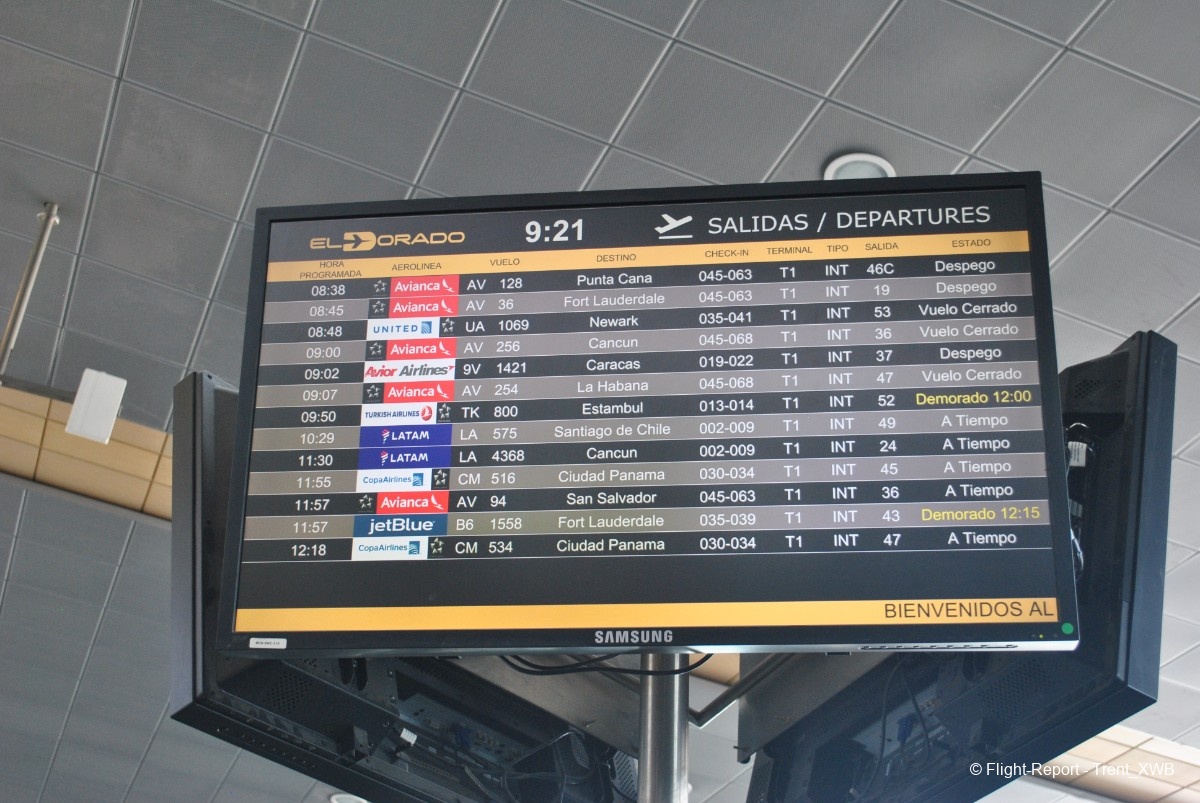
Here I discovered that my flight was going to be delayed by (initially) 45 minutes (the aircraft was delayed on its preceding flight OTP-ISL). As I had quite short 2-hours connection in ISL, it made me a bit worried. But at that moment I was sure that the aircraft will easily make up this delay in the air due to the advantage of flying eastward with the tailwinds…
A couple of views of the international check-in hall in daylight.
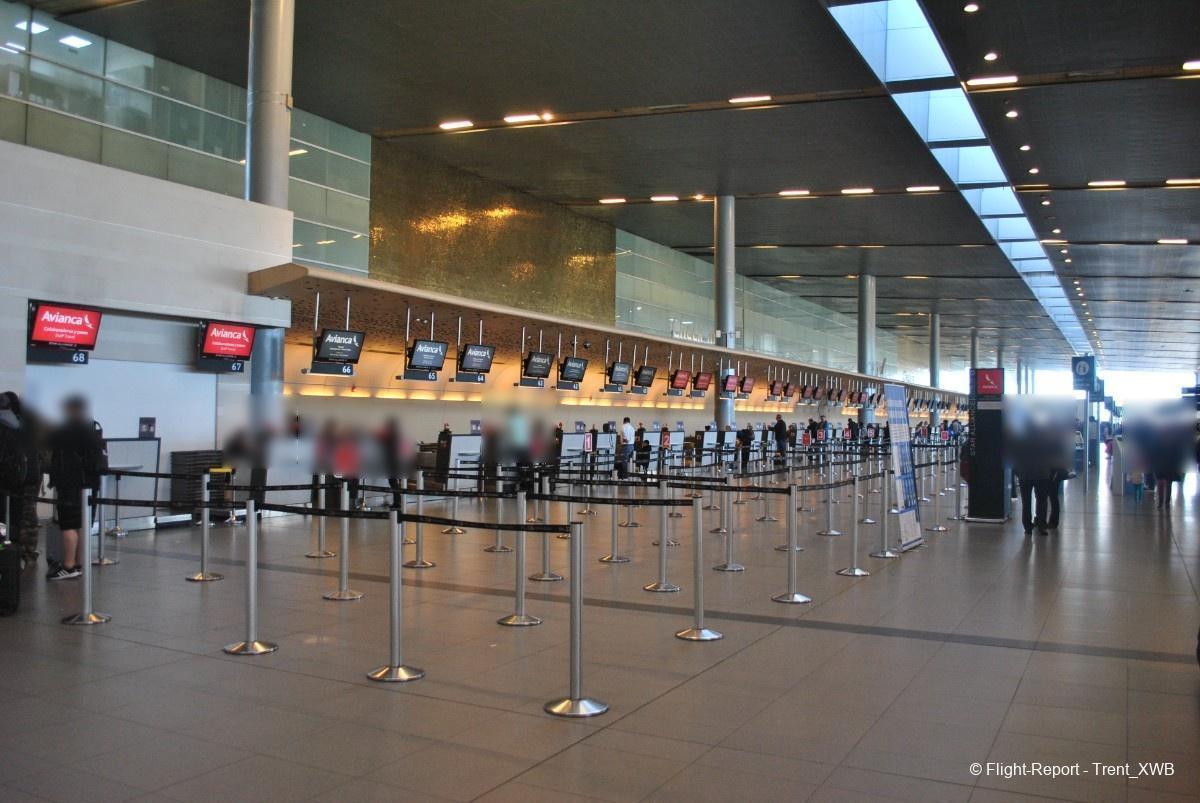
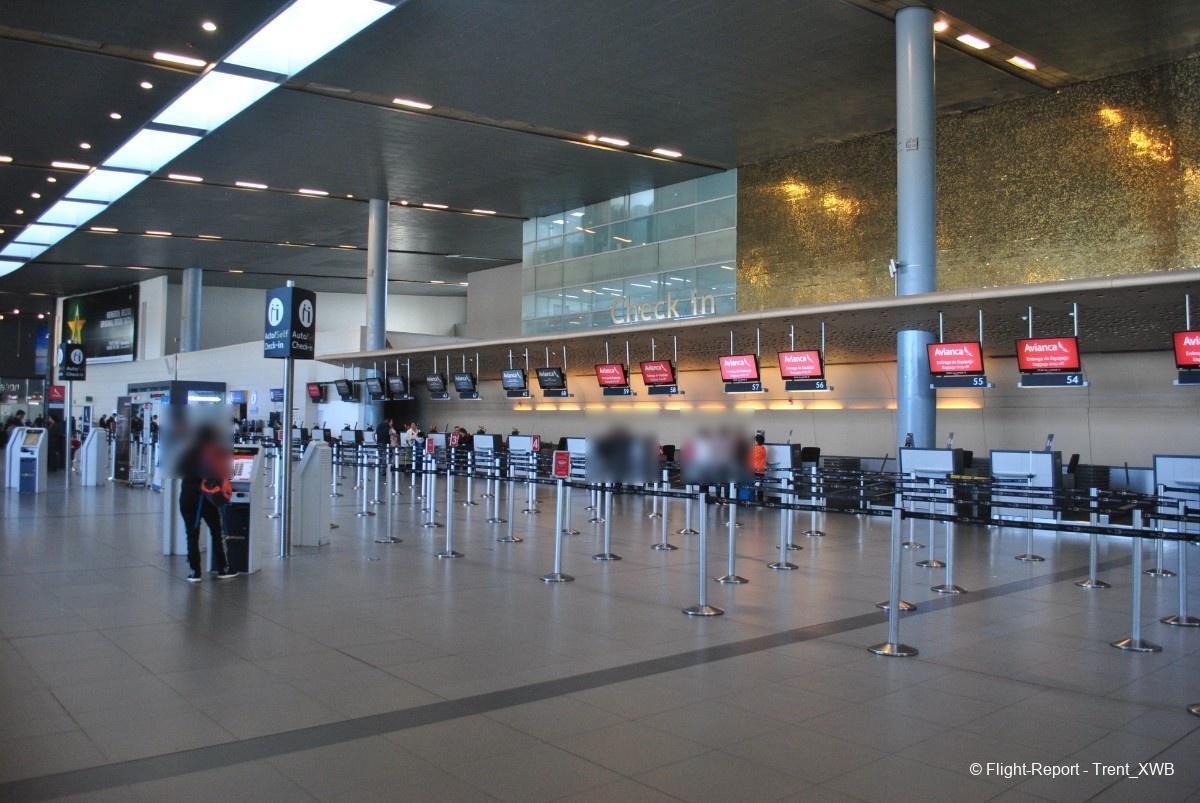
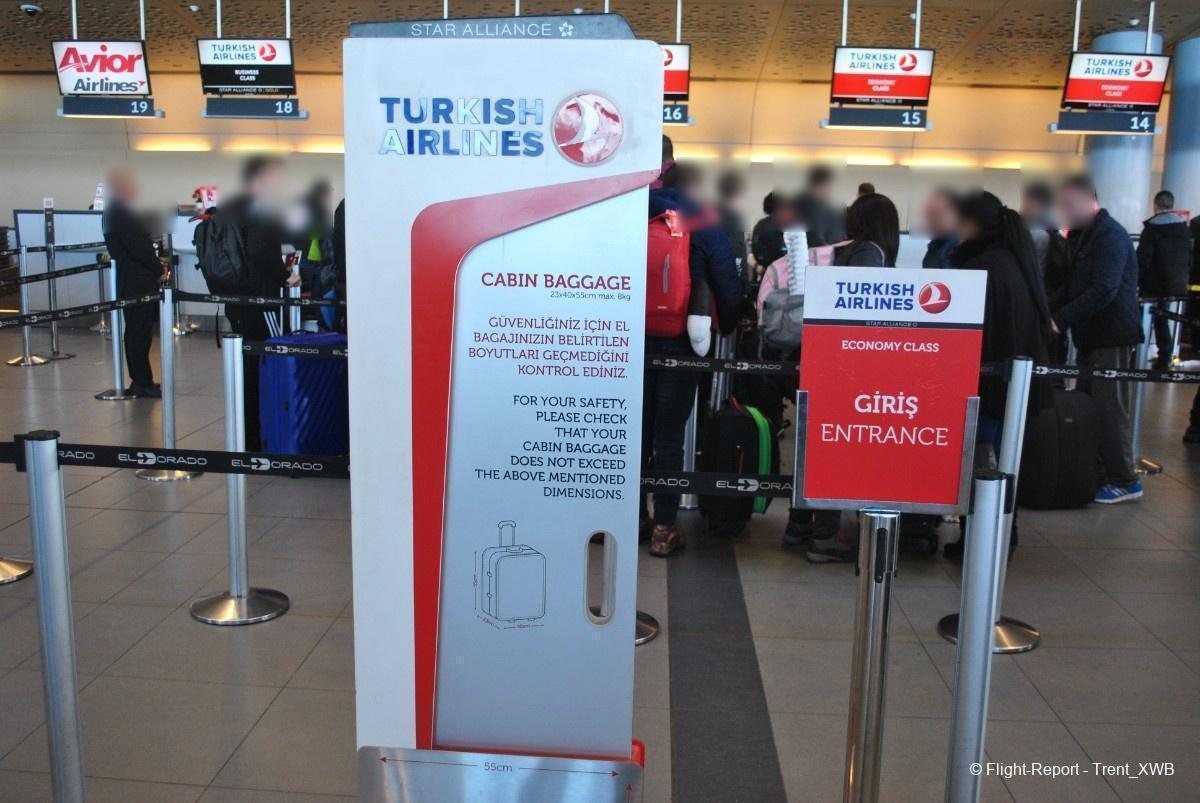
TK's check-in desks opened on time despite the announced delay. The staff asked me to show my BP from CTG-BOG flight on AV in order to make sure that I didn't skip this segment (well, it would be absolutely crazy to intentionally skip a flight on that beautiful A321!) and then I got my BPs for this flight to ISL and to the subsequent ISL-VKO flight.
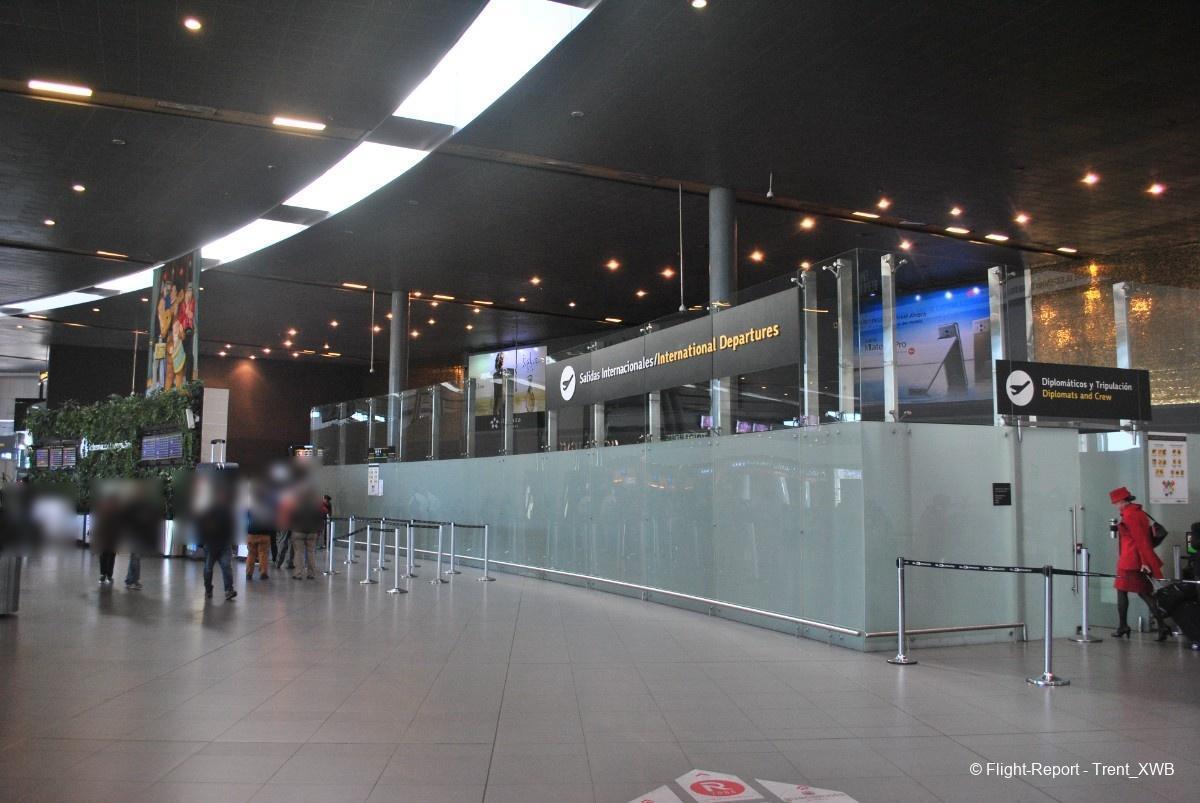
The entrance to immigration. Notice the beautiful uniform of an AV crew on the right. One more symbol of now-long-gone AV's glory…
After immigration and security control one finds himself in the central part of the long international pier, occupying "I" in the h-shaped terminal. Here numerous duty-free shops and lounges are located.
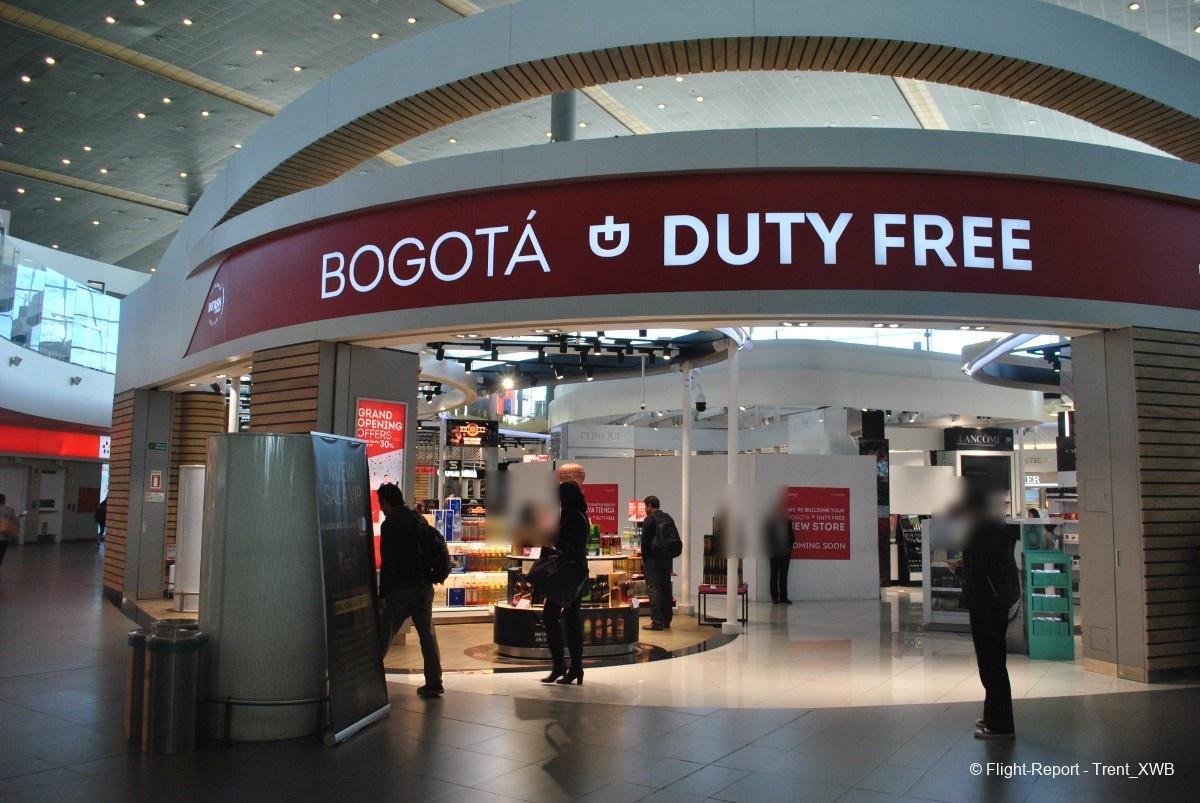
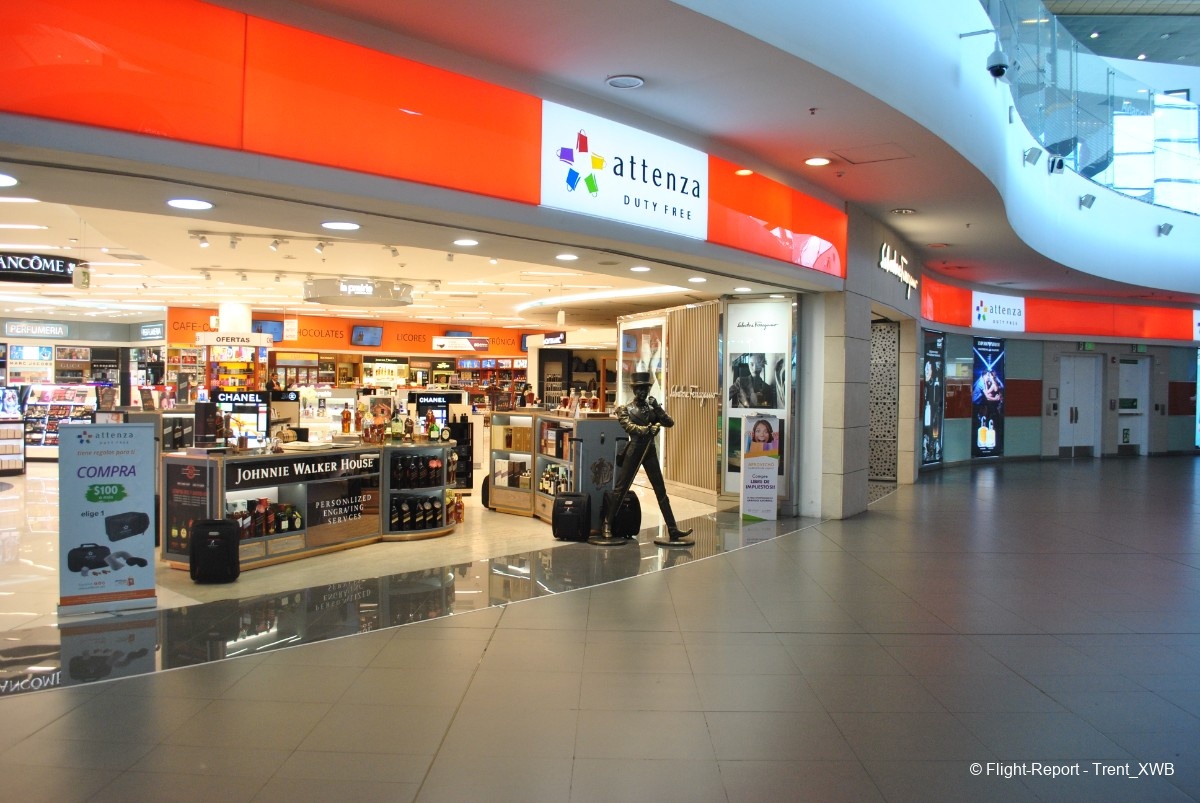
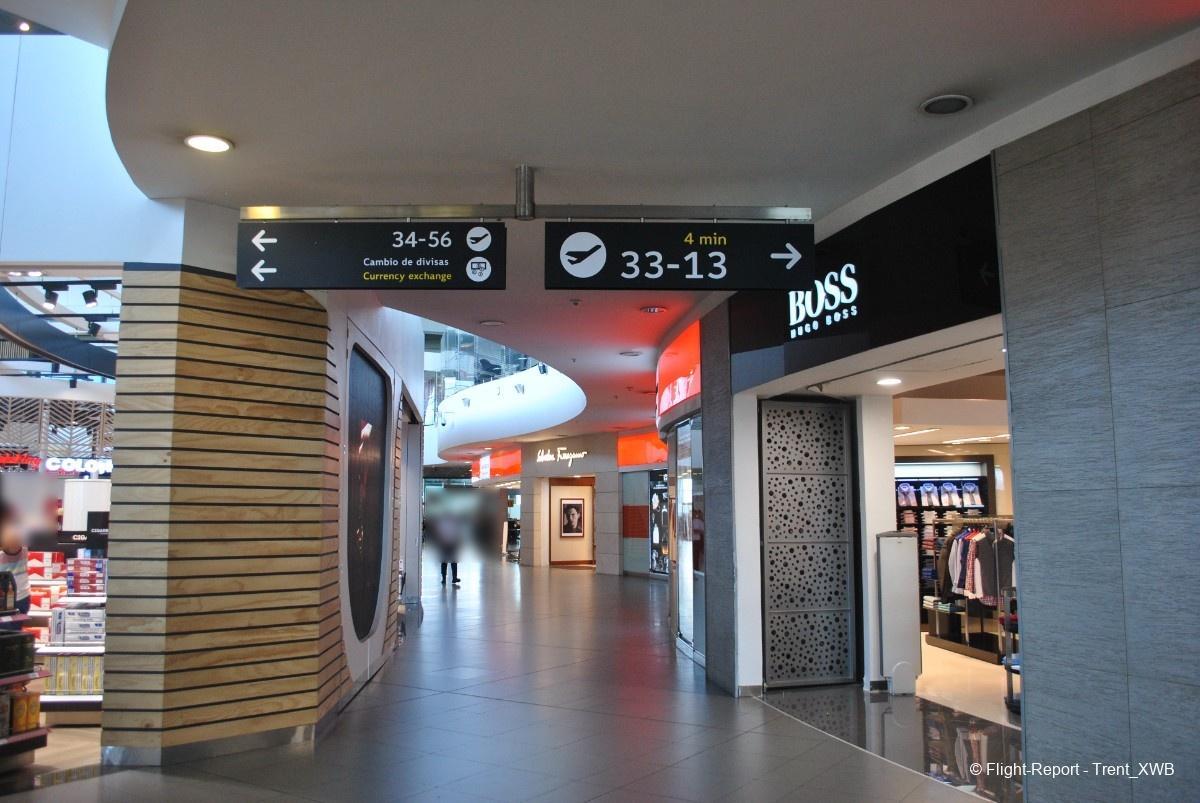
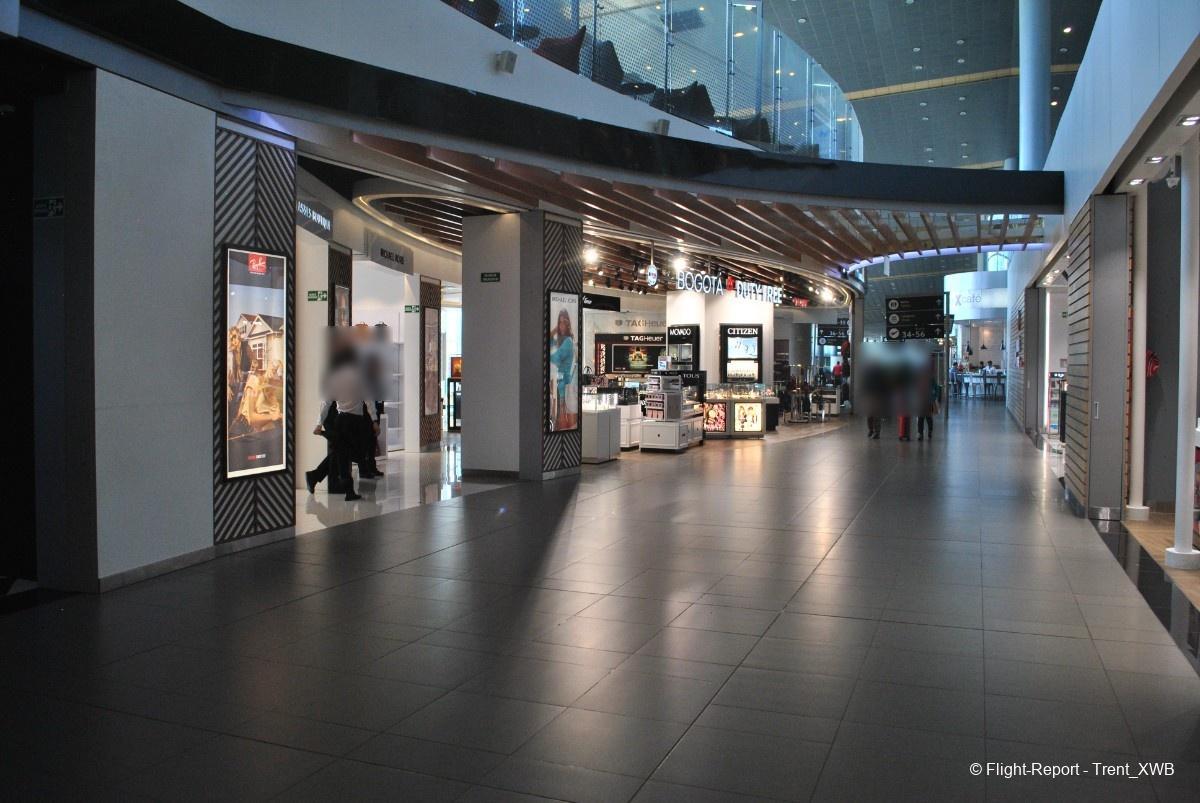
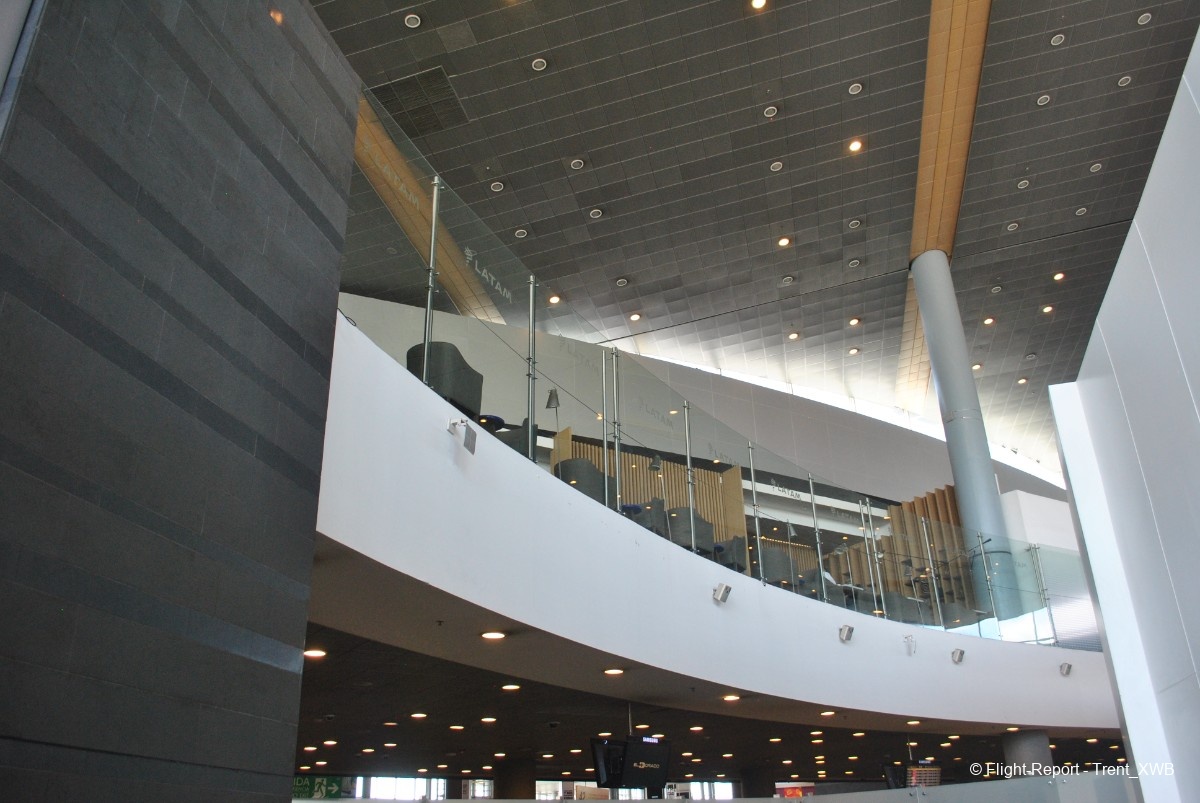
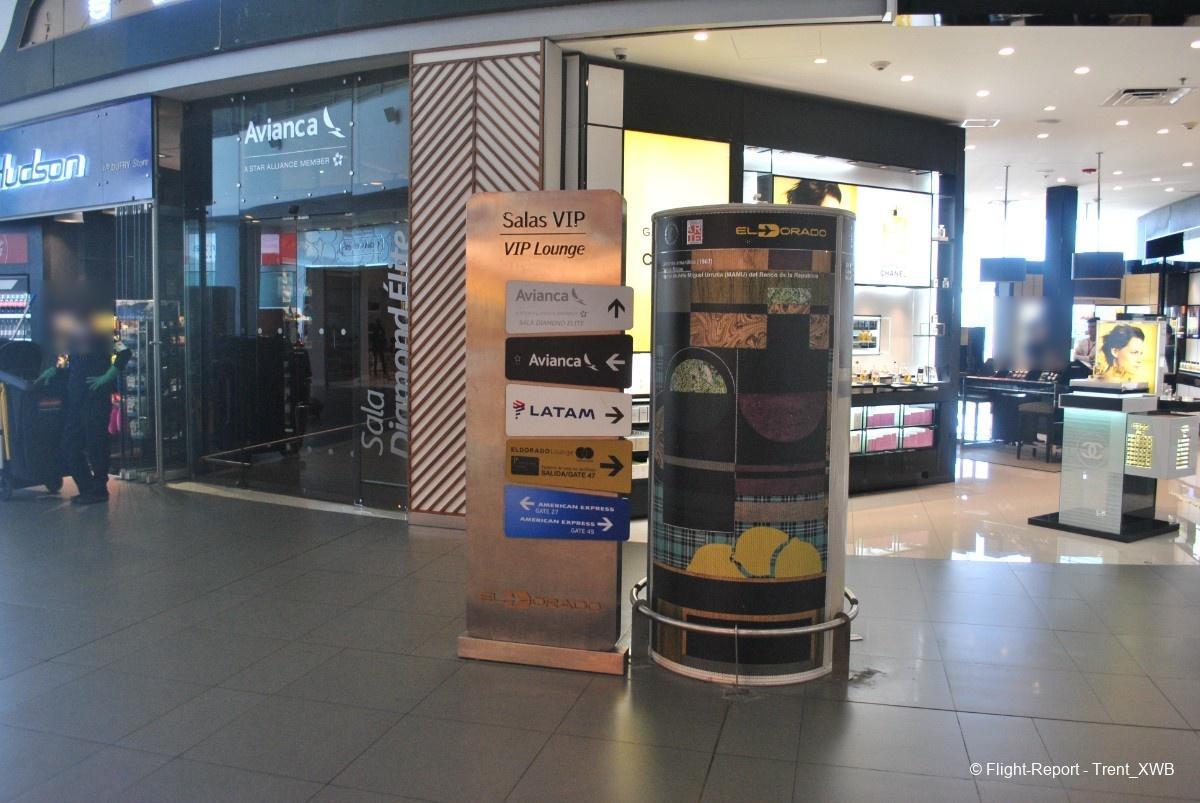
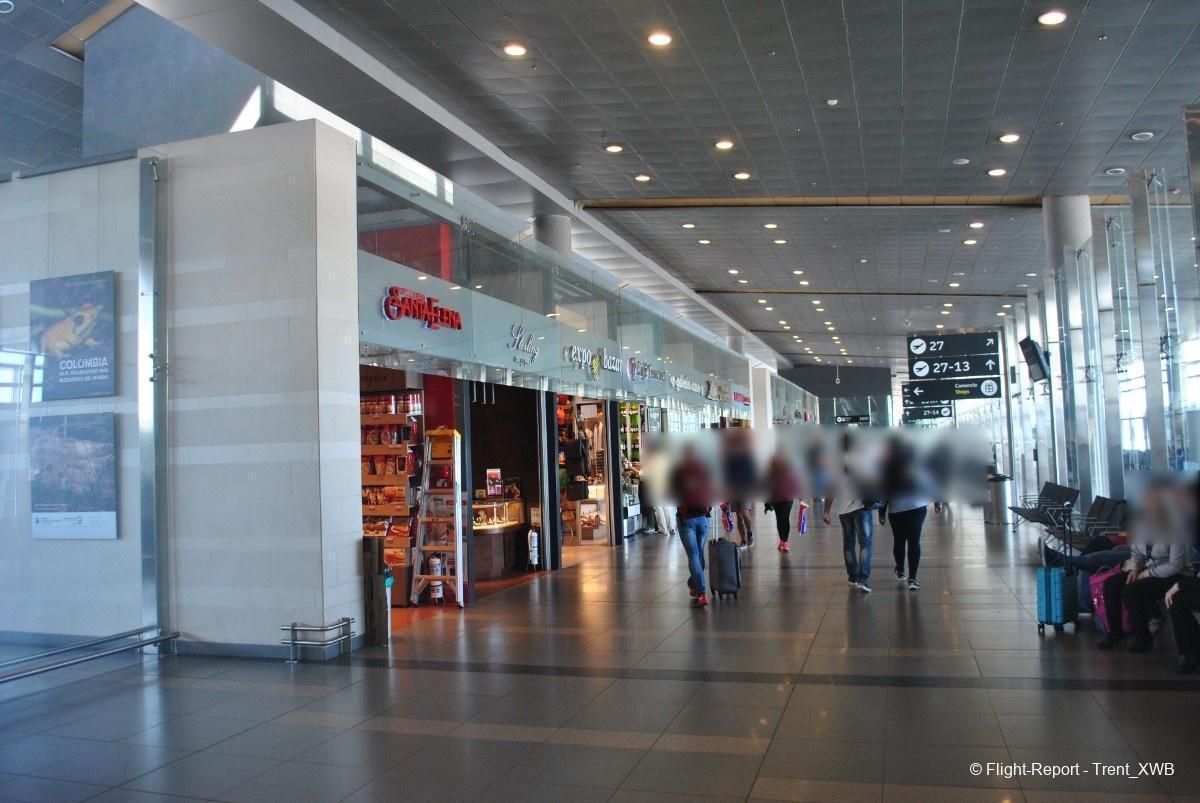
The central part of the international pier has high wave-like roof, providing a lot of natural light. Here one can find quite a number of souvenir shops.
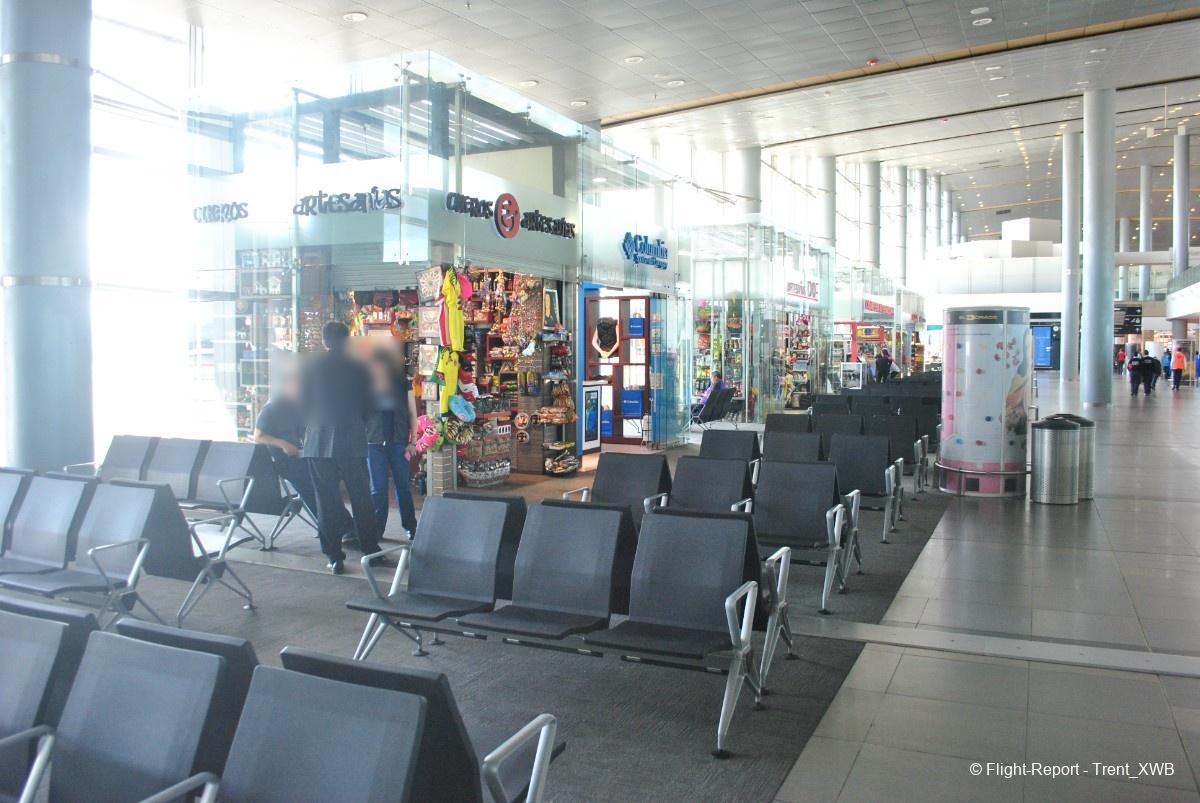
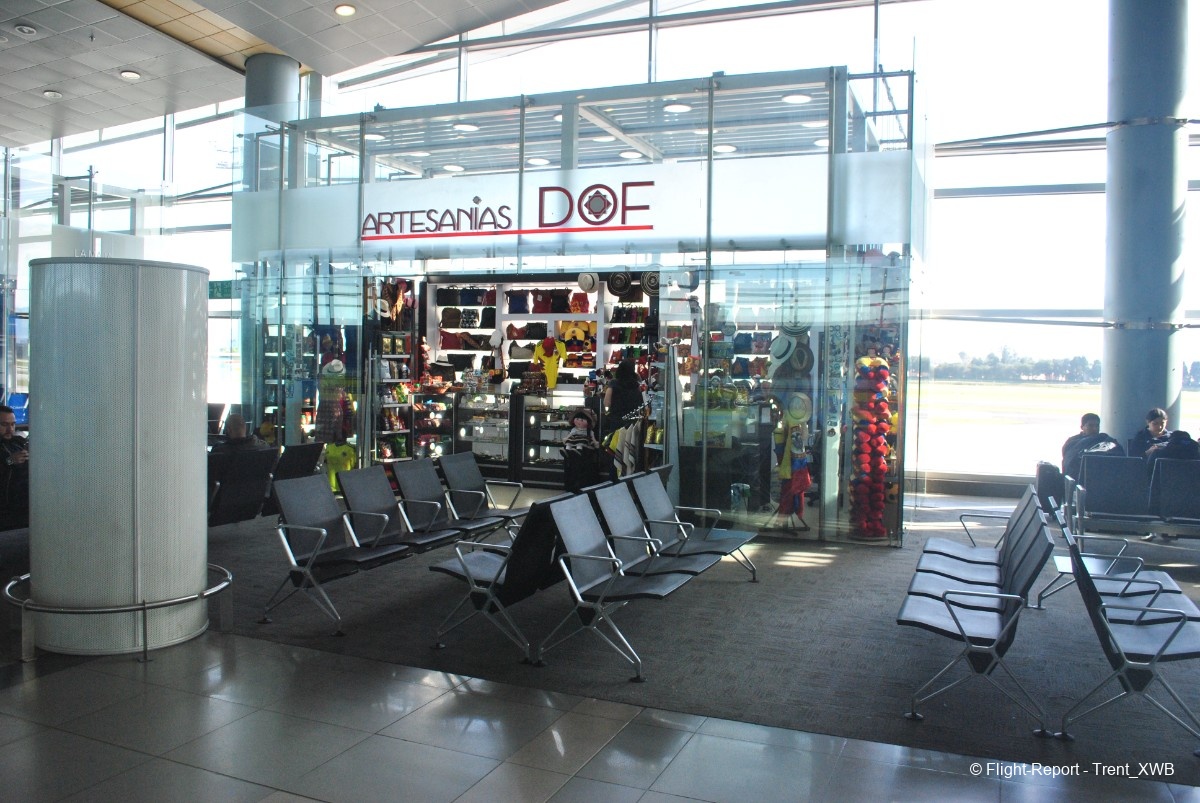
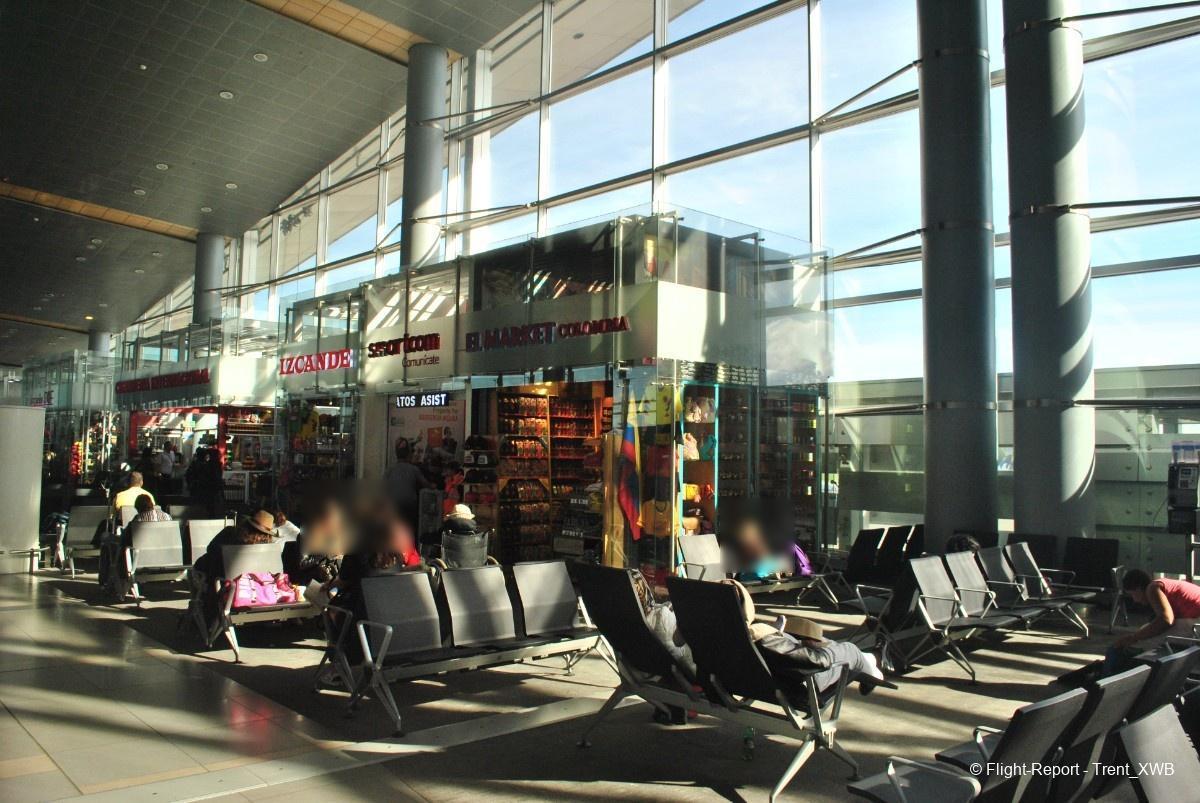
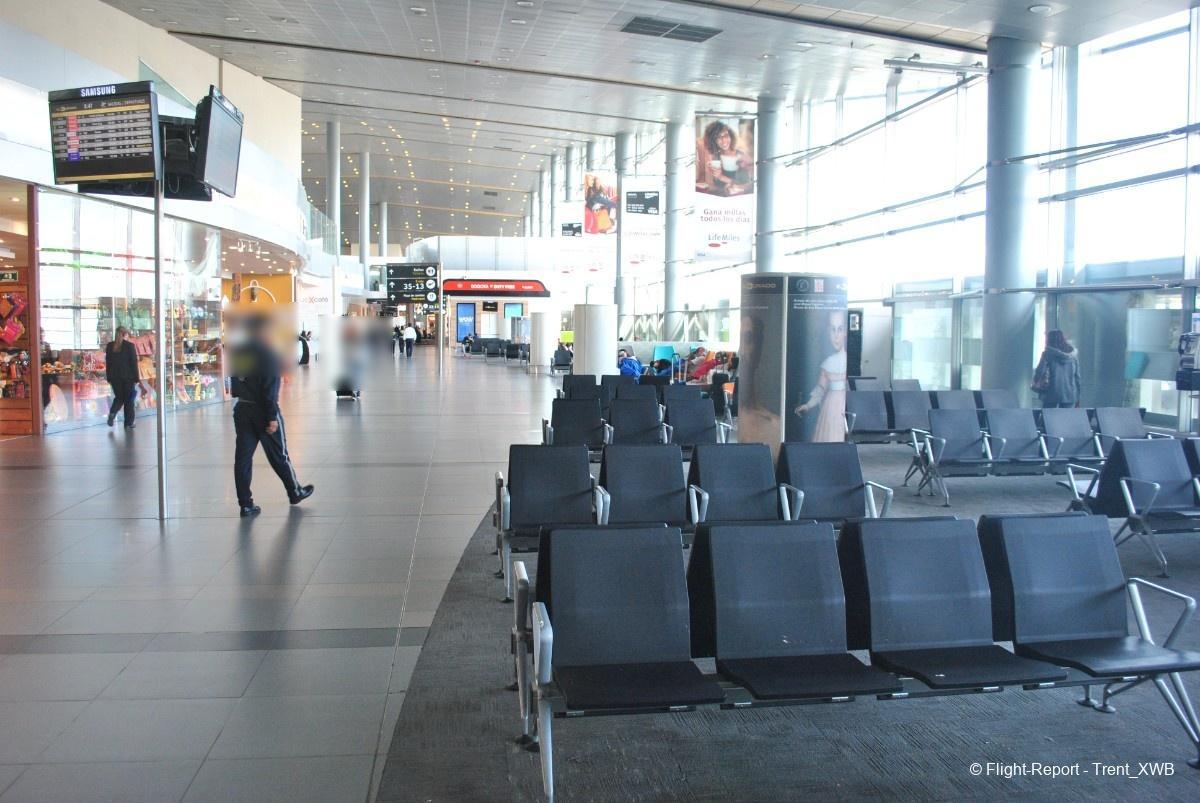
Let's explore the "lower" part of this "I"-shaped international pier (let's remind that T1 is h-shaped with the domestic pier being n-shaped).
Some Botero is present here.
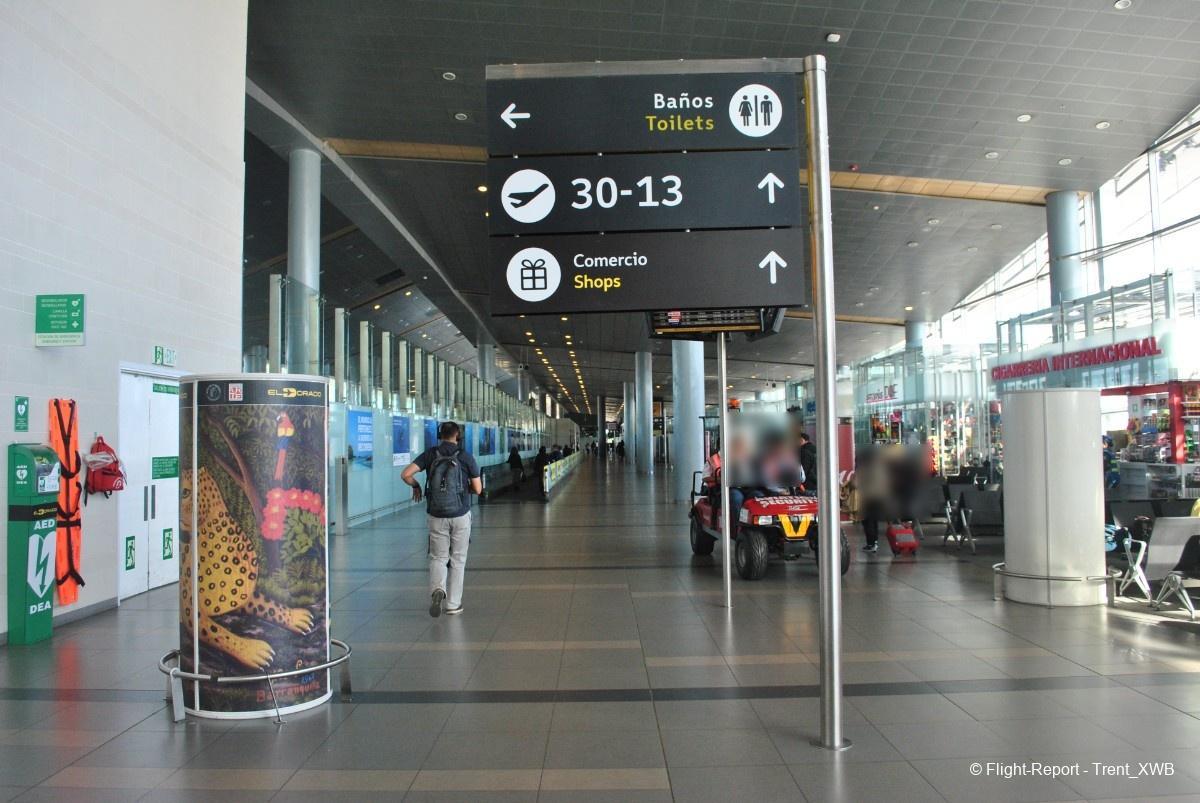
Some gates of the pier are kind of "triple" and are used for widebodies.
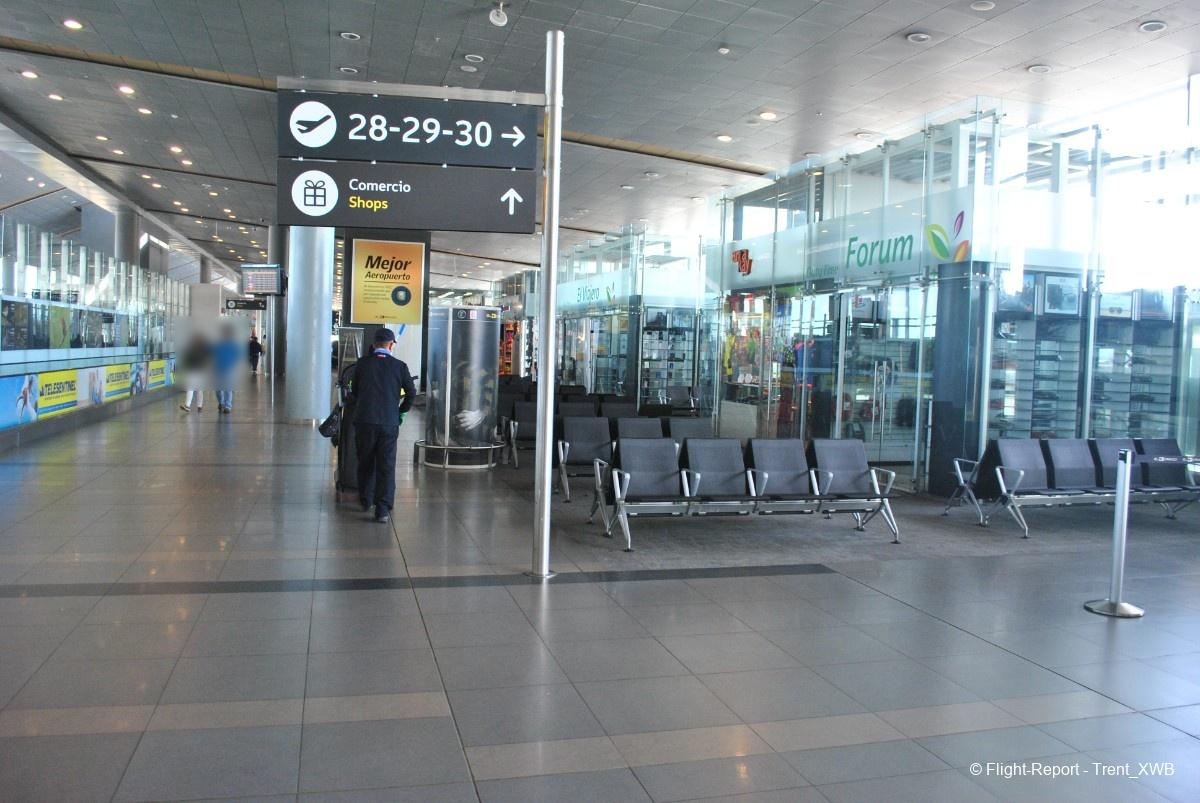
To the right are jetbridge gates in the far end of this part of the international pier, straight is the way to the undelying bus gates.
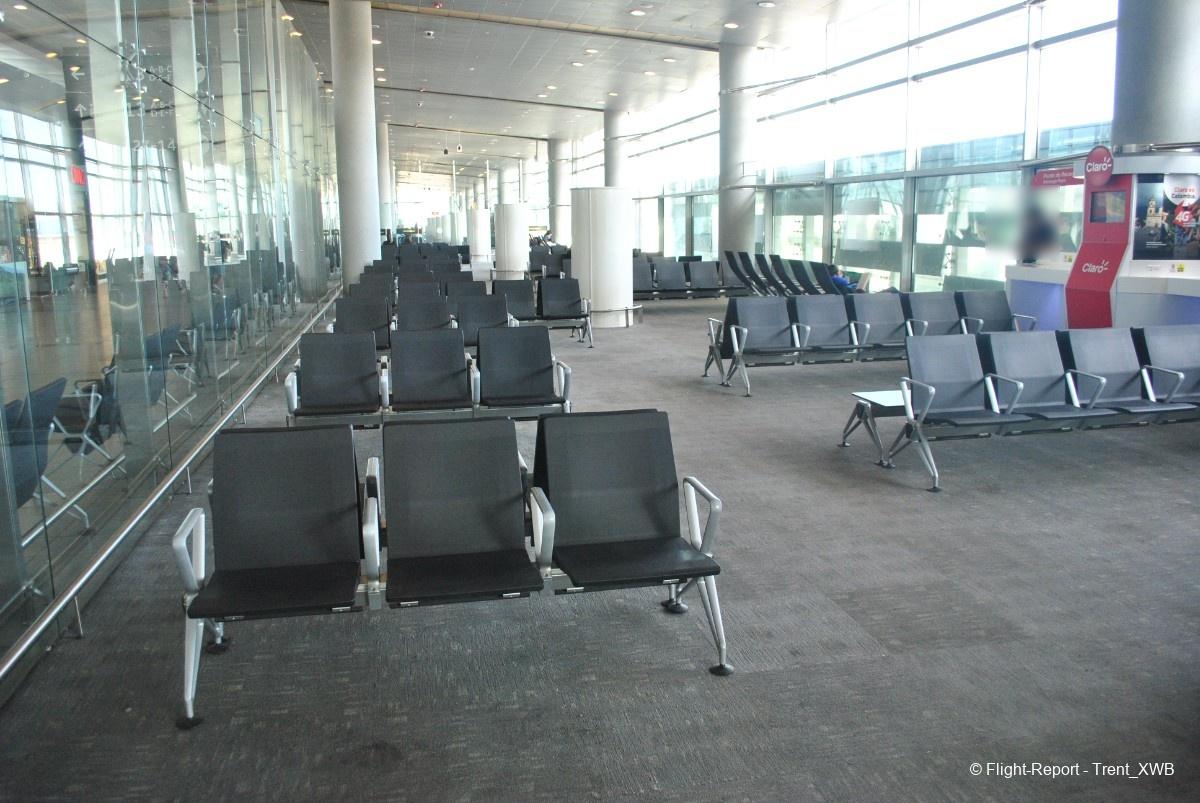
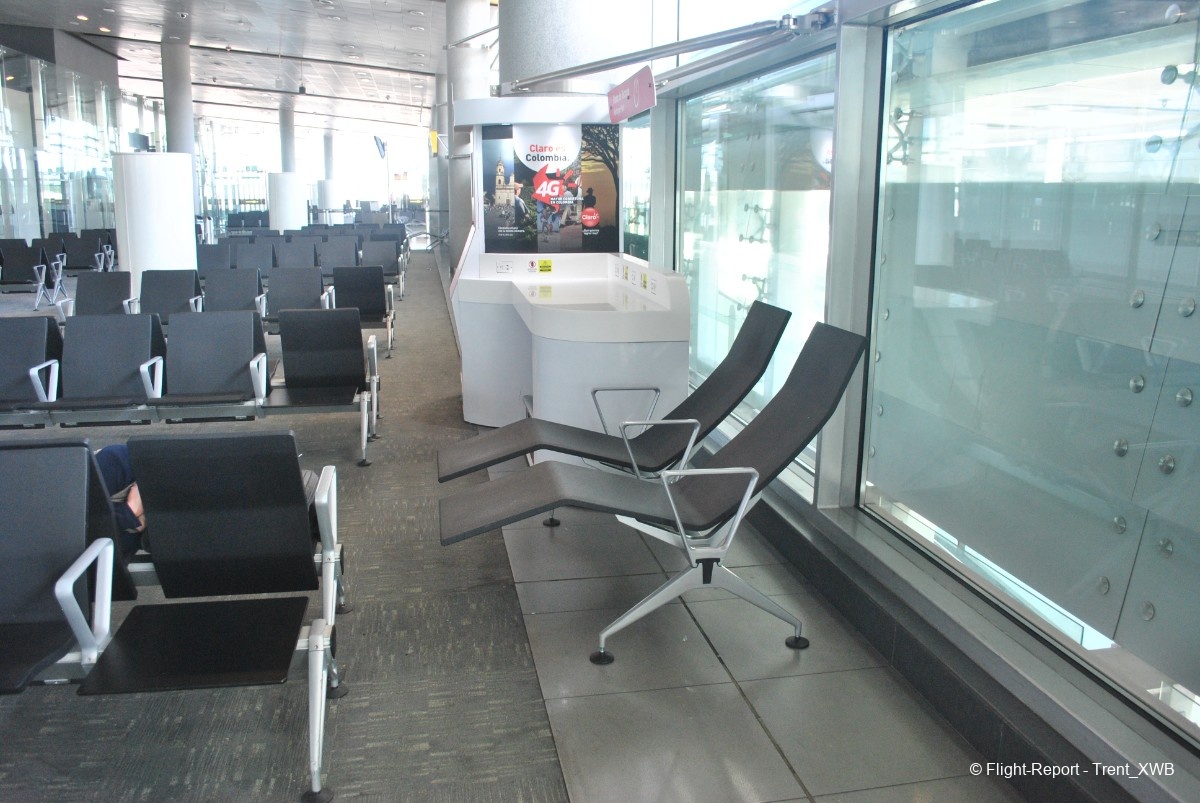
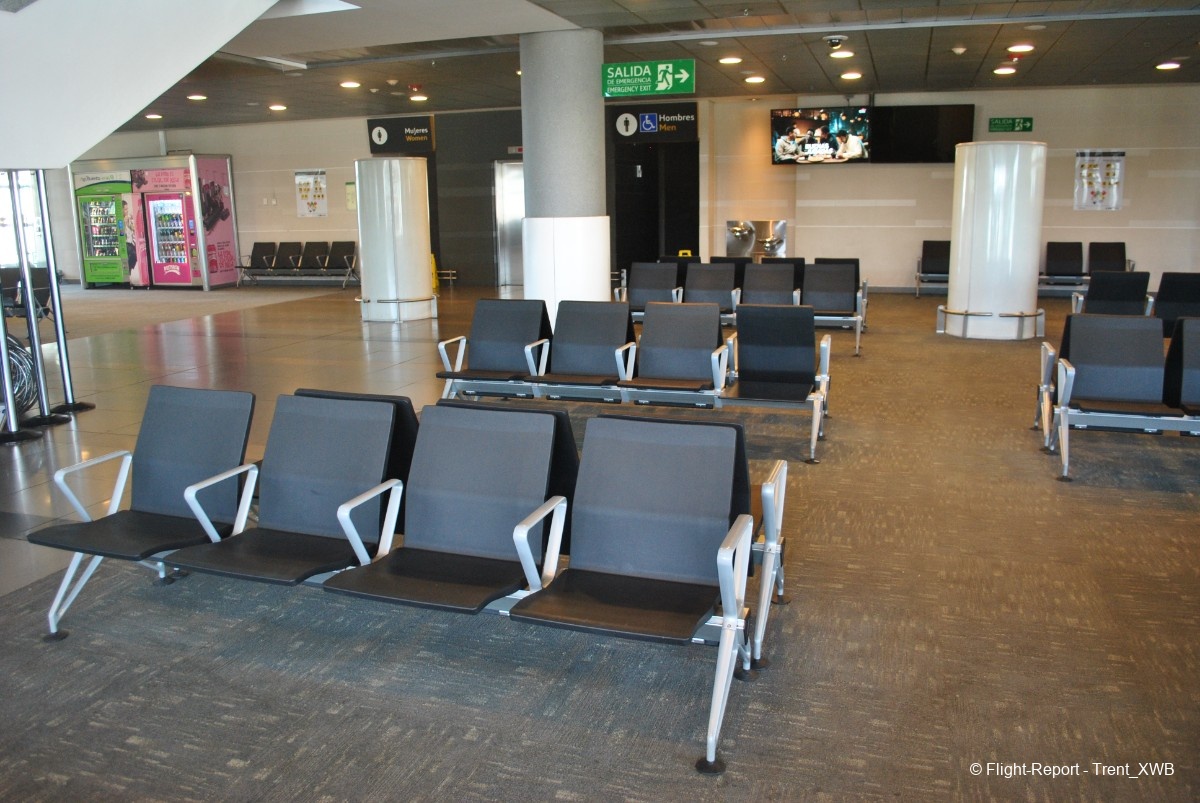
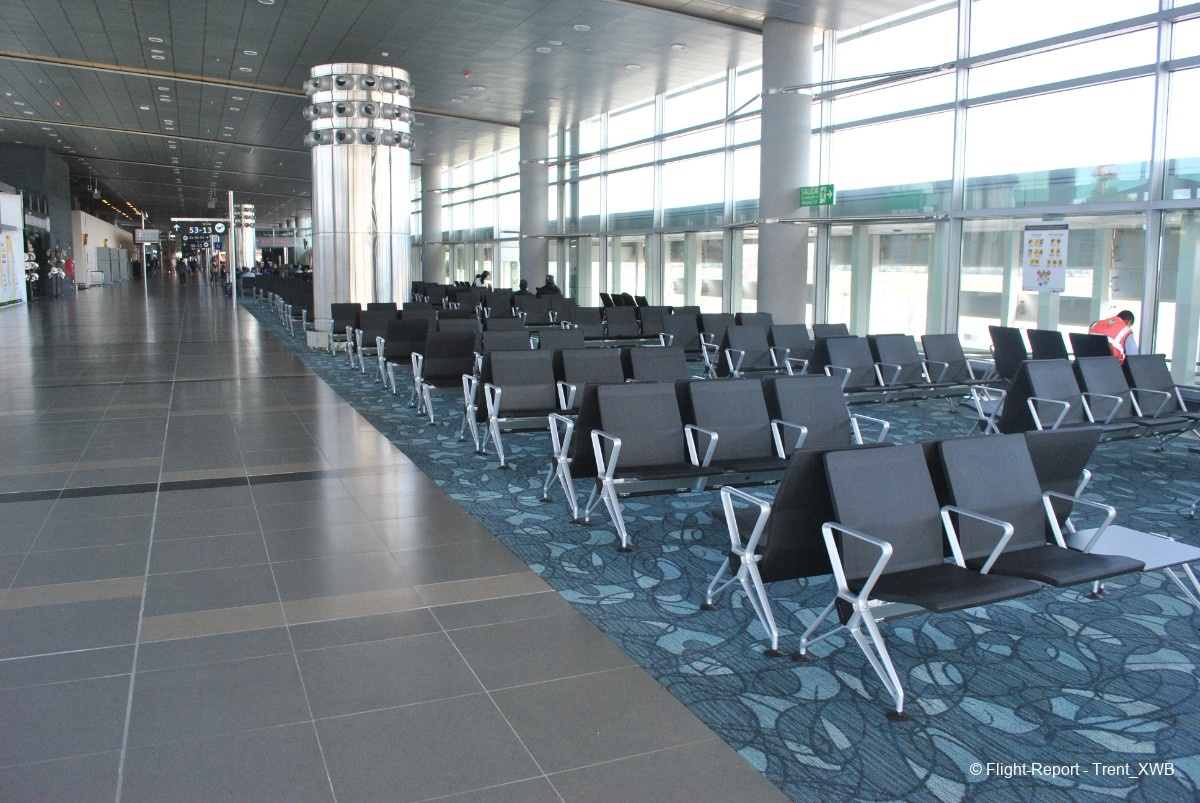
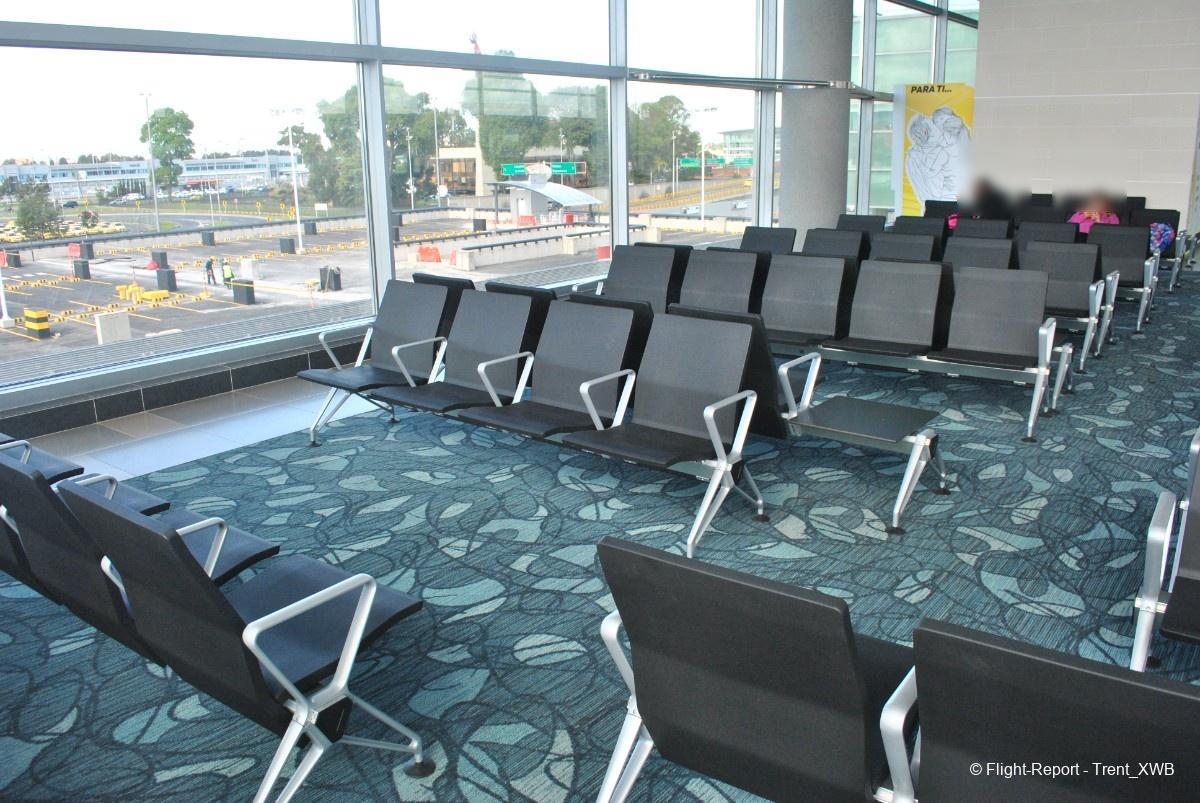
The area of the farther jetbridge gates in this part of the international pier is spacious, with lot of seats and with some charging stations by cellphone operator Claro.
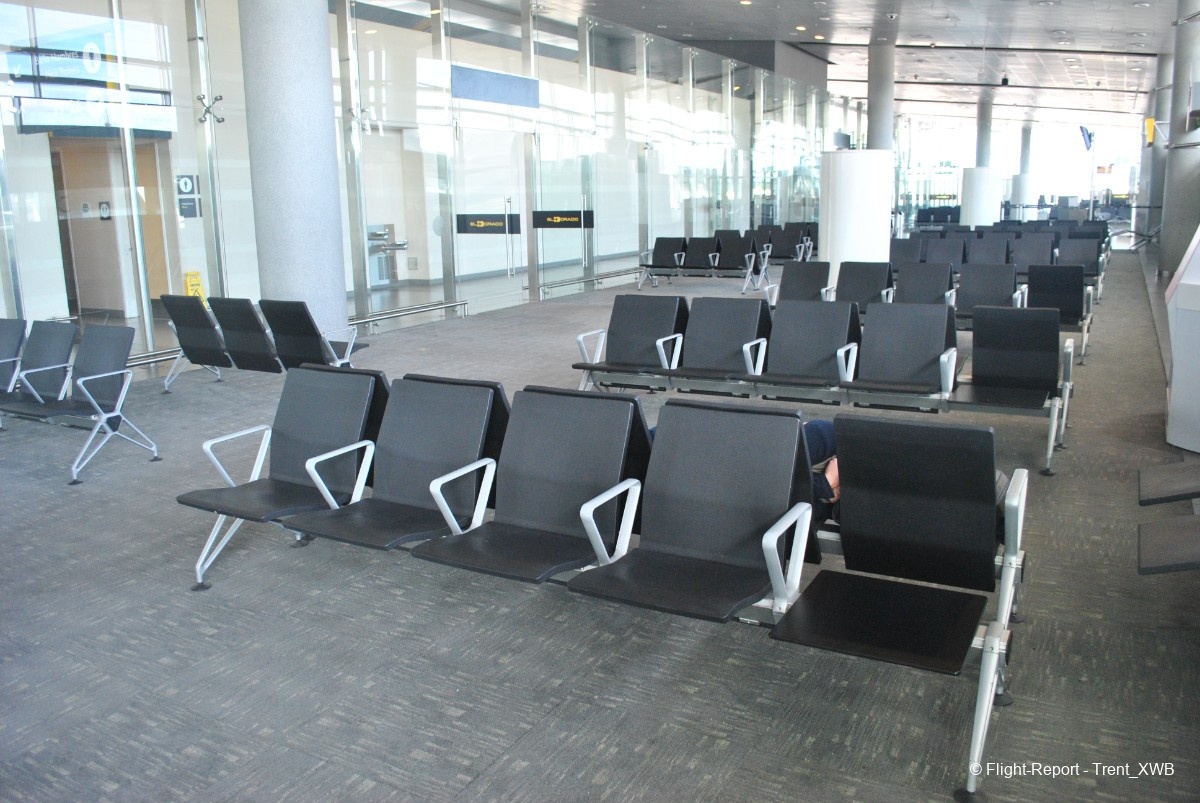
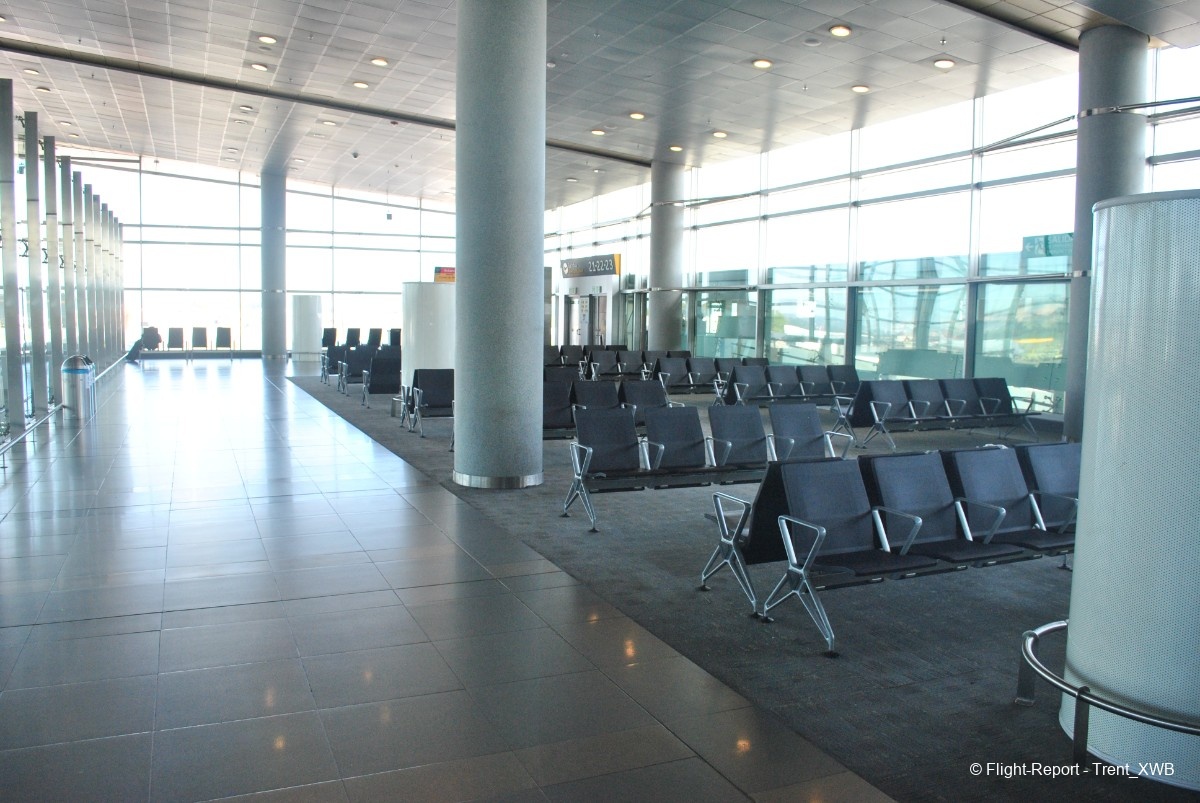
The underlying bus gates of this pier. On the first photo in this gallery to the right is the jetbridge gates area of this international pier, to the left is the domestic n-shaped pier.
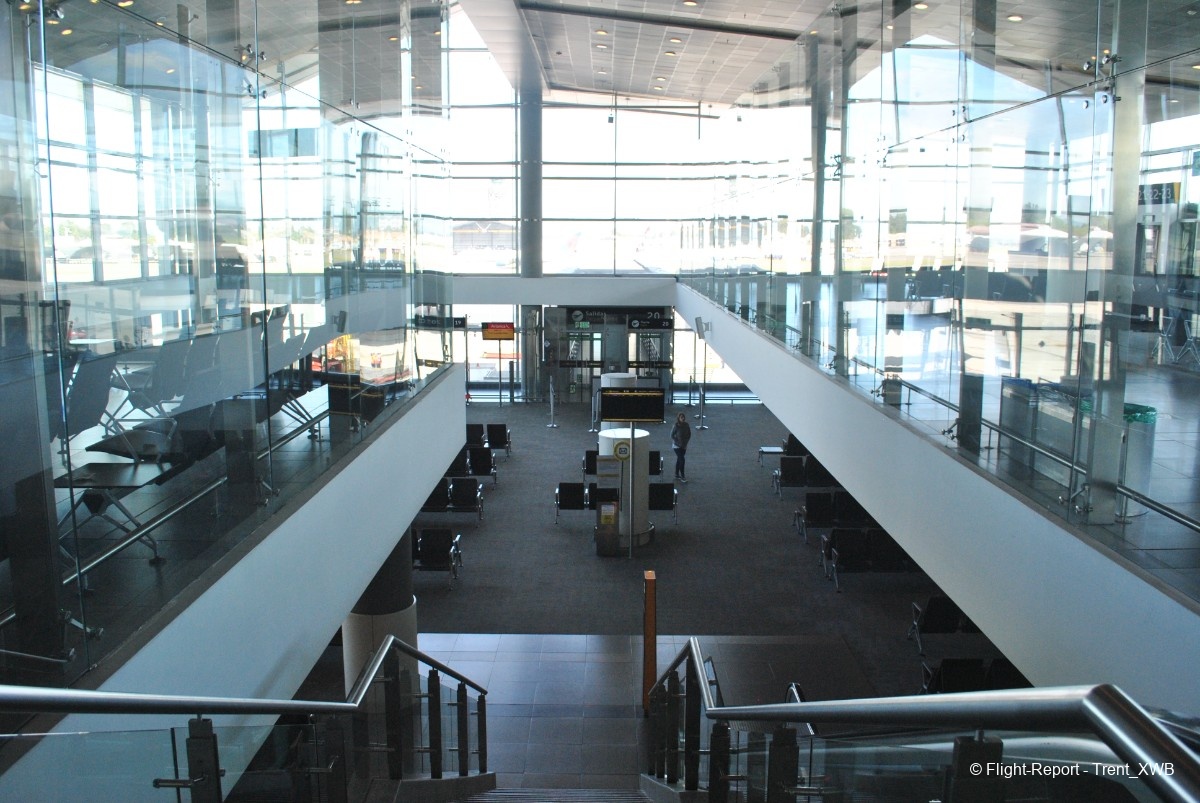
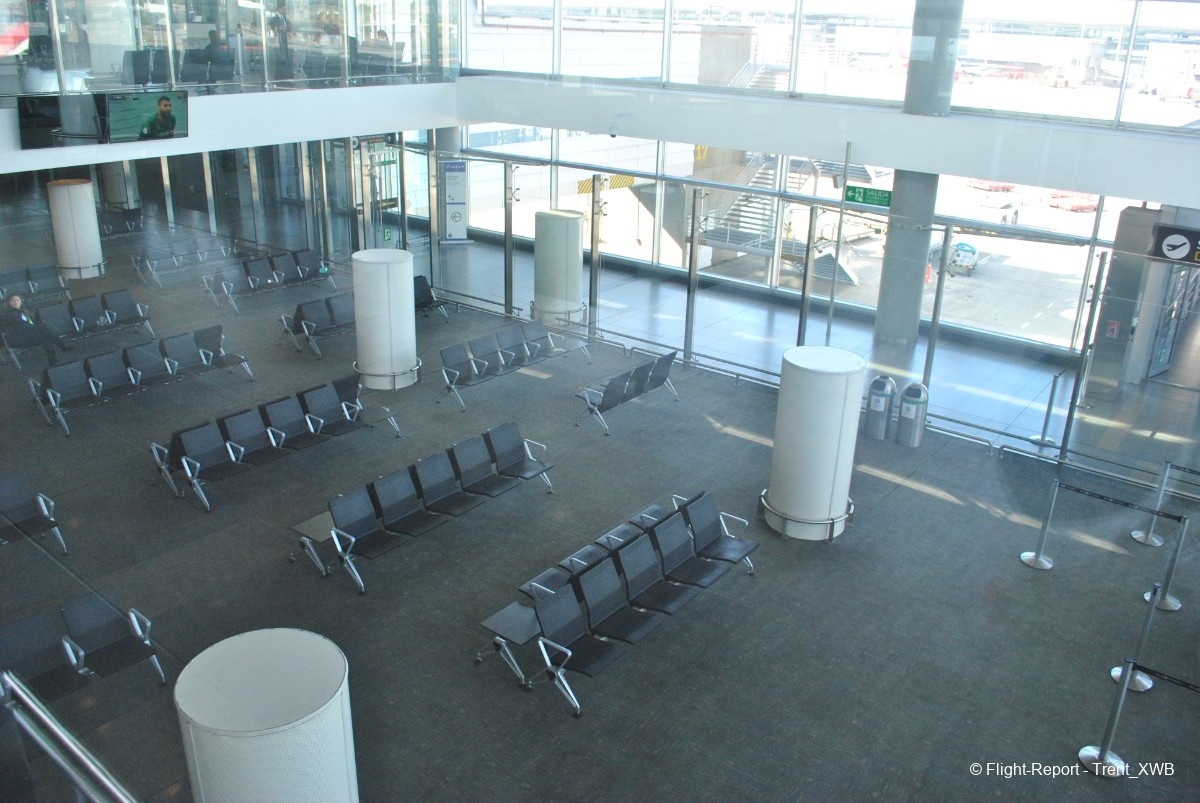
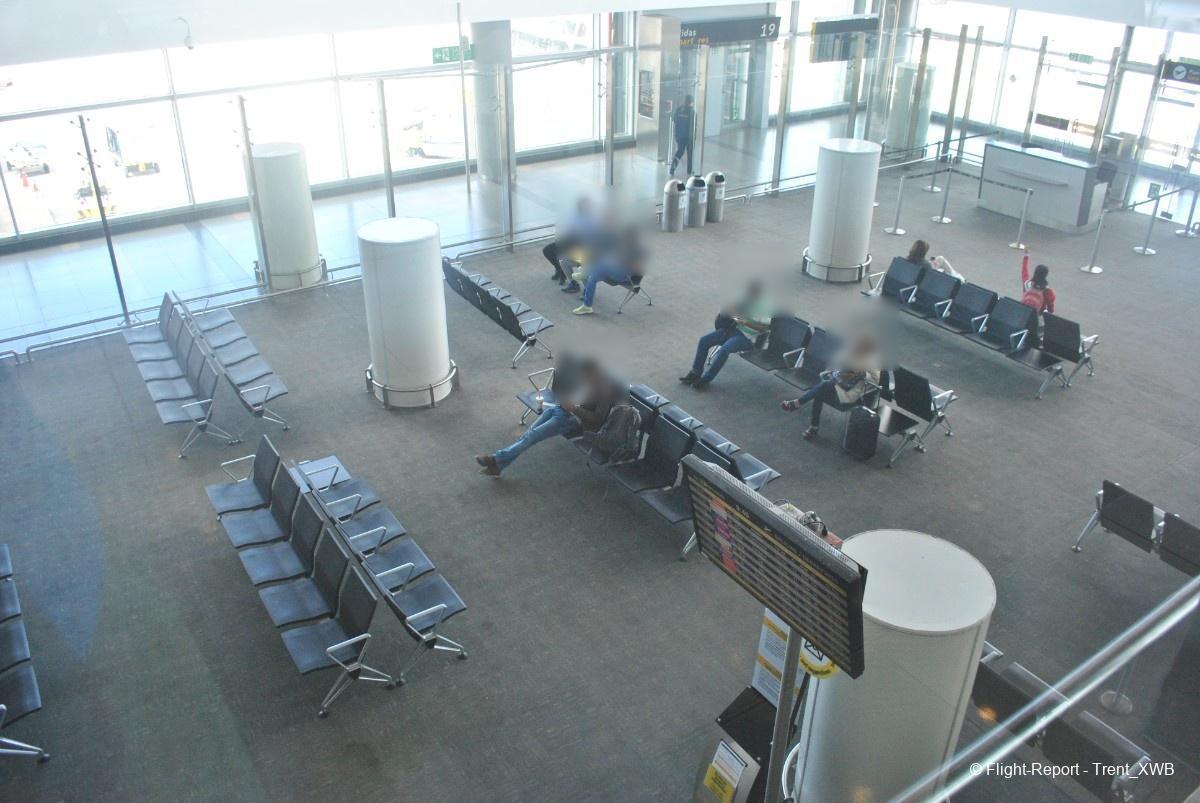
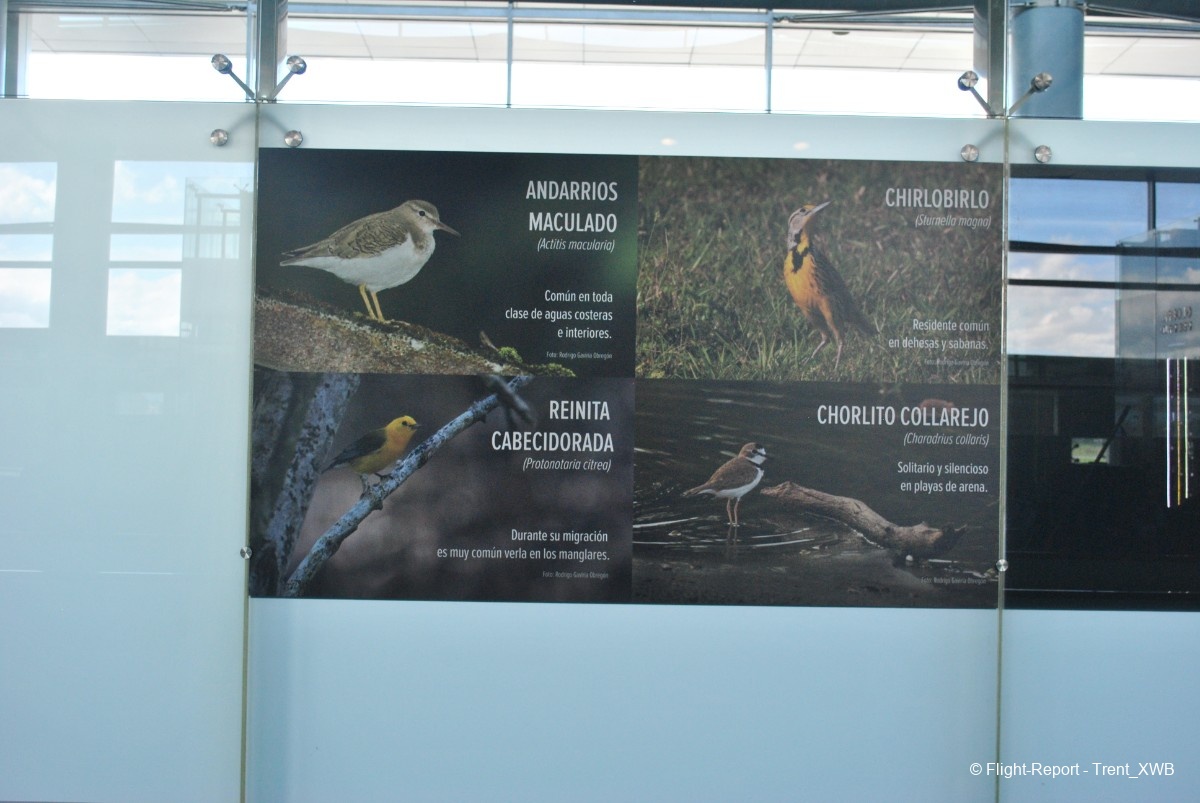
A small photo-exposition about some Colombian birds.
Let's explore the "upper" part of the "I" of the pier. One can find quite a number of souvenir shops and cafes here and a number of charging stations by Claro. And the omnipresent Botero as well (the first photo in this gallery).
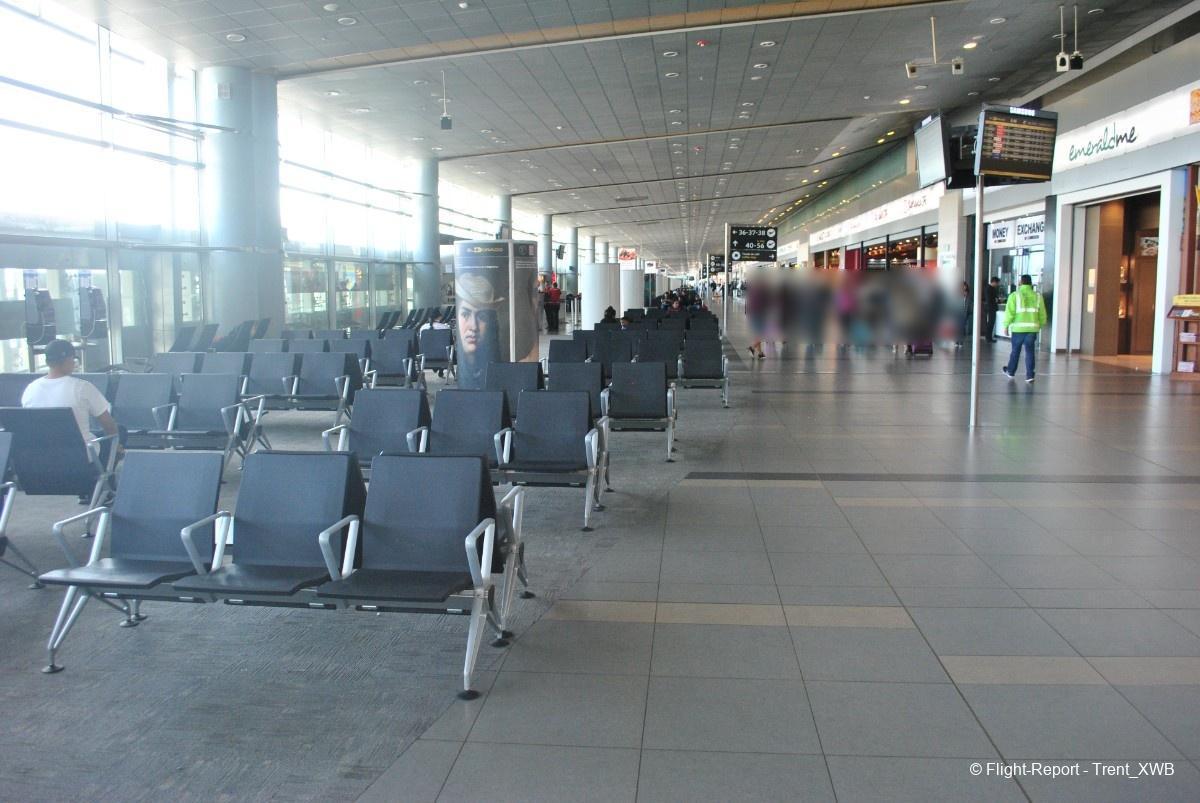
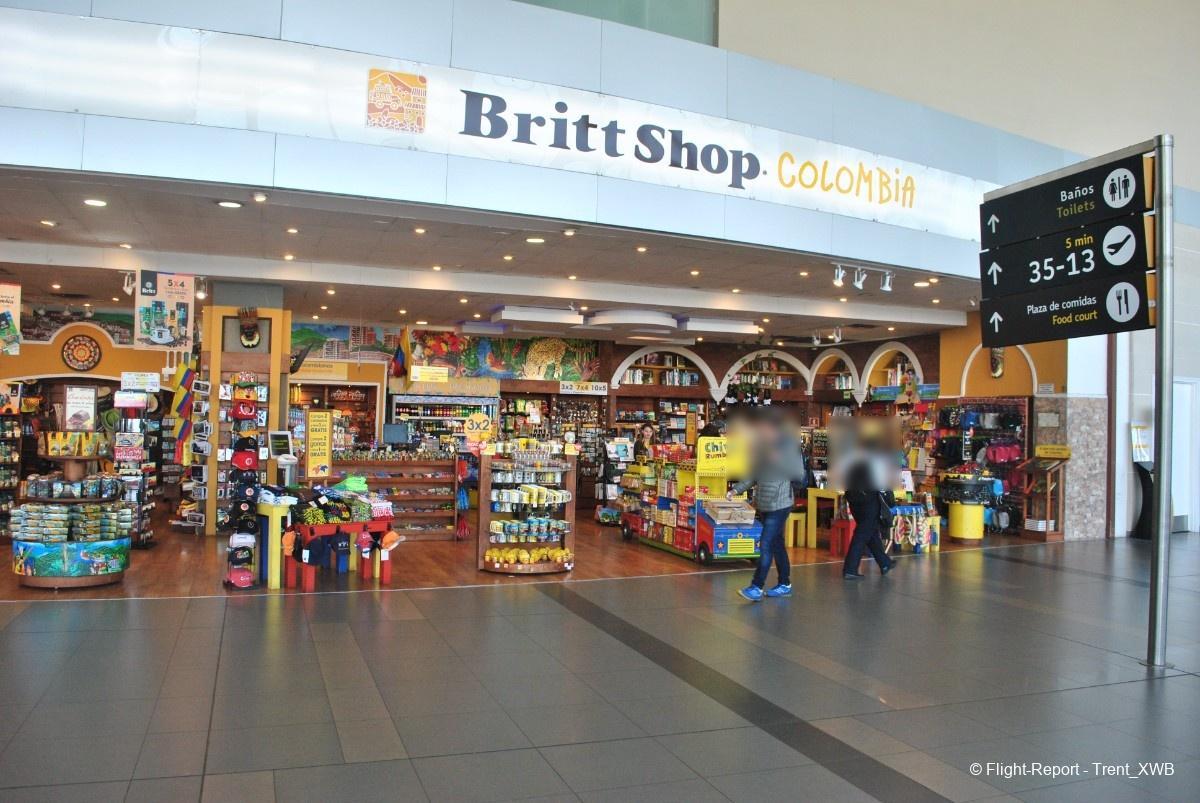
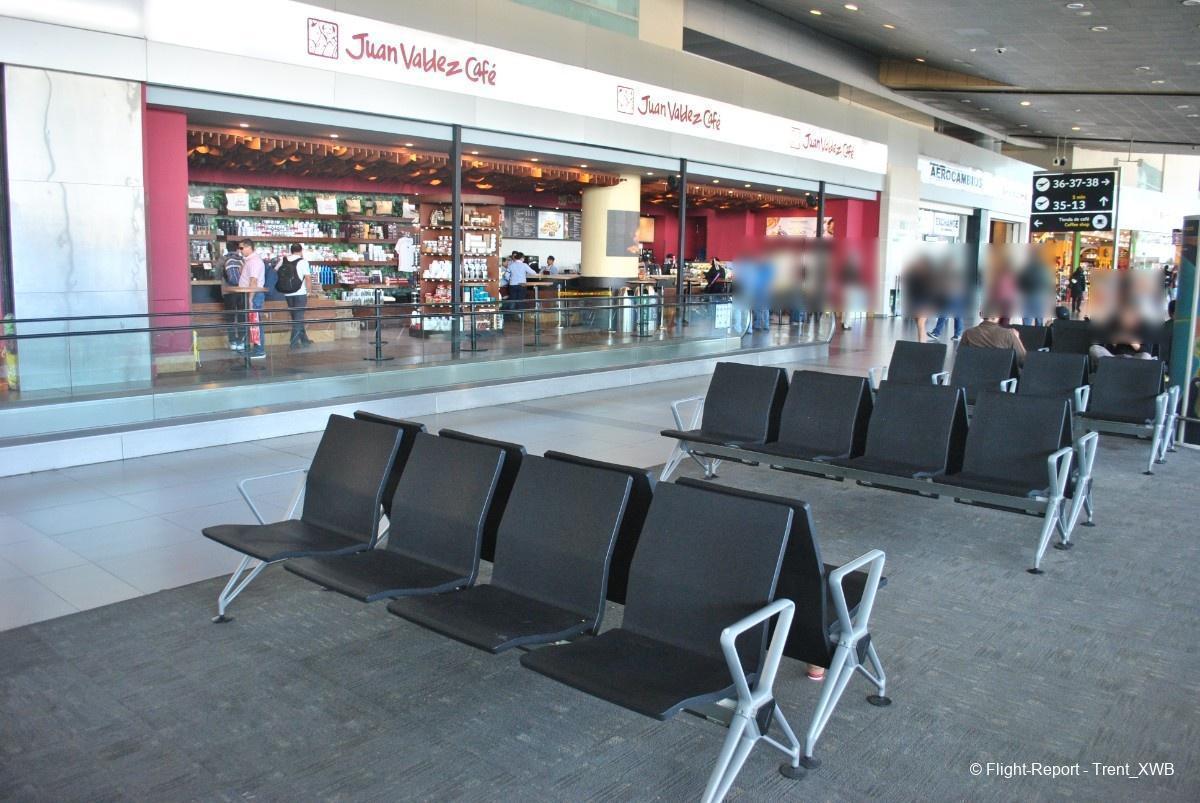
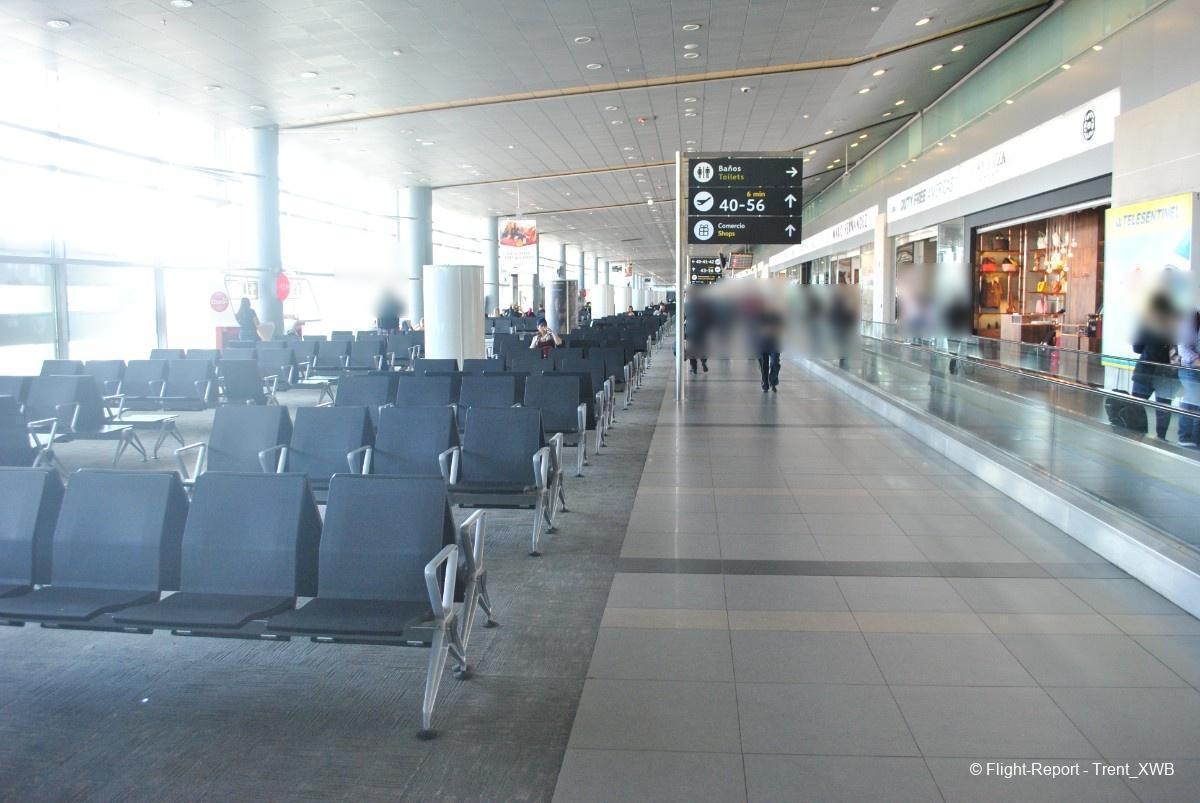
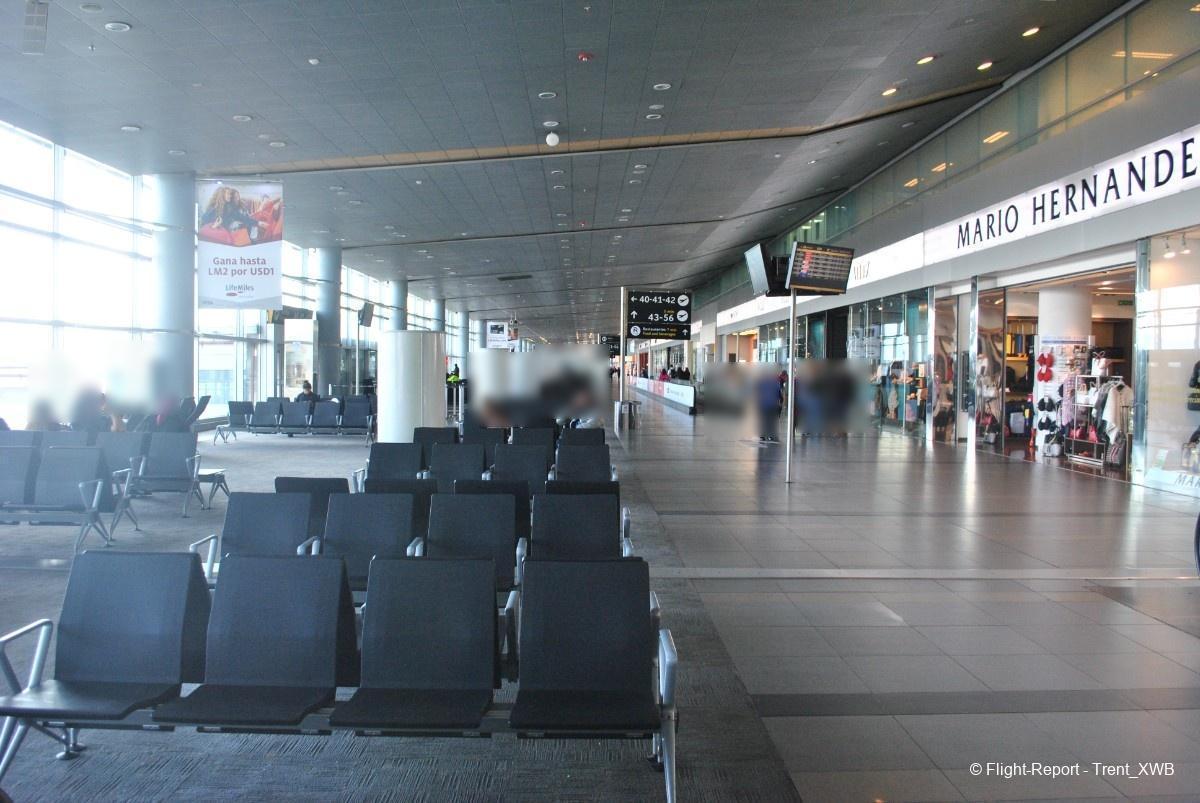
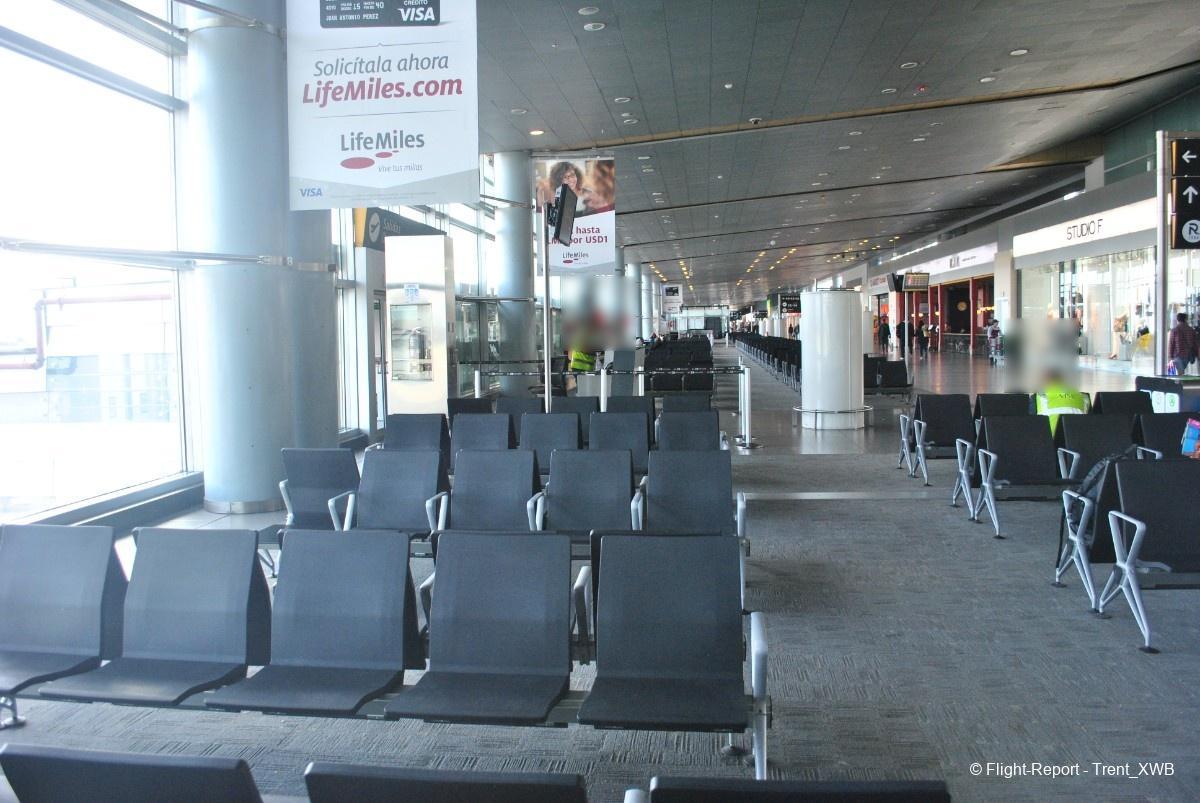
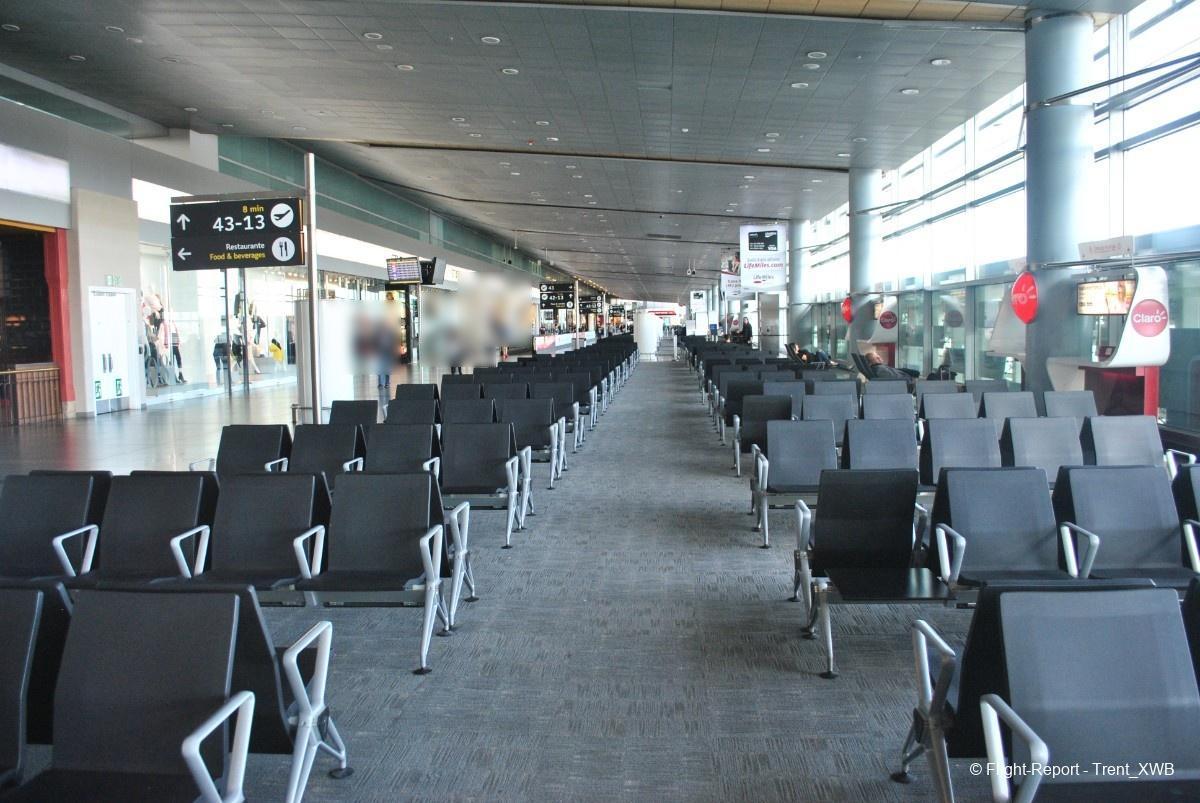
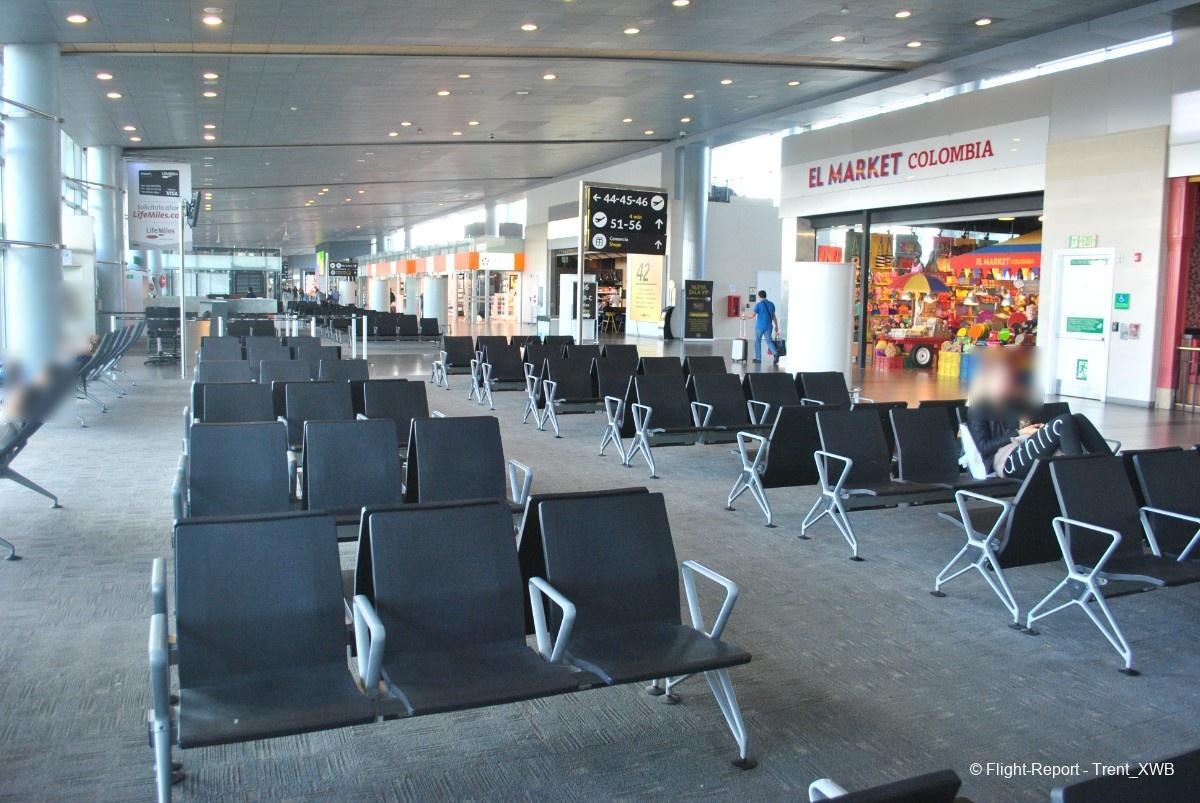
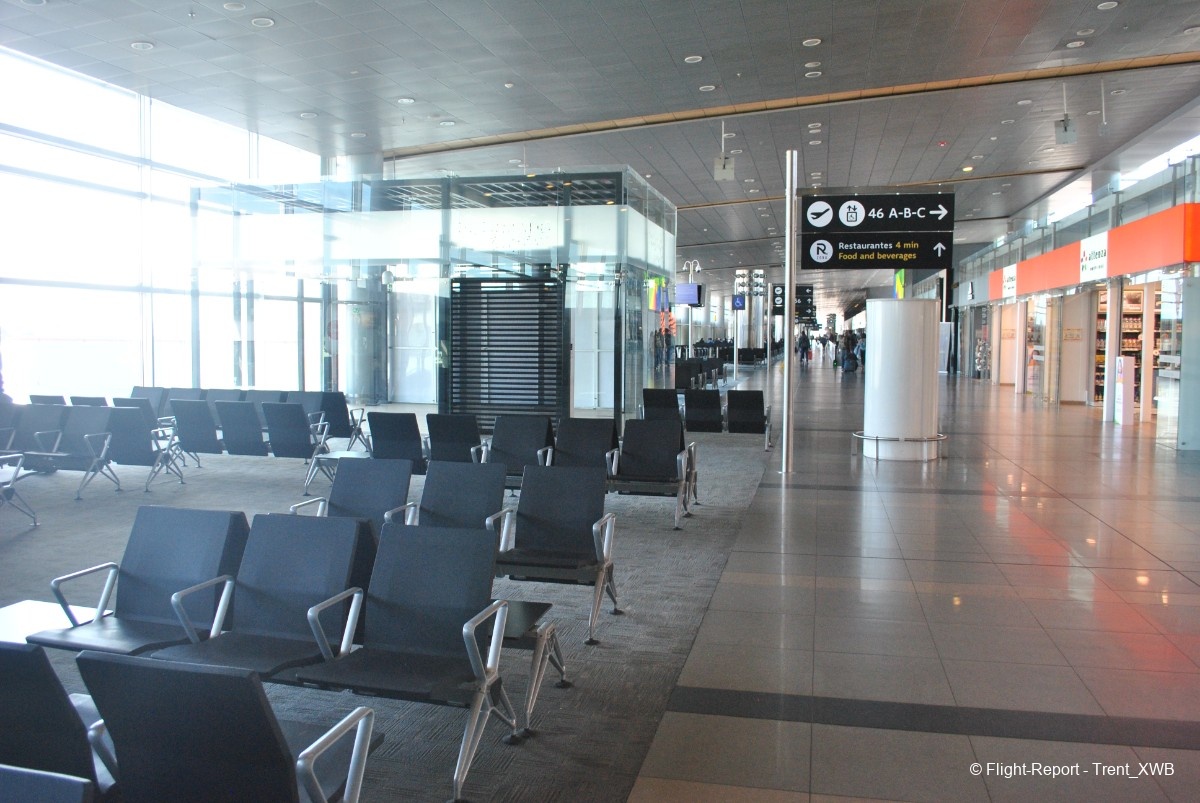
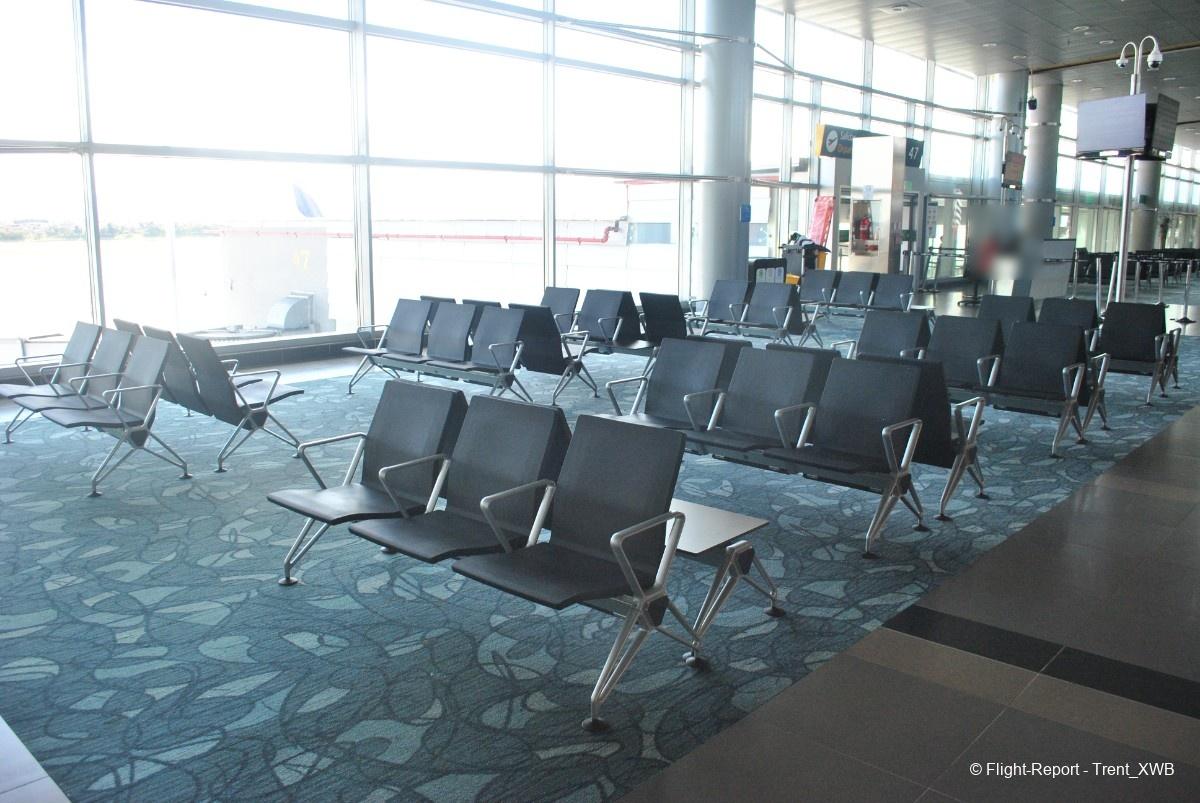
There are also children playground area and rest areas.
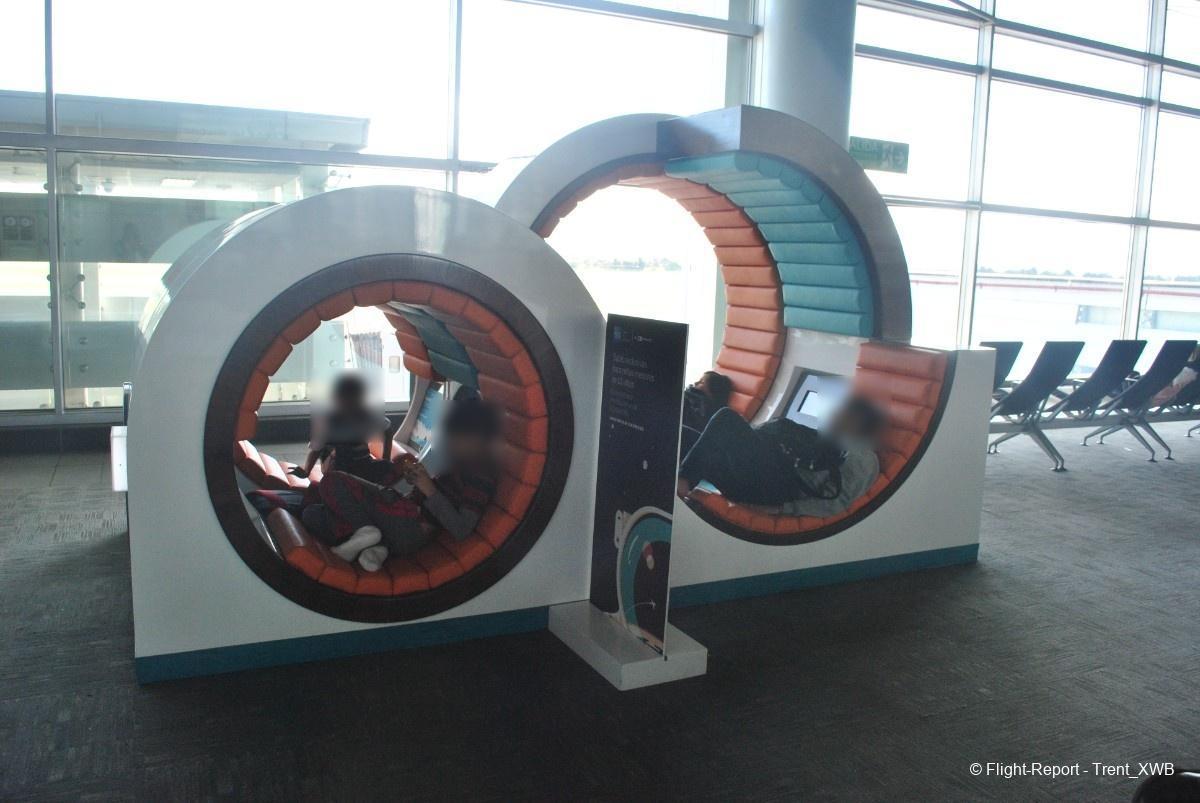
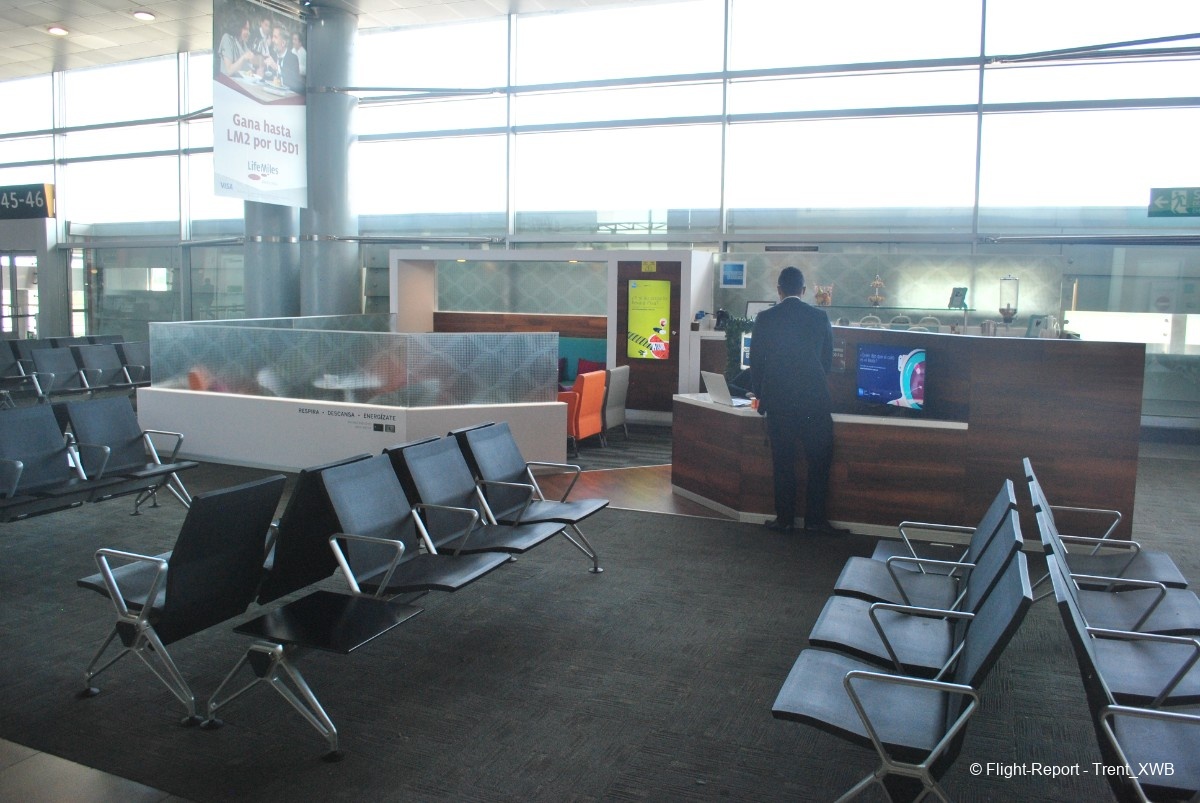
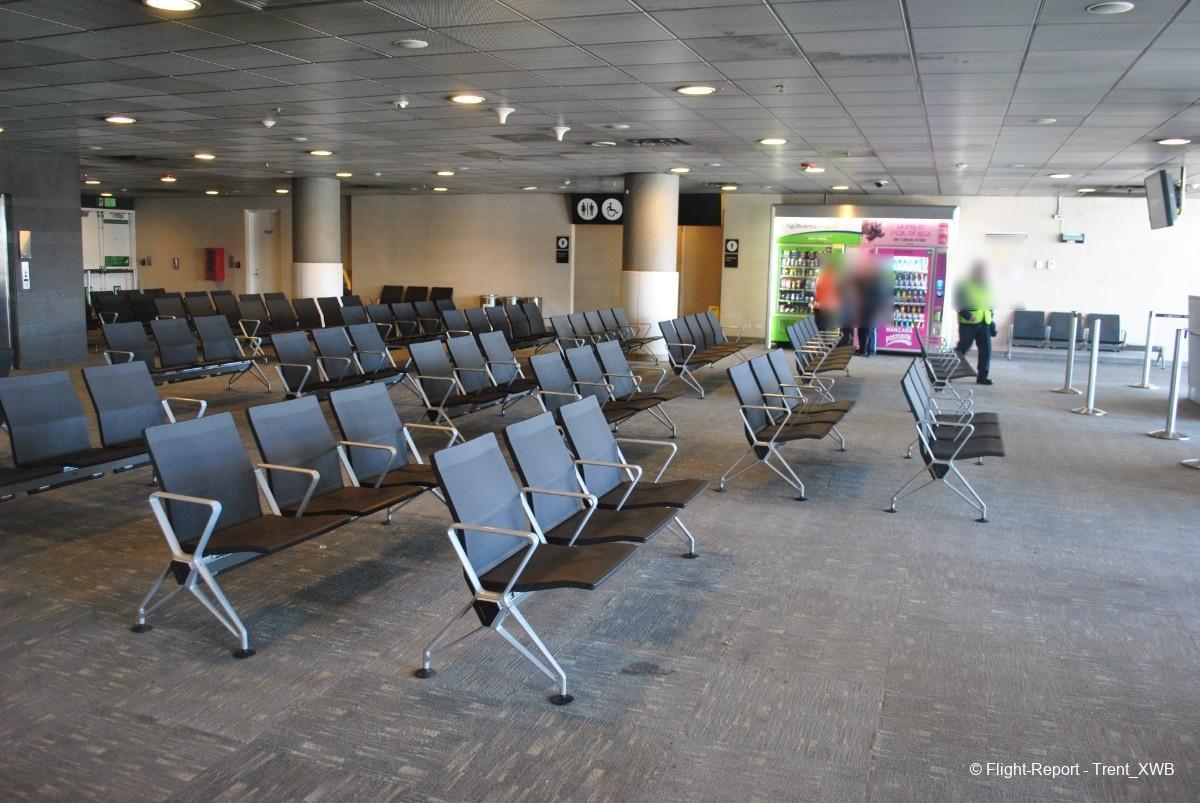
There is also a small number of the underlying bus gates with quite dull area.
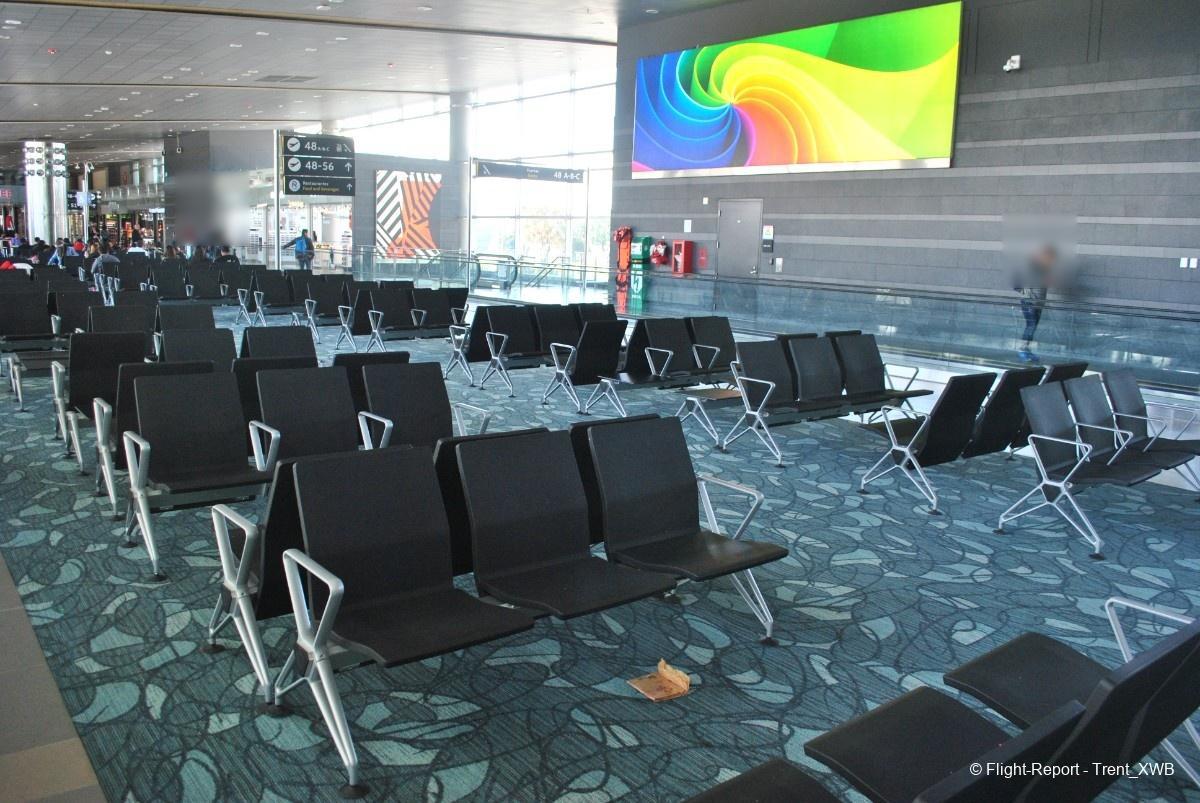
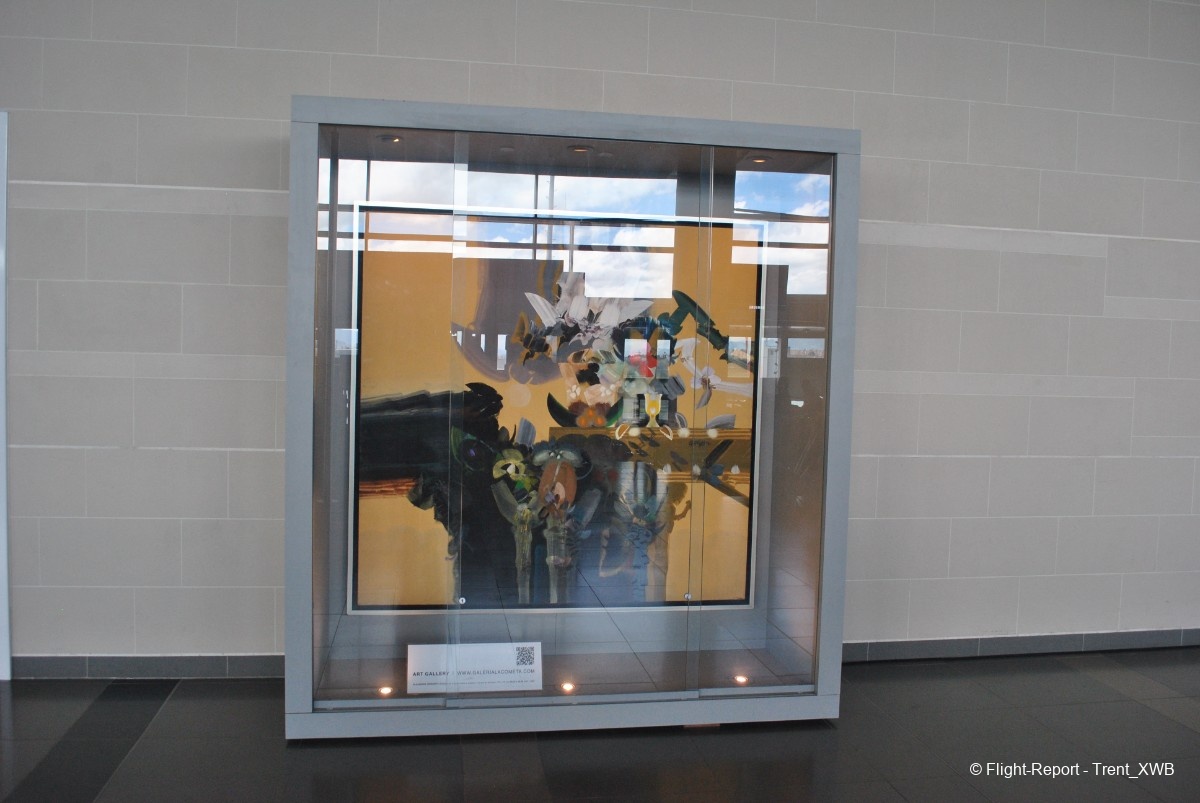
The far end of this part of the international pier. Some interesting artworks were displayed there.
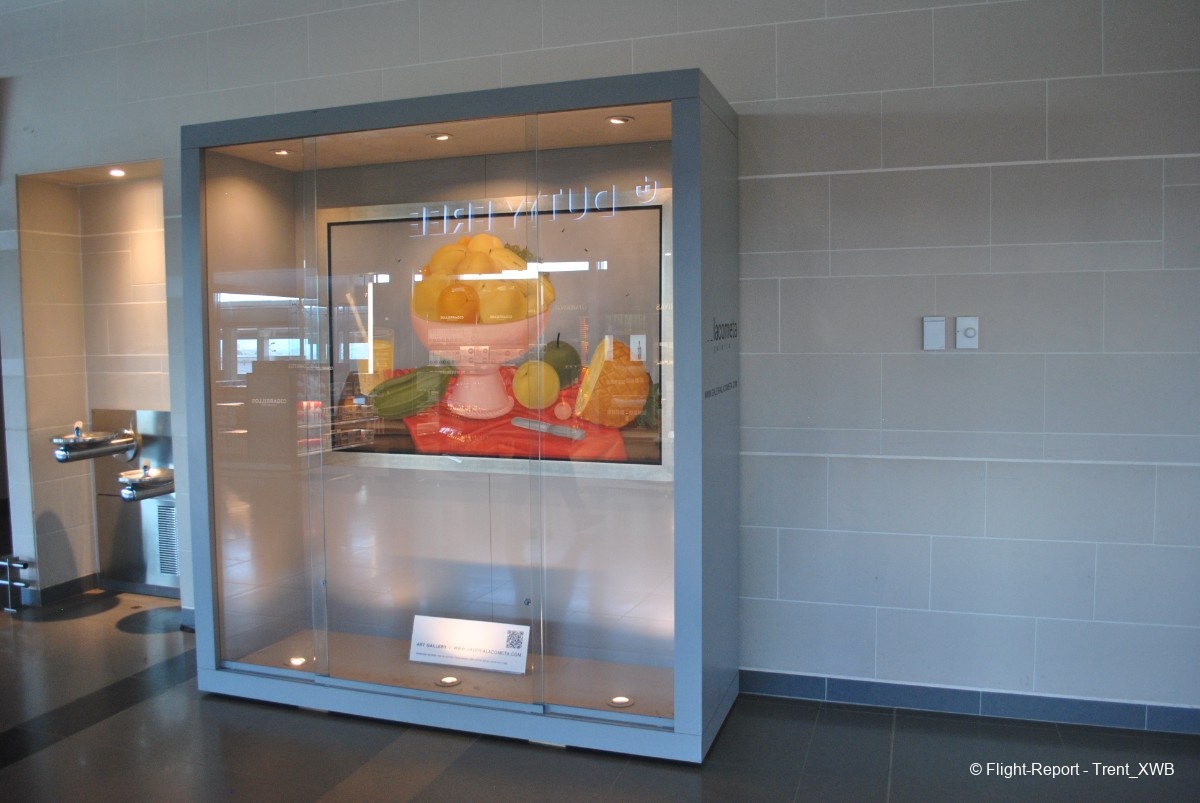
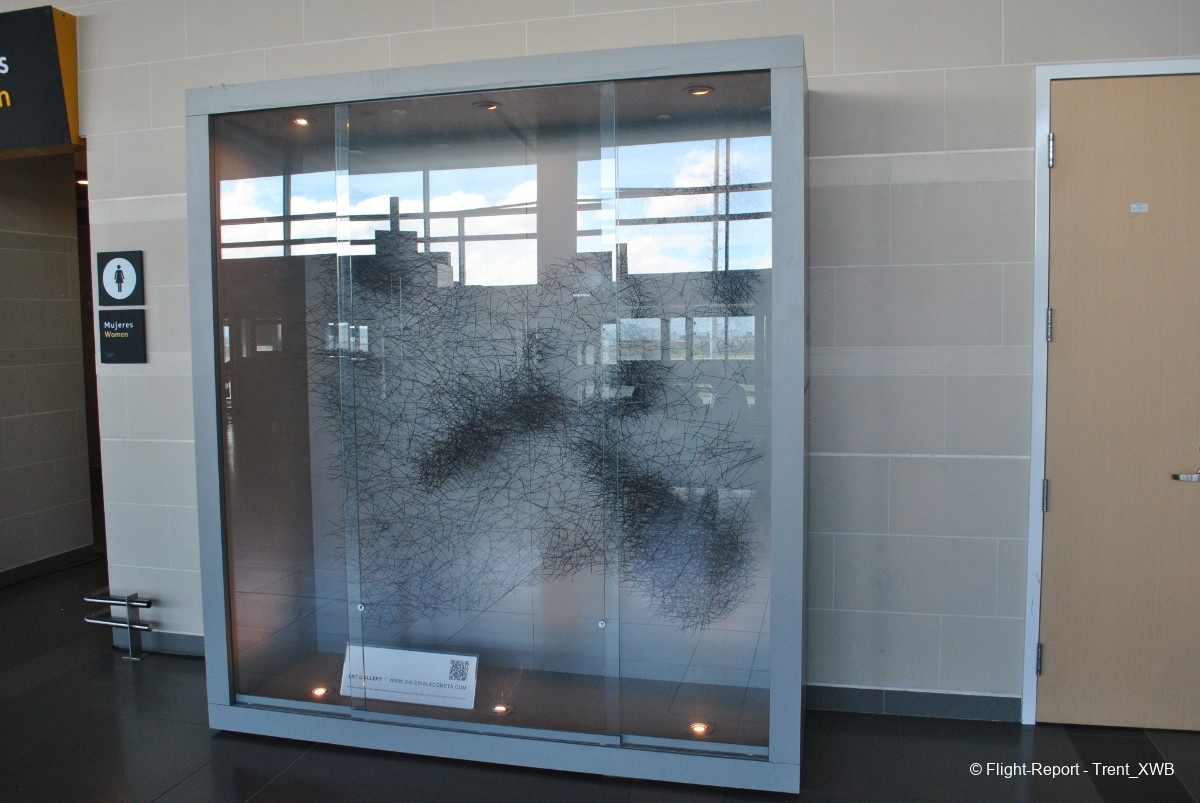
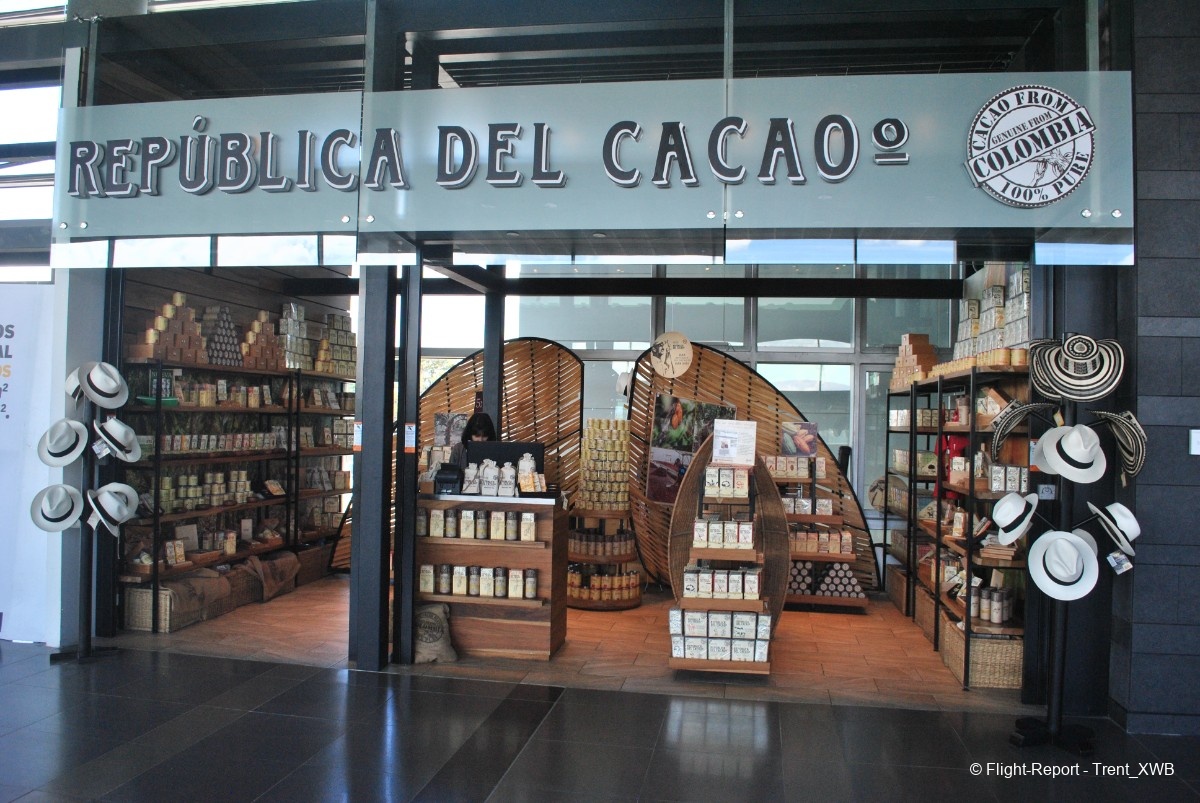
Colombia can boast not only with one of the world's best coffee, but also with high-quality cacao.
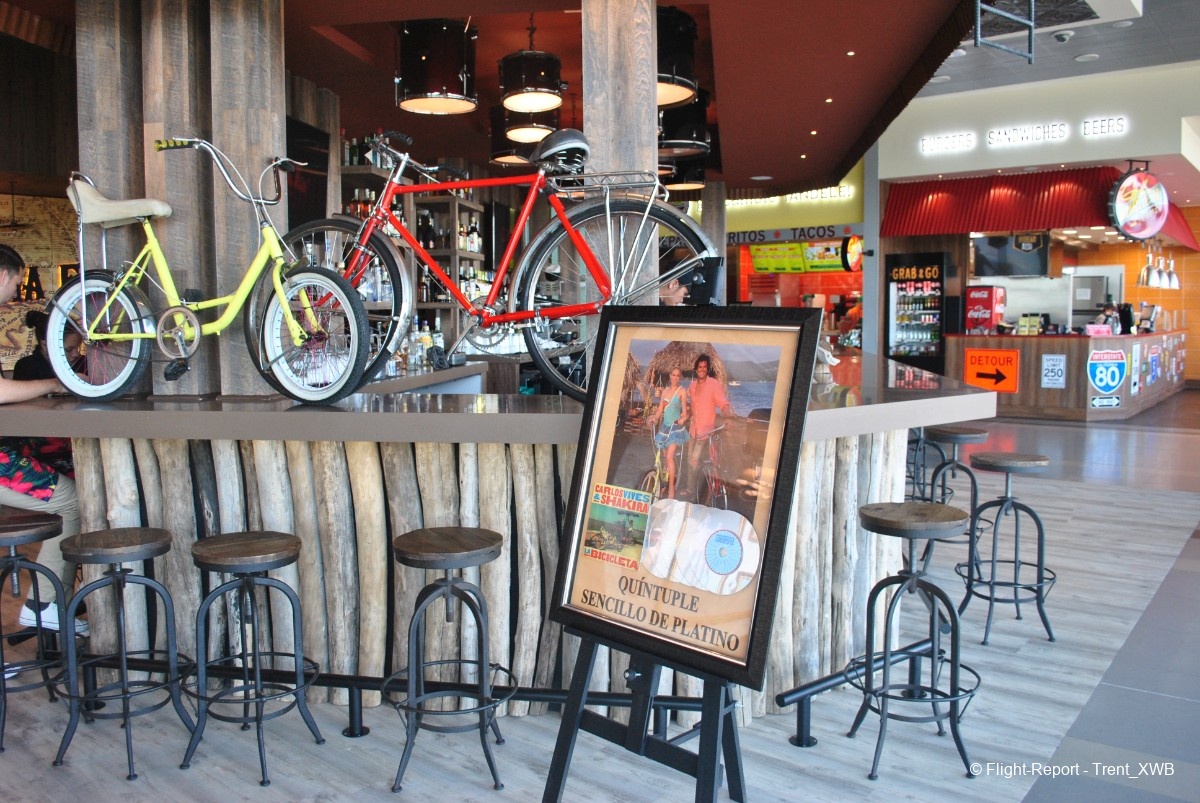
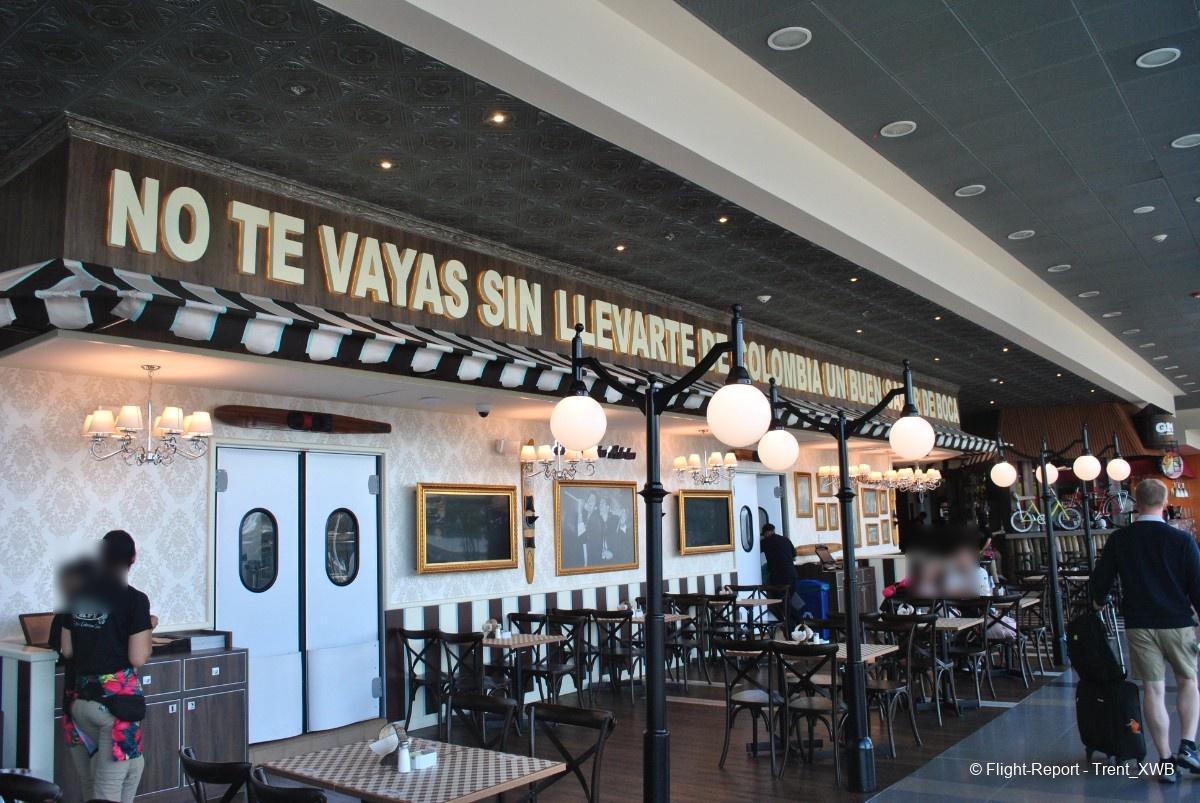
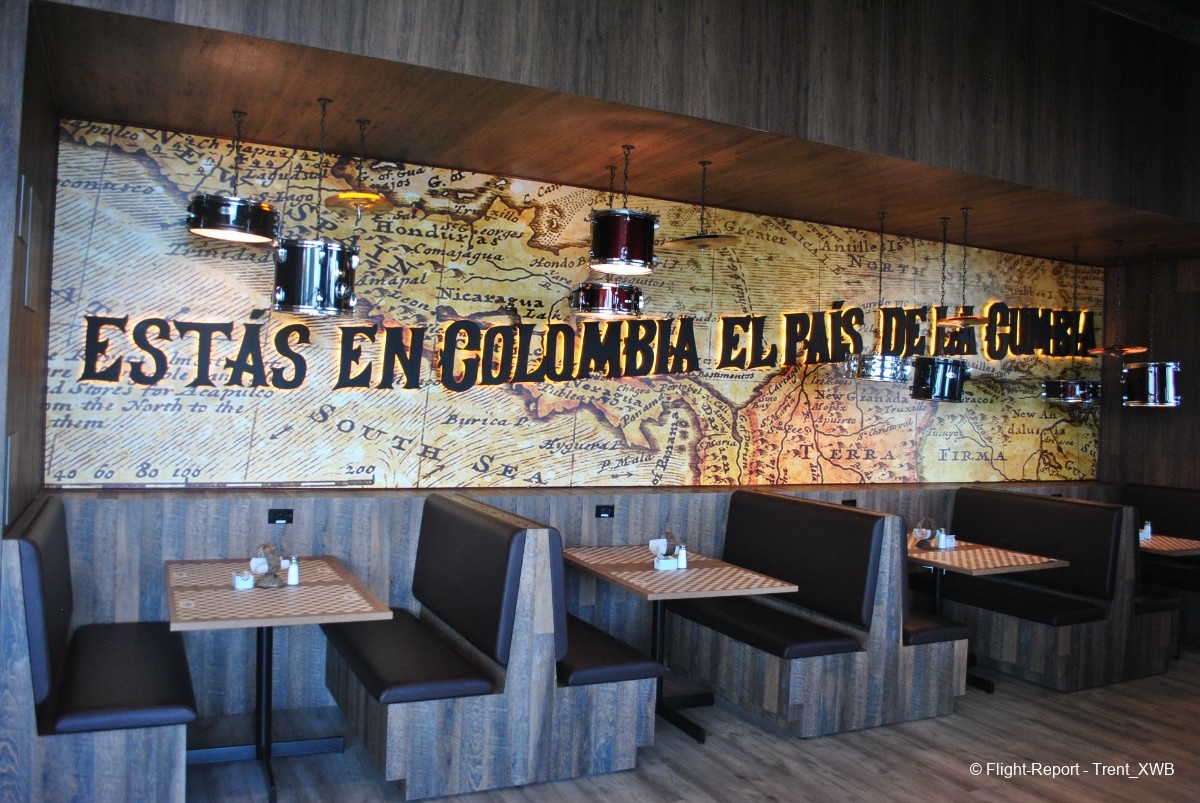
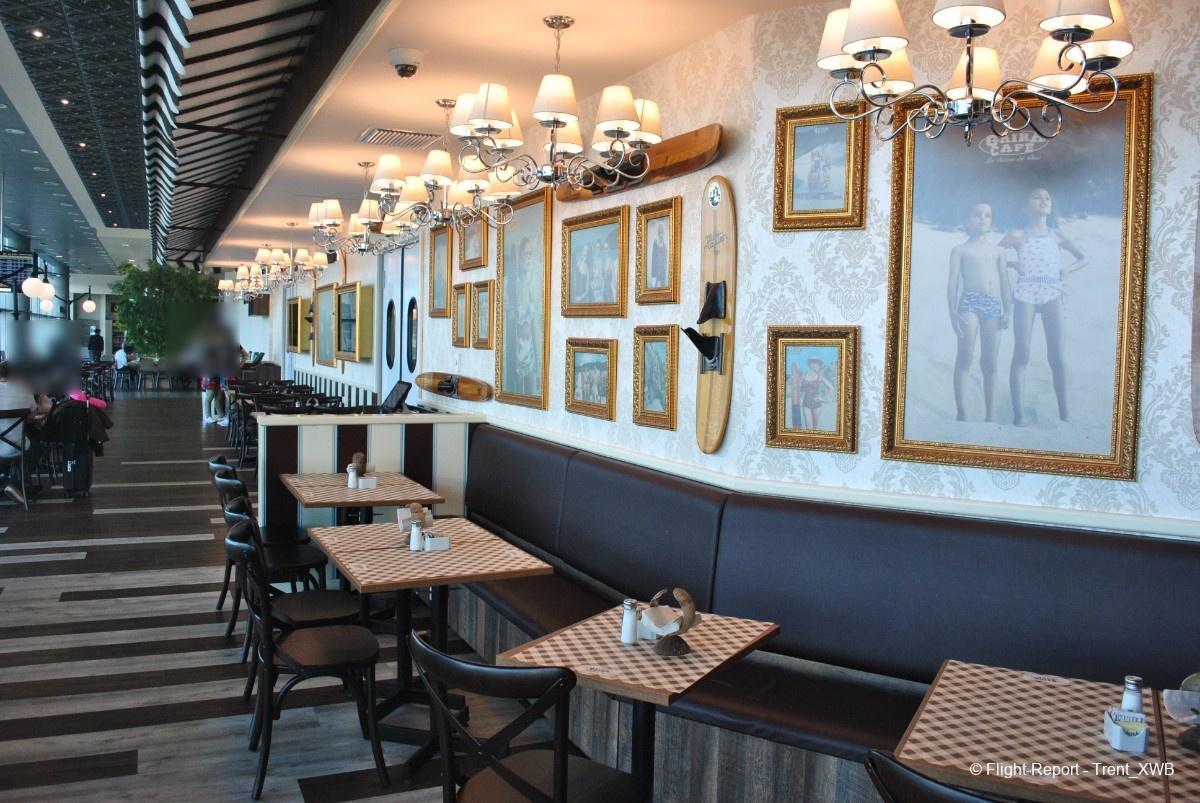
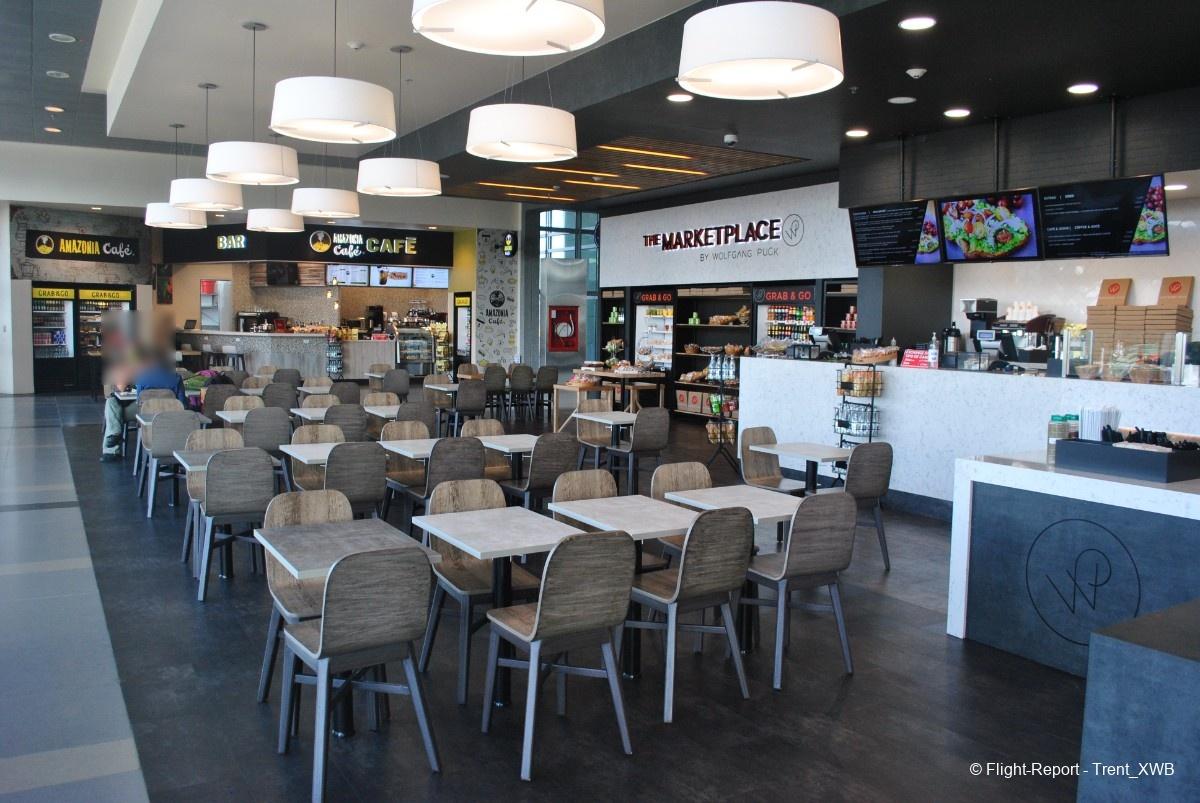
In this end of the pier one can find a number of nicely decorated eateries.
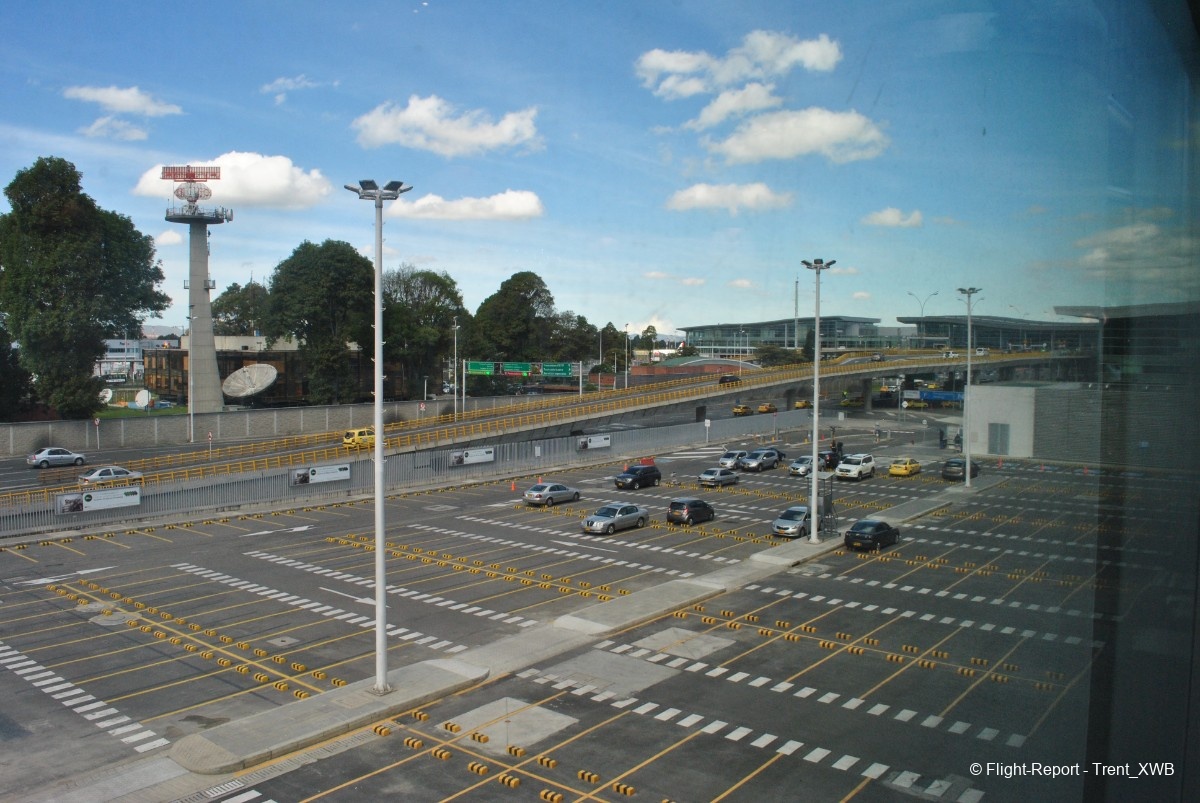
Views of the T1 and El Dorado Plaza, car parking and the surrounding area (with some military locators) from this far end of the international pier.
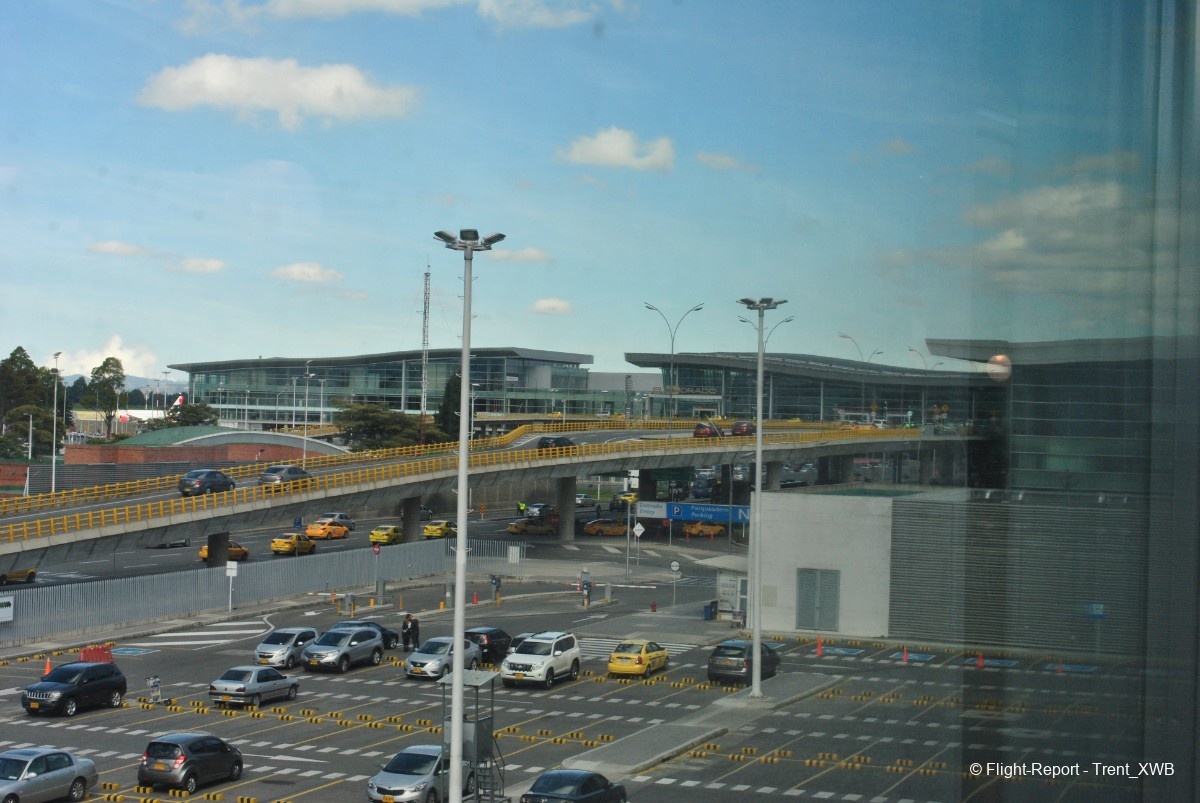
So, one can see (combined with the previous reviews of different parts of T1 in my BOG-PEI and CTG-BOG FRs) that T1 is really well-designed for the time it was built. In some details it's even better than T3 GRU (though the airside of T3 GRU is definitely more spacious and has unparalleled spotting possibilities). One can also notice that the domestic pier of T1 from where my BOG-PEI flight was departing, looks somewhat nicer than the international pier, being built as an extension and inaugurated later.
Having looked at FIDs, I discovered, that the estimated delay of my flight has increased to 2+ hours, which certainly was a reason to worry about my connection in ISL…
Planespotting from International Airside Of BOG T1
While waiting for my significantly delayed flight, I had an excellent opportunity for very interesting planespotting.
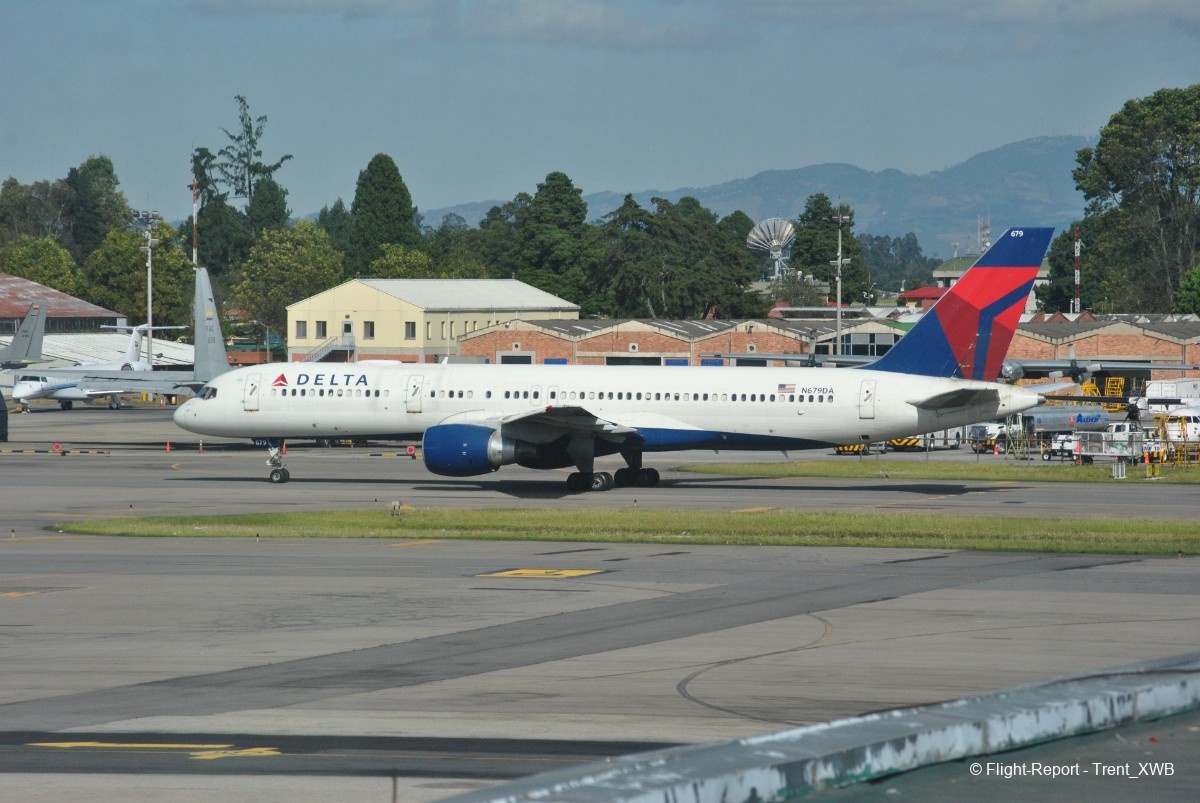
1992-built PW-powered B752 (N679DA) of Delta and A319SL (N723AV) of Avianca.
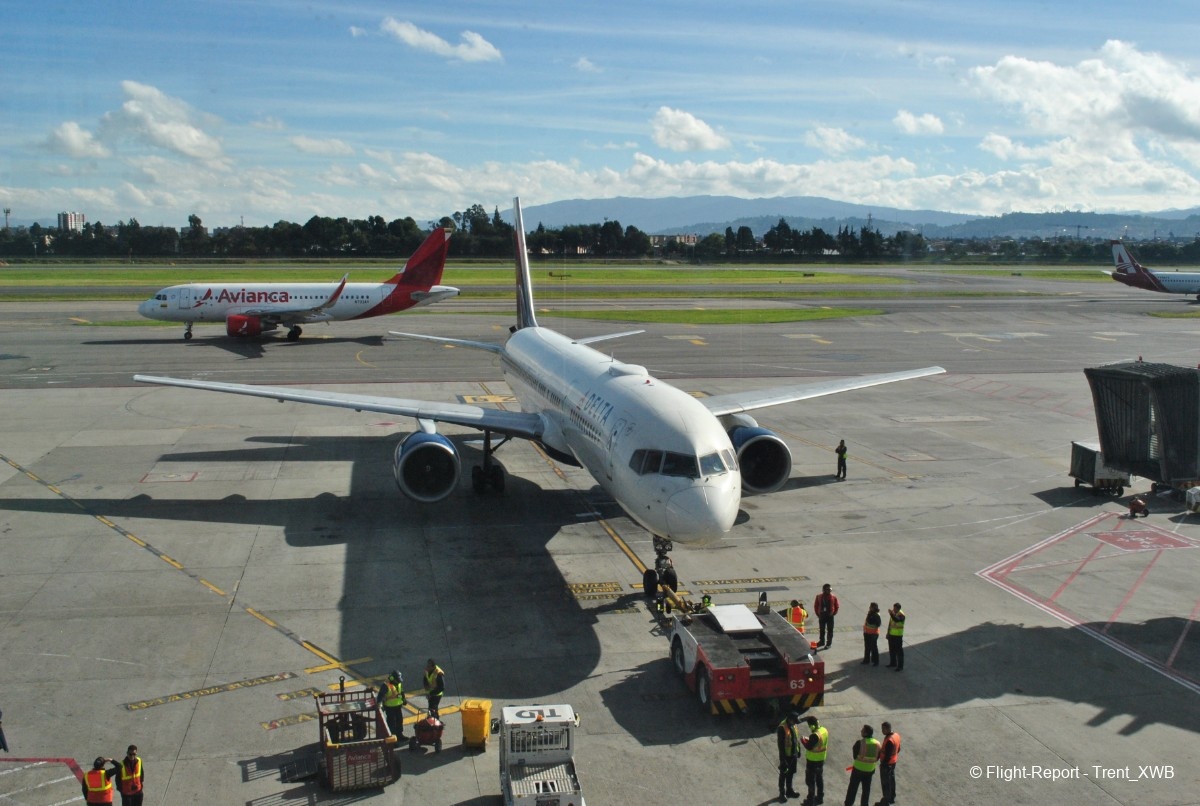
N679DA departing for ATL. The "Ferrari of the skies" with its large wing and excess power is an excellent machine for the flights from high-altitude BOG to anywhere in North America. N679DA is stored since June 2024 and most probably will soon end scrapped.
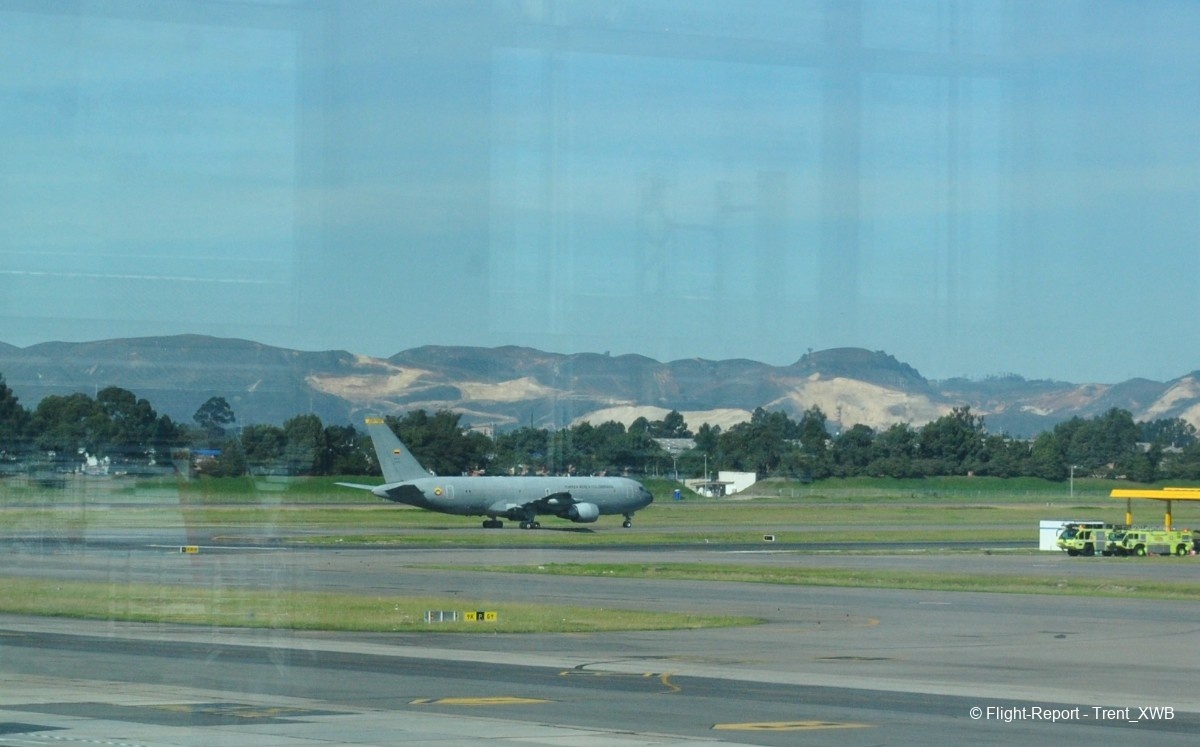
A military B762 of Fuerza Aerea Colombiana and some firefighting trucks.
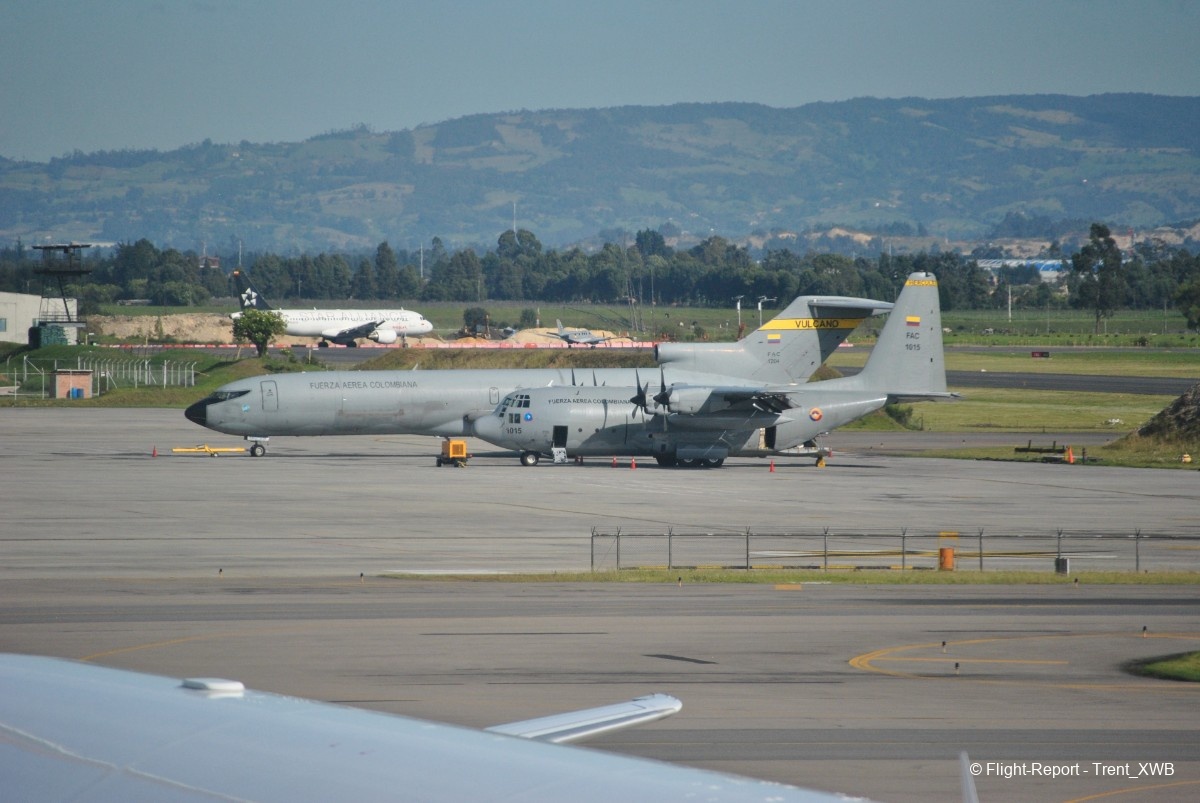
Military B722 (named "Apollo", which I saw before in BGA and here in BOG) and Lockheed C-130H Hercules of Fuerza Aerea Colombiana; an AV A320 in the Star Alliance livery is taxiing on the backdrop.
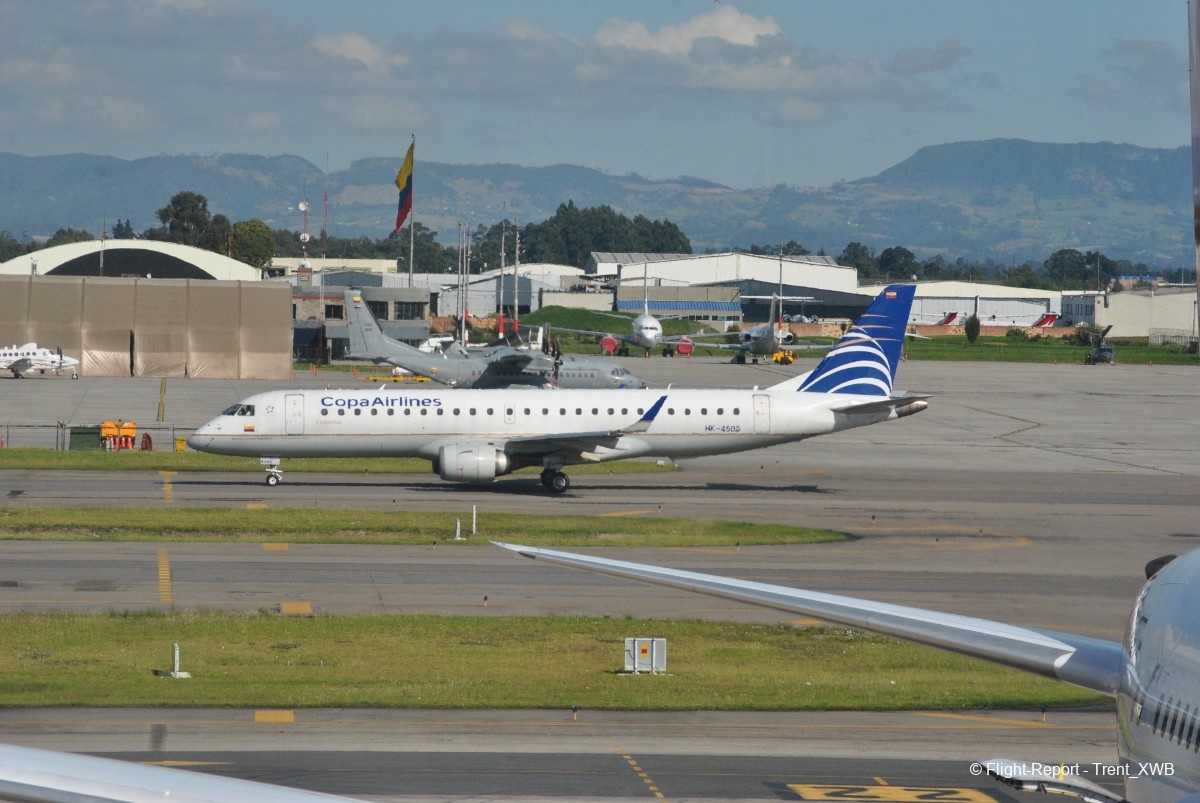
E190 (HK-4505) of Copa Airlines Colombia. It was phased out in February 2019 and now is in German Airways fleet.
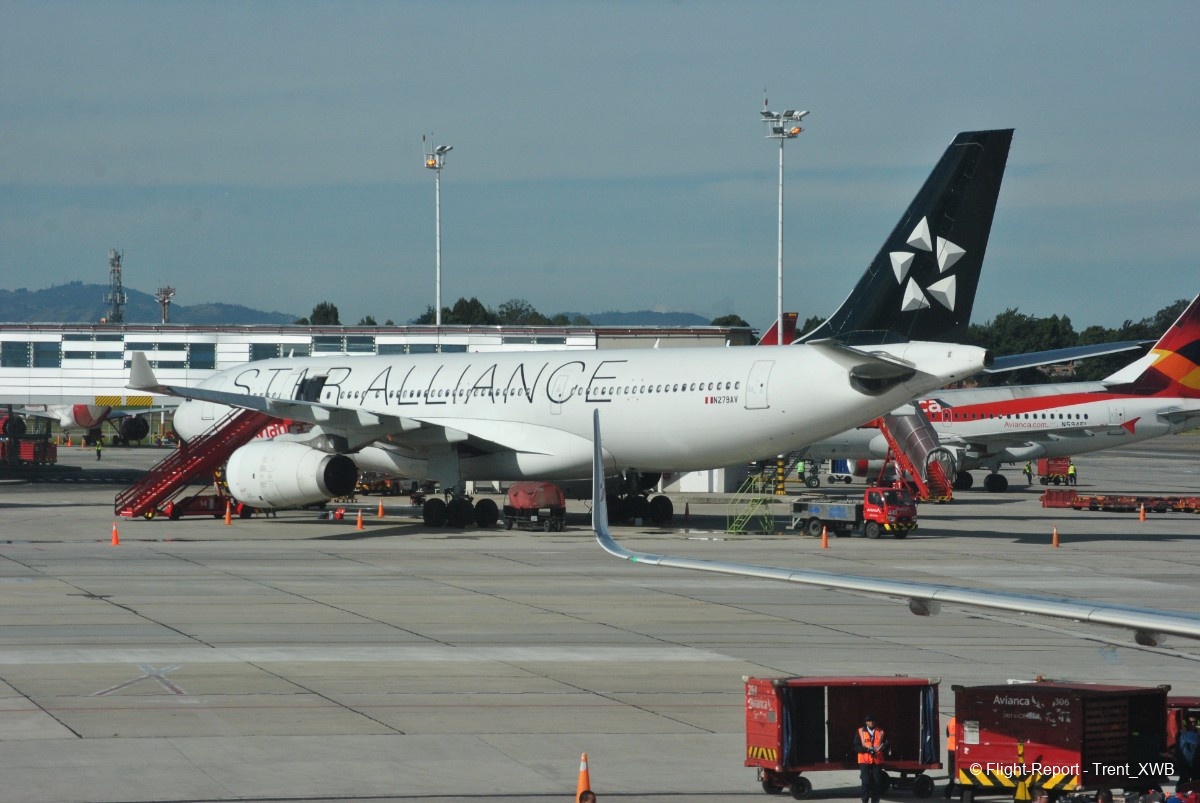
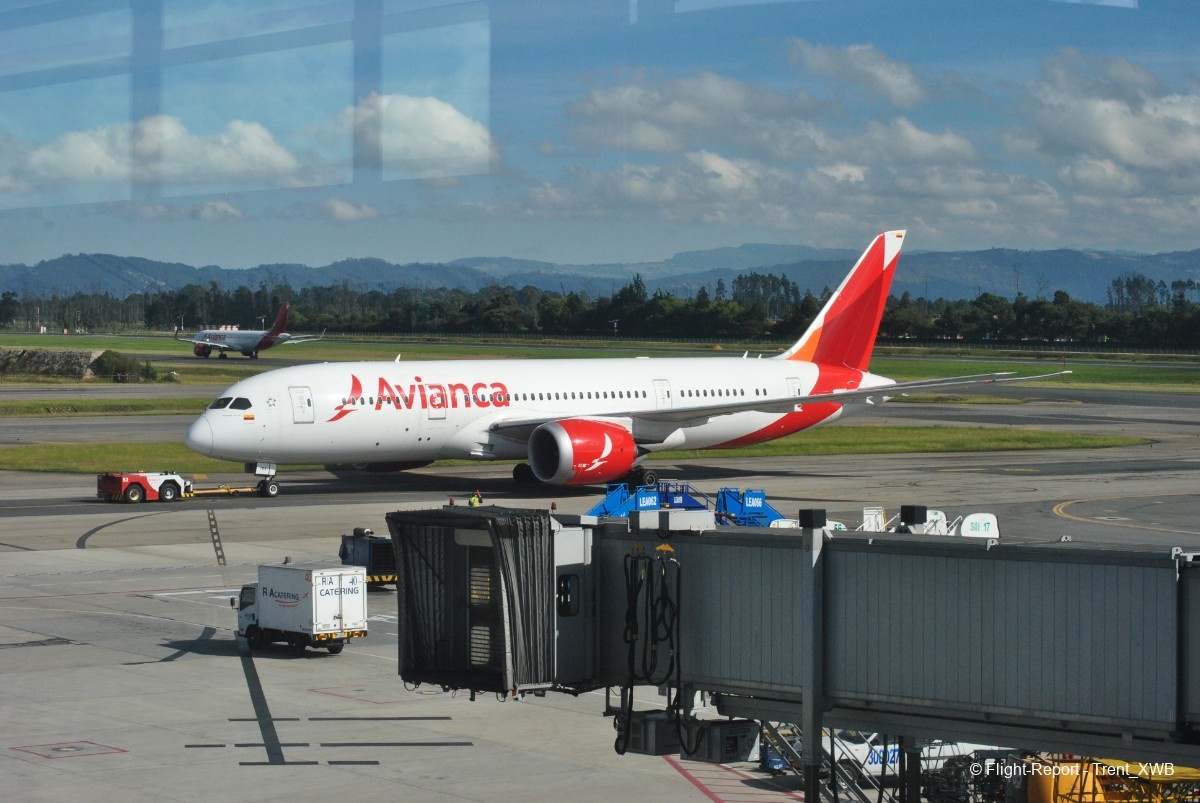
AV A332 (N279AV) in the Star Alliance livery. Back then N279AV was flying for AV Peru. When AV Peru was discontinued in 2020, it was transferred to AV Colombia, where served until 2023 (when AV completely shed all the remaining A332s from the fleet). In 2024 it joined National Airlines fleet in US.
AV B788 (N783AV). Back then AV B788s had C28_Y222 layout with 2 business cabins. In 2024 all AV's own B788s were reconfigured C20_Y271 with only one (front) business cabin. Currently AV has started to replace older (but very comfortable) Weber 5751 economy seats in its B788s with the new slimline ones.
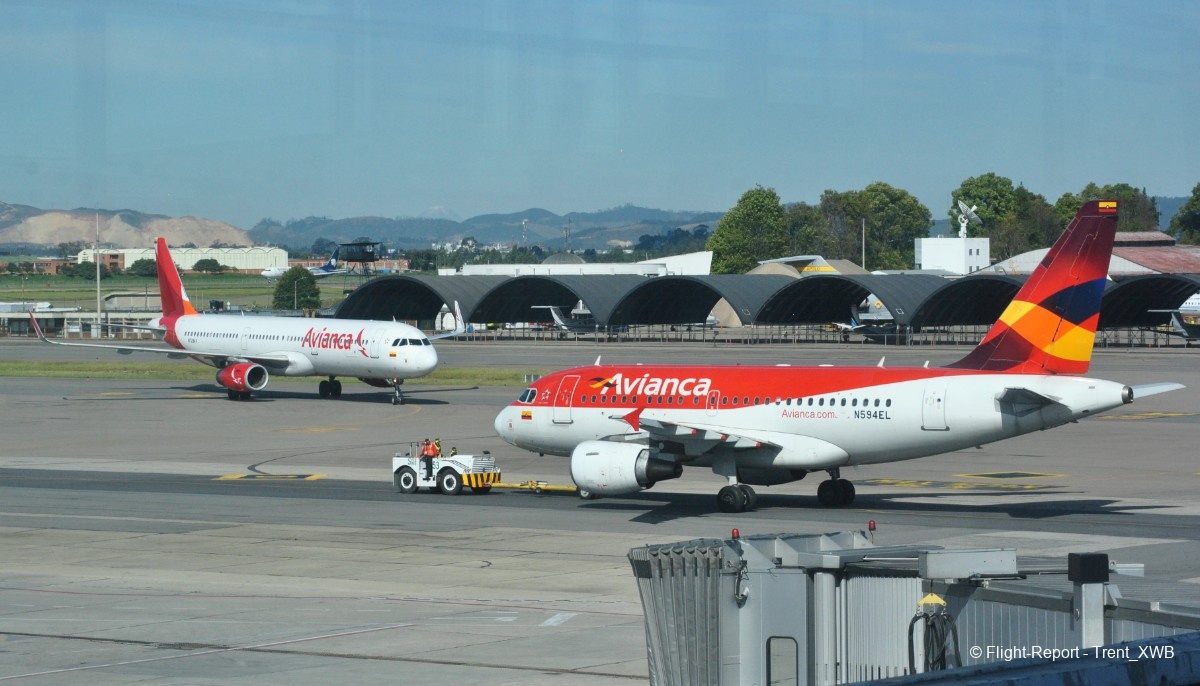
AV A318 (N594EL). All AV A318s were phased out in late 2019 and scrapped.
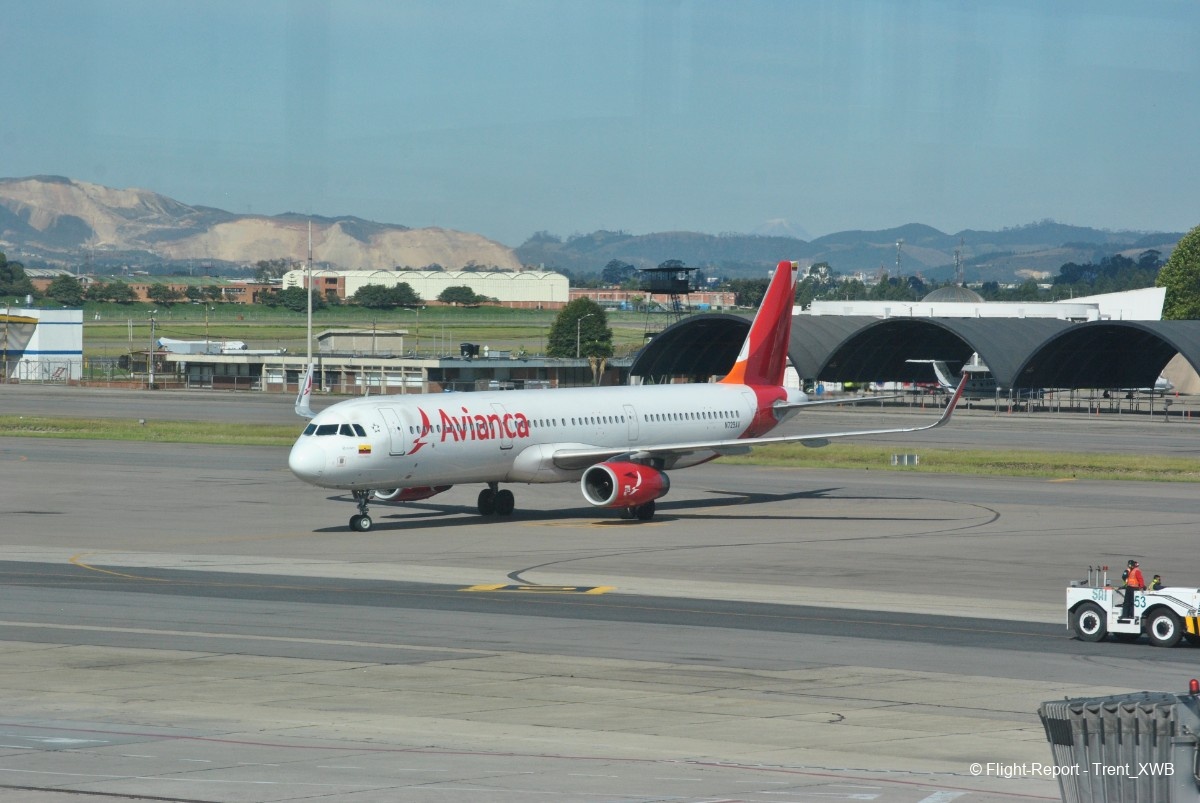
IAE-powered A321SL (N729AV) of AV. It was phased out in March 2020 and then in February 2024 joined the Global (an Iraqi airline).
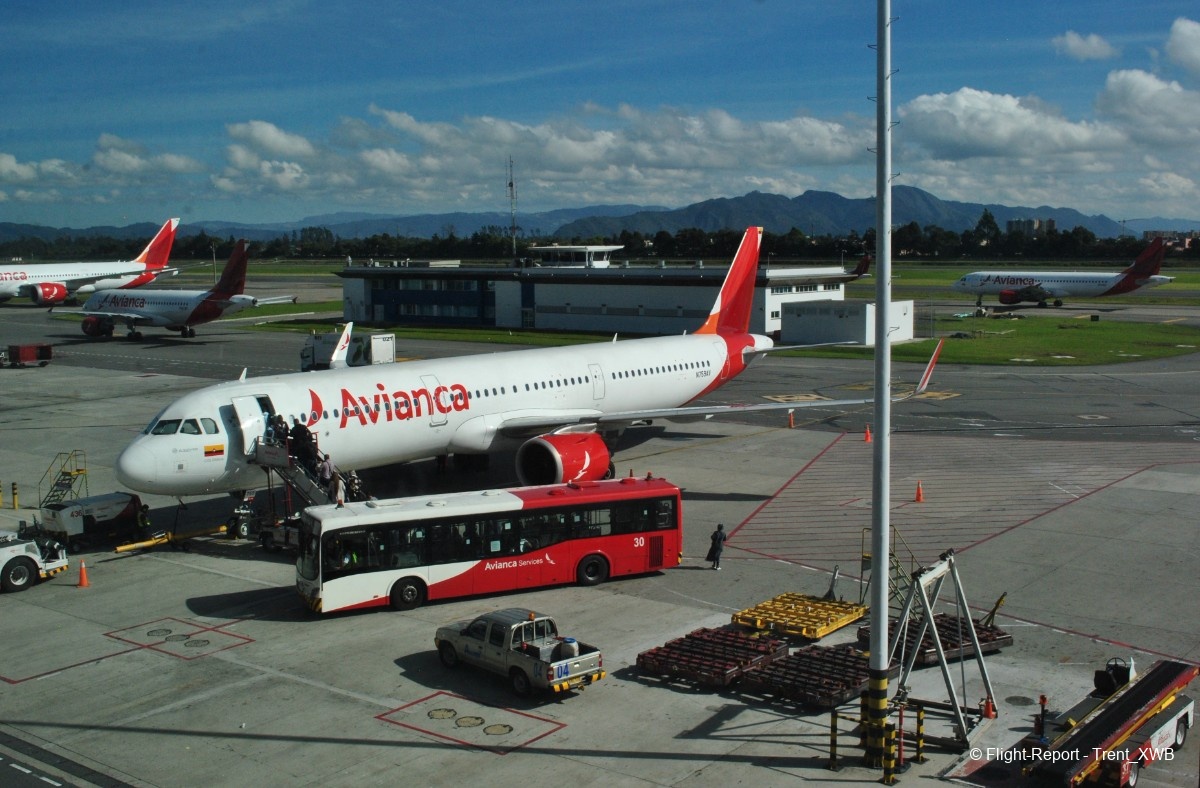
CFM-powered A21N (N759AV) with pre-ACF door config - the first (of just 2) AV A21Ns. N759AV was phased out in March 2020 and then in July 2022 joined SalamAir (an Omani ULCC), but from August 2025 is stored. Its sibling N761AV shared the same fate, but was stored even earlier - from February 2025.
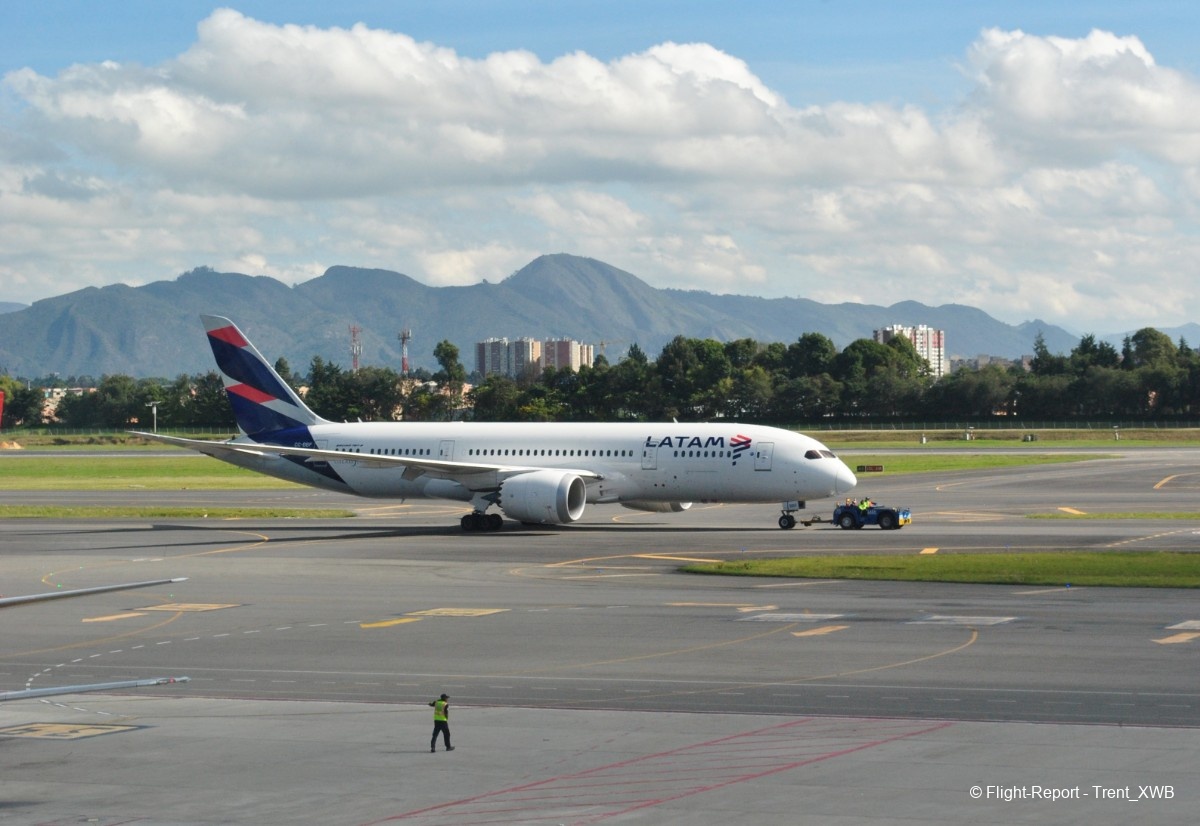
LATAM B788 (CC-BBF), having arrived from SCL. Currently it's the last LA B788, still retaining the old C30_Y217 layout with 2-2-2 business class, but with comfortable Collins Pinnacle economy seats (one can see how it looks like in my SCL-GRU FR), whereas all the other 9 LA B788s have already been reconfigured into the new C20_Y251 layout with 1-2-1 business class, but with uncomfortable Recaro CL3710 economy seats.
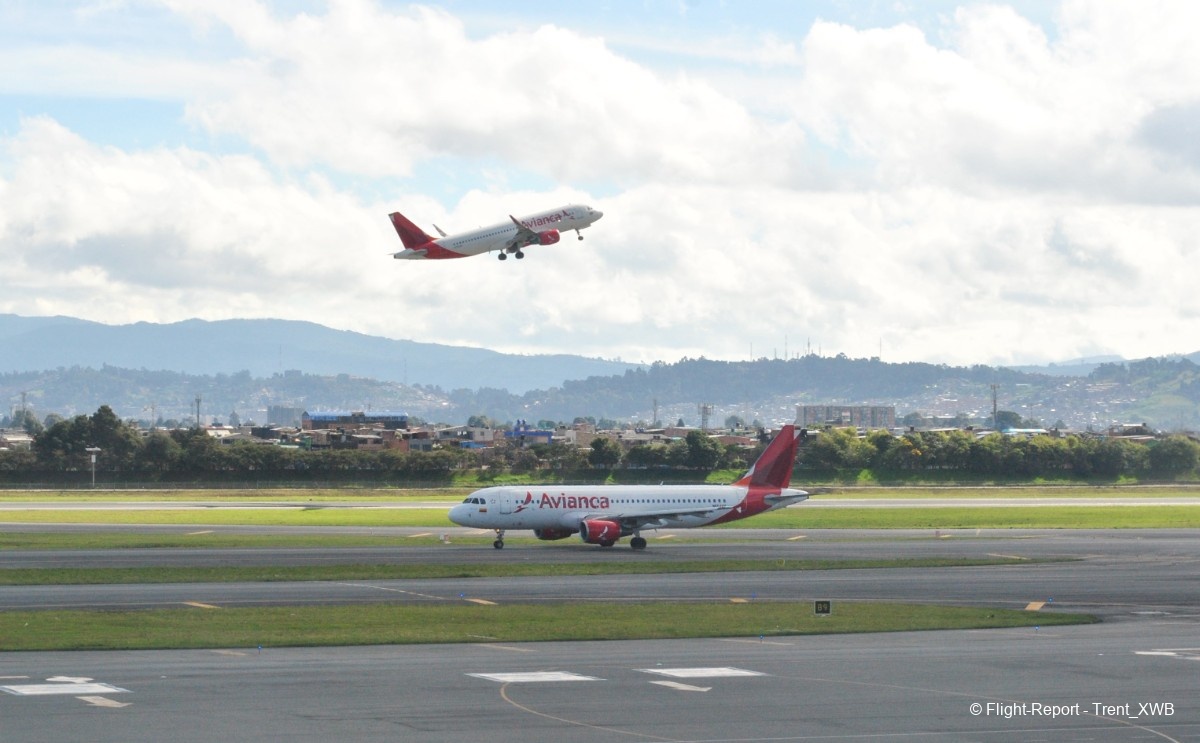
AV A320 taxiing and AV A320SL taking off.
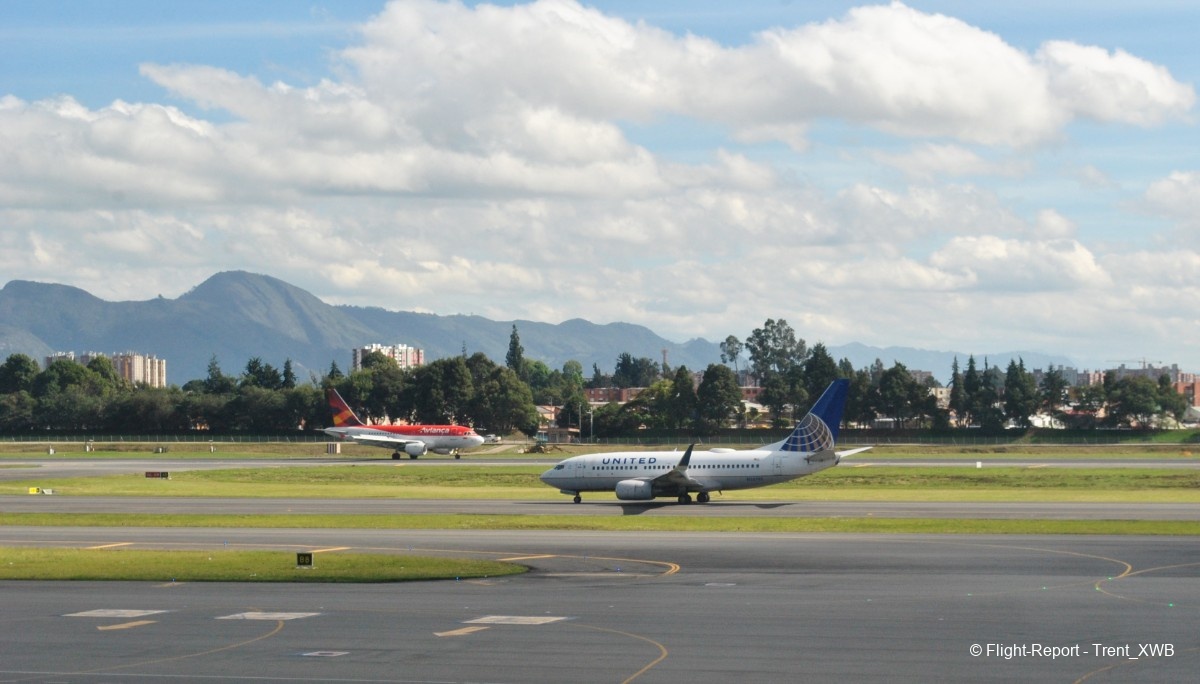
An UA B737 and an AV A318.
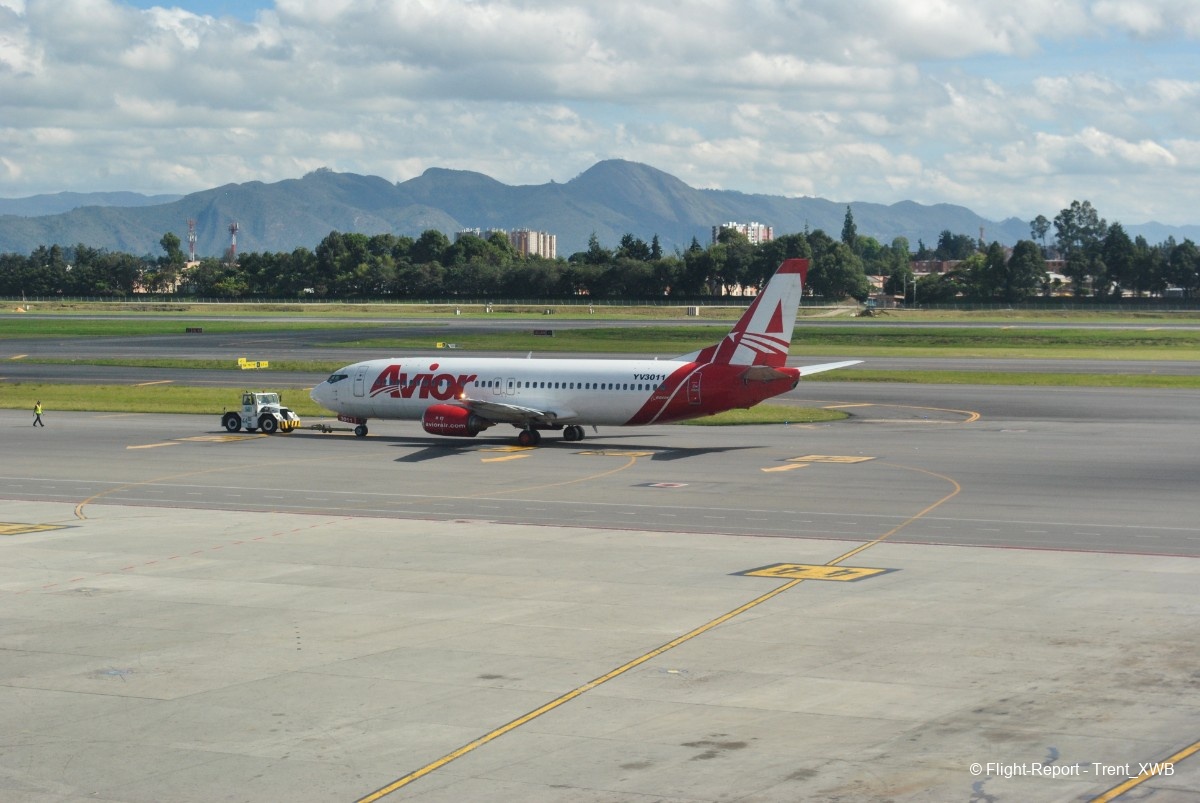
1989-built B734 (YV3011) of Avior. This aircraft is stored since September 2024.
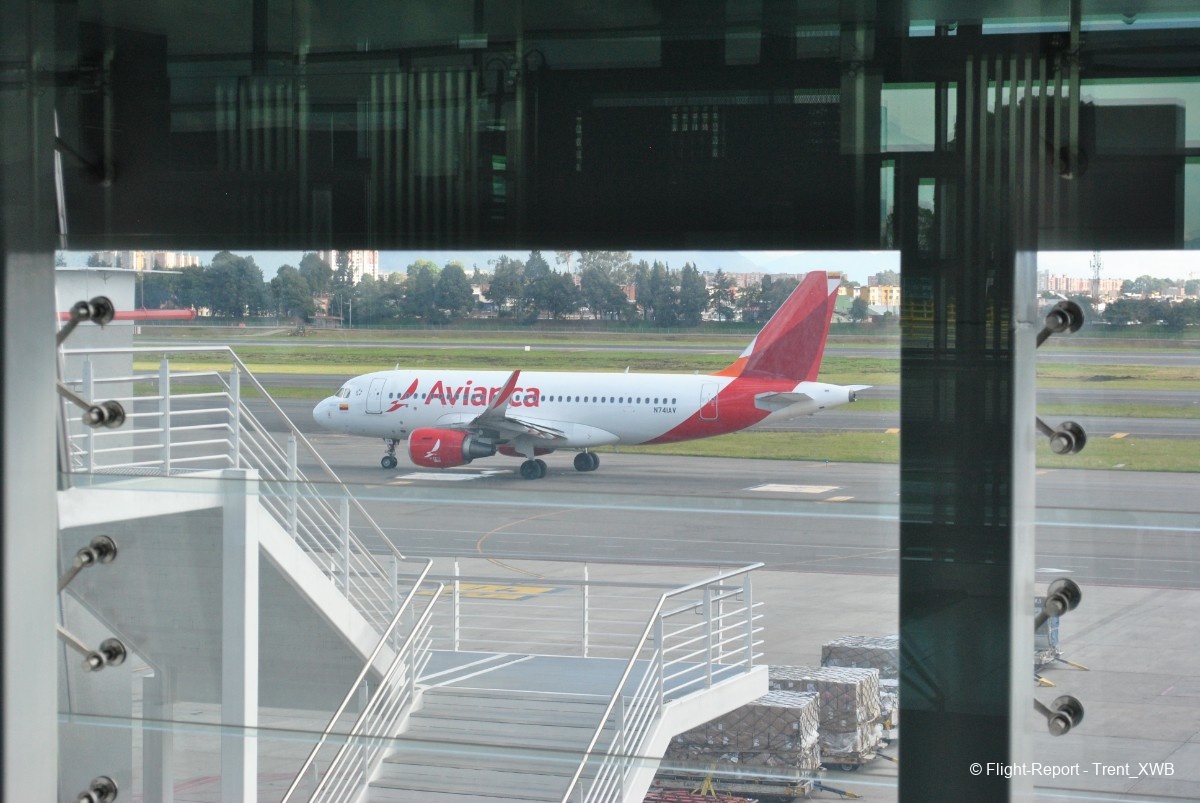
AV A319SL (N741AV). In December 2021 it was transferred to AV Ecuador. Currently it's the last narrowbody Airbus of Avianca Group, still featuring the excellent pre-Covid business and economy cabins, similar to the ones in A321SL (N746AV) which flew me CTG-BOG.
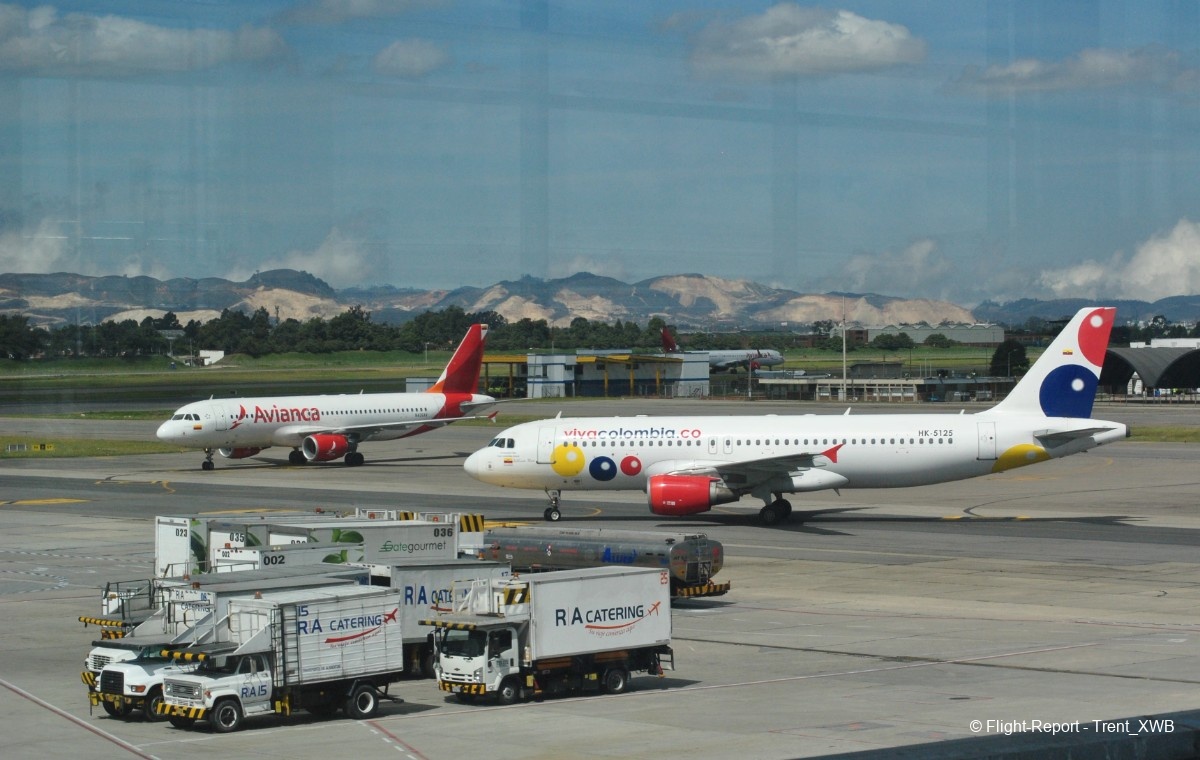
A320 (HK-5125) of now-defunct Viva Air Colombia and A320 (N426AV) of Avianca. HK-5125 was phased out in March 2021 and scrapped.
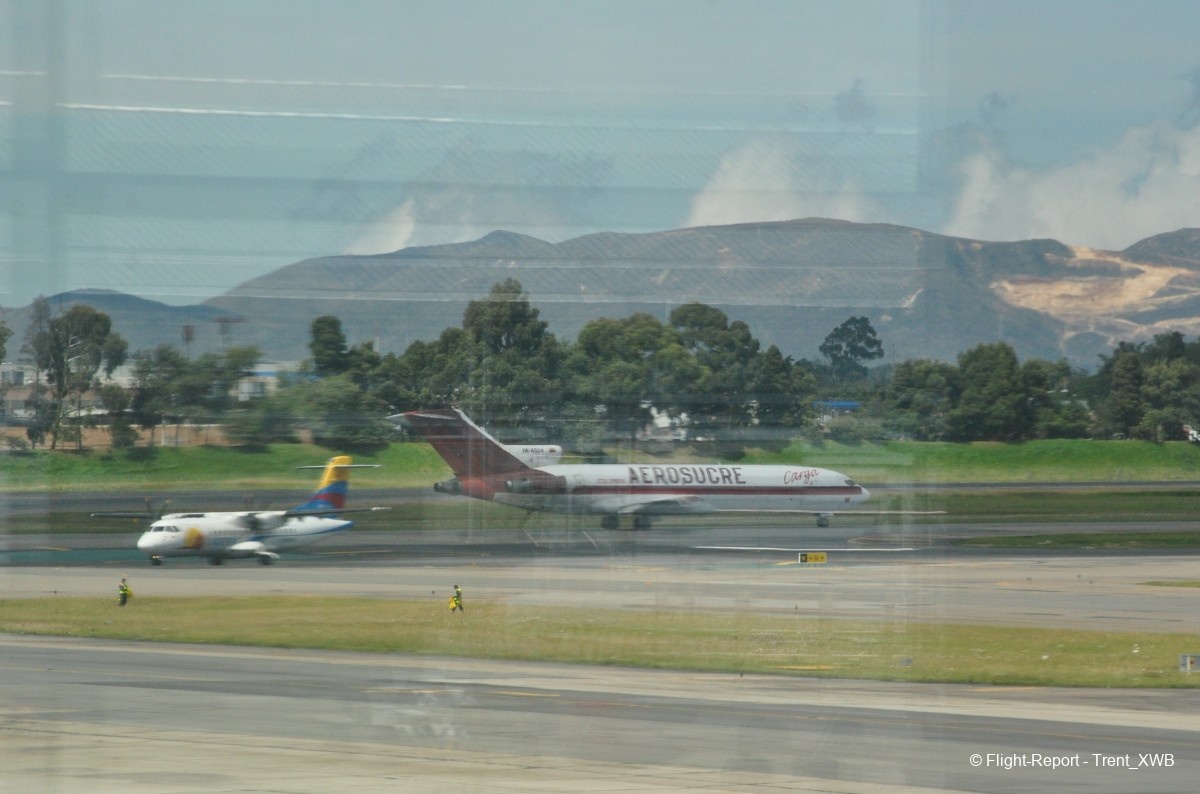
B722F (HK-4504) of Aerosucre.
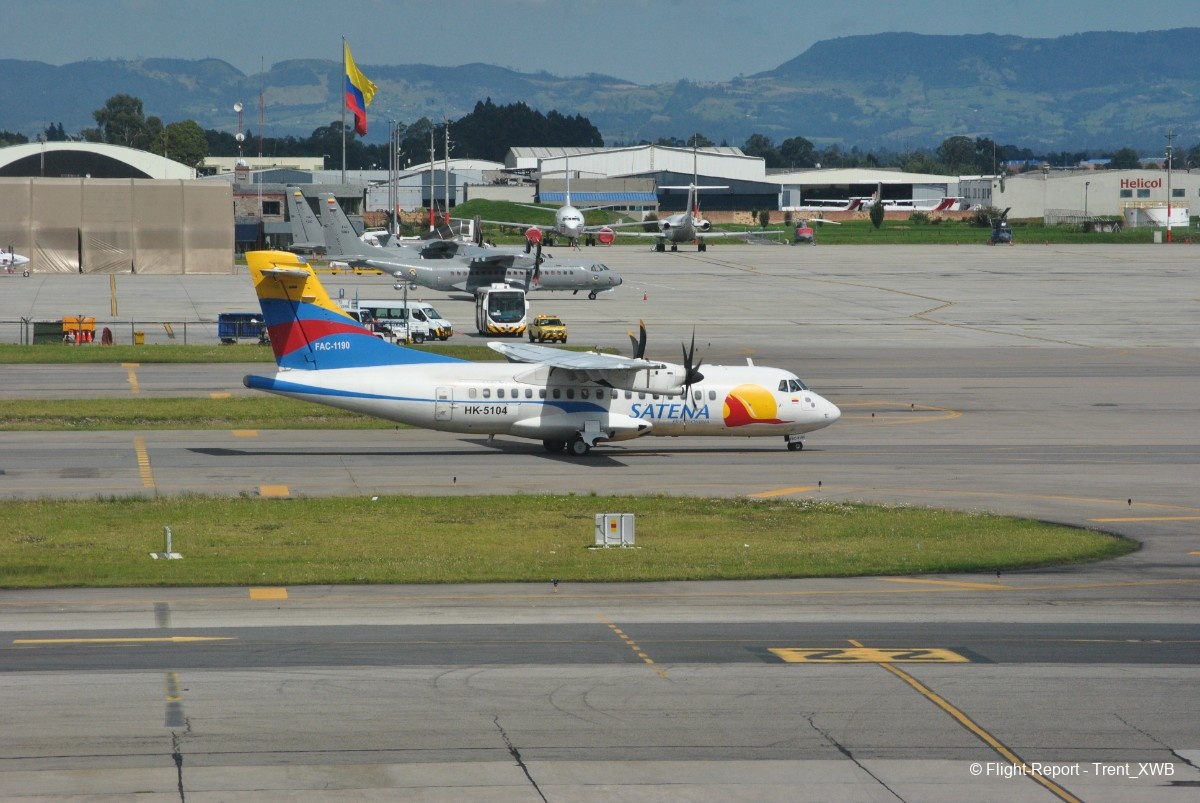
AT45 (HK-5104) of SATENA and a couple of military CASA C-295Ms of Fuerza Aerea Colombiana.
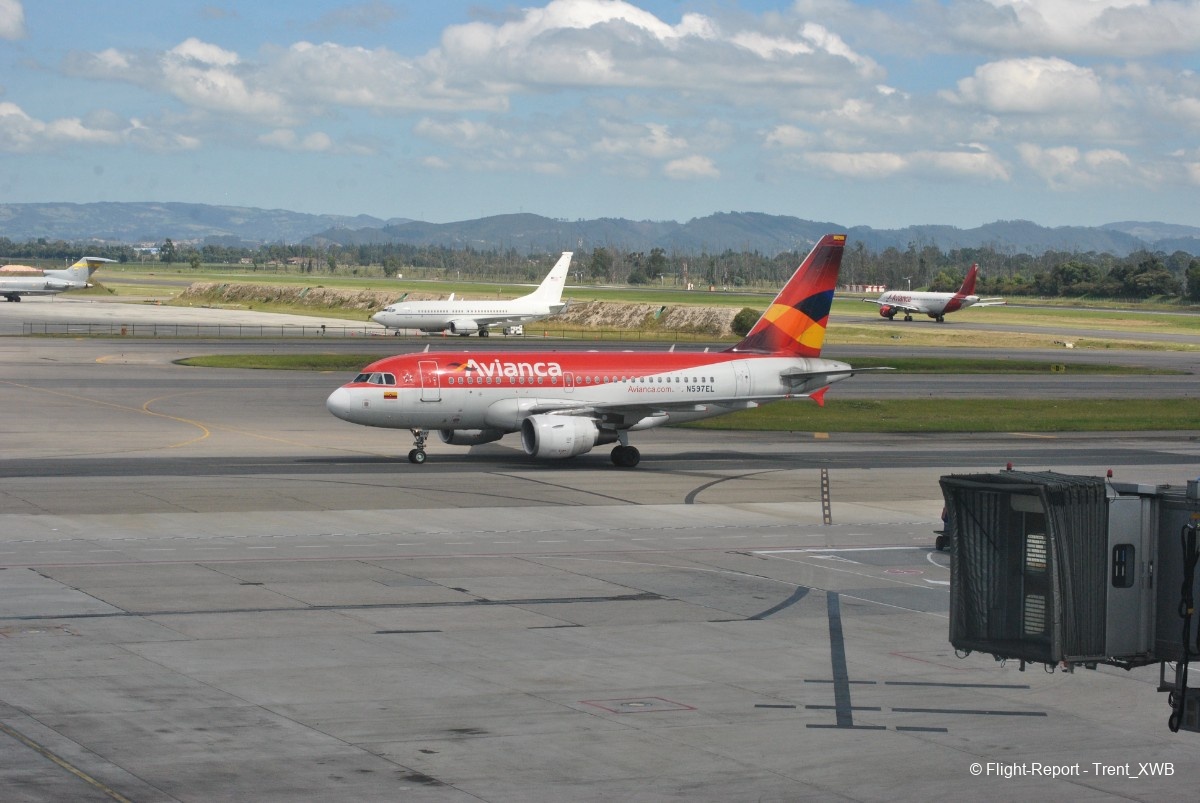
AV A318 (N597EL). It was phased out in December 2019 and scrapped in 2021.
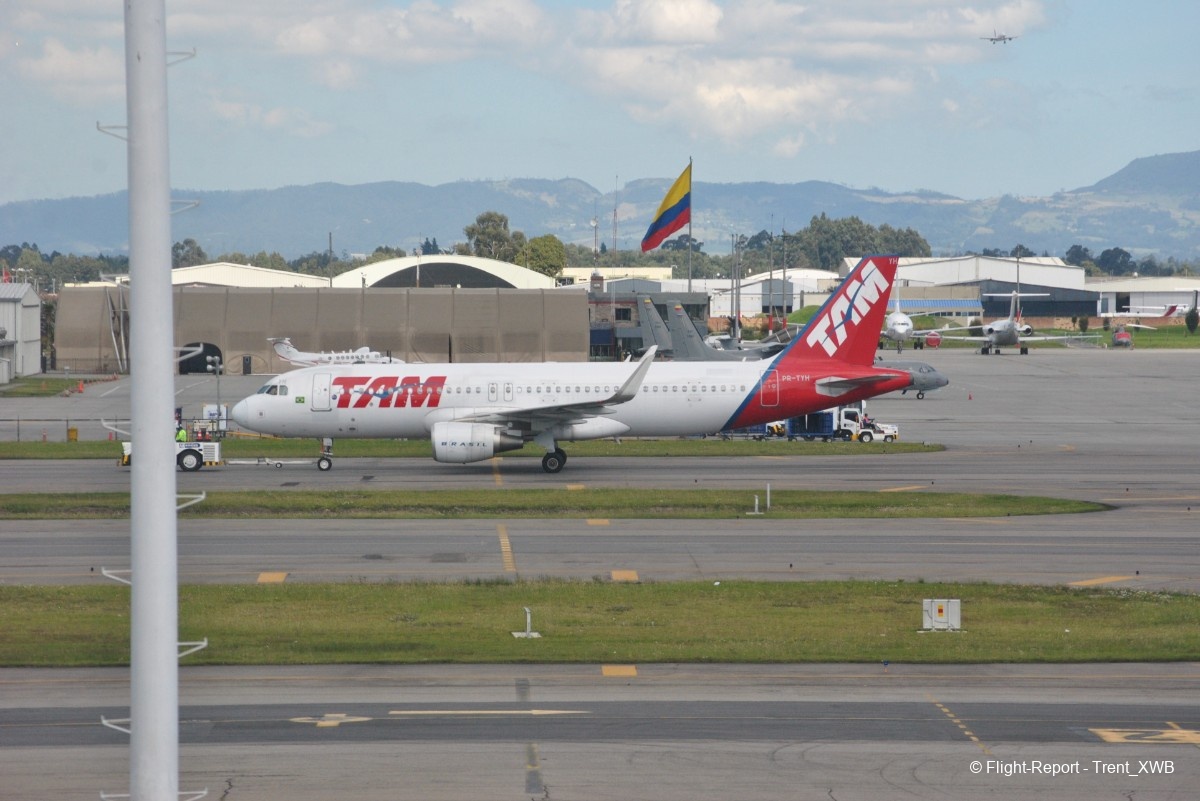
A320SL (PR-TYH) of LATAM Brasil in the old TAM livery back then.
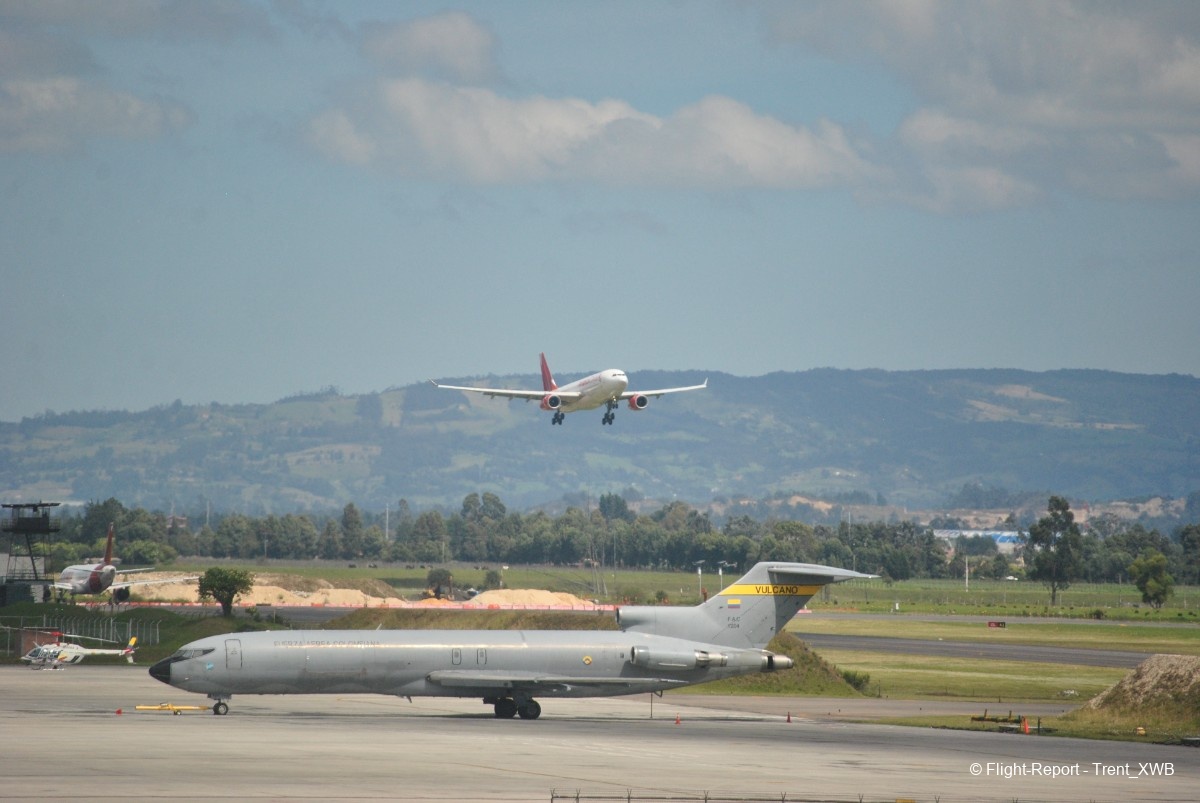
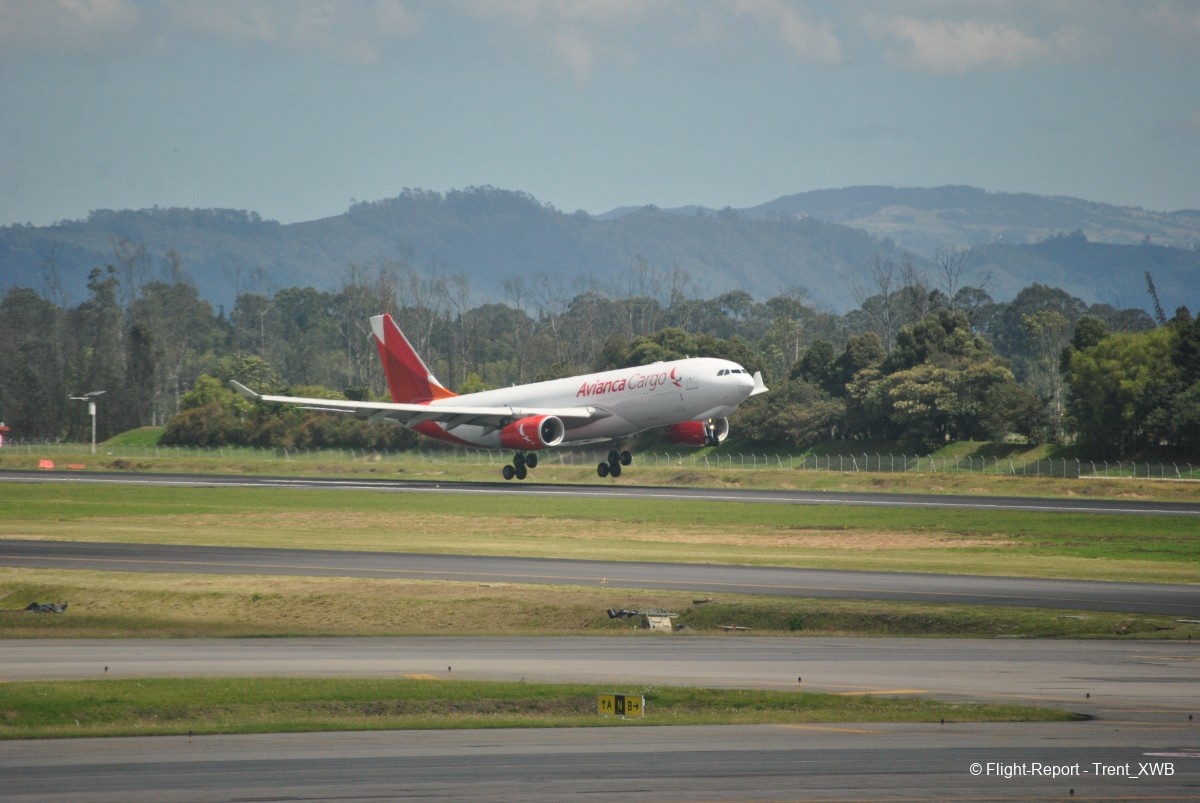
Military B722 of Fuerza Aerea Colombiana and AV Cargo A332F (N334QT) landing.
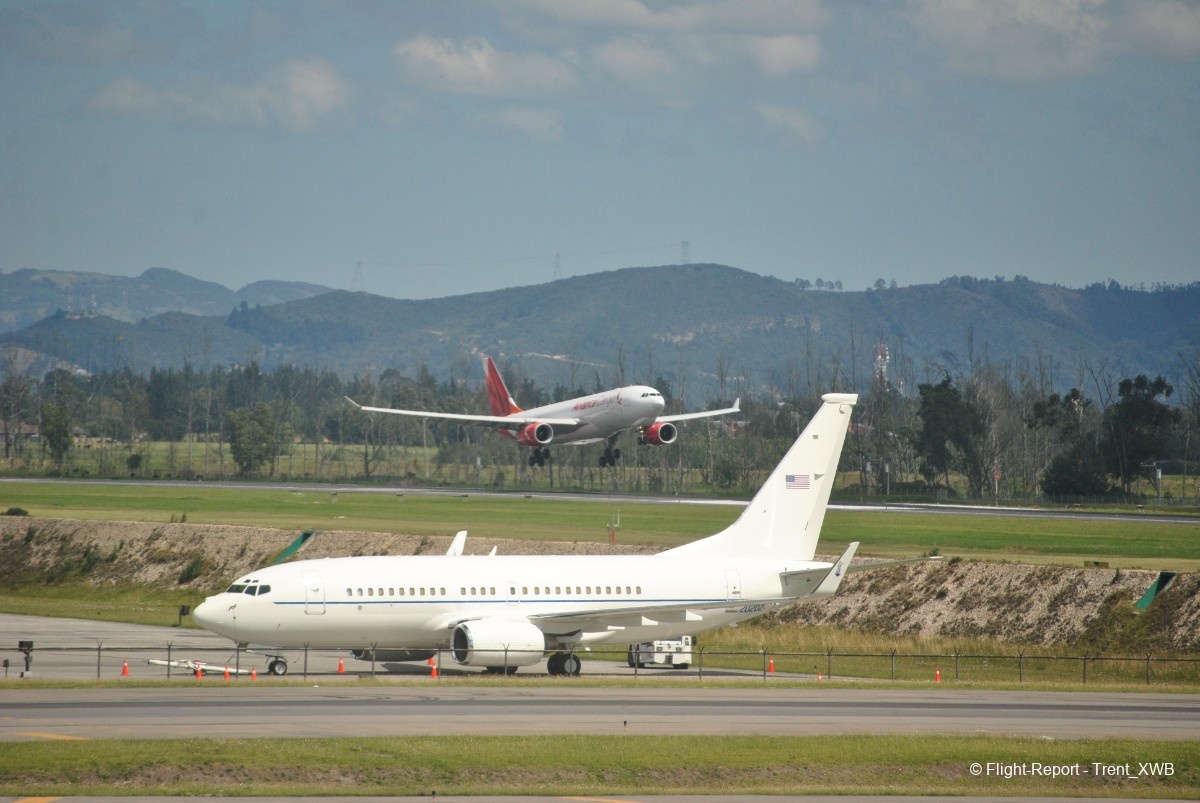
B737 of USAF and AV Cargo A332F (N334QT) landing.
AV Cargo A332F (N334QT) milliseconds before the touchdown. Note the tilt angle of MLG.
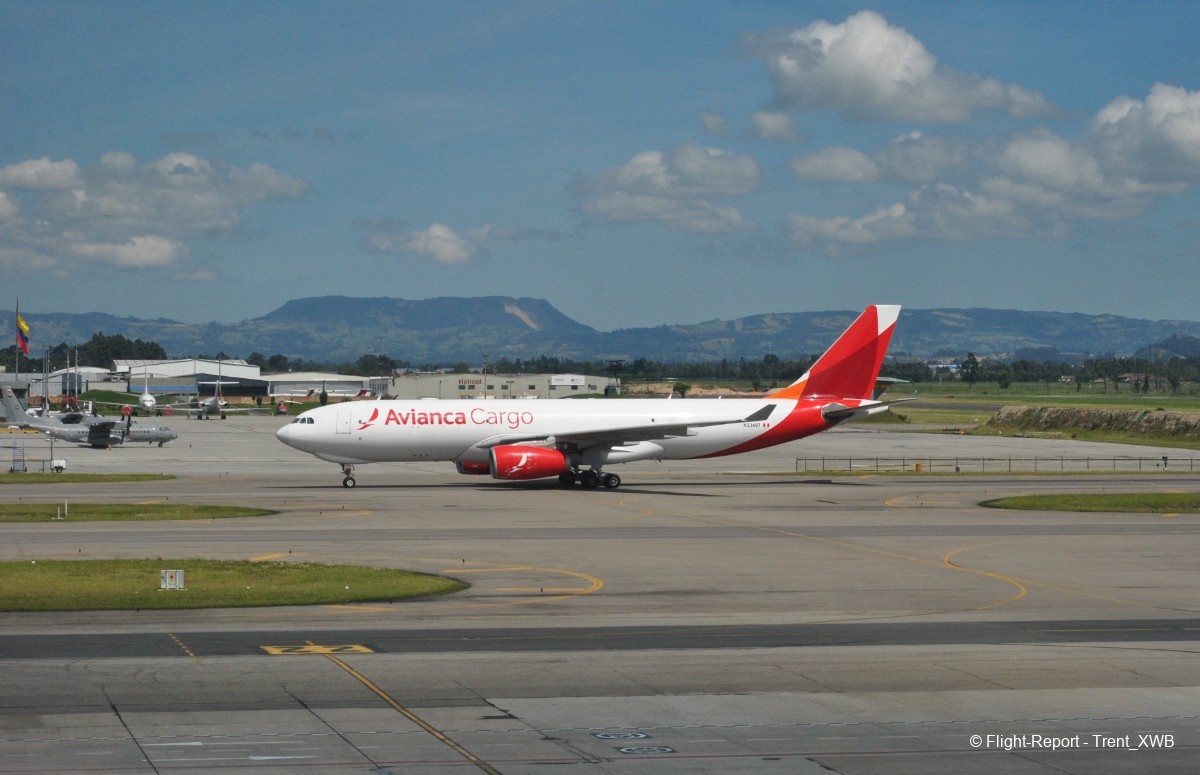
N334QT taxiing.
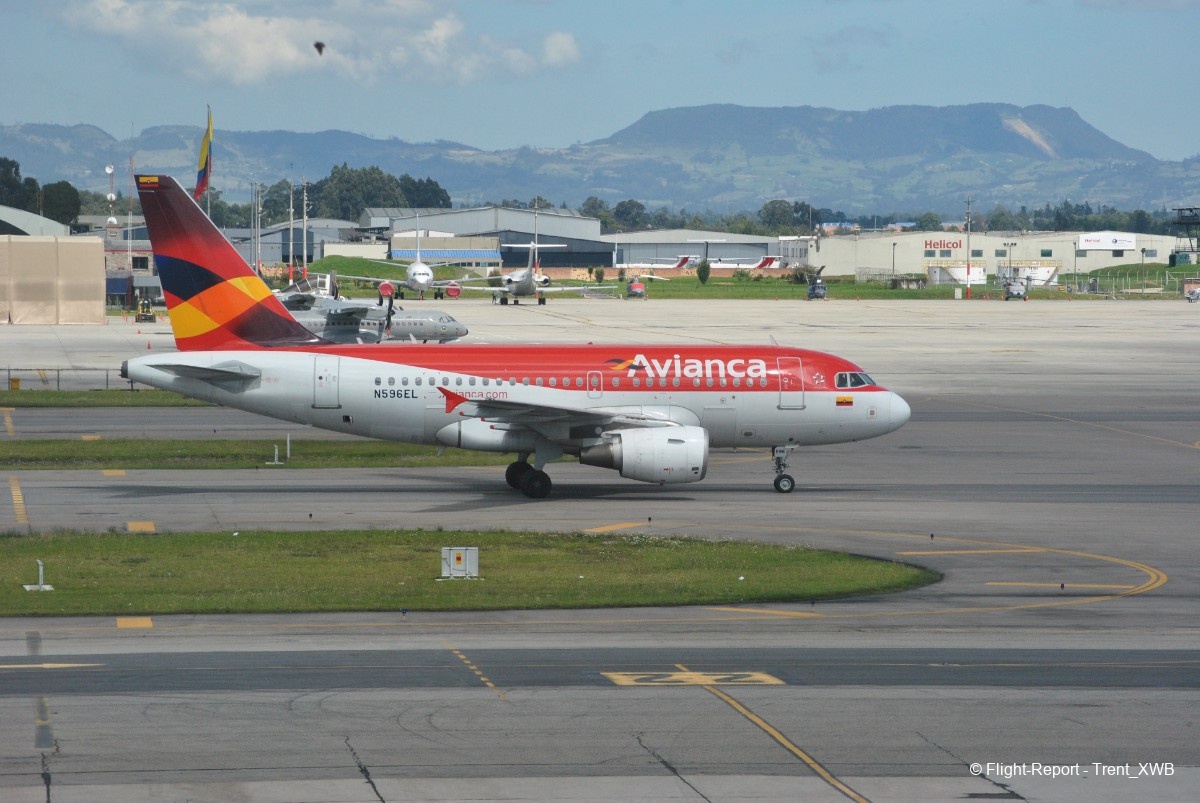
AV A318 (N596EL). It was phased out in November 2019 and scrapped in 2020.
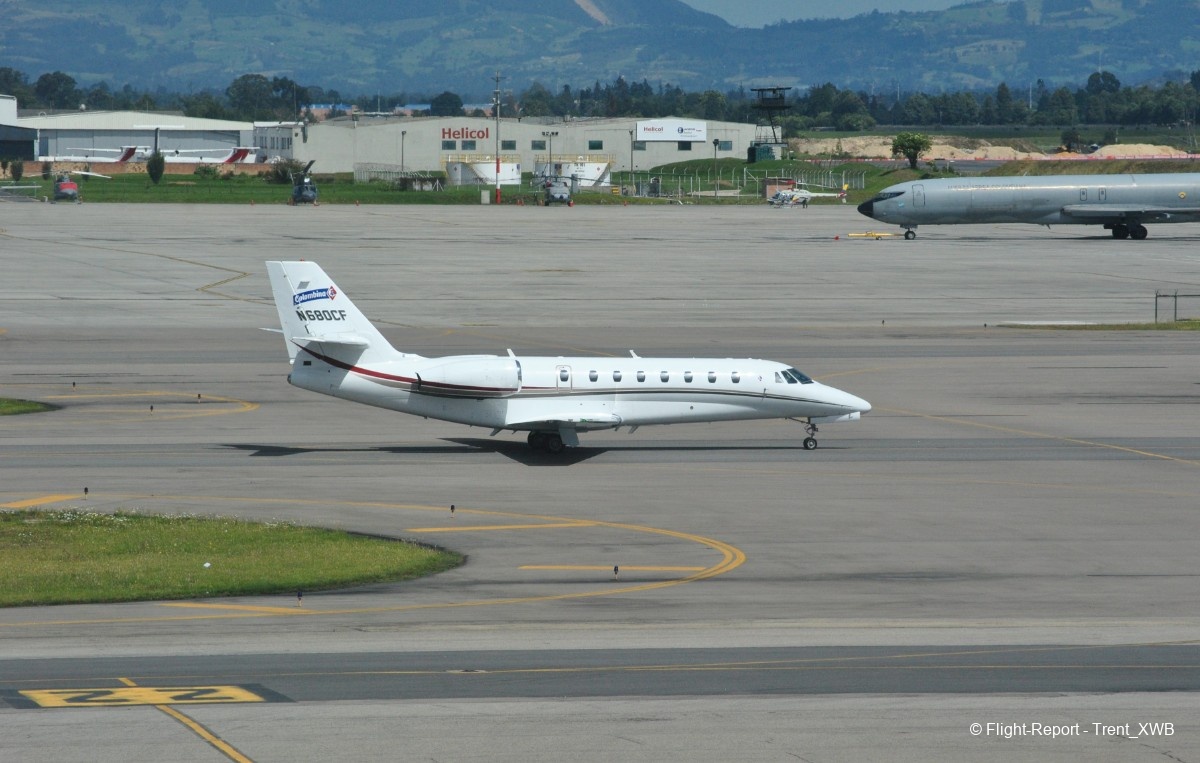
A private Cessna 680 Citation Sovereign (N680CF).
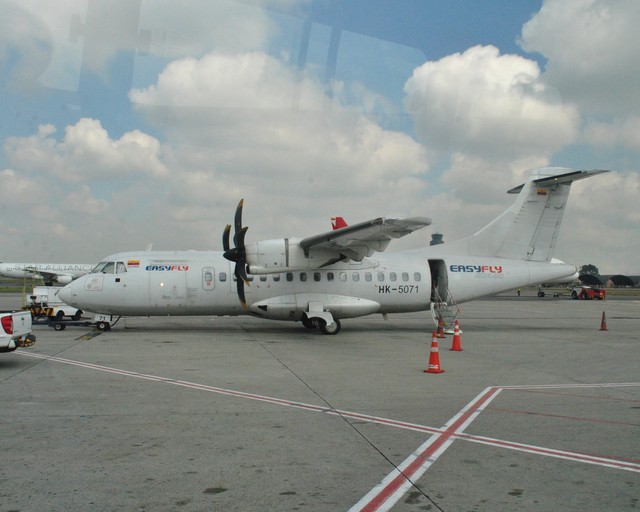
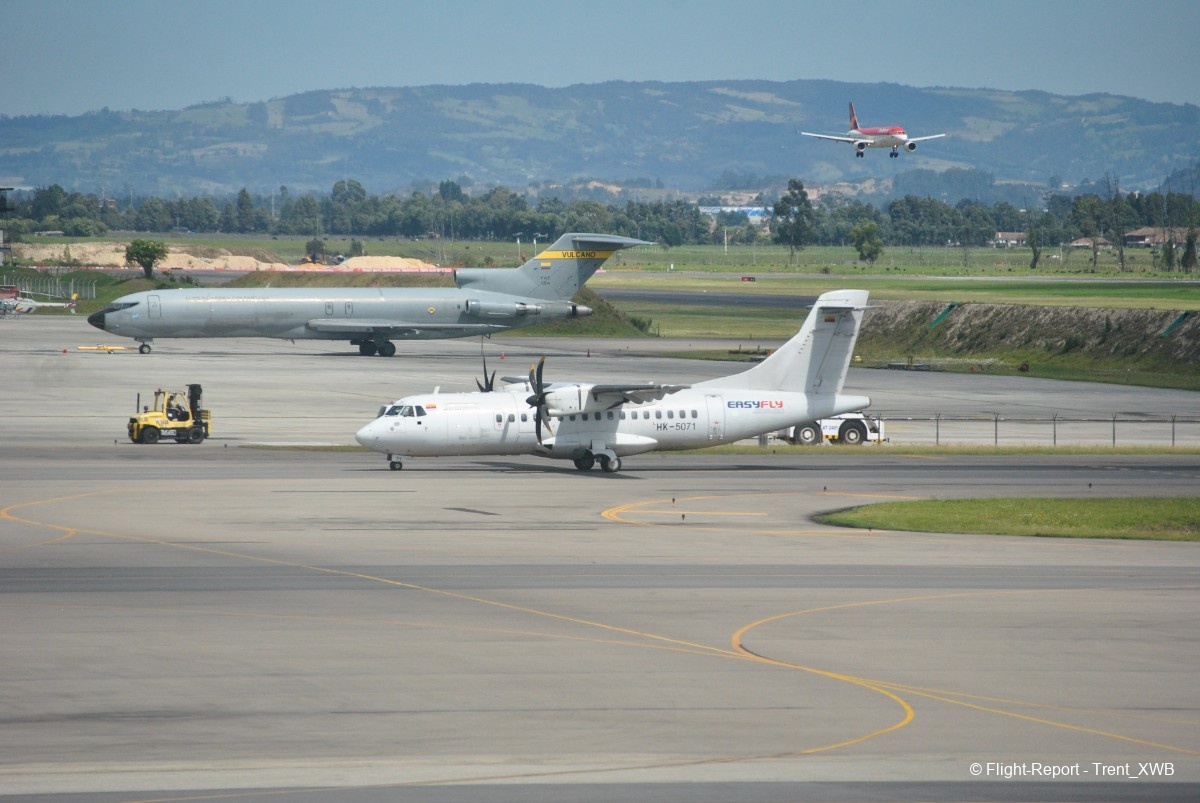
EasyFly AT45 (HK-5071) that flew me BOG-PEI 12 days before, and the military B722.
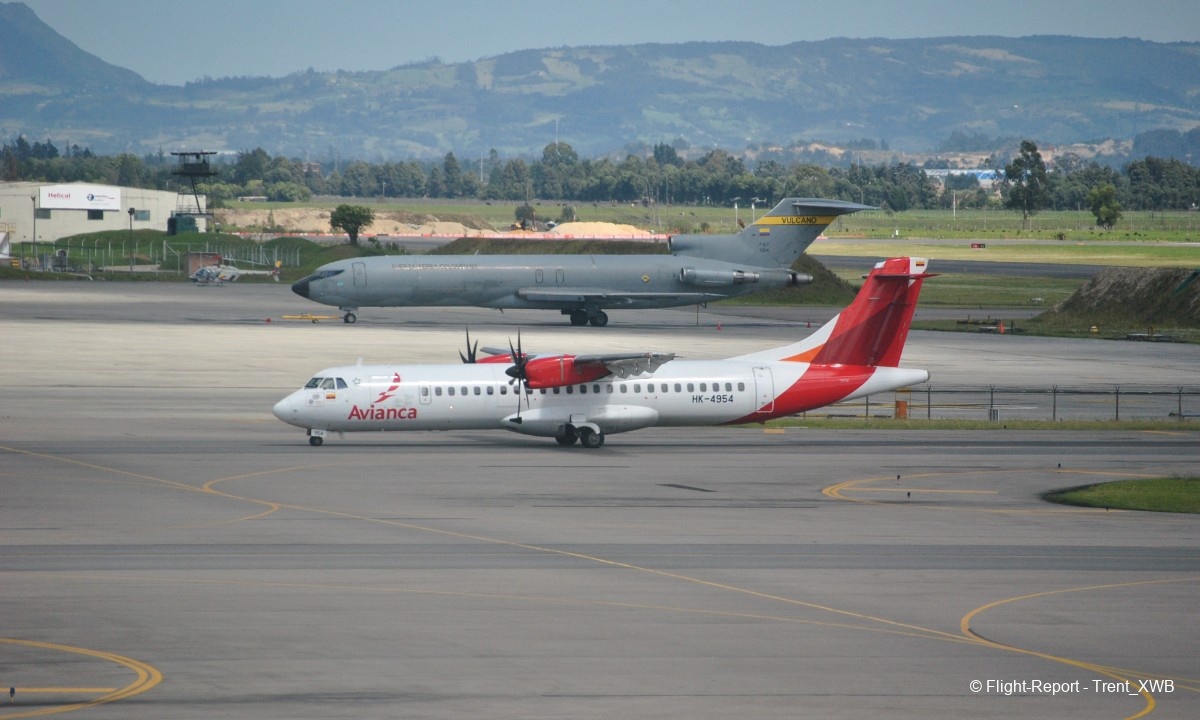
AV Express AT76 (HK-4954). It was phased out in late April 2022 and in September 2023 joined Silver Airways fleet, but is stored since June 2025.
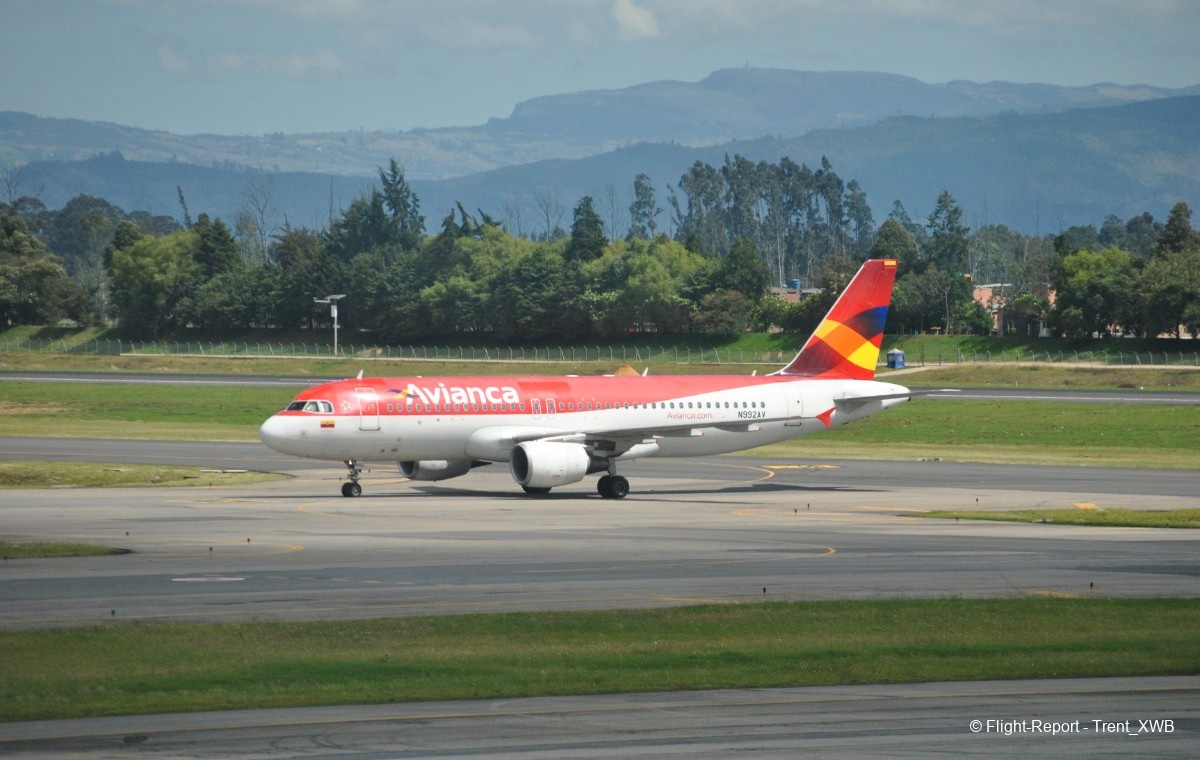
AV A320 (N992AV) in the old "juicy" livery back then.
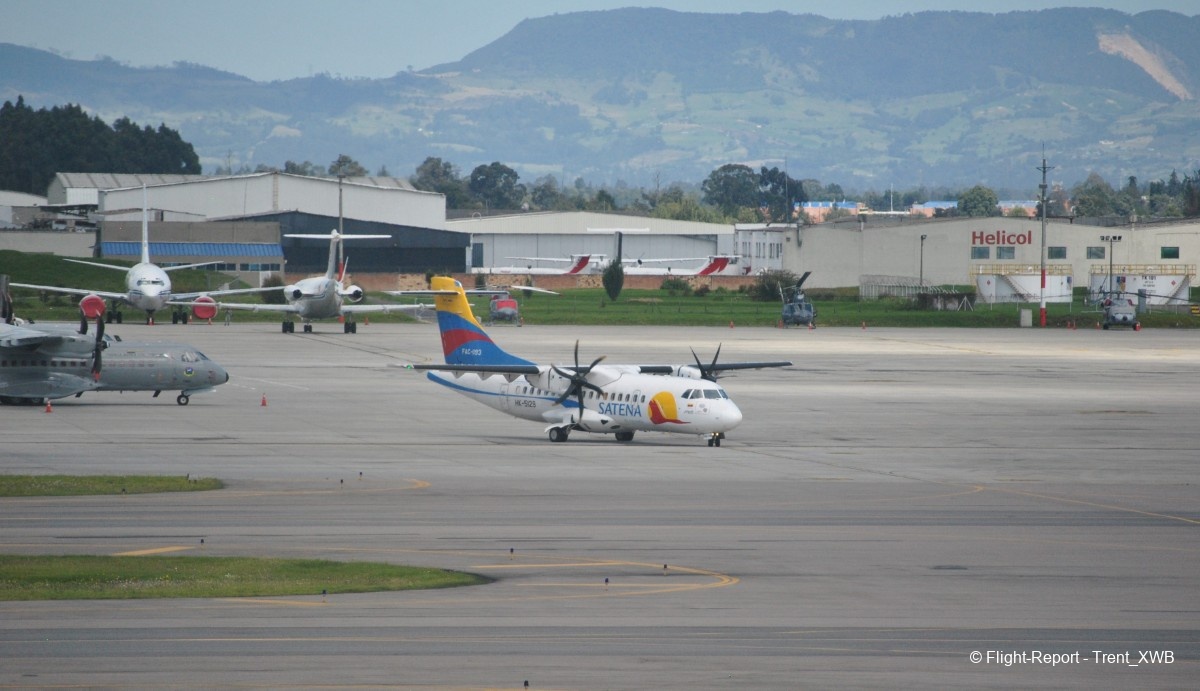
AT46 (HK-5129) of SATENA.
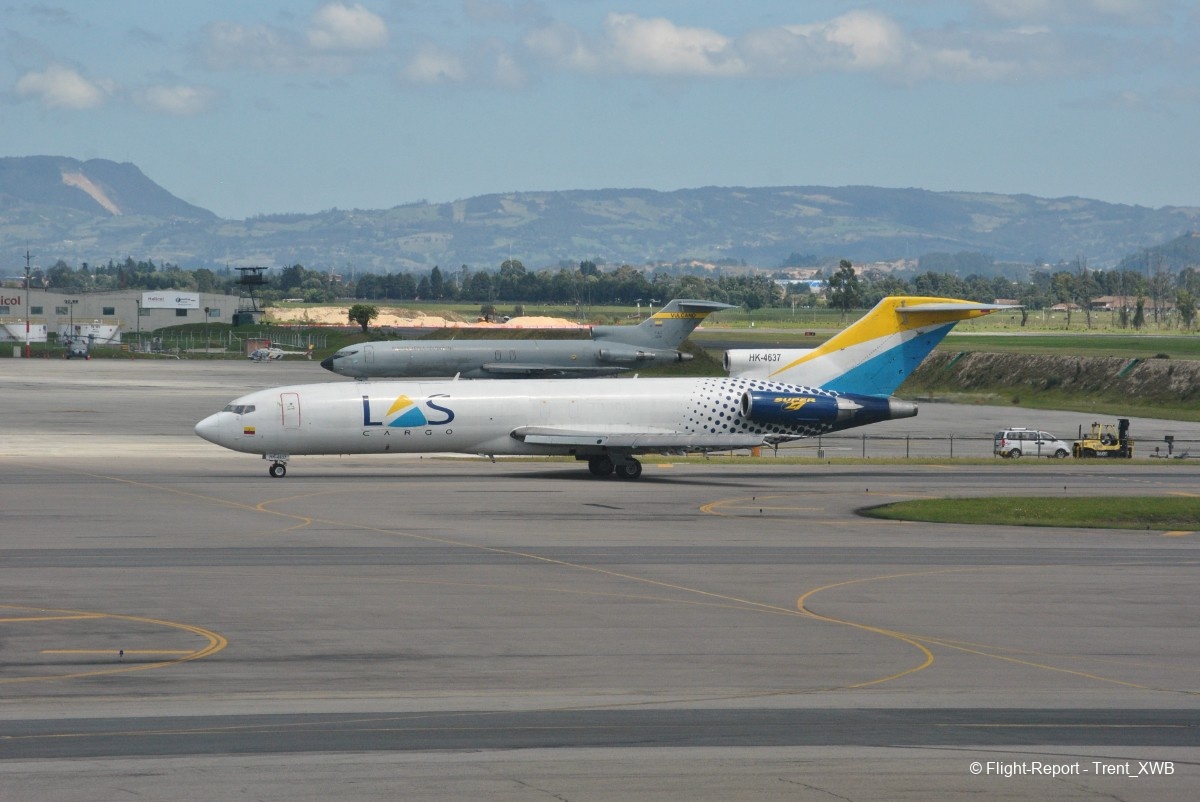
B722F (HK-4637) of LAS Cargo and the military B722.
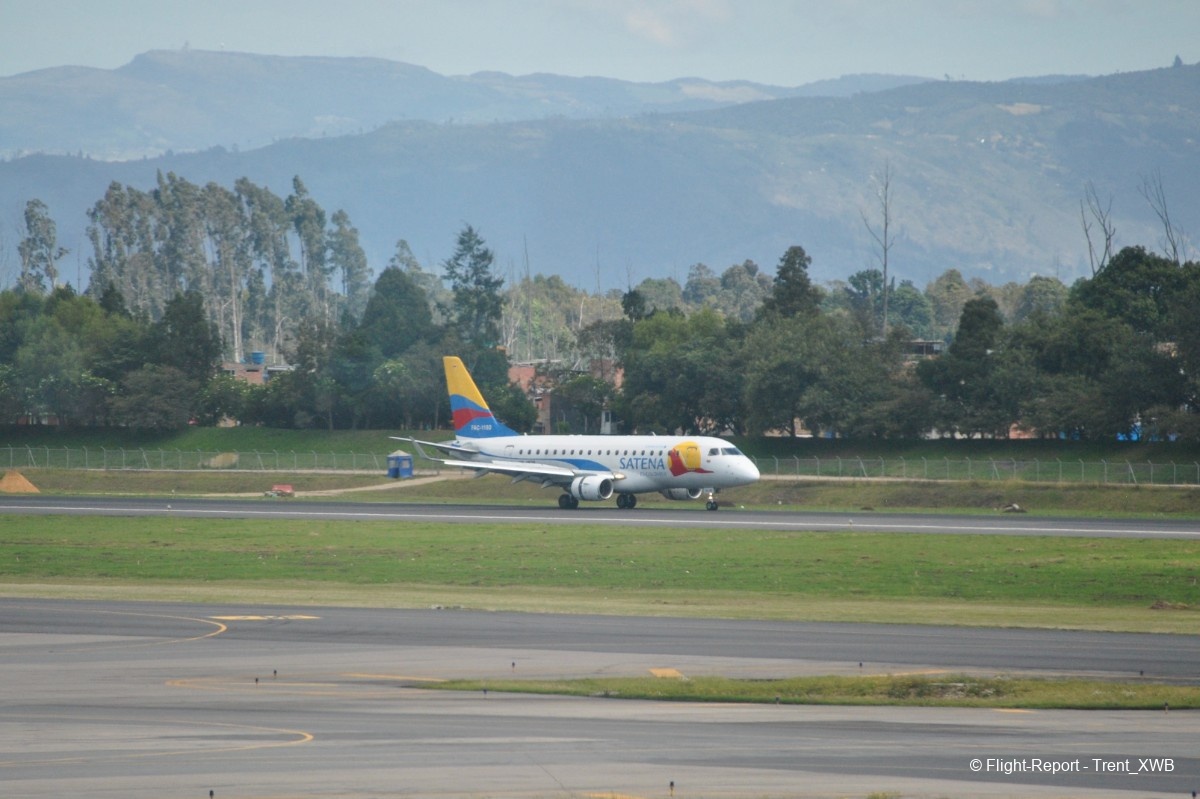
E170 (HK-4528) of SATENA. It was phased out in February 2020 (shortly before the pandemic) and scrapped in 2022.
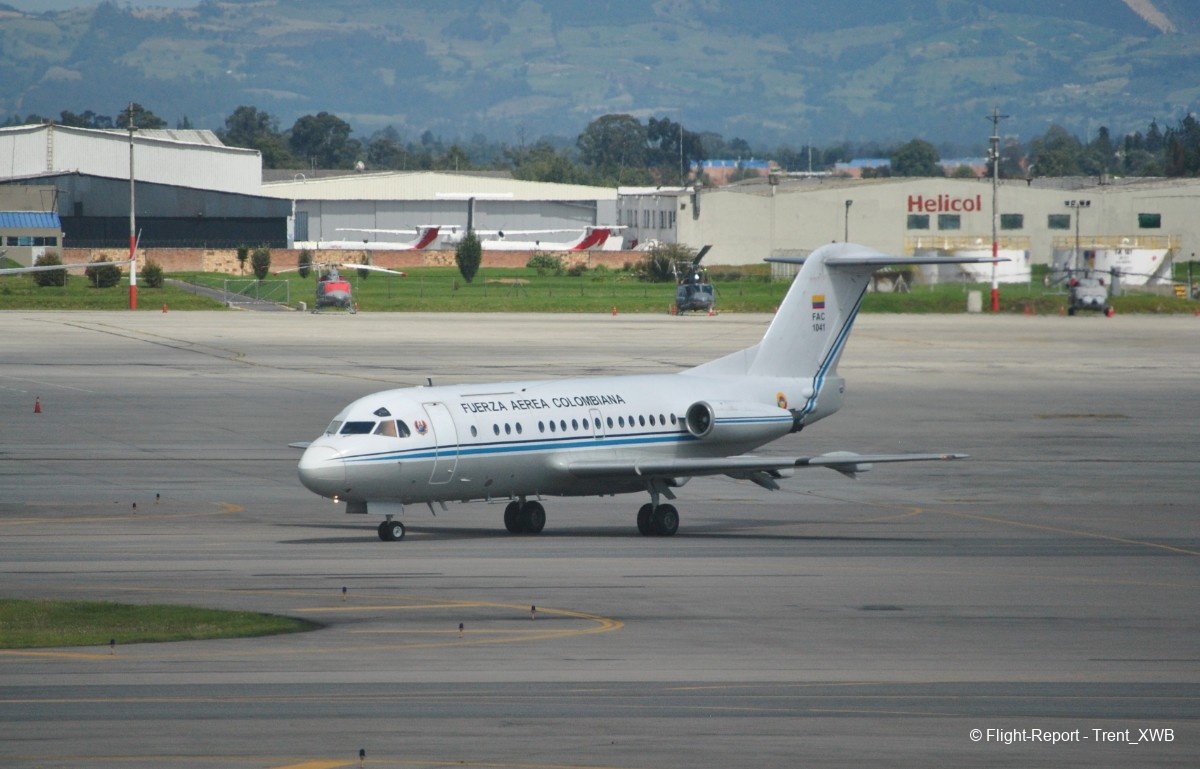
Fokker F-28 Fellowship of Fuerza Aerea Colombiana.
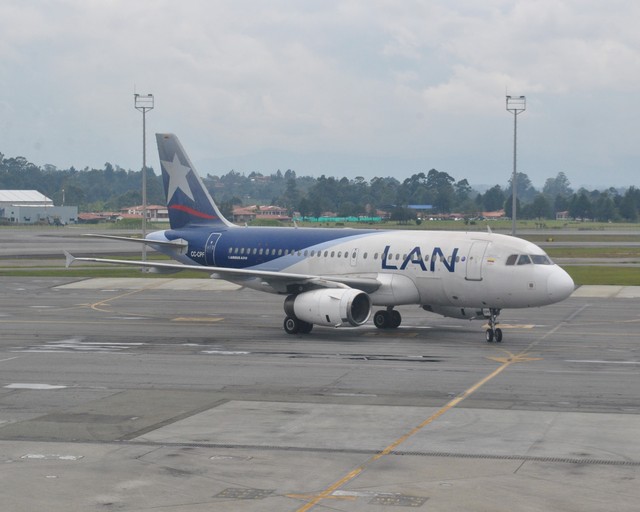
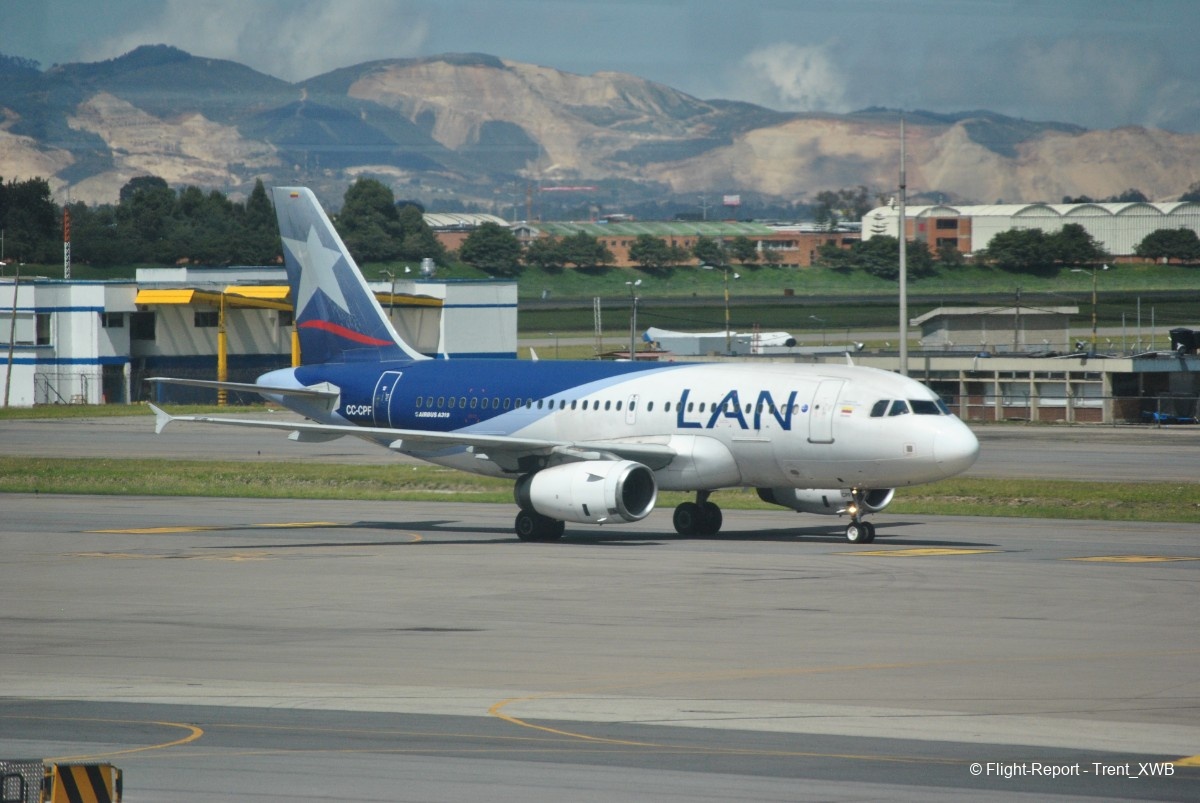
LATAM A319 (CC-CPF), which flew me MDE-SMR 5 days before.
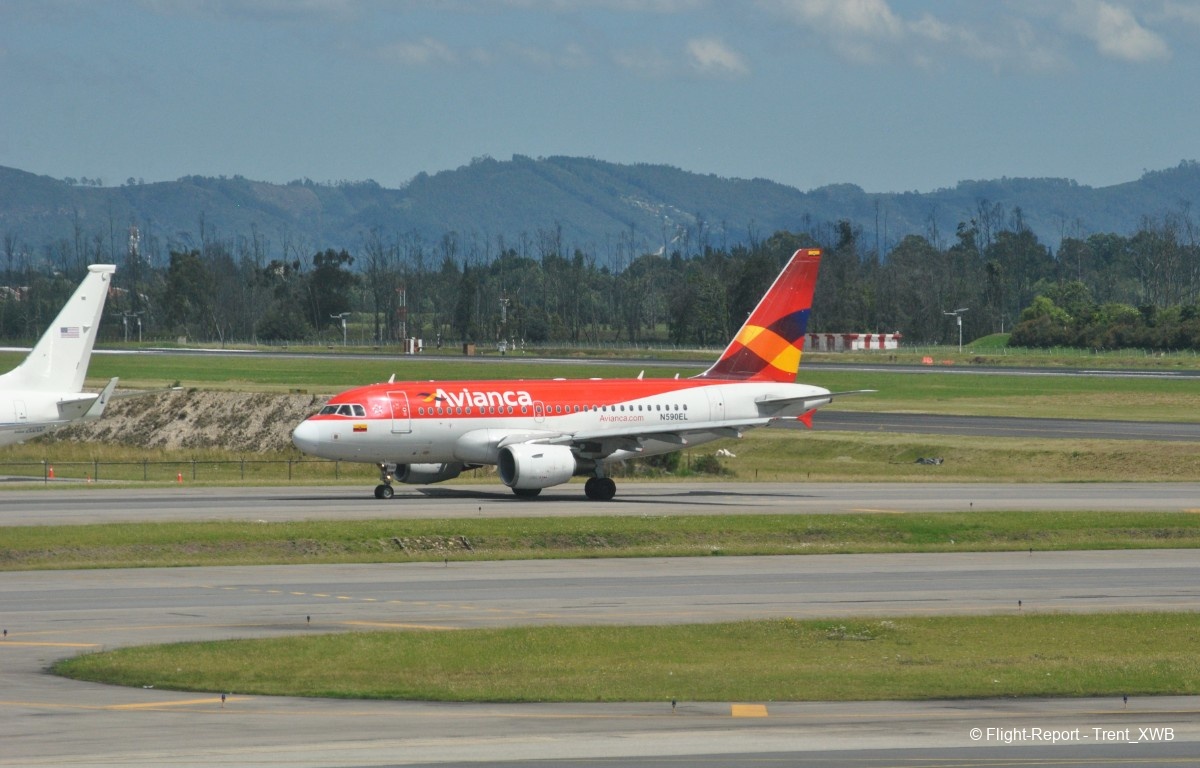
AV A318 (N590EL). It was phased out in November 2019 and scrapped in 2021.
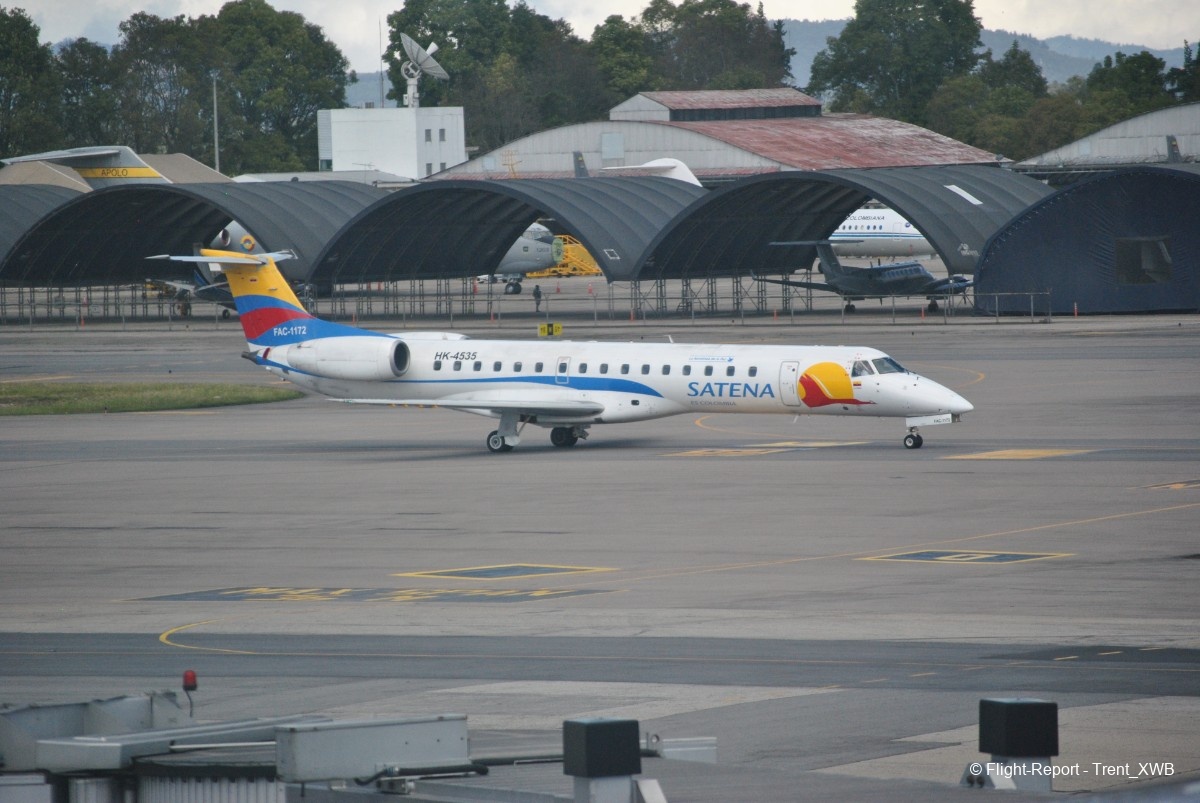
E145 (HK-4535) of SATENA. This airline plans to phase out soon all its E145s (2 units) in favor of turboprops.
A321SL (N746AV) of AV, which flew me CTG-BOG half-day before. It was nice to see this aircraft again before leaving Colombia. On the backdrop one can see the active convective processes in the atmosphere, which start in late morning and result in some impressive huge clouds after midday.
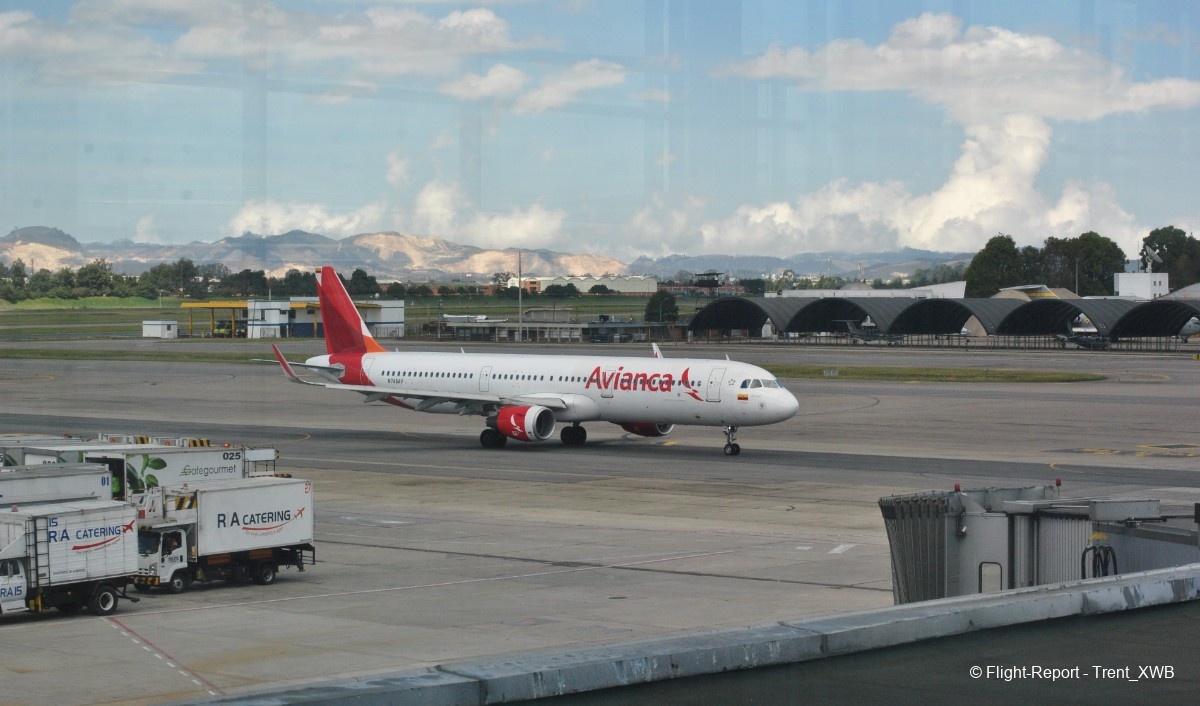
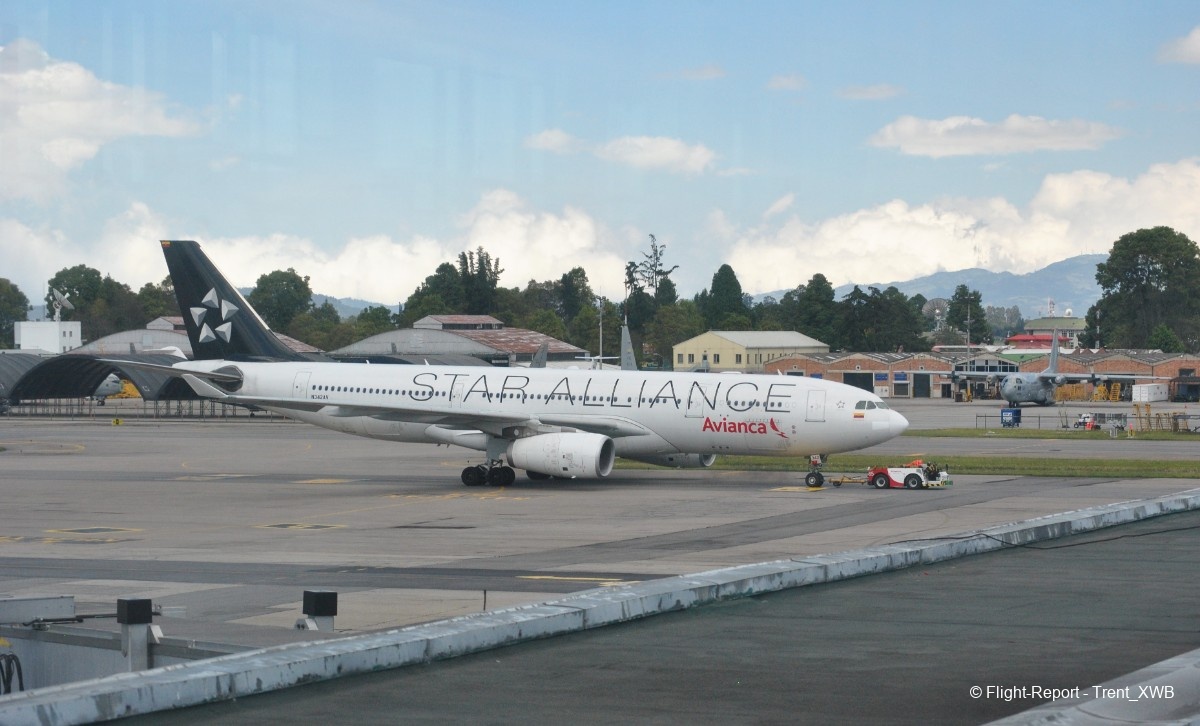
AV A332 (N342AV) in the Star Alliance livery. It was withdrawn from passenger service in late August 2022, converted to freighter in 2023-2025 and joined AV Cargo fleet in September 2025.
And here, with 2-hours delay, comes my aircraft - 2005-built TC-JNA, the very first A332 in TK fleet.
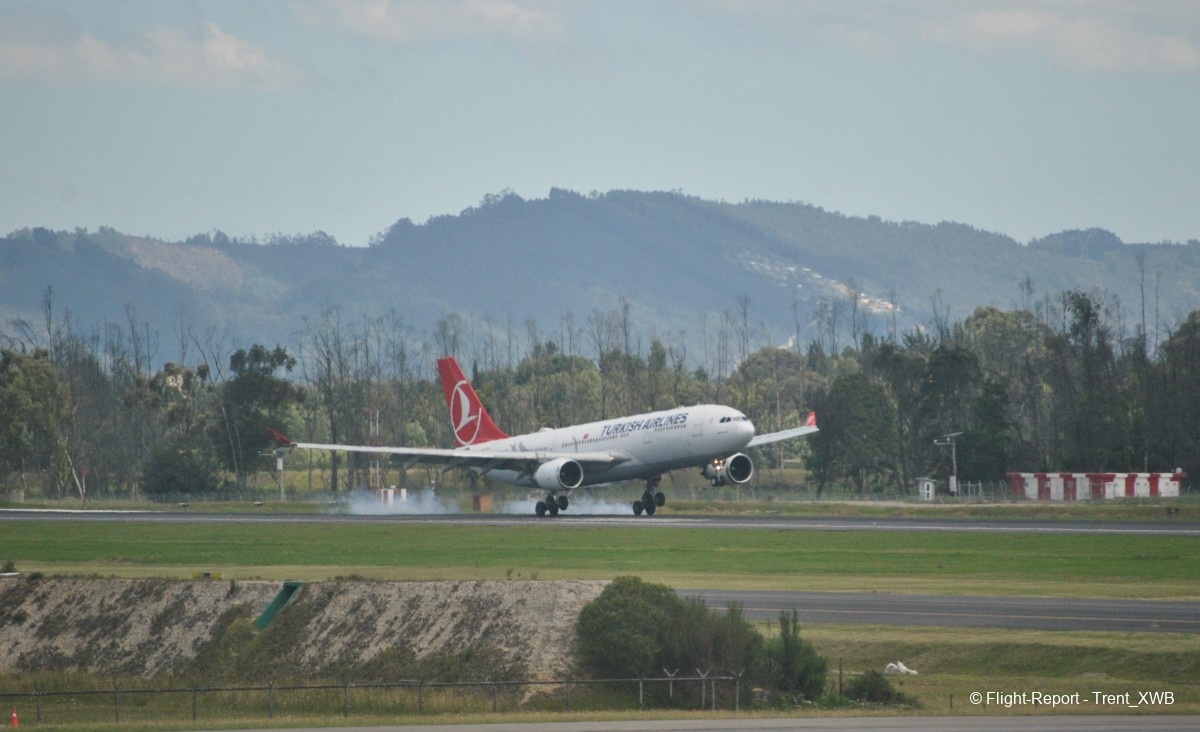
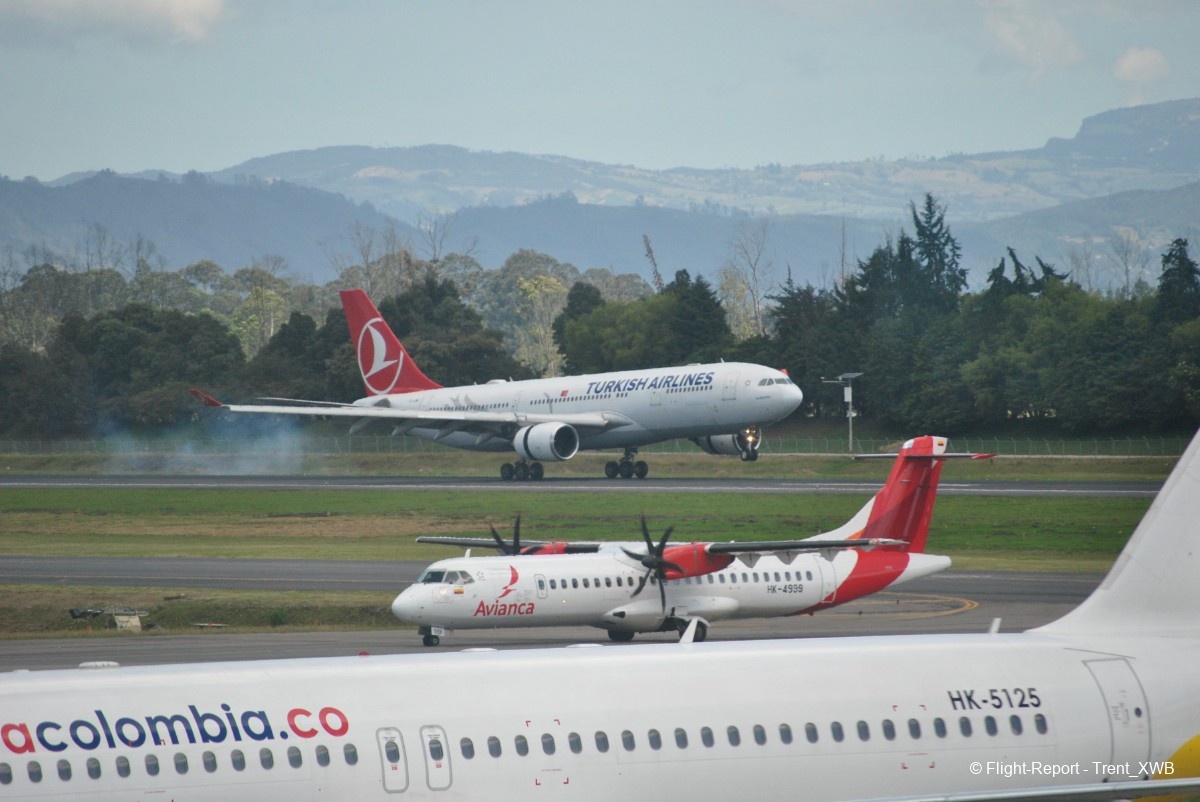
TC-JNA and AT76 (HK-4999) of AV Express. HK-4999 was phased out in late August 2021 and joined Loganair fleet in late October 2025.
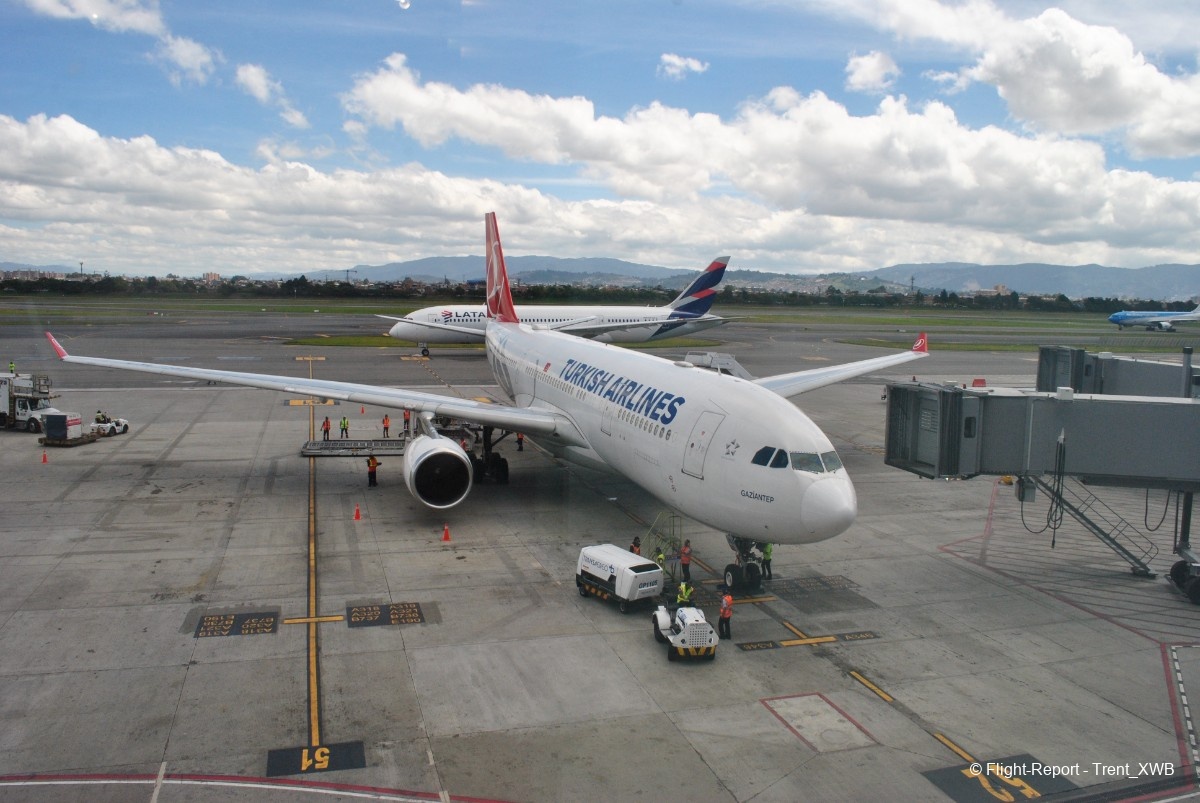
TC-JNA at the gate with LA B788 (CC-BBF) departing for SCL on the backdrop.
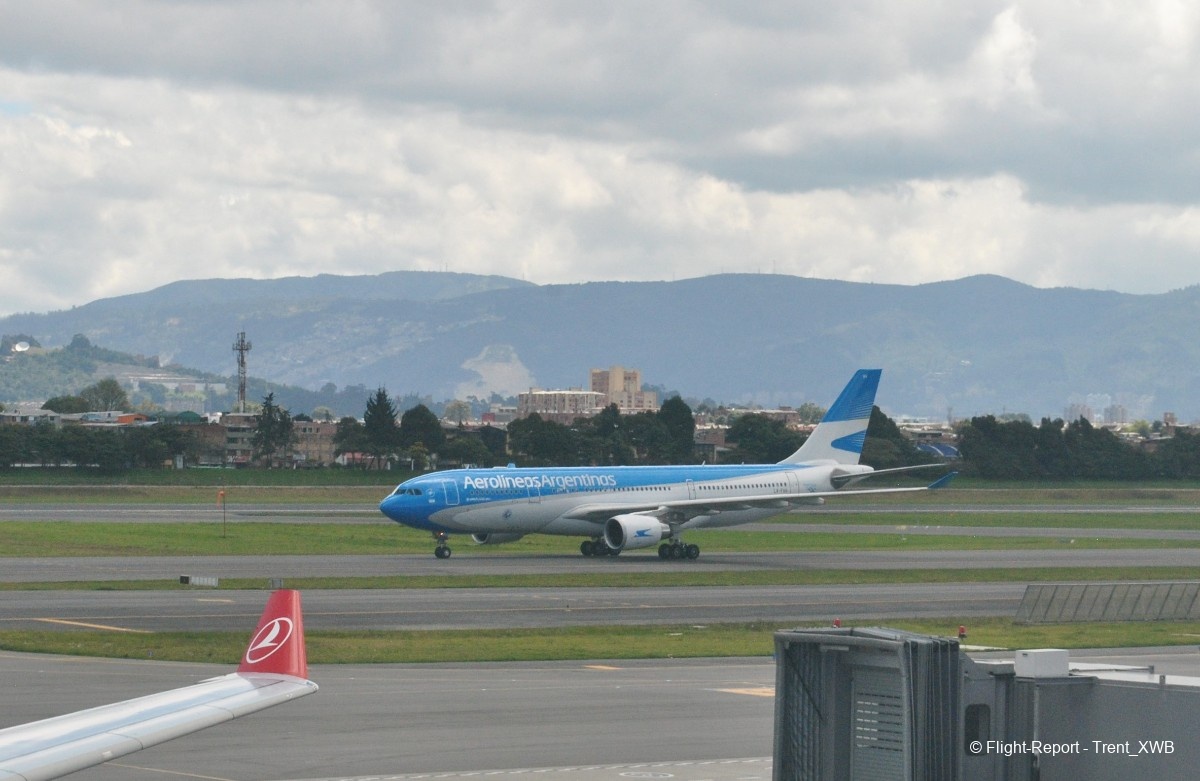
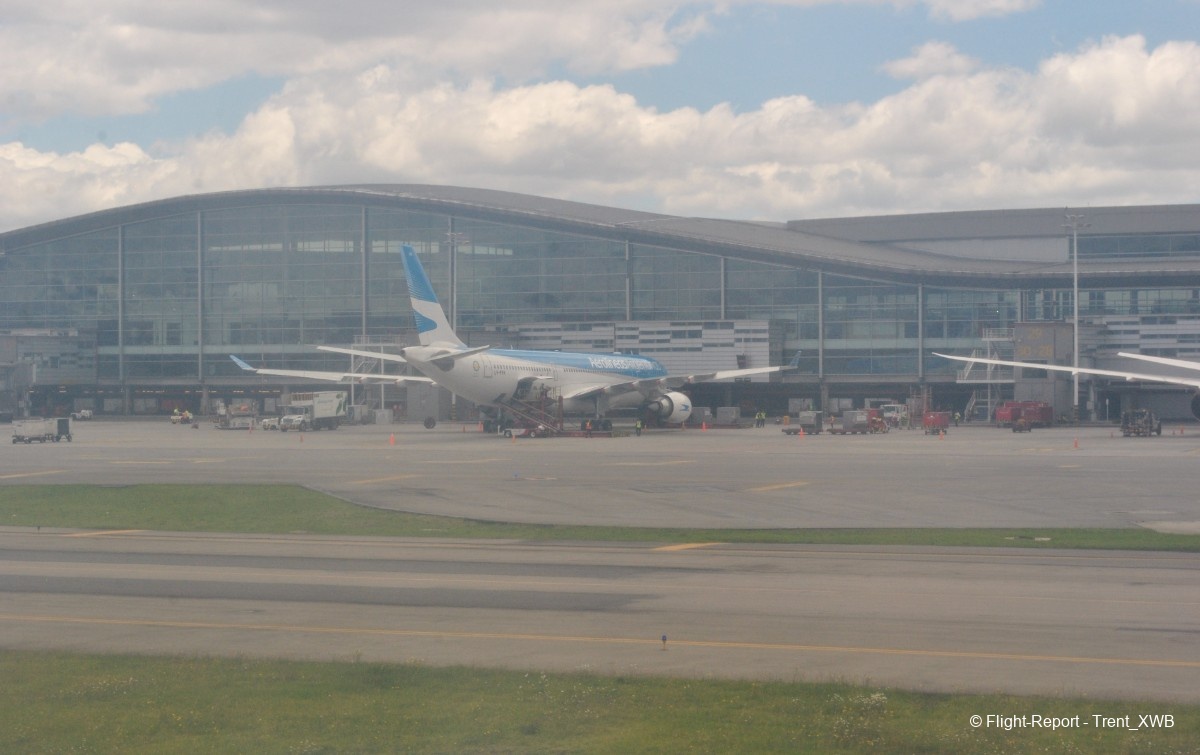
A332 (LV-FVH) of Aerolineas Argentinas, arriving from EZE. This aircraft, built in 2015, features 242-tonne MTOW and can easily fly AR's longest route between EZE and FCO even against headwinds in westward direction. De-facto it has almost the same capabilities as A343. AR livery is one of the most beautiful standard liveries in the world. From 2022 this aircraft features "Argentina National Football Team" sticker on the tail.
Boarding
My flight from BOG to ISL was departing from the "triple" gate 51_52-53, located at the far "upper" end of the "h" of T1. Gate 51 is used for narrowbodies, the double gate 52-53 is used for widebodies.
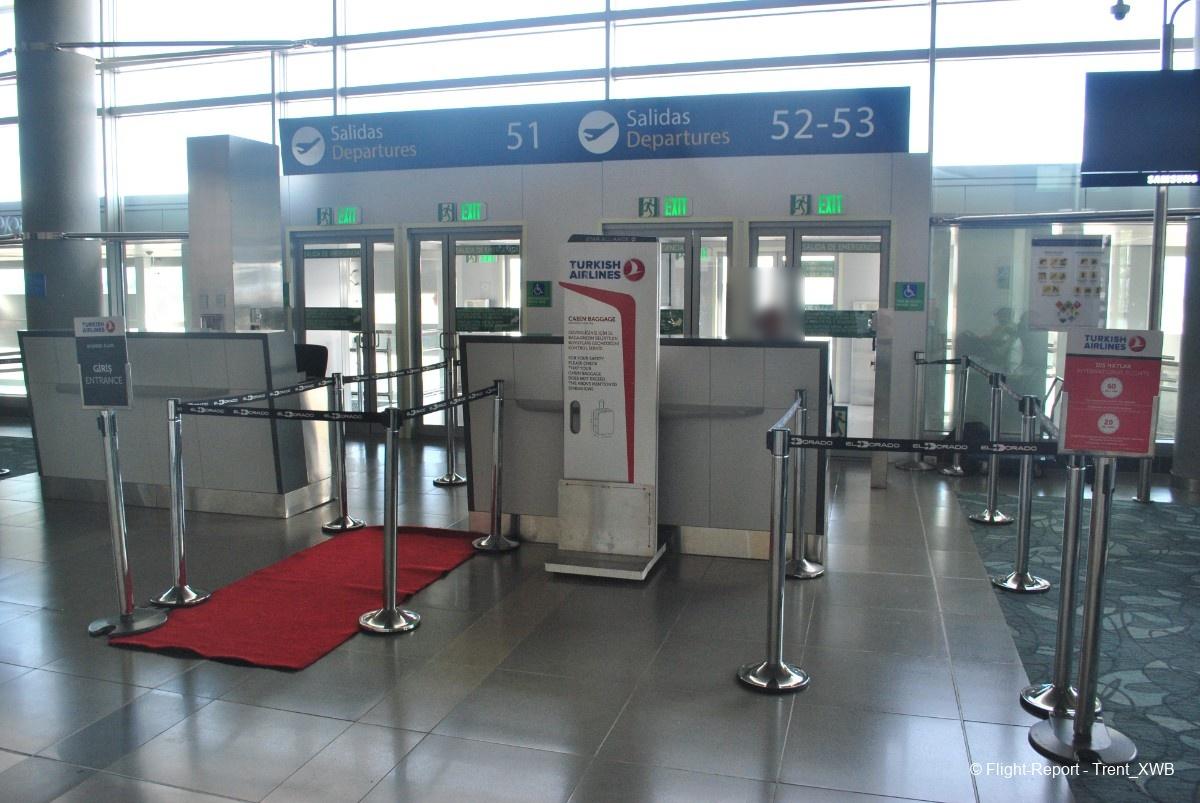
The boarding gallery.
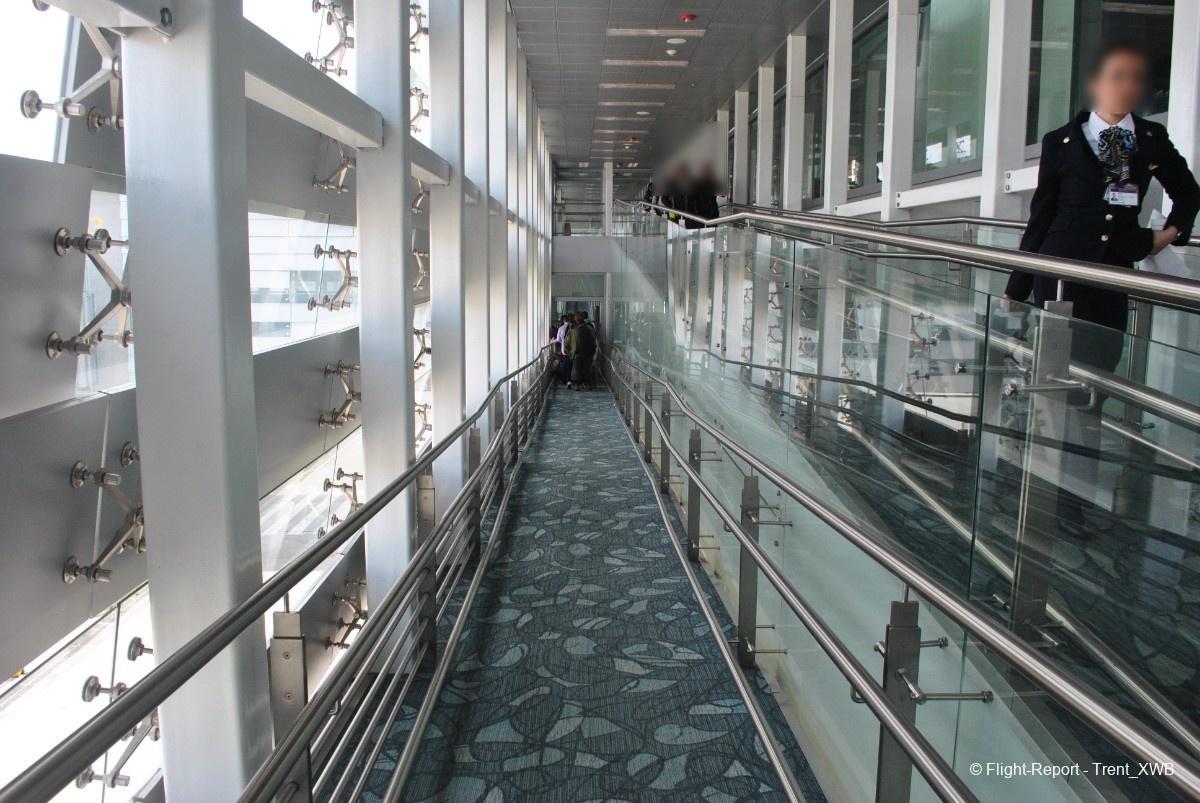
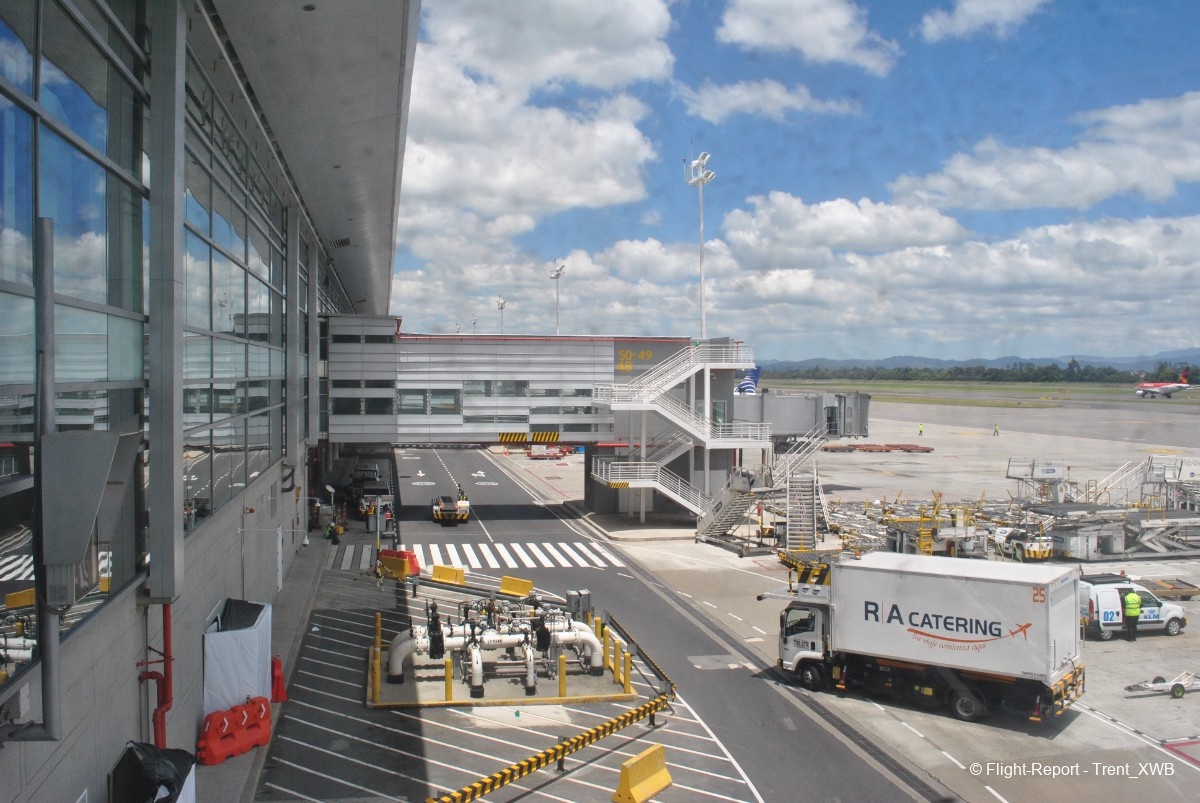
A view of the terminal and of the adjacent "triple" gate 48_50-49 from the boarding gallery.
The Aircraft
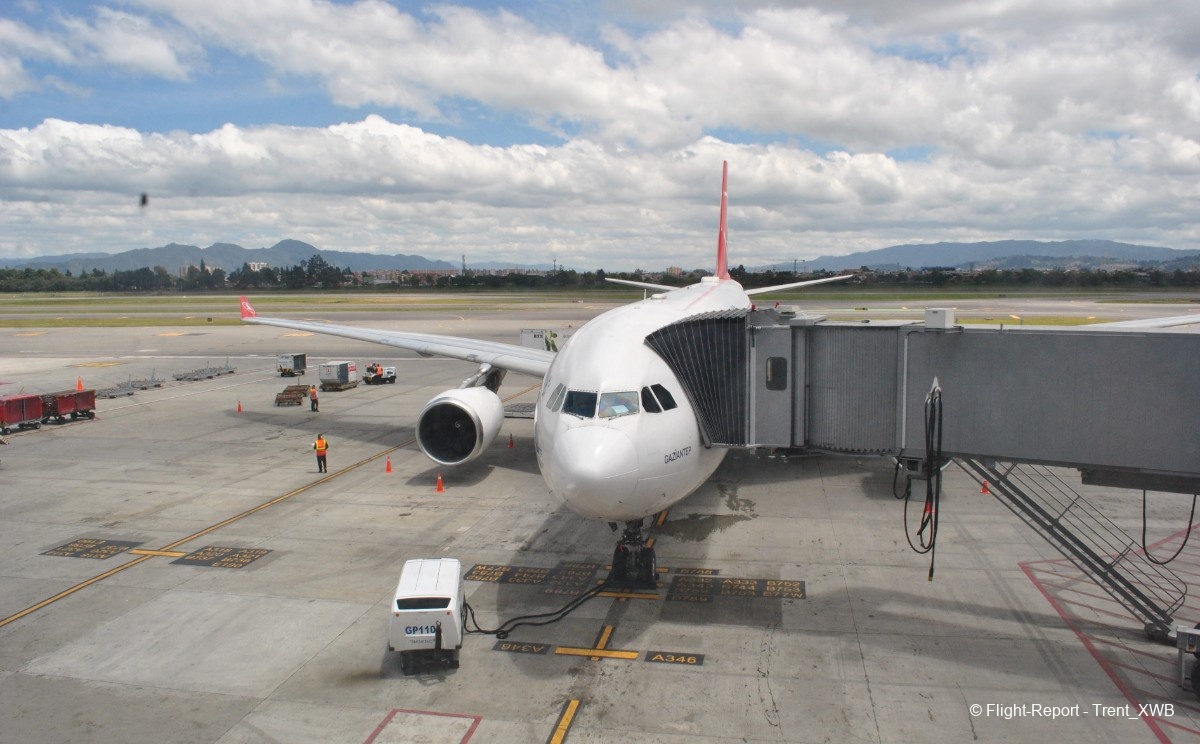
A view of our 2005-built TC-JNA from the boarding gallery. In November 2017 it was reconfigured to C18_Y232 layout with the new business class with 2-2-2 lie-flat Safran Aura Enhanced seats and the new economy class with TSI Skysofa seats.
The Business Class Cabin
The boarding was via 1L door, thus giving the possibility to see the business class cabin with its 18 Safran Aura Enhanced seats in 2-2-2 layout.
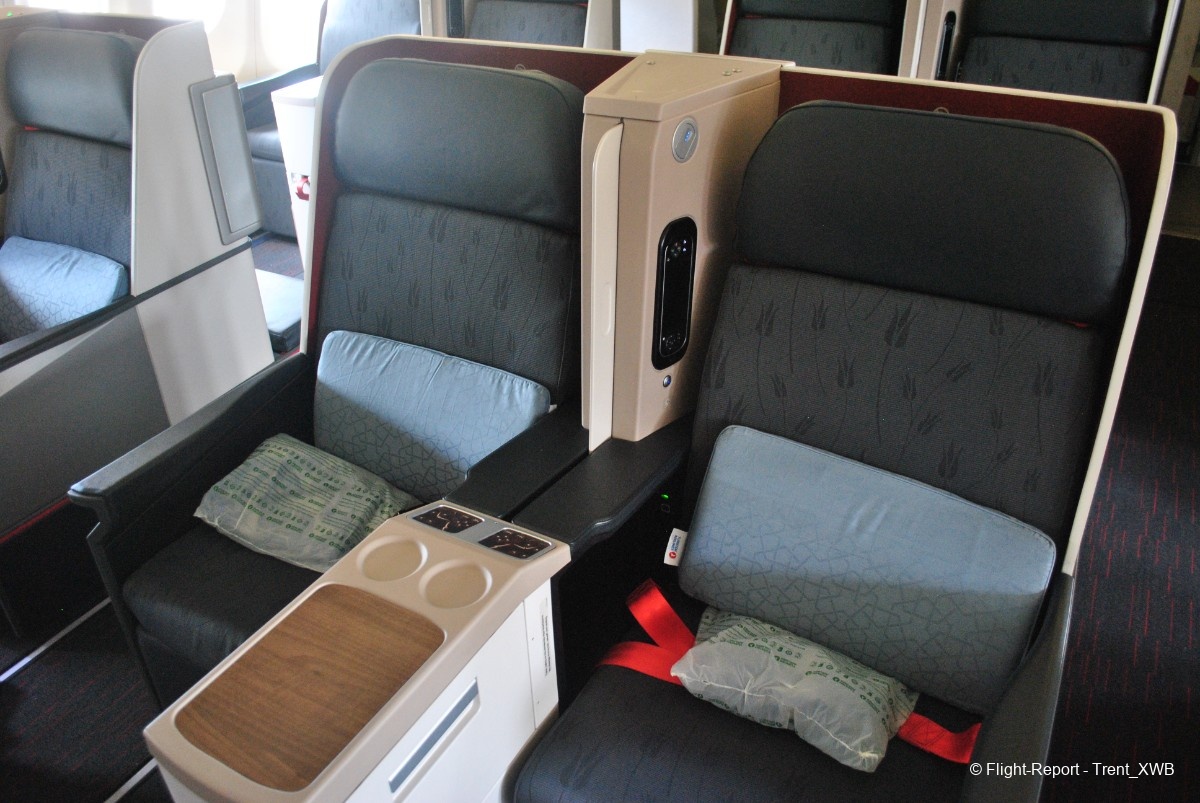
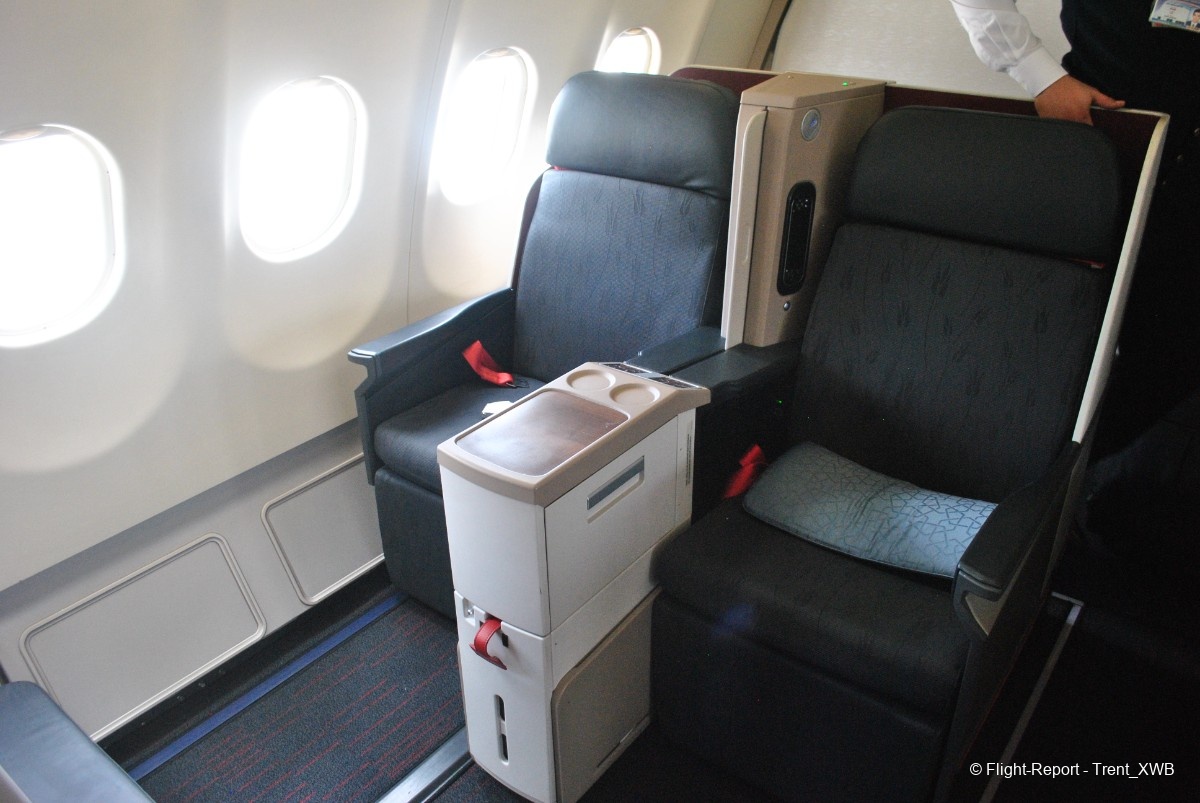
I'll show the photos of the economy cabin further, in the next part (PTY-ISL) of this FR. My seat was the same - 21A - as on ISL-BOG-PTY flight.
The Flight
Pushback begins. One can see how the percentage of the clouds has increased by midday despite the sunny morning.
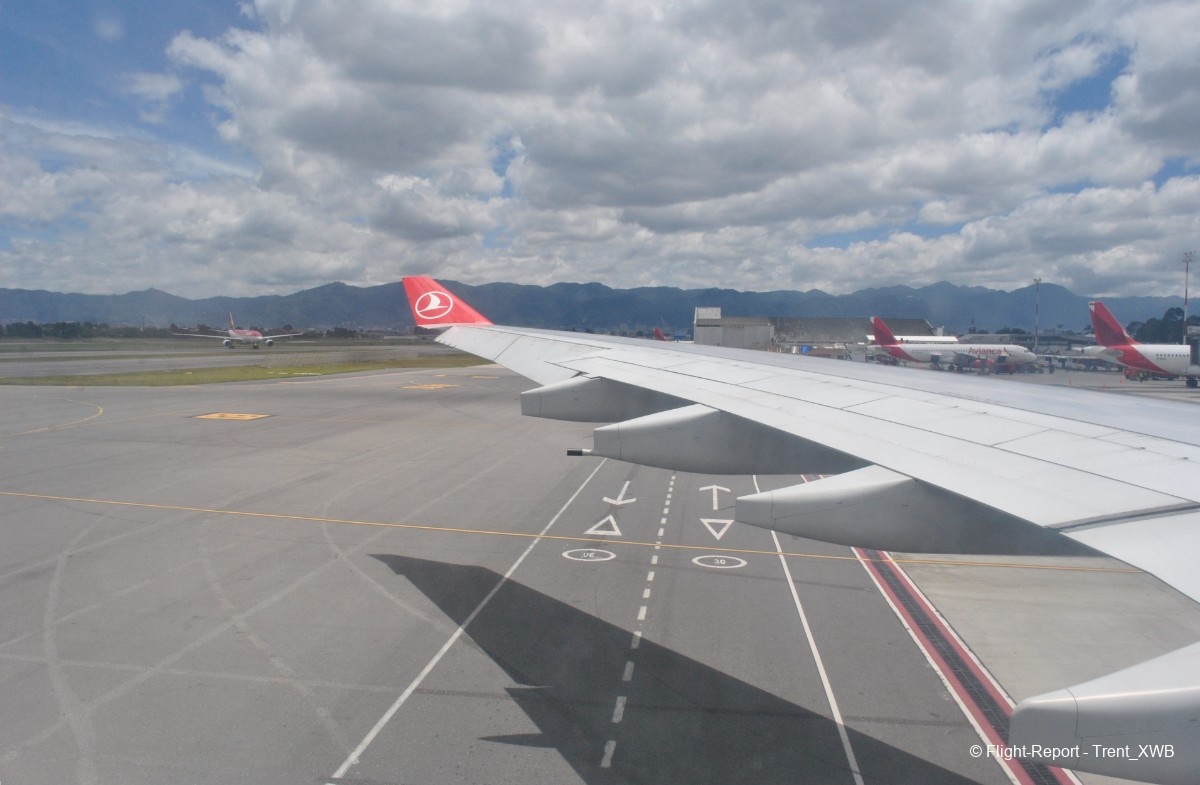
AV A332 (N974AV). From June 2018 it was transferred to AV Brasil, then in March 2019 returned to AV Colombia, in March 2023 it was phased out and in April 2025 joined National Airlines fleet in US.
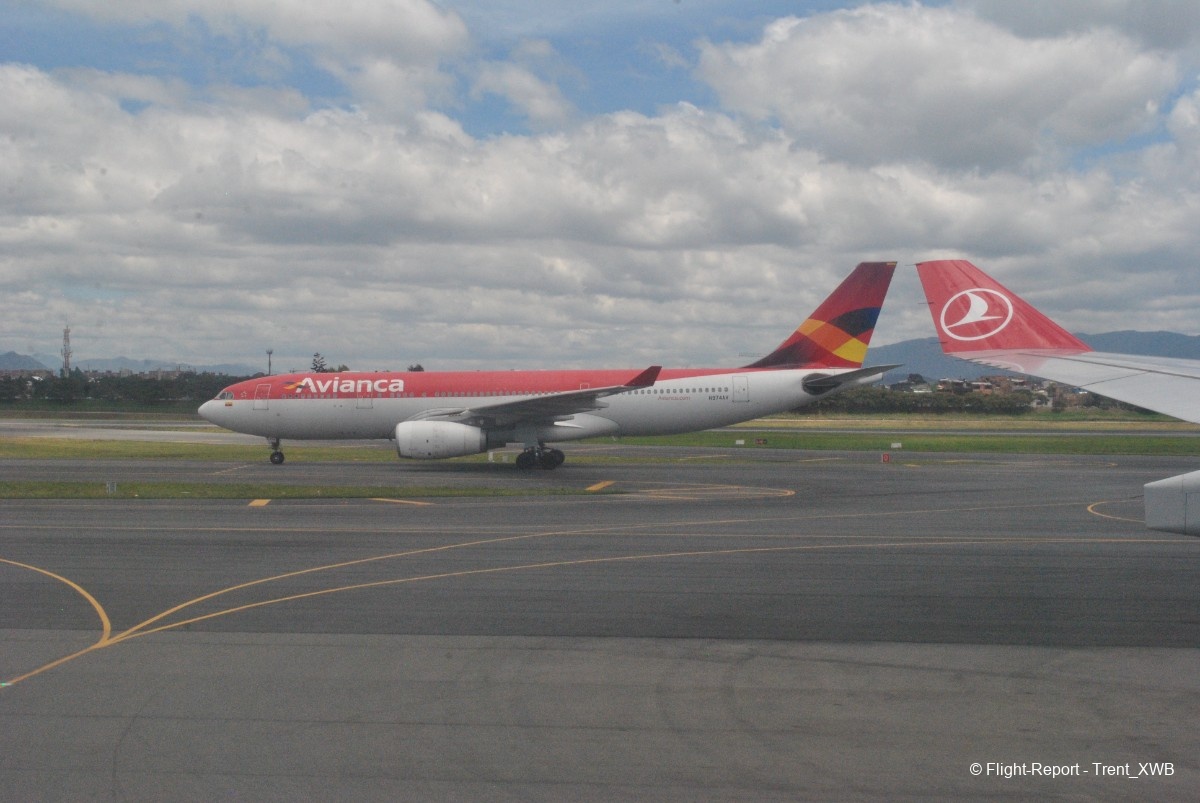
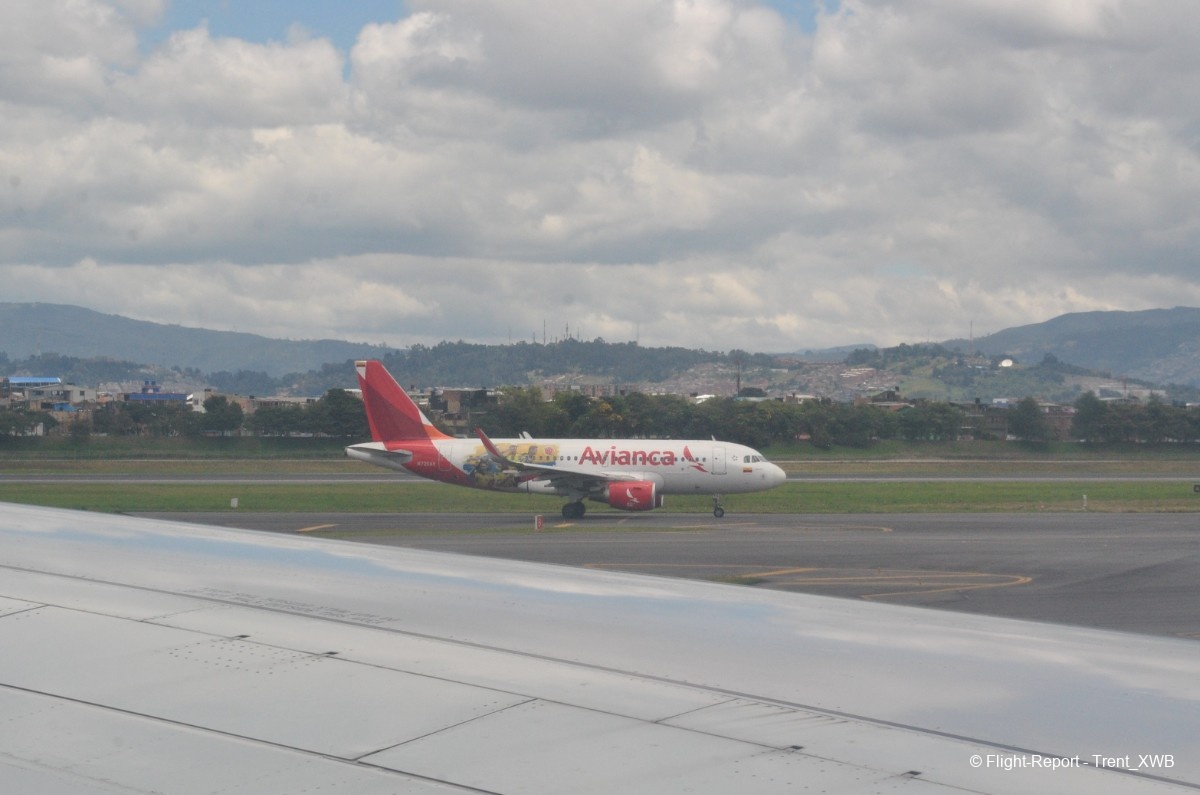
AV A319SL (N726AV) with "Federación Colombia de Futbol" sticker (removed in January 2019).
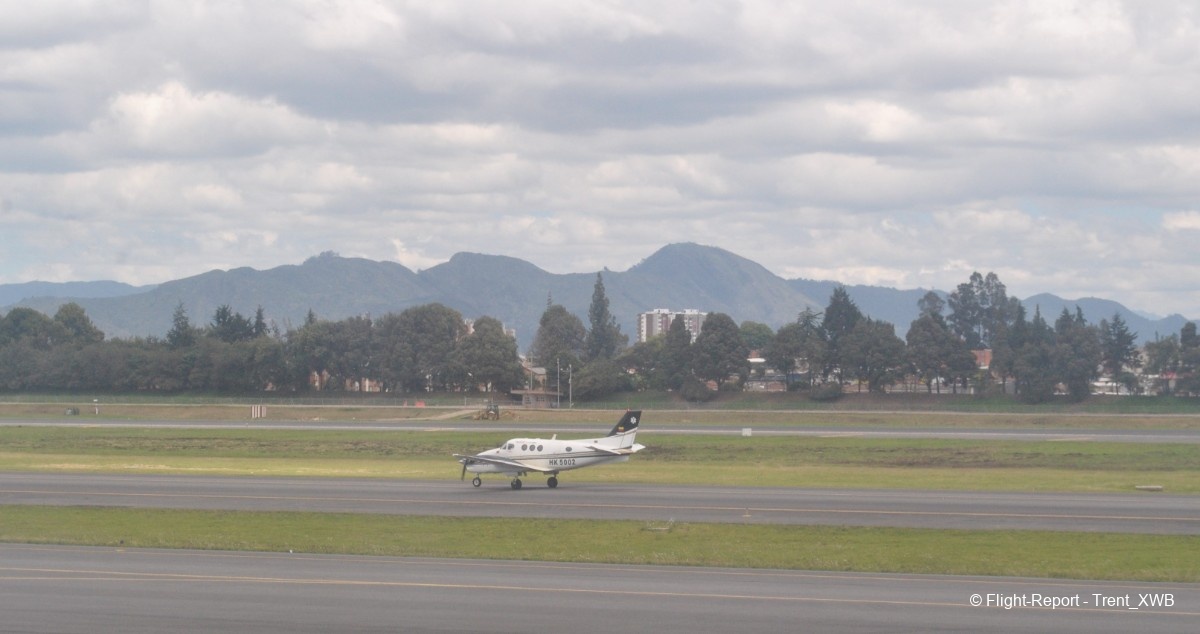
Beechcraft C90A King Air (HK-5002) of Aeromas Colombia.
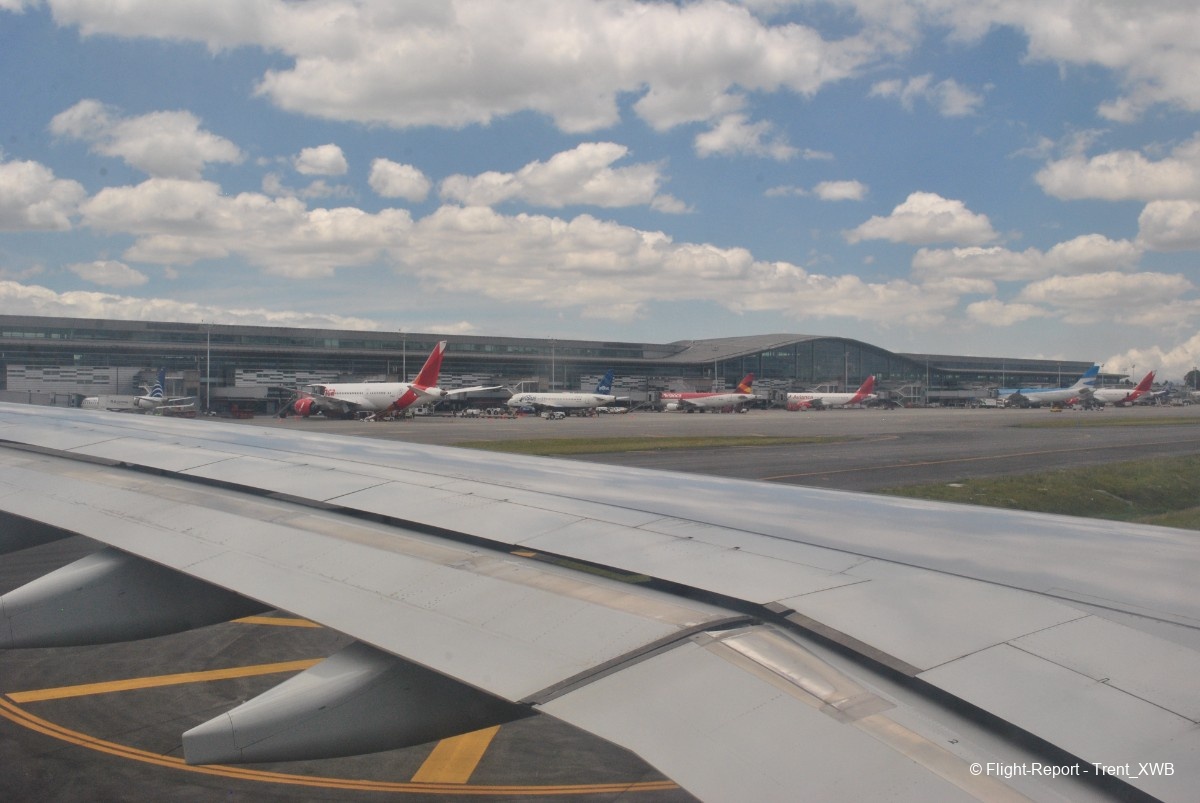
View of the international pier of T1 with 2 AV B788s, JetBlue A320, 2 AV A320s and AR A332.
An AV B788 and an IAE-powered A320 of B6 from FLL.
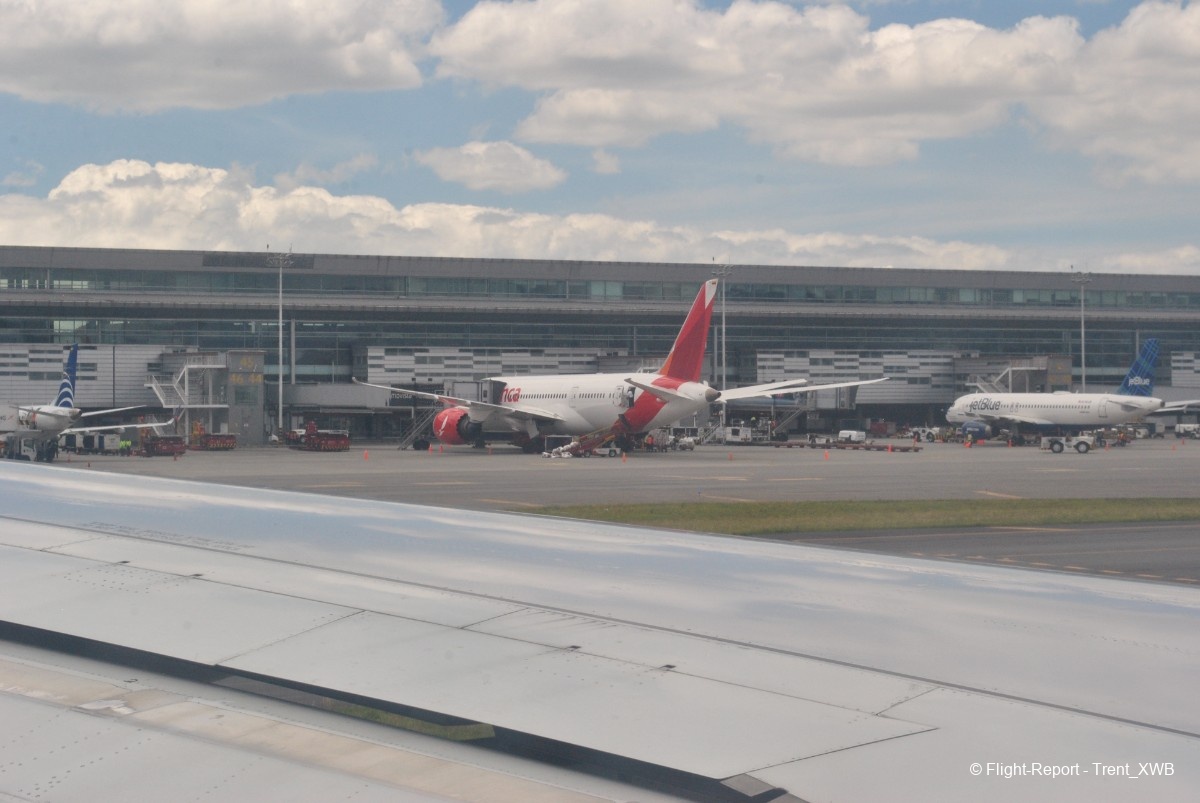
The central part of the international pier and an IAE-powered A320 (N498TA) of AV El Salvador. It was phased out in October 2019 and currently is in Fly OYA fleet in Libya. Whereas the entire A320 fleet of AV Colombia has always been CFM-powered, some AV subsidiaries had IAE-powered A320s in the past. But since the pandemic the entire A320+A319 fleet of AV Group was streamlined to CFM.
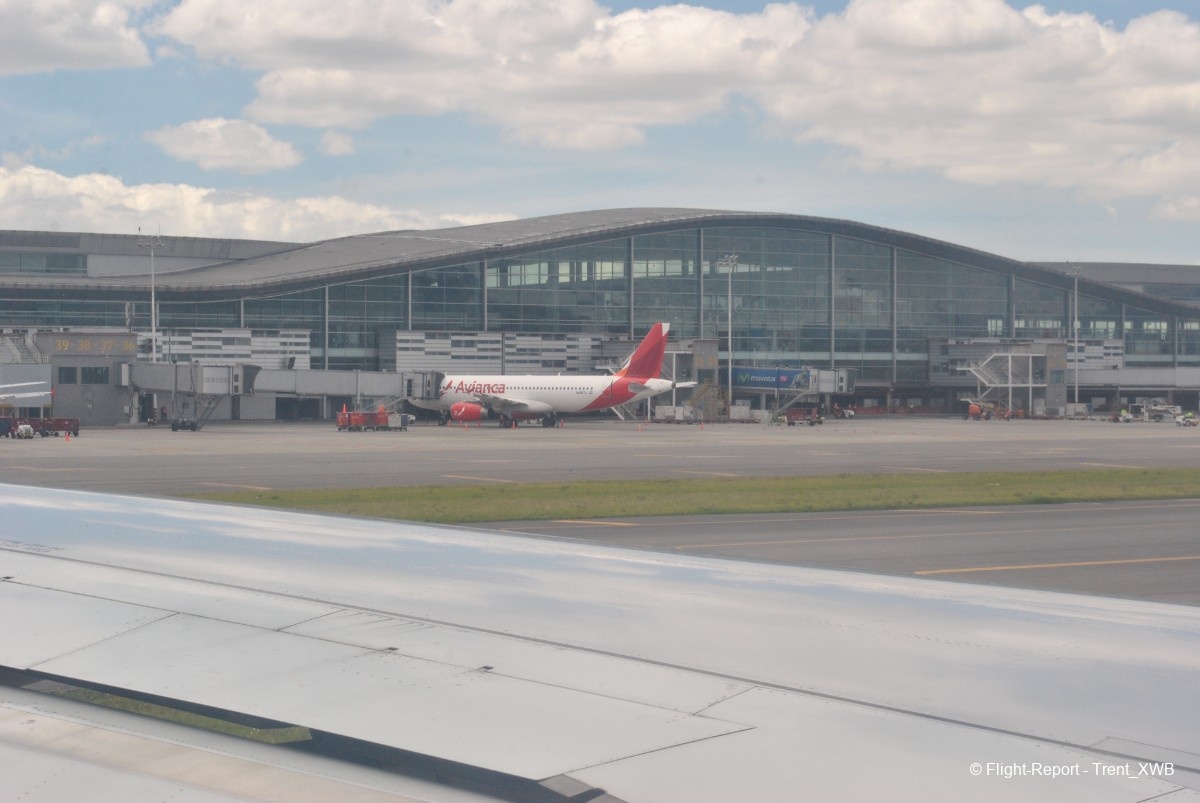
AR A332 (LV-FVH).
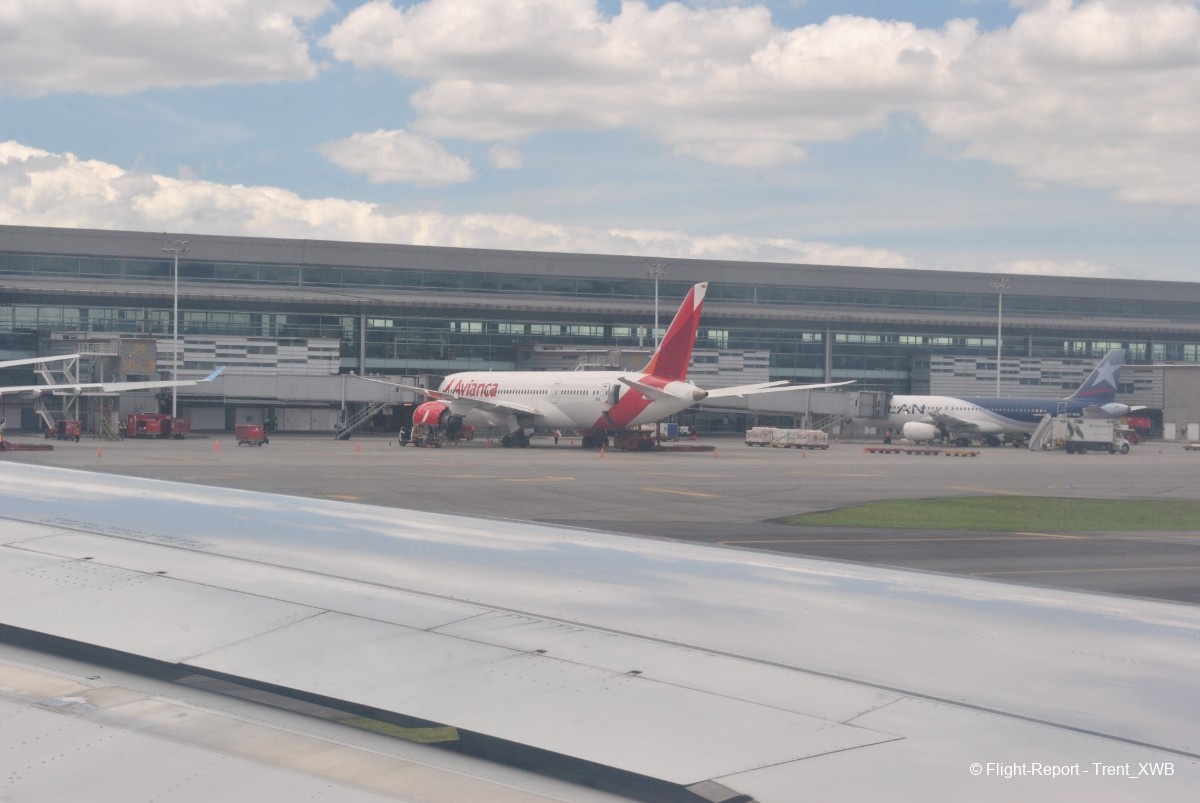
Another AV B788 and LA A320 (CC-BAL) in the old LAN livery back then.
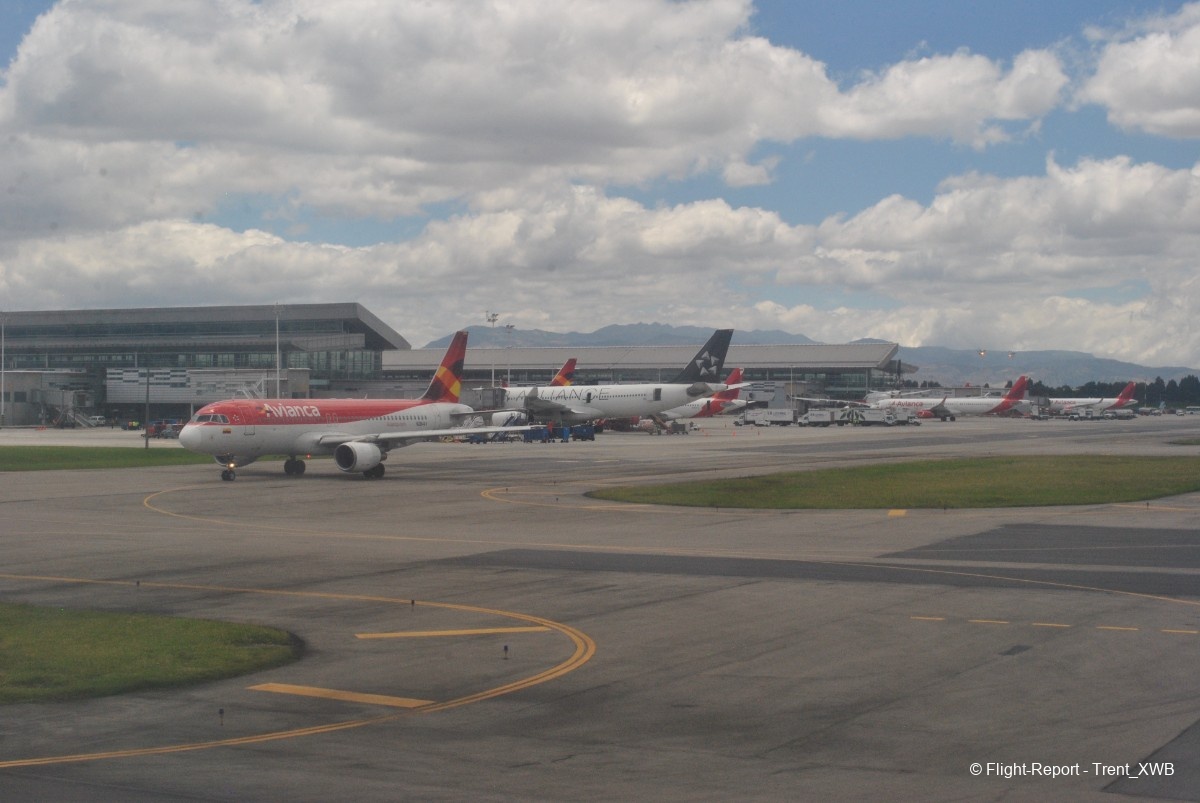
AV A320 (N284AV) in the old "juicy" livery back then and AV aircrafts near the domestic pier.
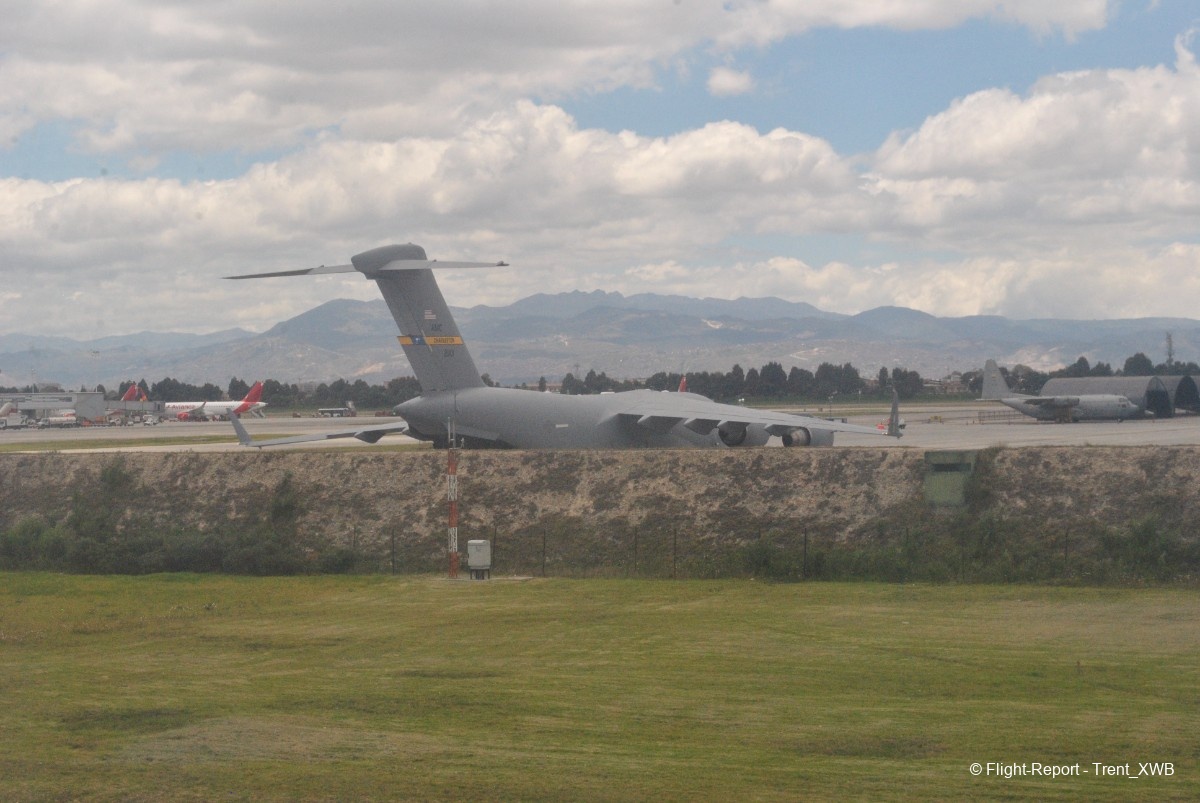
A Boeing C-17A Globemaster III of USAF.
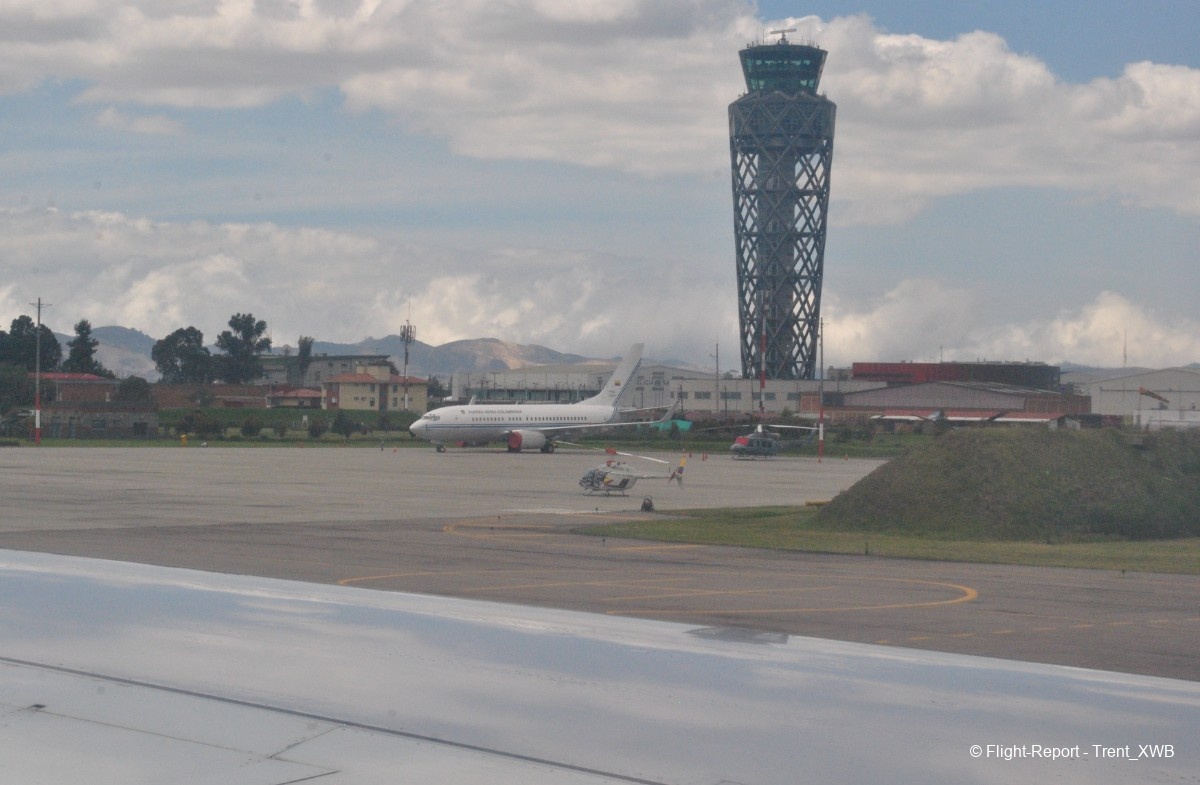
A B737 of Fuerza Aerea Colombiana and the ATC tower.
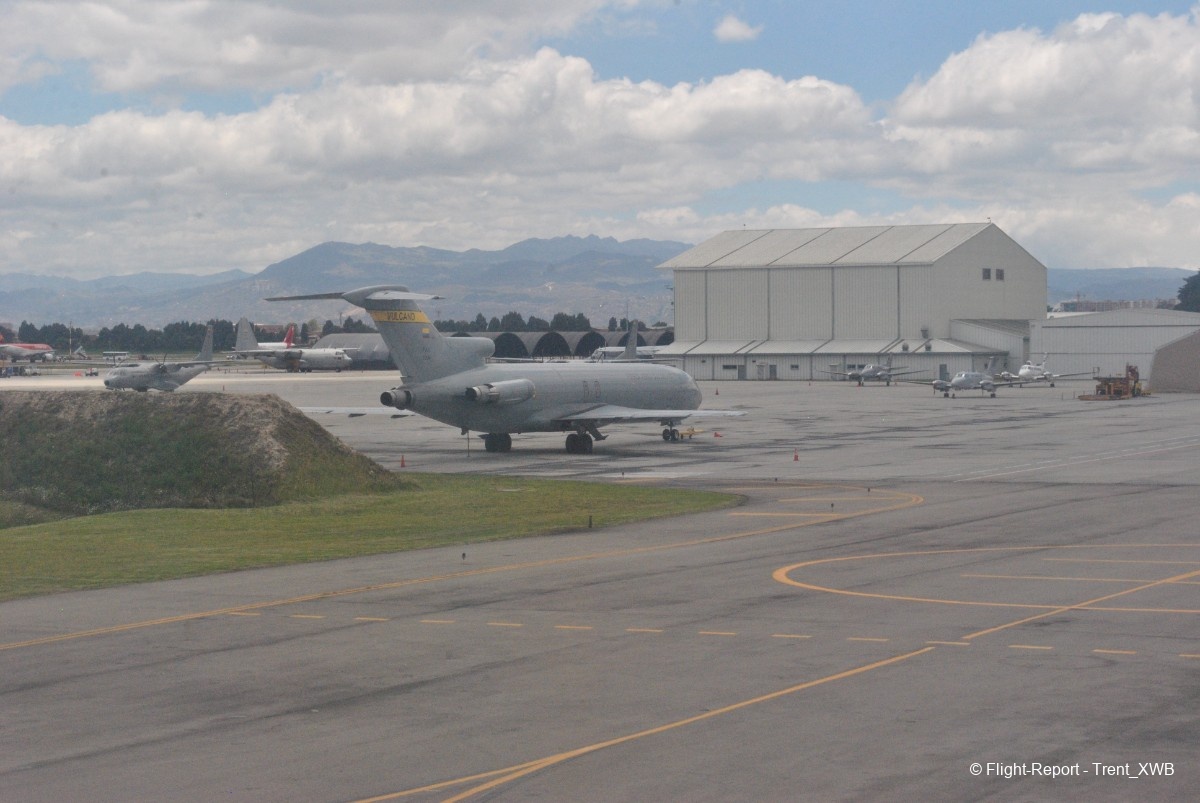
The already seen military B722 of Fuerza Aerea Colombiana and some military turboprops.
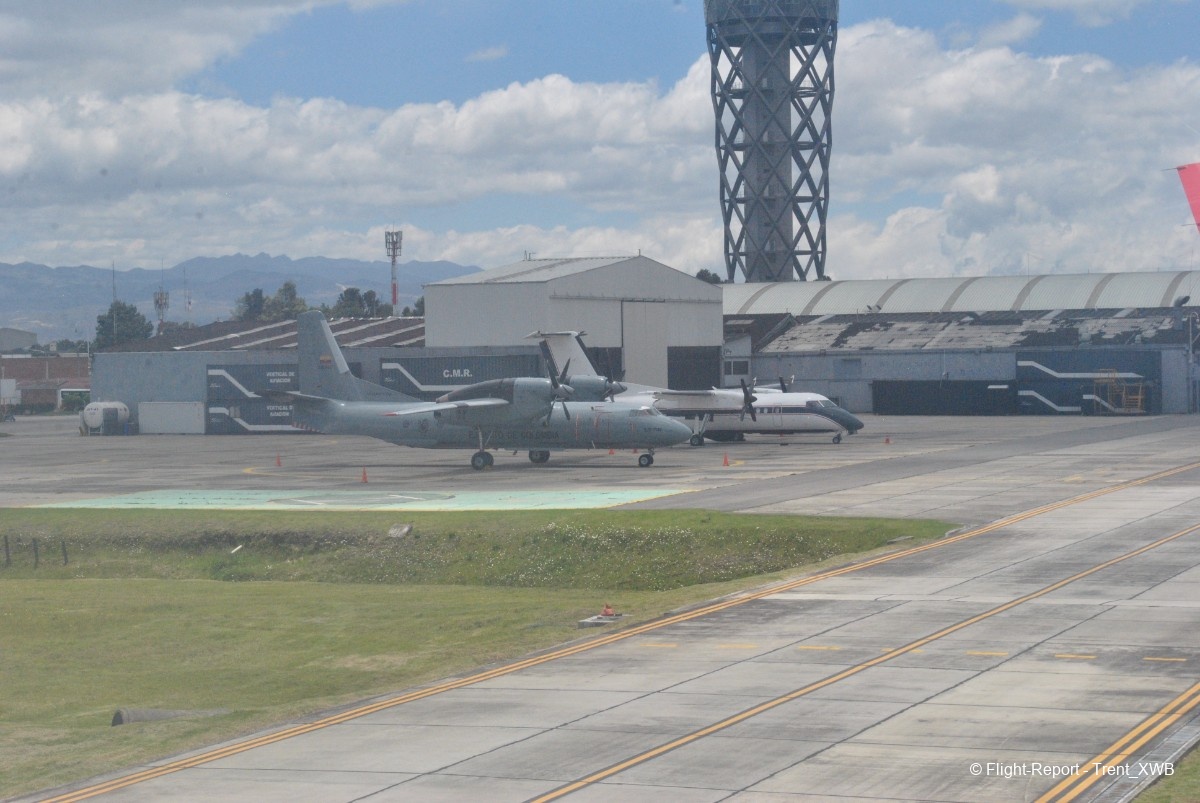
Russian-built military Antonov An32-B of Ejercito de Colombia and another turboprop nearby.
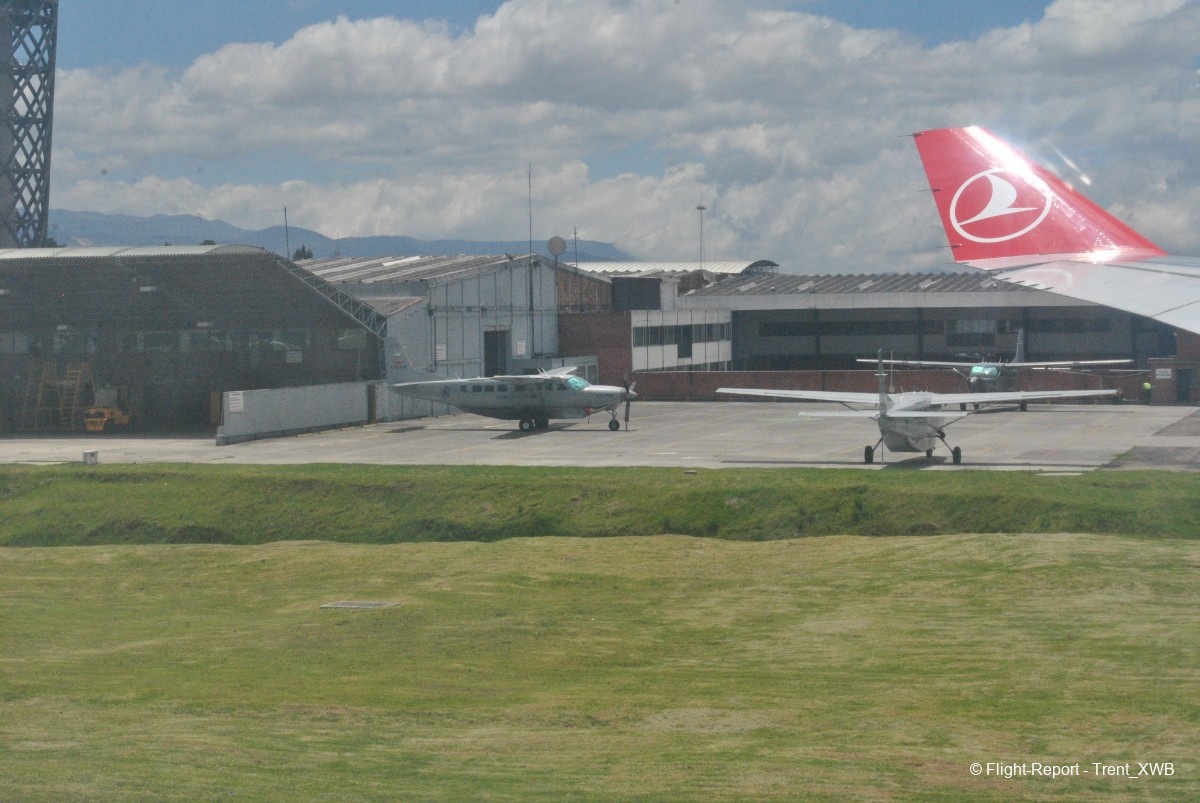
Some Cessnas Grand Caravan of Ejercito de Colombia.
Beechcrafts 1900D of SEARCA (Servicio Aereo de Capurgana).
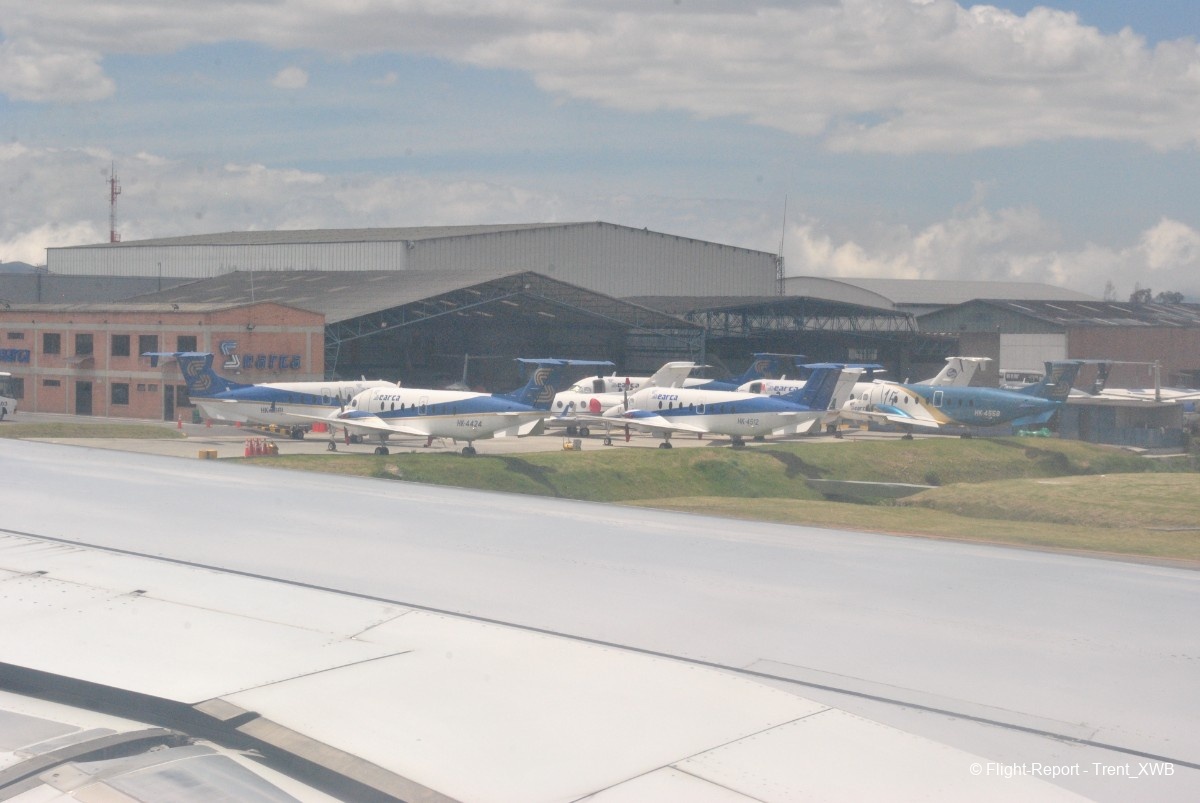
L410s of SEARCA.
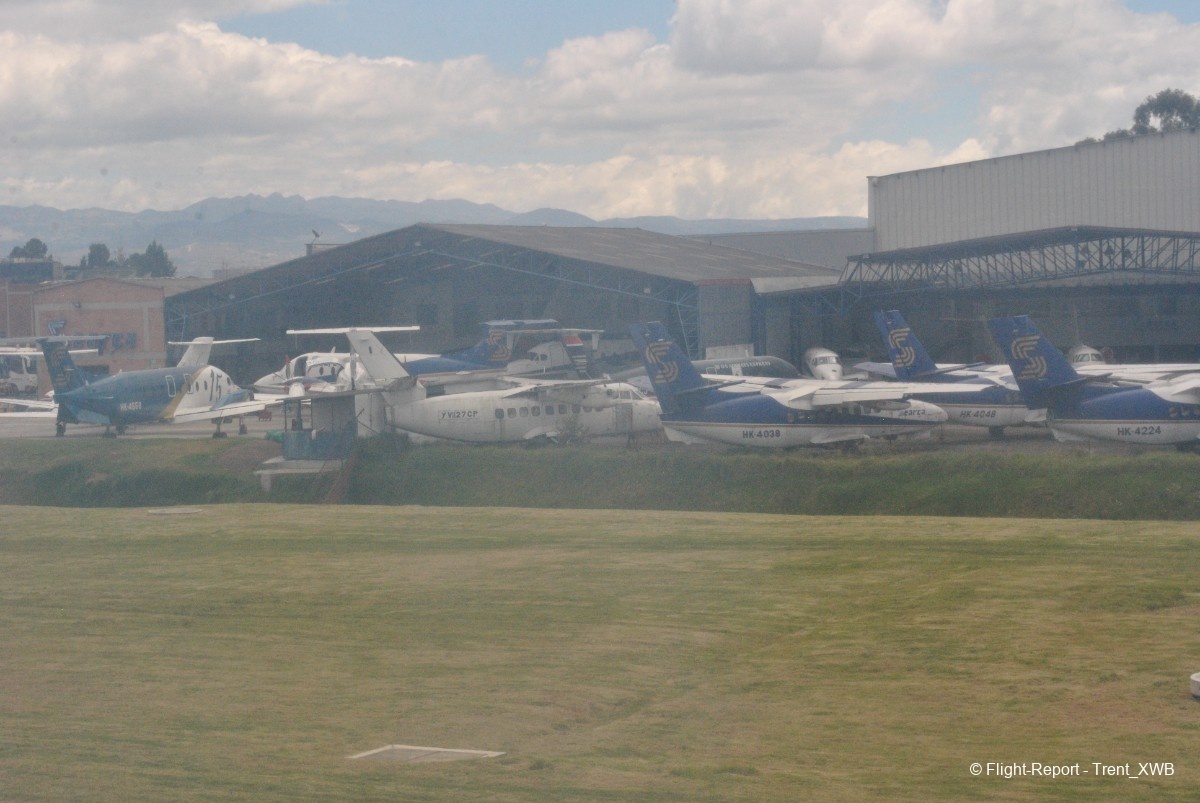
Some more turpoprops of Ejercito de Colombia, including one Cessna Grand Caravan.
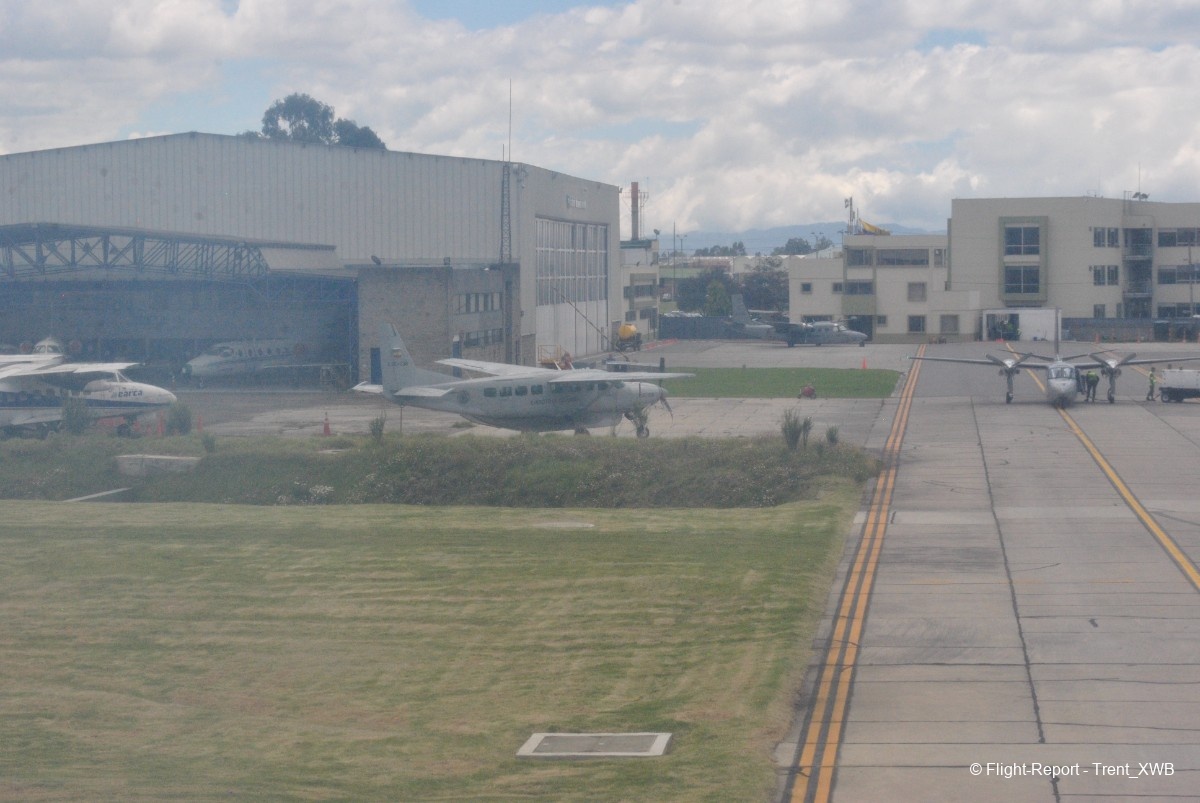
Starting our takeoff roll.
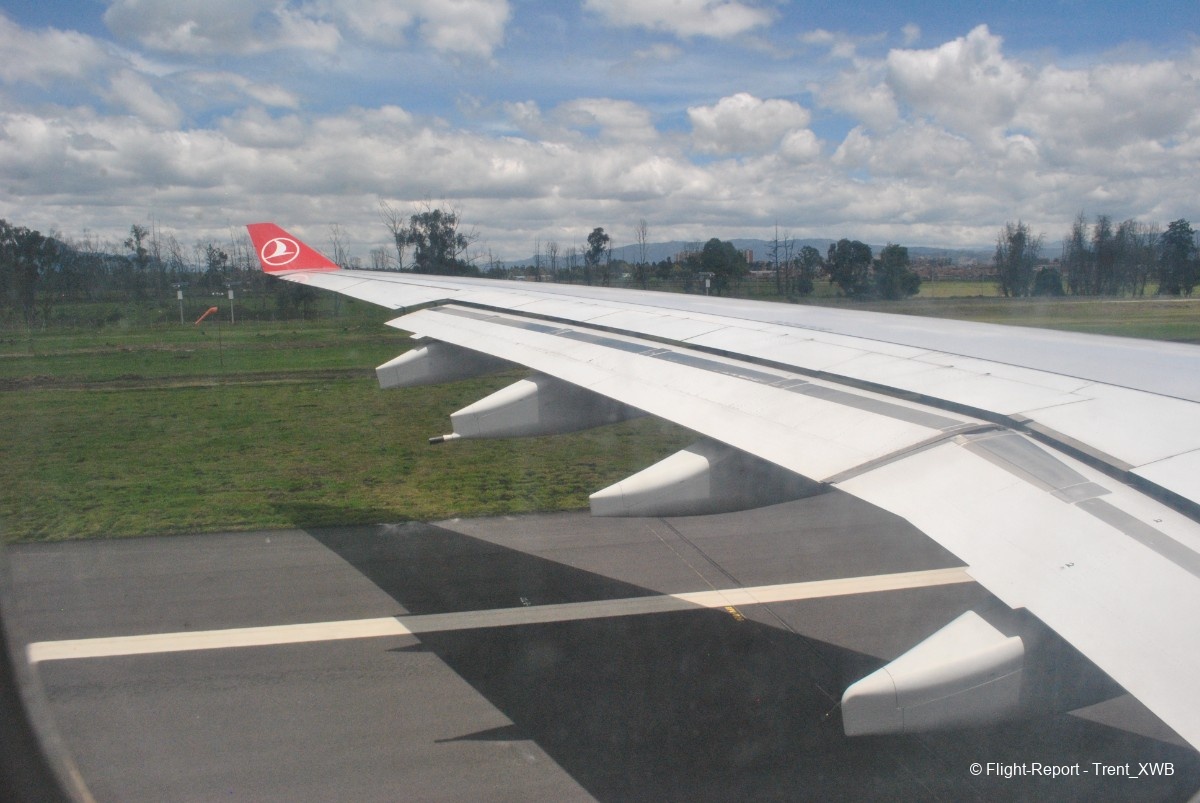
Overflying poor Villa del Dorado and "normal" Alamos districts while climbing out of BOG.
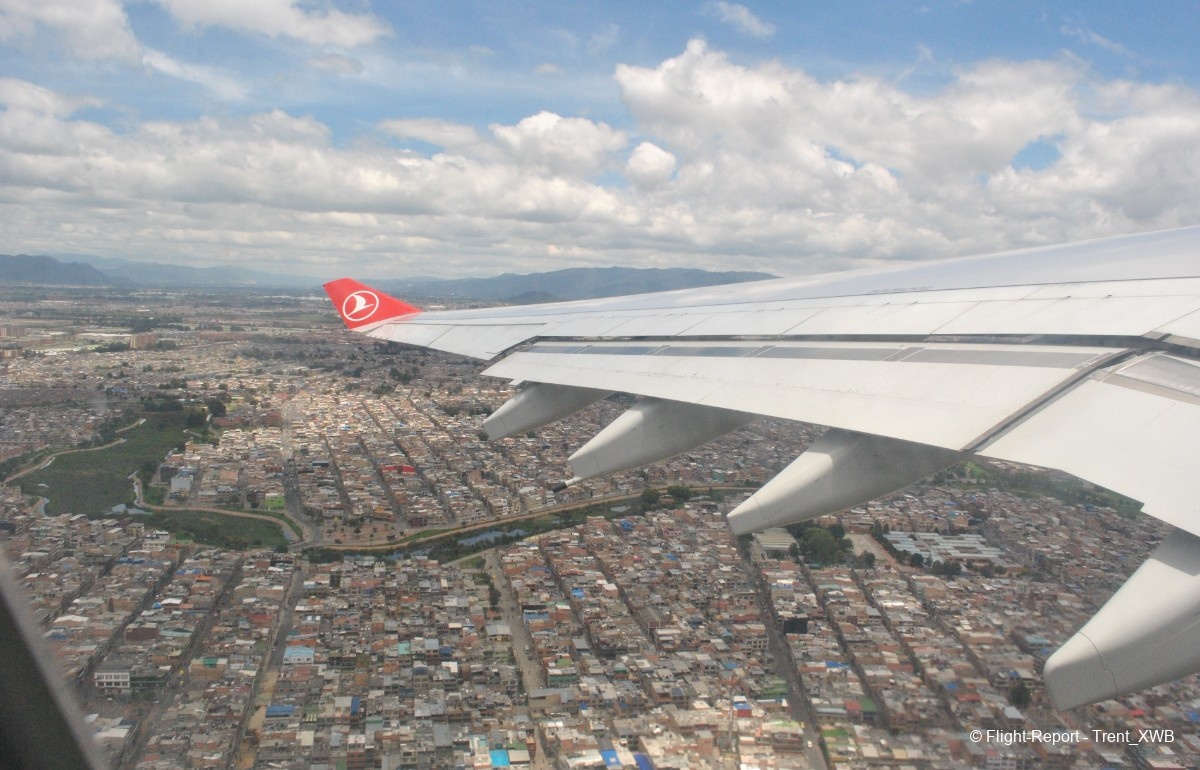
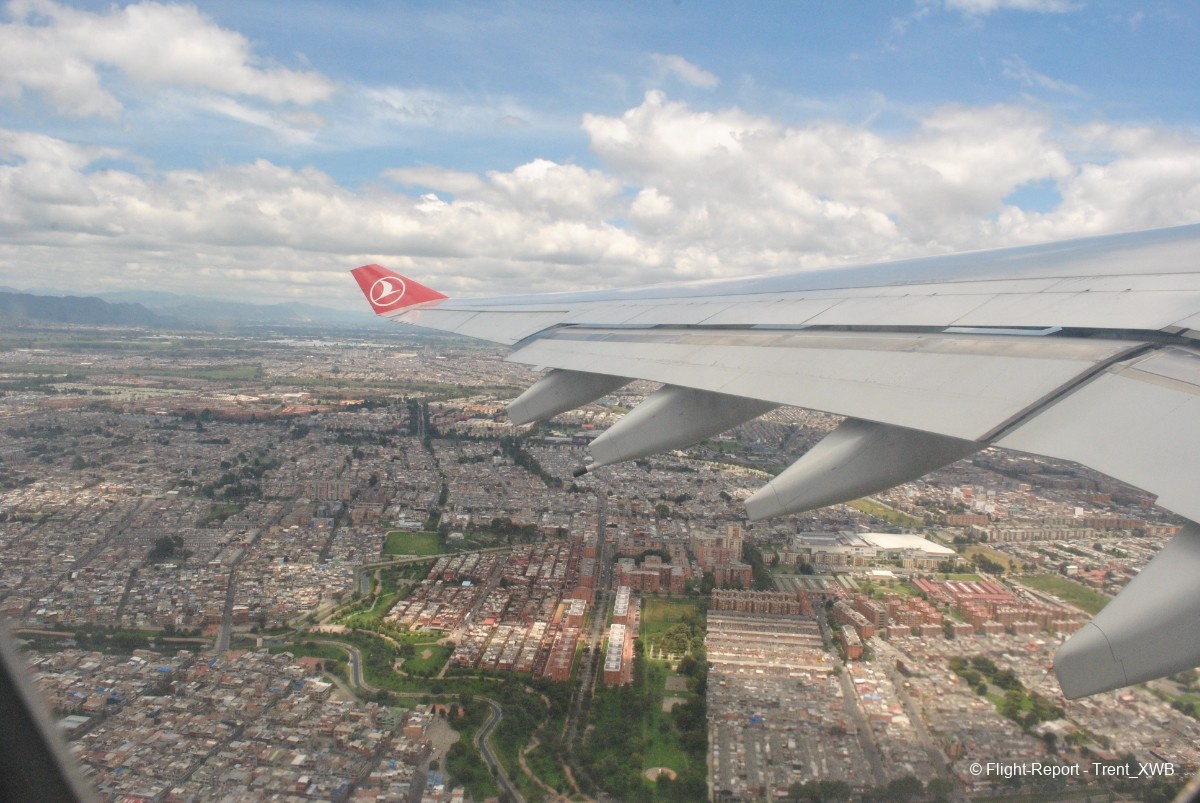
Then we make deep right turn and overflying Kennedy, Bosa and Soacha districts of Bogota.
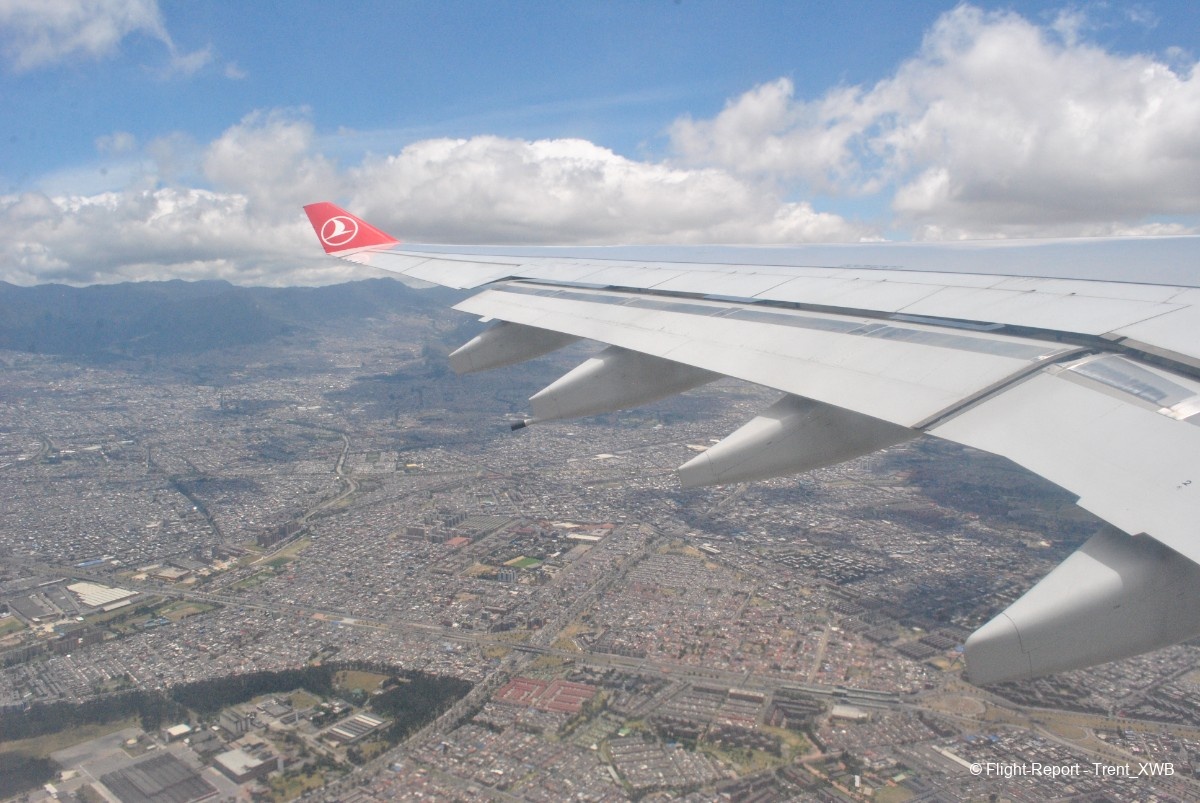
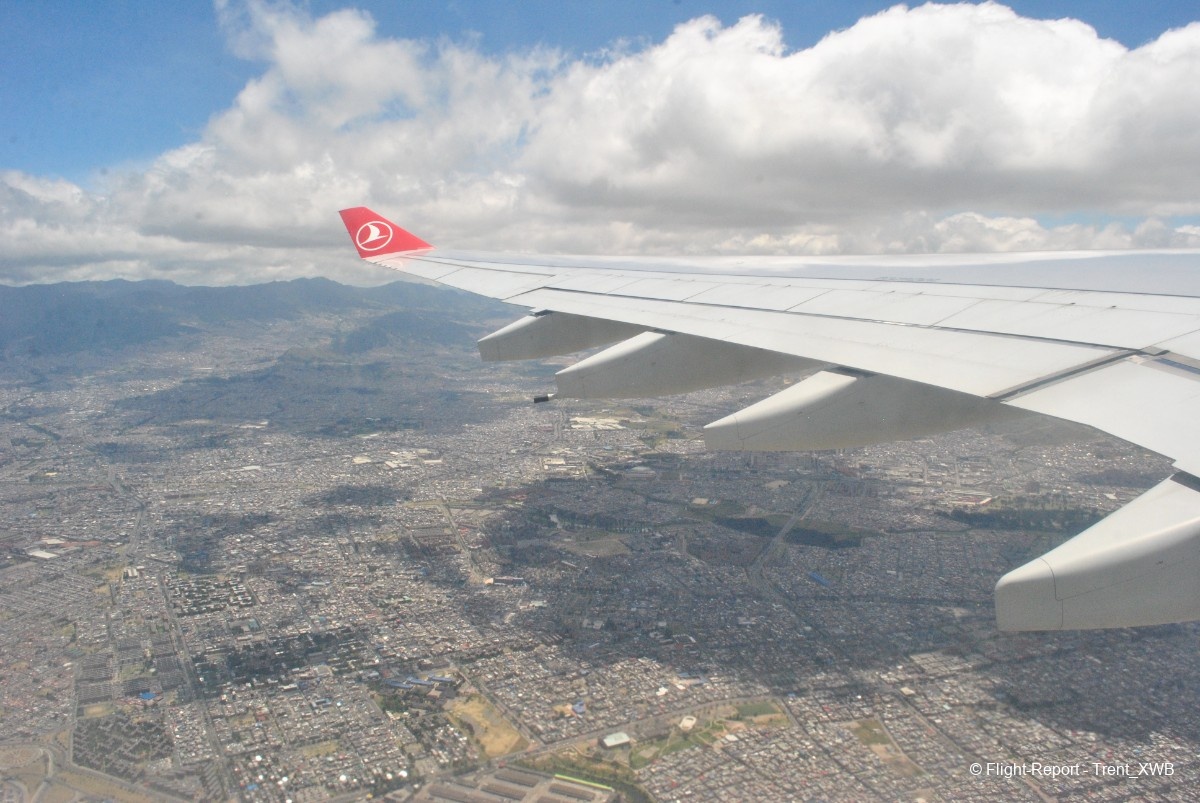
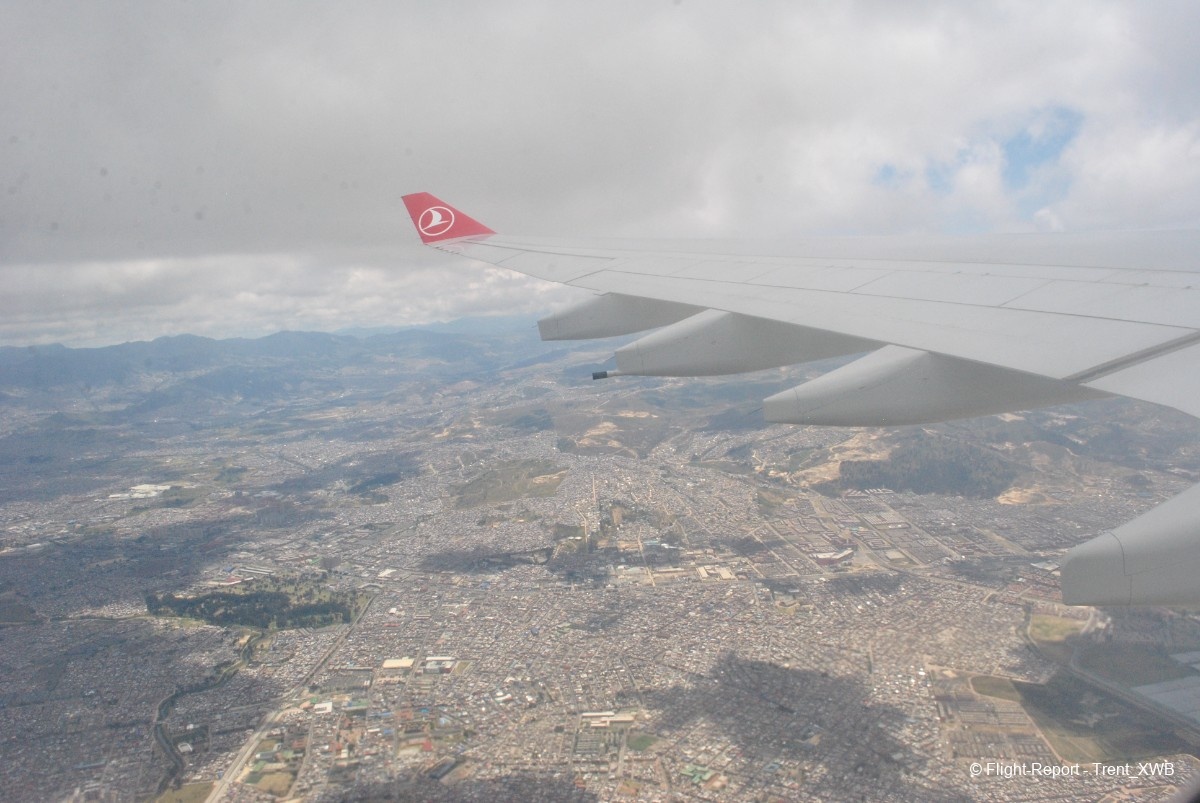
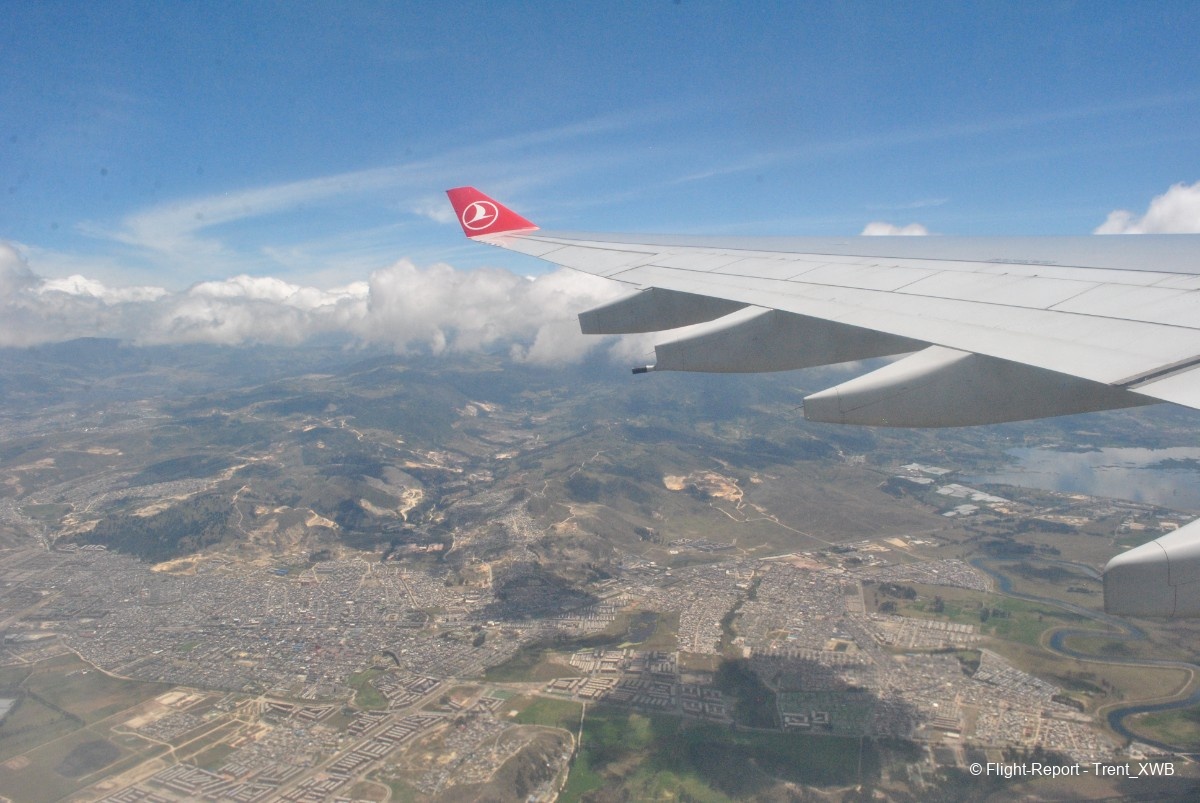
Saying goodbye to Bogota overflying Embalse de Muna. Then the clouds hide the ground for a while.
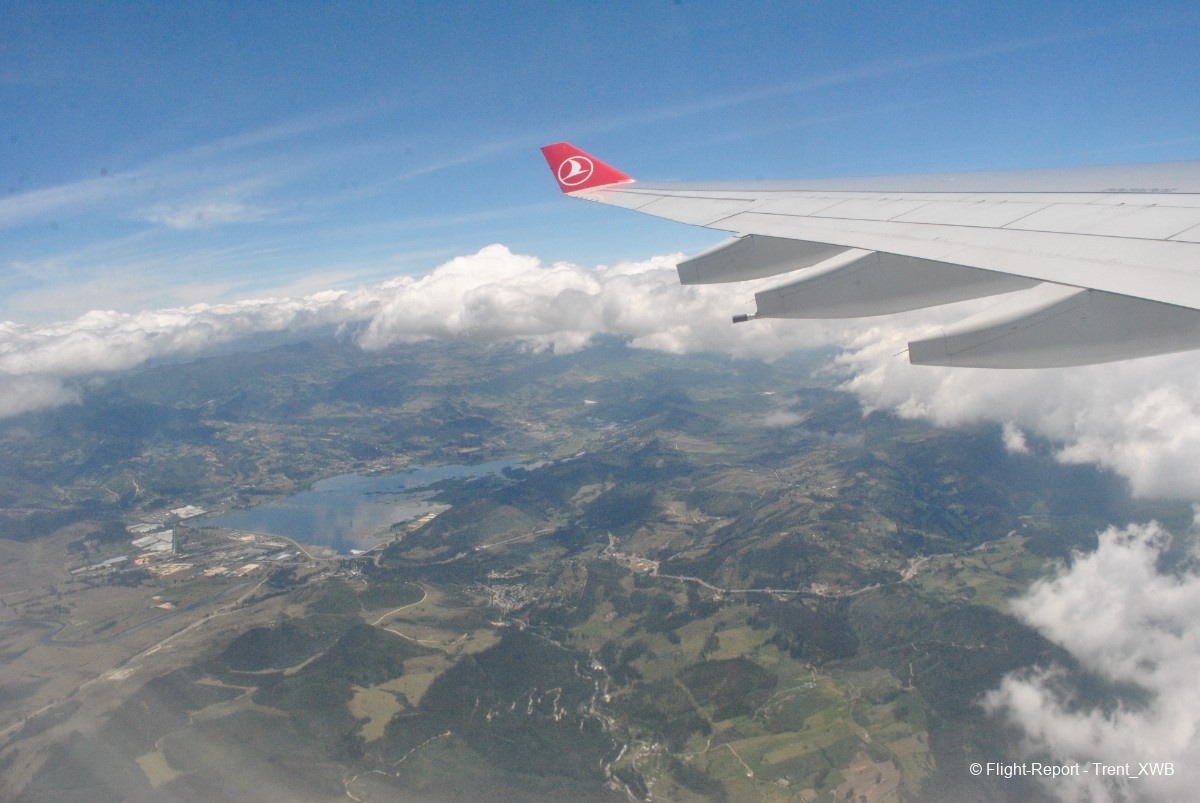
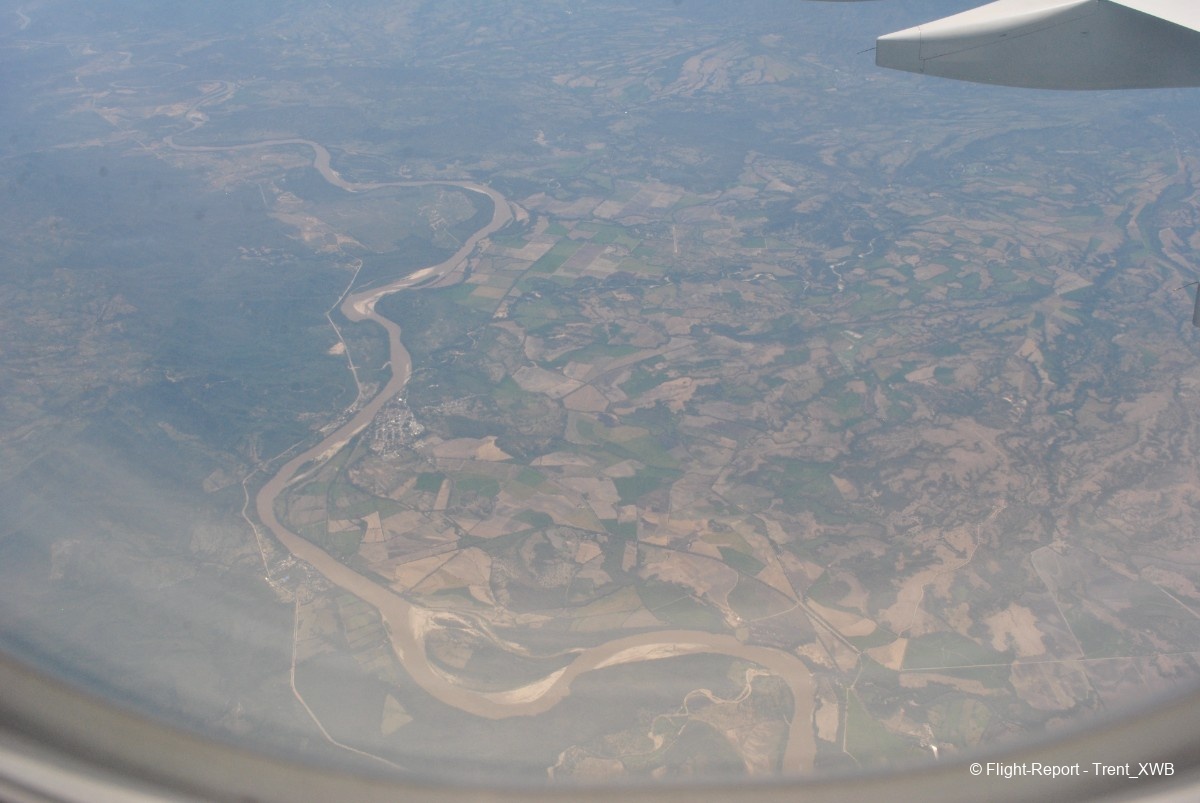
View of Magdalena river valley between Cordillera Oriental and Cordillera Central.
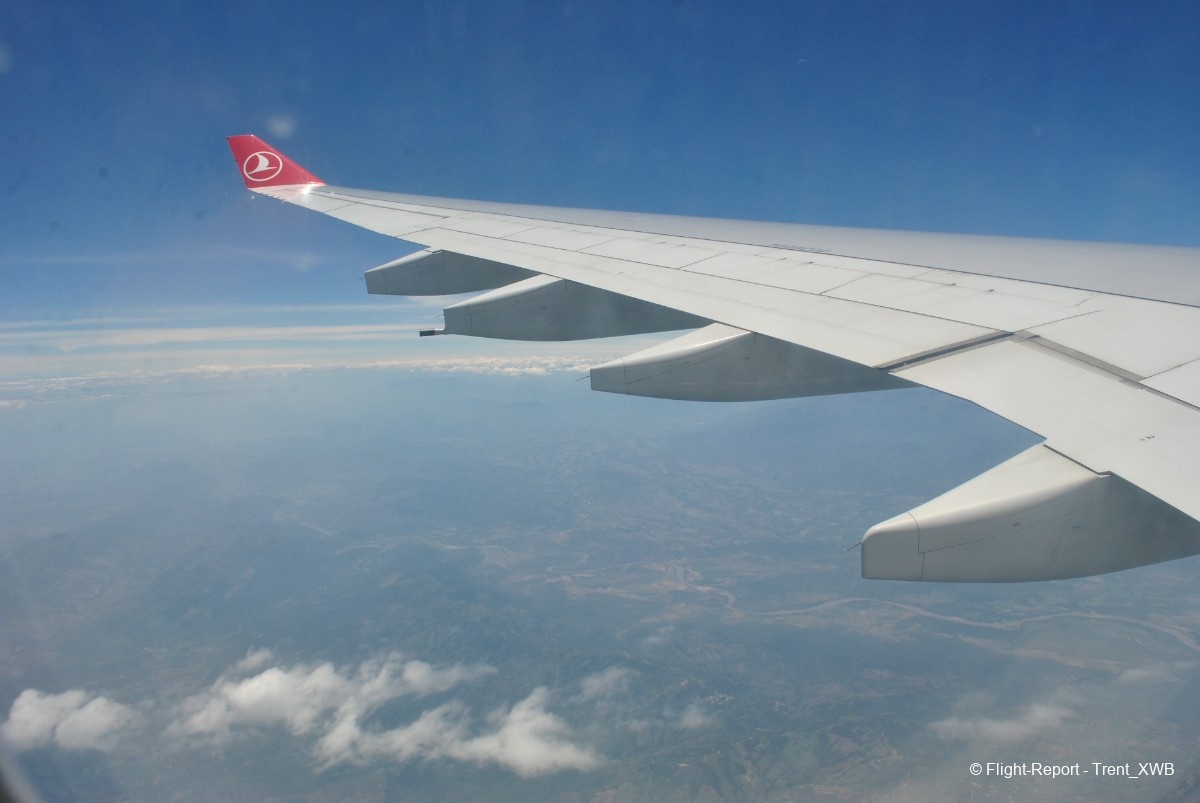
Crossing Magdalena - the main river of Colombia.
As we're crossing Cordillera Central, we pass by Los Nevados NP, but from the opposite side compared to BOG-PEI flight.
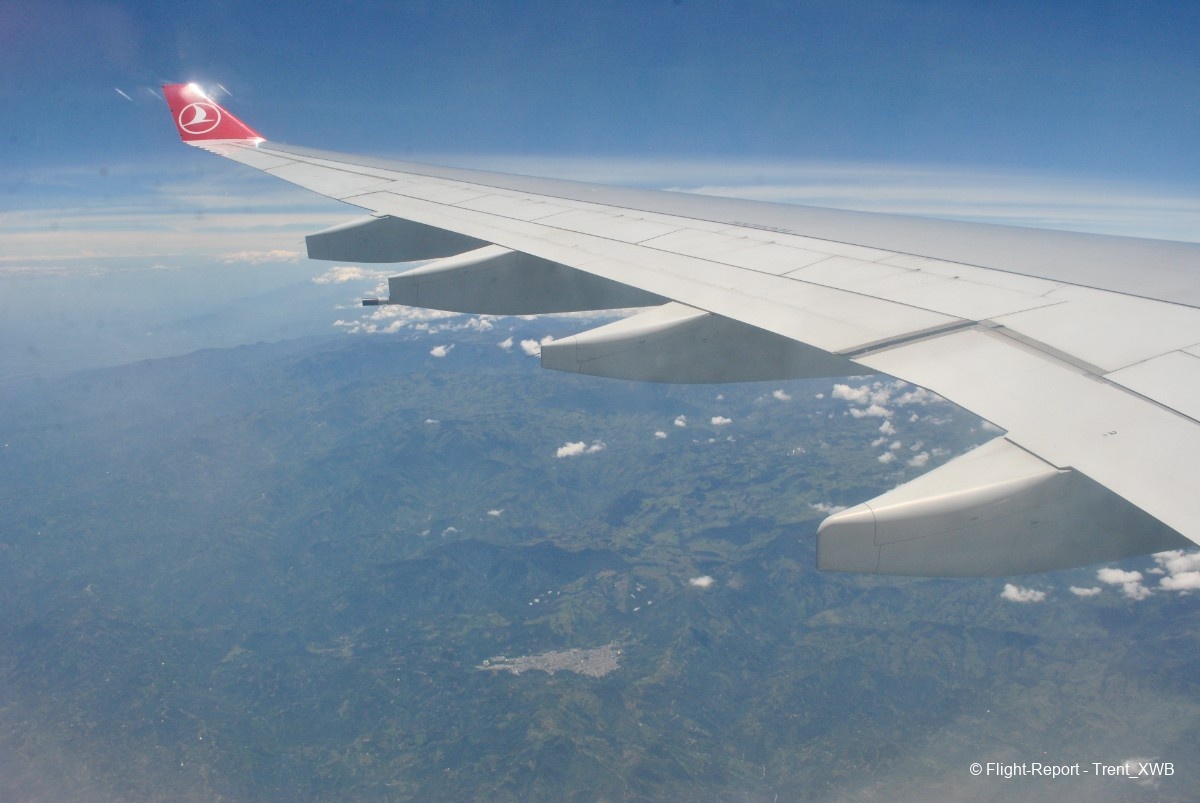
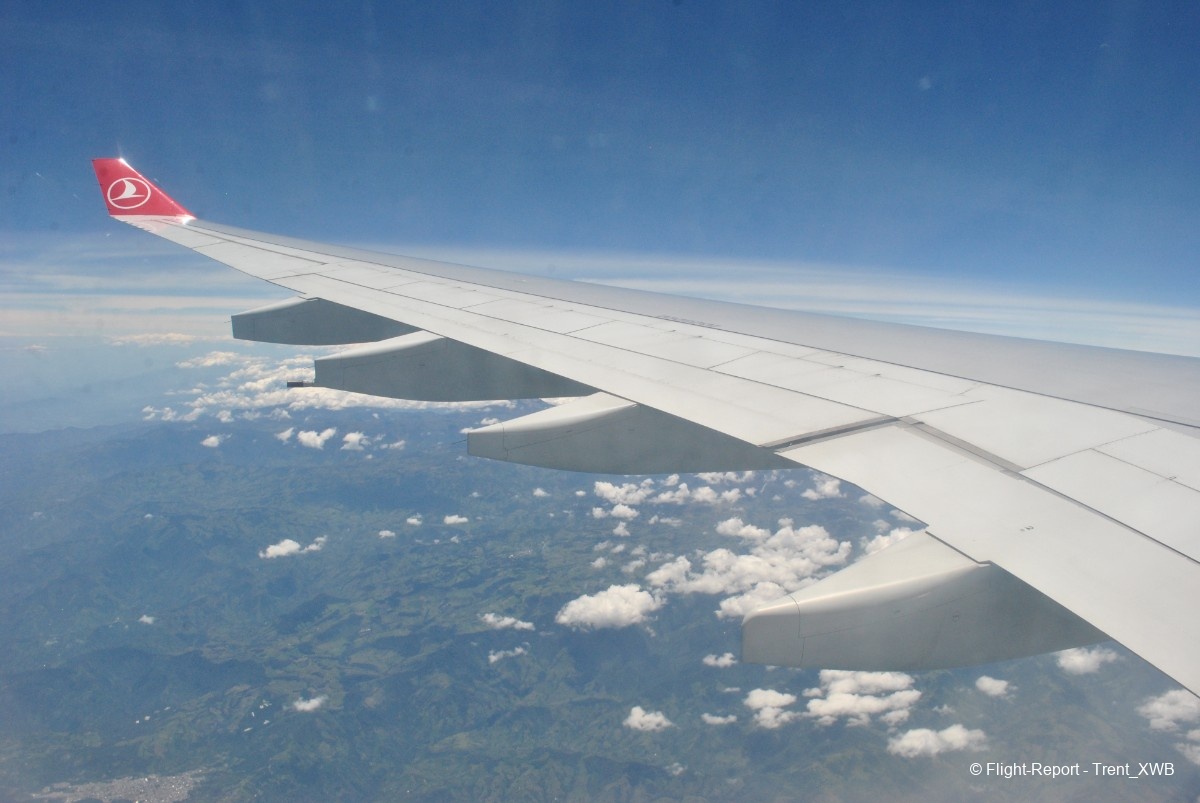
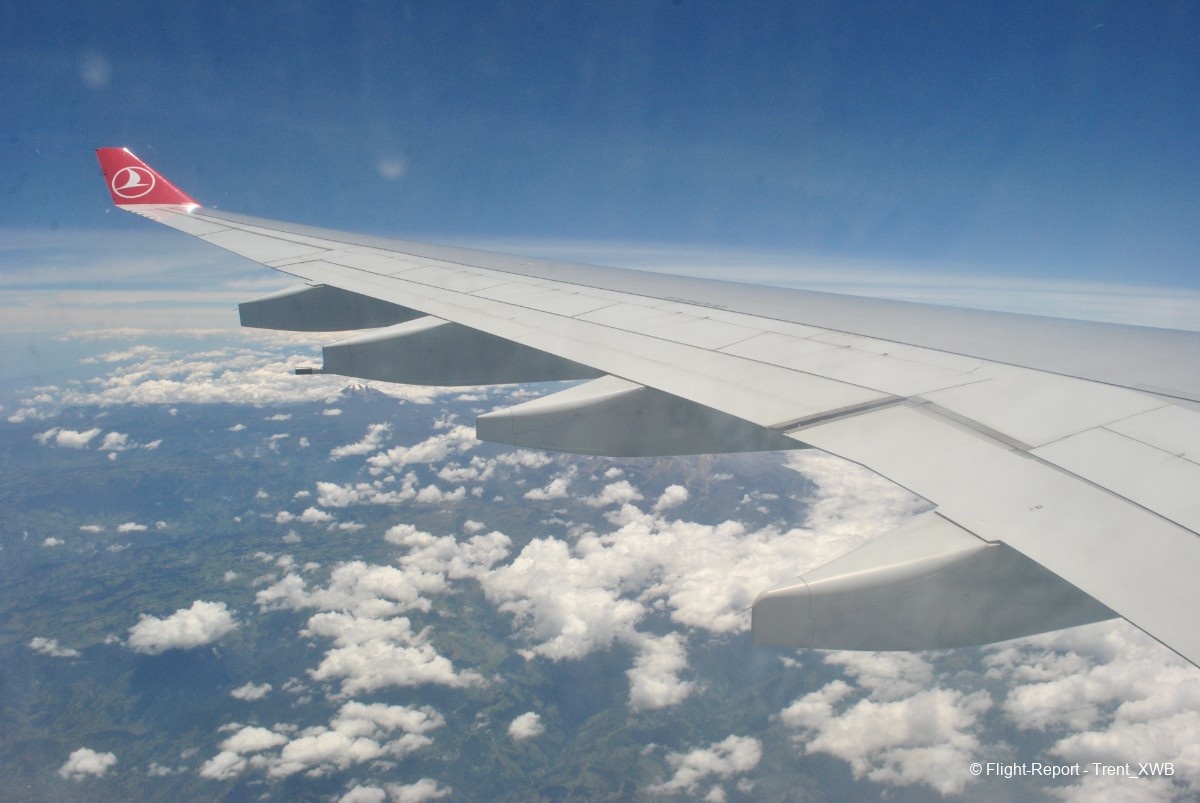
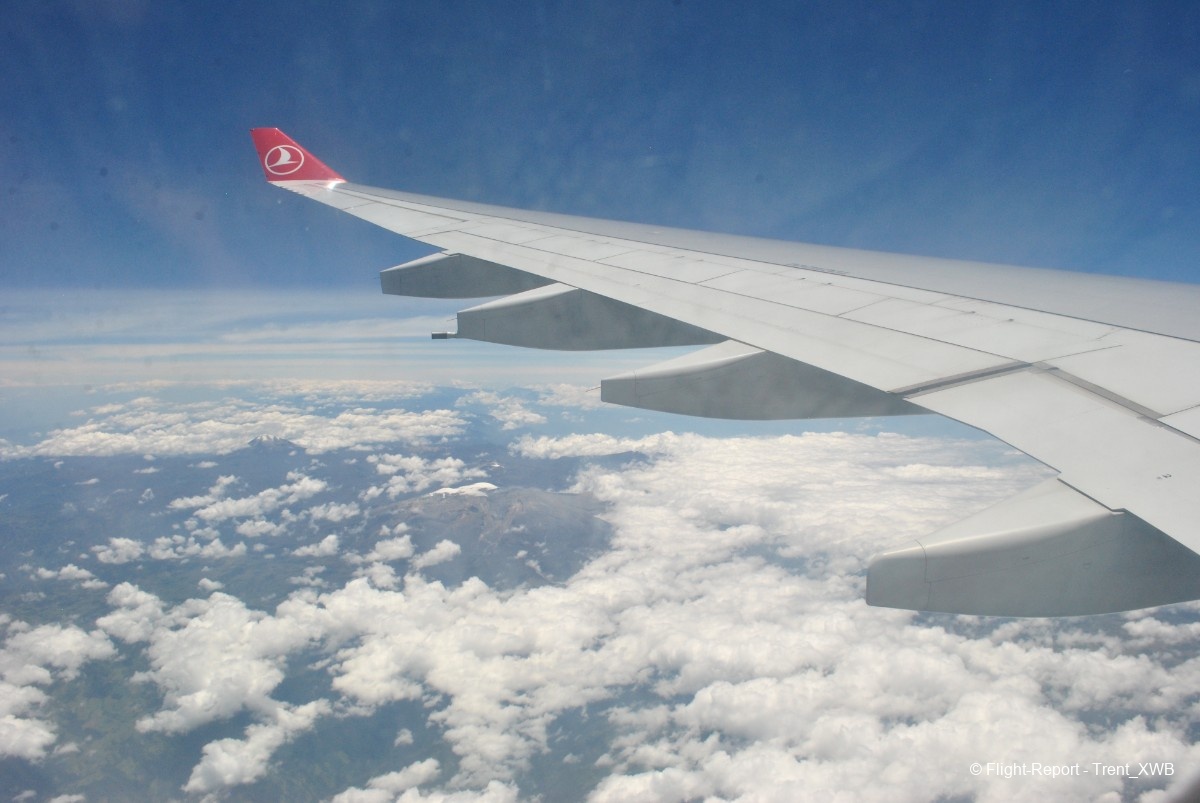
Colombia is saying goodbye, showing again the beauty of its mountains. Nevado de Tolima volcano.
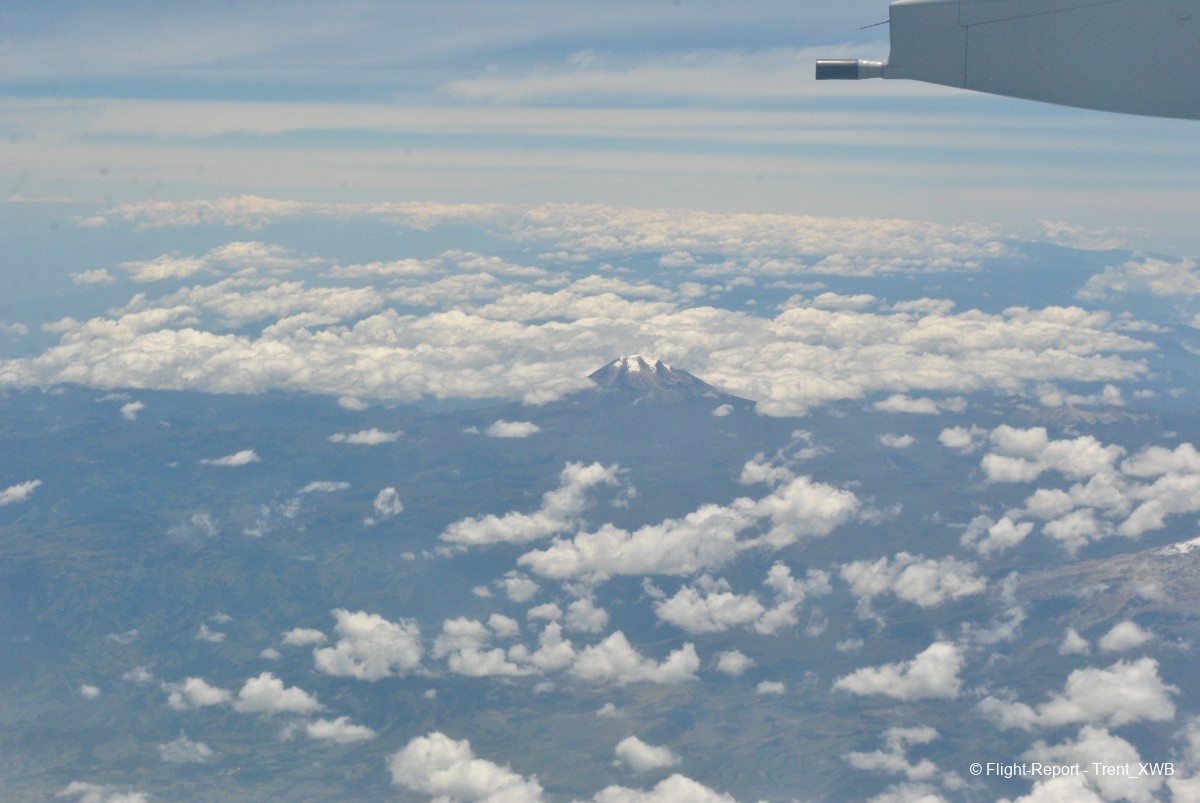
Nevado del Ruiz and Nevado de Tolima volcanoes.
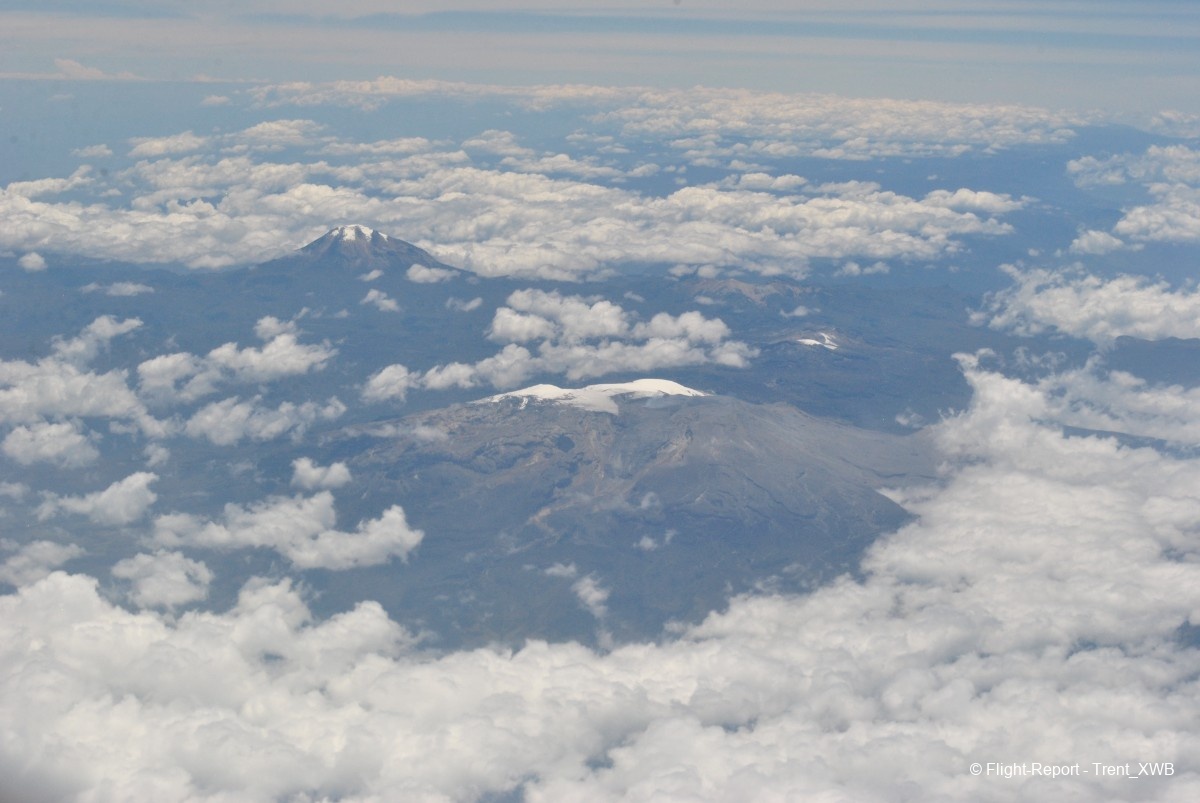
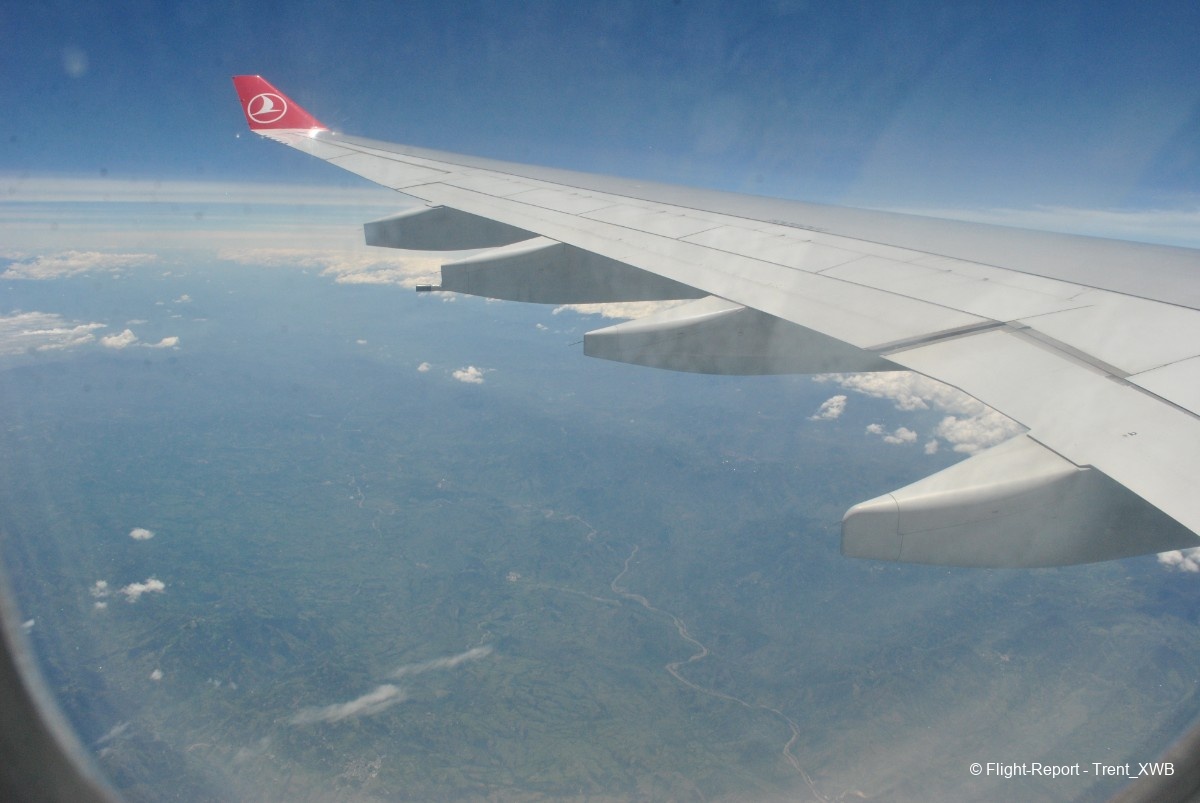
Crossing the valley between Cordillera Central and Cordillera Occidental.
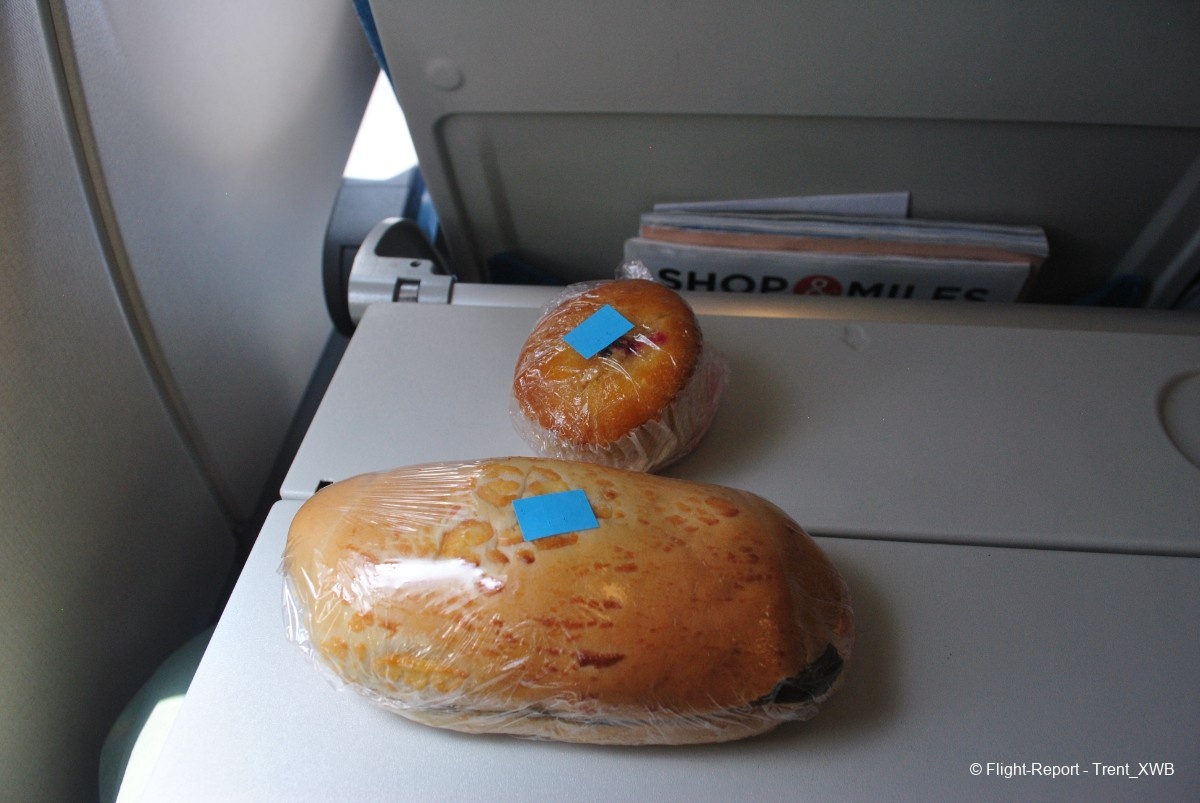
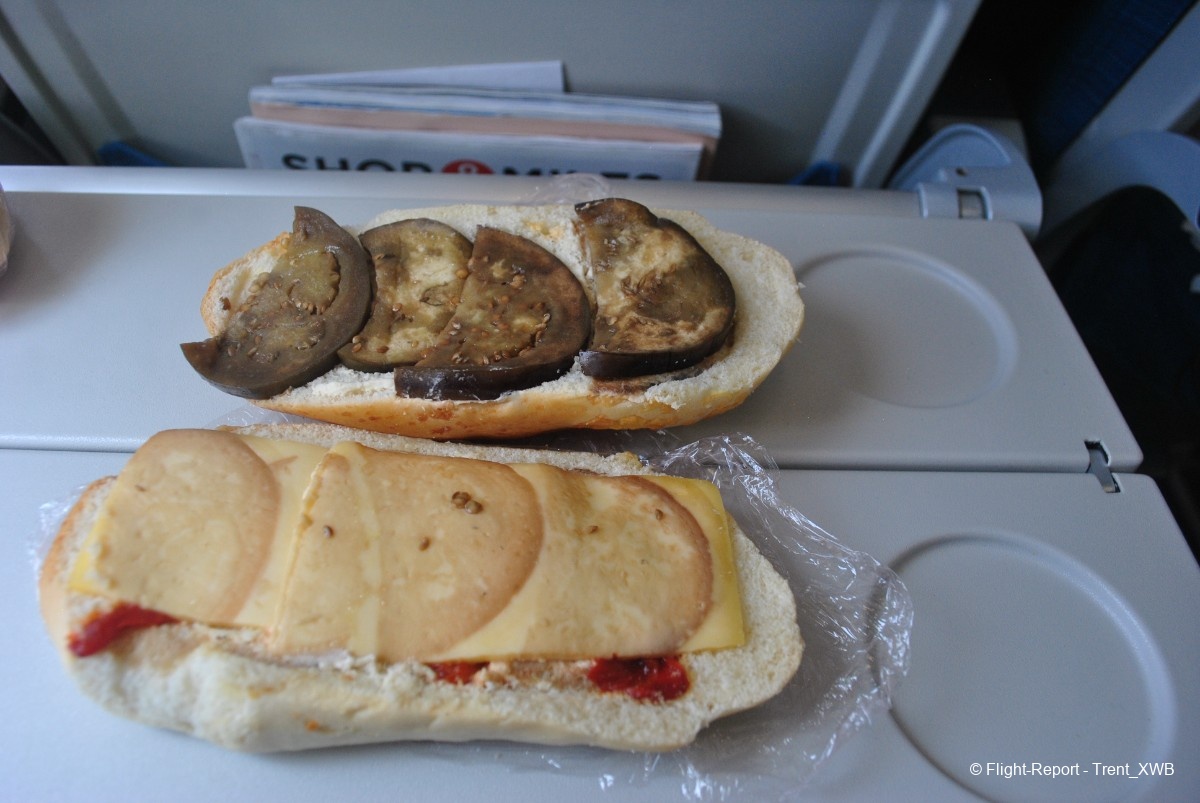
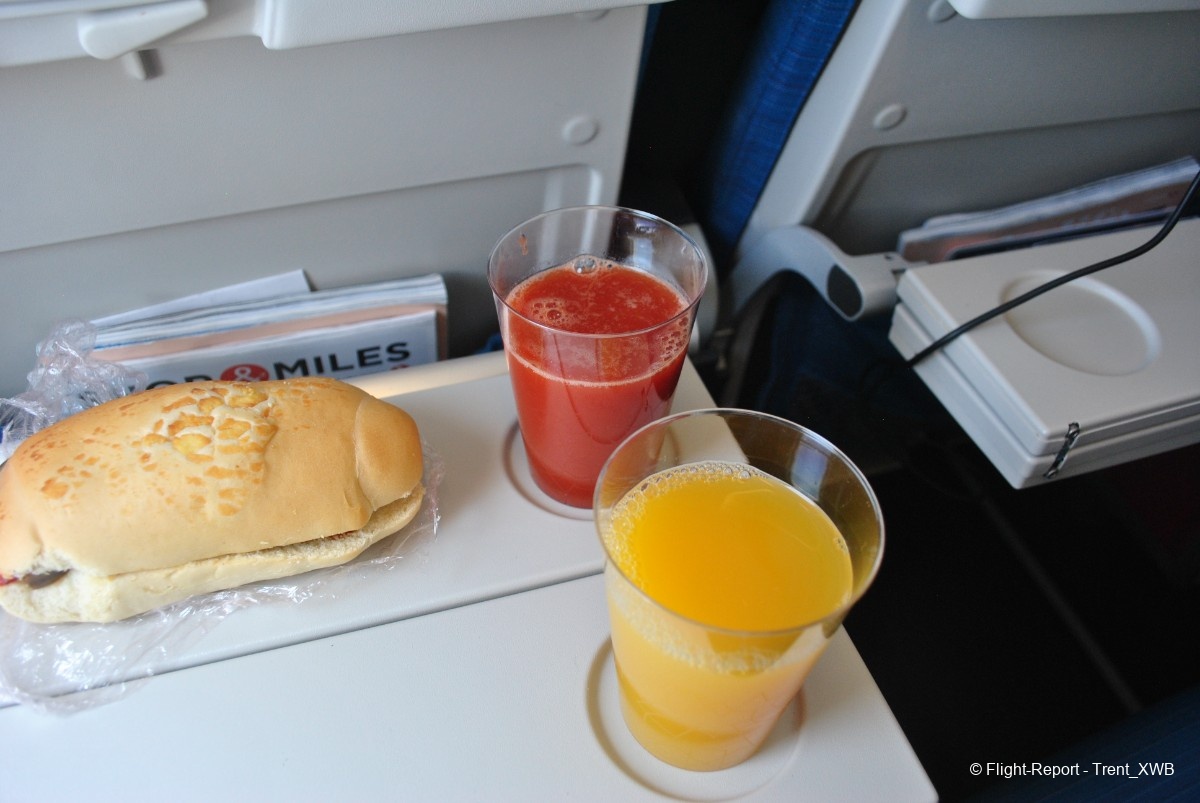
The inflight service on this short leg: cheese-veg sandwich, cake and drinks.
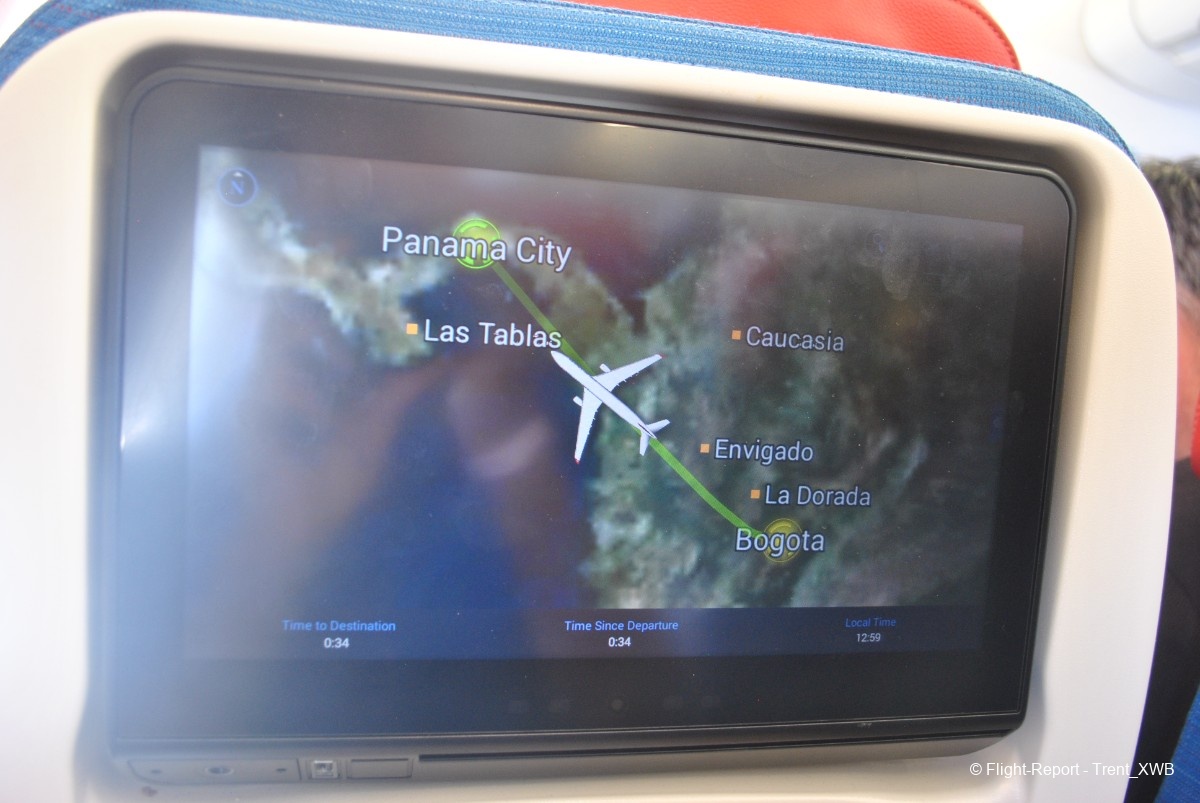
More than halfway to PTY is already behind.
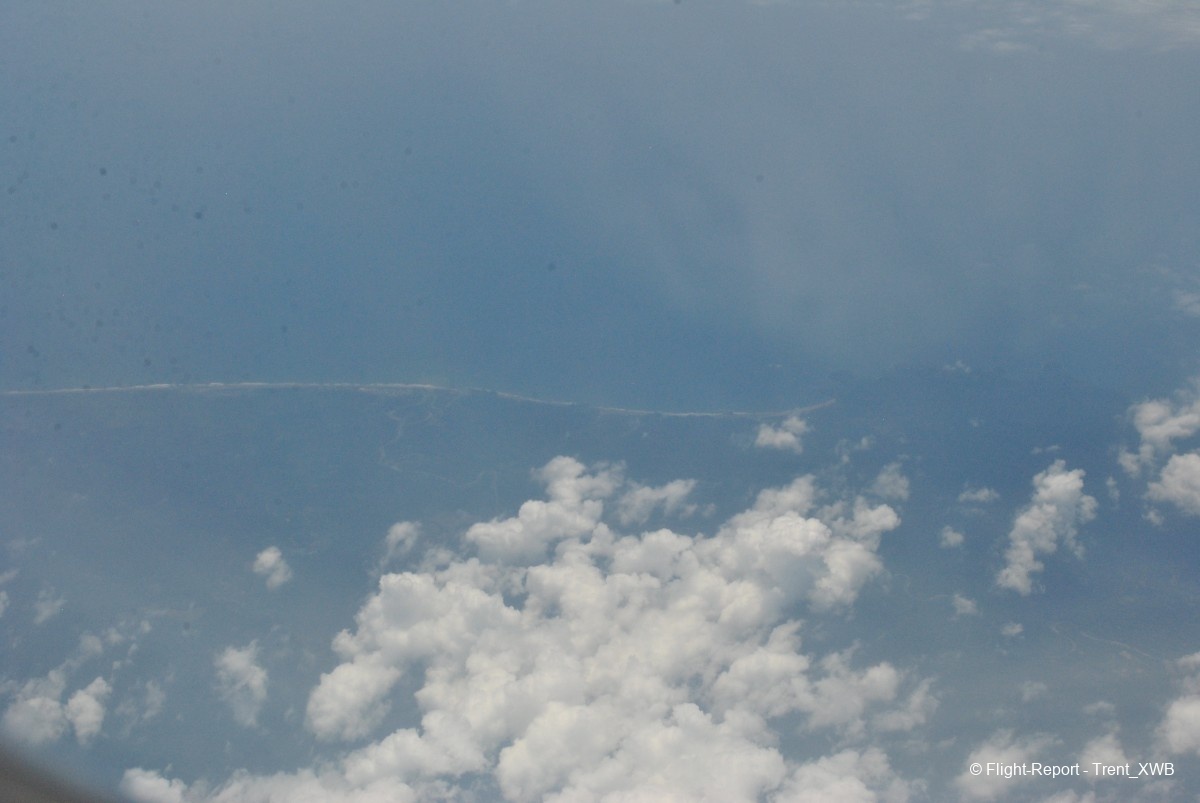
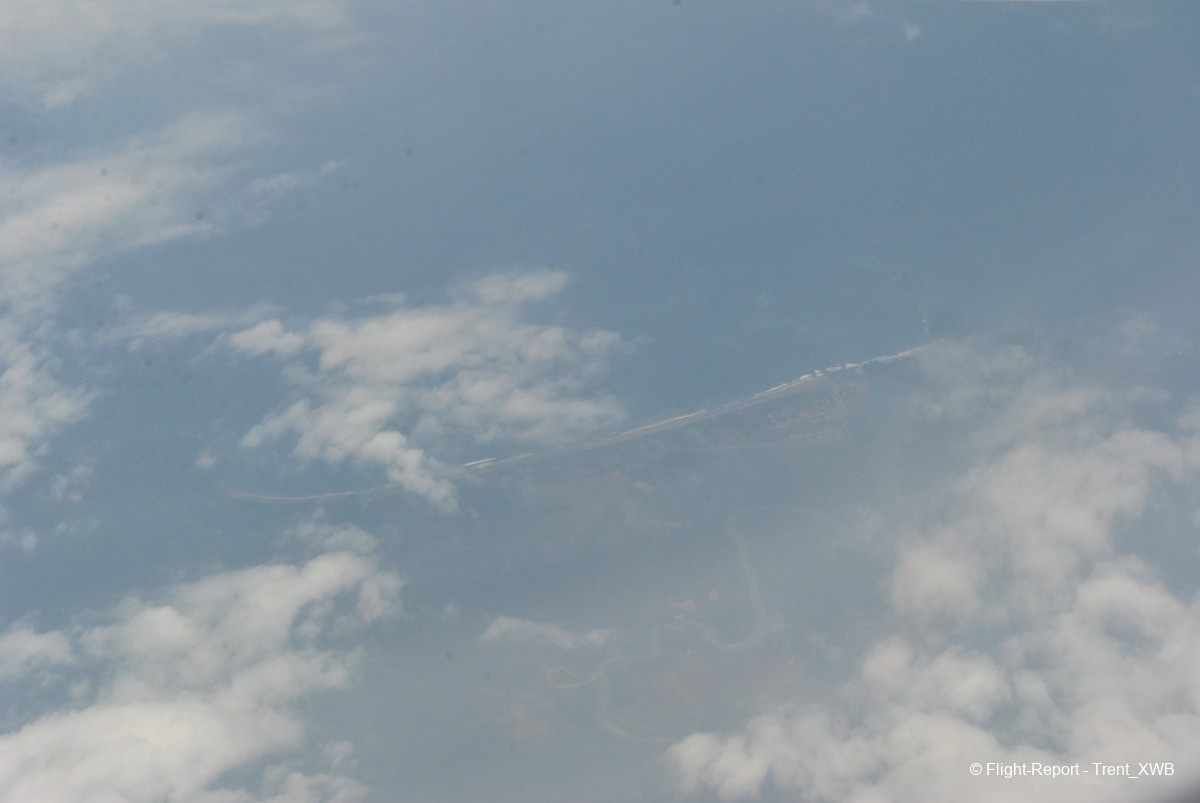
The pacific coast of Panama near Jaque.
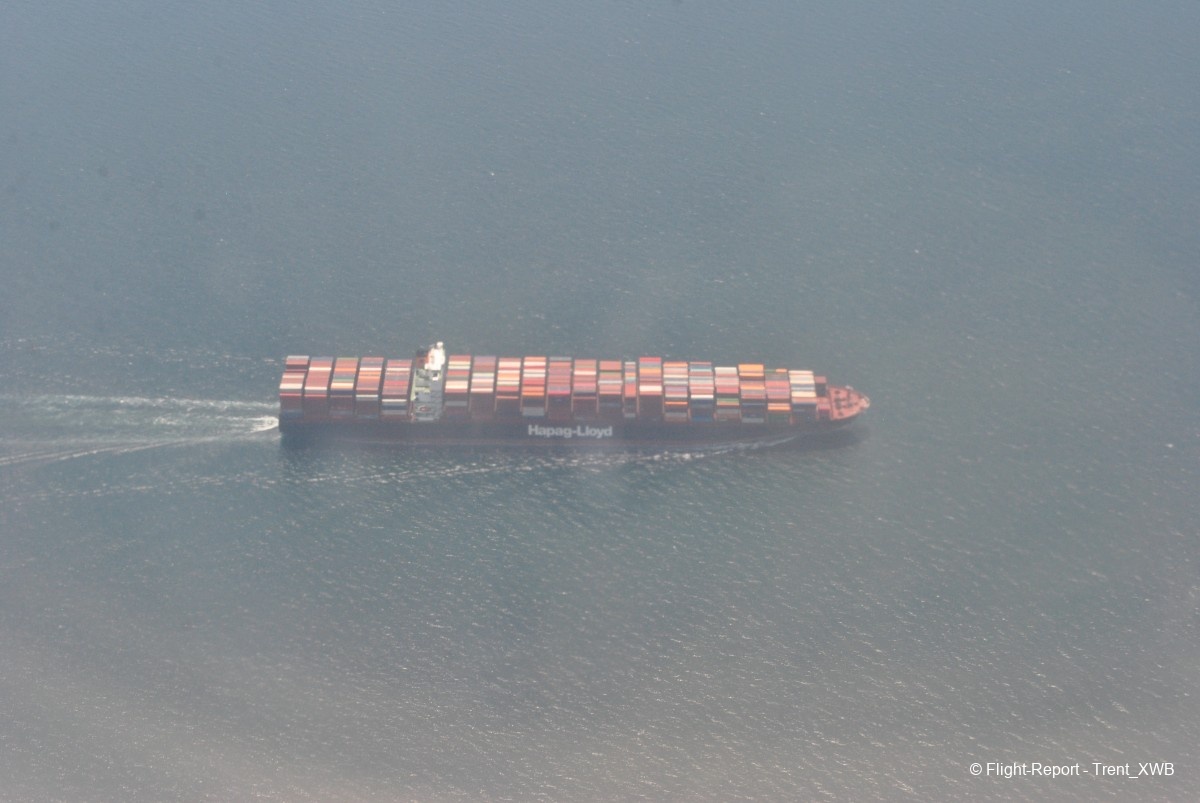
A large container ship, heading to the Pacific gate of Panama Channel.
Taboga island and numerous ships, waiting for their turn to enter the Pacific gate of the Channel.
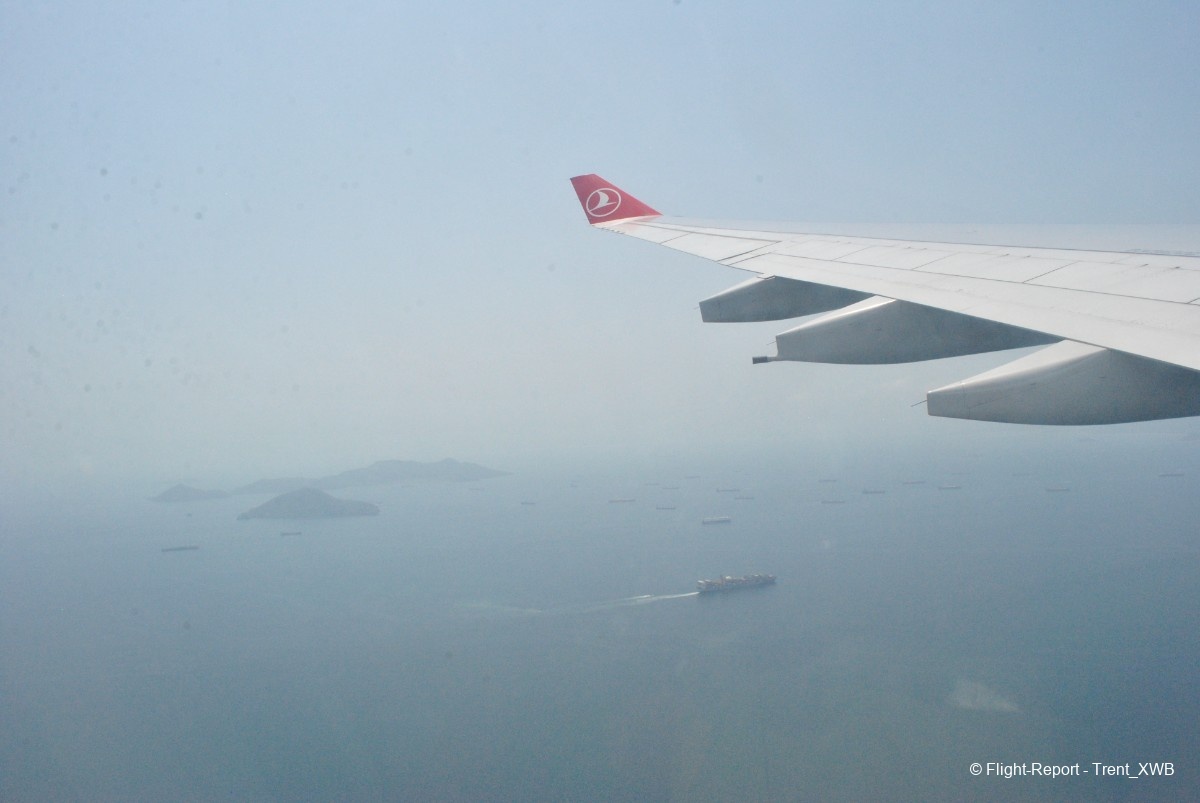
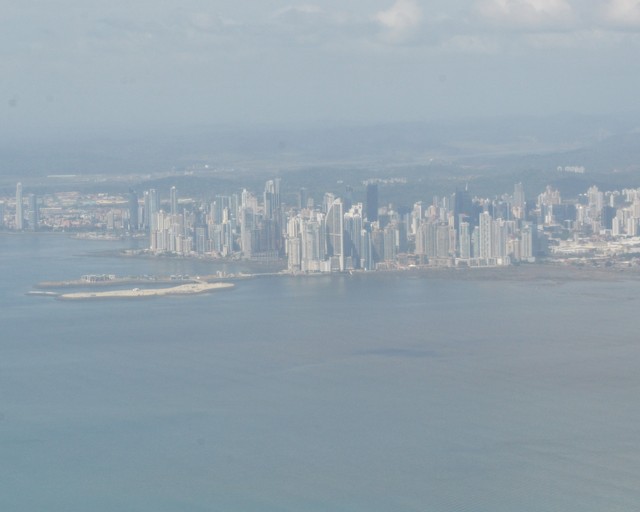
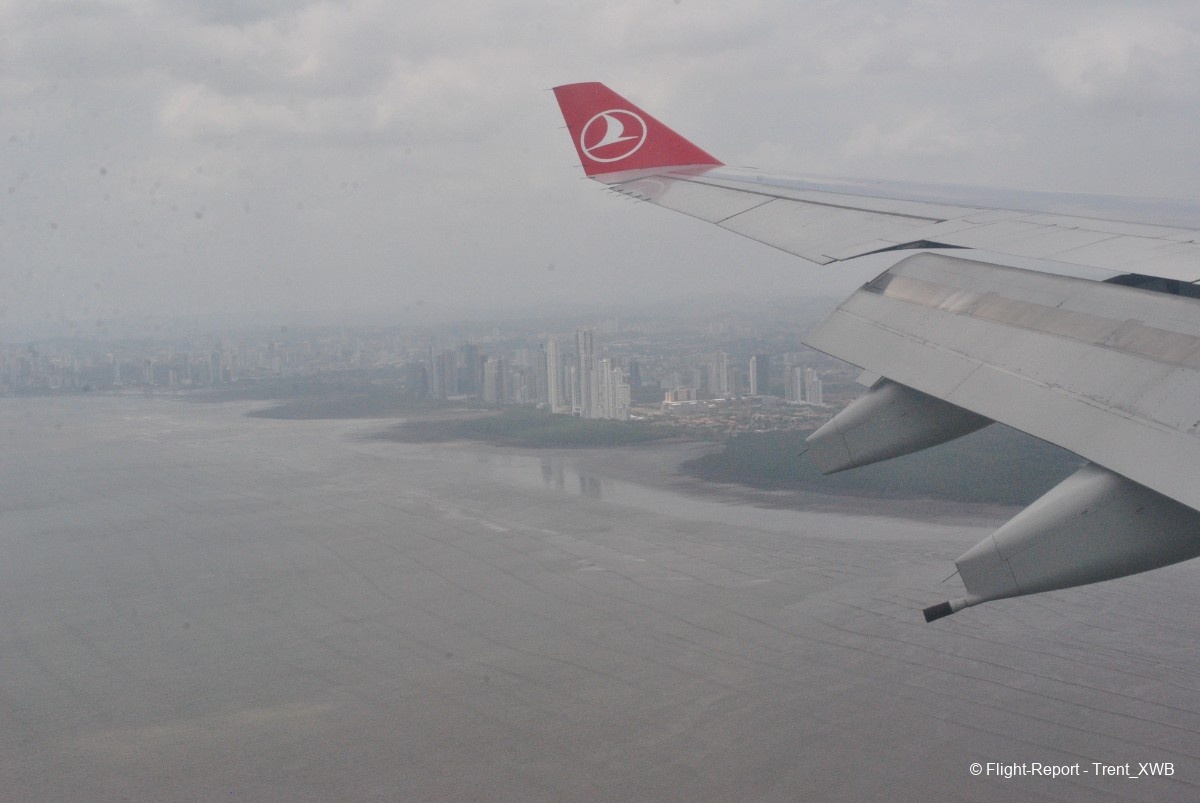
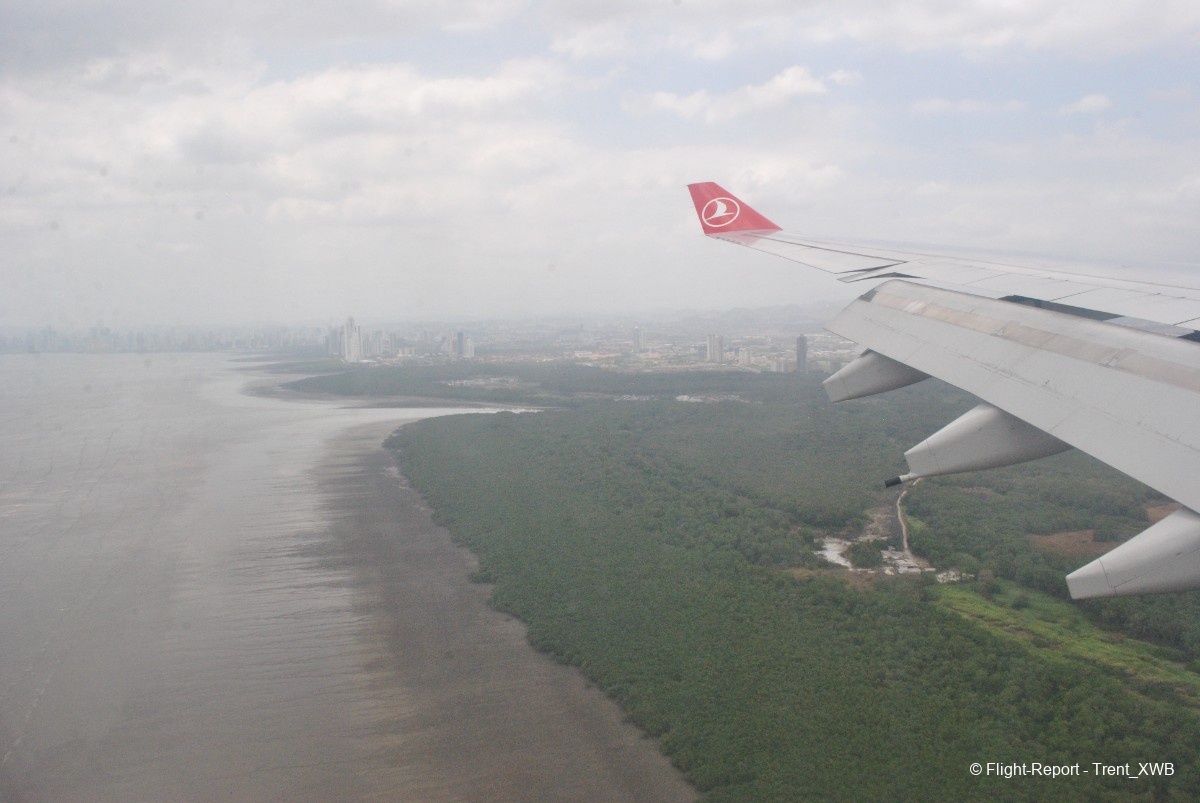
In contrast to the previous BOG-PTY flight, the sky over Panama city was hazy and due to 2-hours delay we coincided with the low tide.
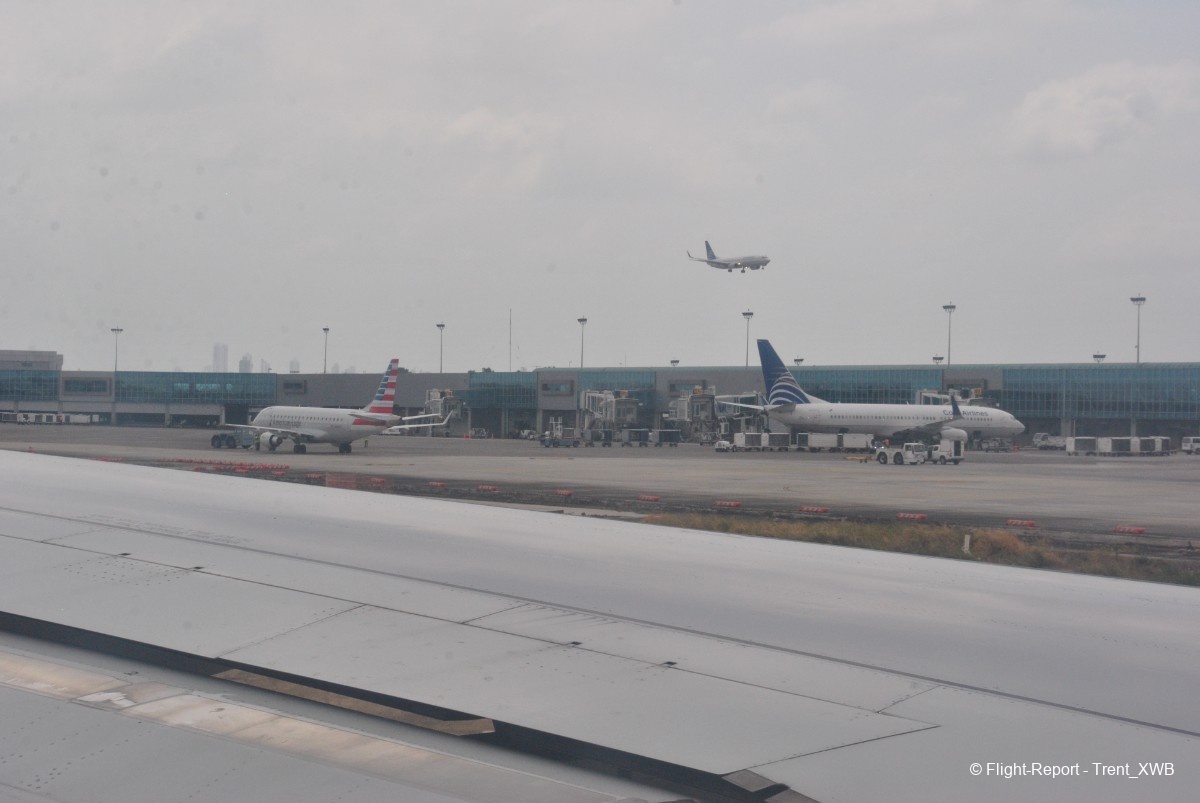
View of T1 PTY and E170 of American Eagle and 2 B738s of Copa Airlines as we were taxiing to our parking position. As we missed our slot in PTY, we were given a remote spot away from the terminal.
Thank you for your attention and welcome to the Part 2 (PTY-ISL) of this FR!