



Hi, dear flight-report members and readers!
In this FR I'd like to review a trans-Conosur flight on a prominent South American ULCC - JetSMART - between 2 major South American airports: Santiago de Chile A. Merino Benitez (SCL) and Montevideo Carrasco (MVD) with the accent on the international terminals of SCL and MVD, which are kind of pieces of the engineering art and are quite outstanding for the Latin American standards.
This flight was a part of my round-the-world trip in 2024, with its main legs BUD-PVG, PVG-AKL, AKL-SCL and VCP-ORY already reviewed.
The JA ticket SCL-MVD was bought in advance and the price was about 65 EUR, which was by far the cheapest option on this route. In 2024 JA served 5th-freedom route SCL-MVD-GIG (no longer operated since), and I flew its 1st leg.
JetSMART And Its Fleet
JetSMART is a Chilean-based ULCC, which started its operations in 2017 with 3 A320SLs and, being a part of "Indigo Partners alliance" (which includes Wizzair, Volaris and Frontier) quickly expanded into a prominent South American carrier with subsidiaries in Argentina, Peru and Colombia.
JA Group fleet consists of 15 A21Ns (4 parked) in Y240 layout plus 28 A20Ns (1 parked) in Y186 layout plus 11 A320s in Y186 layout. All the fleet but 8 A320s is Chilean-registered (CC-), the latter are Argentinian-registered (LV-).
The current (early 2026) partition of this fleet between the subsidiaries is the next:
JetSMART Chile (JA) operates 8 A21Ns plus 14 A20Ns plus 1 A320 from its hub in Santiago de Chile (SCL)
JetSMART Argentina (WJ) operates 7 A21Ns plus 1 A20N plus 10 A320s (including all the 8 LV-registered ones) from its base in Buenos Aires Aeroparque Jorge Newbery (AEP).
JetSMART Peru (JZ) operates 7 A20Ns.
JetSMART Colombia operates 6 A20Ns.
Whereas all these aircraft inside have bland all-Y cabins, typical for ULCCs, what makes them special is their tail paintings, representing species of Chilean fauna. It was indeed very SMART marketing move, because these tails immediately draw the attention in the airports.
Santiago De Chile A. Merino Benitez International Airport (SCL)
SCL, located north-west of Santiago de Chile not too far from the city centre, is the main "Pacific" hub of South America (the main "Atlantic" hub is GRU, located on the other side of Conosur) and the 2nd main hub of LATAM Airlines Group (the 1st is GRU).
SCL connects South America with Oceania, North America and Europe (including Turkey, which is formally both Europe and Middle East), whereas GRU connects the continent with North America, Europe, Africa and Asia (Middle East and East Asia).
In the list of the busiest Latin American airports in 2025 SCL is rated 6th - after GRU, BOG, MEX, CUN and LIM. Behind SCL in the top-10 are CGH, PTY, GDL and AEP.
For comparison, BOG (rated 2nd) and GIG (rated 11th) connect South America with North America, Europe and Asia (Middle East), and EZE (rated 19th, which is far behind SCL) connects the continent with the most number of another continents - North America, Europe, Africa, Asia (Middle East and East Asia) and Oceania, due to recently launched China Eastern flight PVG-AKL-EZE on B77W - the world's longest direct 1-stop flight, but lacks the volumes of traffic (due to the weakness of the Argentinian economy).
Until 2021 SCL had the only terminal (aging T1) for both international and domestic flights. In 2021 the new international T2, consisting of the main building (T2M) and 4 piers (T2C/D/E/F) was inaugurated, and since then T1 (now being formally "divided" into T1A/B piers) serves only domestic flights. Worth noting that T2C was finished in late 2018 well before all the other parts of T2 and temporarily served as an extension of then-international pier of the old T1.
Airlines Serving SCL And Their Aircraft Types
Avgeek-wise, post-pandemic SCL is extremely boring in terms of passenger aircrafts, as almost all the airlines (except AR and OB), serving Santiago, send very generic types to SCL. All the widebody types among them are mid-sized.
Aerolineas Argentinas (from AEP): B7M8, B738, B737 (the latter being 1 of 2 non-generic a/c types in SCL).
AeroMexico (from MEX): B788.
Air Canada (from YYZ and season-wise from YUL): B789, B788. Before pandemic AC served SCL (with EZE tag) with B77Ws.
Air France (from CDG): A359. This is, BTW, the most comfortable option of flying into SCL from Europe in economy (AF A359s feature Safran Z300 seats in Y).
American Airlines (from MIA and season-wise from DFW): B77E, B788.
Avianca (from BOG and season-wise from CTG): A333 (leased from Wamos Air) and A20N.
Boliviana de Aviacion (from VVI): CR2 (the 2nd non-generic a/c type in SCL).
British Airways (from LHR): B789. Funny thing is that BA is the only airline with first class service to SCL (because all their B789s have 4-class layout with F, and even with empty F they are more cost-efficient on the flight of this length than, say, B77Es), whereas it doesn't have first class service to GRU (3-class A35K) and to GIG+EZE (3-class B77E).
Copa Airlines (from PTY): B7M9 (with lie-flats in C). It's the 3rd-longest B737 flight in the world (with the longest being PTY-MVD).
Delta Air Lines (from ATL): A359.
Iberia (from MAD): A359. Before pandemic IB served SCL with A346s.
JetSMART (hub in SCL): A21N, A20N, A320.
KLM (from AMS via EZE): B77E. Before pandemic KL served SCL with B77Ws.
LATAM (hub in SCL): B789, B788, A21N, A321, A20N, A320.
LEVEL (from BCN): A332.
Qantas (from SYD): B789. Before pandemic QF served SCL with B744s.
Sky Airline (hub in SCL): A21N, A20N.
Turkish Airlines (from IST via GRU): A359.
United Airlines (season-wise from IAH): B77E.
The cargo traffic in SCL, though, is much more interesting: the airport receives B748Fs and B744Fs of Atlas Air and Cargolux, B744Fs of Western Global Airlines, B77Fs of China Cargo Airlines, Ethiopian Airlines Cargo, Korean Air Cargo and Lufthansa Cargo, A332Fs of Avianca Cargo, B763F of UPS, and so on.
The New Terminal 2 SCL
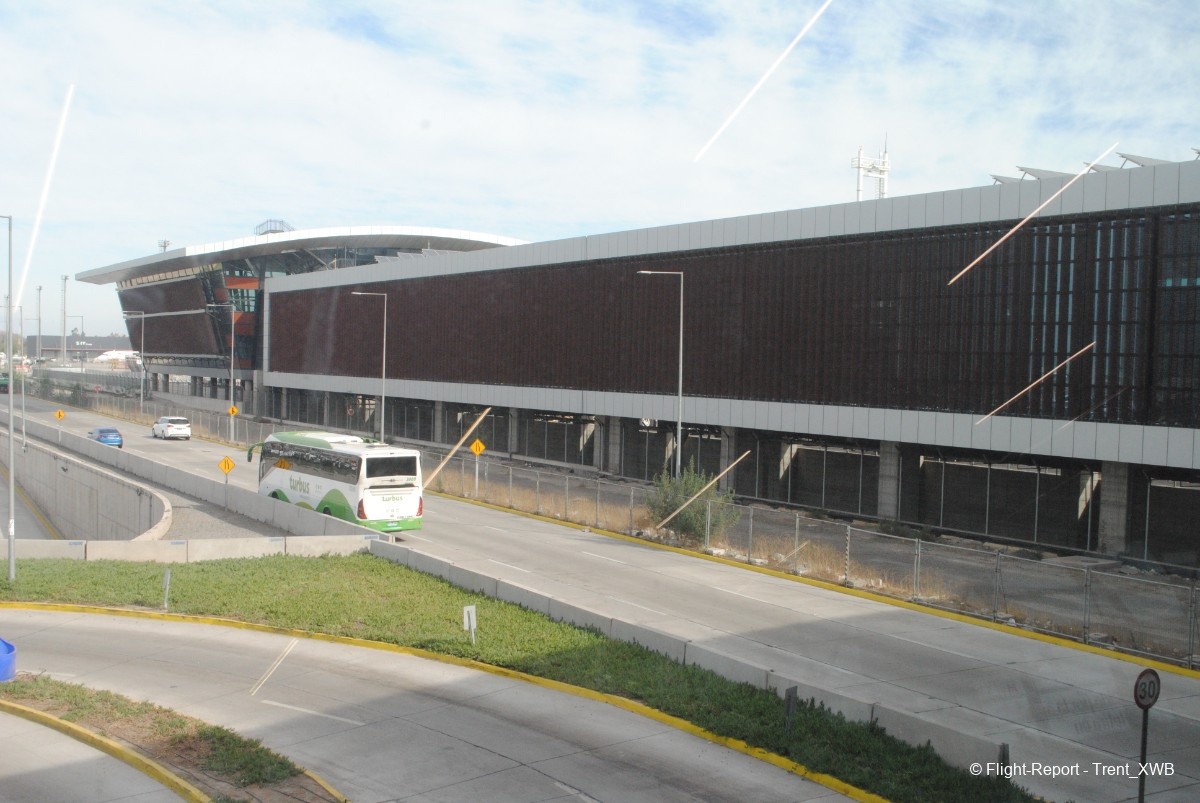
Let's start reviewing T2 from the arrivals zone. My transpacific flight AKL-SCL arrived to T2E pier.
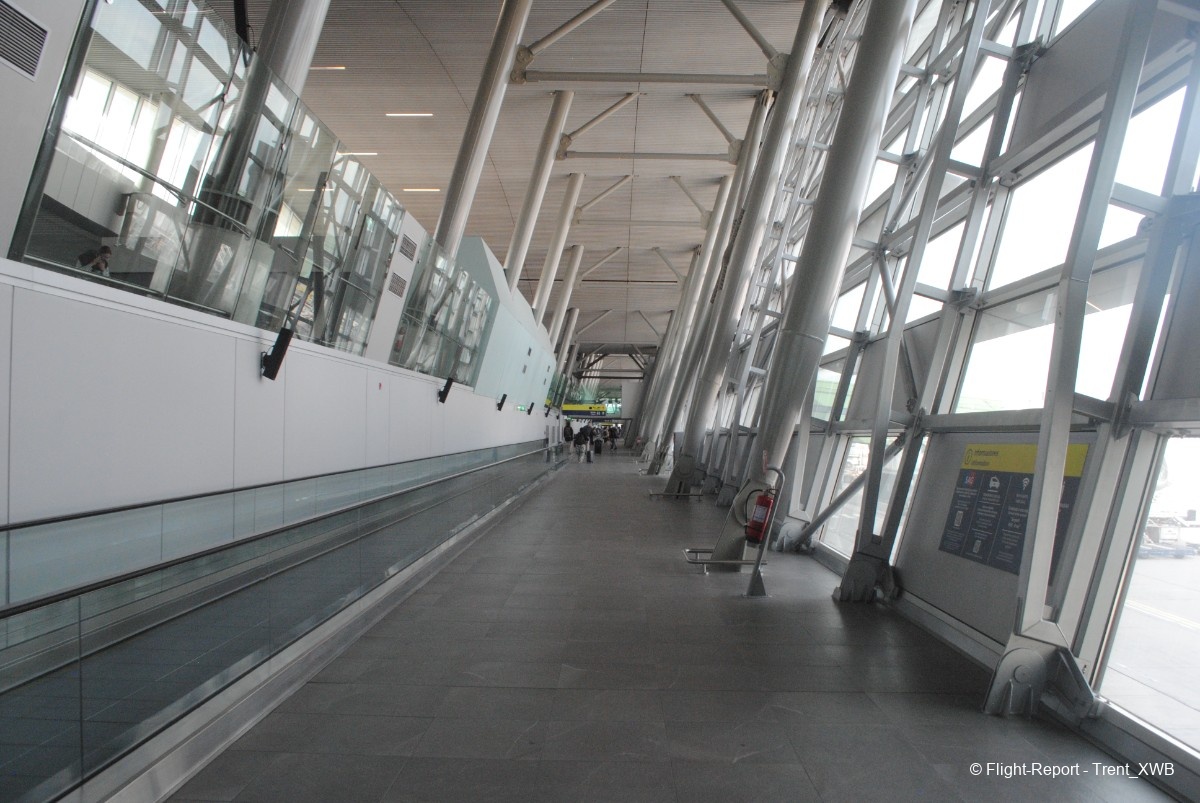
This is the arrival corridor of the pier, dividing the gates area from the pier's window and thus making the pier absolutely spotting-unfriendly. The same is applicable for the another 3 piers. Though, as noted above, there are almost zero non-generic passenger aircrafts in SCL nowadays so you don't really lose that much (except of the cargo aircrafts).
T2F pier seen from T2E, and Patagua car parking.
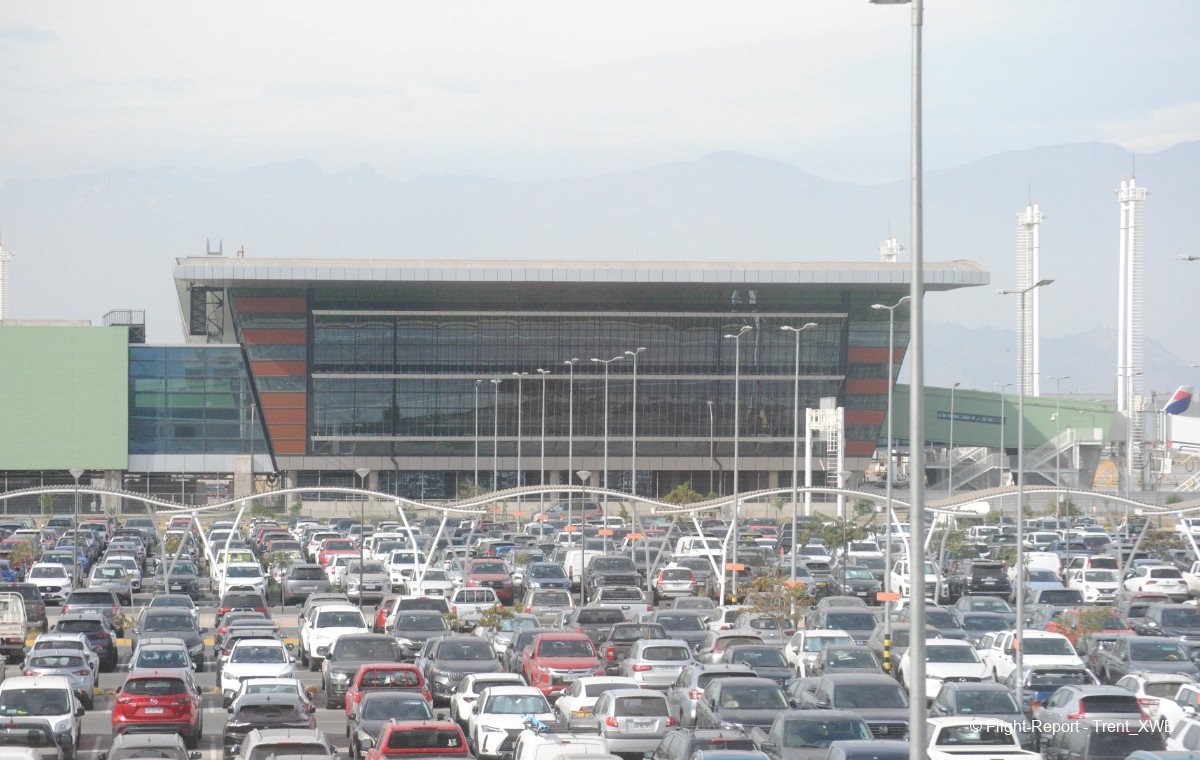
The main T2 building (T2M) seen from Patagua car parking.
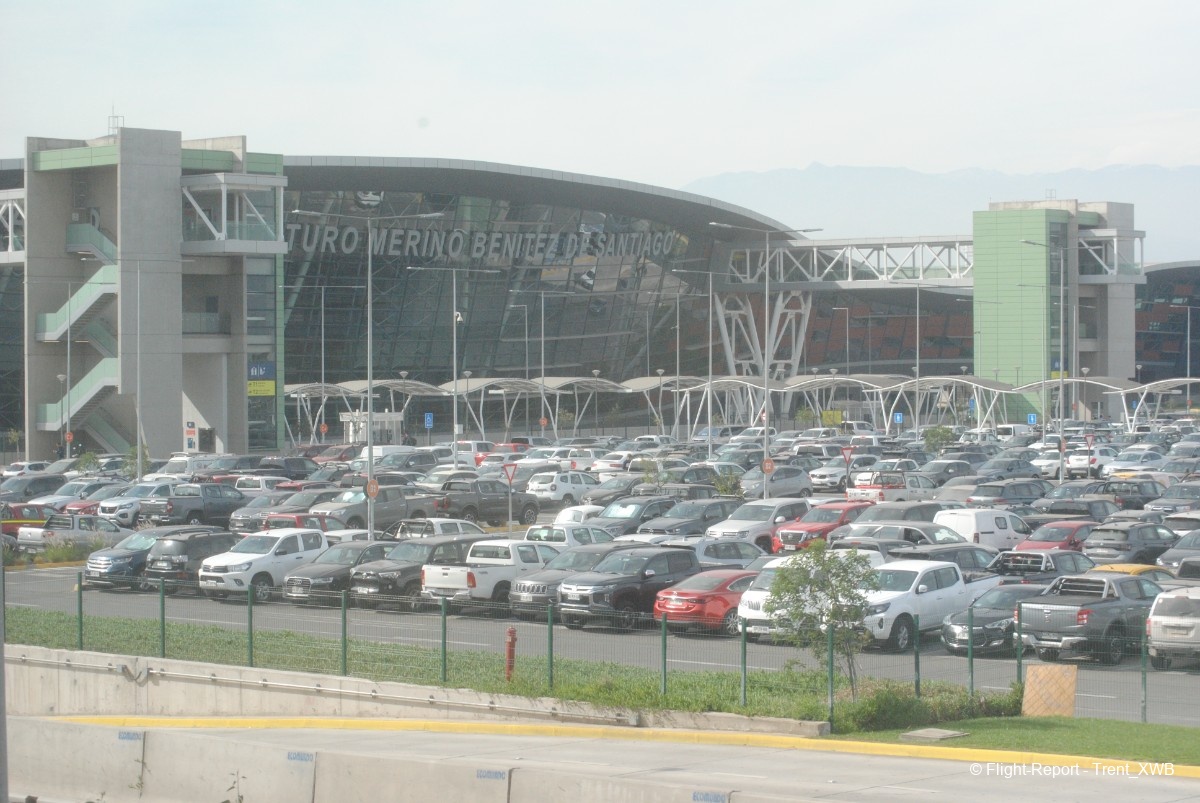
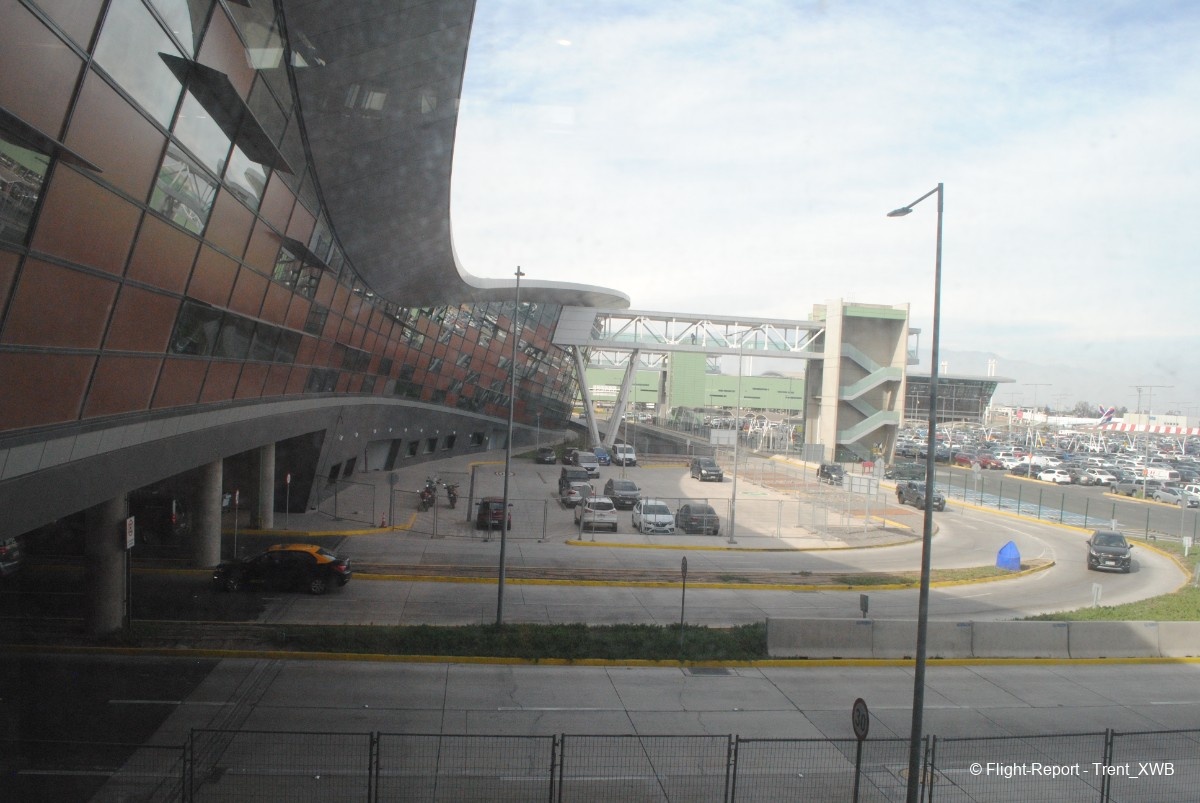
T2E and the gallery, connecting the pier with T2M. Apron-looking windows of these galleries is where you can make some planespotting.
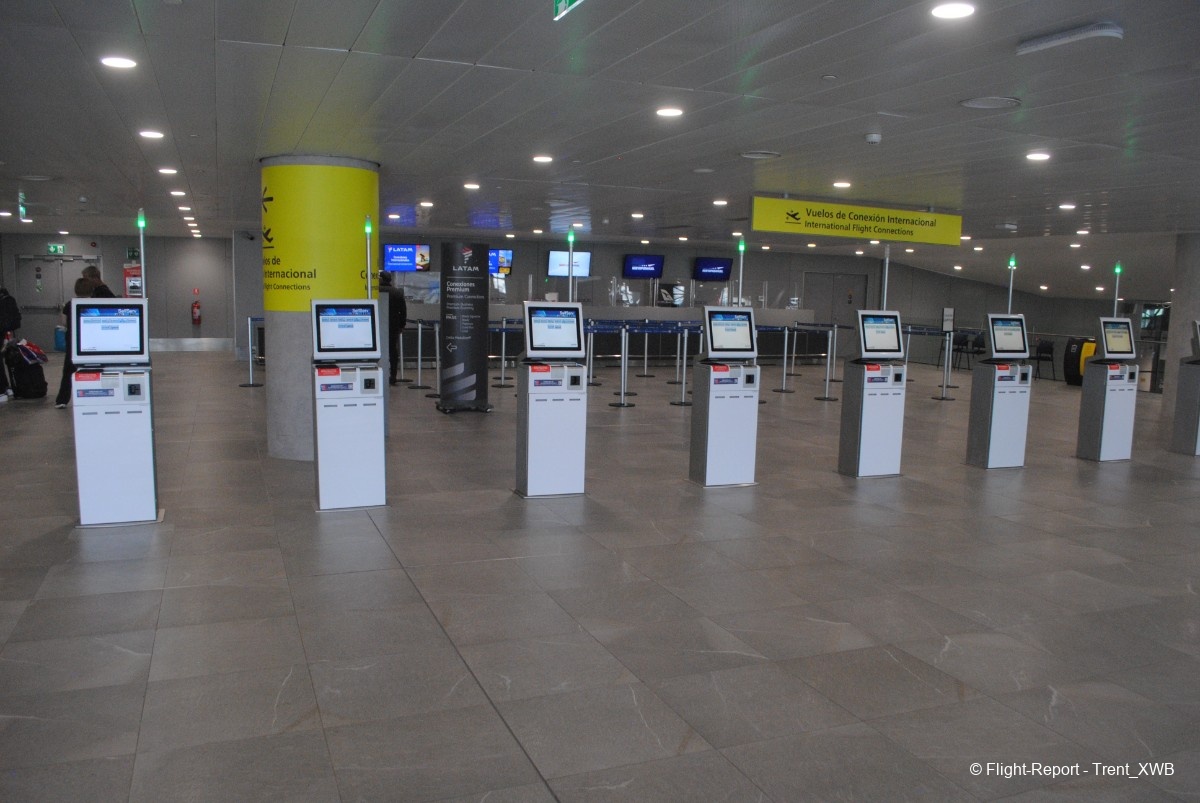
Transit desks for the passengers, connecting between international flights.
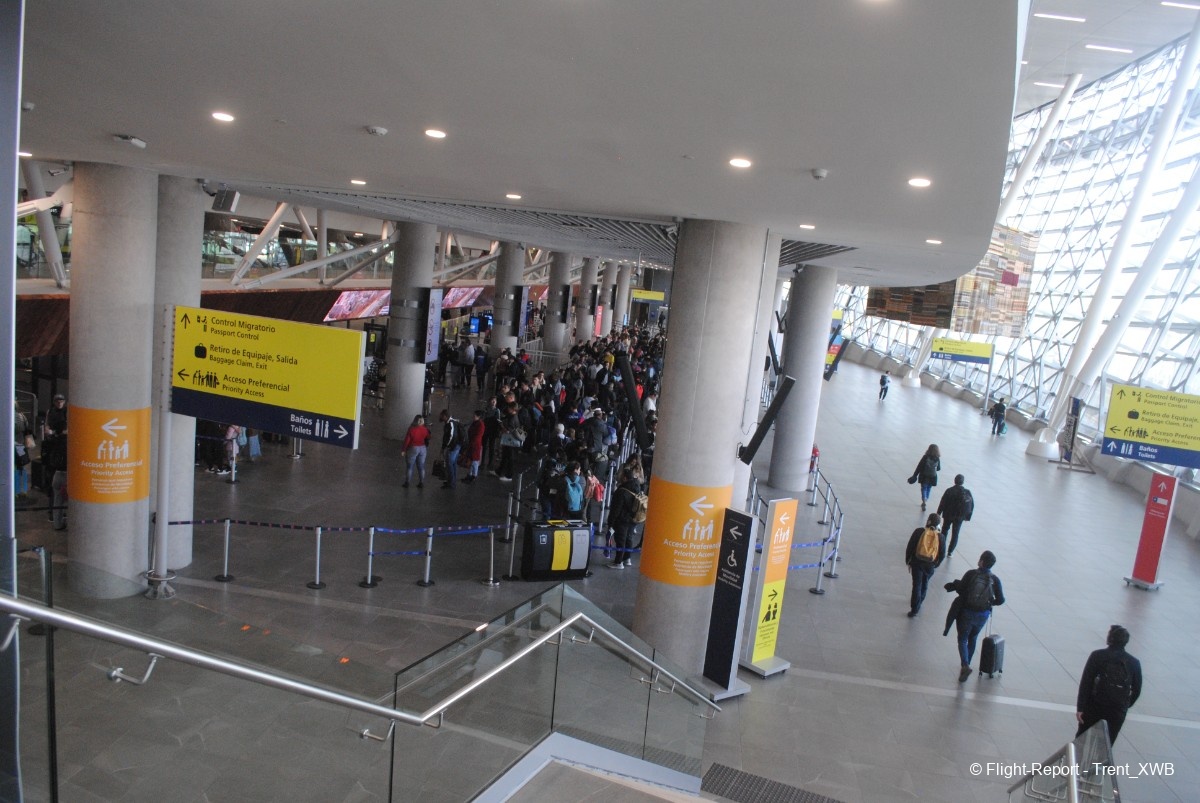
Immigration hall in T2M.
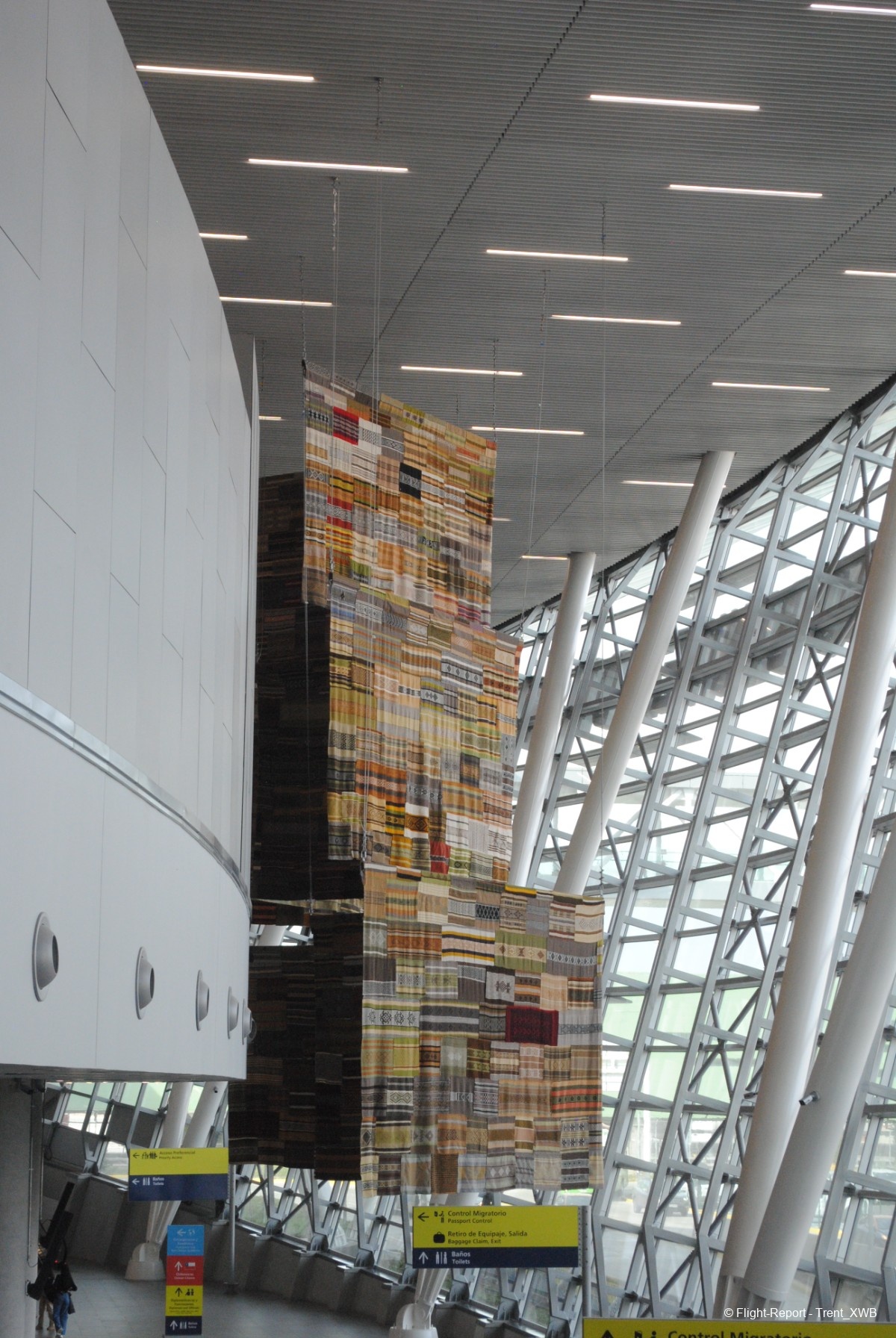
Some colorite near the immigration.
Luggage claim hall with welcoming installations.
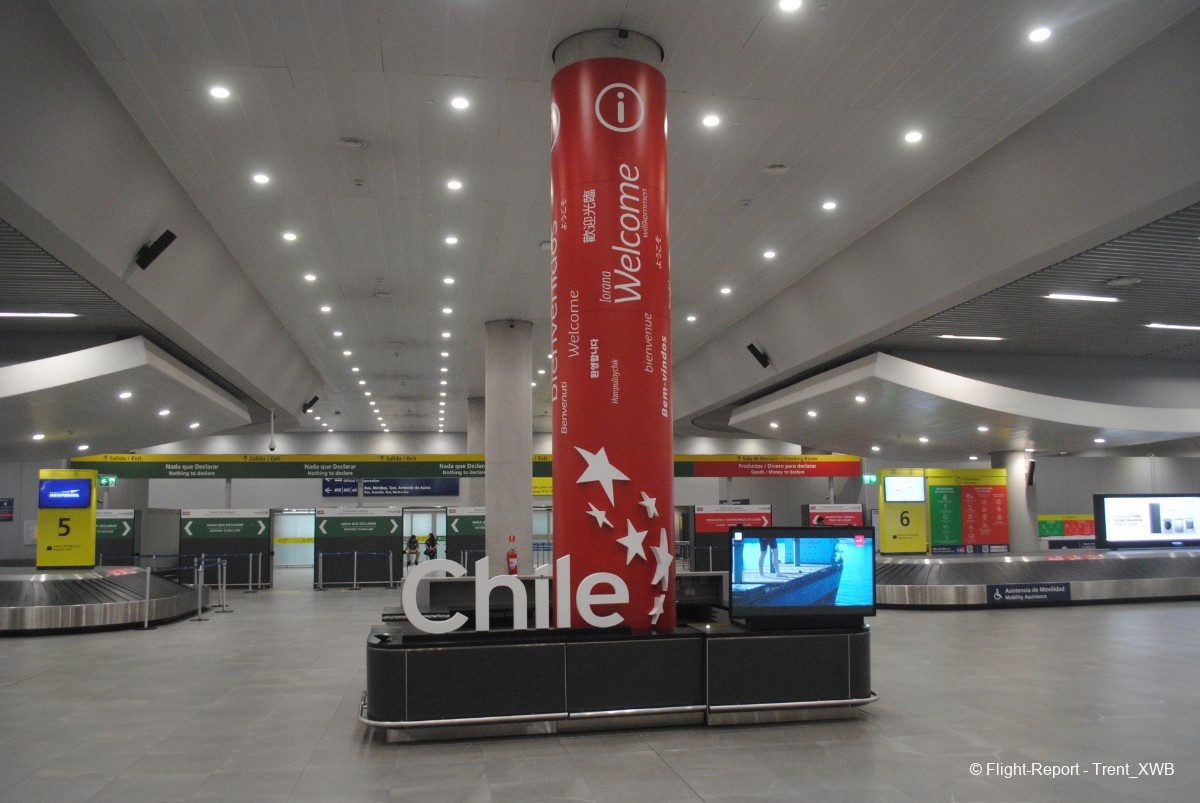
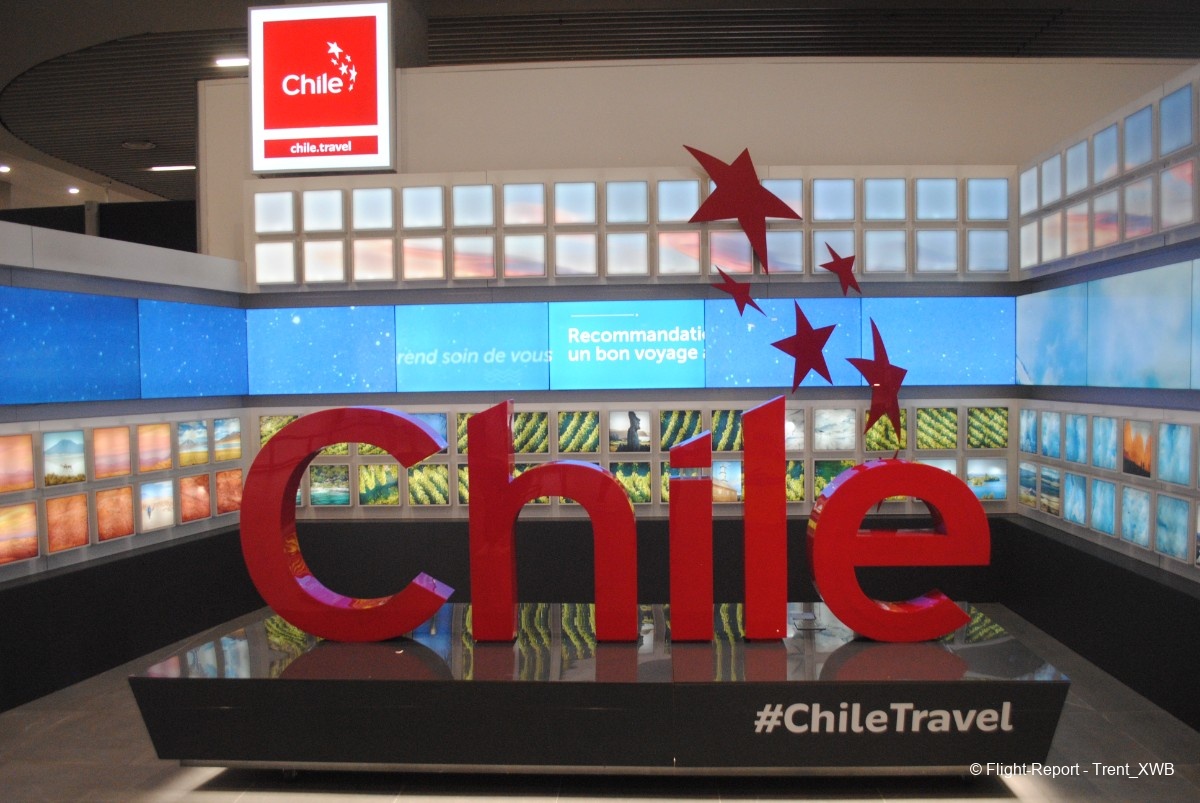
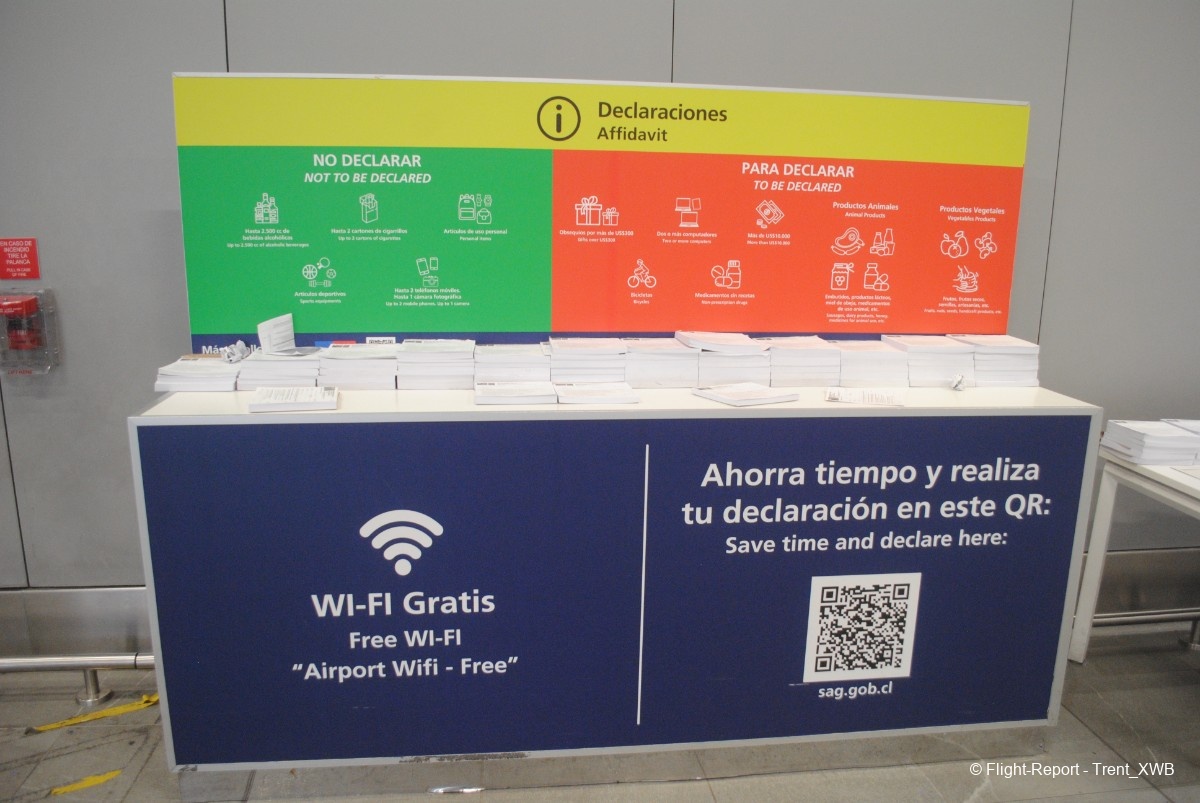
Chilean entry requirements demand to declare a large variety of foods and goods, as Chile wants to protect its biodiversity. For me it was a no-brainer as I had no food with me.
T2M seen from the another side, facing the old T1.
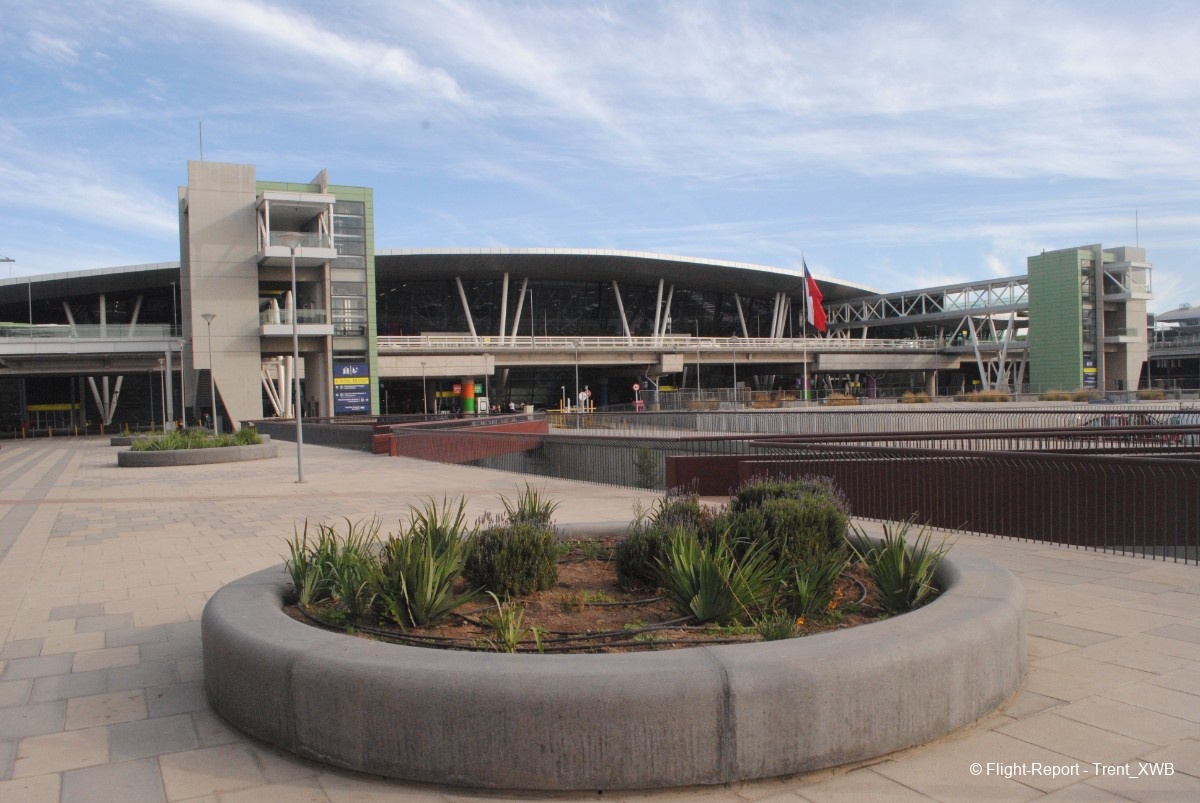
T2M is connected with T1 with a kind of promenade, decorated with nice grass side panels.
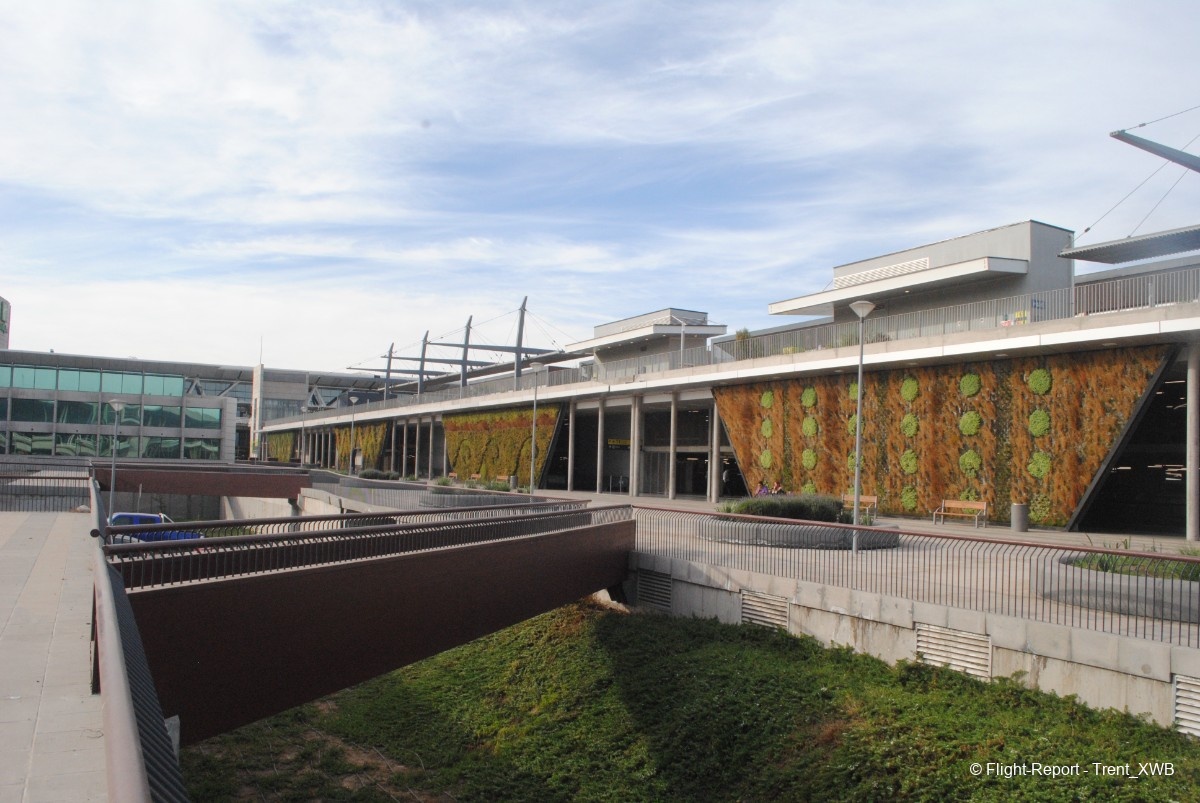
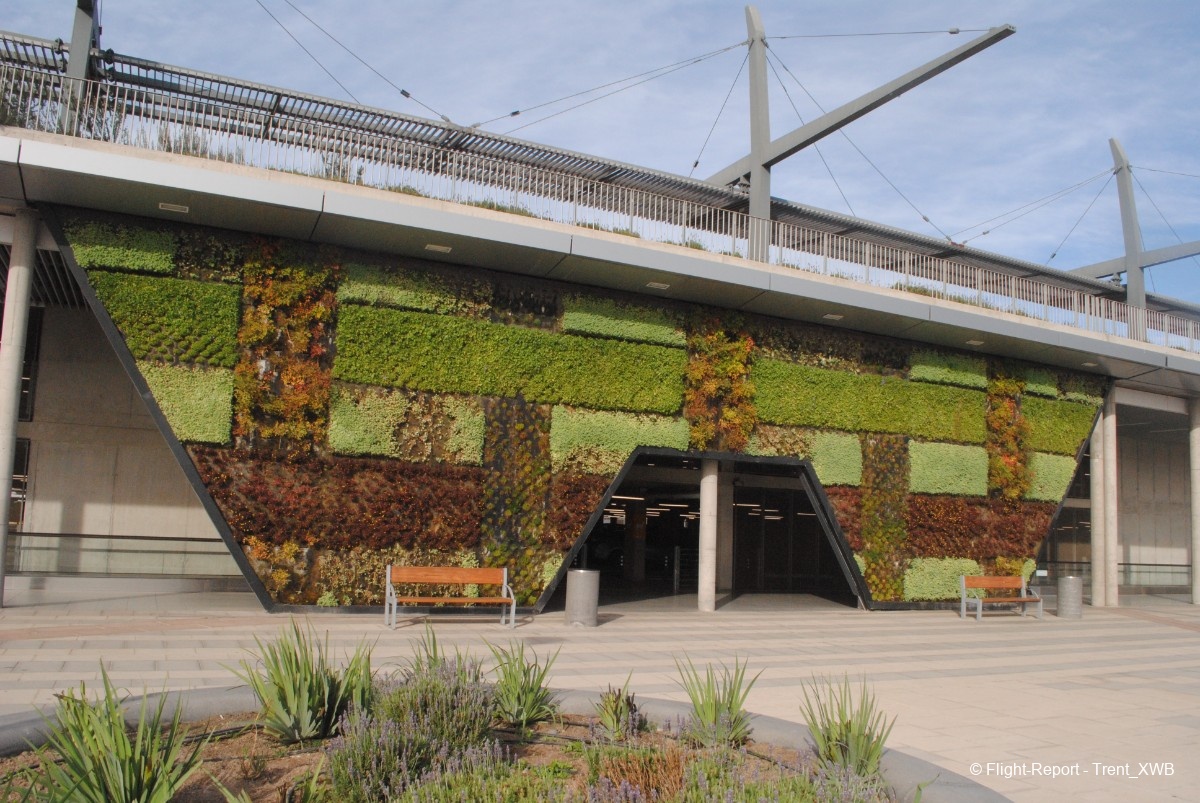
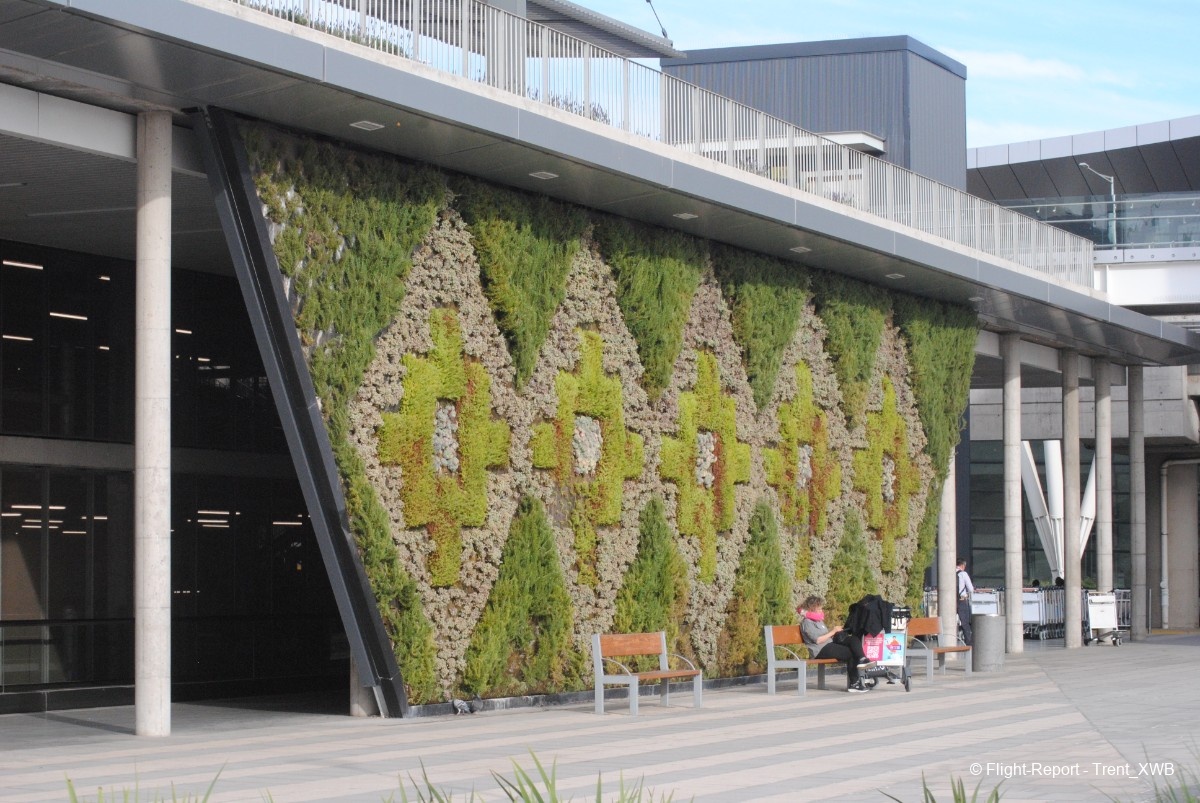
The old T1 (now serving only domestic flights) and Holiday Inn hotel nearby. I have many good memories from the pre-pandemic times, concerned with this terminal, but I'm glad that Chile is moving towards the future and has introduced T2 - the newest terminal of all the major Latin American airports. But I regret that the current SCL traffic consists almost only of generic a/c types and I miss the various pre-pandemic traffic…
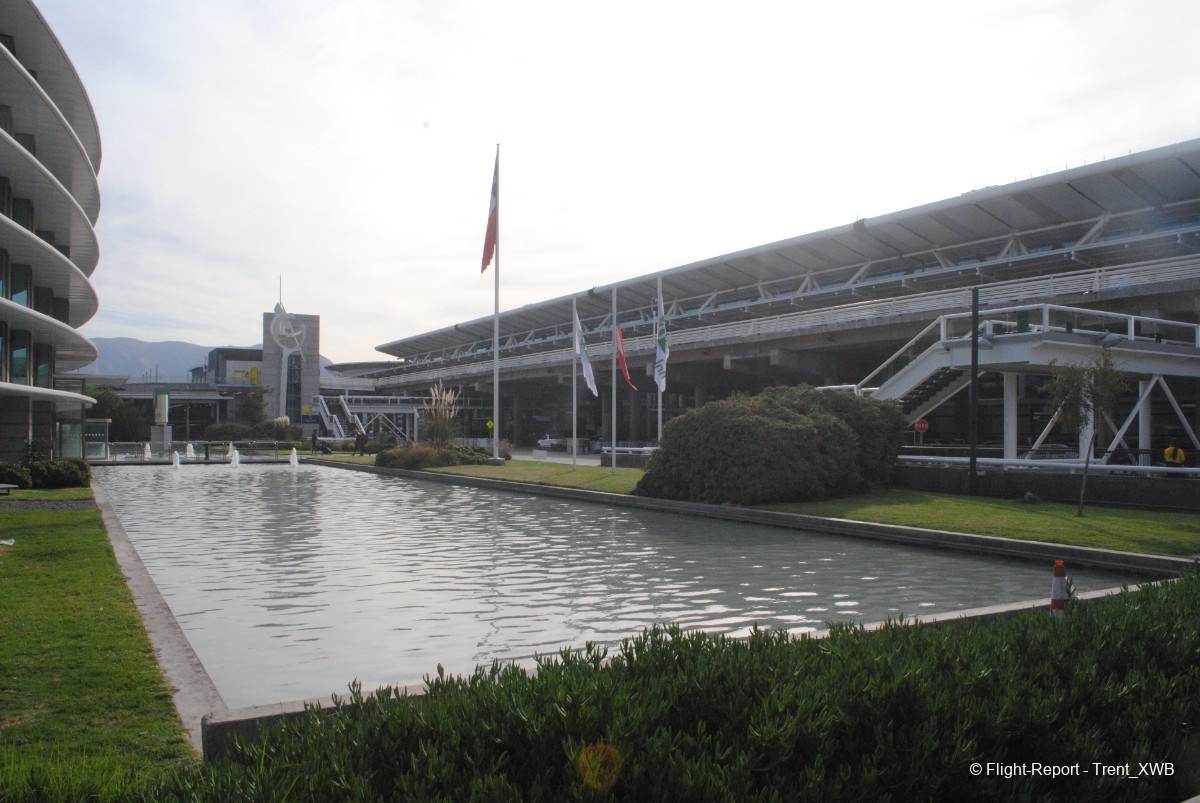
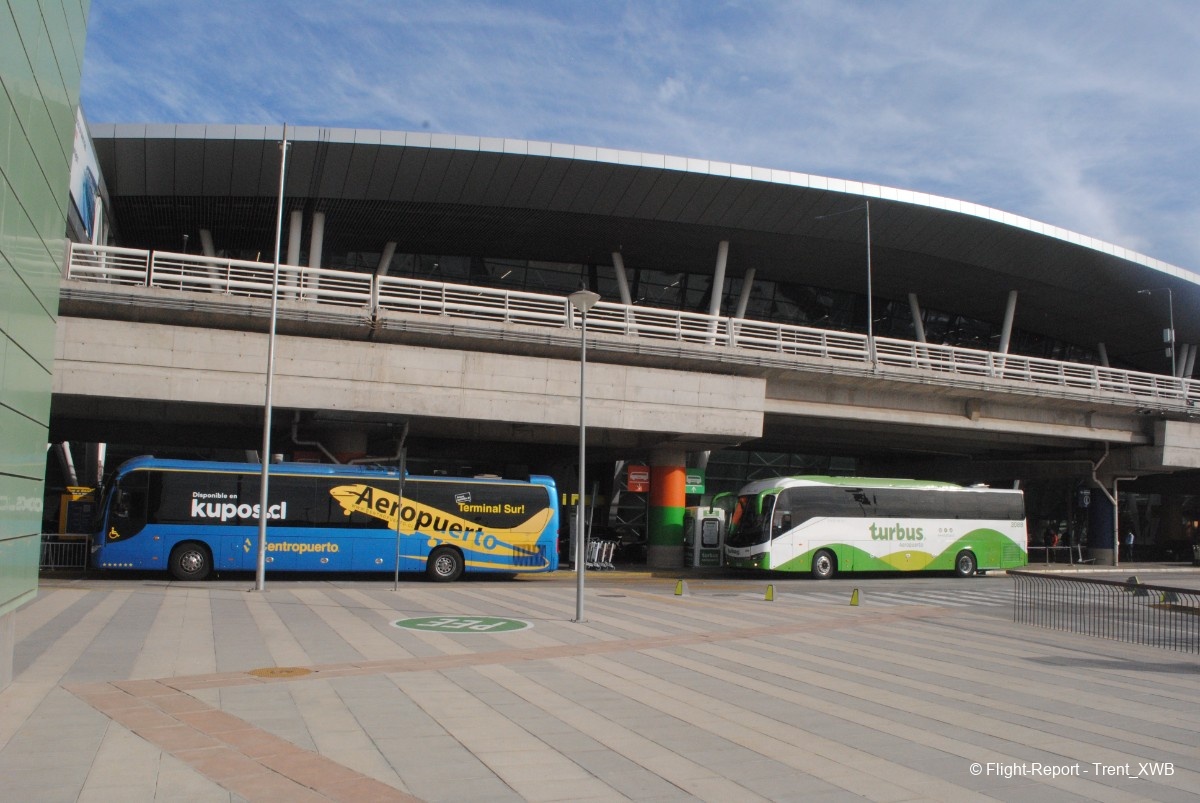
There are currently 3 options of public transport from SCL to Santiago city. Centropuerto and Turbus shuttles depart frequently from T2M and connect the airport with the Line 1 (red) of the vast Santiago's subway network (one of the best in the western hemisphere). One can buy tickets on-site or online.
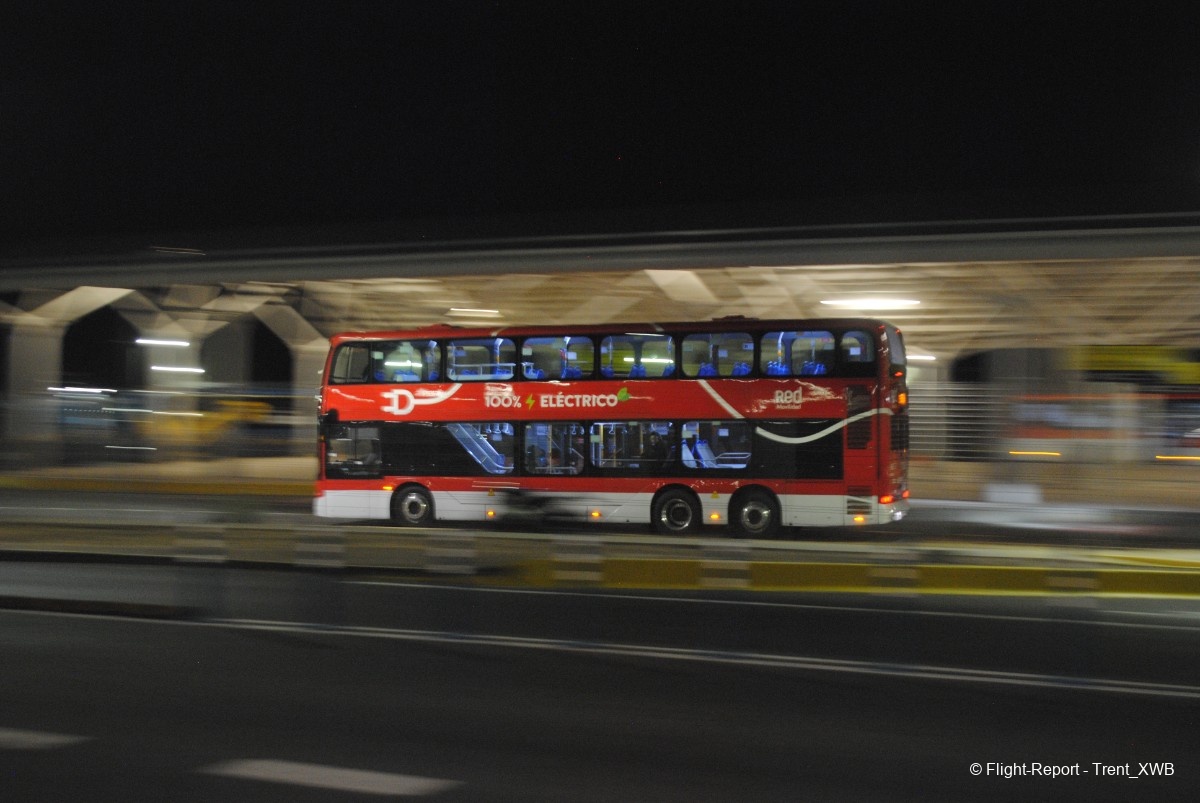
The 3rd option is electric double-decker shuttles between the far end of Patagua parking (one can reach it with the free shuttle from T2M) and Pajaritos terminal (on the subway Line 1).
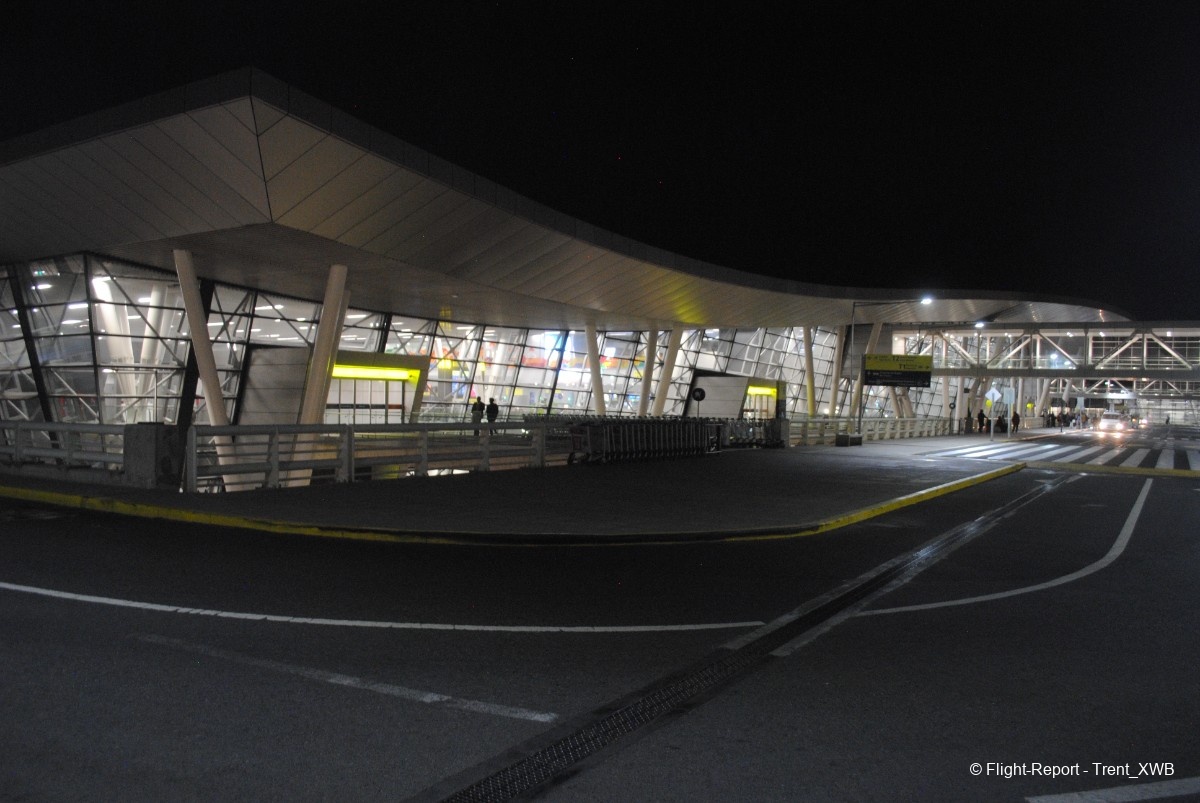
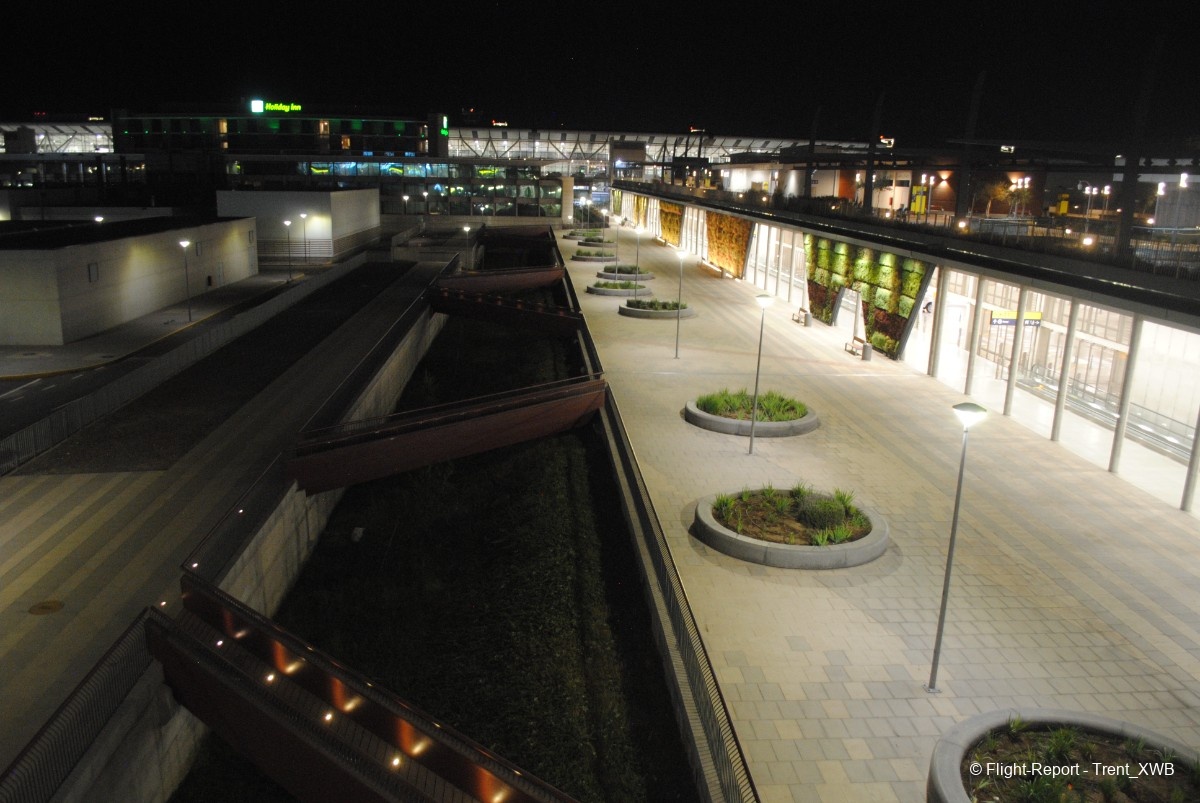
Night views of T2M from outside from the departure level.
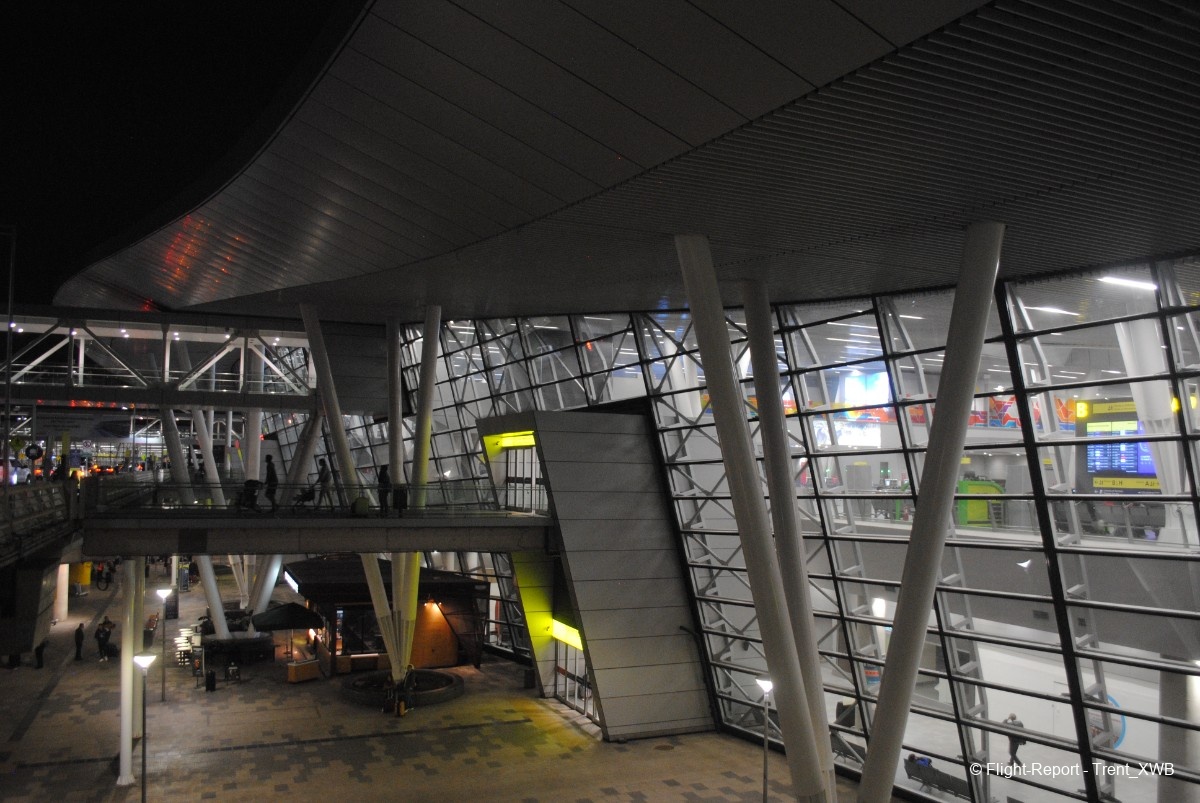
A night view of the promenade towards T1.
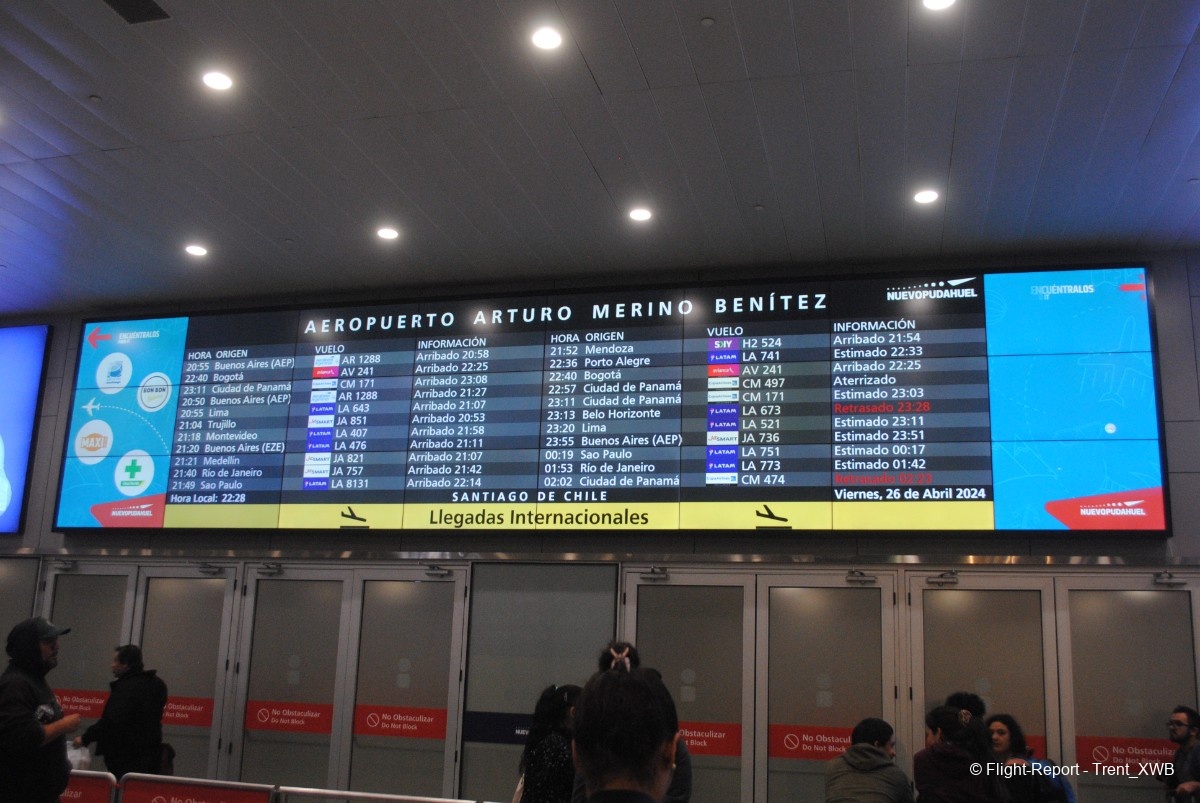
Arrivals FID in the late evening. One can see how bustling is SCL during this part of the day with arrivals from Brazil, Argentina, Peru, Colombia and Panama.
Views of the spacious check-in hall of T2M. It has 4 "isles" of check-in desks and a number of shops and eateries. A couple of business lounges face this hall.
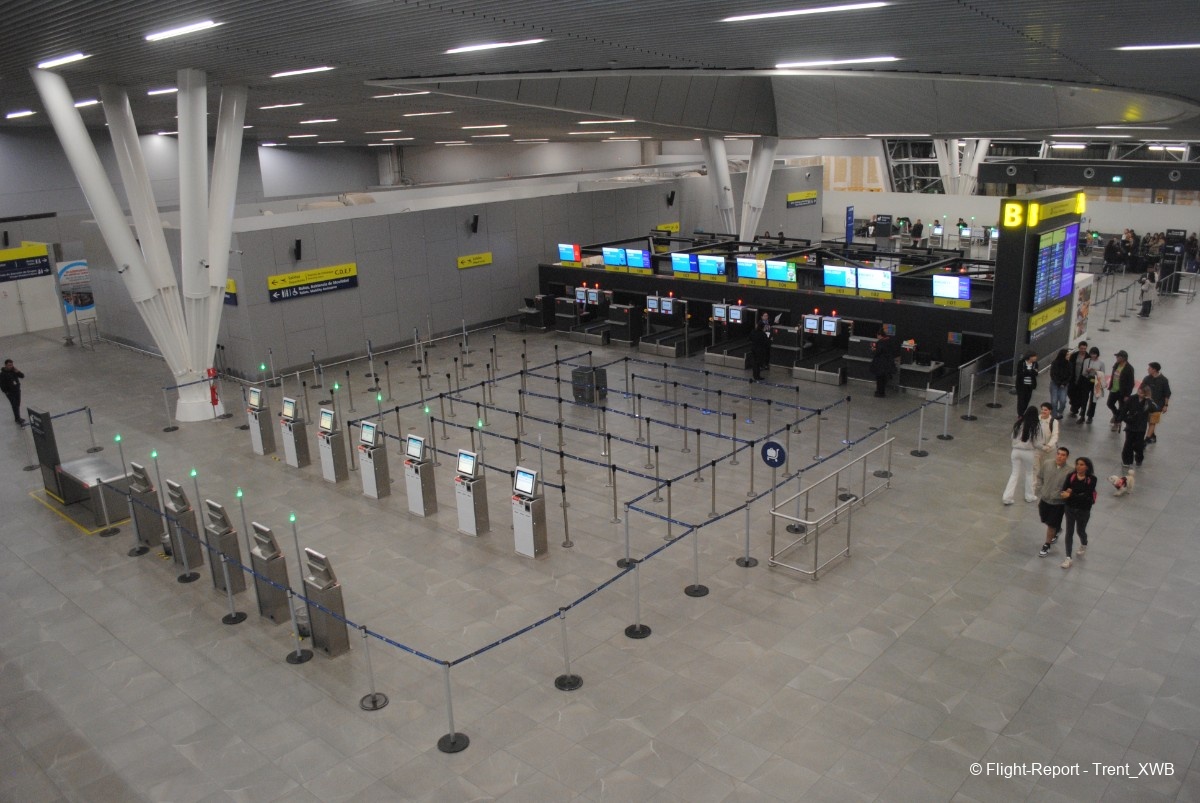
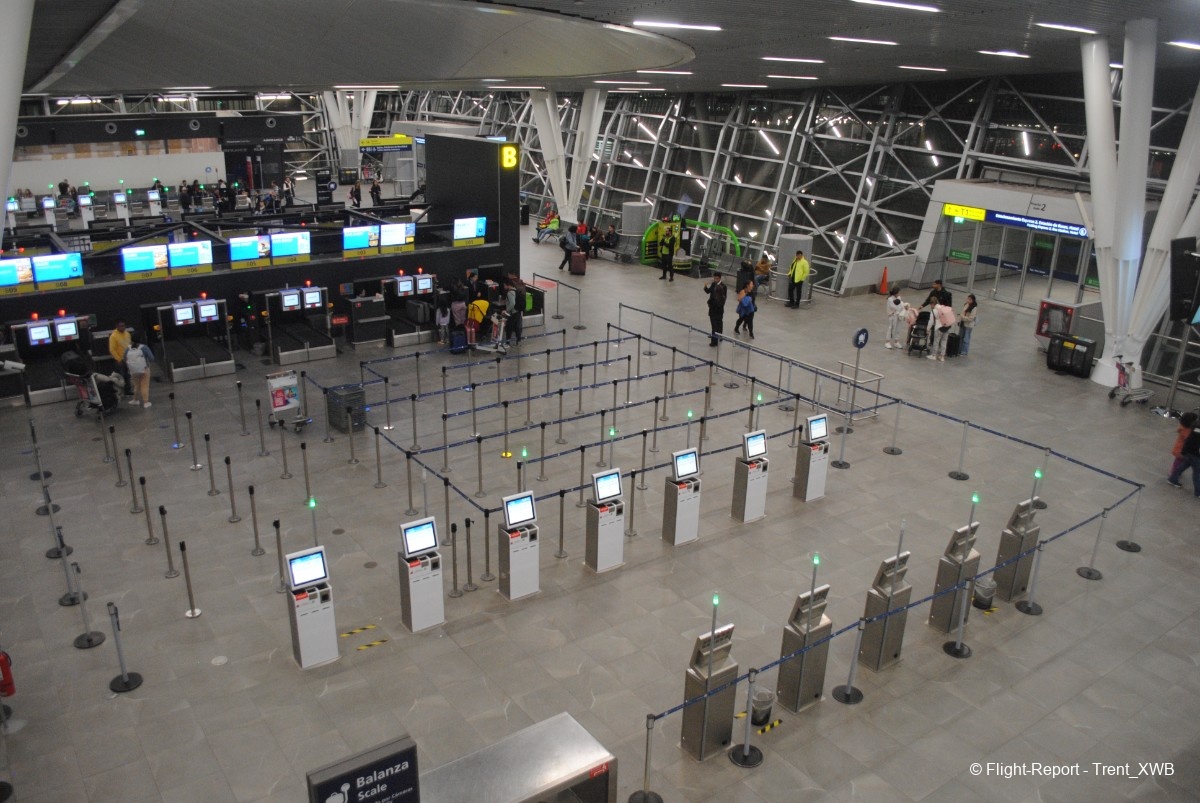
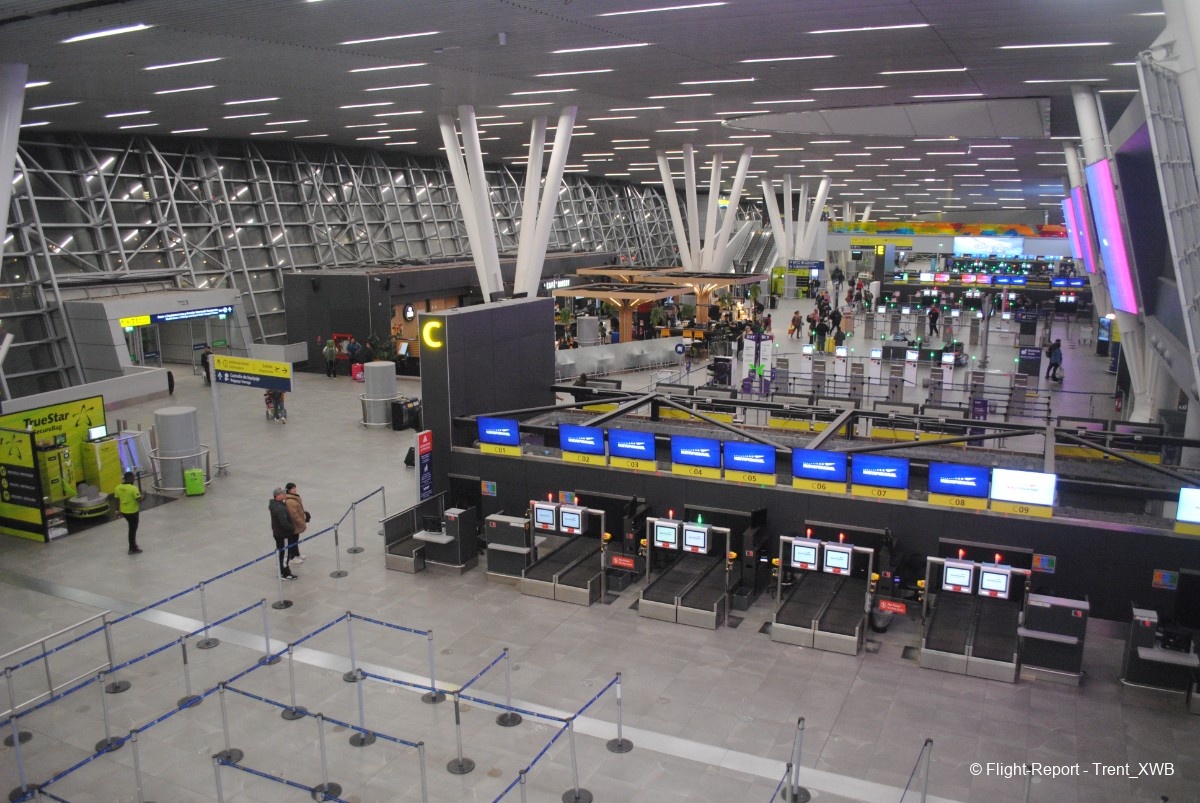
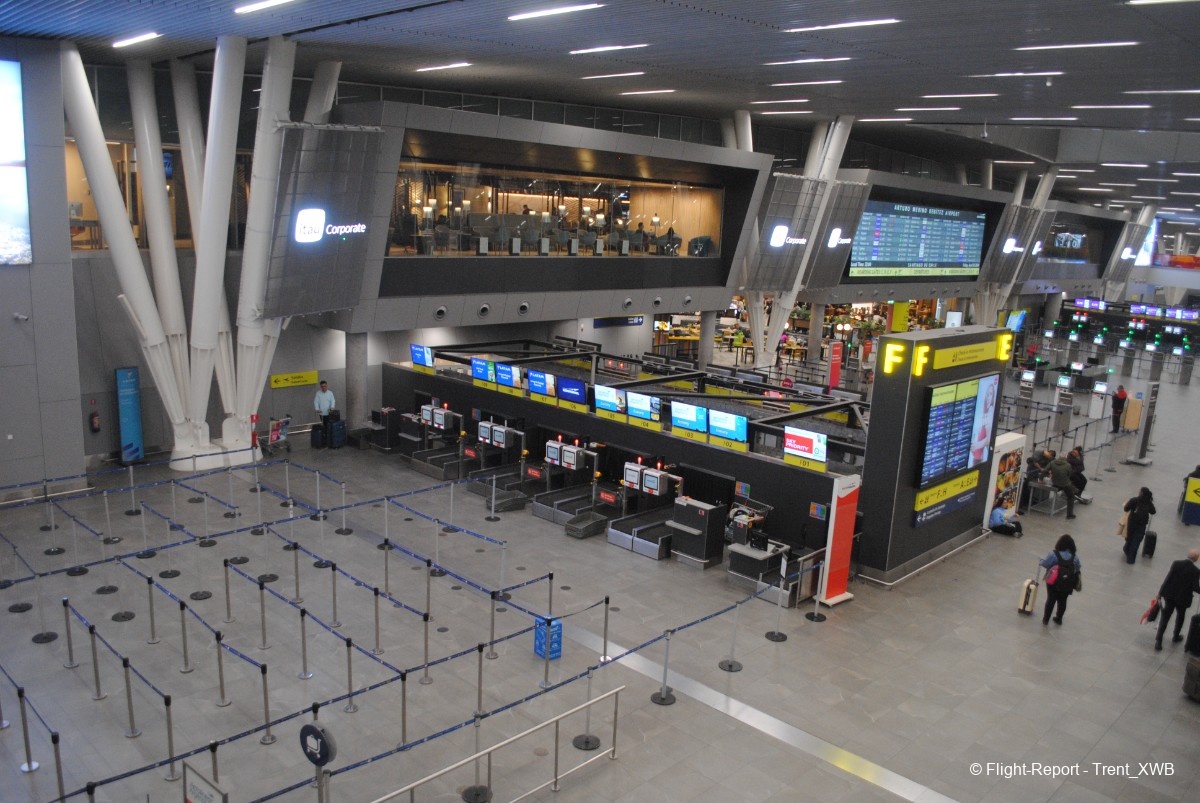
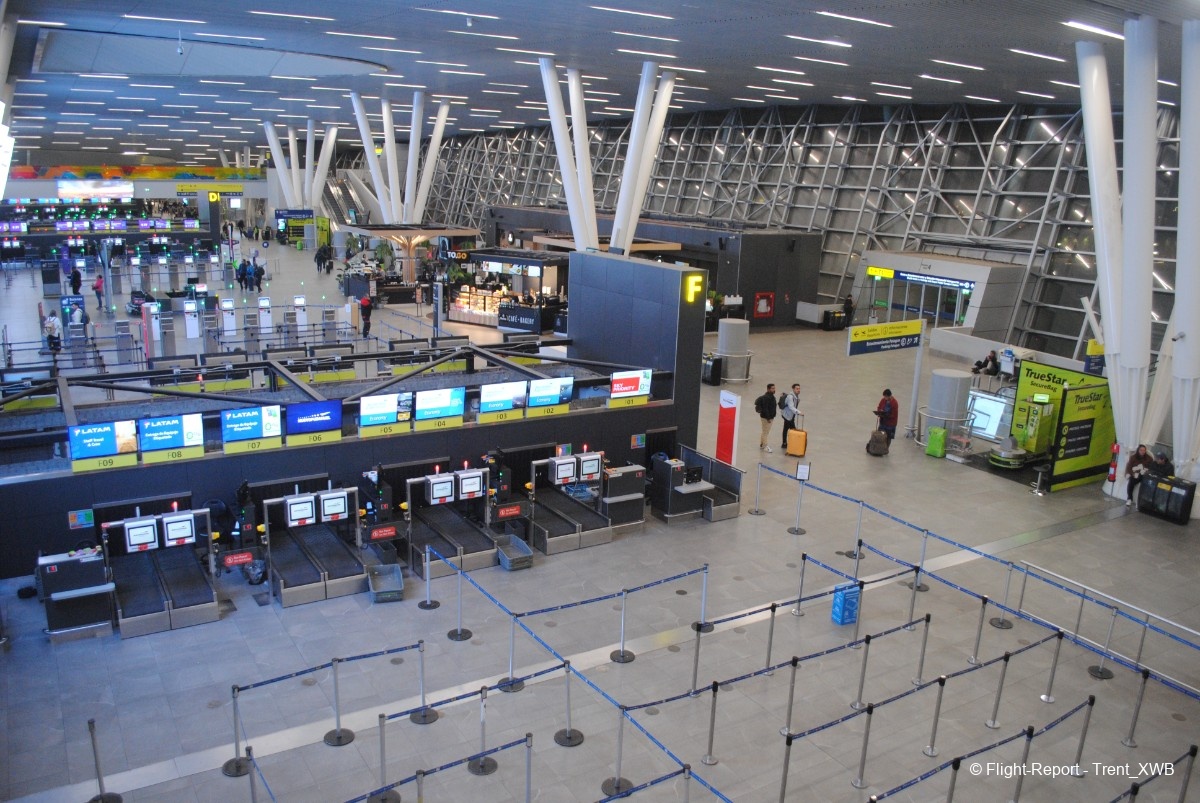
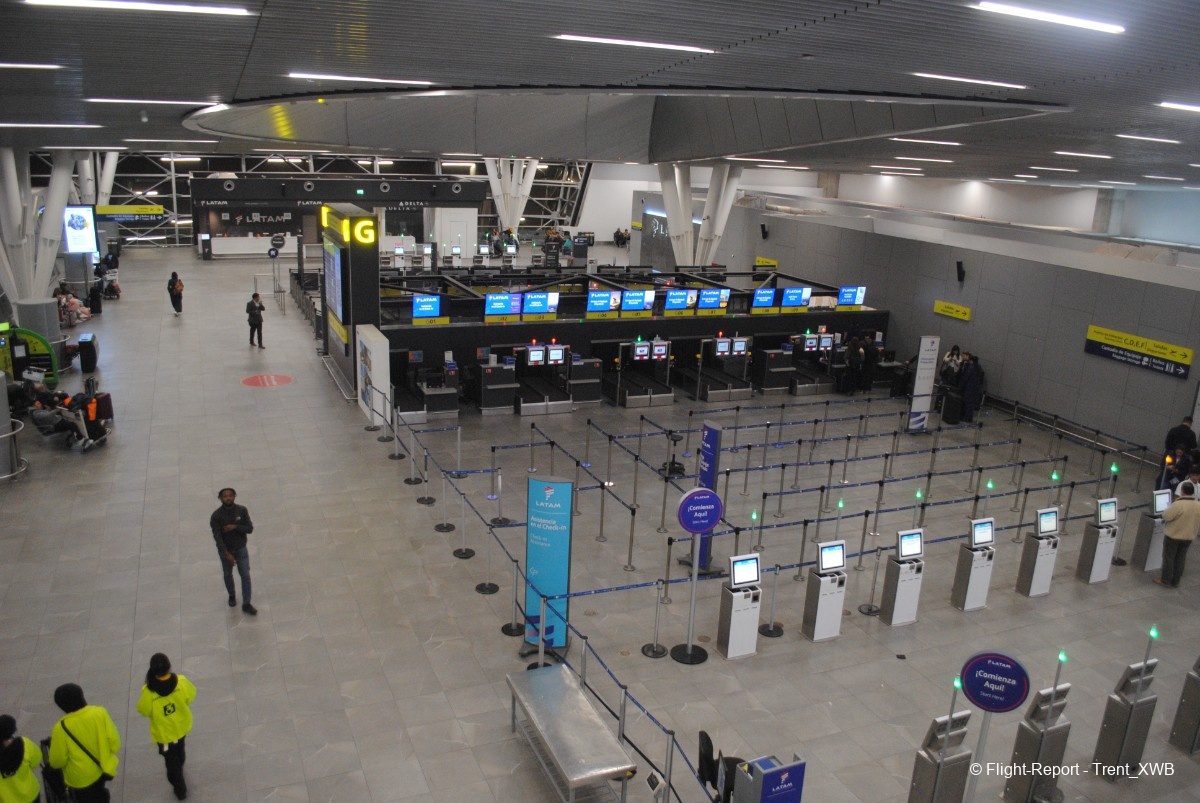
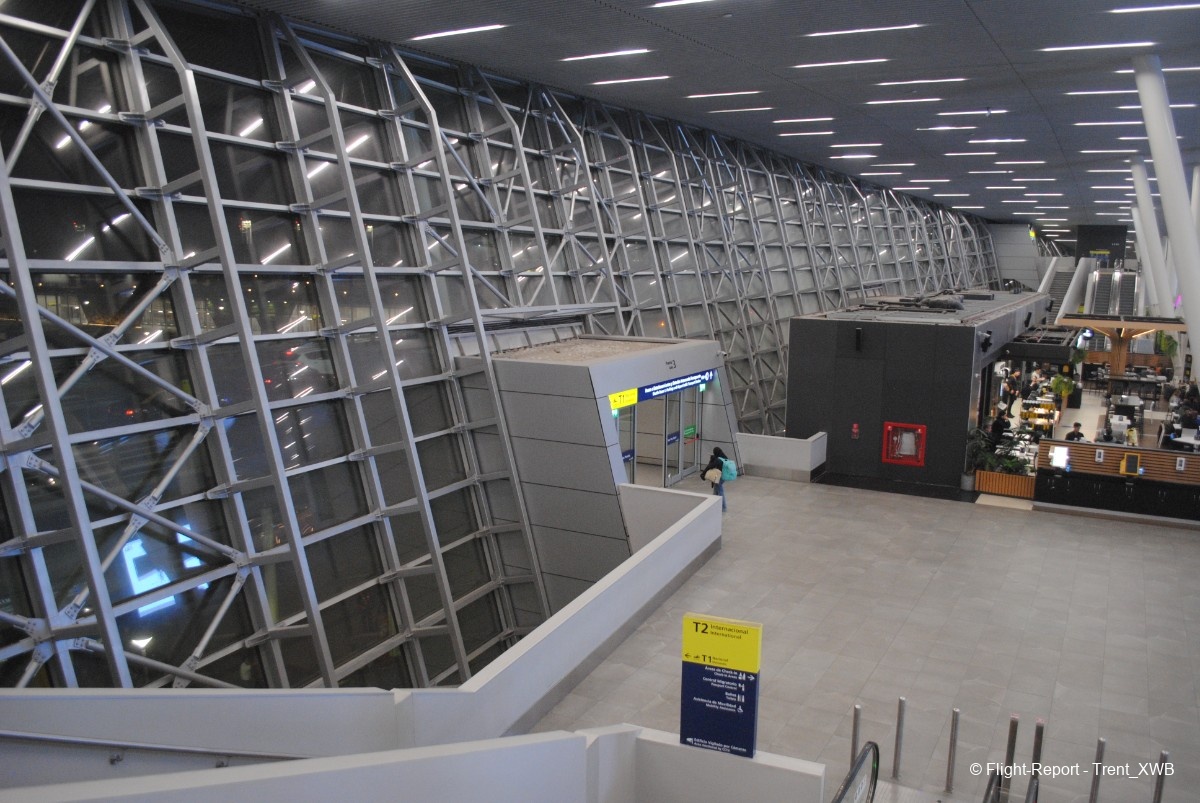
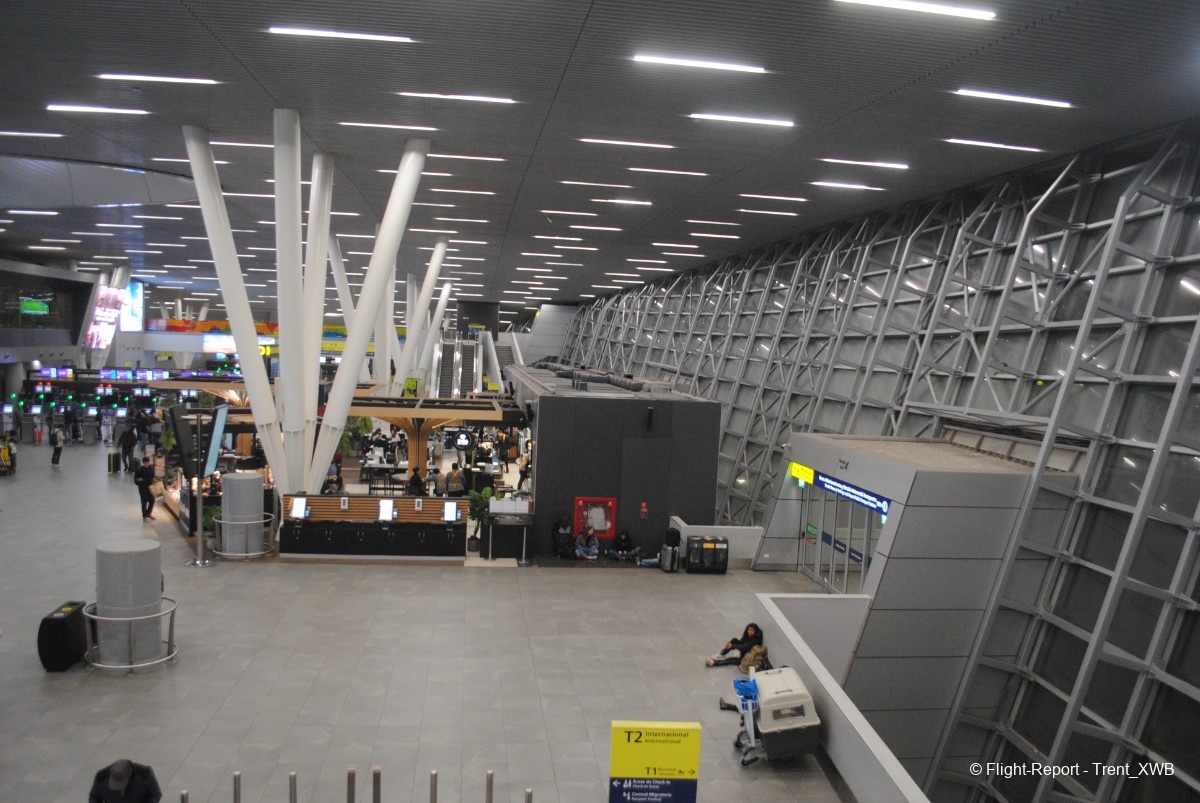
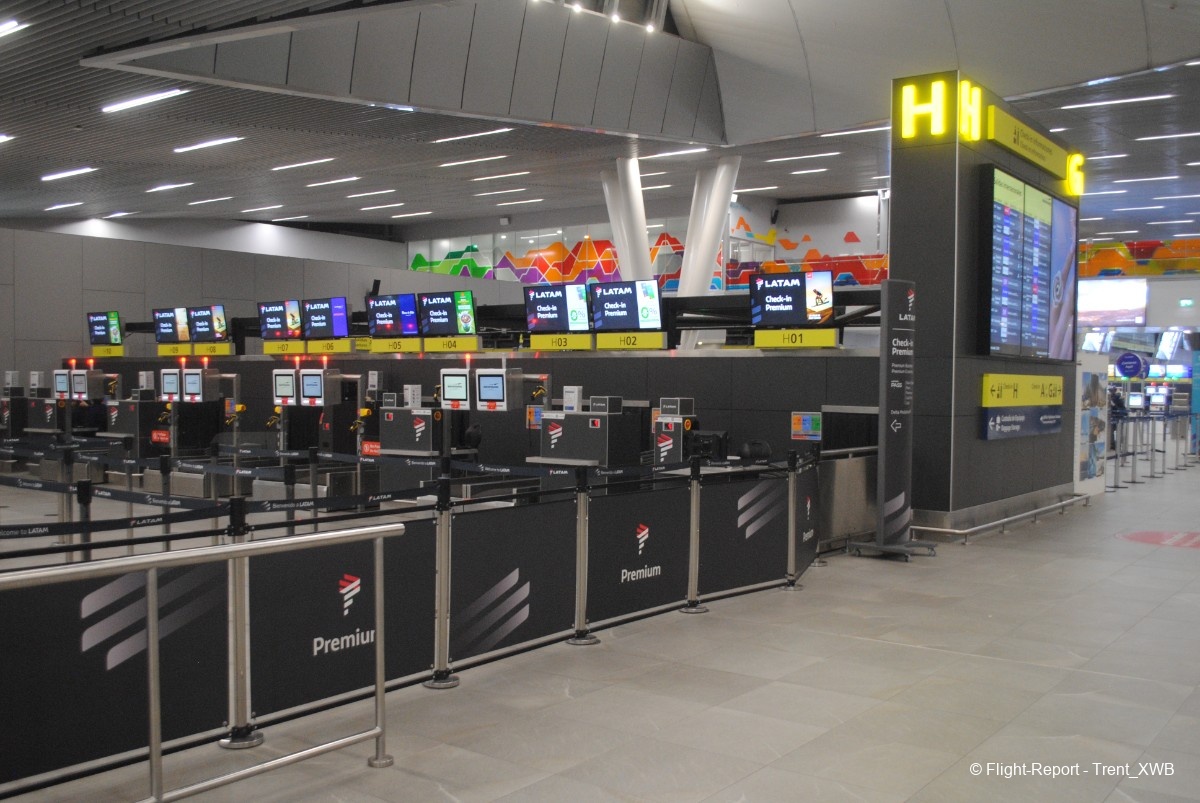
LATAM's premium check-in desks (H).
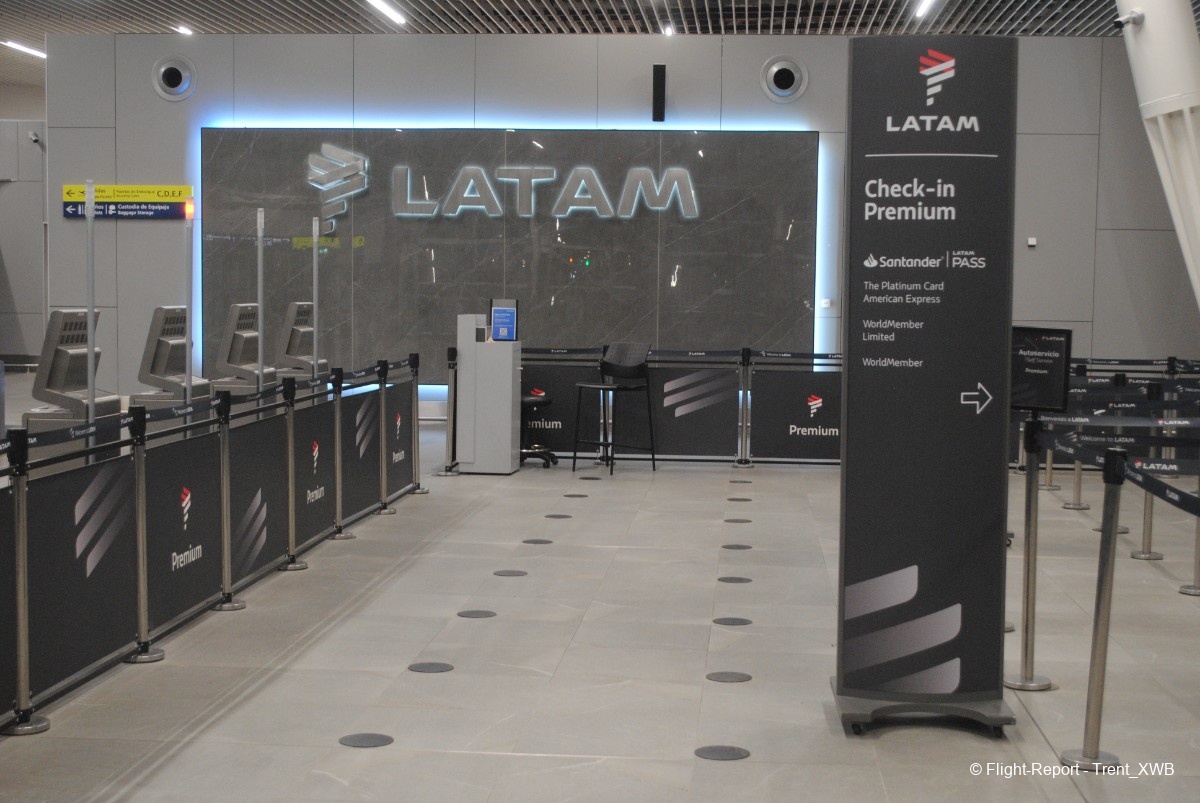
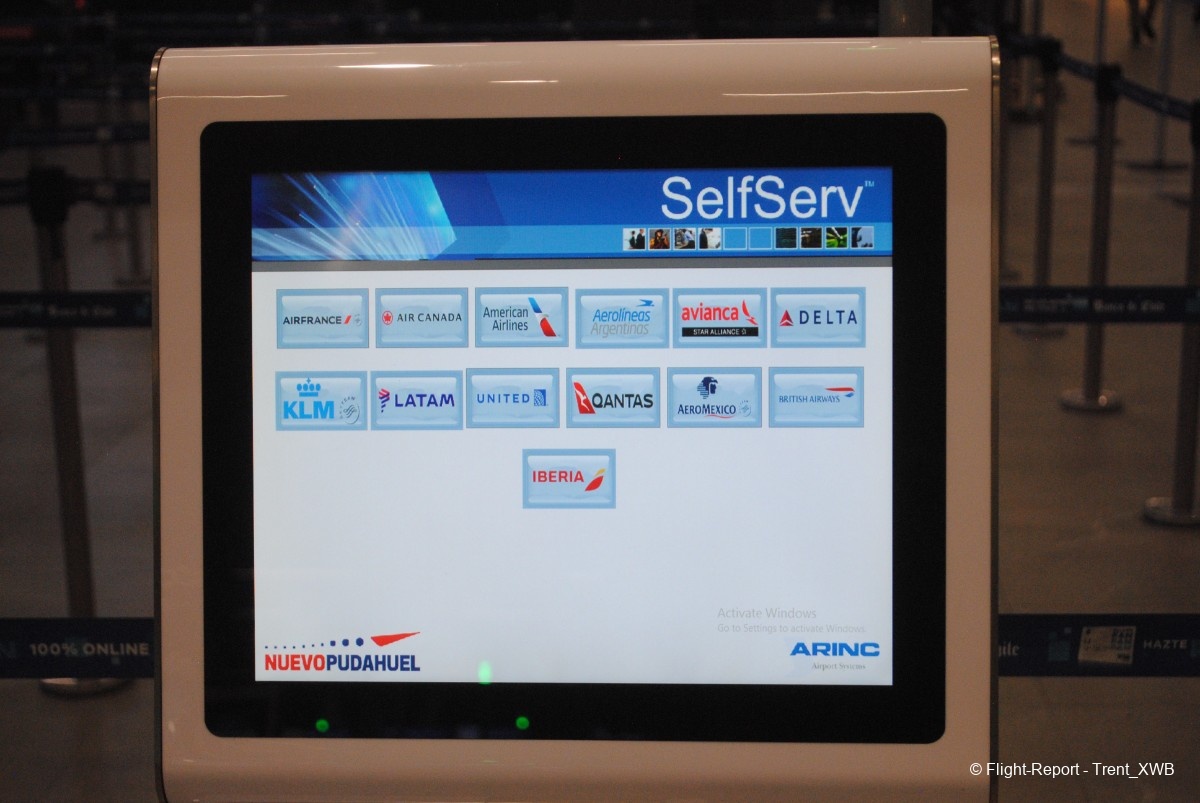
Self check-in machines for "full-service" airlines (not of them are really full-service - I mean, for example, Avianca).
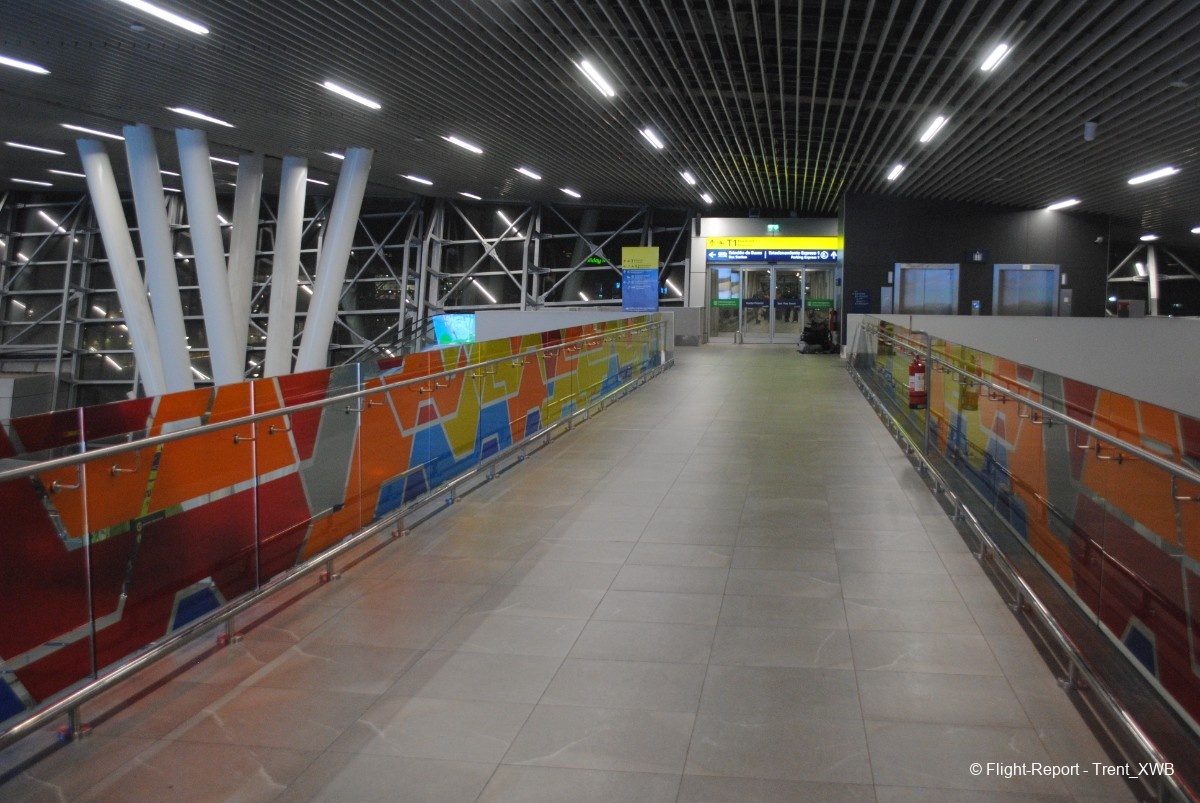
2 "bridges", decorated with coloured glass, connect the check-in hall with Patagua car parking.
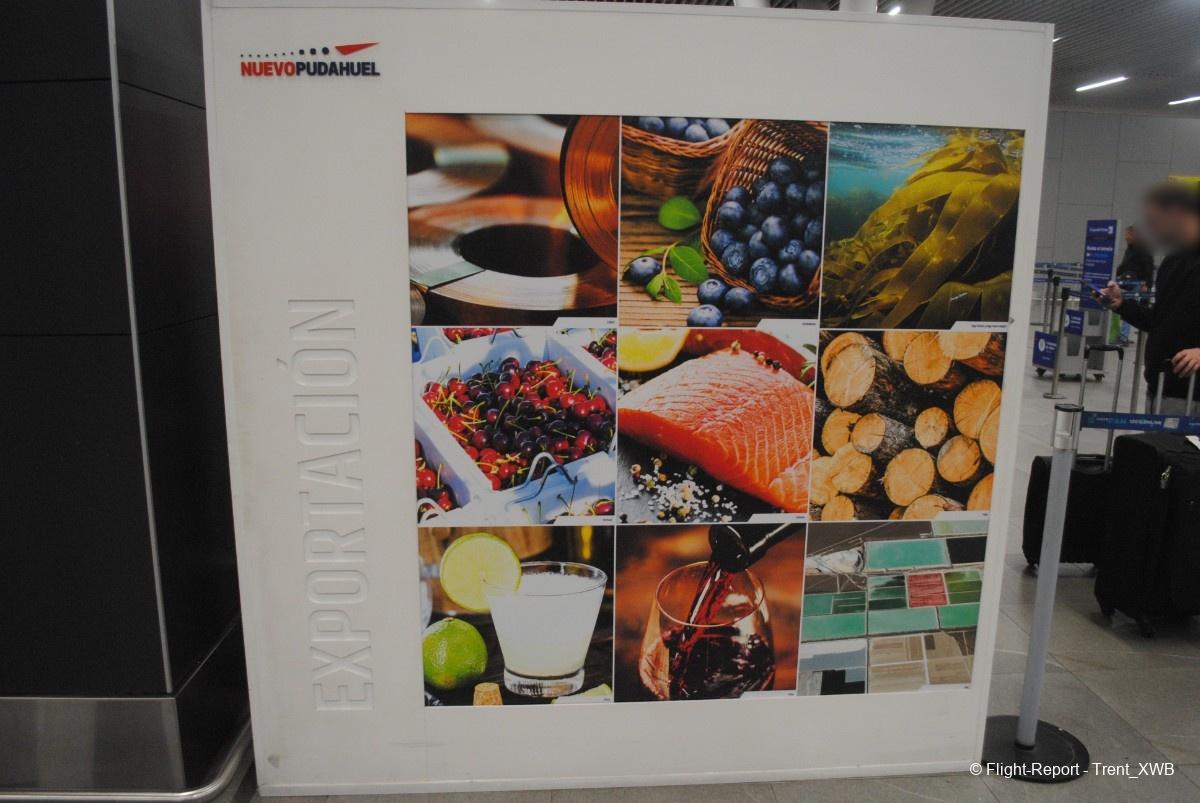
The export goods Chile is famous for: copper, blueberry, seaweed, cherry, salmon, timber, pisco sour, wine and lithium. But, I guess, Chile is also no less proud of being able to turn LATAM into an aviation empire. Add to this picture crazy expensive tourism destinations like Easter Island, Torres del Paine and Atacama desert and you'll see how Chile has turned itself into the only First World country in Latin America.
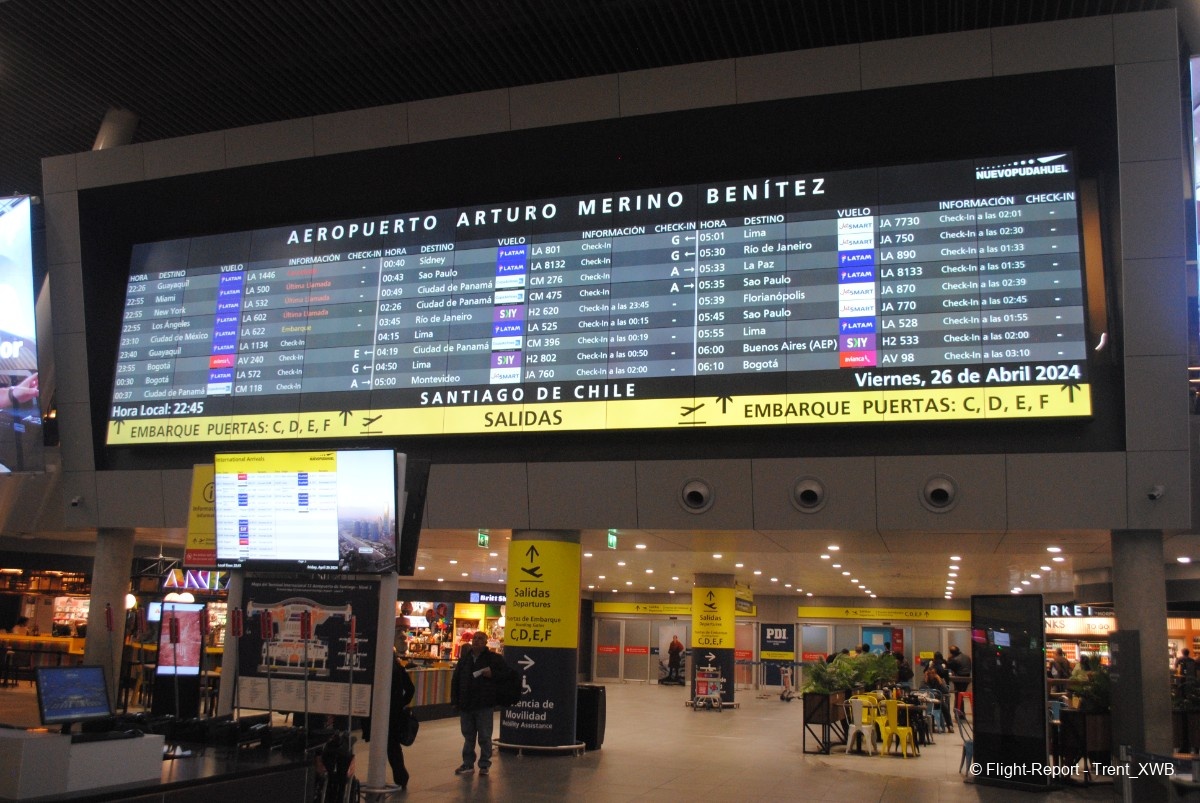
Departures FIDs above the entrance to the immigration. In the late evening this bustling hub serves US, New Zealand + Australia, Brazil, Argentina, Bolivia, Peru, Ecuador, Colombia, Panama and Mexico. My flight is scheduled at 05:00 next day, and I'm spending the night exploring the terminal.
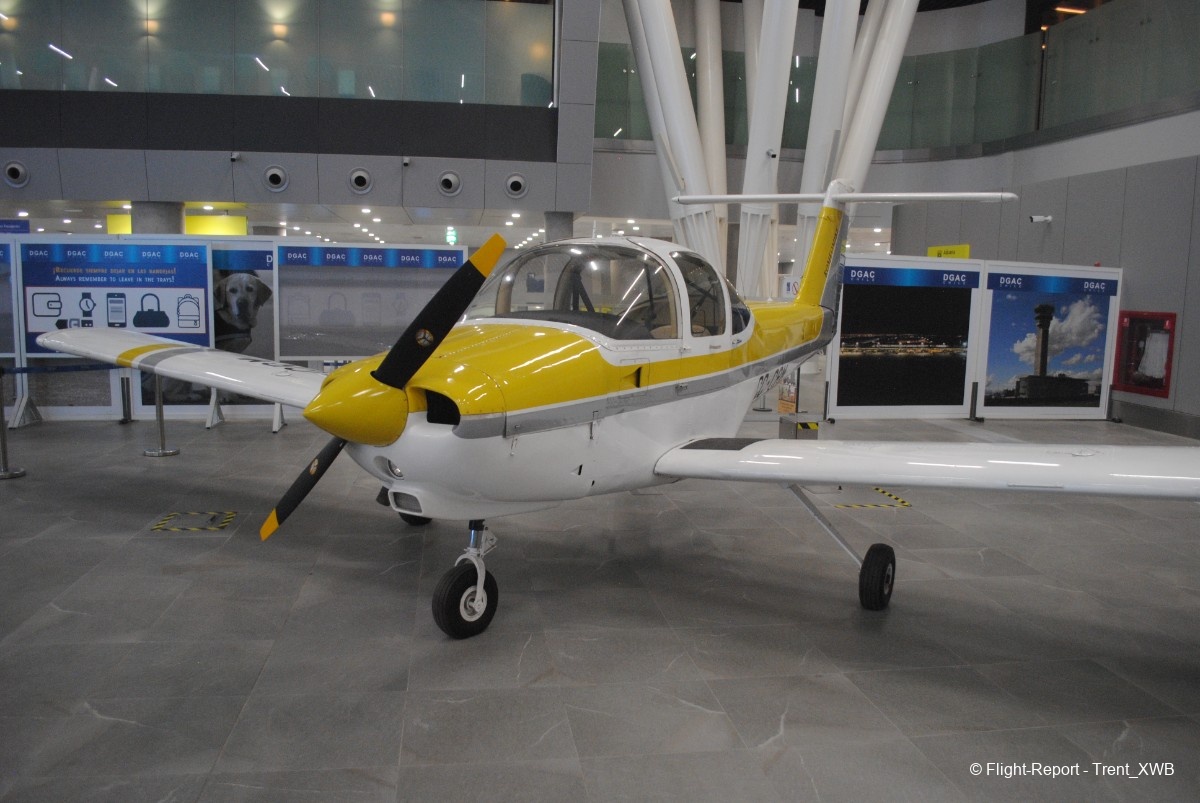
After immigration there's an exposition of DGAC (Direccion General de Aeronautica Civil) with 2 light aircrafts: Piper PA38-112 Tomahawk (CC-CRM)…
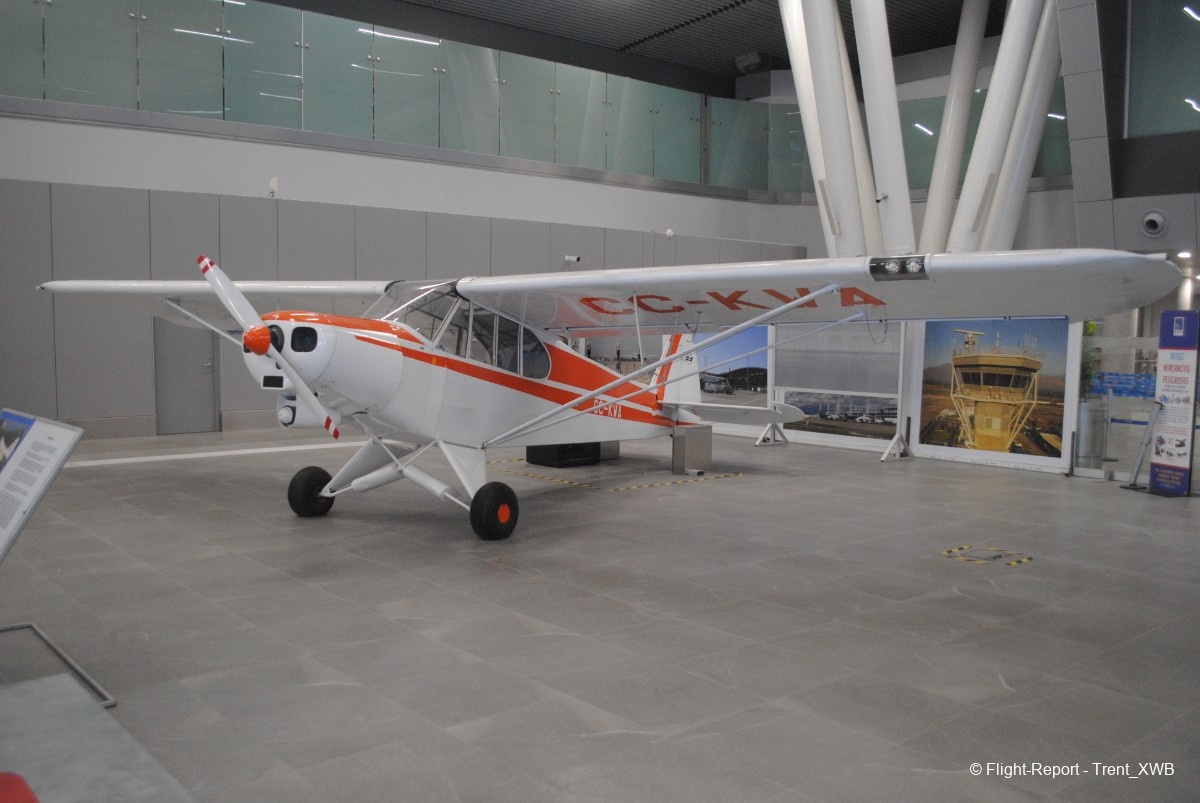
… and Piper PA-18 (CC-KWA).
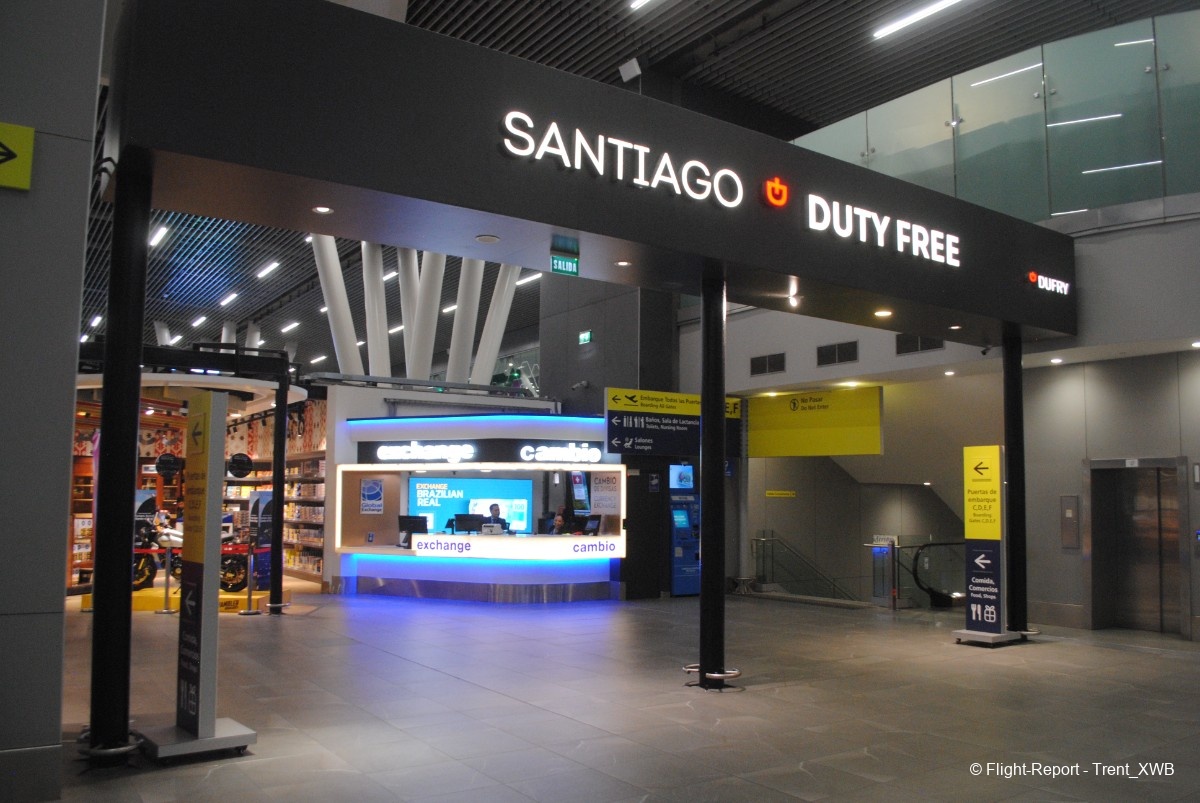
Then there's duty free shops.
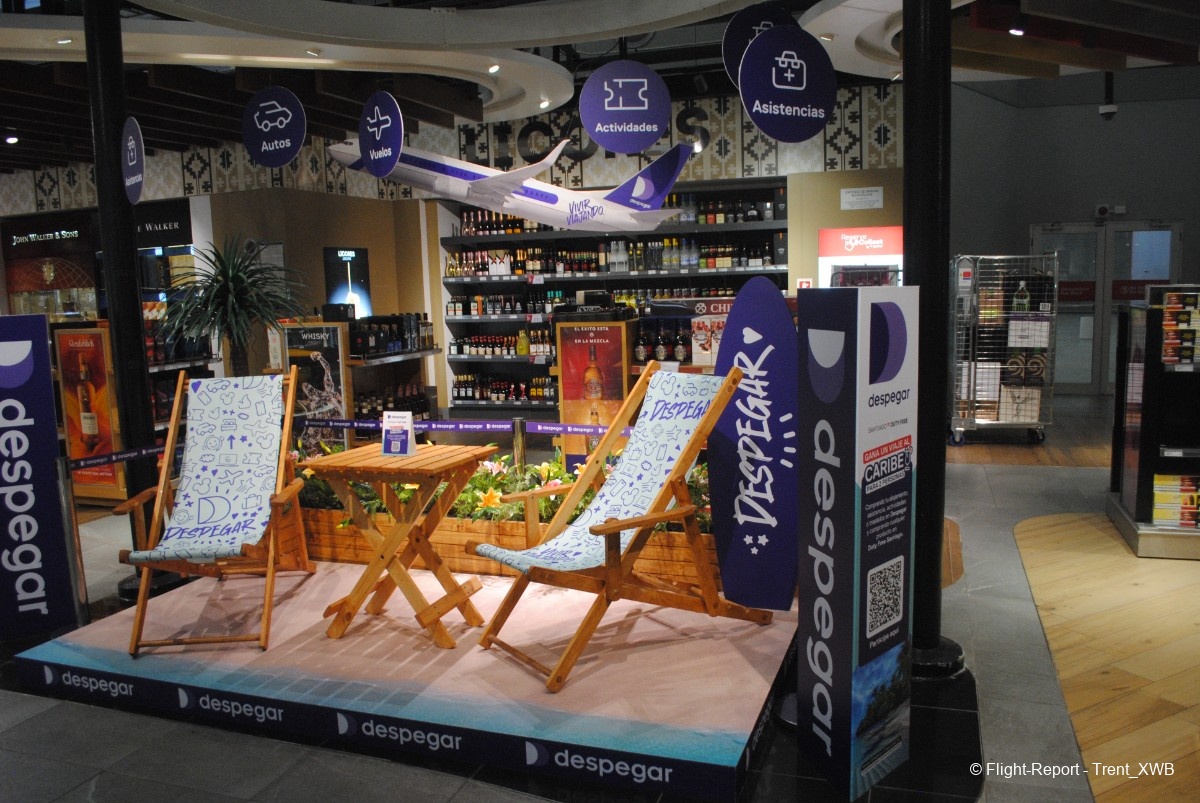
And finally one can find himself in the central plaza of the T2M airside.
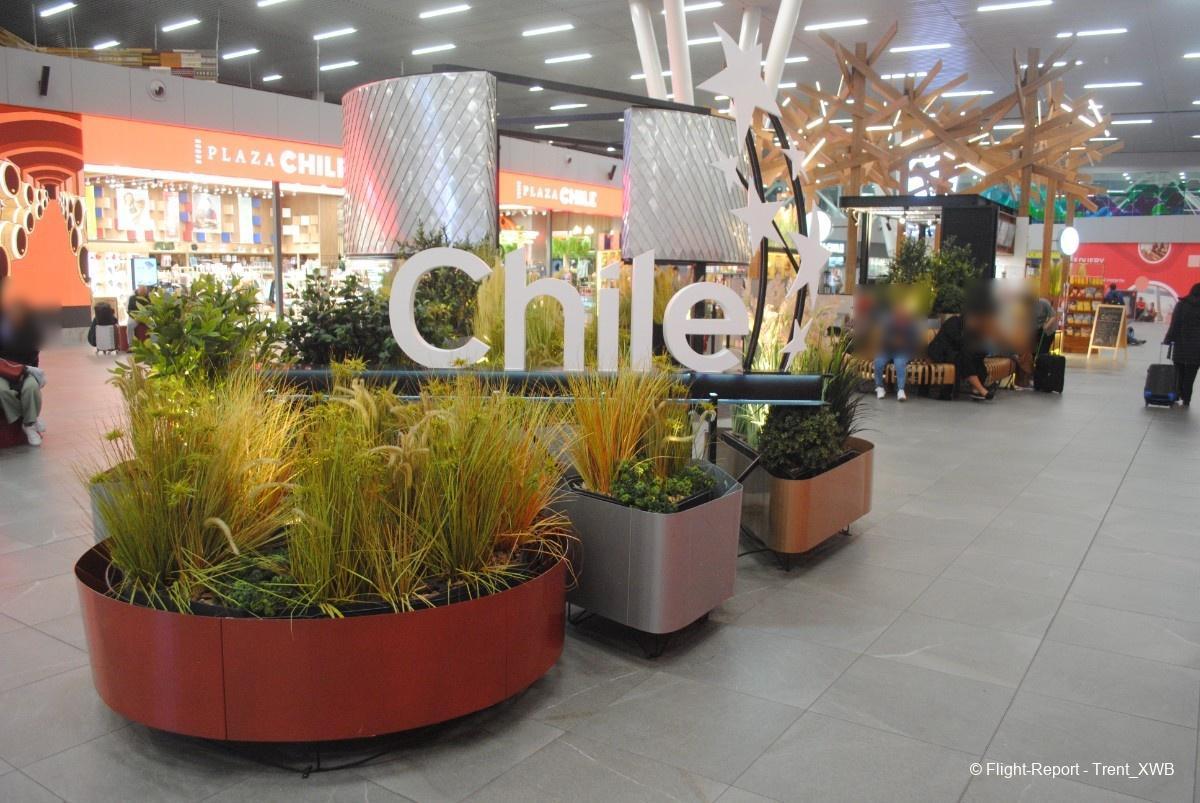
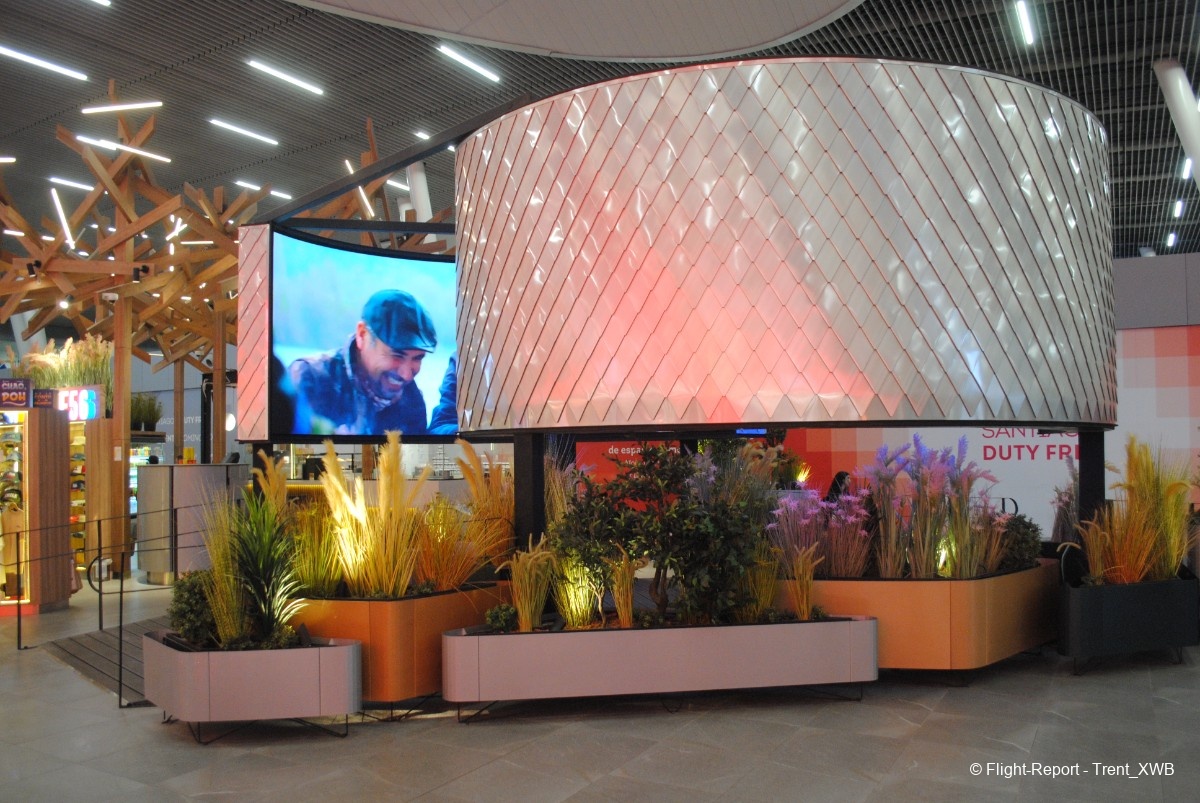
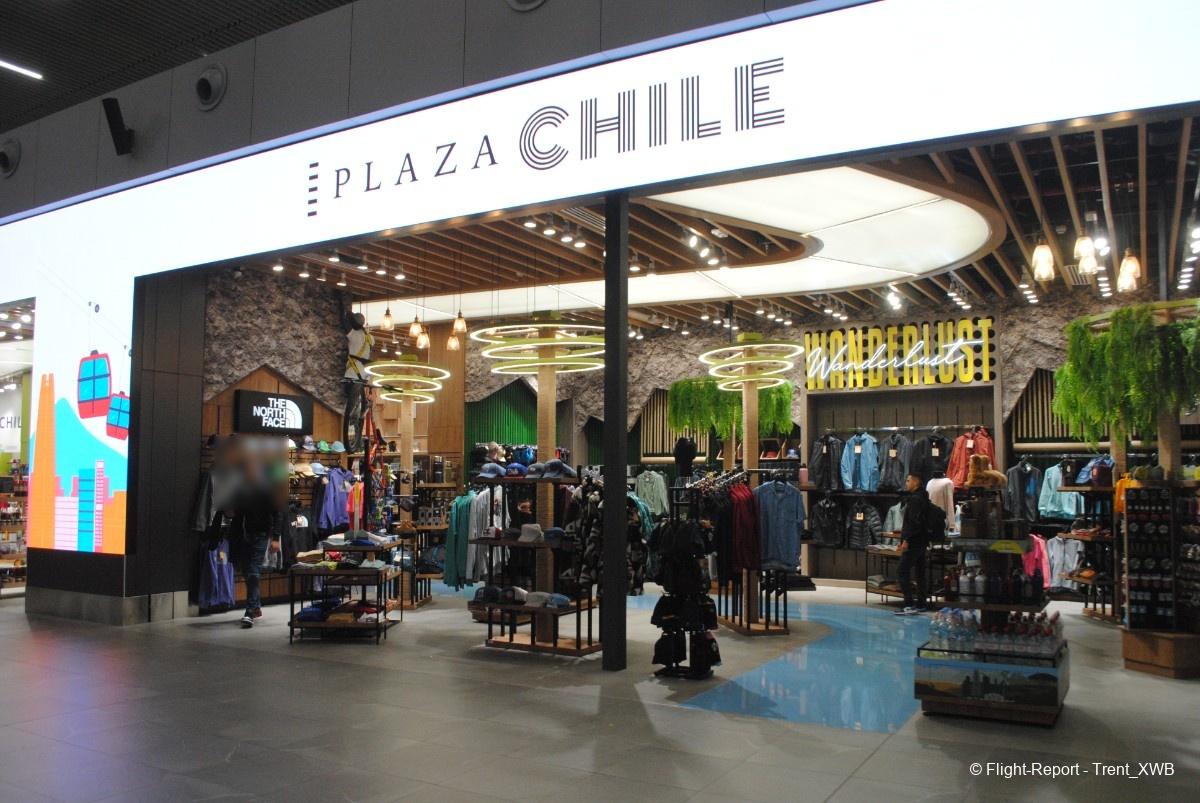
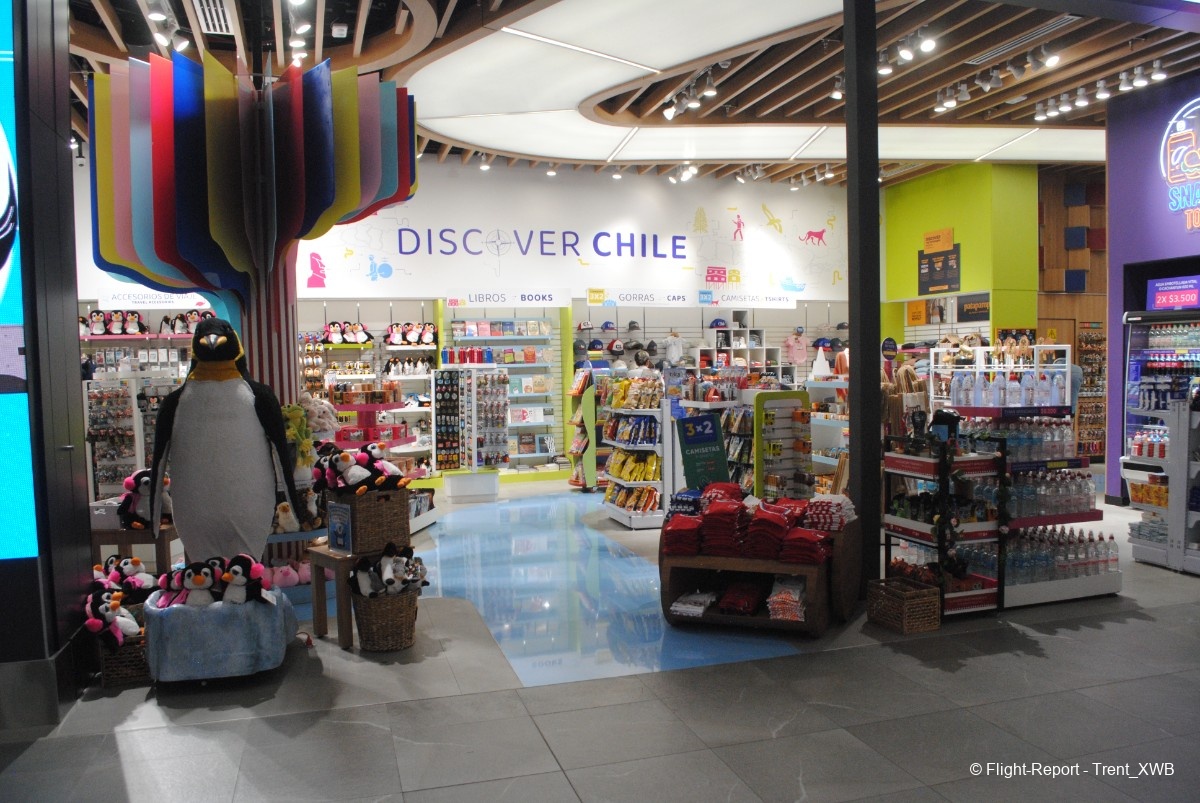
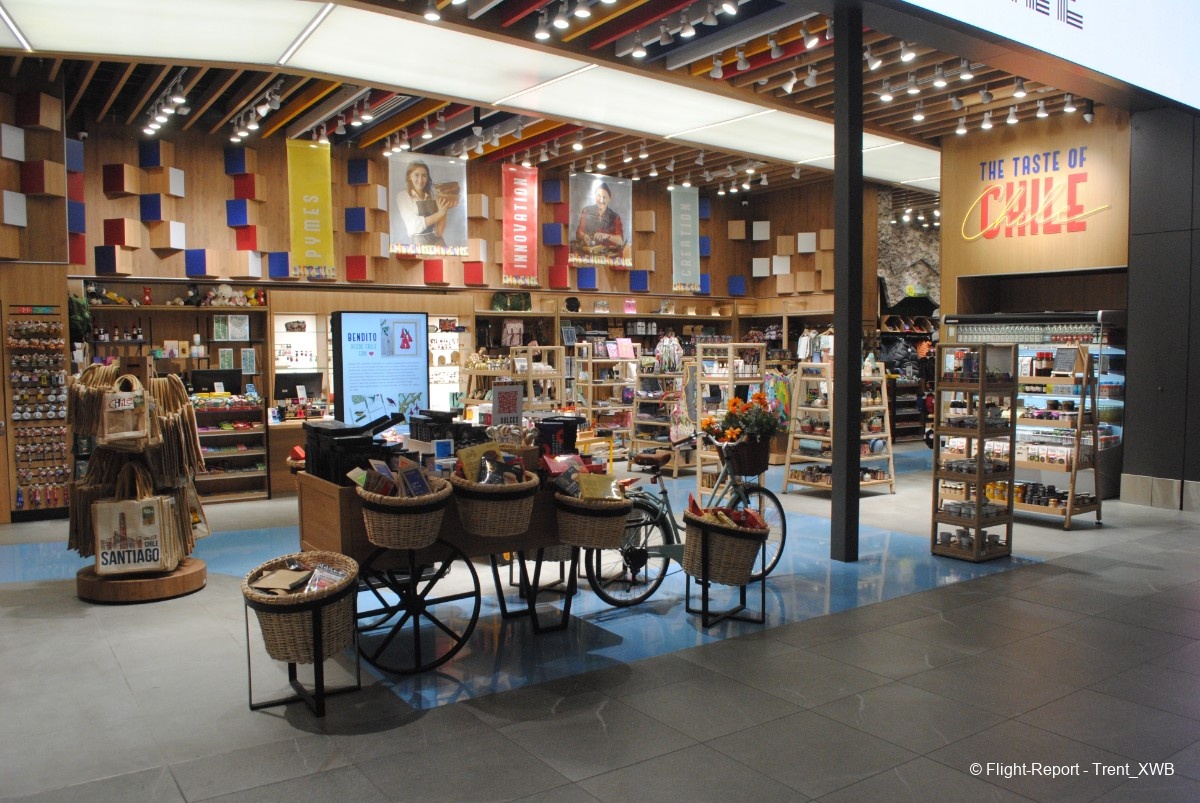
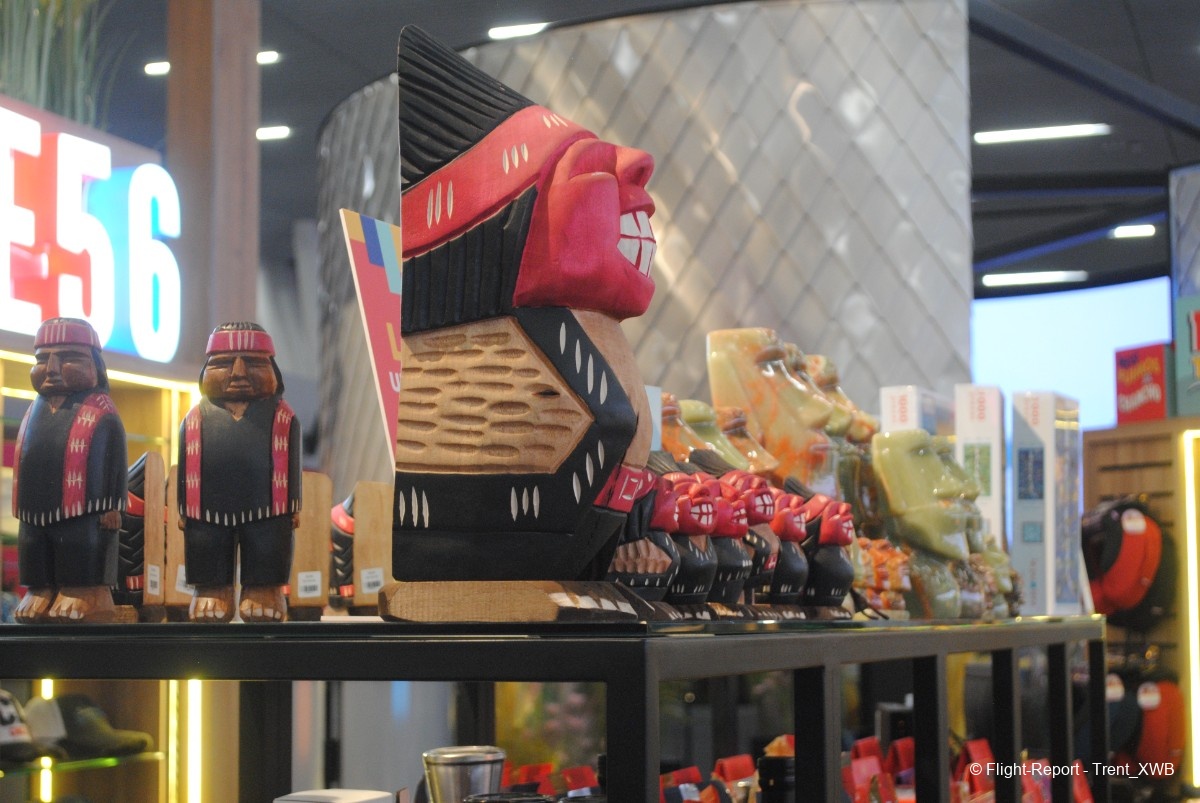
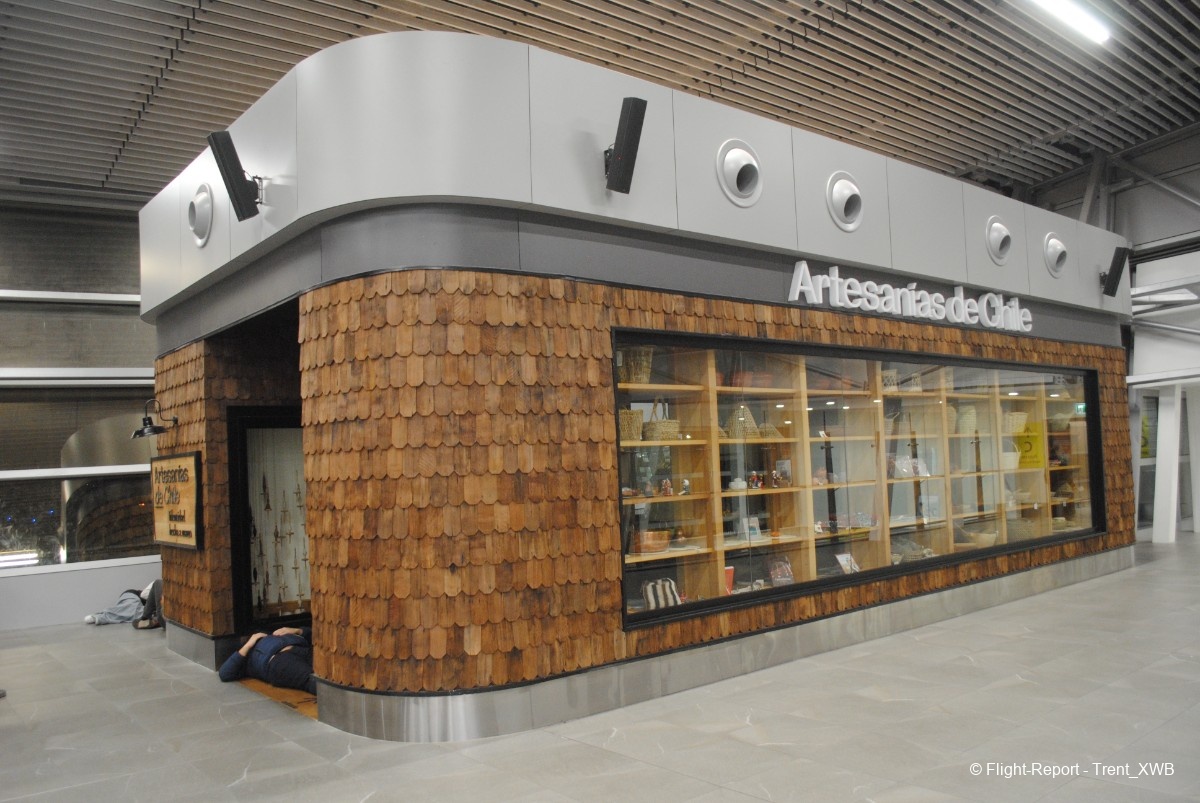
This area feature quite a number of souvenir shops…
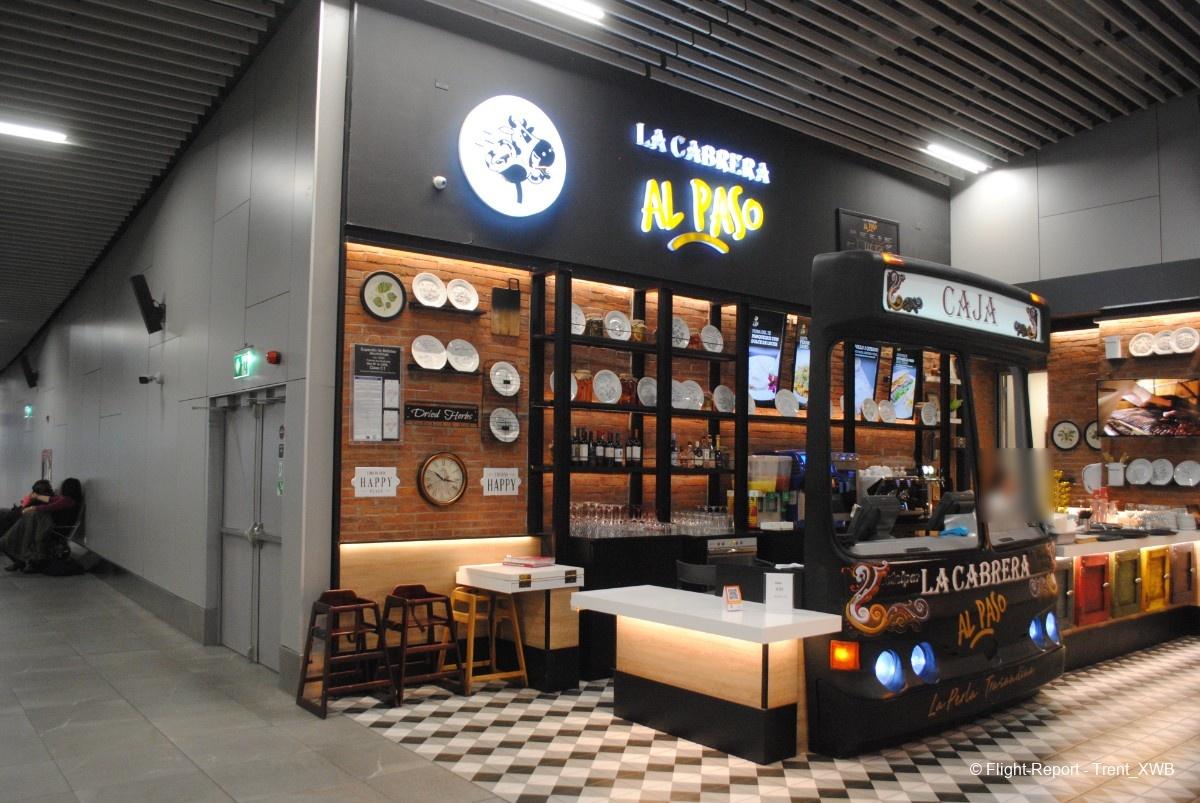
… and eateries.
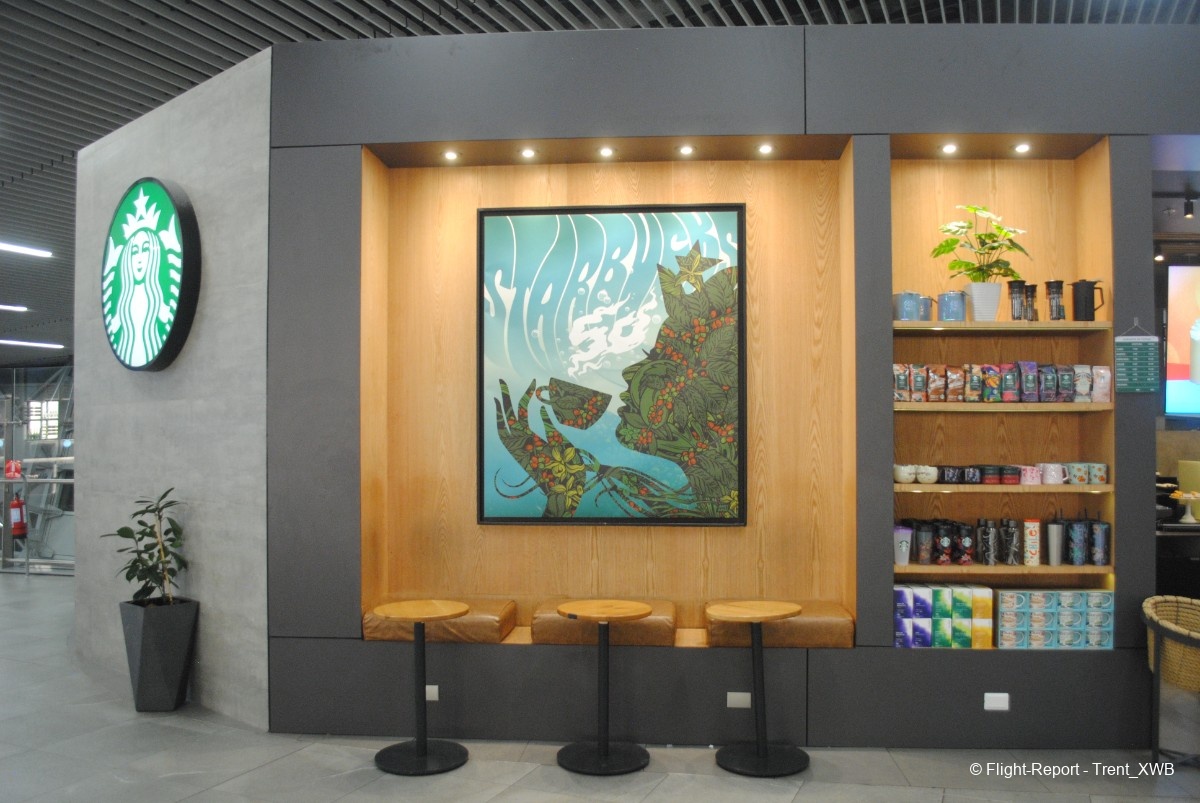
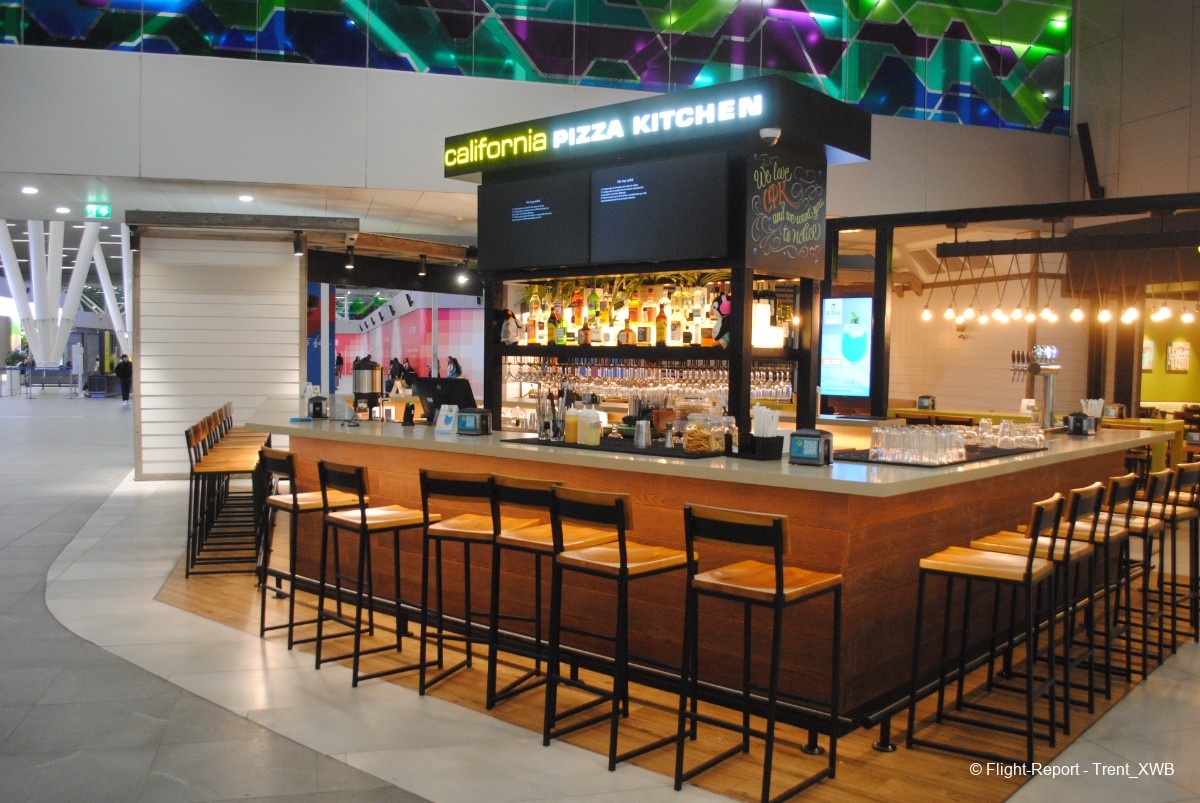
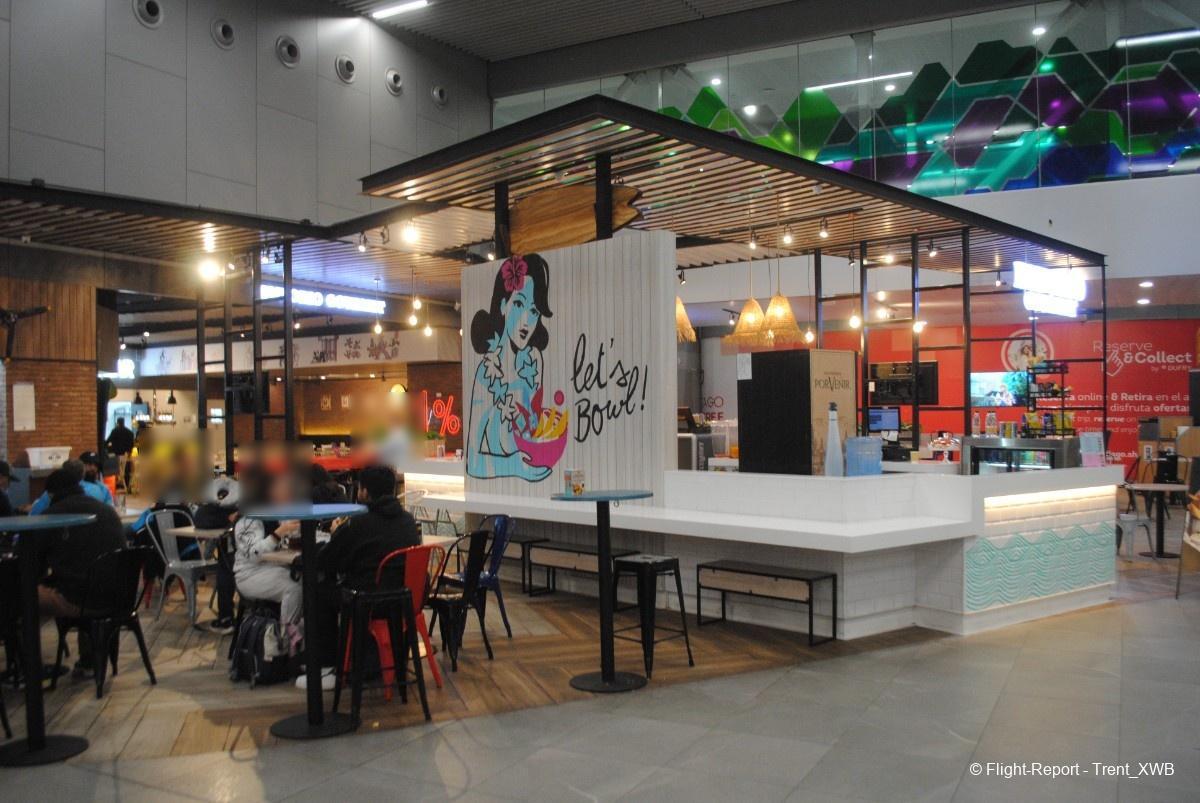
Let's explore the piers (or espigones as they're called in Chile). I visited 3 of 4, as pier F was closed.
The design of T2C (the oldest one) is inspired by Easter Island (where I've never been), de-facto located in Oceania, not in South America. T2C hosts SkyTeam lounge, Primeclass Pacifico lounge (designed by Pininfarina) and Banco de Chile lounge. Also T2C has a number of souvenir shops and cafes in addition to the central plaza's ones. I've been before in T2C in March 2019, when it served as an extension to the then-international pier of T1, and a lot has changed since.
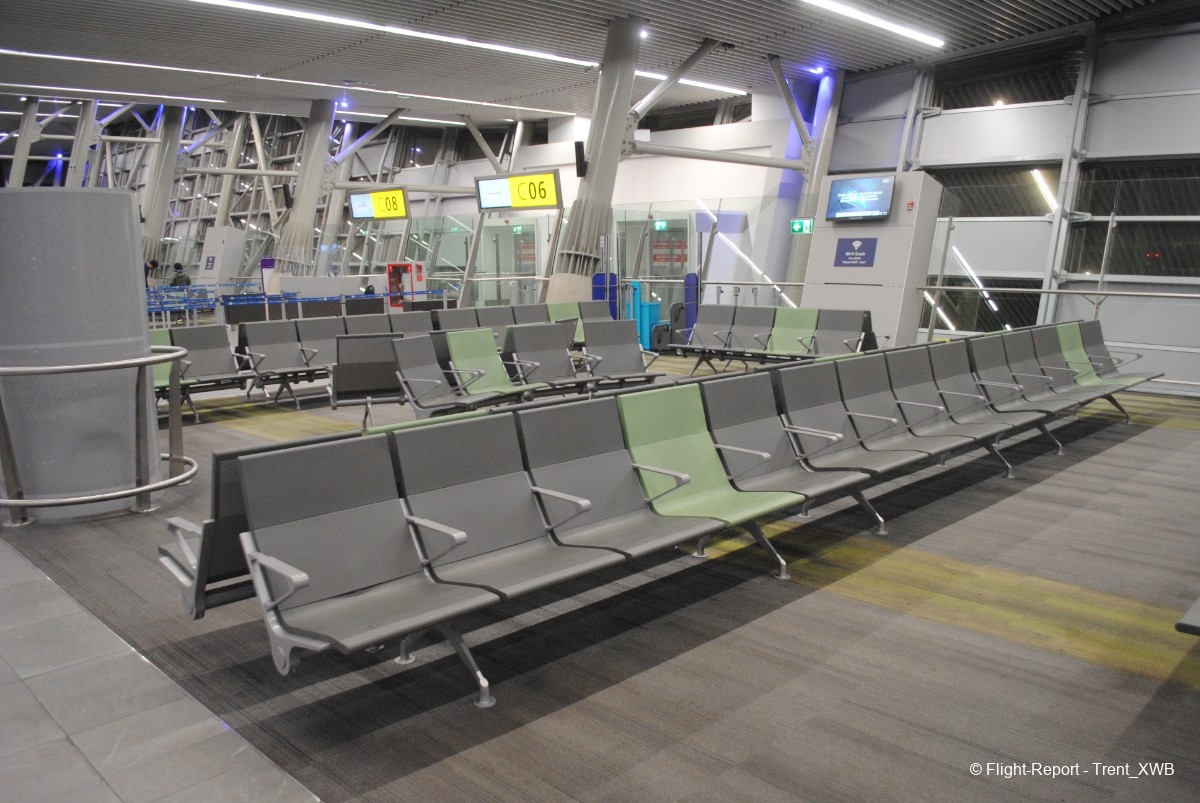
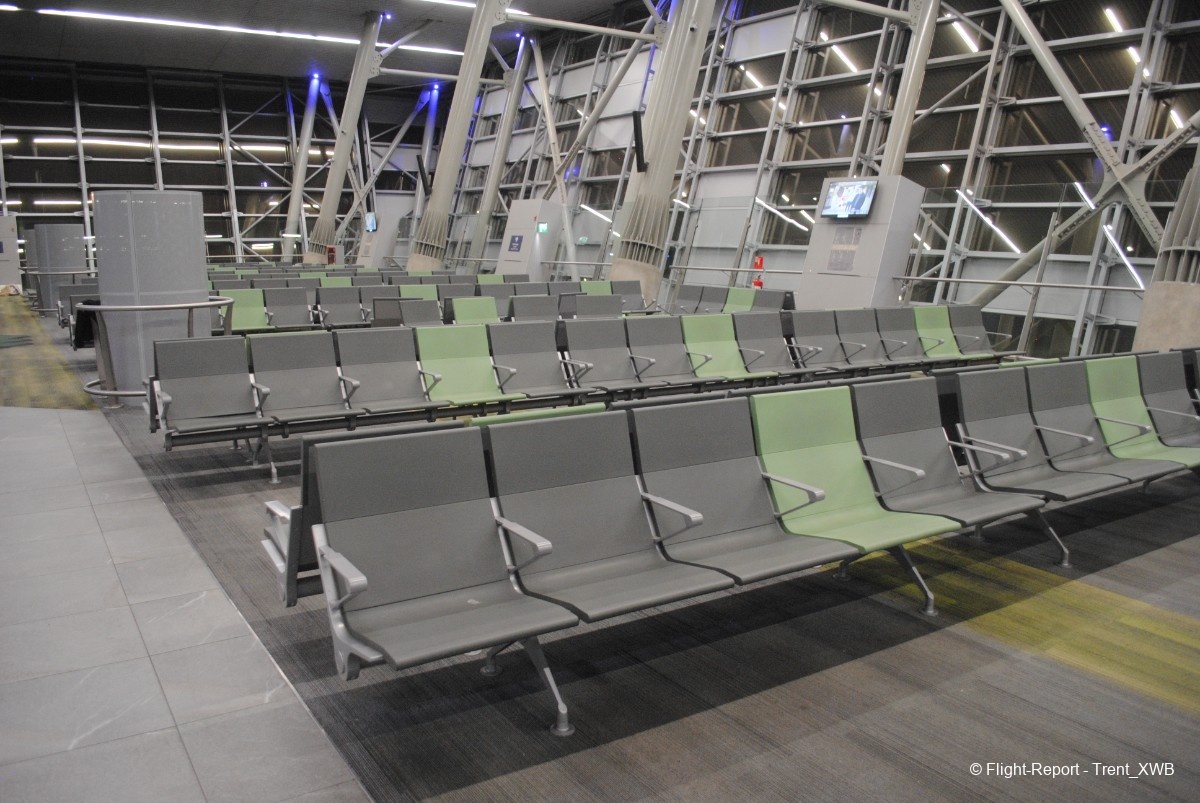
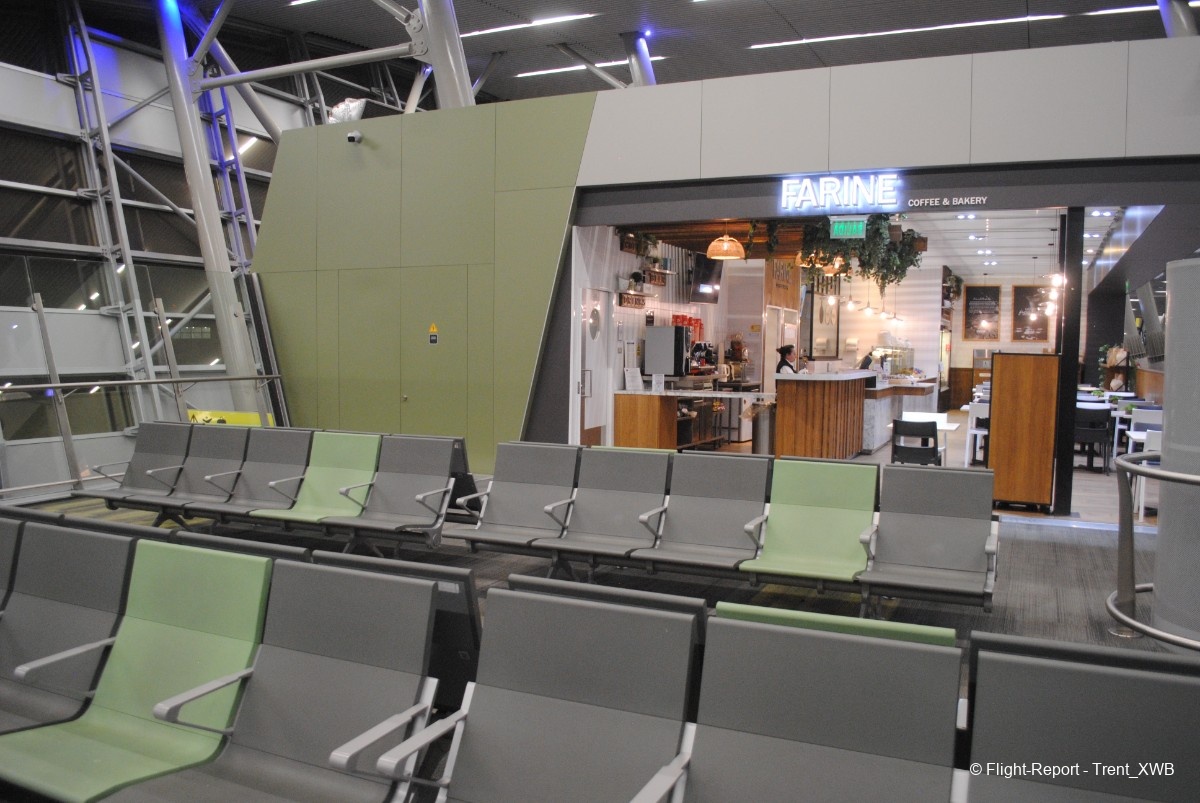
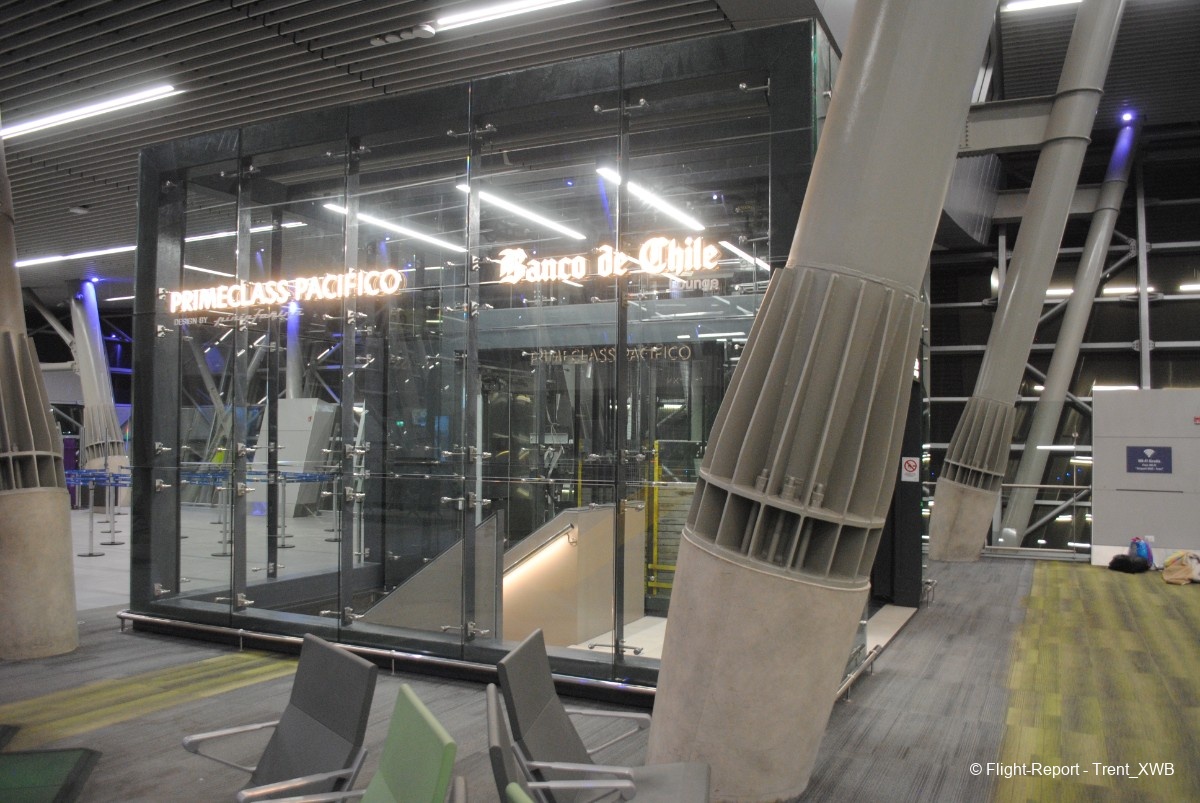
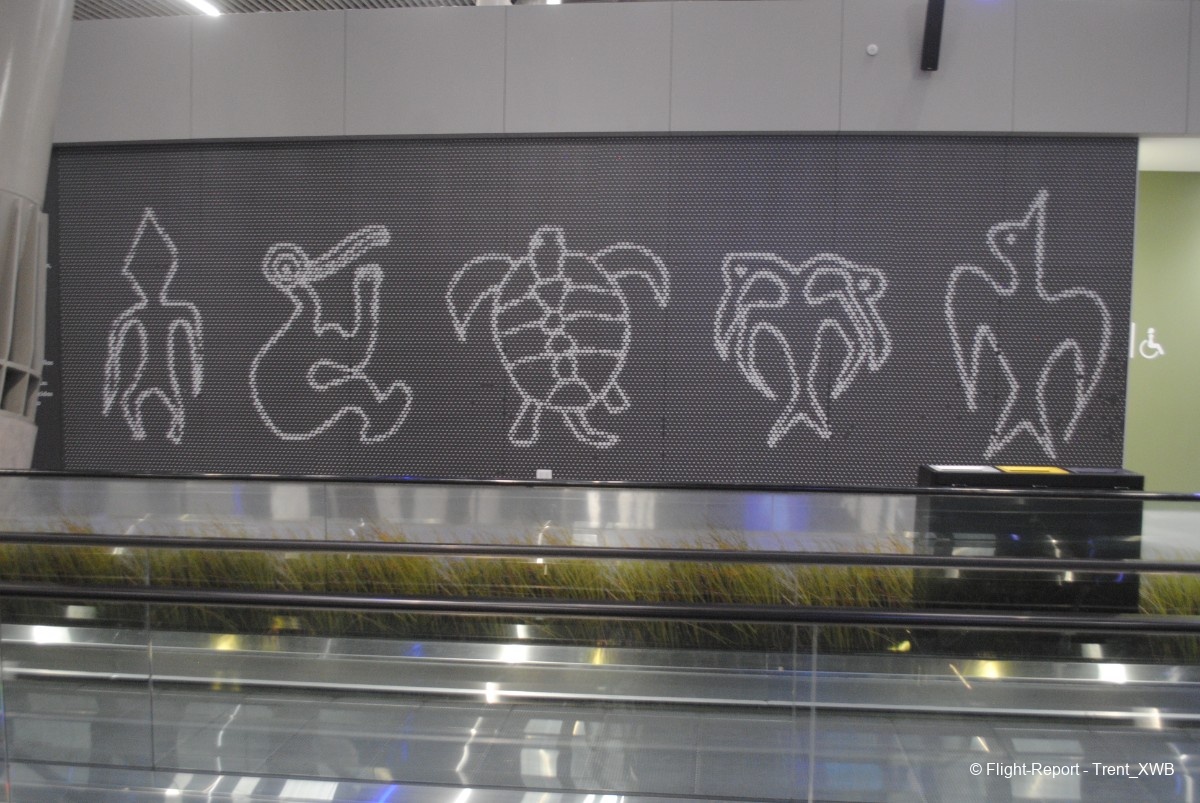
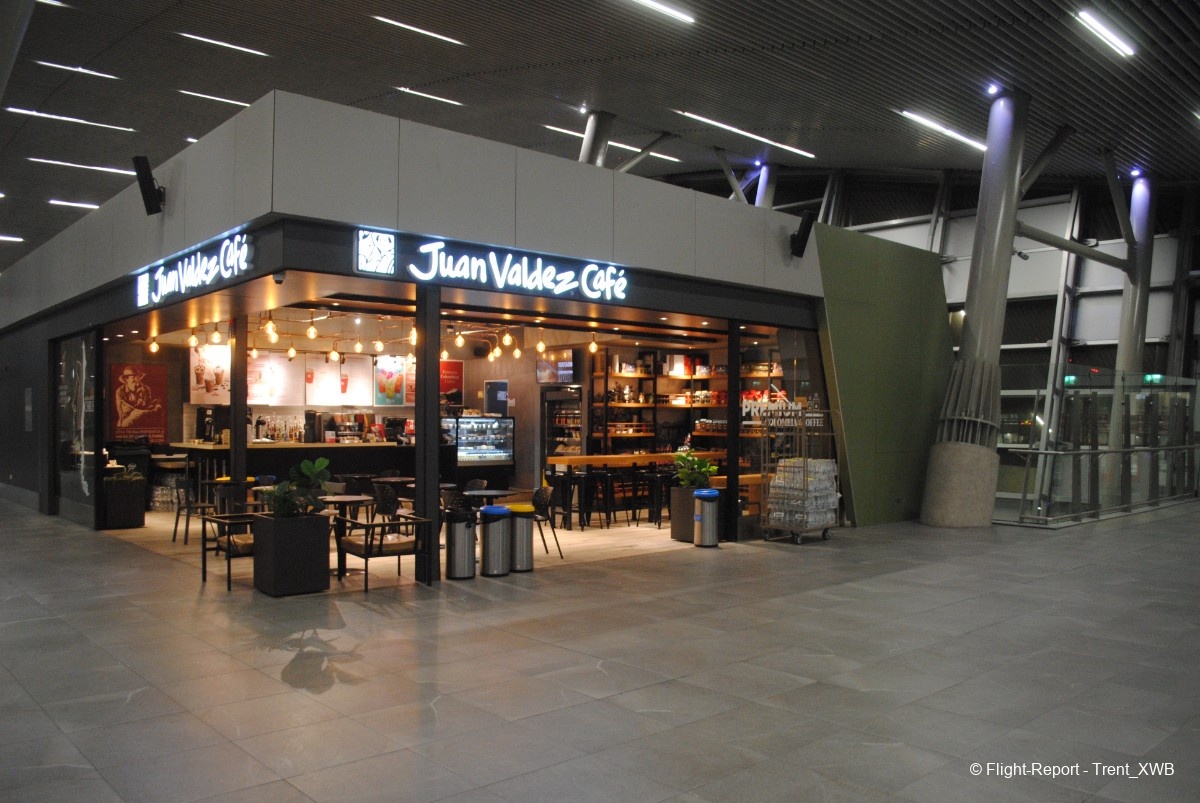
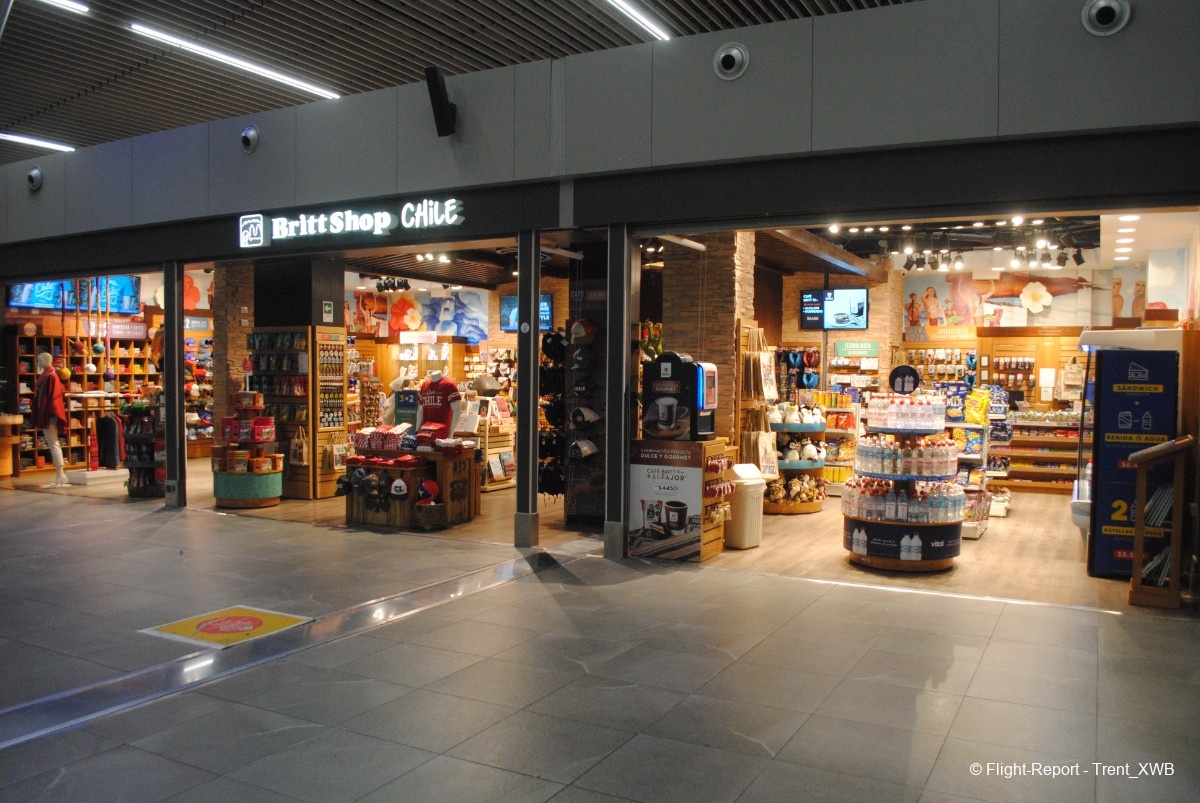

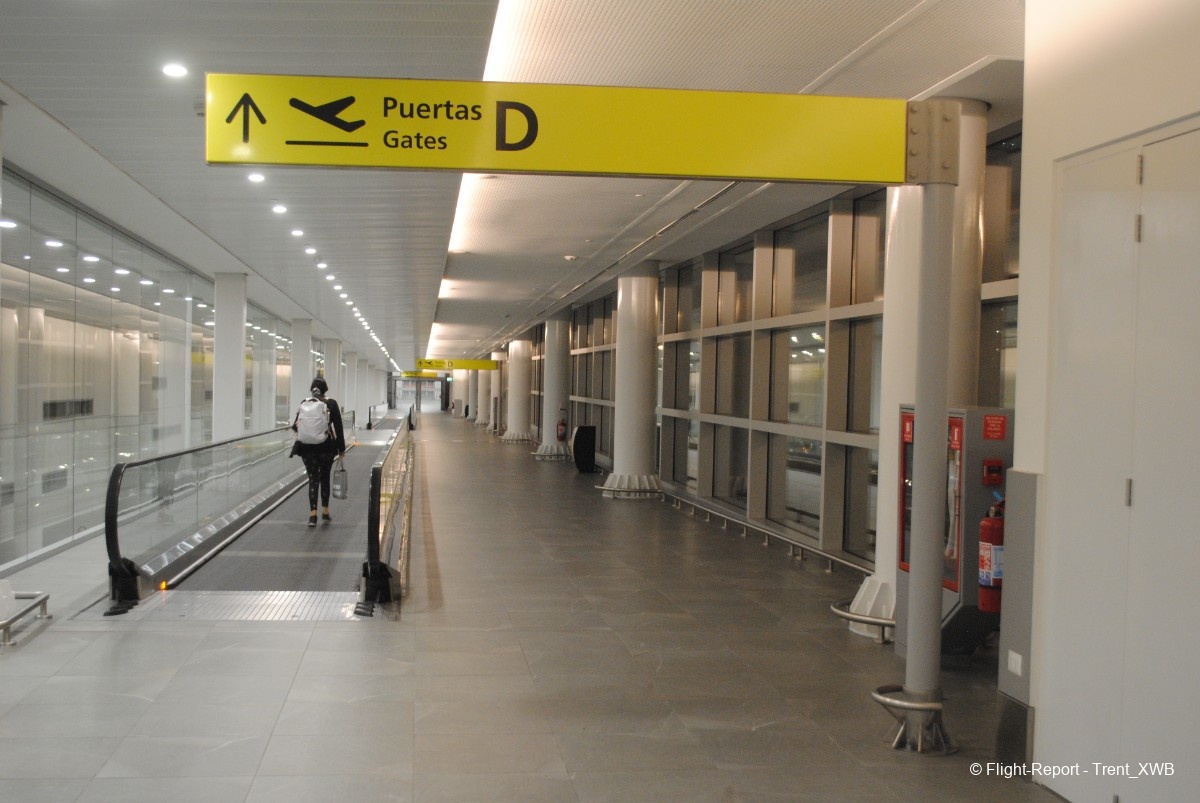
The gallery, connecting the T2M plaza with the T2D pier. These windows to the right provide some planespotting possibilites.
A view of T2D from the gallery.
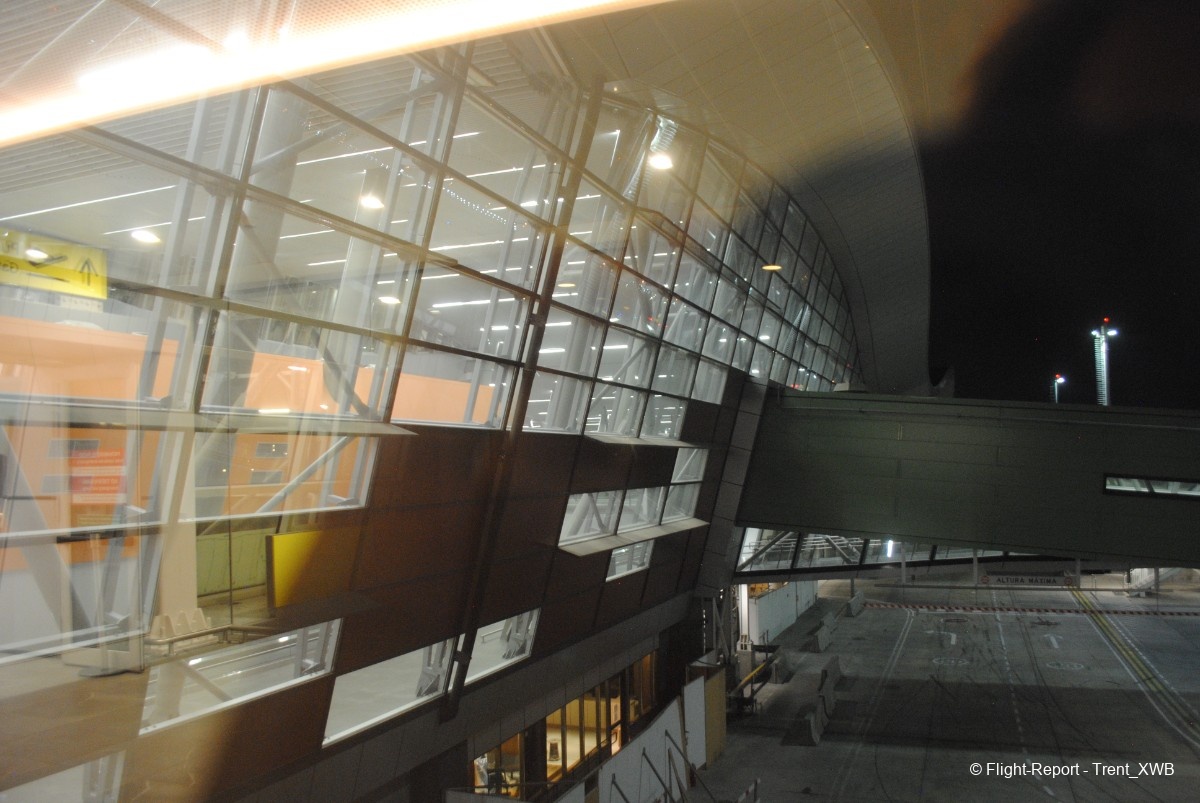
The design of T2D is inspired by Atacama desert (I've been there back in 2019). On the last photo in this gallery Nuevo Pudahuel - the parent company of SCL - boasts of how it's turning SCL into a green airport.
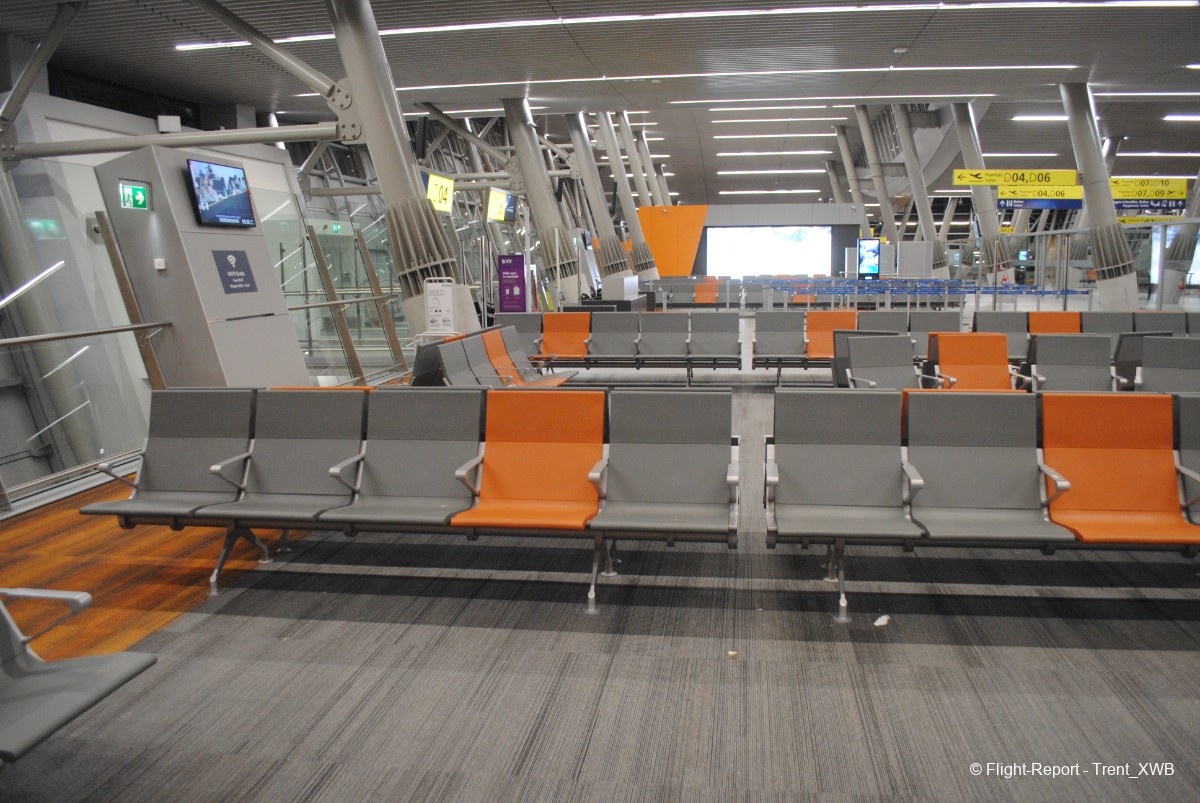
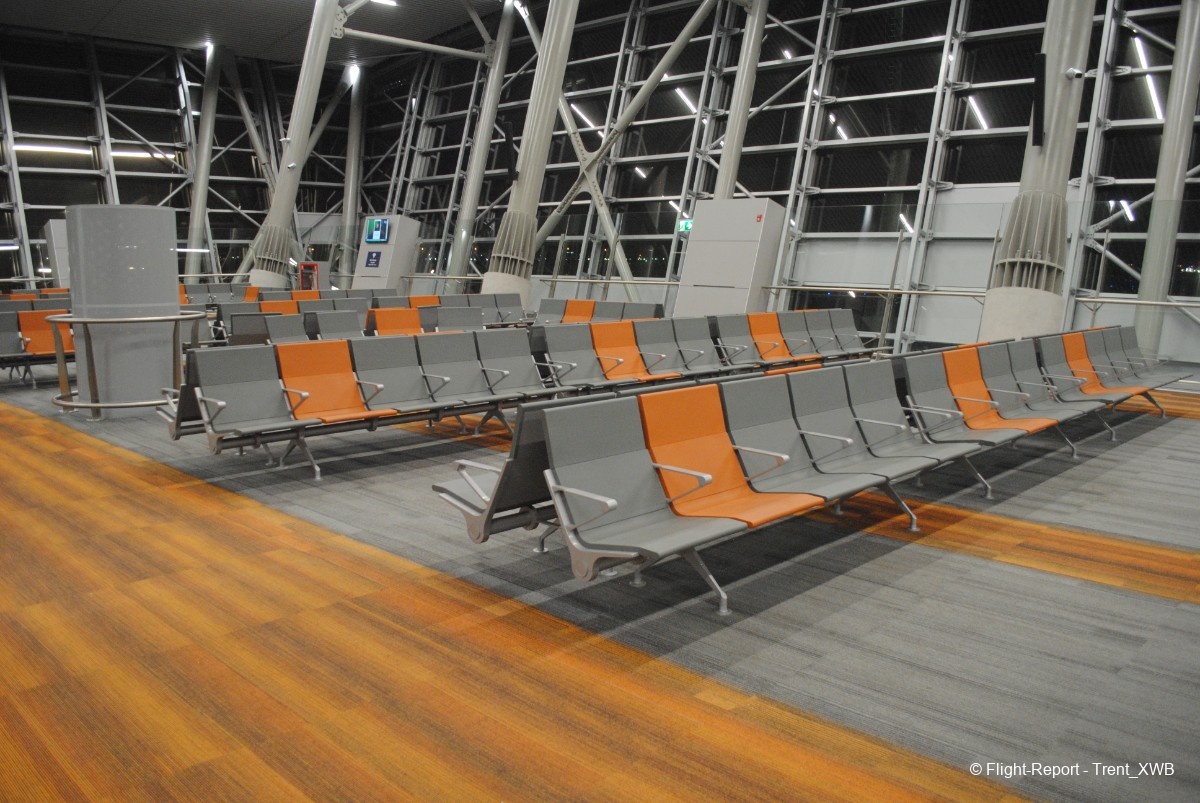
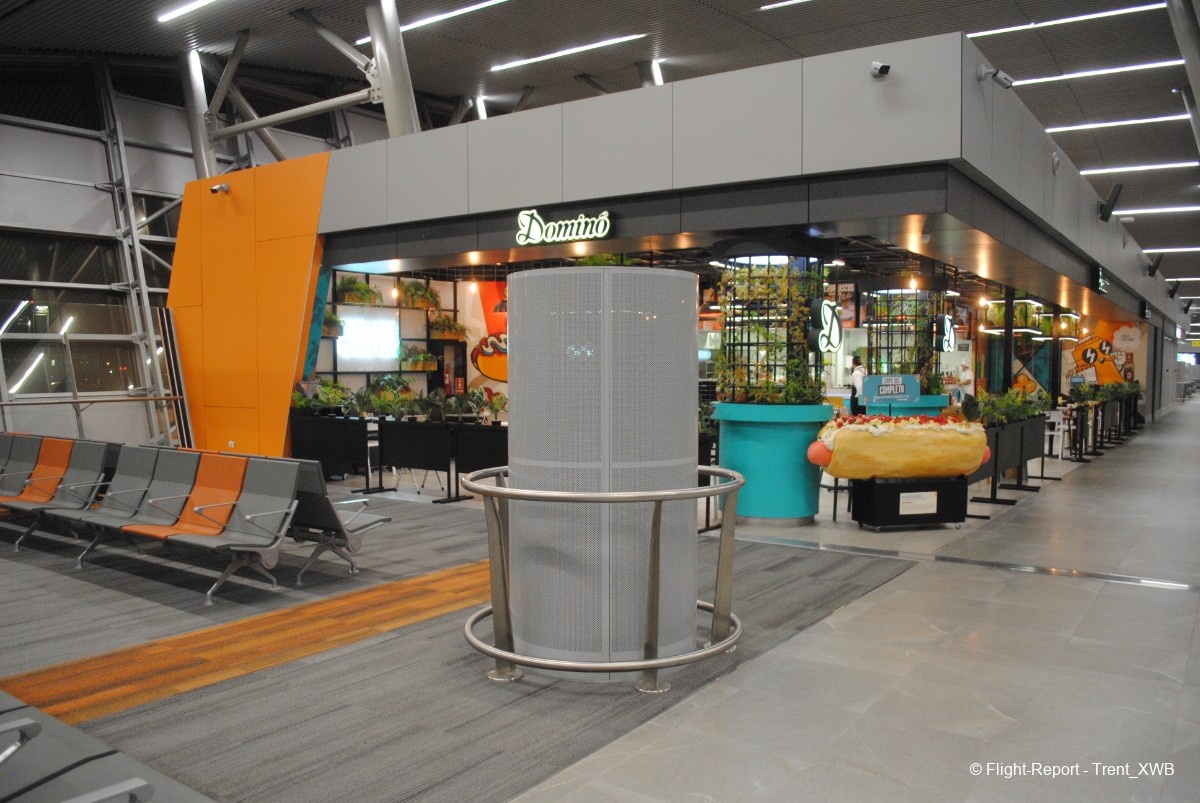
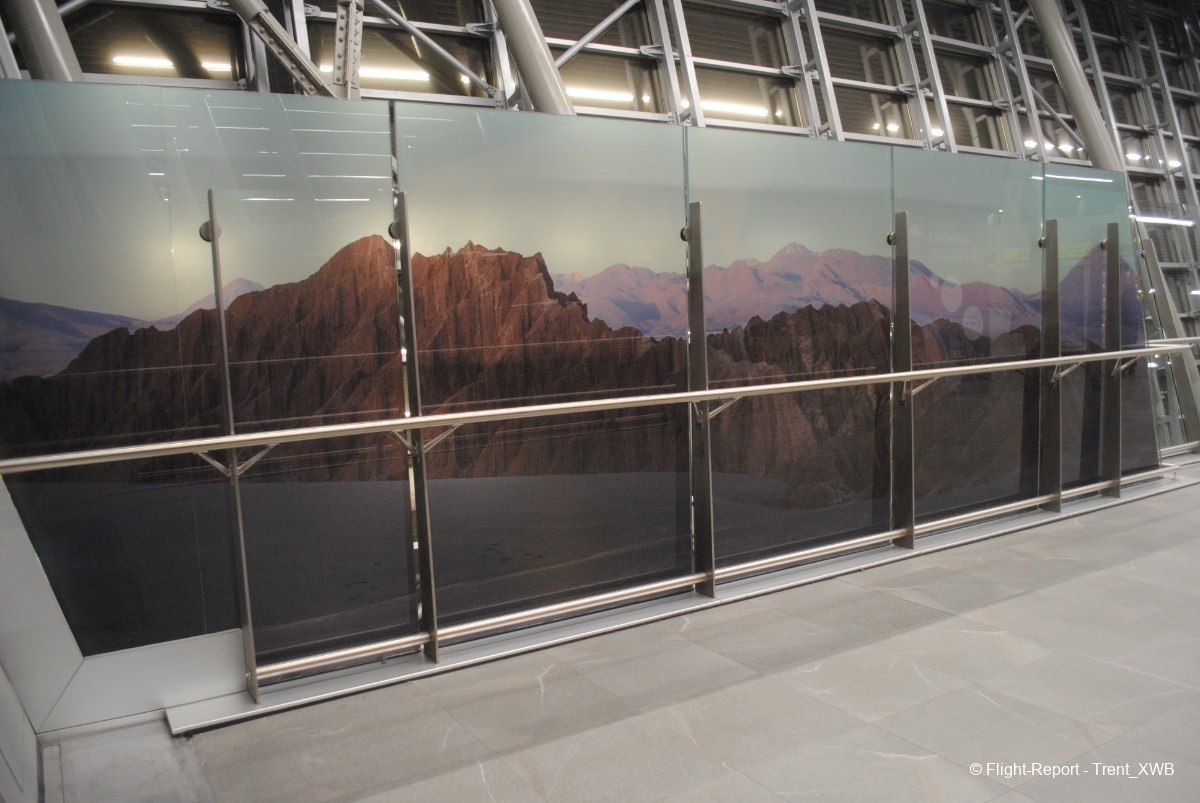
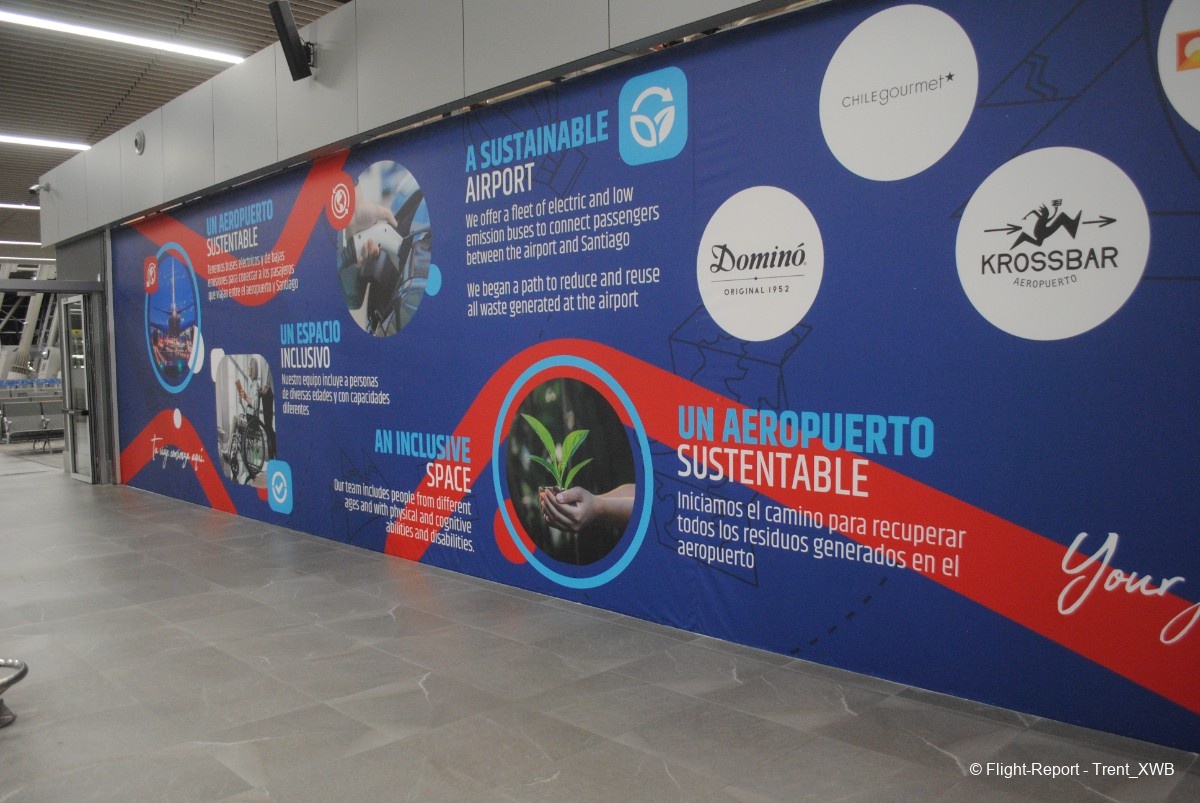
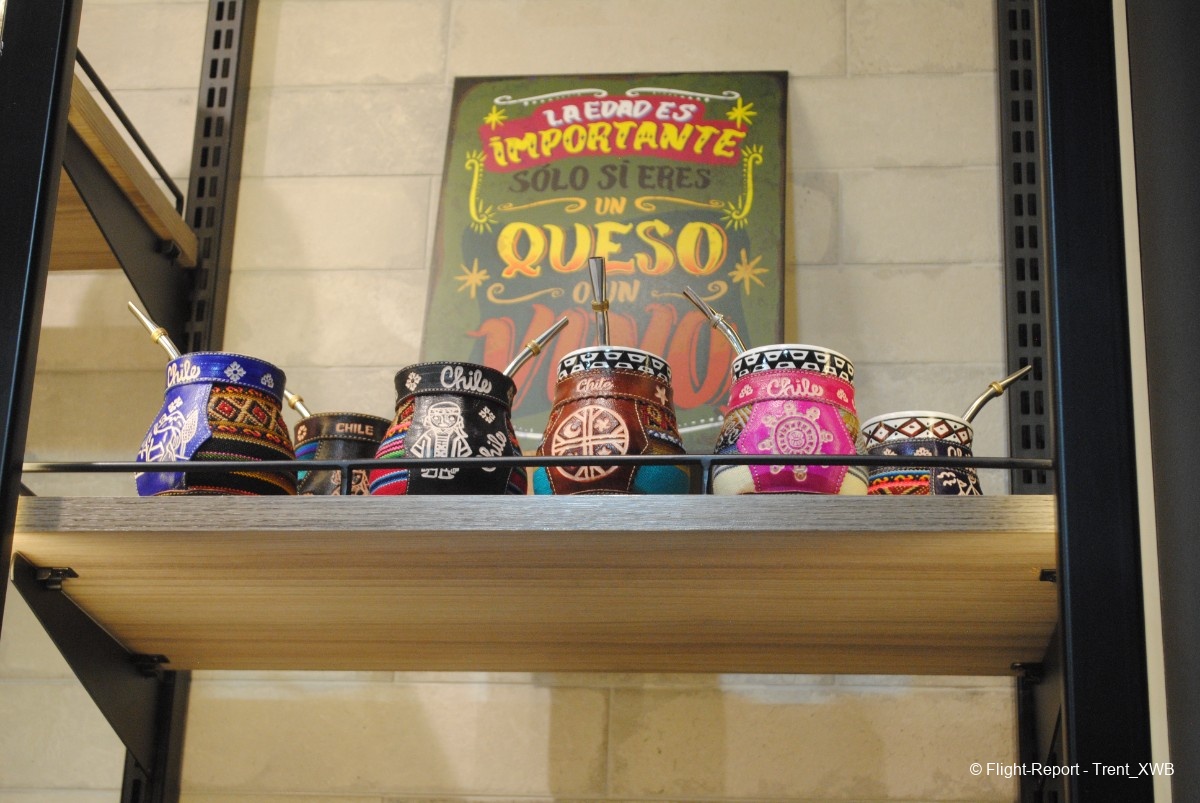
The design of T2E is inspired by Chilean Patagonia (I was there back in 2017). T2E features some souvenir shops in addition to the ones of the T2M plaza. I like the motto on the last photo in the gallery: "the age is important only if you're a cheese or a wine".
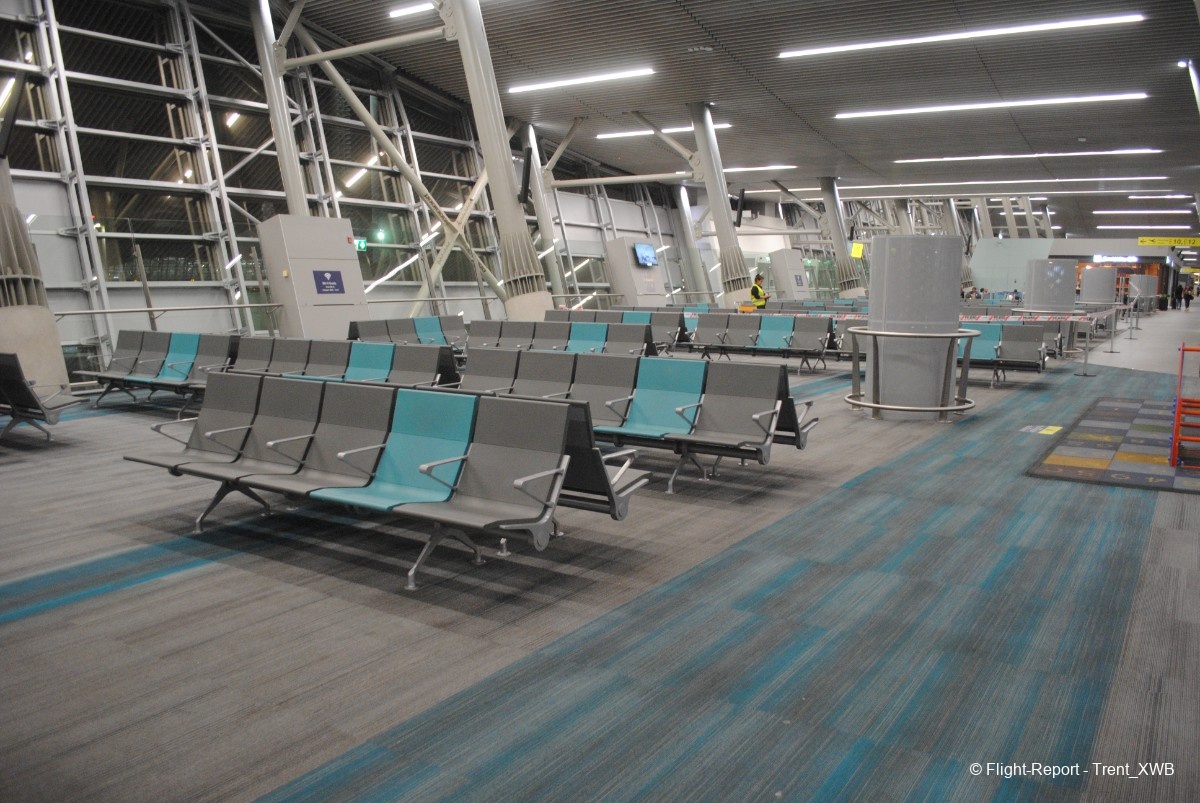
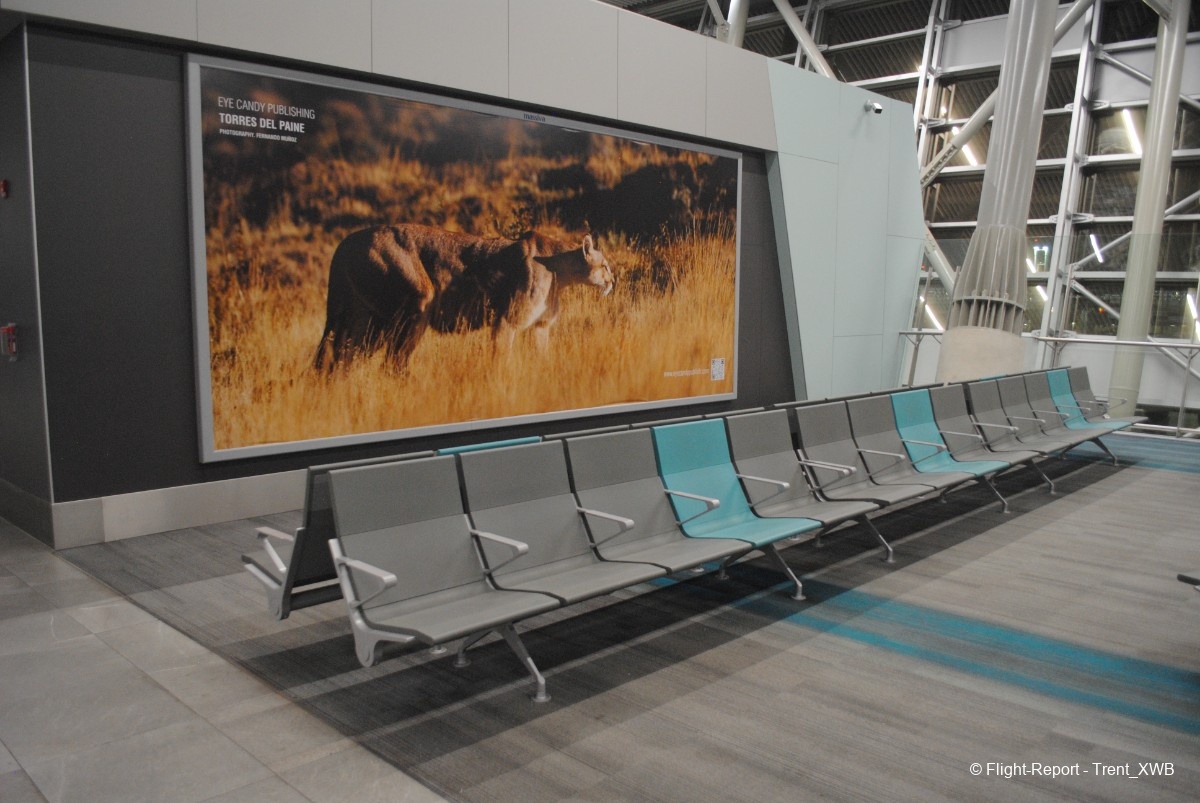
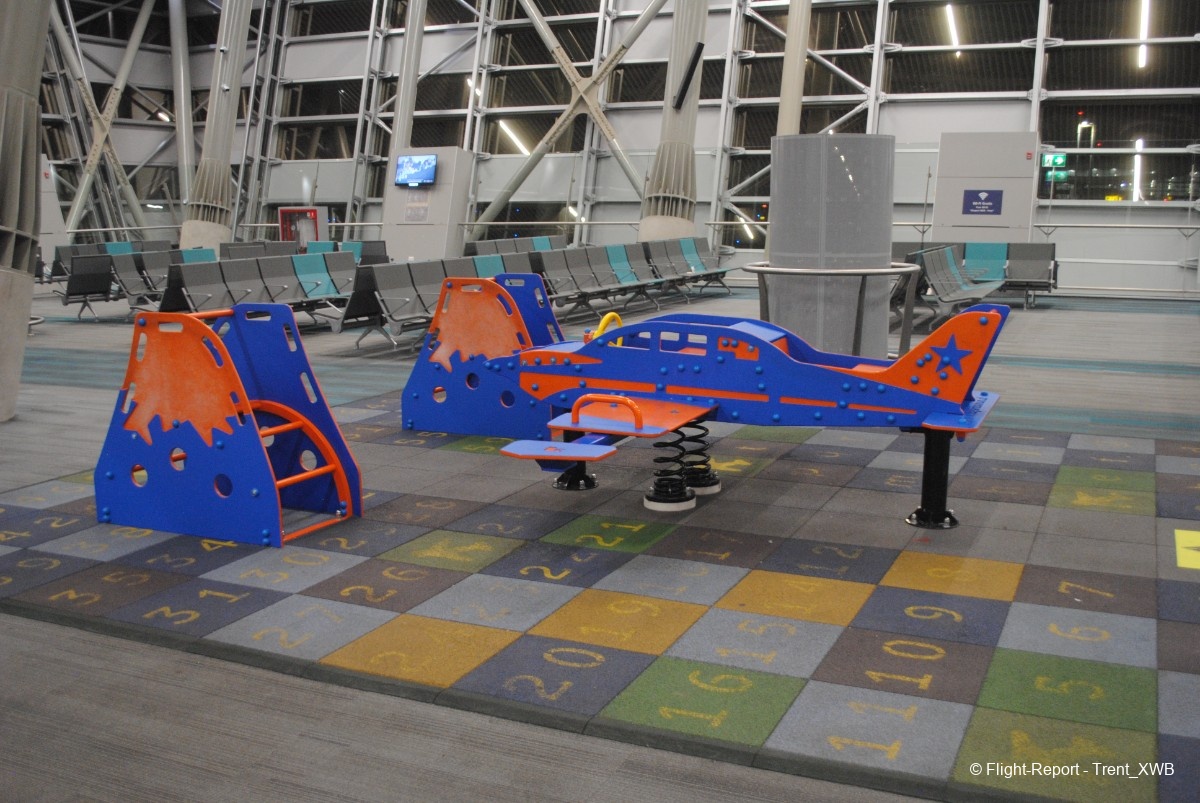


The design of T2F, which was closed at that moment, is inspired by the Lake Region of Chile (which I've seen only from the sky back in 2017).
Planespotting from T2 SCL
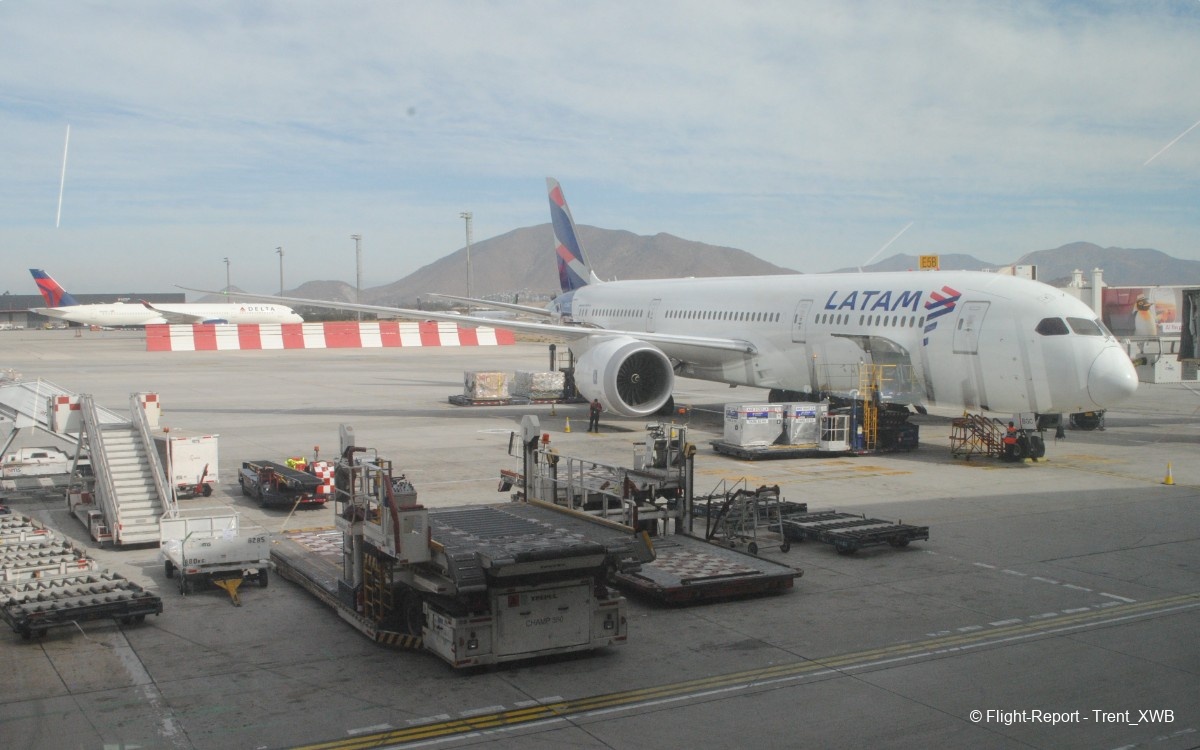
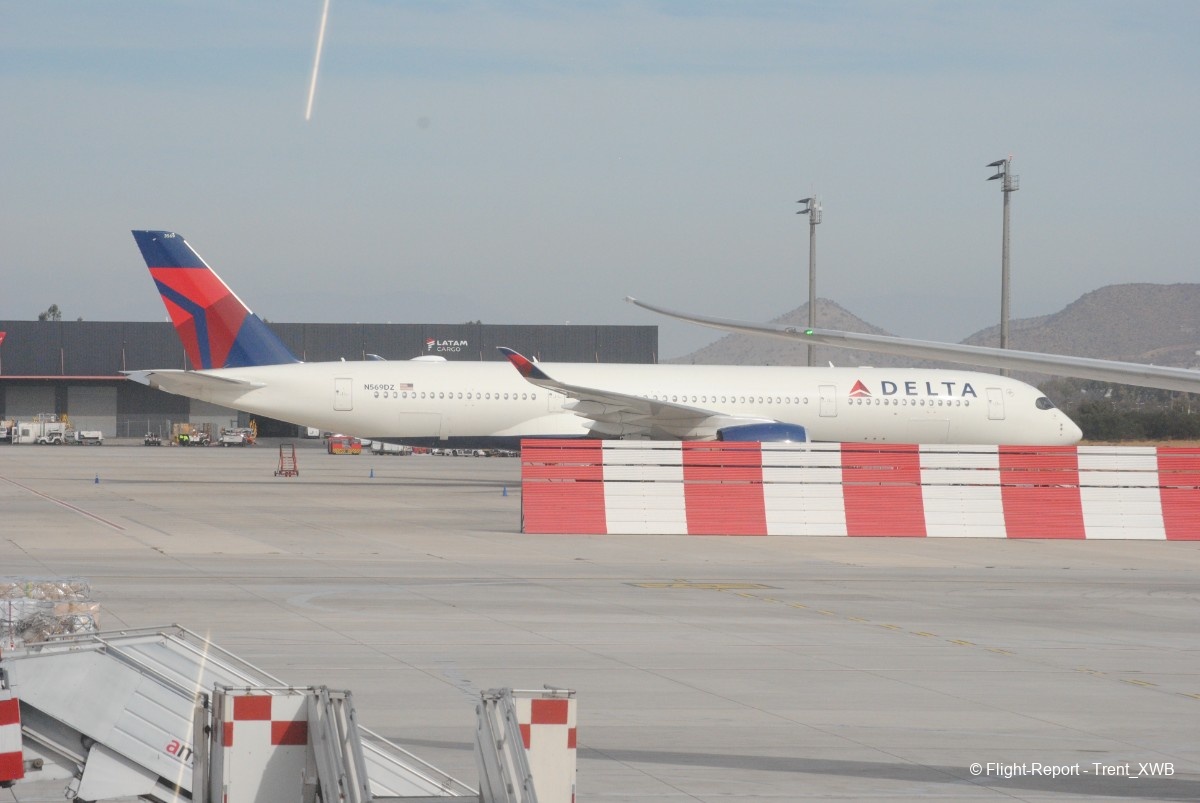
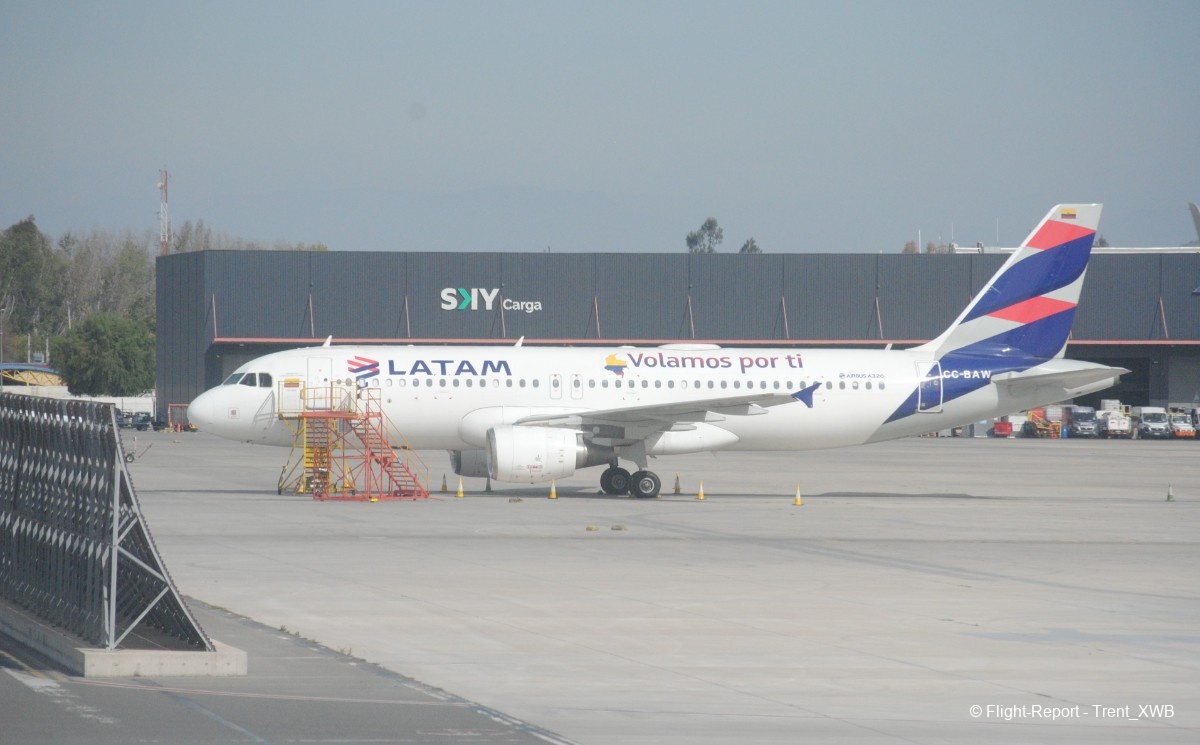
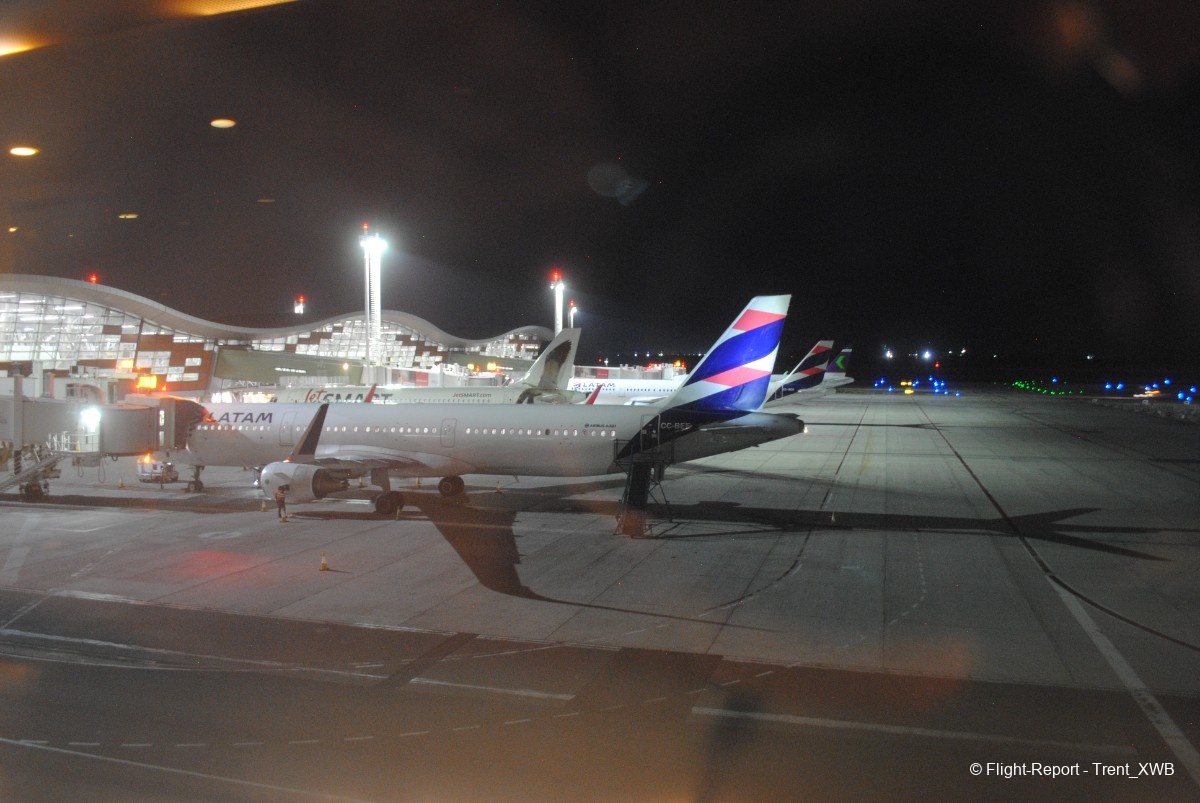
Here I'll show some photos, illustrating how generic is planespotting in SCL nowadays. The daytime photos were made from international arrivals after AKL-SCL flight, the nighttime one was made while waiting for SCL-MVD flight.
LATAM B789 (CC-BGC) that flew me into SCL from AKL across the Southern Pacific.
Delta A359 (N569DZ) - the former PR-XTB of LATAM, which flew me from MXP to GRU back in 2017.
Colombian-based A320 (CC-BAW) of LATAM, which flew to SCL from BOG or MDE.
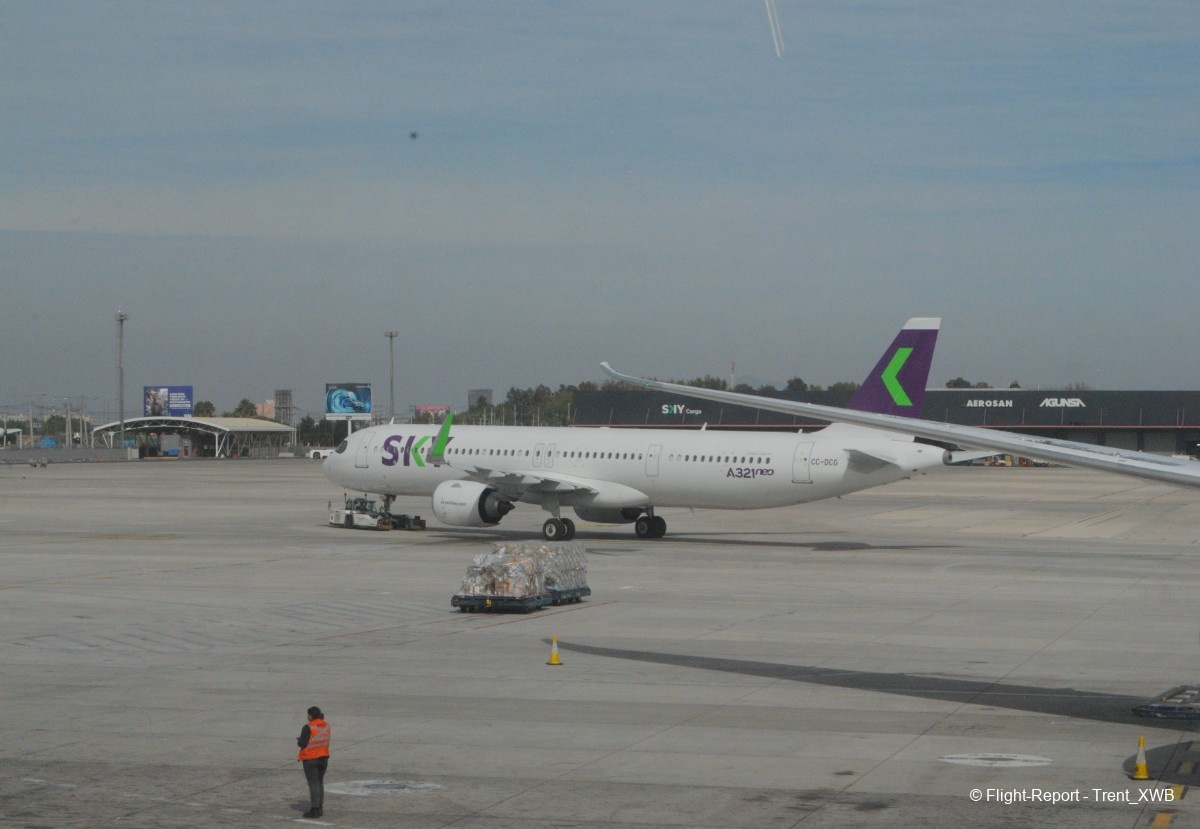
A21N (CC-DCG) of Sky Airline (H2) - the counterpart of JetSMART on the South American ULCC market. H2, being founded in 2001, is much older than JA. Back in 2017 I flew H2 A319s from SCL to PNT and back during my trip to Southern Patagonia. Since then H2 got rid of all its old aircrafts (used A320s and A319s) and completely renewed its fleet with CFM-powered A20Ns (29 units) and A21Ns (7 units).
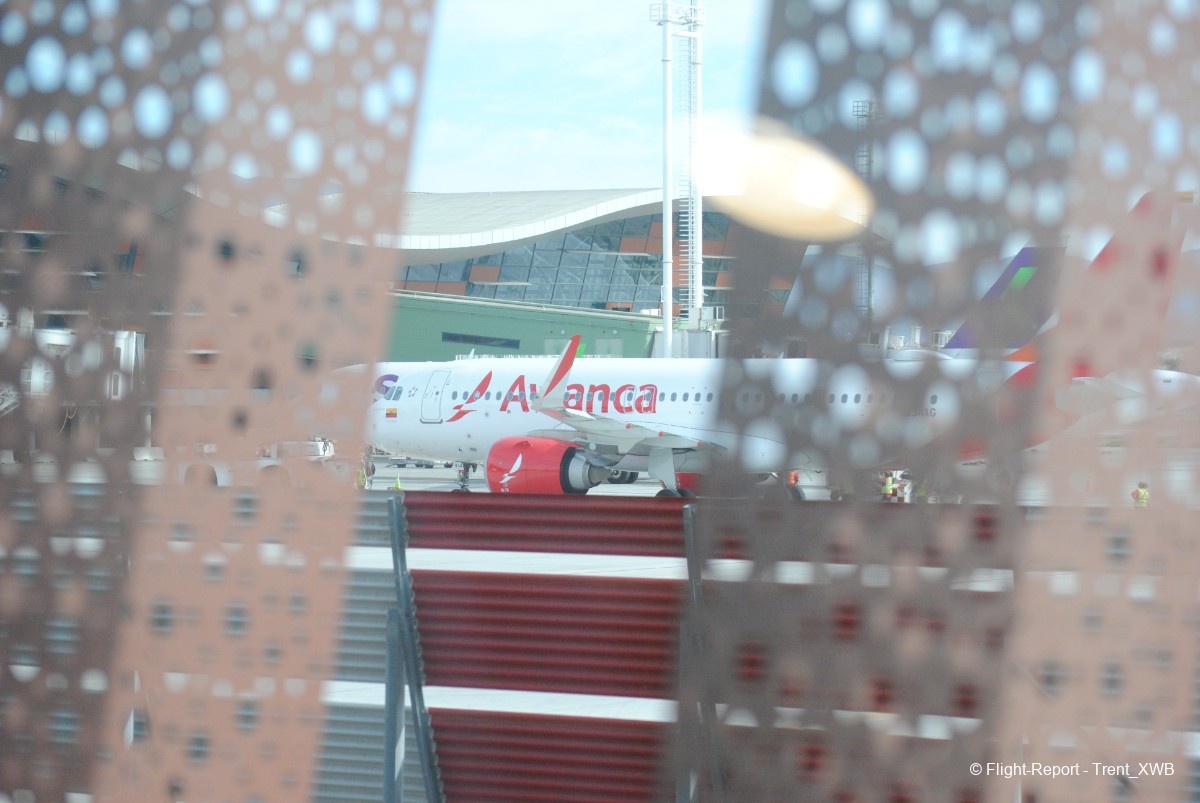
A20N (N934AG) of Avianca from BOG. This aircraft, built in 2019, was initially in Interjet (Mexican "luxury lowcost" airline that went bust in pandemic 2020). I flew Interjet twice in 2016 and 2017 and I also flew Avianca once in 2018 during my trip to Colombia. Back then AV had very diverse fleet, consisting of B788s, A332s, A21Ns (early pre-ACF versions), A321s, A20Ns A320s, A319s, A318s and AT76s. During the pandemic AV had to undergo the Chapter 11 restructurization and turned into an almost-ULCC airline with the fleet streamlined to B788s, A20Ns (a significant number of the units was taken from defunct Viva Air Colombia and Interjet), A320s and A319s. Meal service is present only on transatlantic flights on B788s. So sad to see one of the world's oldest airline turning into a bland shadow of itself…
A couple of LA A321s, a JA A320 (CC-AWE with "Gaviota Austral" tail) and an H2 A21N.
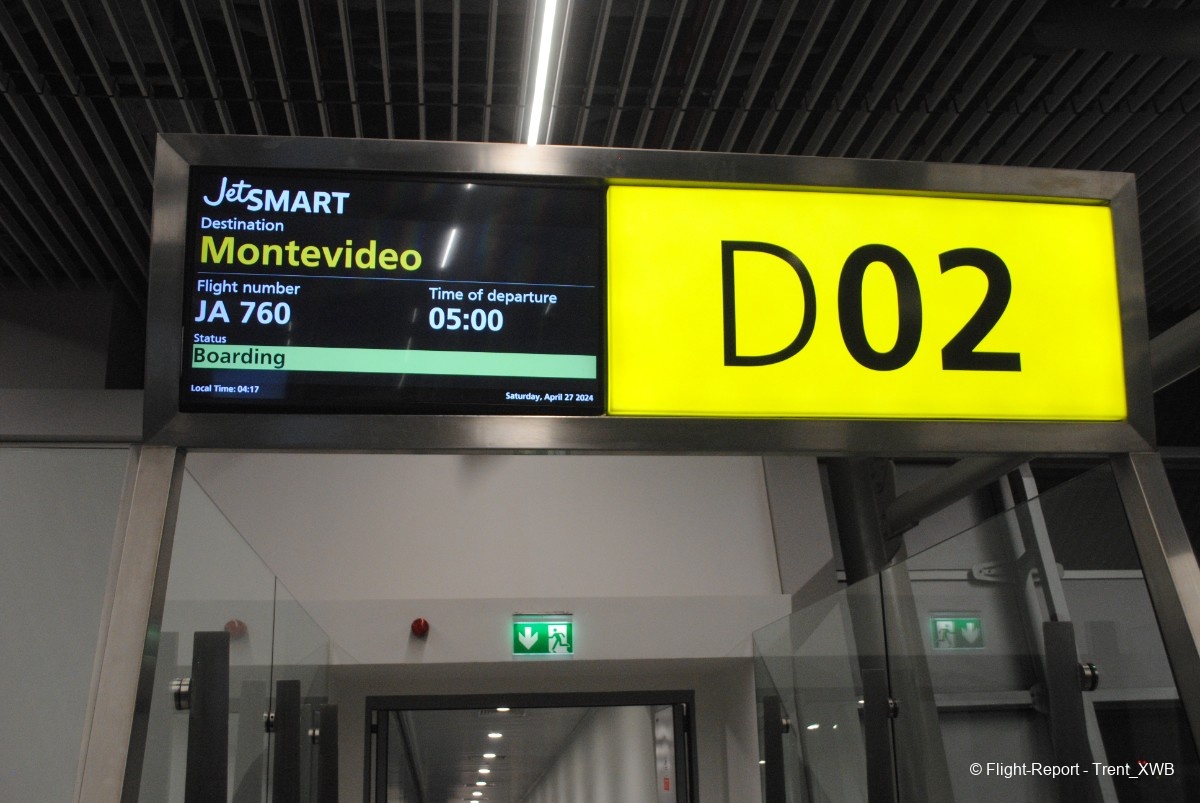
Boarding
Initially my flight JA760 was supposed to board from E02 gate, but shortly before boarding time the gate was changed to D02. Quite a stretch, especially when you're sleepy!
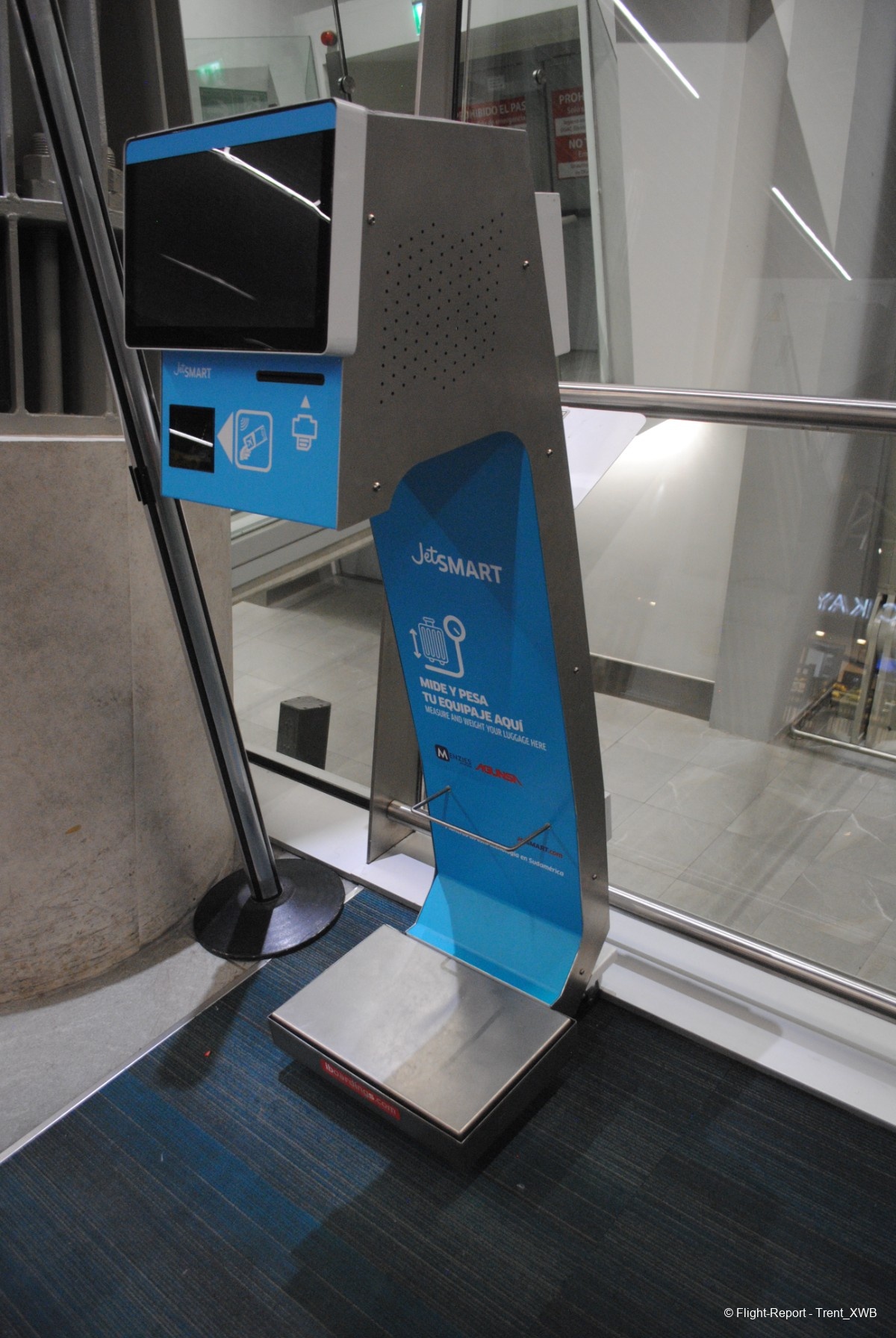
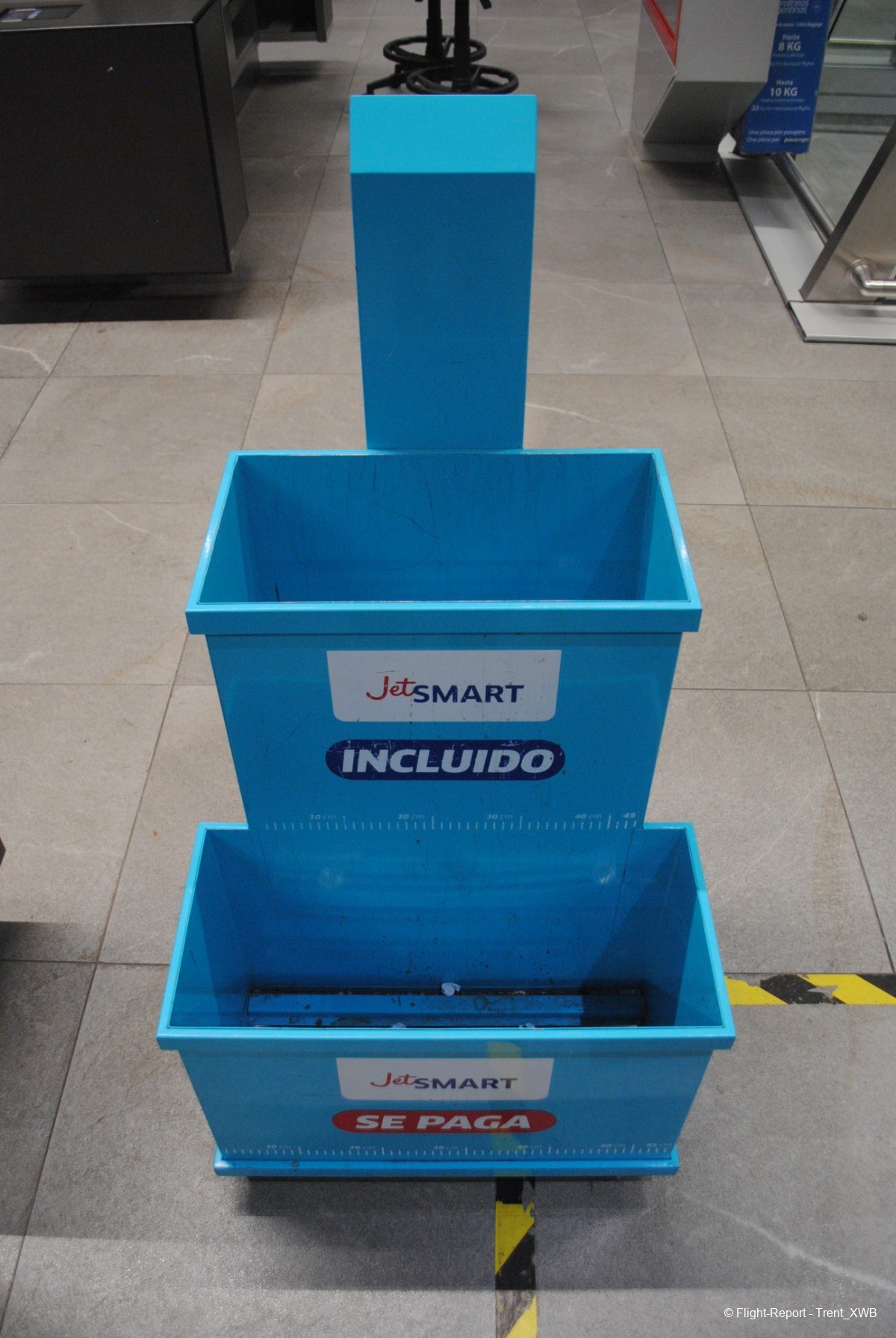
Here I'll show some JA's "measuring tools" from T2C. Thankfully, here in T2D hand luggage was not measured (anyway, I was able to make my flexible backpack fit into the calibrator, if needed).
The Cabin
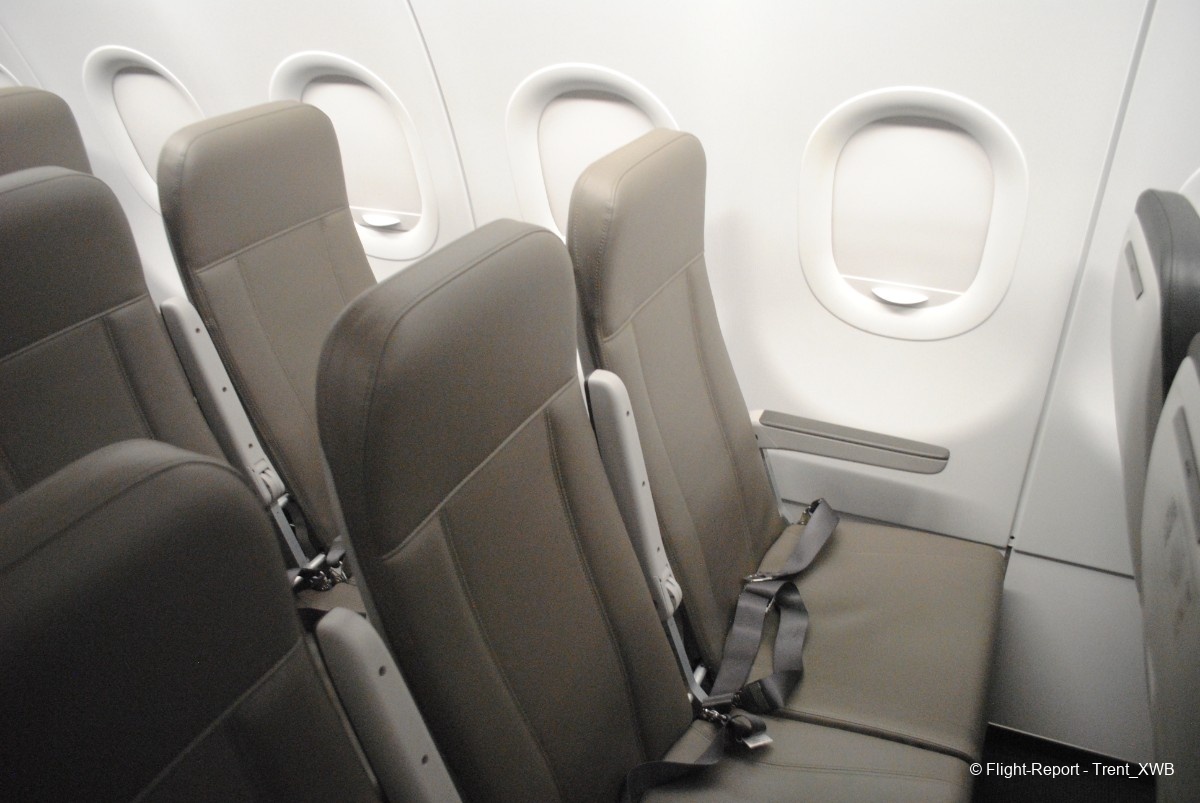
The dull cabin of JA A20N consists of 186 non-reclining Recaro SL3710 seats in the standard 3-3 layout, featuring just a small tray table and a soft seat pocket.
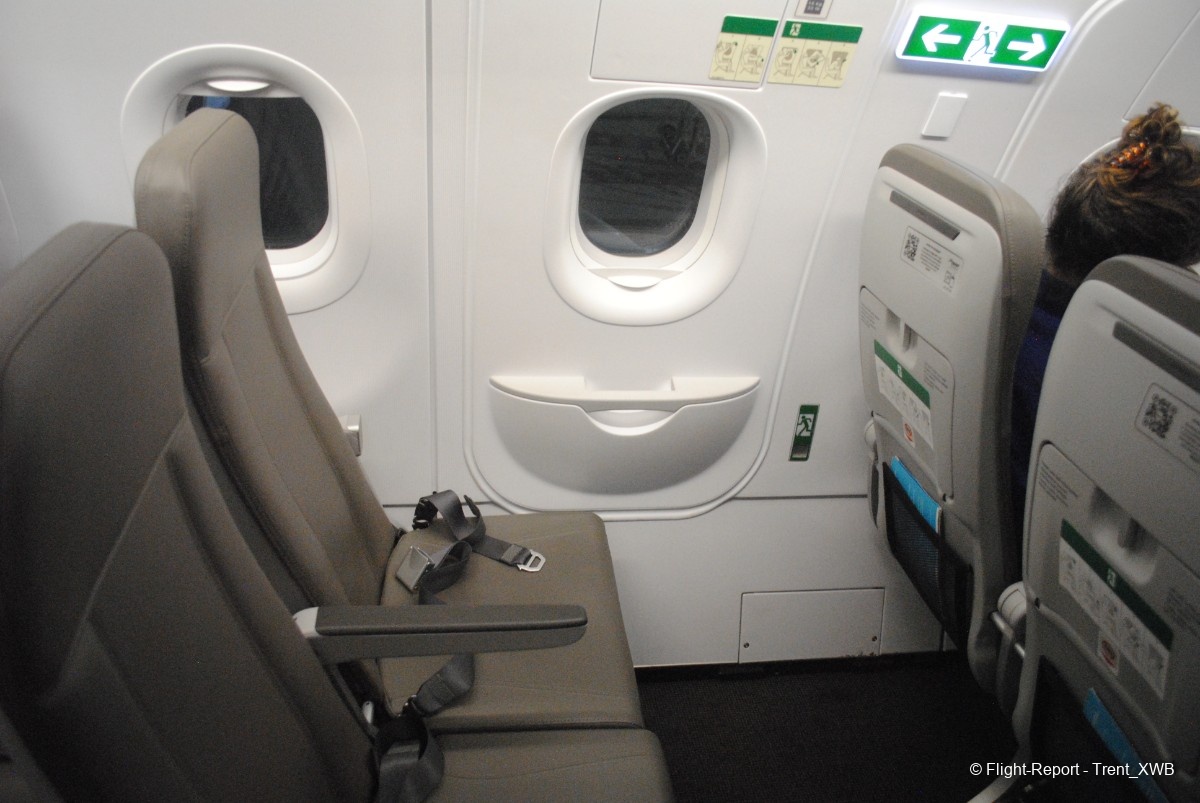
The last 2 rows (31 and 32) don't have windows.
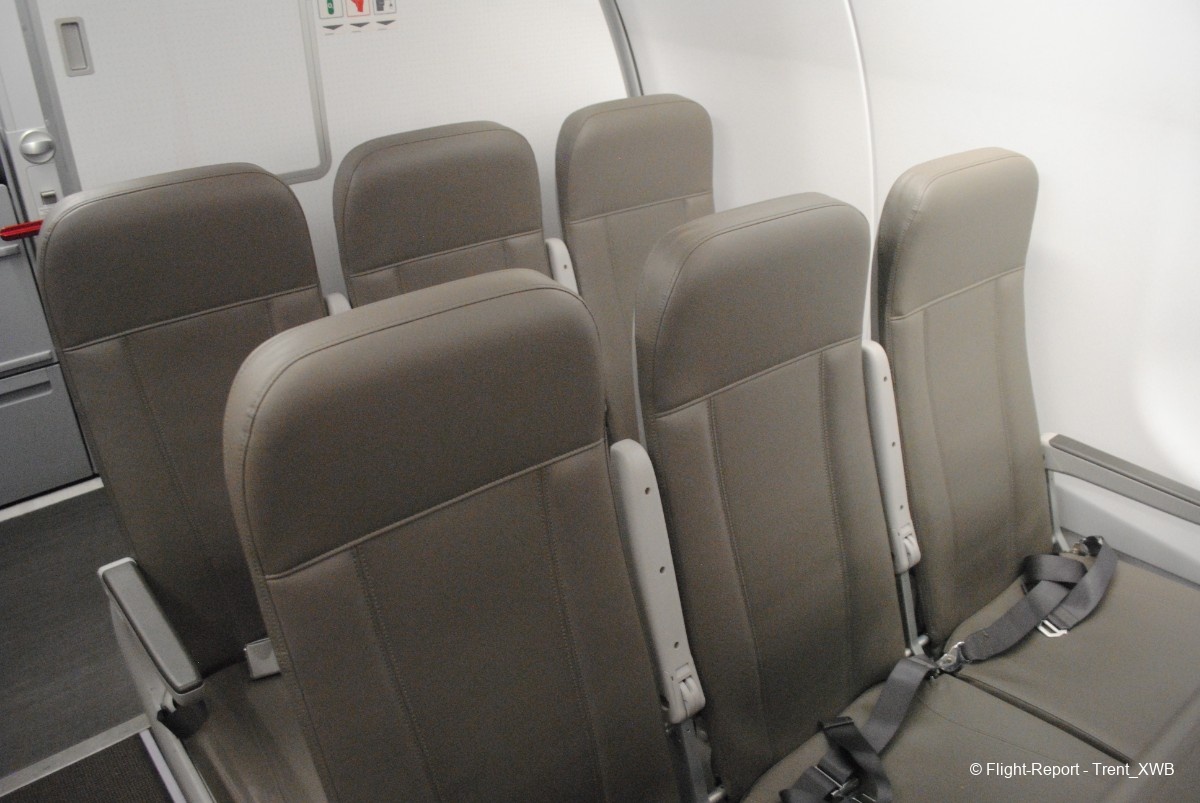
The cabin load was far from full and I had a 3-seater block for myself in my row 26.
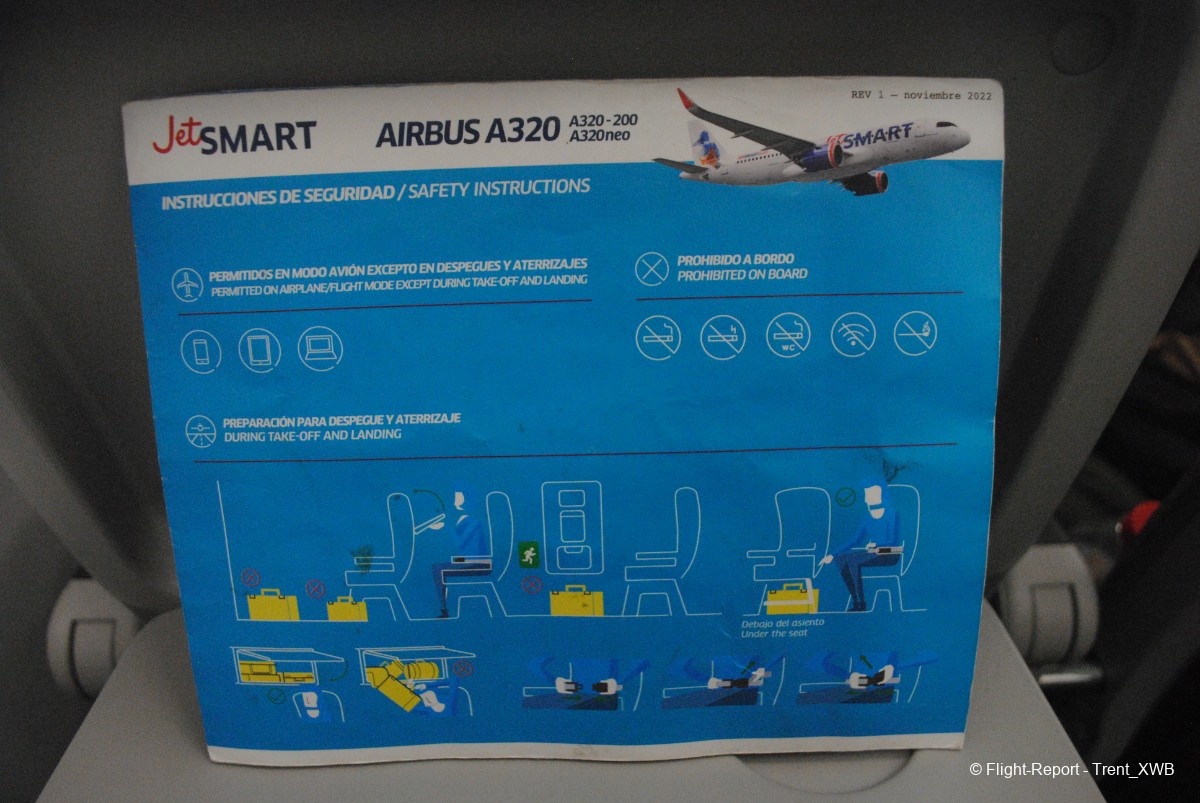
The seatpocket contains only safety card.
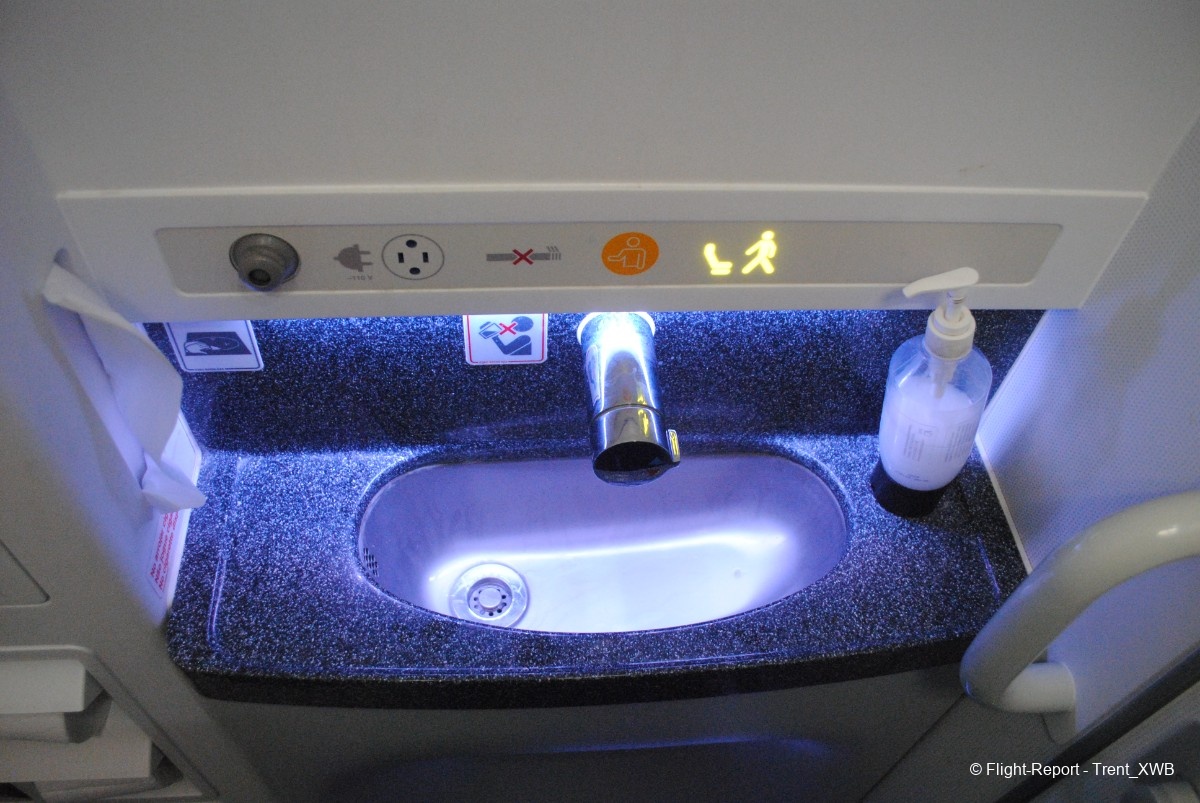
The lavatory is tiny, which is typical for A20Ns in ULCC configuration.
The Flight
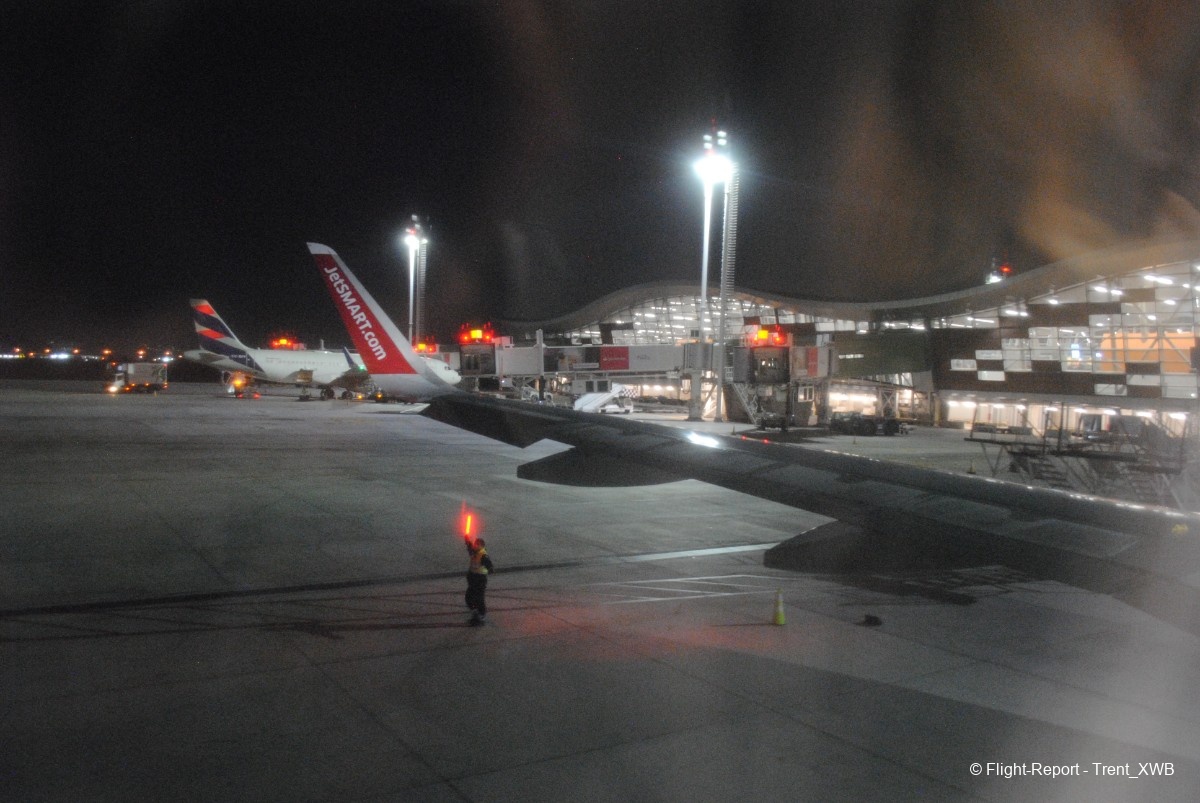
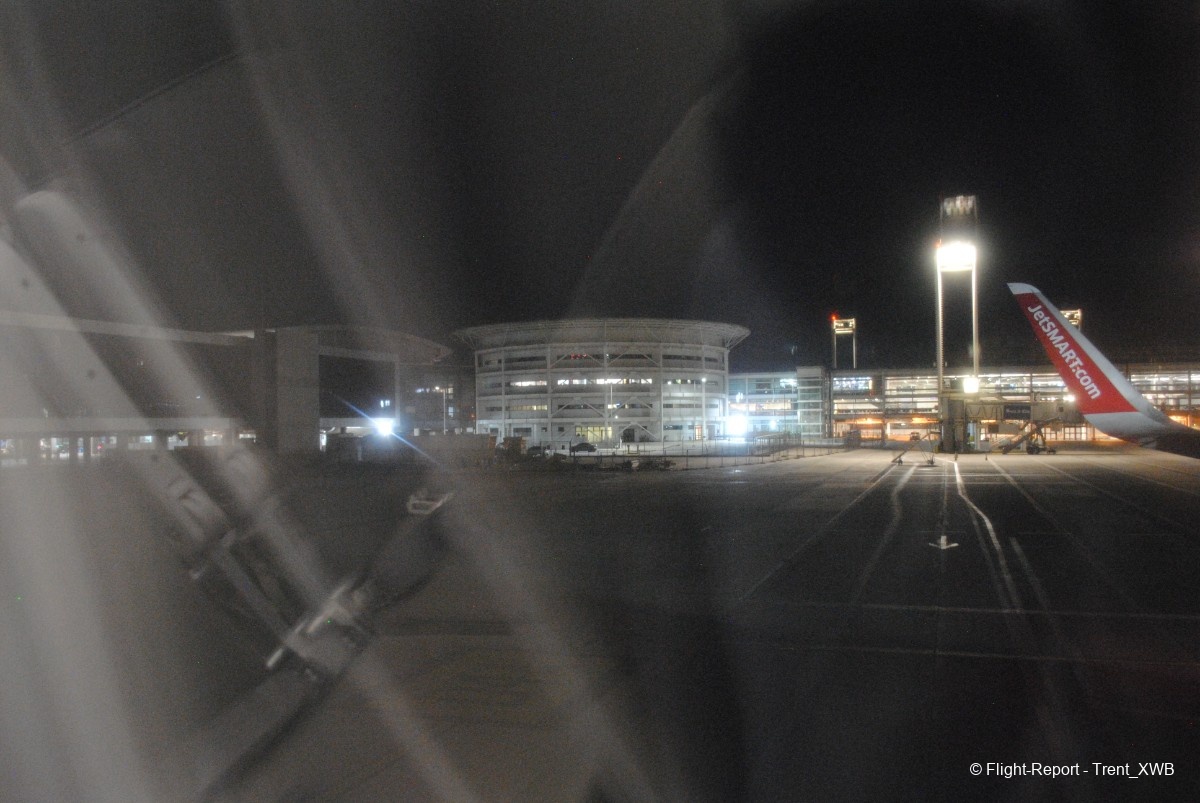
Pushback begins. Last view of the T2D pier.
Domestic T1 with its rotunda and the connecting gallery to T2D. How many times I arrived to and departed from T1 in pre-Covid times!
Takeoff from SCL with San Cristobal hill and the Santiago city center in sight. Hasta luego, one of my favorite cities in the world!
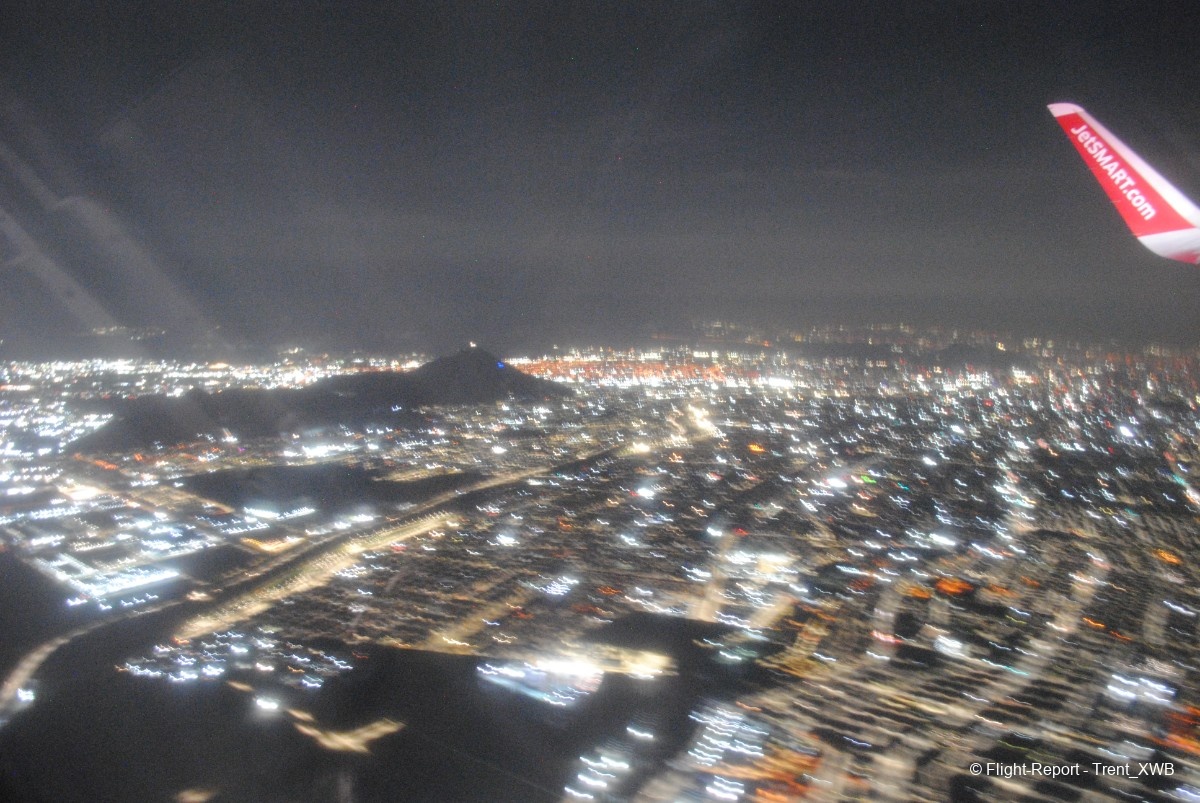
Since the most scenic part of this route - crossing of the Andes - was in pitch dark due to the timing of this flight, I fell asleep and woke up when it was already daylight outside and the plane was descending.
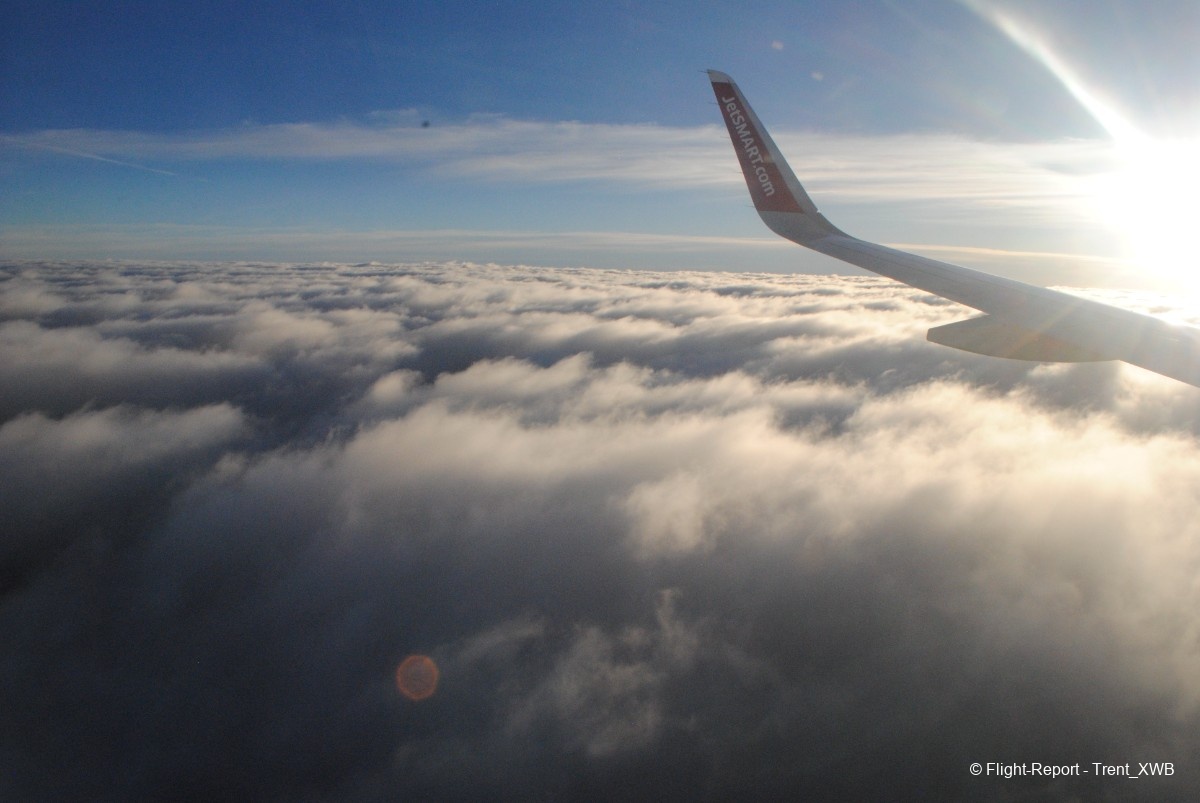
Green and wet Uruguayan lowlands, reminding New Zealand (Uruguay turned to be very similar to NZ in many ways).

Sun, breaking through the variable clouds, and beautiful reflection of the sky on the wing.
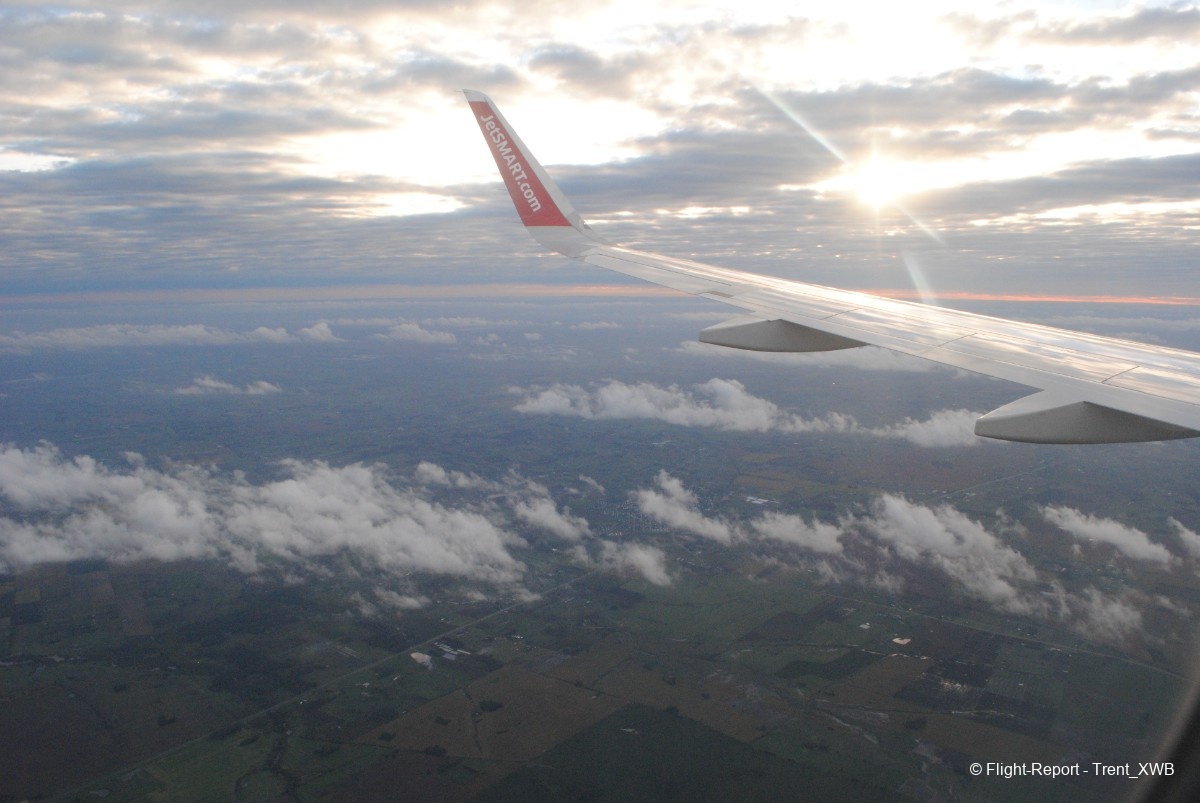
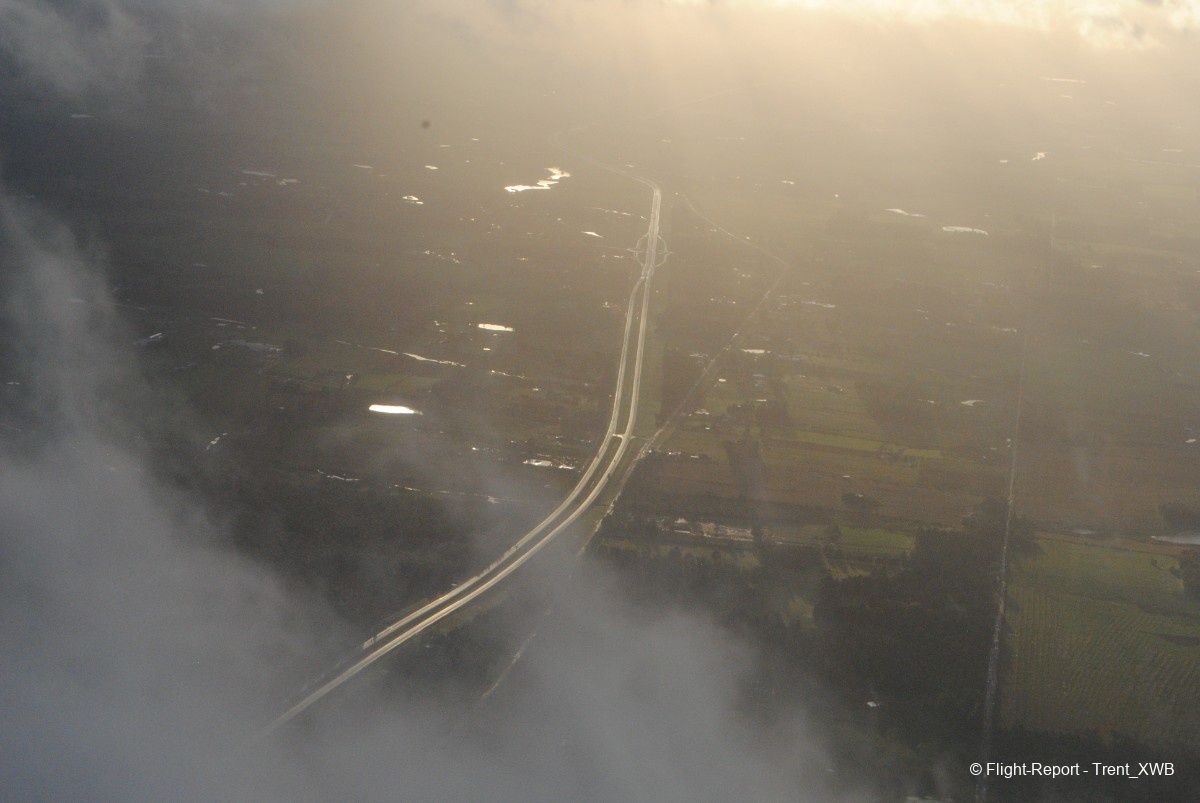
A sunlit highway.
La Plata coast in sight. We're flying over Salinas. Here La Plata, while still being freshwater turbid estuary of Parana + Urugay rivers, is already diluted by the clear salt waters of the Atlantics.
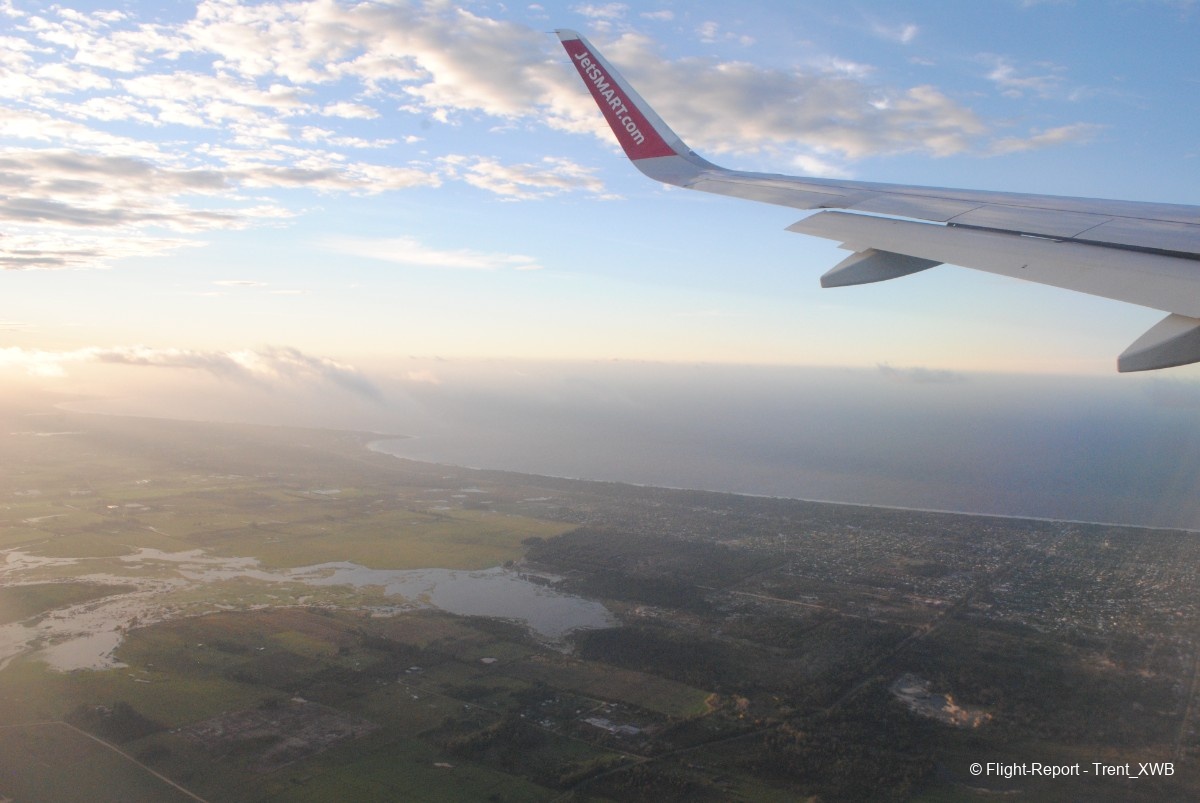
Mouth of the Pando creek.

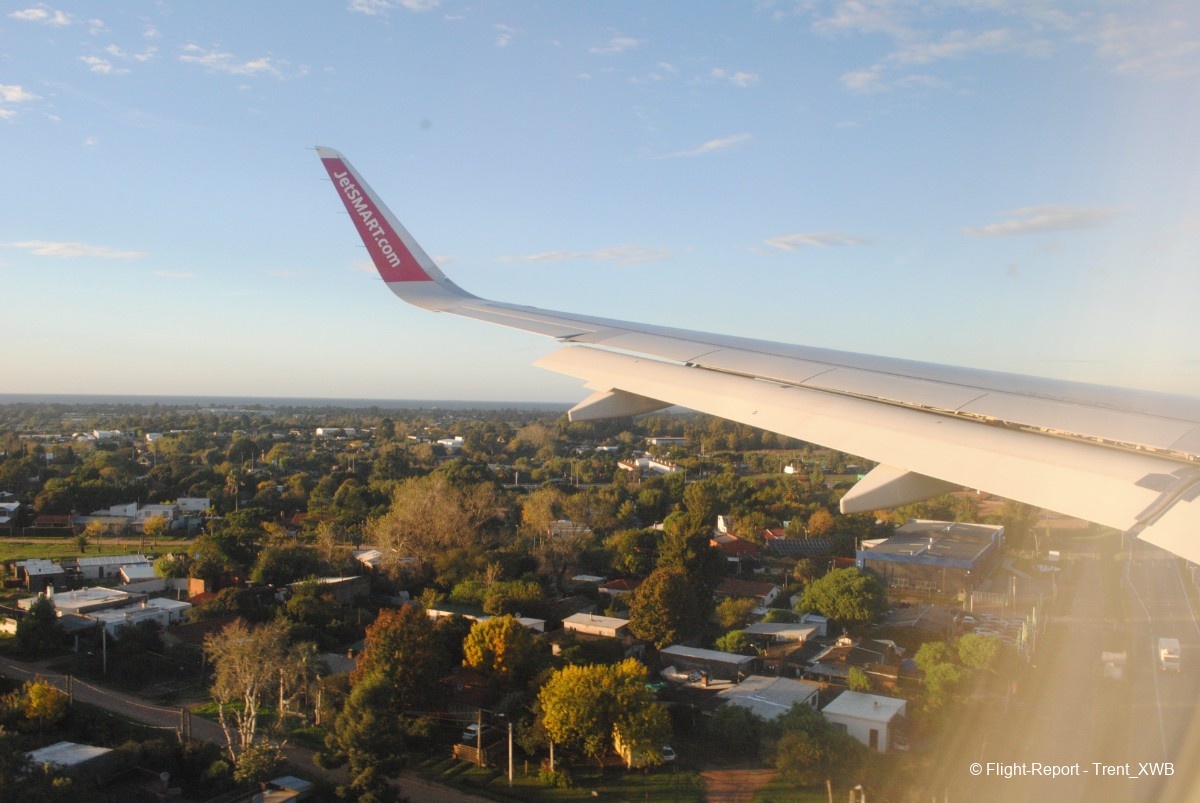
Overflying Solymar moment before landing.
Landing with beautiful MVD terminal in sight.
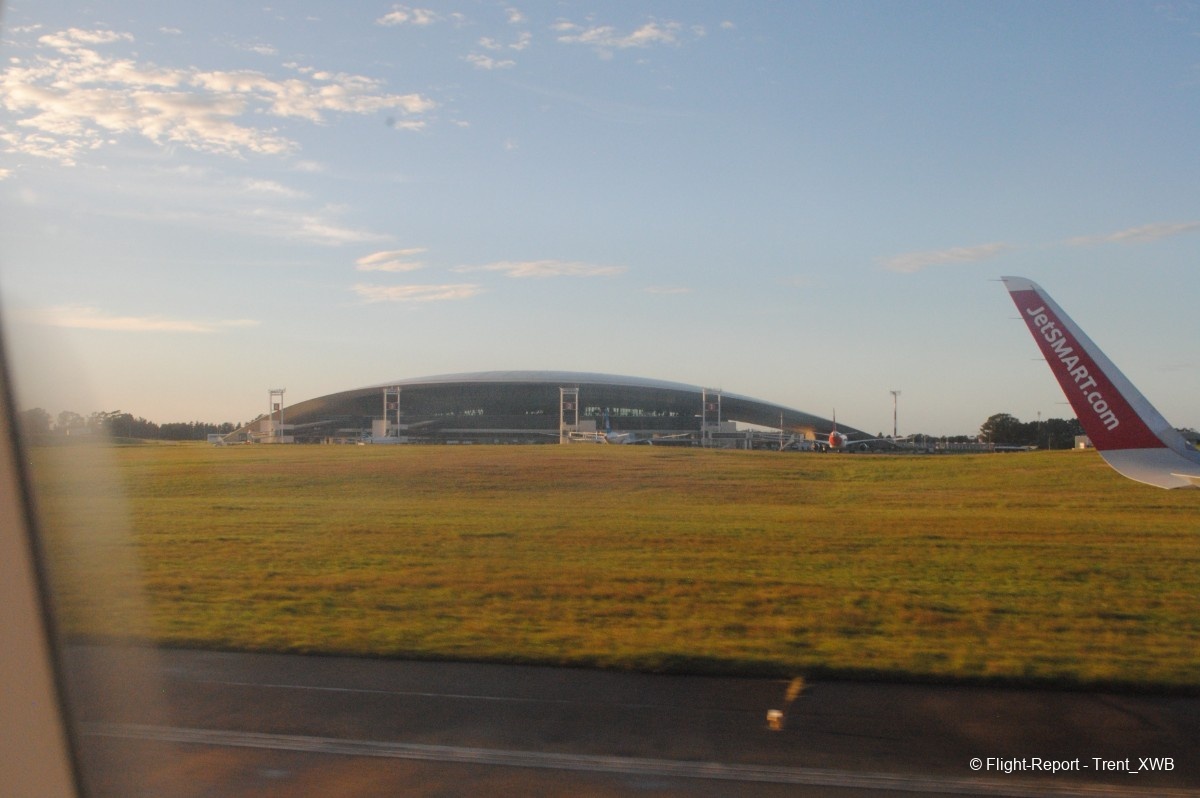
Vacating the runway.
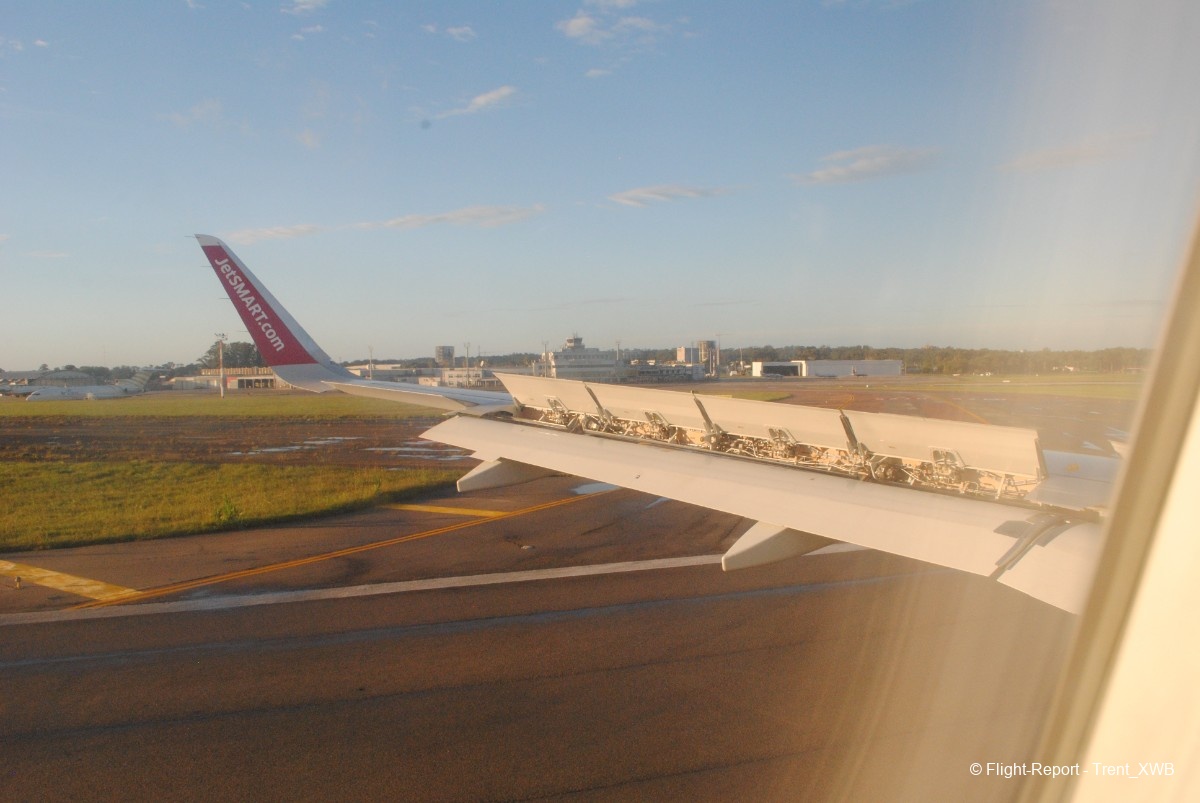
The Aircraft After The Flight
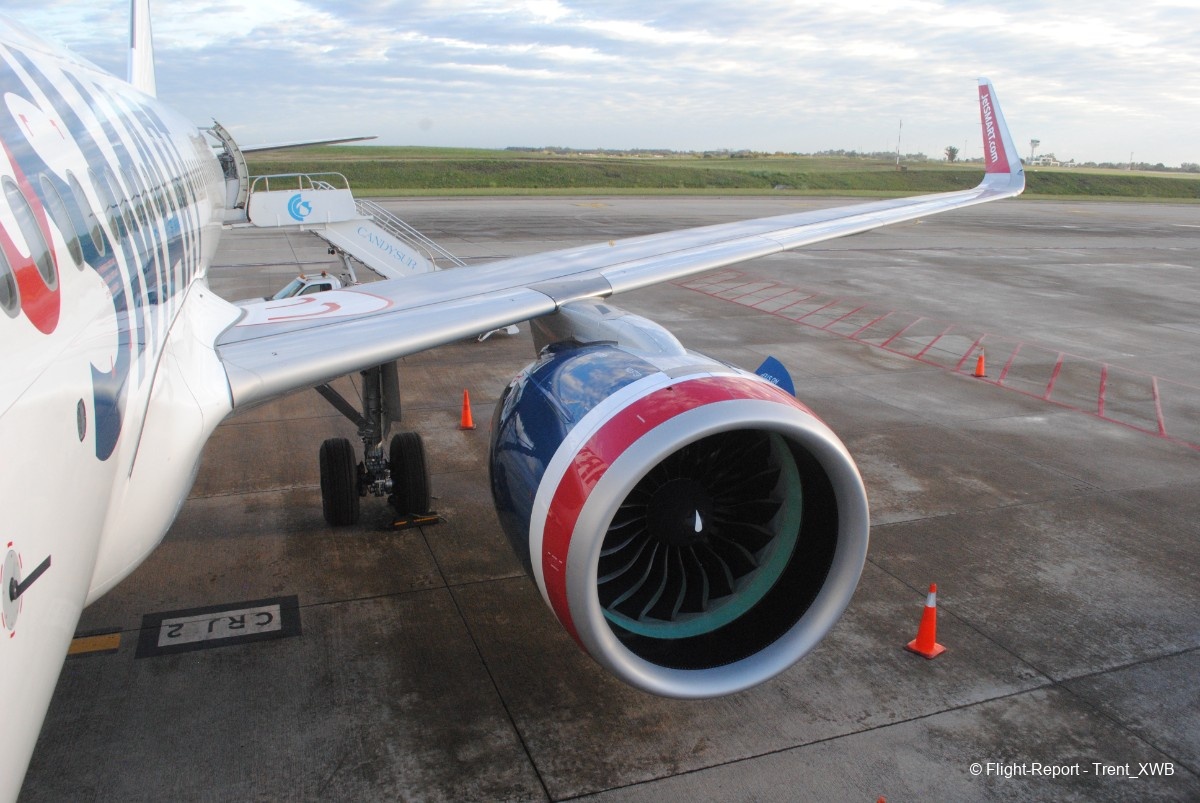
Portside PW1127G engine view upon disembarkment into the bus. In light of PW GTF durability issues, it was not very SMART idea for JA to order these engines for its A20Ns and A21Ns, but JA still manages to operate its flight without serious disruptions.
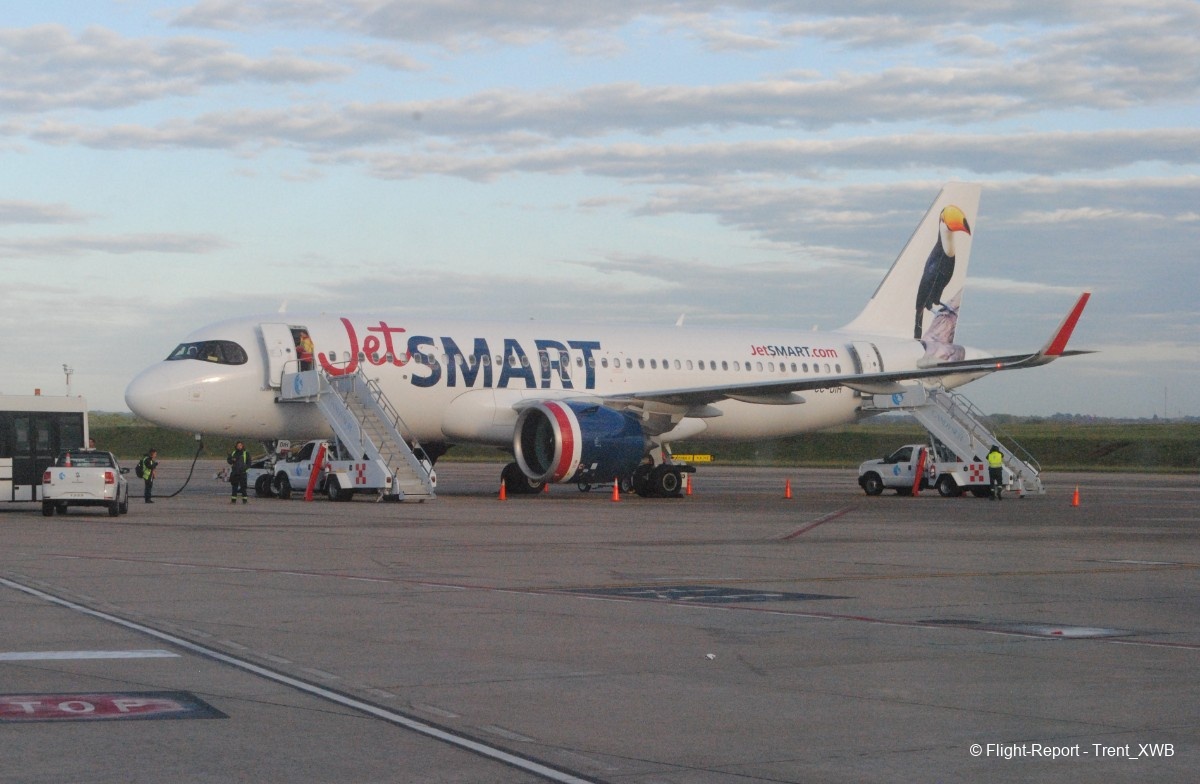
And finally a decent view of the aircraft. It's CC-DIH, built in late 2023, with "Tucan Toco" tail. After arrival from SCL it continued to GIG. Currently (early 2026) this aircraft is in JetSMART Argentina fleet.
Planespotting in MVD
Planespotting in the morning MVD turned to be quite interesting.
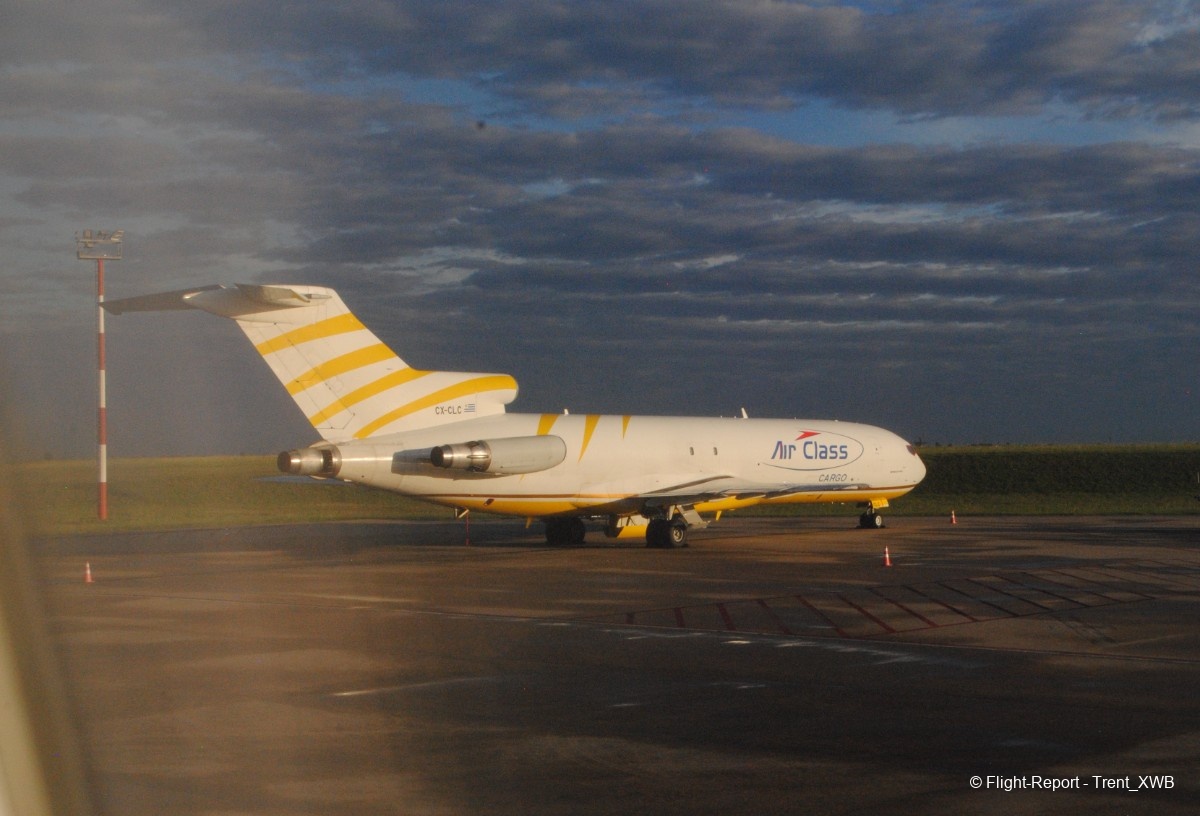
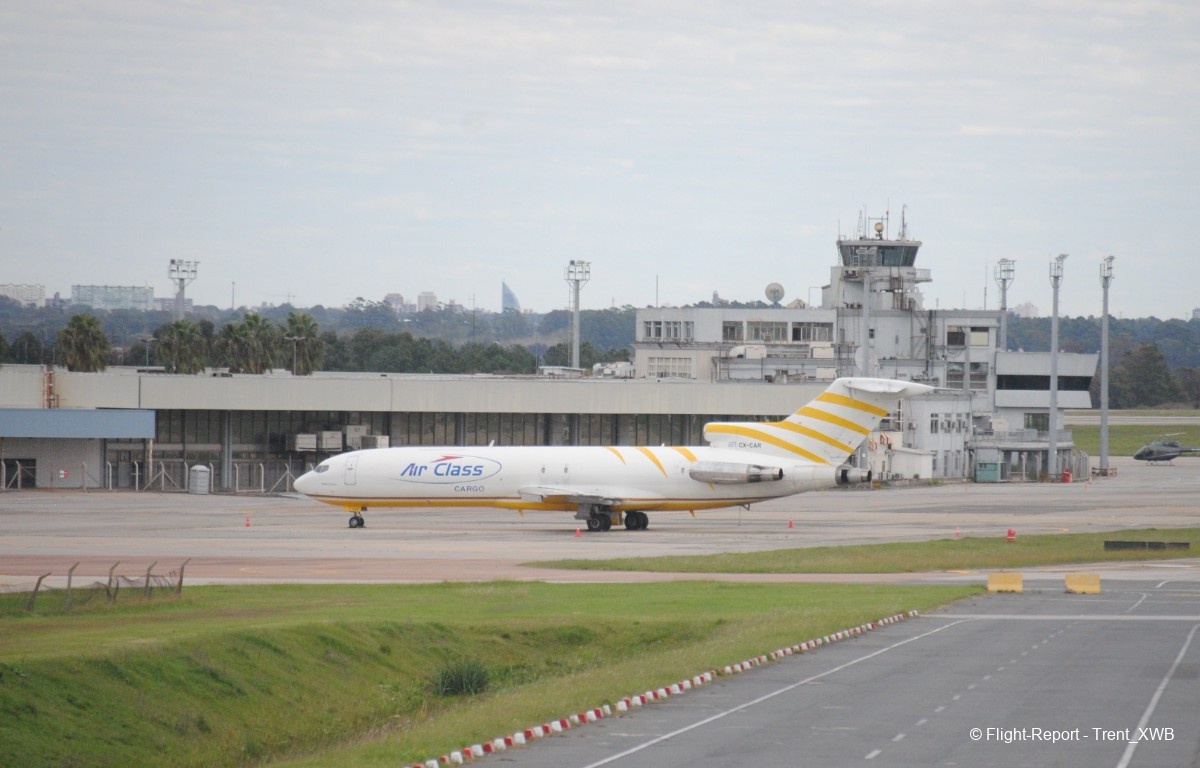
B722F (CX-CLC) of Air Class Lineas Aereas - a small Uruguayan cargo airline. The photo is taken from CC-DIH while taxiing by after landing.
Its sibling (CX-CAR), making up with CX-CLC the entire Air Class fleet. Photo is taken from the landside.
IB A332 (EC-MNK) from MAD. IB A332s have C19_Y269 layout with uncomfortable Recaro CL3710 economy seats.
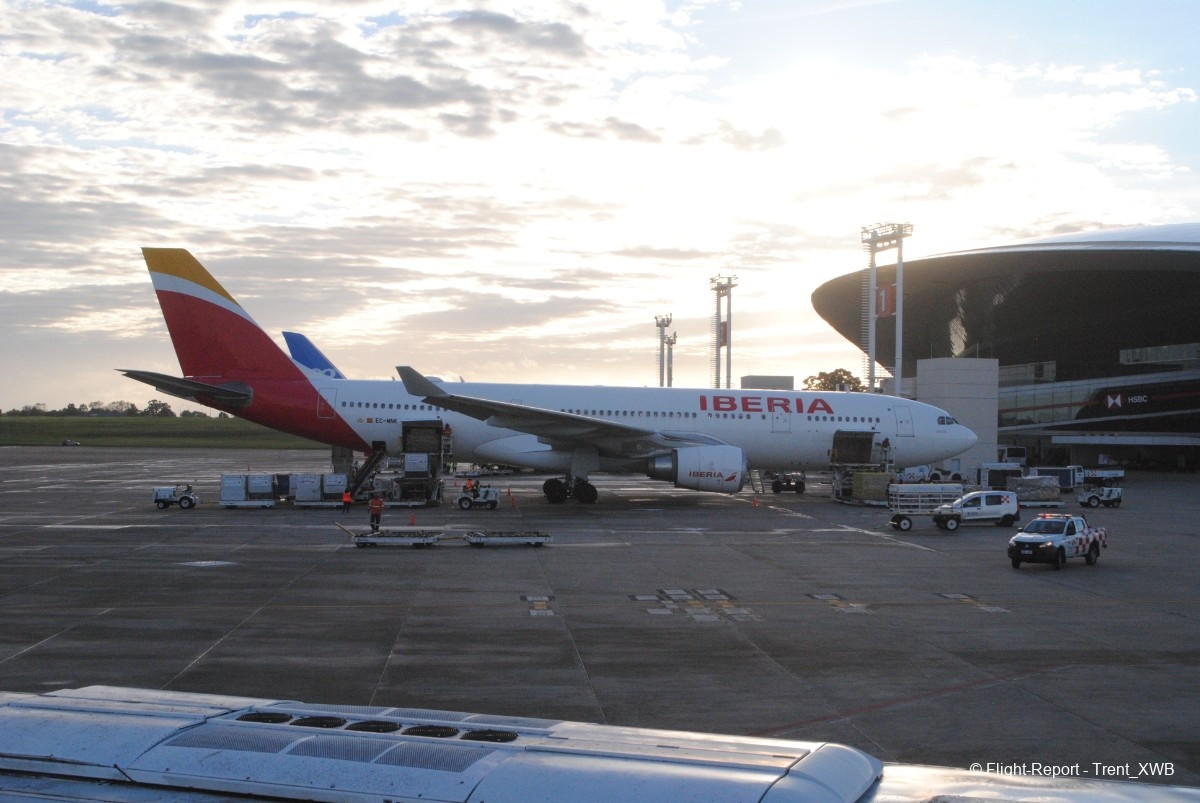
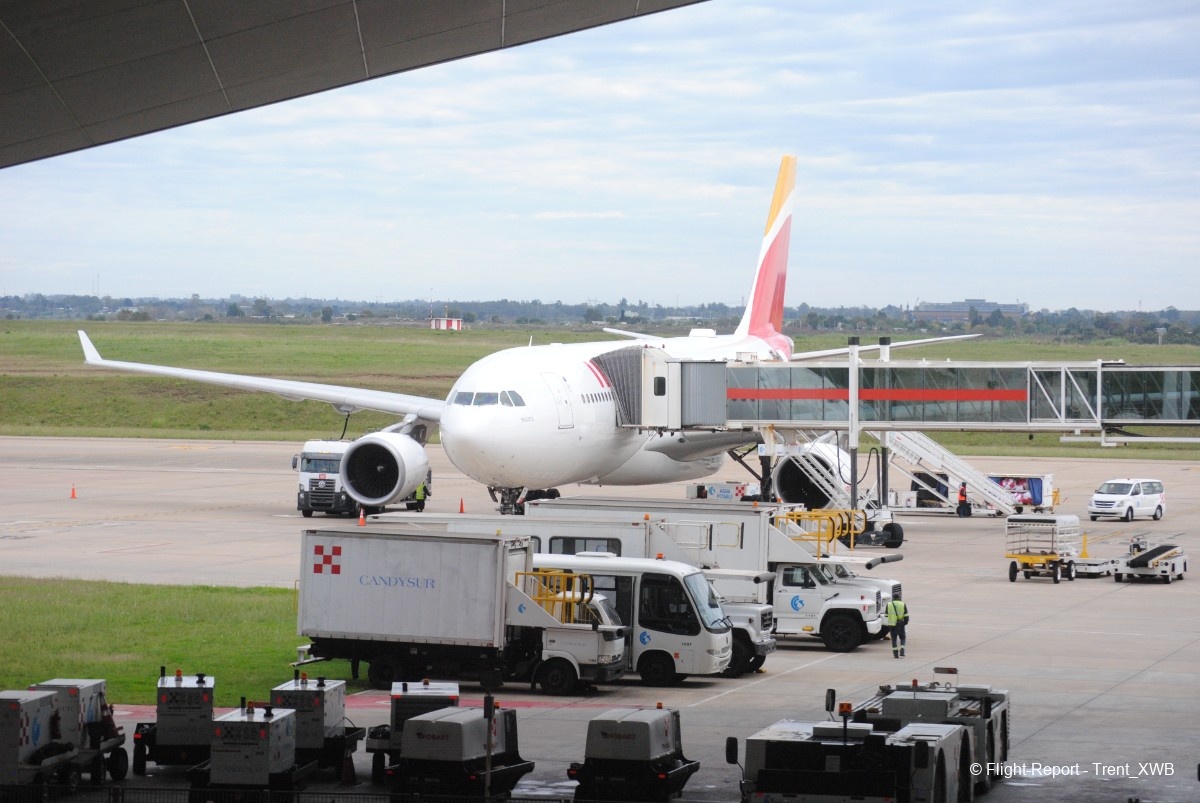
EC-MNK being prepared for the return flight to MAD. Photo taken from the landside.
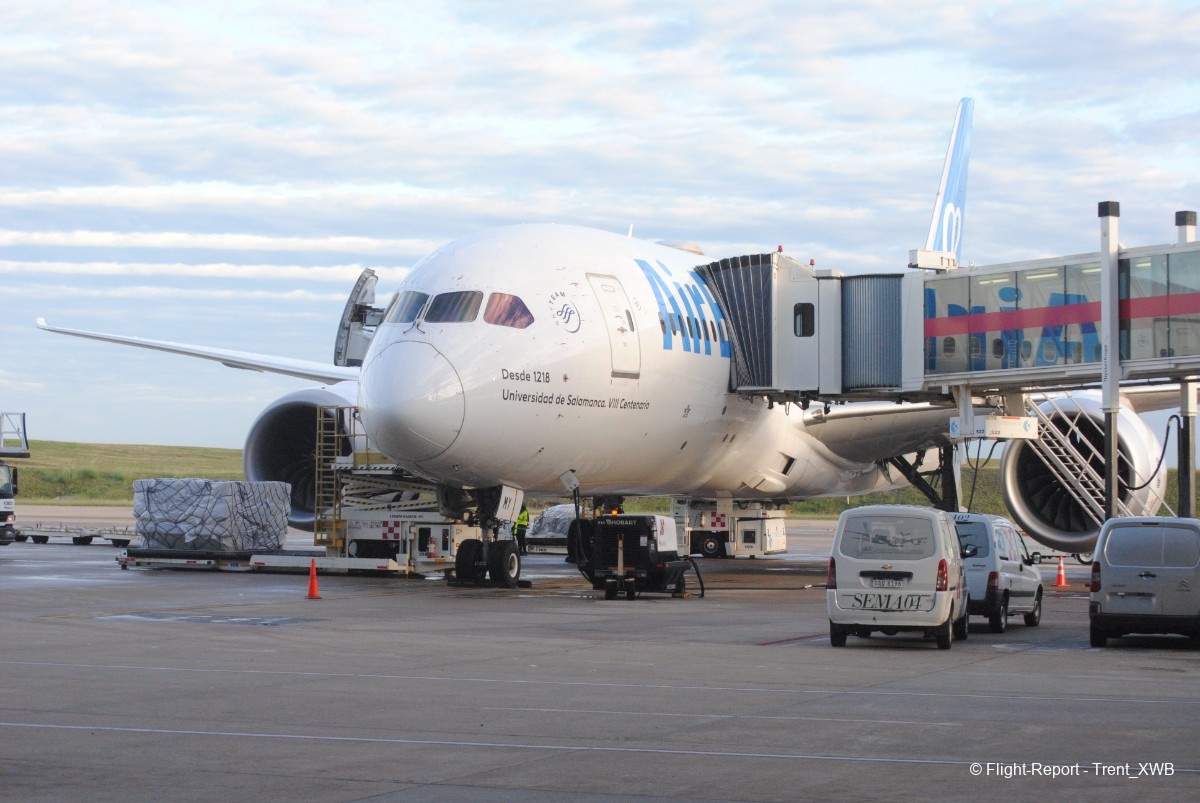
UX B788 (EC-MMY) from MAD. UX B788s have C22_Y276 layout - also with uncomfortable Recaro CL3710 in economy. IB and UX are the 2 only airlines flying to MVD from Europe and only 2 of 3 airlines flying widebodies into MVD (with the 3rd being AA, flying B788s season-wise from MIA). For comparison, EZE, located just across La Plata, receives much more widebody traffic, including some largest aircraft types with first class: 4-class LH B748s from FRA, 3-class MU B77Ws from PVG (via AKL) and 3-class EK B77Ws from DXB (via GIG). MVD also serves as an alternate airport for the flights to EZE, where fogs are not infrequent in winter.
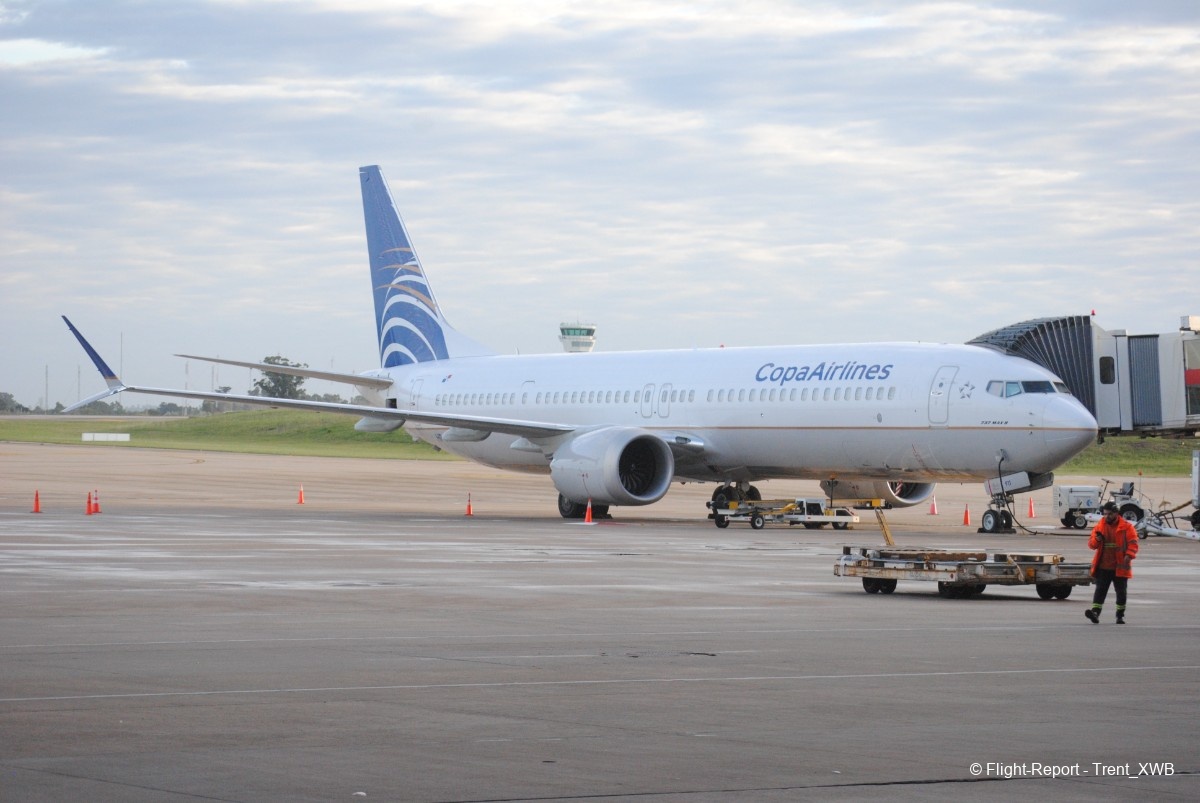
CM B7M9 (HP-9911CMP) from PTY. PTY-MVD flight (along with marginally shorter PTY-EZE and slightly shorter PTY-SCL) are one of the longest 737 flights in the world. CM has significant fleet of 32 B7M9s. All of them have 2.5-class layouts with lie-flats in business (in 2-2 layout), economy+ rows with IFE screens and regular economy without IFE. Part of them (like HP-9911CMP) have C16_Y+24_Y126 with larger C, another part - C12_Y+24_Y138 with smaller C. The size of CM B7M9s fleet is conditioned by the number of their longest routes, demanding lie-flats in C, which are much better compatible with the longer B7M9 fuselage than to the standard lenght of B7M8 (which CM has just 15 - twice less). Worth noting that all the CM B7M8s and B738s have 16 recliners in C, and if a B7M9 goes tech, it can be replaced by one of these smaller aircrafts with recliners and this is a serious downgrade for C passengers, especially on longer flights like the ones from Panama to Conosur.
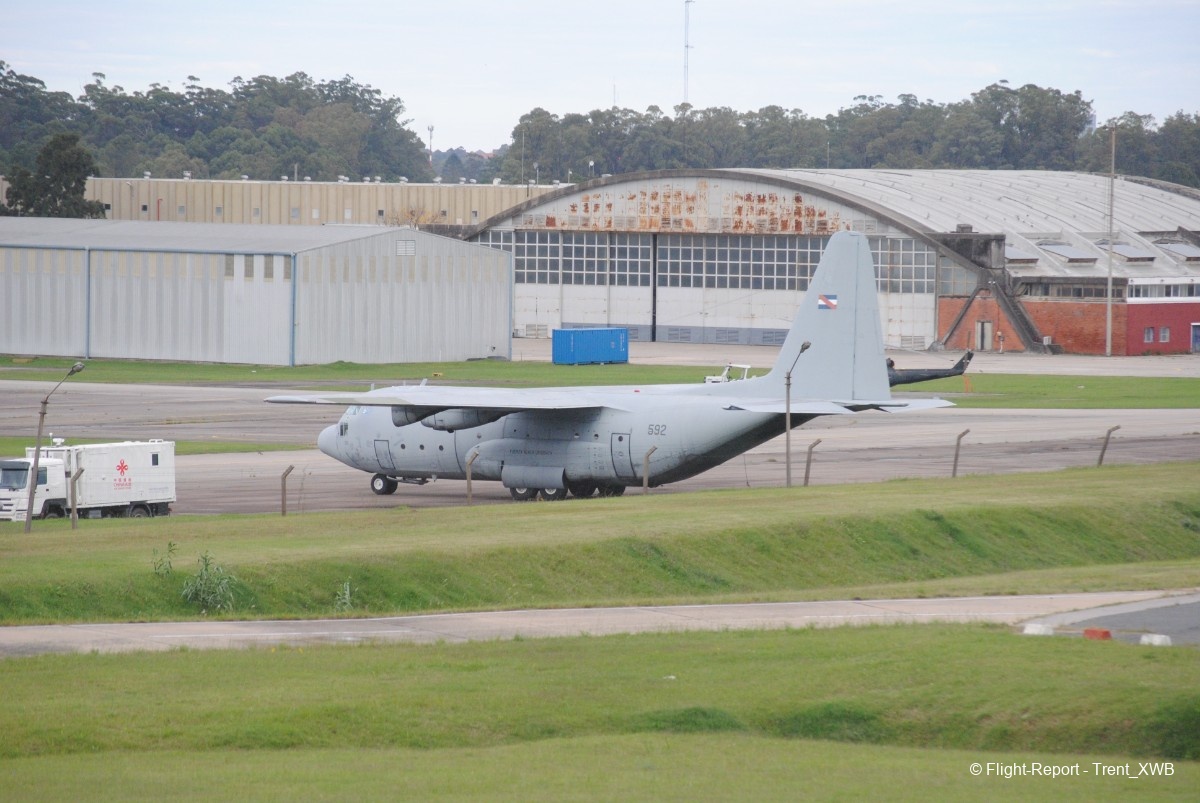
An unairworthy Lockheed KC-130H Hercules of Fuerza Aerea Uruguaya. Photo is taken from the landside.
Montevideo Carrasco International Airport (MVD)
MVD, located east of Montevideo in quite a distance from the city centre, is the main airport of Uruguay. It's connected with the city by bus service.
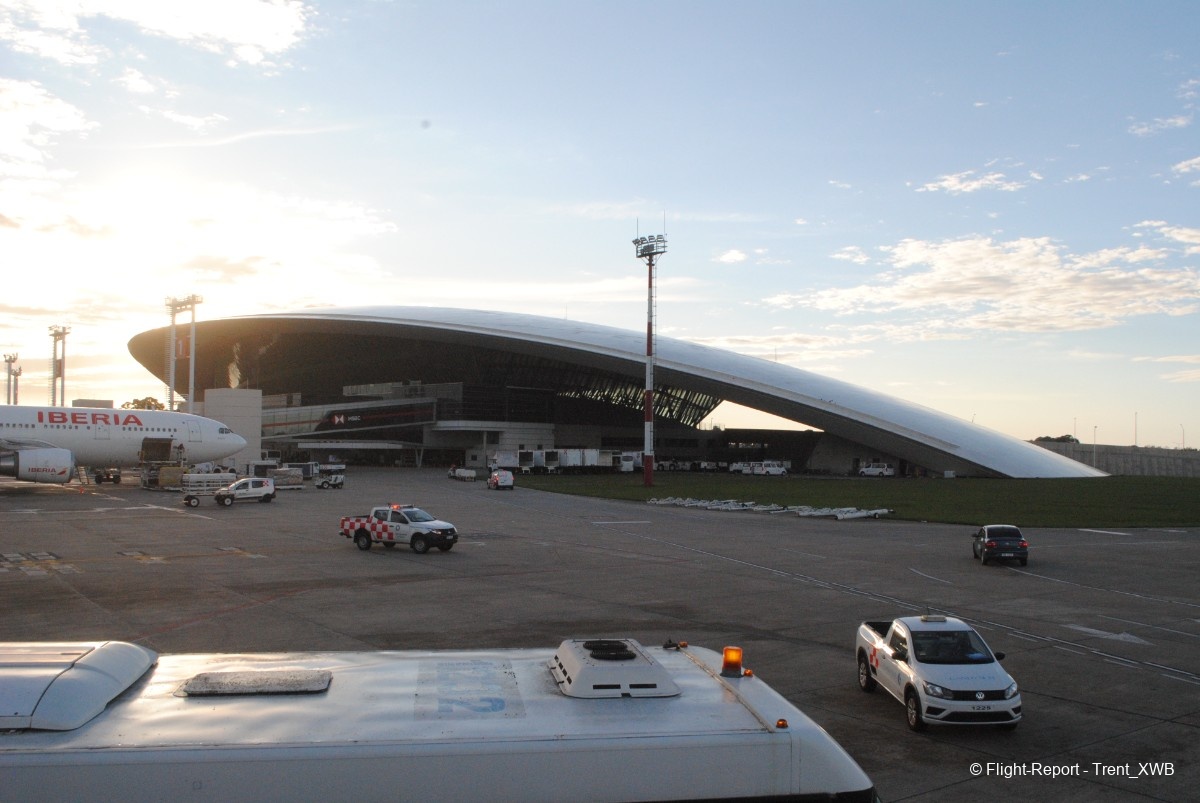
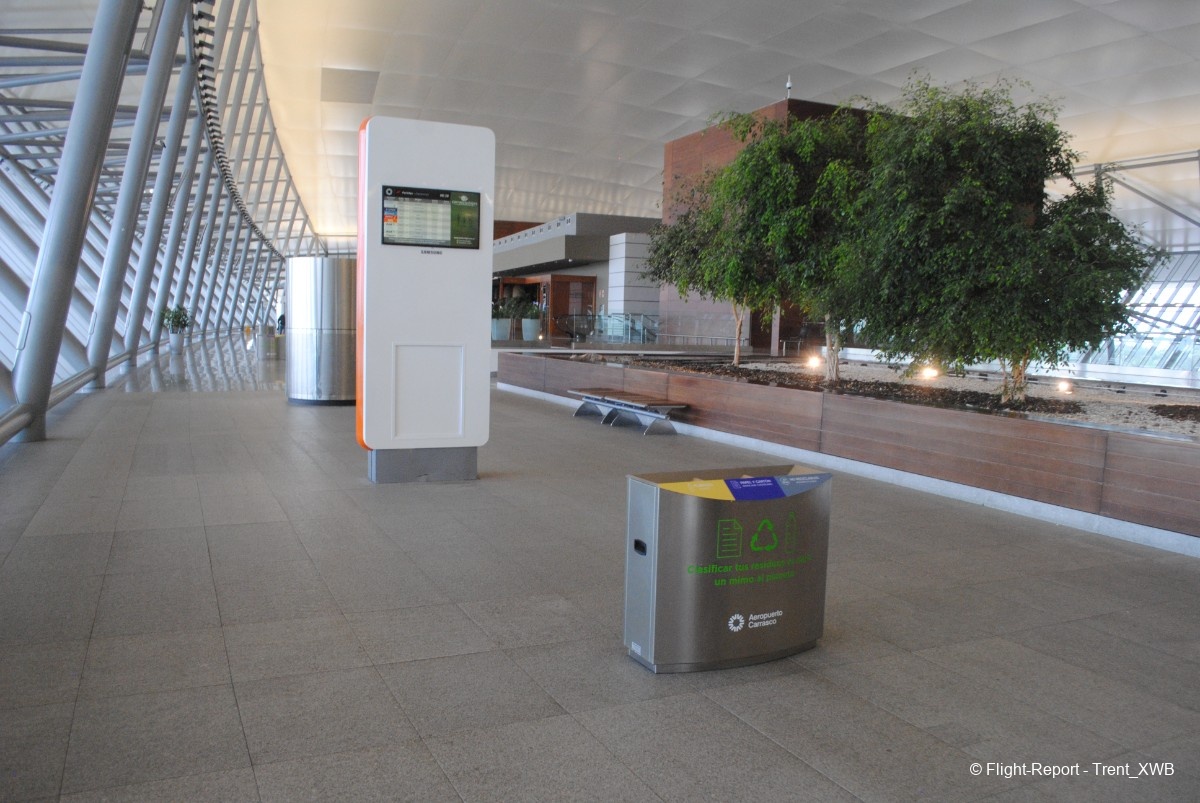
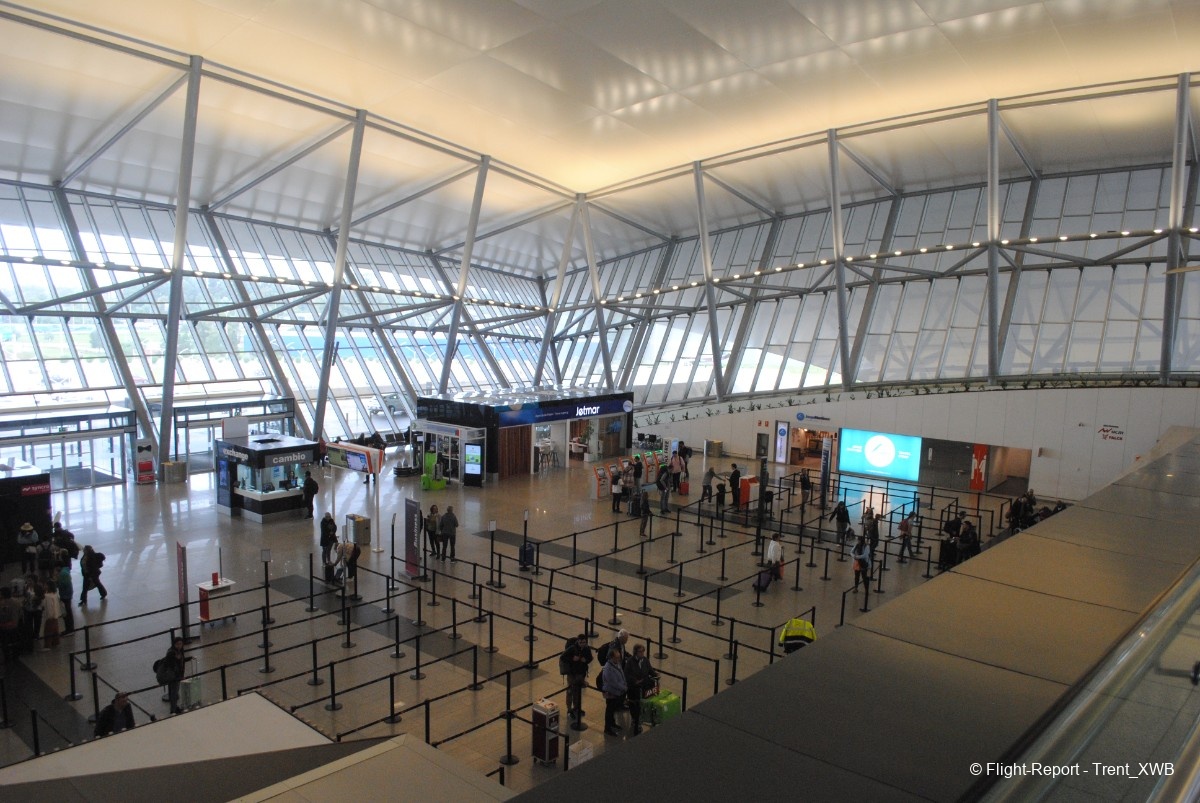
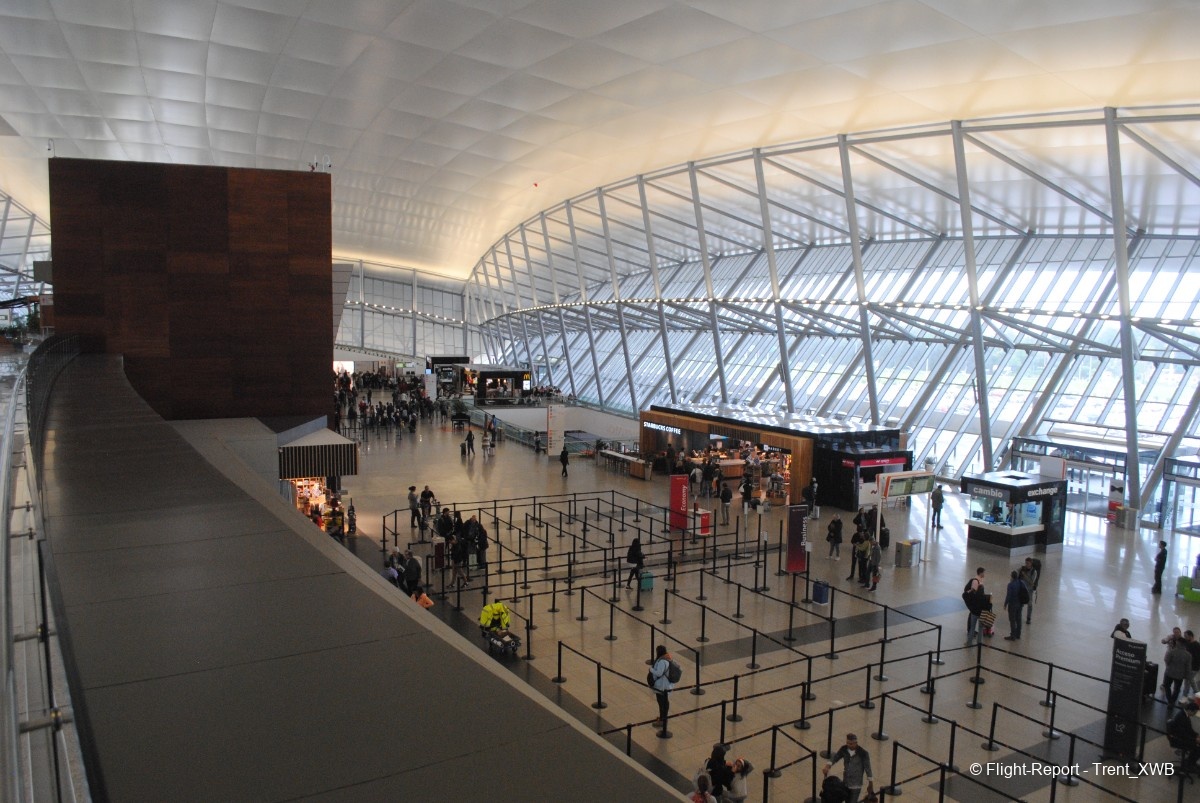
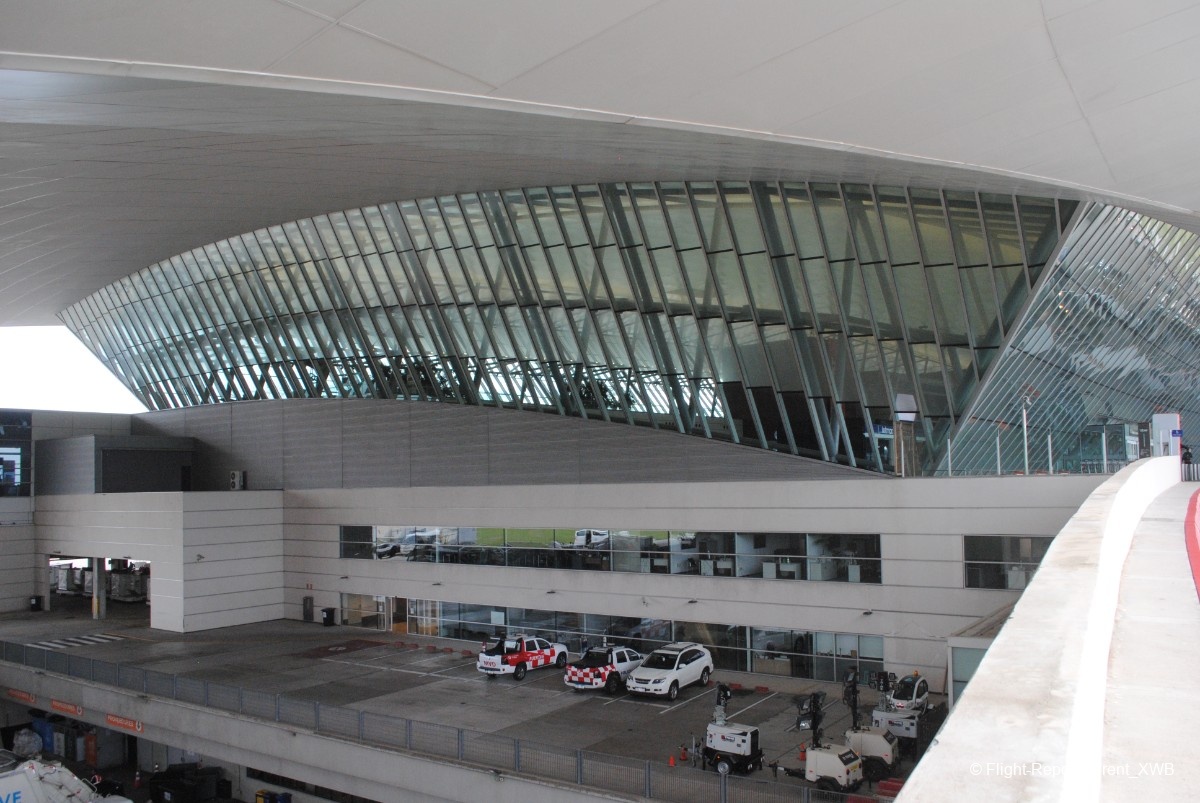
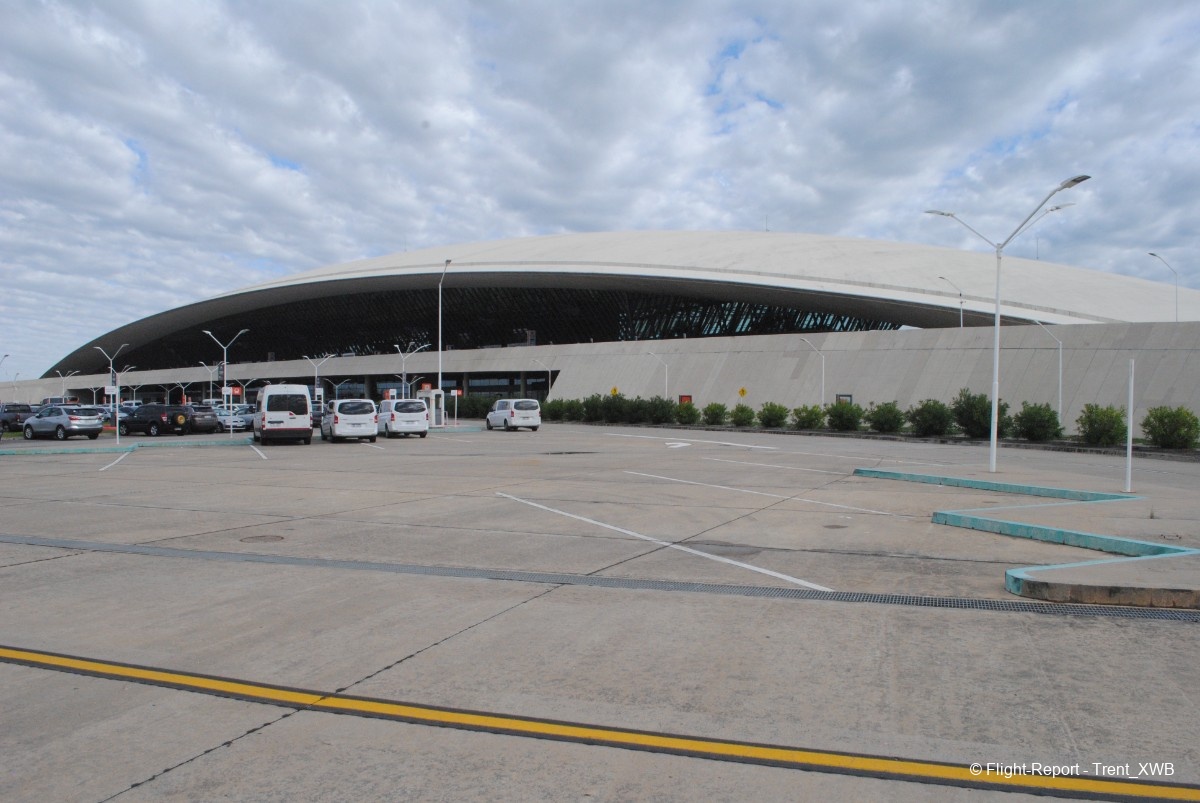
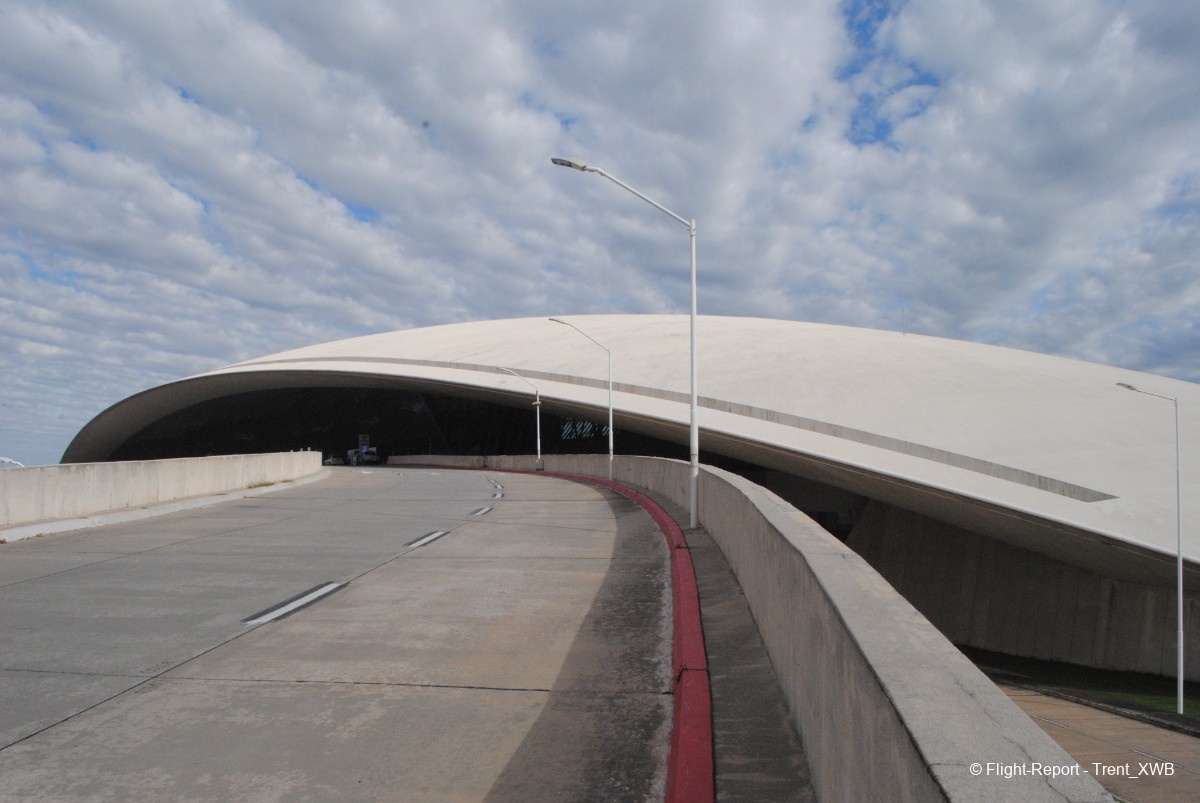
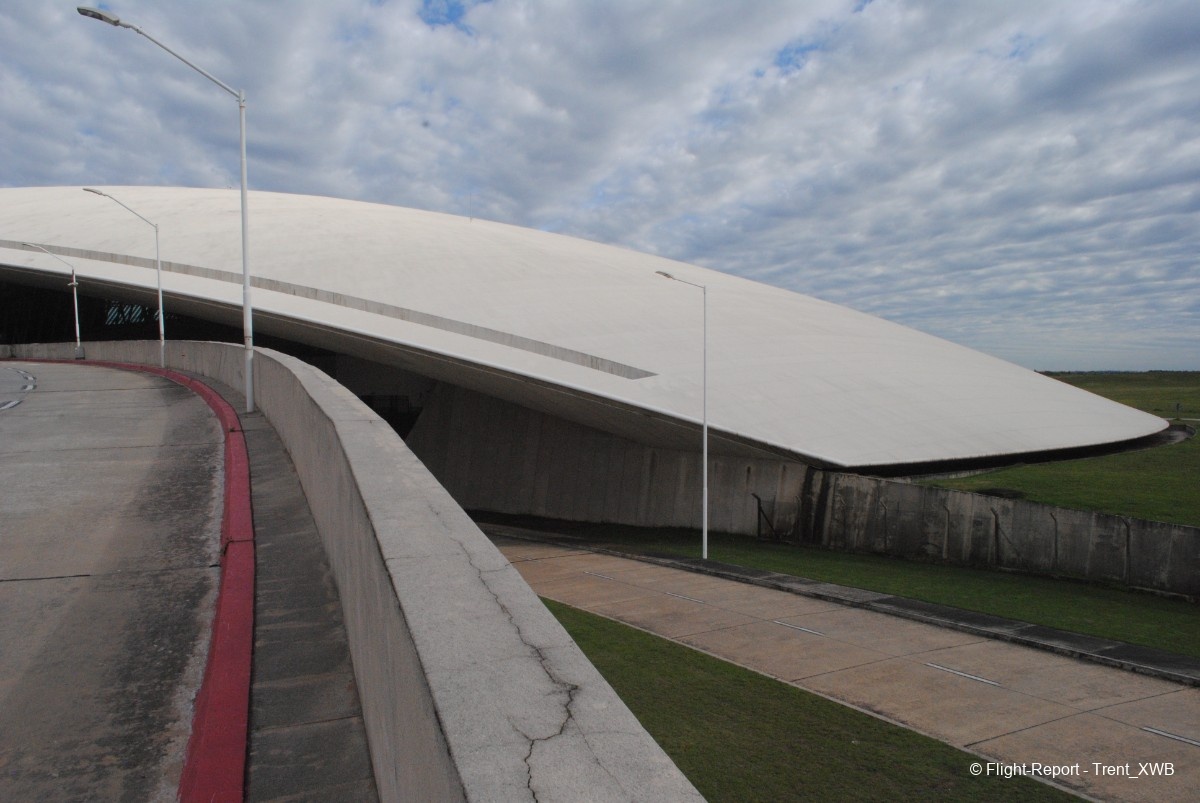
The main highlight of MVD is its stunning futuristic-looking terminal, designed by Uruguayan architect Rafael Vinoly and opened in late 2009.
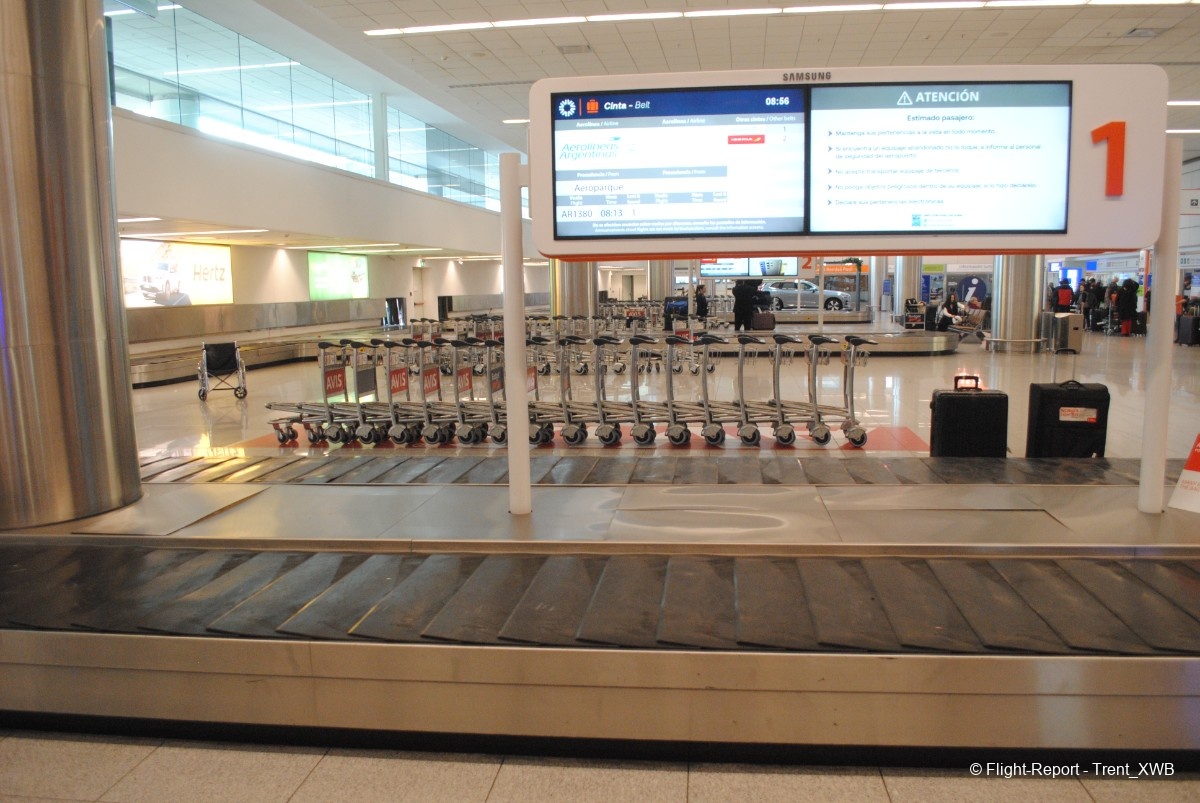
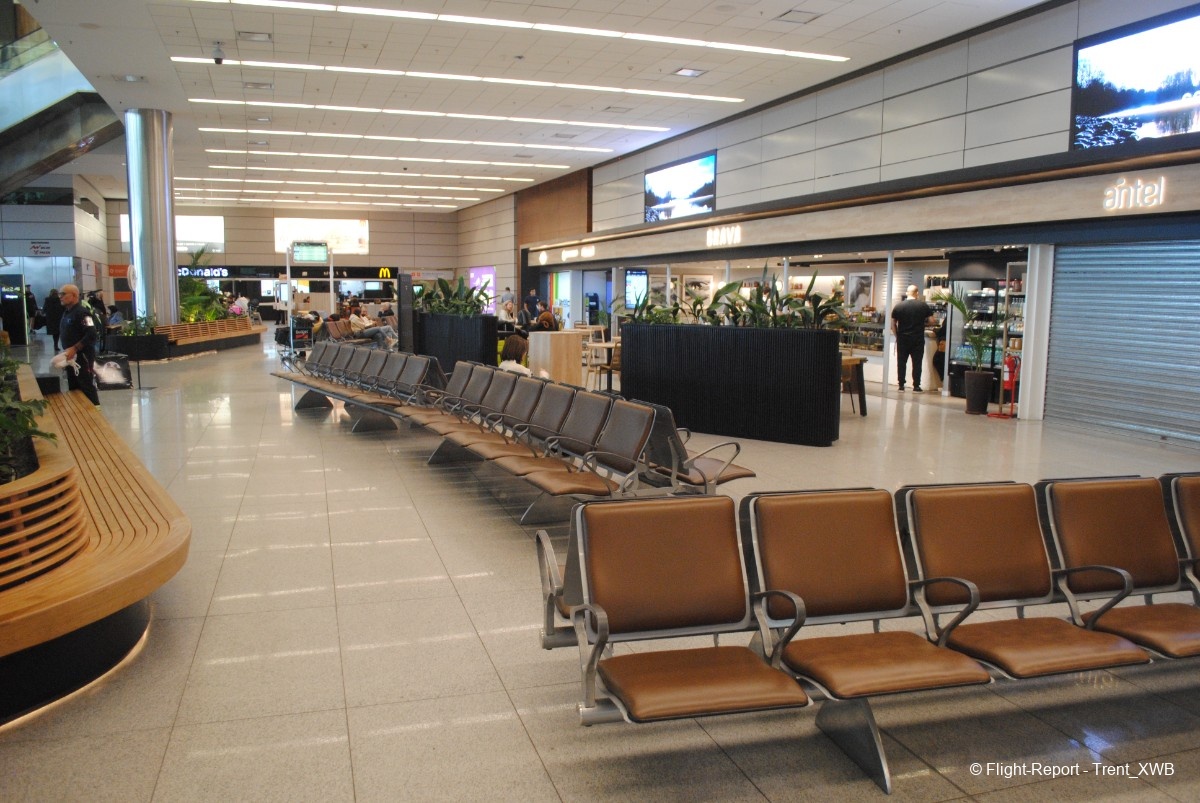
The luggage claim hall.
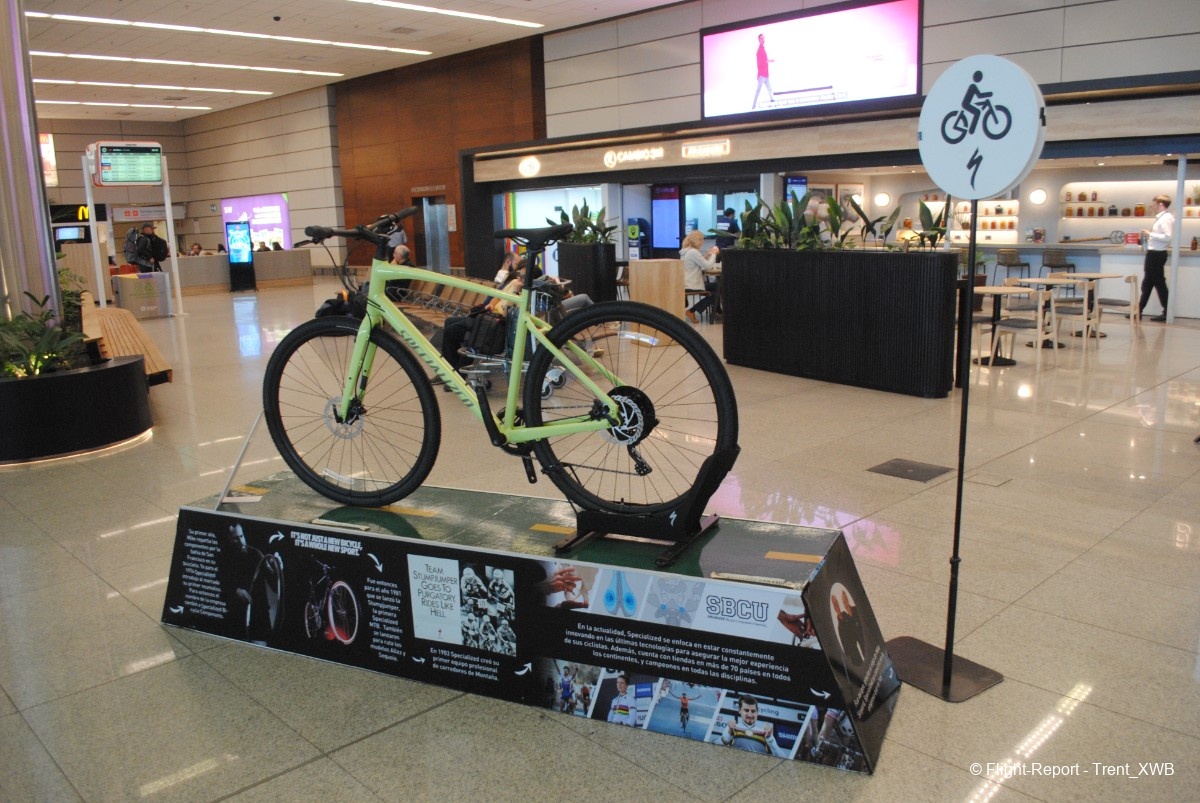
A Specialized CX bike (a lower-end alu-frame model), promoting the company. Quite a rare sight in an airport, usually cars or motorbikes are promoted this way.
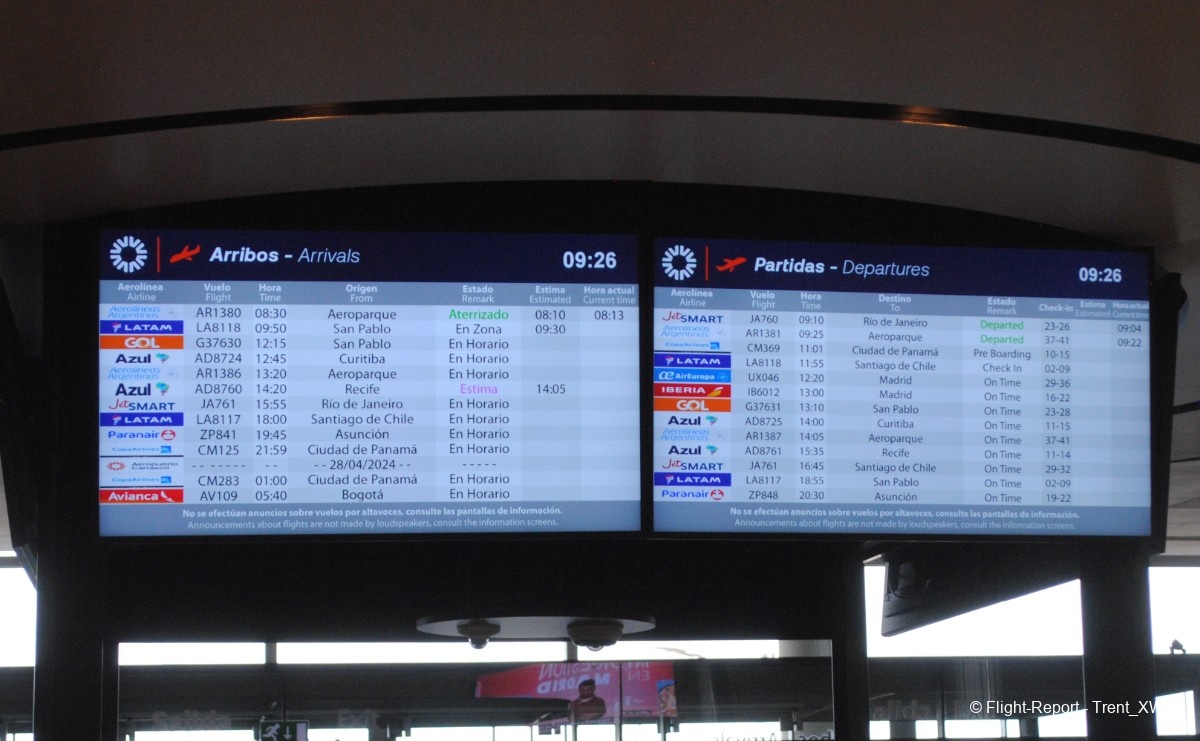
FID for arrivals and departures in the arrivals area, displaying flight to/from Chile, Argentina, Brazil, Paraguay, Colombia, Panama and Spain.
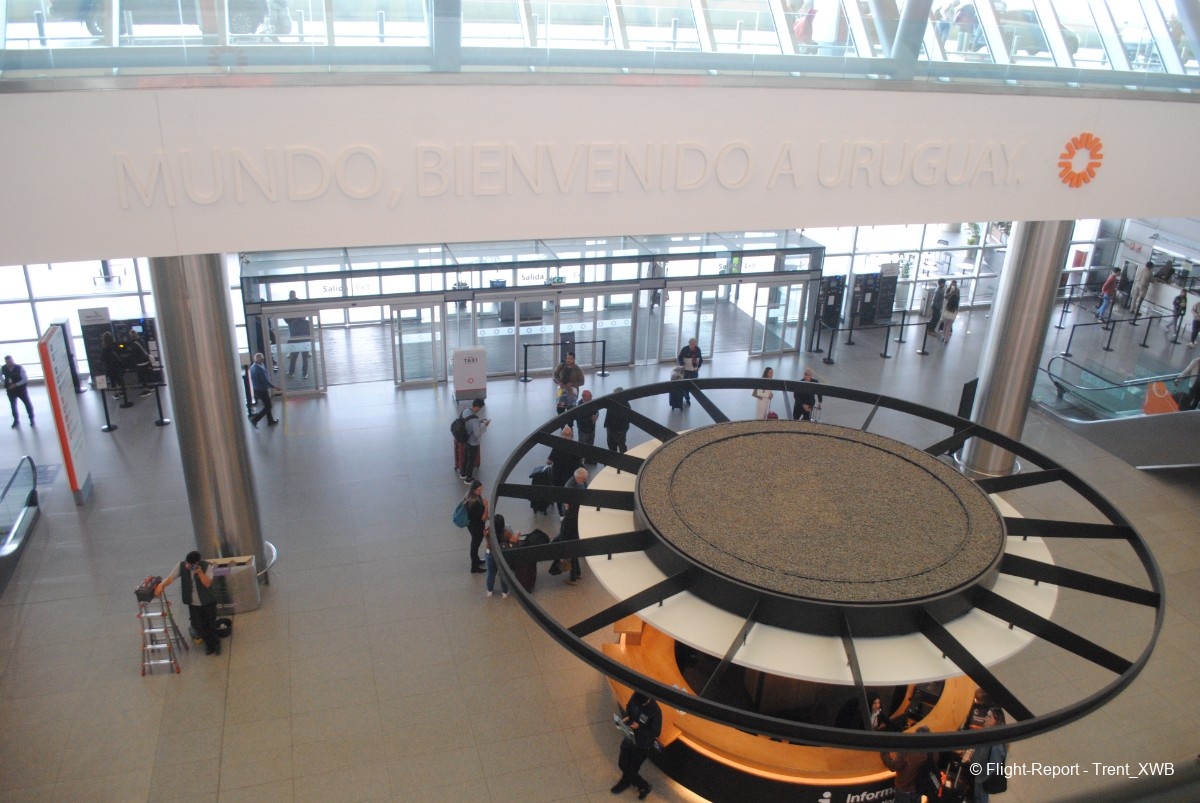
Arrivals area with the mottos "World, welcome to Uruguay" facing passengers, leaving the terminal, and "Uruguay, welcome to the World" facing passengers, entering the terminal.
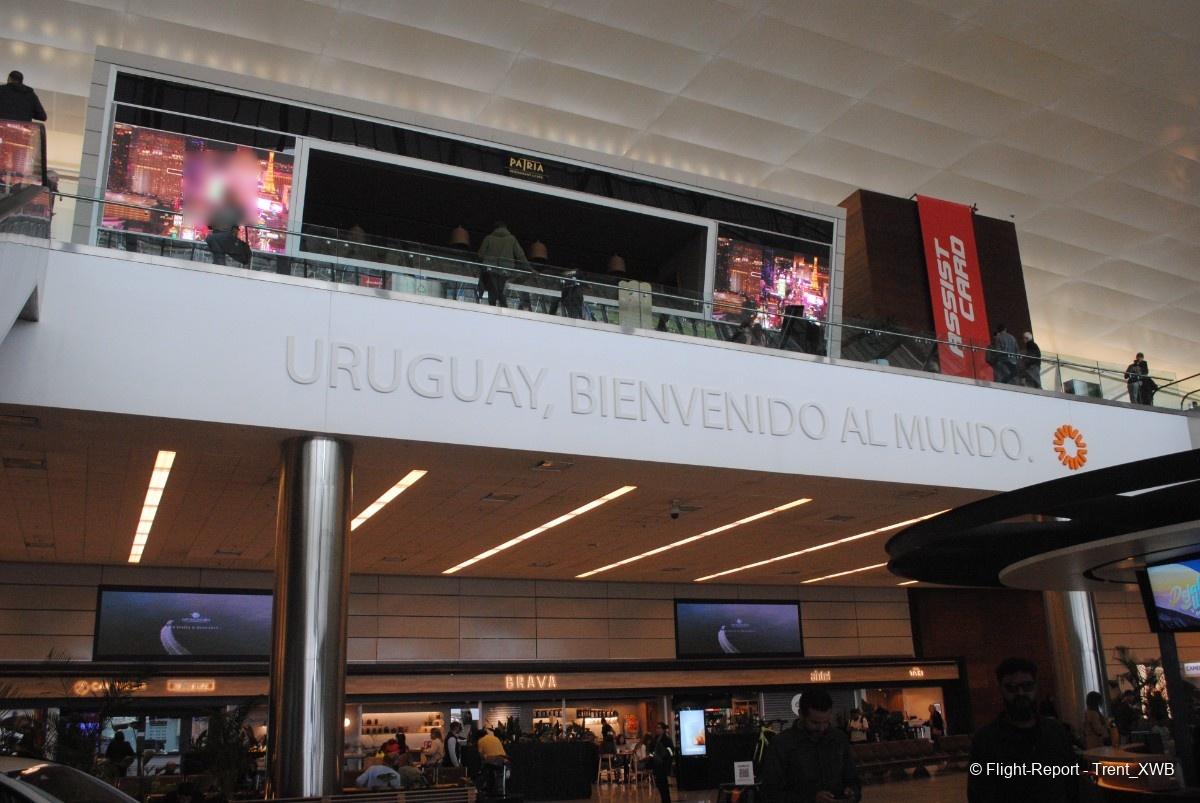
Views of the spacious check-in hall from the departures level.
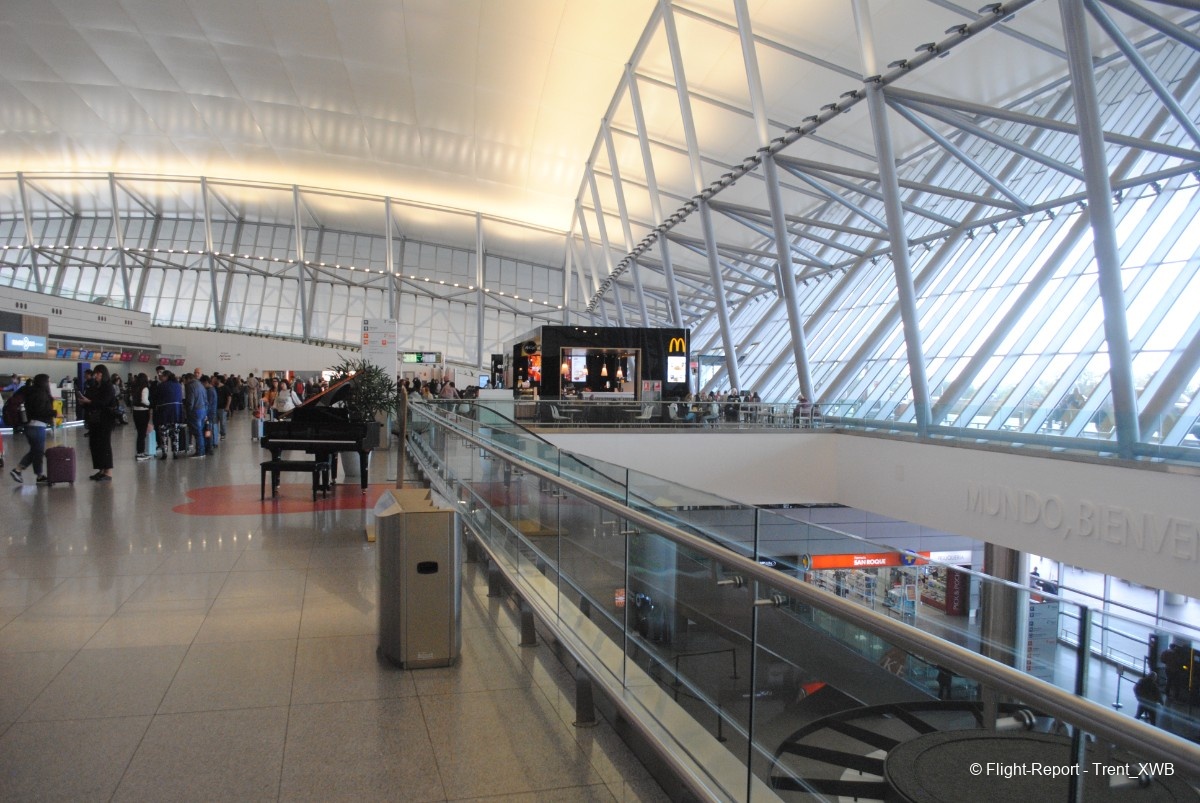
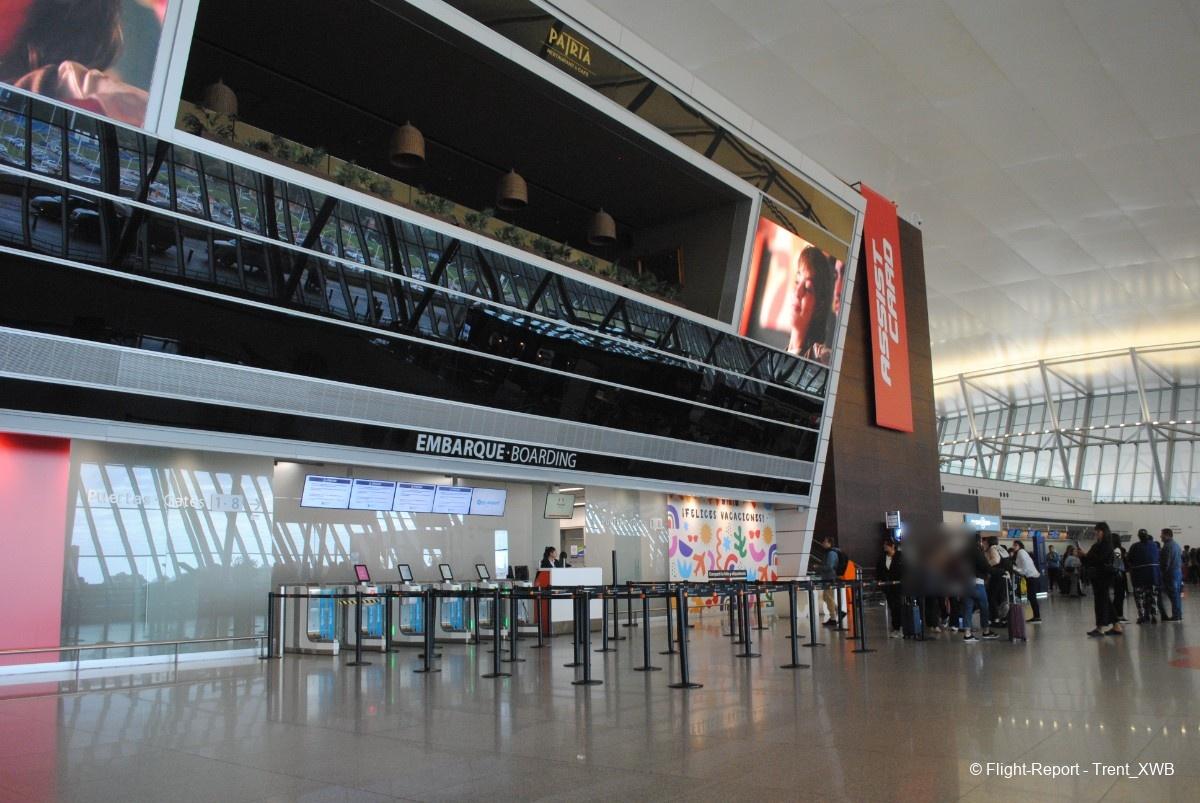
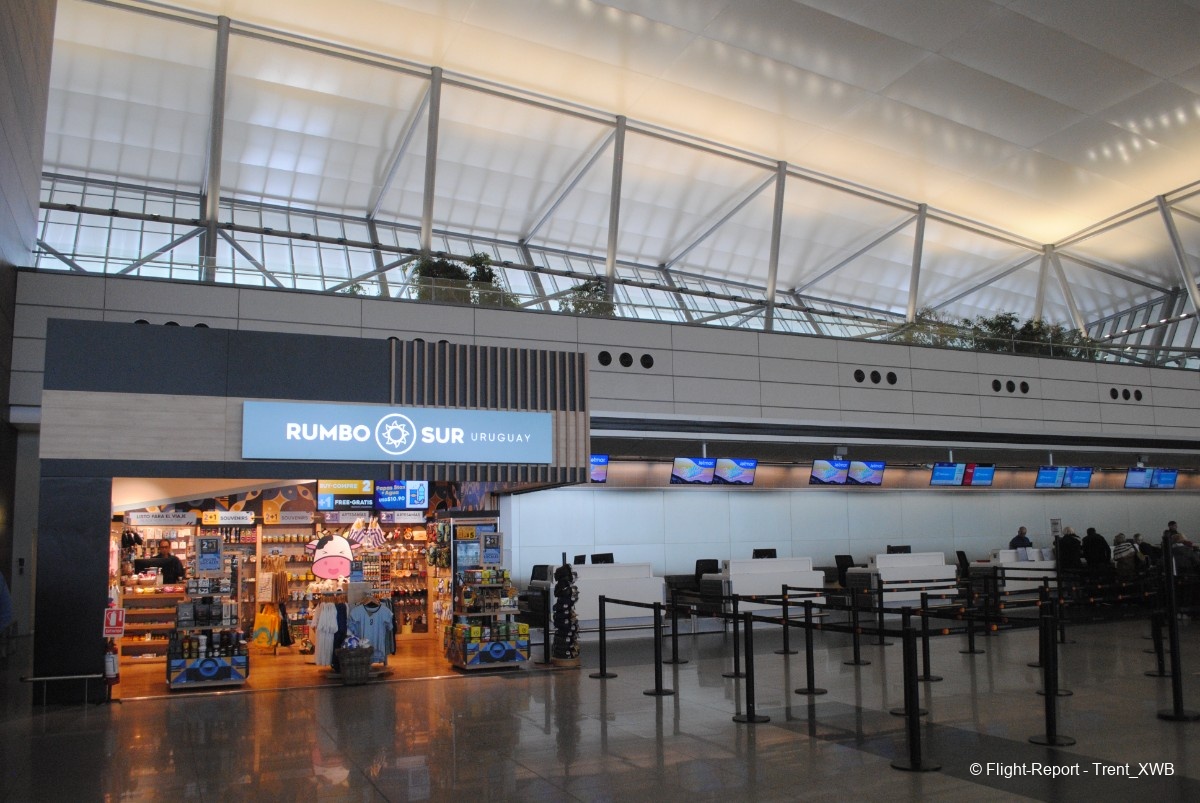
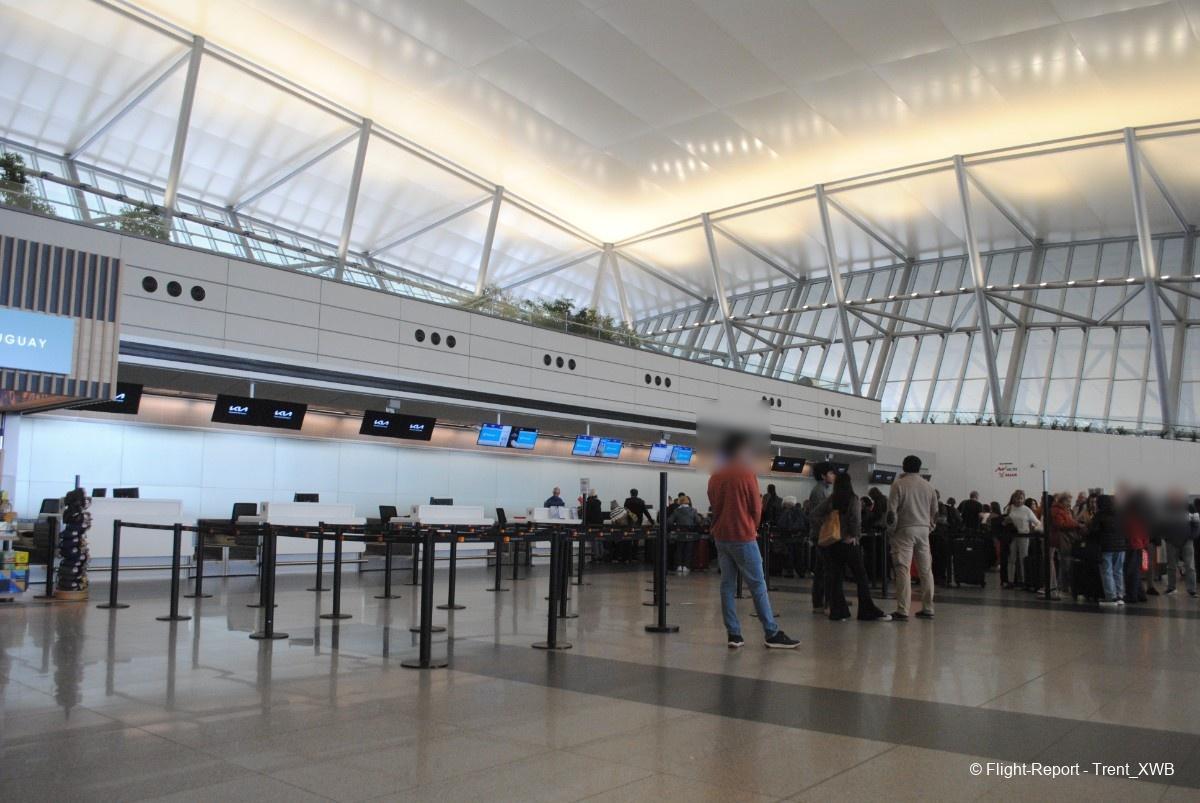
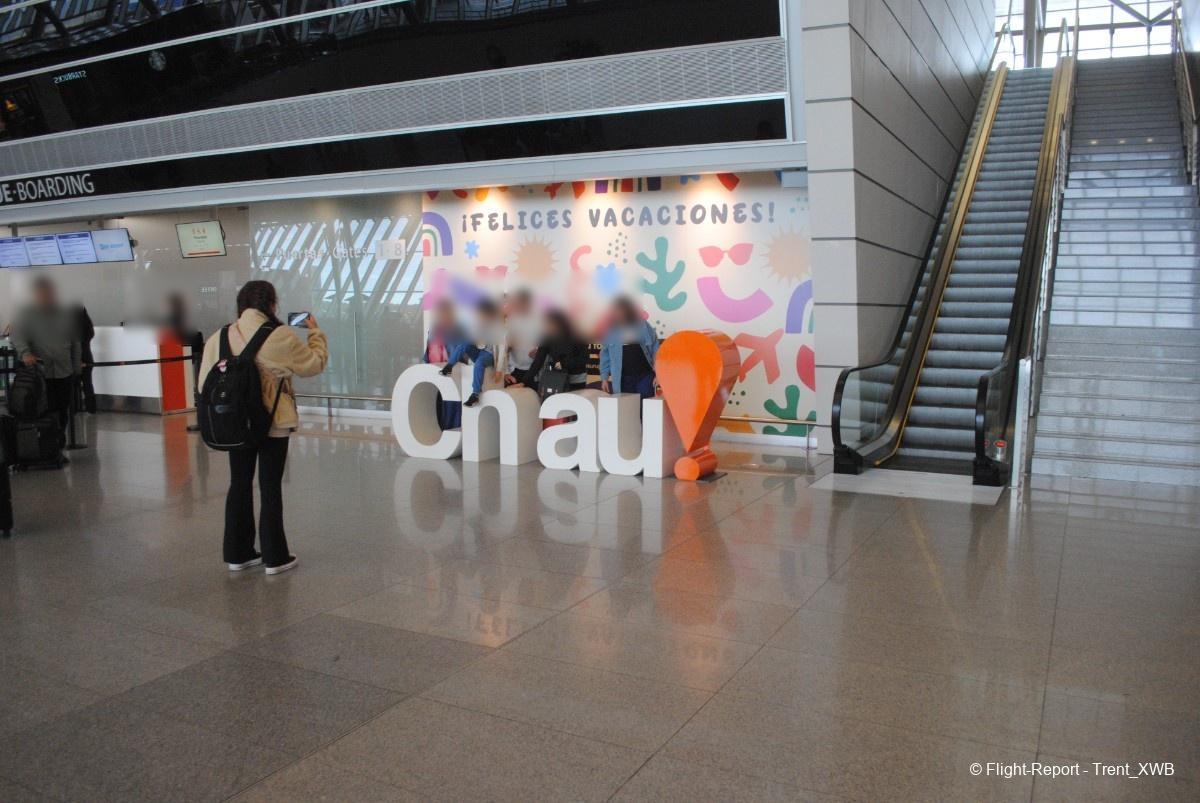
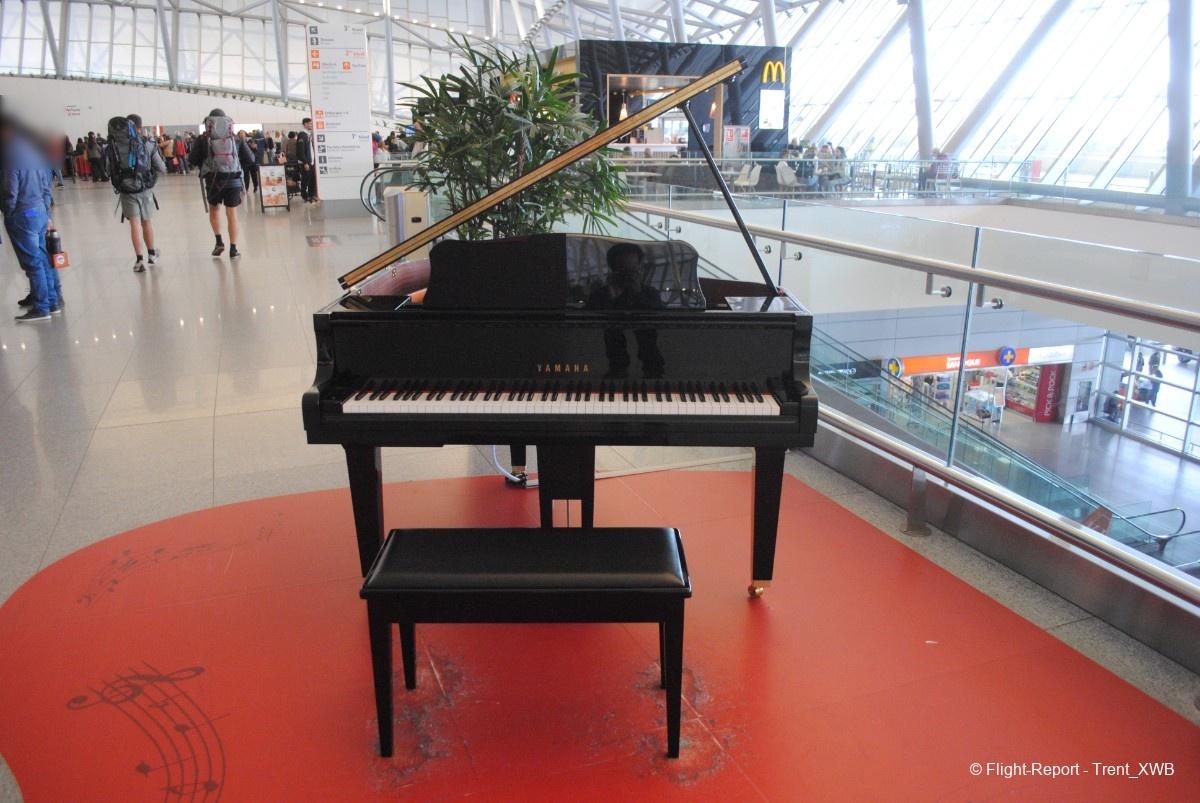
The terrace above the hall has windows facing the apron, though the views are very obstructed by the metallic constructions of the terminal.
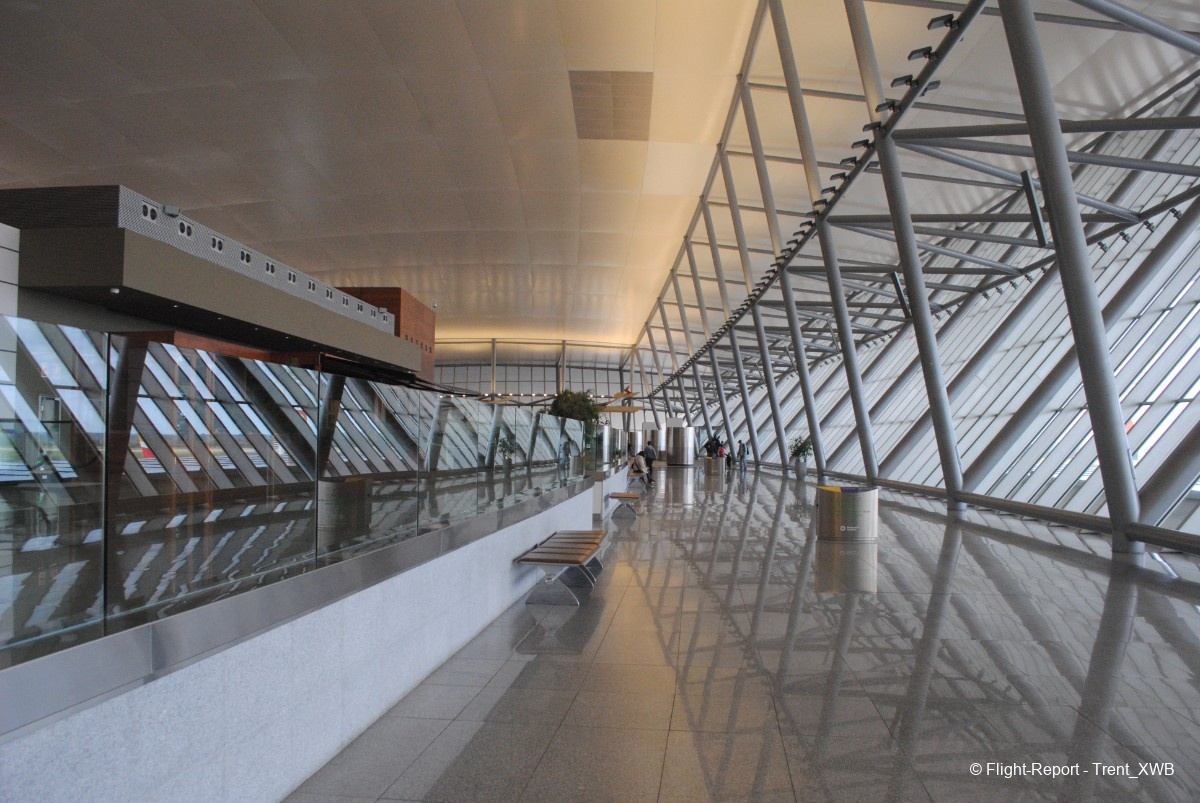
Views of the check-in hall from the terrace.
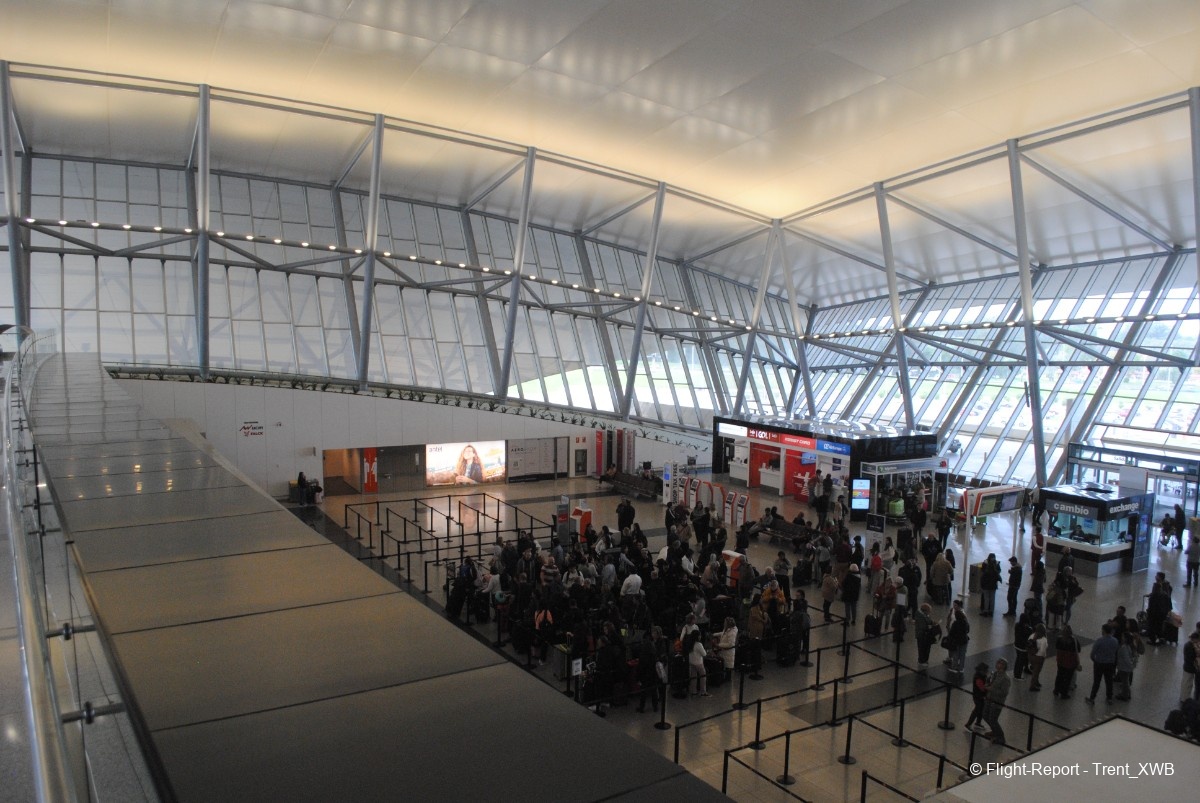
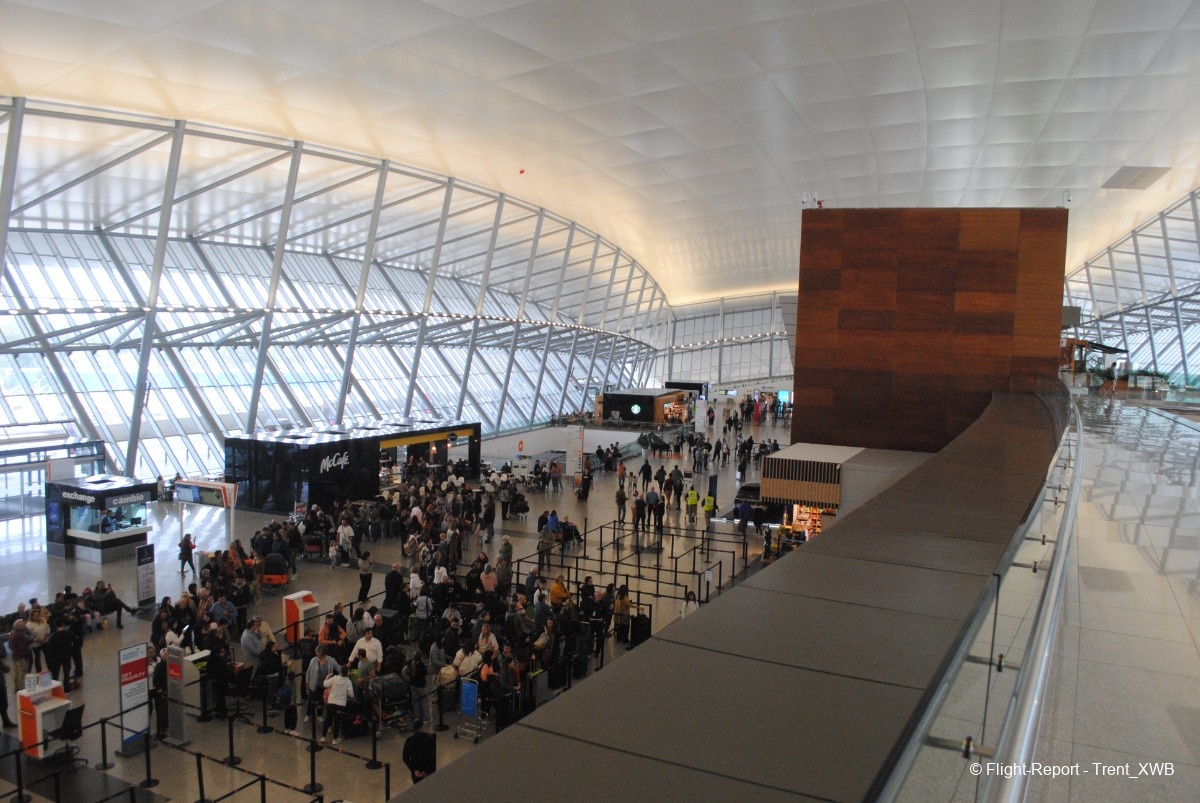
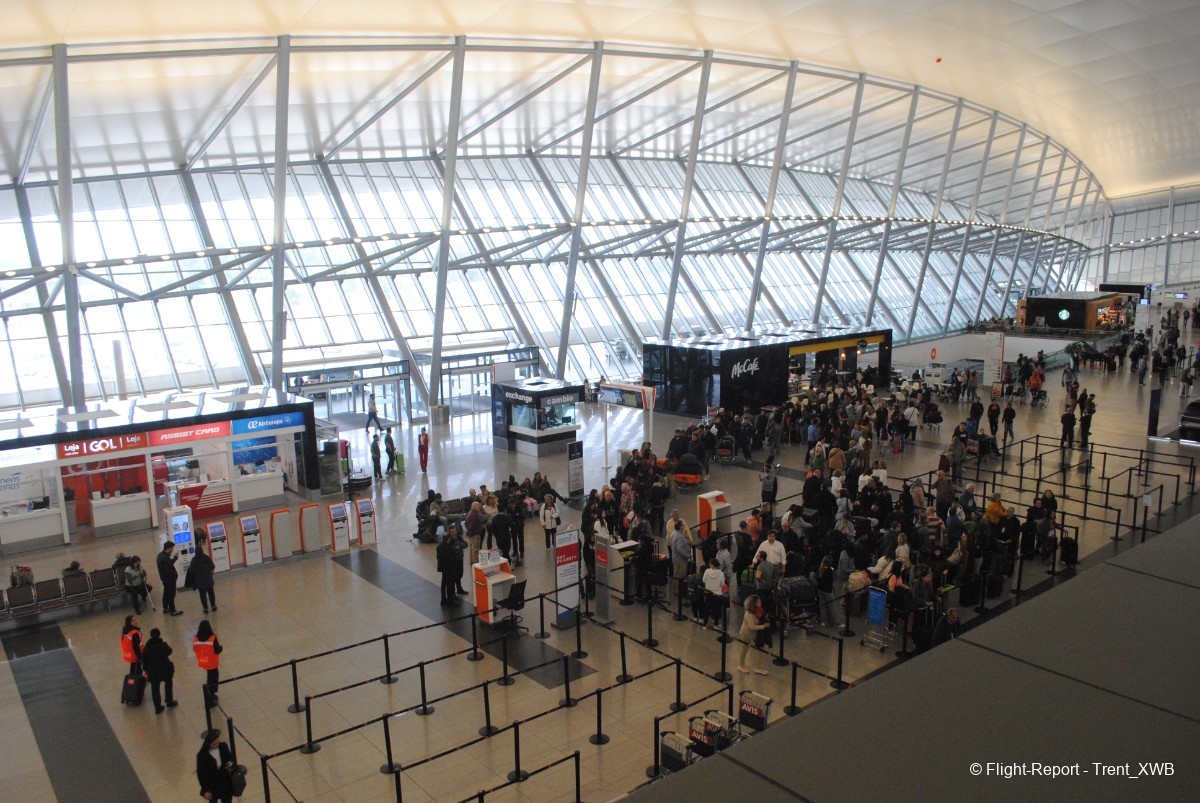
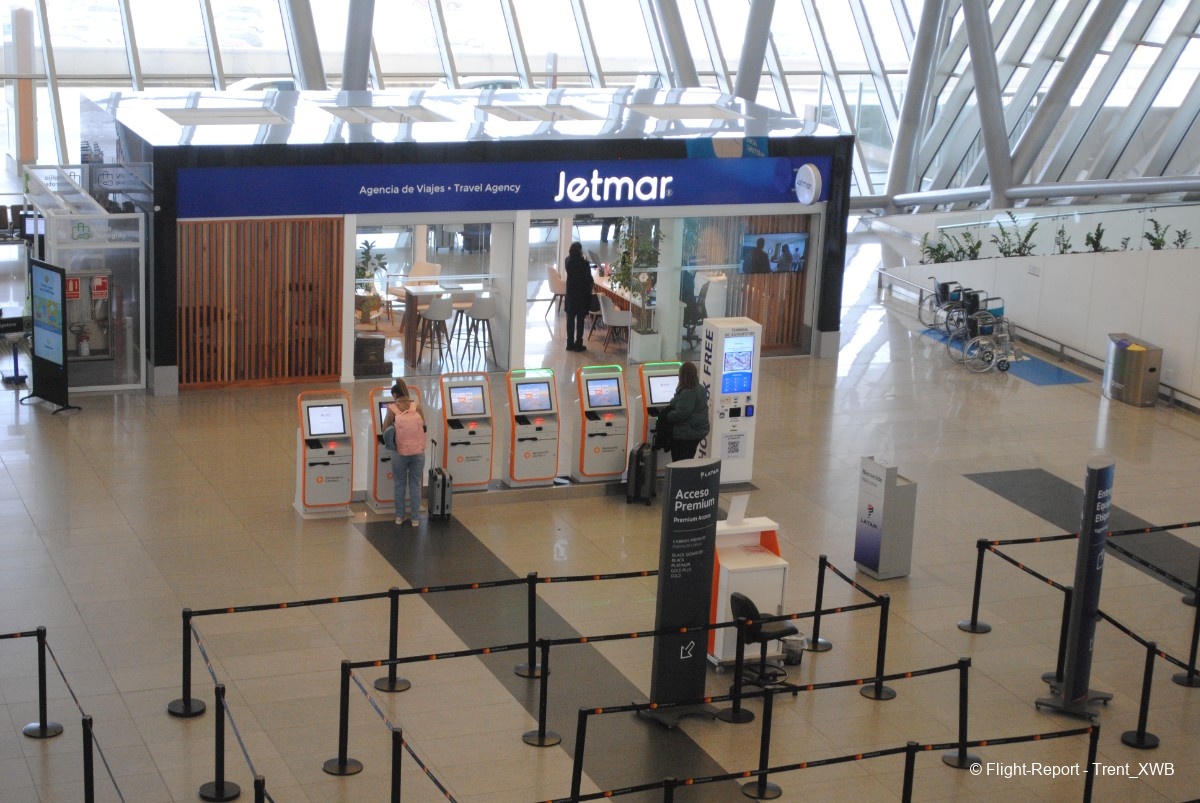
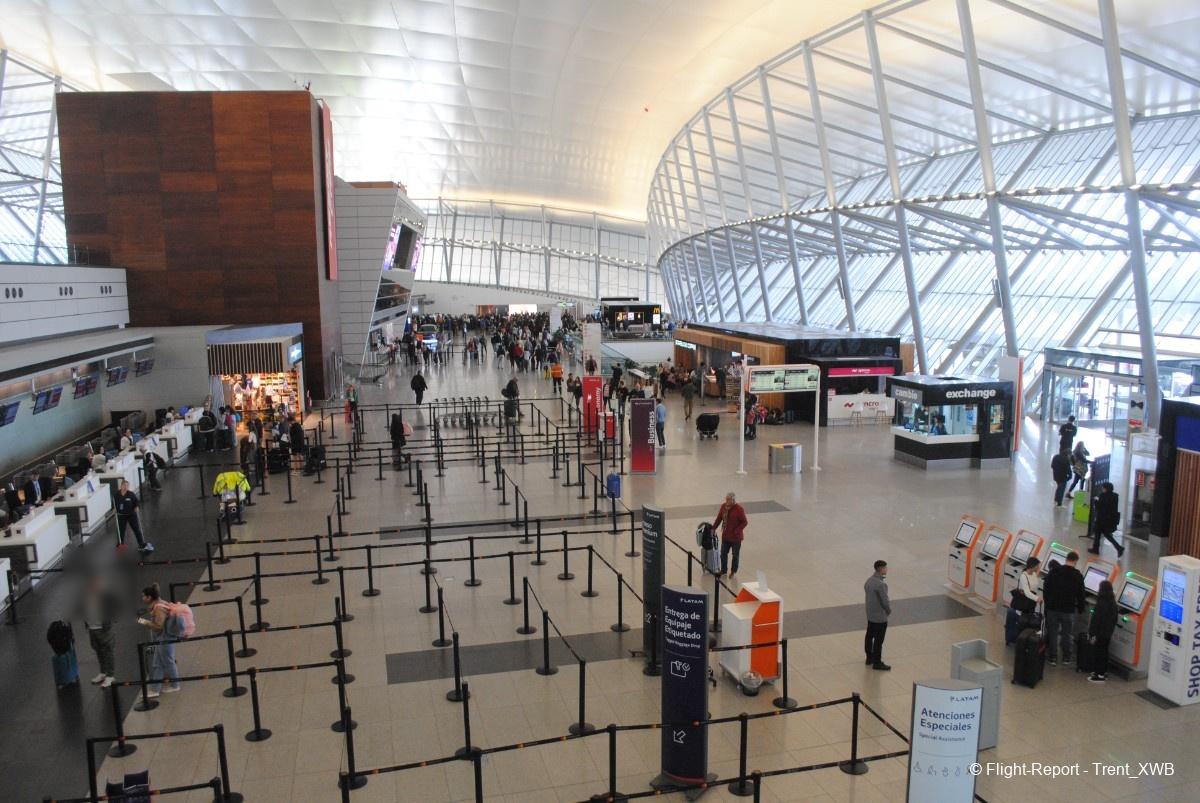
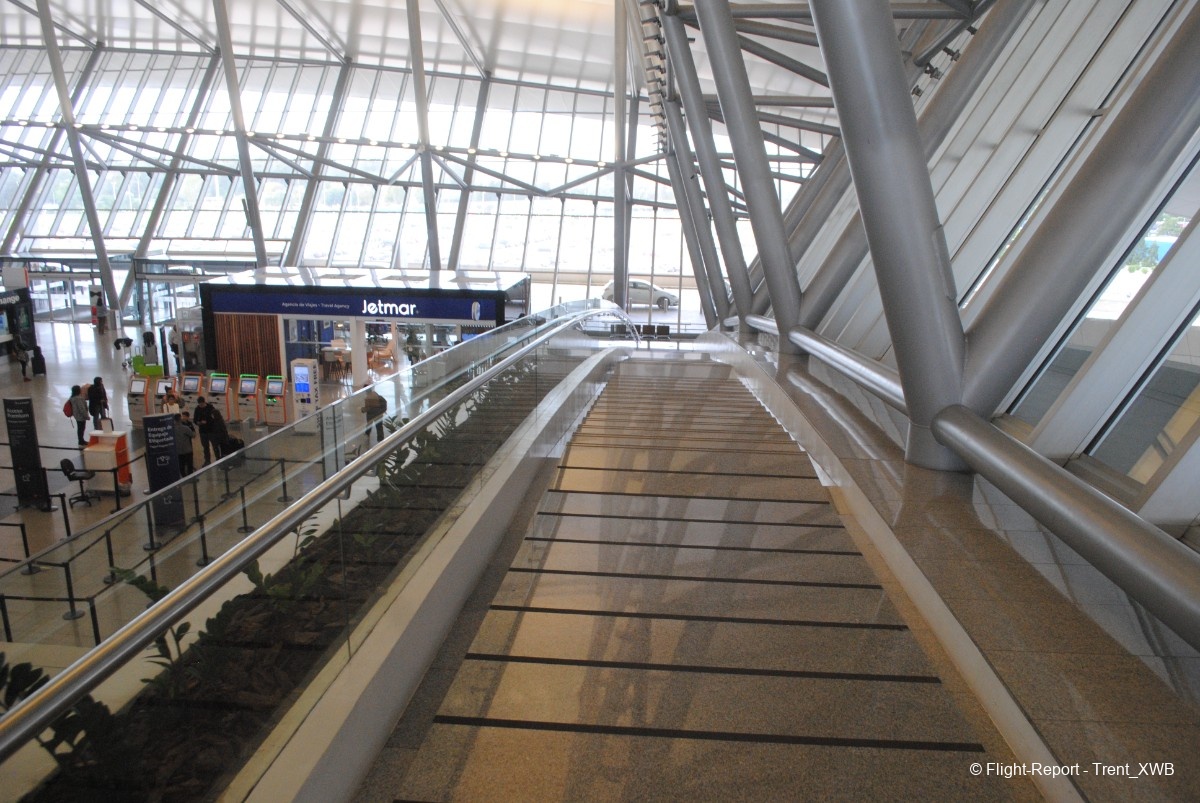
One of two ramps, connecting the terrace with the departures level.
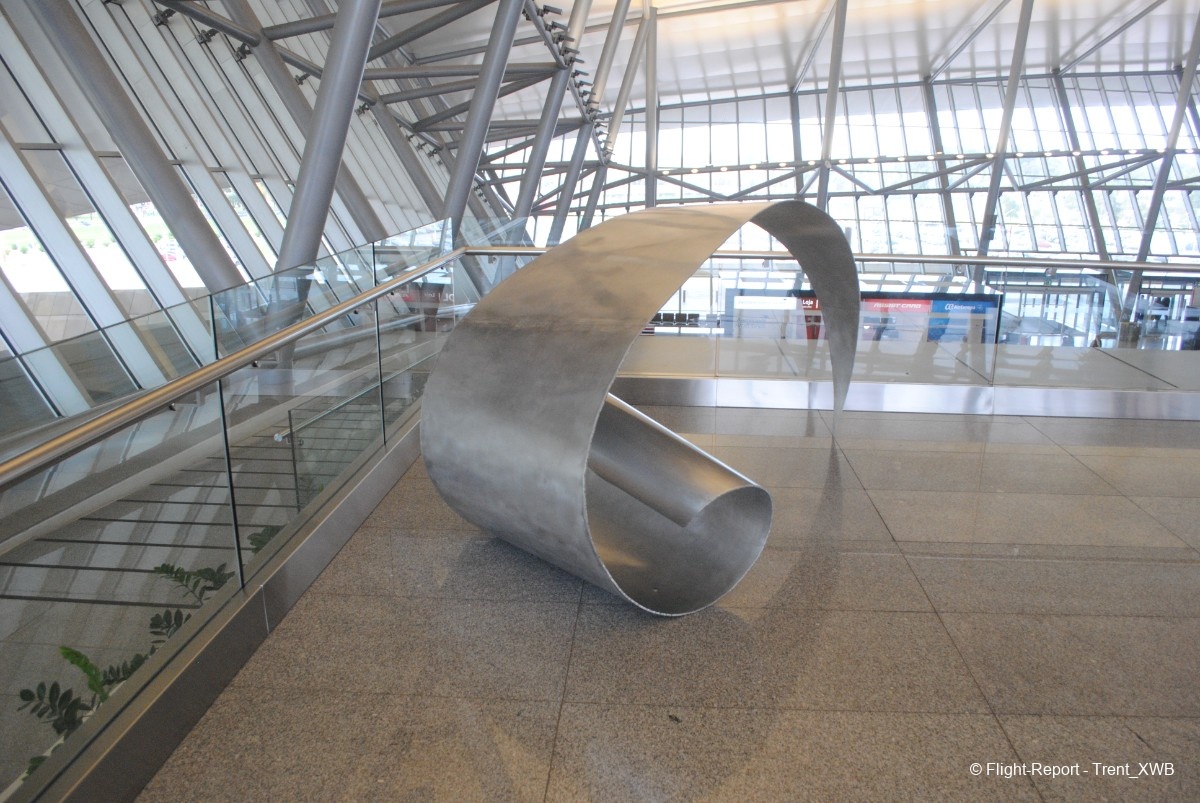
An installation near the opposite ramp.
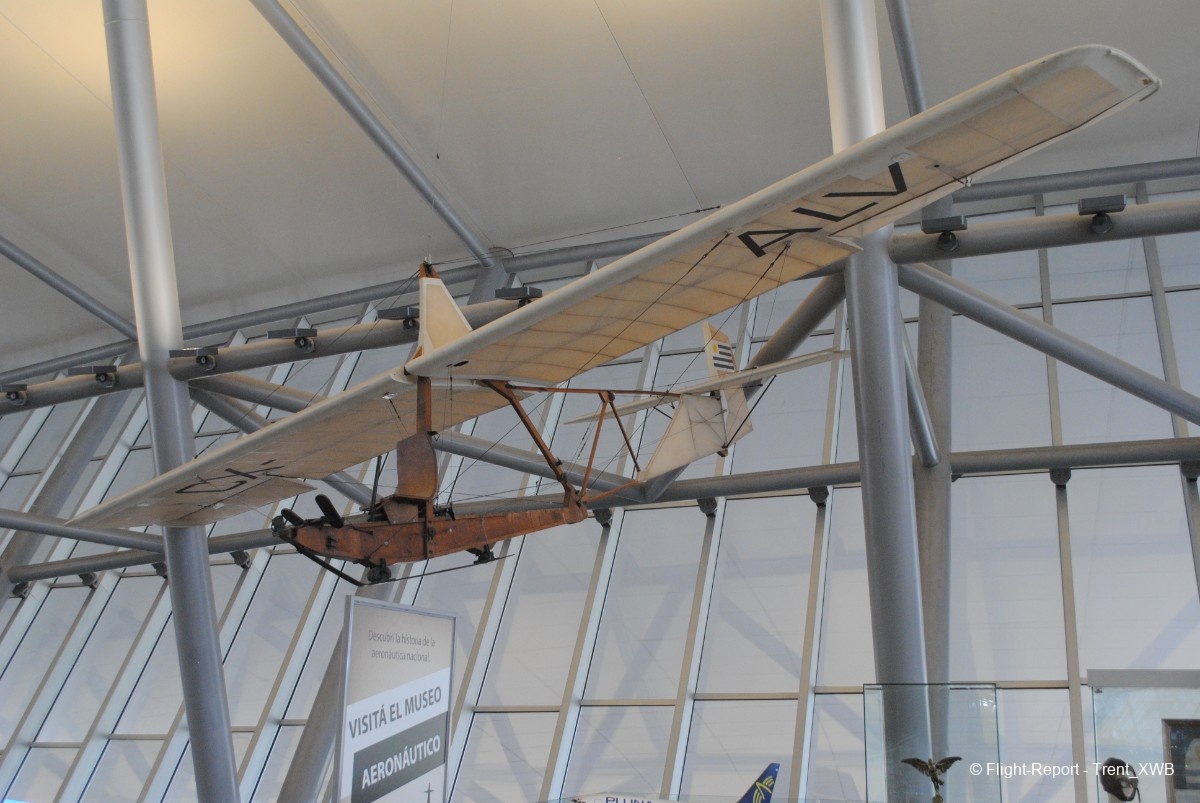
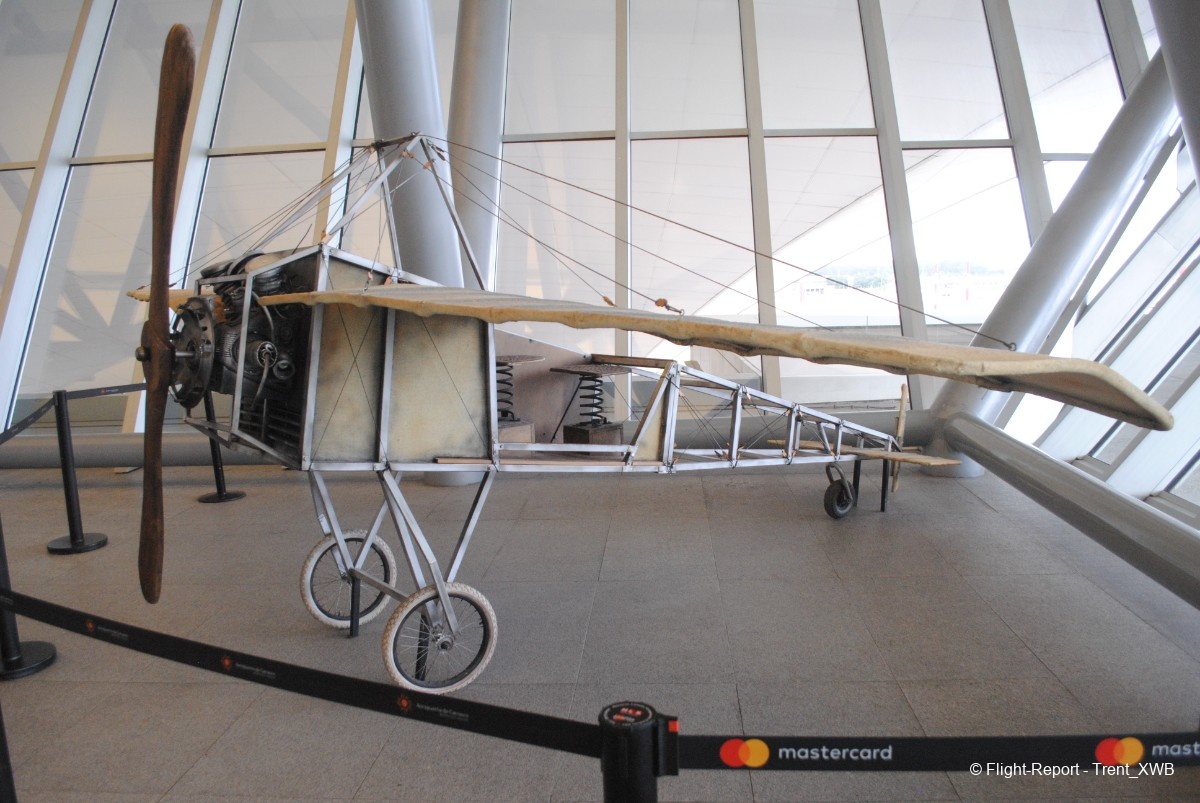
On the terrace there's a small but interesting exposition about the history of the Uruguayan aviation. On the last photo in this gallery is a mock-up of B732 of PLUNA - a defunct national airline, which went bust in 2012. In 2026, 14 years after, a new Uruguayan airline SUA is going to launch its operations with a small fleet of A223s, wet-leased from Air Baltic.
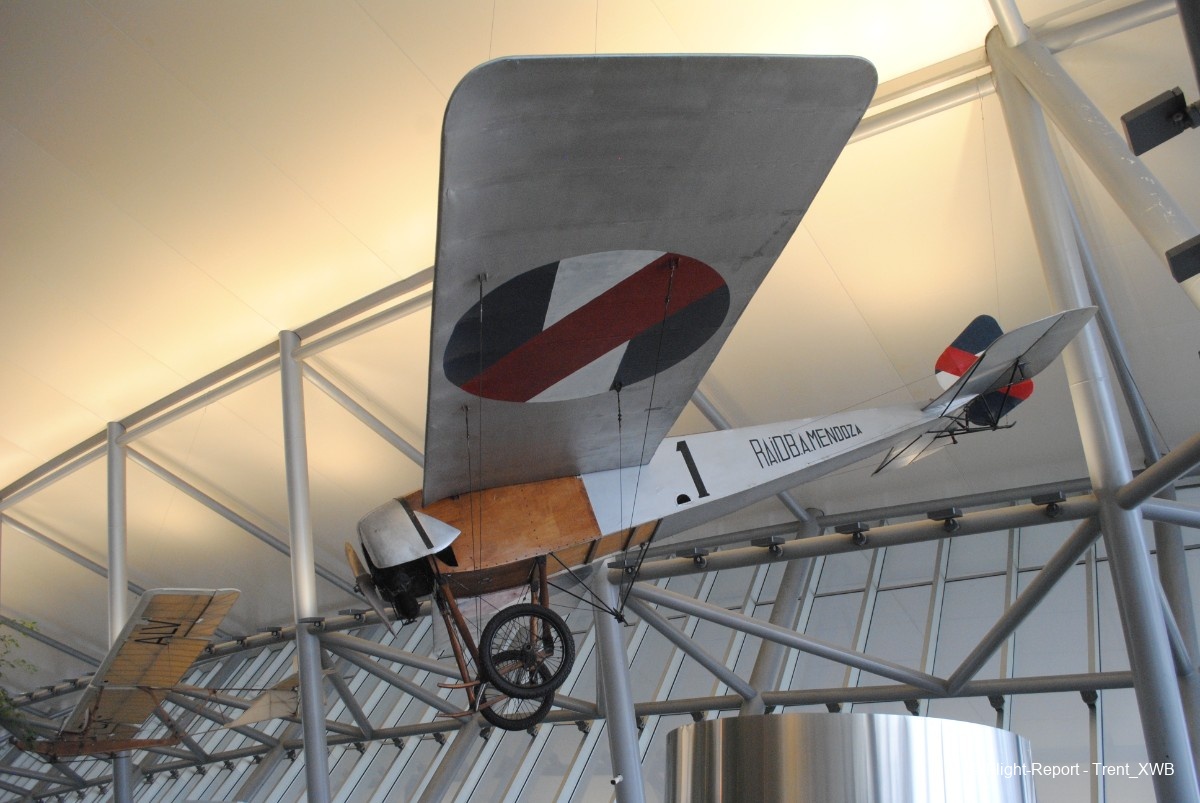
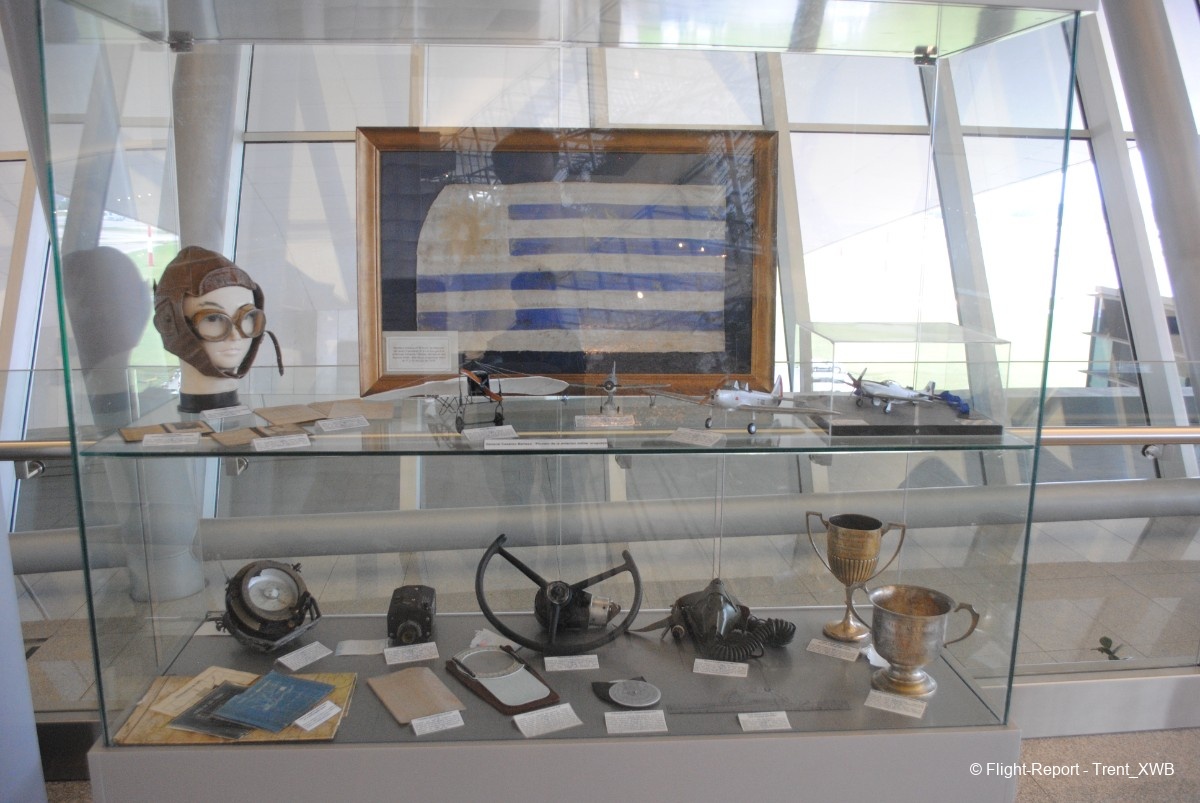
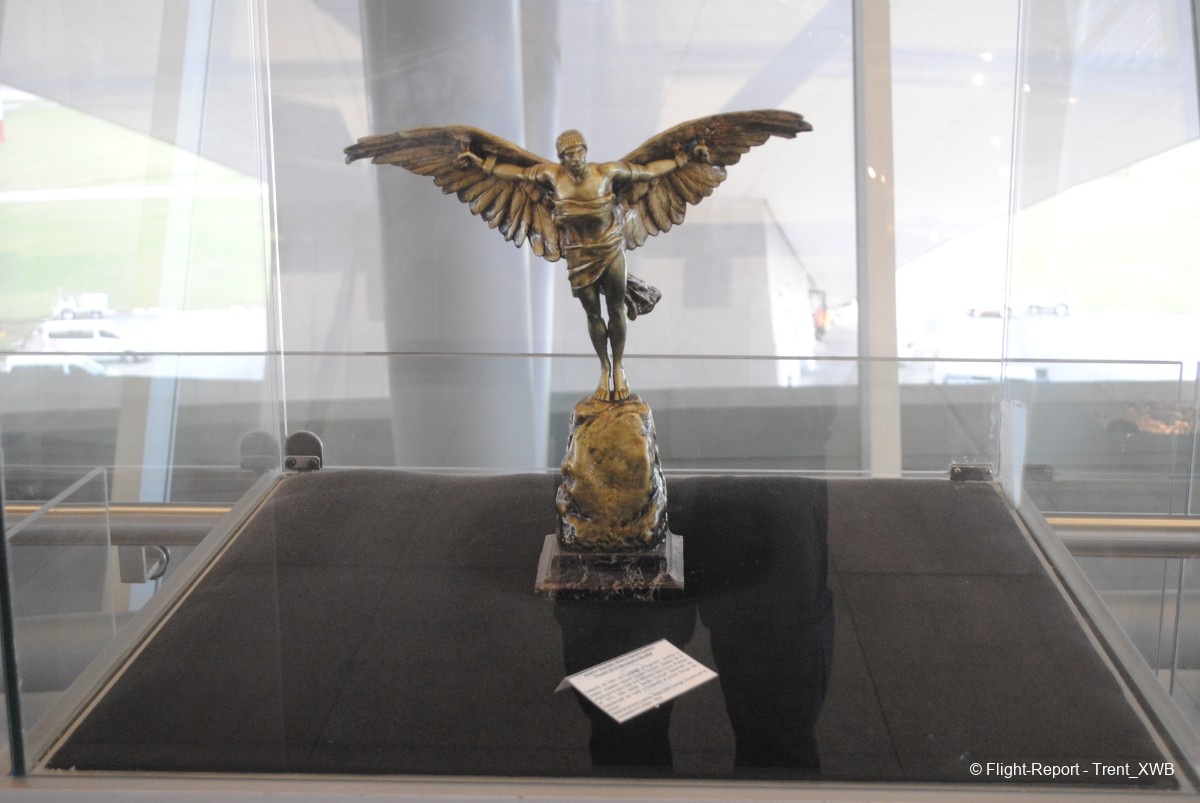
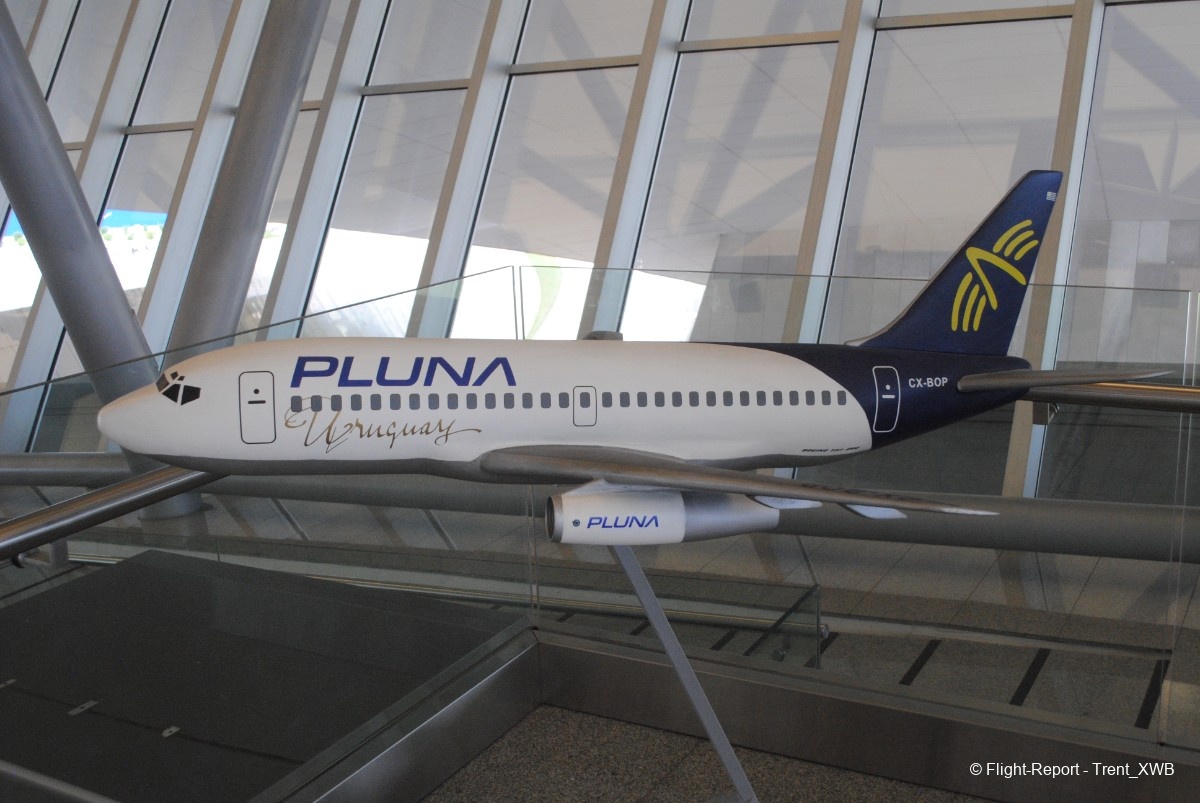
Outside close-ups of the R. Vinoly's masterpiece from the departures levels.
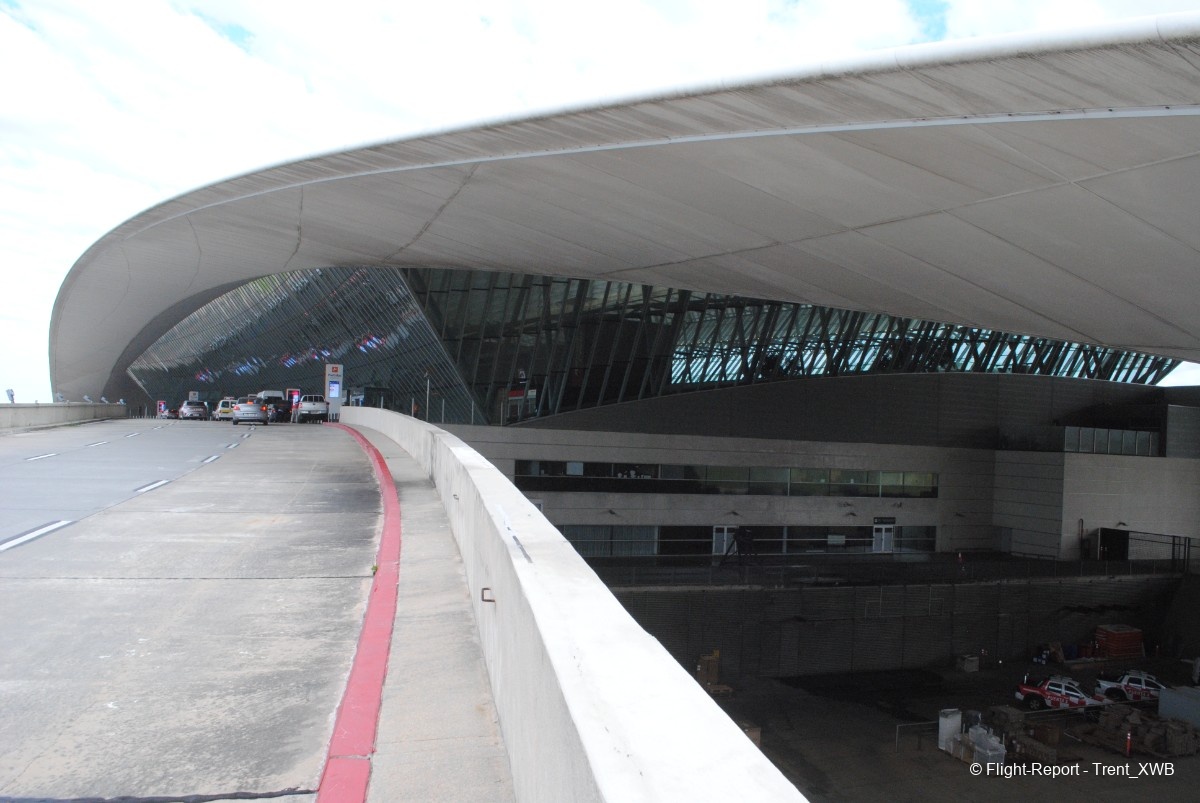
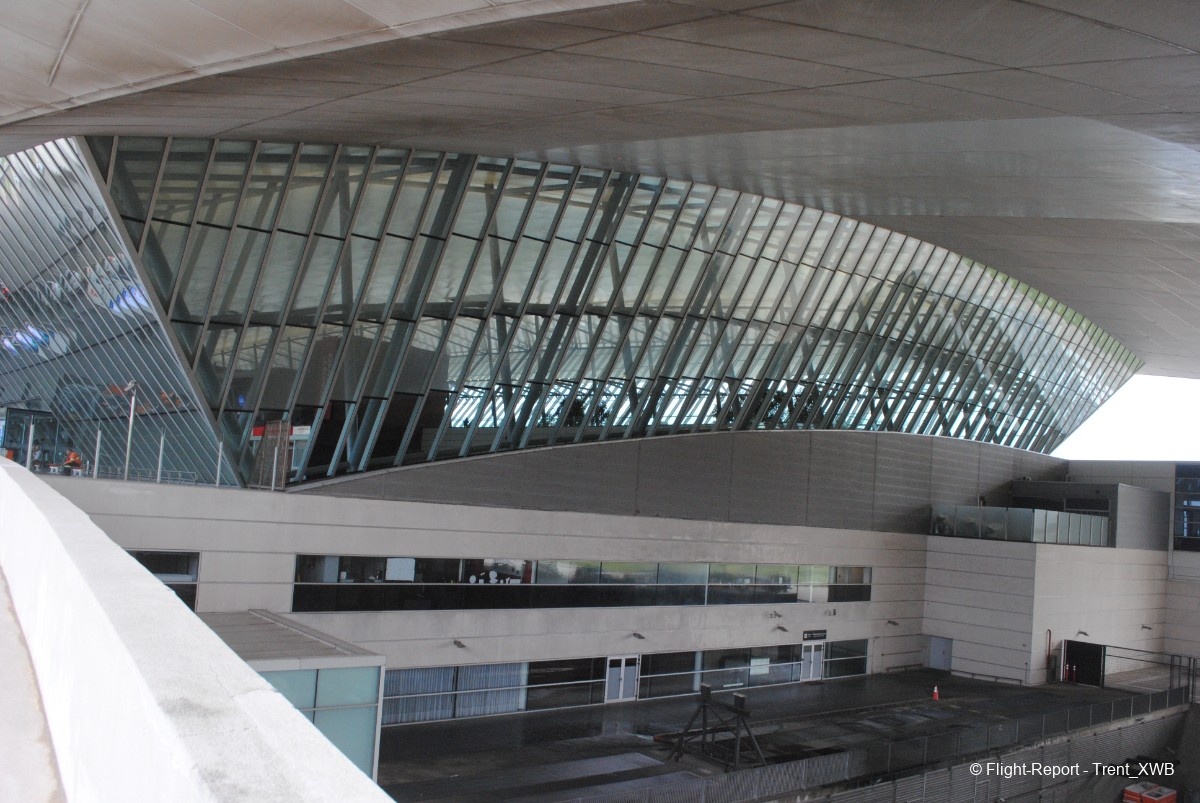
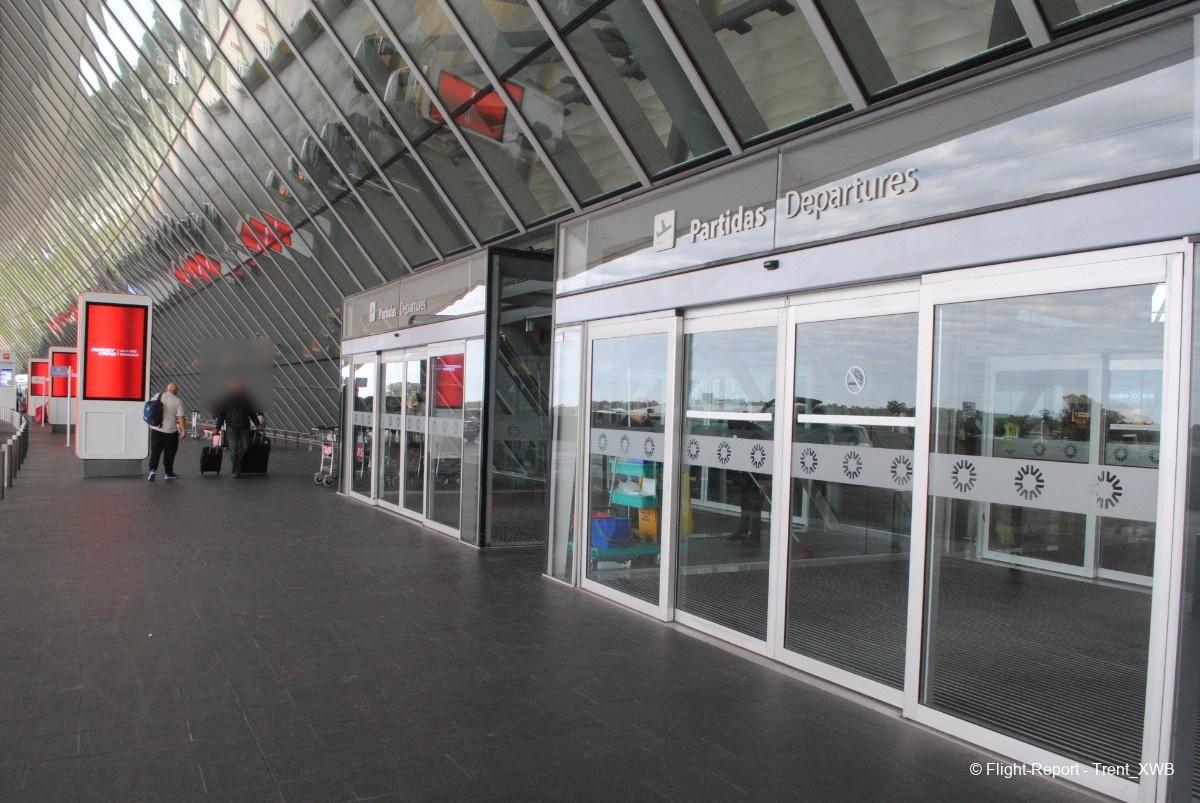
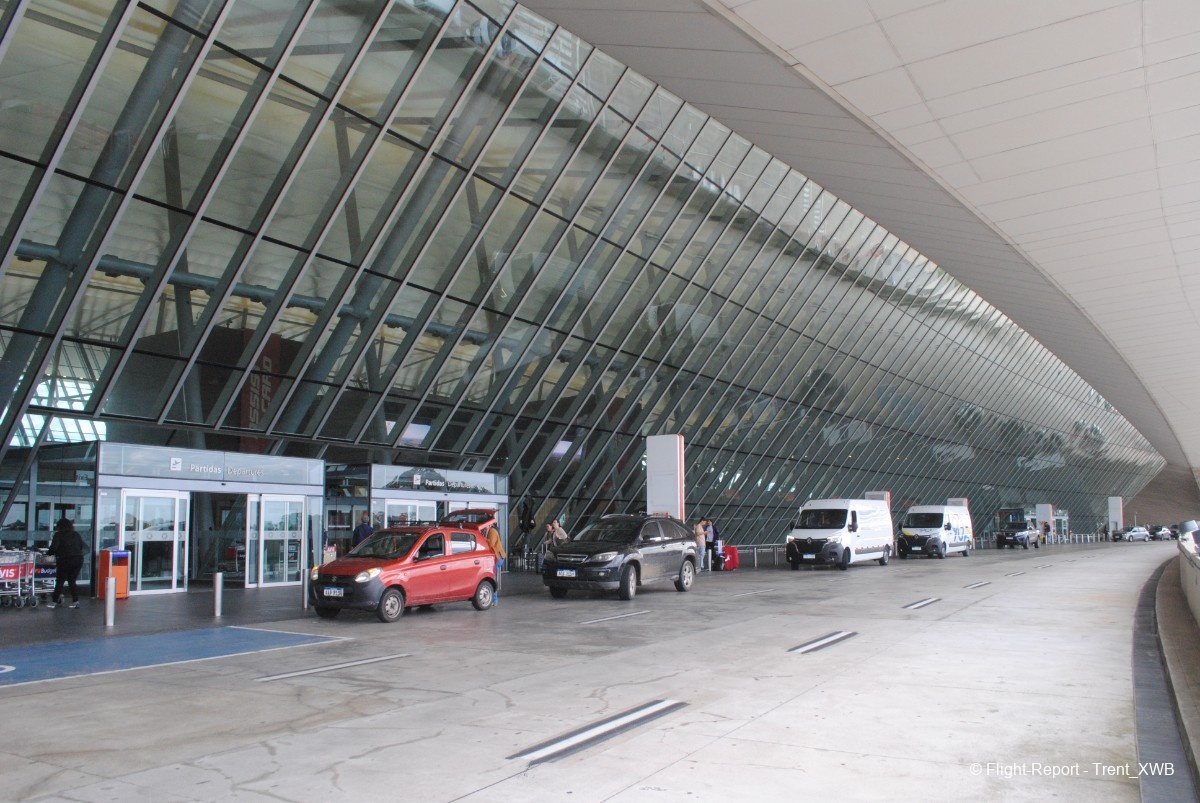
General views of the beautiful terminal from some distance (2 last photos in this gallery are made from the bus).
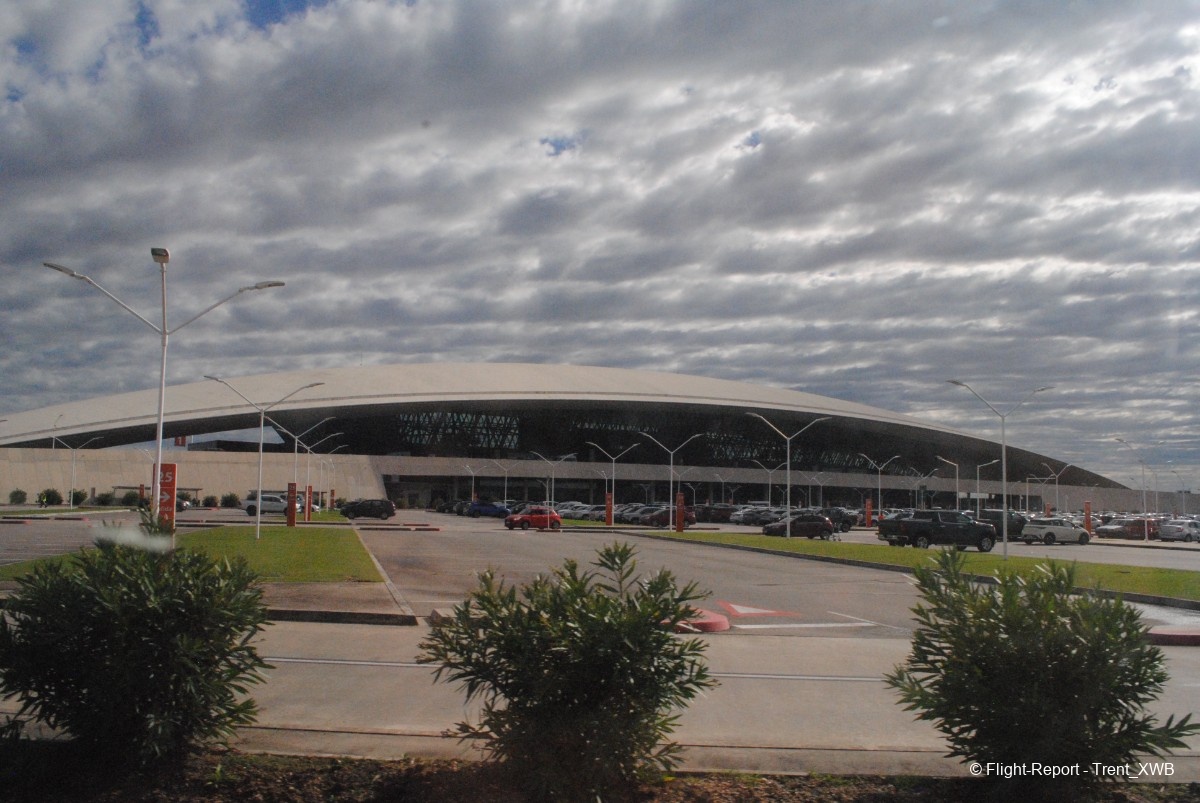
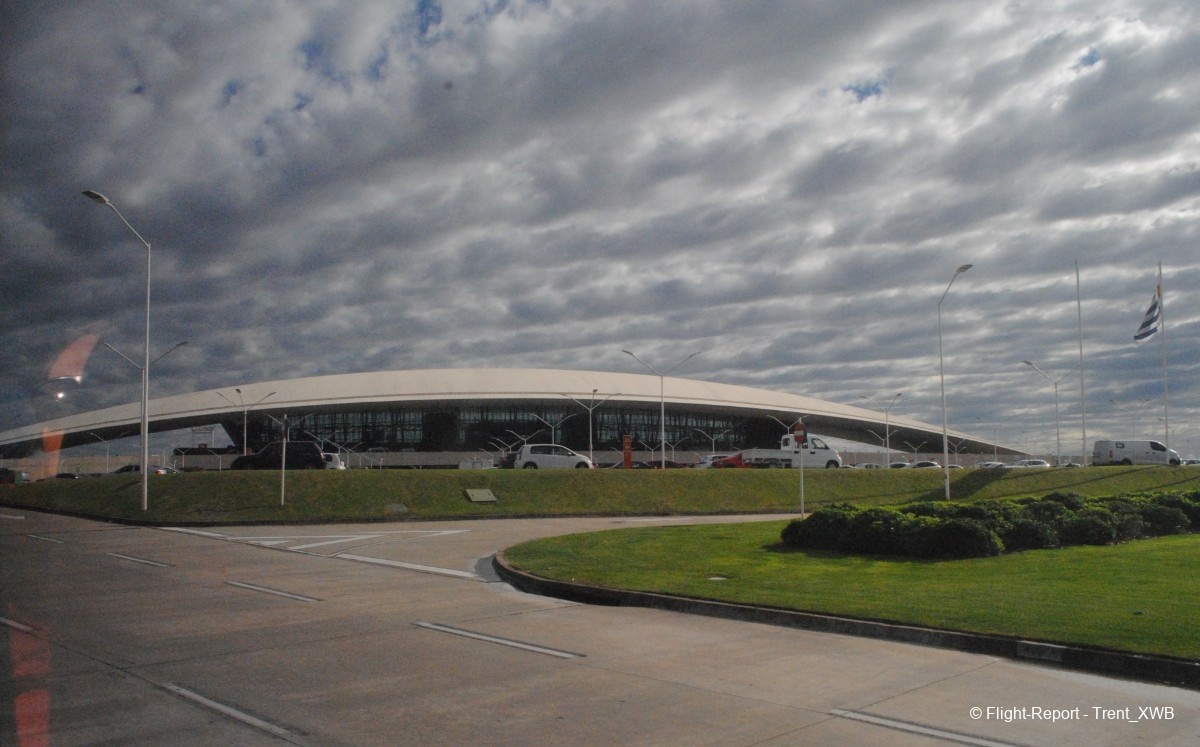
Historic Aircrafts Near MVD Terminal
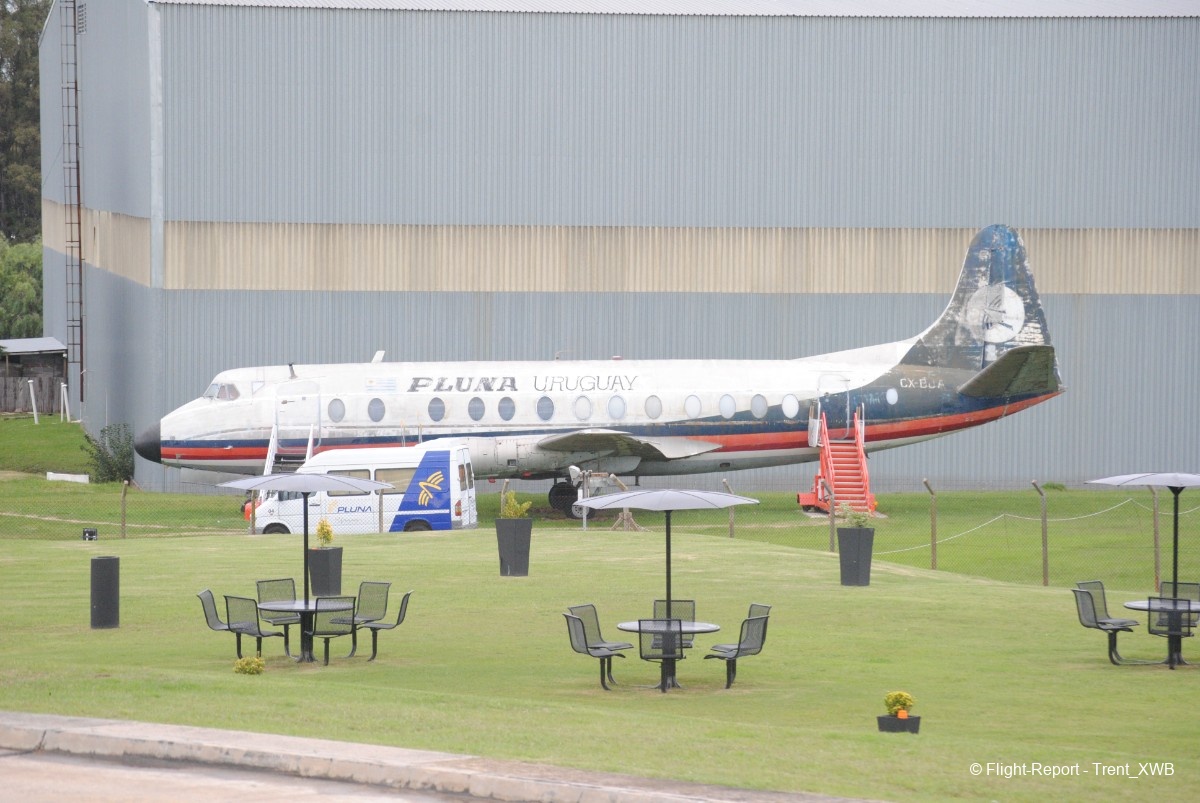
Outside of the MVD terminal one can find some interesting historic aircraft.
Vickers Viscount of PLUNA.
DC-2 of PLUNA.
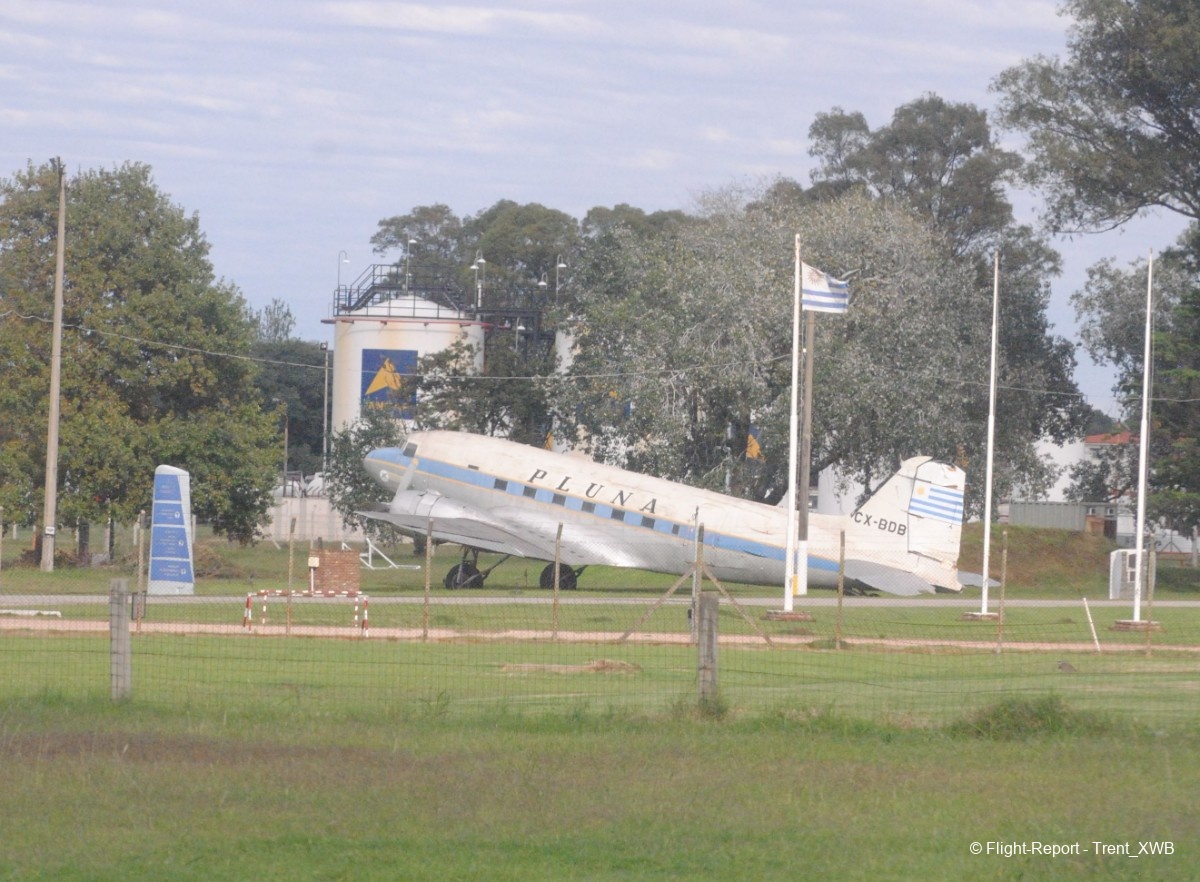
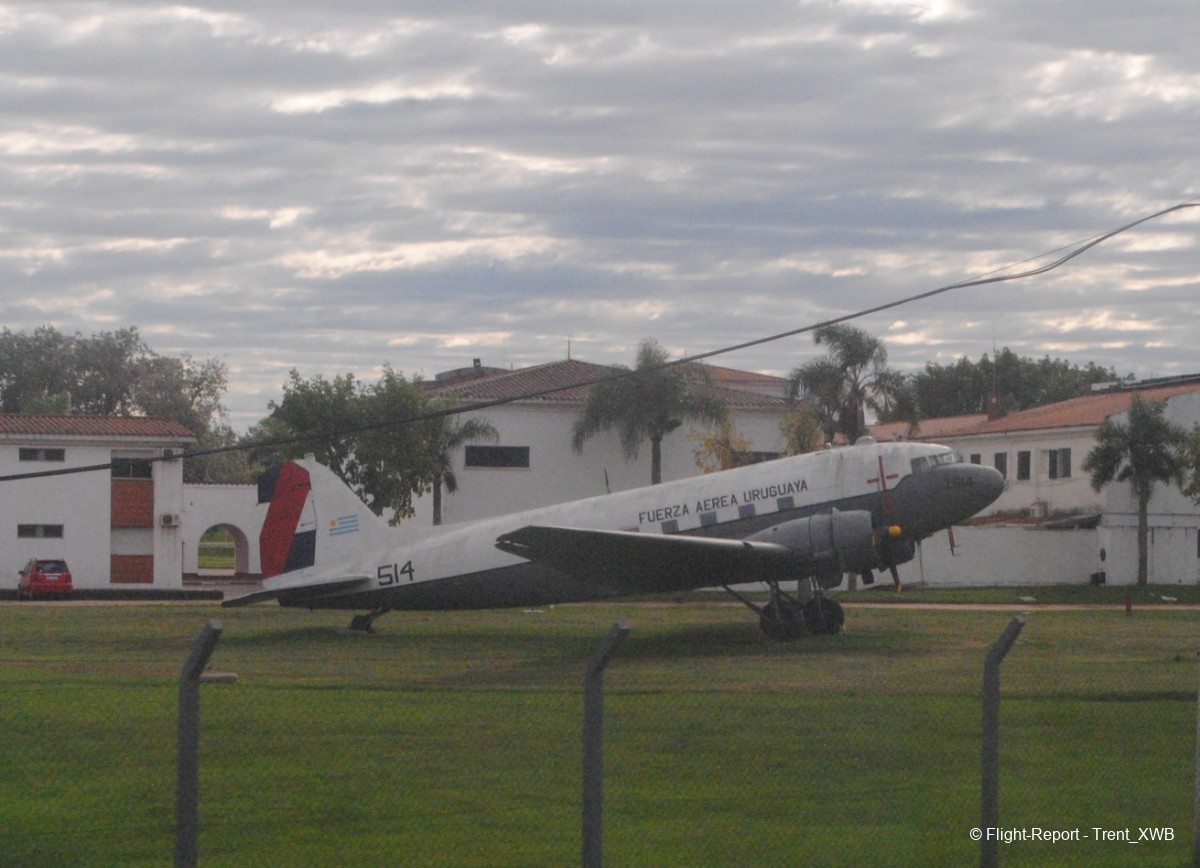
DC-3 of Fuerza Aerea Uruguaya.
Thank you for your attention and see you in the next FRs!
Wow! This was an incredibly detailed report! I loved it!
No kidding??? BoA at SCL??? I had no idea!! 😅 I was in Bolivia in October 2024 but have been completely disconected from everything related to traveling or flying since then. That's really great news, btw!!!
I beg your pardon?! 🤣 Well, yes. Our standards are low. In every aspect, I must admit. But I've learned from past experiences and will never resort to Grindr to find the perfect boyfriend again. 😅
Aahh.... Nice memories of a bike ride along the ramblas in Montevideo. What a charming, enticing city. And the chivitos!! Especially a chivito canadiense.... 😋
Wonderful report! Thanks for sharing!
Hi, Nelson!
Thanks for the comment!
1) BoA: yes, if you check on flightradar24 their CR2 fleet (now only CP-3210 is active), you'll see that it sometimes deployed on VVI-SCL flights.
2) Yes, Latin America is not East Asia (which is light years ahead of the world in terms of the infrastructure), but if compared to EU, the best Latin American airport terminals, such as GRU T3, SCL T2, BOG T1 (speaking about the largest airports at least) look really well. If you think that Chilean standards are low... well, visit MEX, especially its T1 :)
3) Yes, Montevideo is a very interesting city with lots of beautiful buildings, but not all of them are in the good shape. The old city looks a bit sad.
Pardon for my late reply. I really enjoyed your FRs with the explanations of the Chilean geography. Waiting for the new ones :)