


Hi, dear flight-report members and readers!
In this retro-FR I'd like to review an extremely scenic trans-Conosur flight from Sao Paulo Guarulhos (GRU) to Santiago de Chile (SCL) on LATAM's flagship - B777-300ER, taken on 27 February 2017. In the FR of the preceding MXP-GRU flight on A350-900 one can find the context of this trip. Whereas the preceding FR has practical meaning, because some ex-LATAM A359s found new home in Edelweiss Air's fleet with original LATAM cabins, this FR is purely nostalgic, because LATAM reconfigured all its B77W with modern business cabins and some refreshment of the economy cabins in 2019-2021.
But this FR sheds the light on a quite contradictory period in LATAM's history, when the airline got an excellent new terminal (T3) in its main hub (GRU), but had to ditch the first class and the former glory of TAM due to recession in the Brazilian economy, but at the same time had very diverse widebody flight and introduced a new widebody type (A359). Just 3 years after the pandemic came and a lot has changed since.
LATAM B777-300ER Fleet in 2017: A Shadow Of The Former TAM Glory
In 2014 Brazil, who hosted the FIFA World Cup, opened the new ultra-modern (by that time) Terminal 3 in Sao Paulo Guarulhos airport (GRU) - the main hub of (LA)TAM. At that time TAM, which a year earlier received its last 10th B77W, was the only airline in Latin America, having first class.
JJ's B77W back then had 3-class F4_C56_Y302 layout (with 1-2-1 first, 2-3-2 business with angle-lie Sicma Majesty seats and 3-4-3 economy) and were received in 2 batches:
1) 2008-built PT-MUA/B/C/D, which got the 1st-gen first class, shown in this video.
2) 2012-2013 built PT-MUE/F/G/H/I/J, which got the 2nd-gen first class, shown in this video from 1:00 with the seats looking very similar to the Lufthansa's classic first class seats in A380, B748 and A346. The 1st part of the video shows the first class in JJ A332, having 1st-gen seats, similar to the ones in PT-MUA/B/C/D.
One can see how high was the level of service in JJ's first class. 2014, when JJ still had first class and already got a new shining T3 GRU, was the heyday of old TAM.
But when the Brazilian economy downturn came, Brazil couldn't sustain first class any longer, and all the B77Ws were reconfigured into 2-class C56_Y323 layout (with the same obsolete 2-3-2 business and 3-4-3 economy) in 2014-2015. It's one of the most dull layout one can imagine in B77W: obsolete 2-3-2 business without full lie-flats and without privacy, and laterally dense 3-4-3 layout. And this was the layout I got back then in February 2017.
At the same time during the LAN-TAM merger process (when JJ left Star Alliance and joined Oneworld to align with LA), JJ received from LA quite a number of late-built (2012-2013) 2-class B763s (I got 2 of them on the way back on SCL-GRU and GRU-MXP flights) and a couple of old 1998-built B763s as well, and started to phase out its A332s (most of them had 3-class layouts with first class cabin), with the last one leaving JJ fleet in early April 2016. For example, in this video one can see a JJ's A332 (PT-MVF), fitted with F4_C36_Y183 layout (not sure about the exact Y seat count) in 2009. The information on JJ A332s' layouts on planespotters.net is quite contradictory: it tells that there, for example, F7_C30_Y175 (which, most probably, means 2 rows of F with 1 seat replaced with something like lavatory, and this layout can more or less fit into A332 with this size of C and Y) and F18_C36_Y171 (18 F seats, if these are the same seats as shown in the video above and not "US domestic F"-like, cannot physically be fit into A332 with this size of C and Y!) did exist.
8 of ex-JJ A332s joined Turkish Airlines fleet (now only 5 of them are still in service), where they got 2-class C24_Y255 layout with the same old business with Sicma Majesty angle-lie seats in 2-2-2 layout and with updated economy with Weber 5751 seats (in July 2023 I flew TC-JIO, ex PT-MVM which in its heyday in JJ had F4_C36_Y183 layout, from OTP to IST). 2 of ex-JJ A332s joined Malaysia Airlines fleet with C19_Y268 layout.
By the time of the flight, reviewed in this FR, it had been almost 1 year since JJ completely got rid of its first class.
LATAM B777-300ER Today: Business Cabin Up To The Standards, Not So In Economy
In 2019-2021 LATAM did a good job of getting rid of the inferior old business product in all its 10 B77Ws and replacing it with the new business cabins with Thompson Aero Vantage XL seats in 1-2-1 layout. The updated B77W layout is C38_Y372 (with the 5 front economy rows being "economy plus").
Though, the oldest 2008-built B77Ws - PT-MUA/B/C/D - didn't get a substantial overhaul of their tired economy cabins aside from the new upholstery. Their economy seats still feature old IFE without any charging port: see this video for the reference.
The rest, younger, 2012-2013-built B77Ws - PT-MUE/F/G/H/I/J - which already had more modern IFE with all the sockets, got new seatbacks and the new upholstery as well: see this video for the reference.
The inconsistency of LATAM's B77W economy may be an unpleasant surprise for someone unaware, and I'd recommend to take a powerbank for the devices, because it's impossible to know in advance which of these B77Ws you'll get.
For comparison, the newer LATAM's B789s (2019-built and younger) also feature 1-2-1 Vantage XL business (C30_Y270). The same is applicable for the ageing Chilean-registered B763s (C20_Y213), based in LIM and operating for LATAM Peru.
The older 2015-2019-built B789s feature the old business cabins with Zodiac Aura Lite seats in 2-2-2 layout (C30_Y283).
8 of 10 LATAM's B788s have been retrofitted with new business cabins with Recaro CL6720 seats in 1-2-1 layout (C20_Y251). The rest 2 feature the old business with Zodiac Aura Lite seats in 2-2-2 layout (C30_Y217), but will be retrofitted soon.
Sao Paulo Guarulhos International Airport (GRU) and Its Terminal 3
GRU, located in the north-eastern part of the Greater Sao Paulo and named by the neighboring town (de-facto part of Sao Paulo) Guarulhos, is the largest and busiest airport in Latin America. In the past this title belonged to MEX with its extremely dated terminals, but since pandemic, introduction of very strict entry requirements to Mexico (where airside international transit is non-existent like in US) and opening of NLU, MEX dropped to the 3rd place behind BOG (holding the 2nd place).
GRU has 3 terminals: small T1 for domestic flights of airlines, having small presence, relatively big but very dated T2, being mostly domestic, but also having a small number of international gates, and (still) modern and spacious T3, opened in 2014 and serving only international flights. T3 is physically connected with T2 both in landside and in international airside.
GRU is connected by rail link with the extensive Sao Paulo subway network; though, the GRU train station is located near T1 in some distance from T2 and T3 and requires taking a shuttle. There's also bus service from T2 to Tatuape subway station.
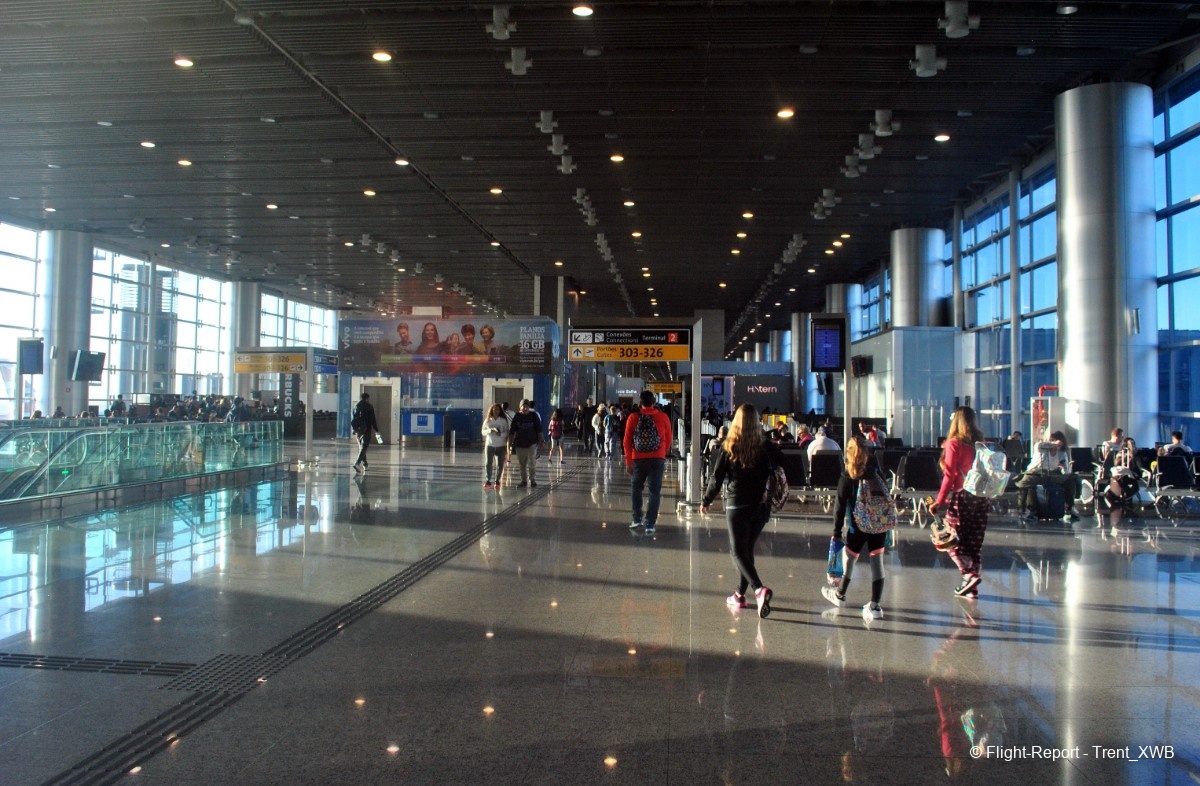
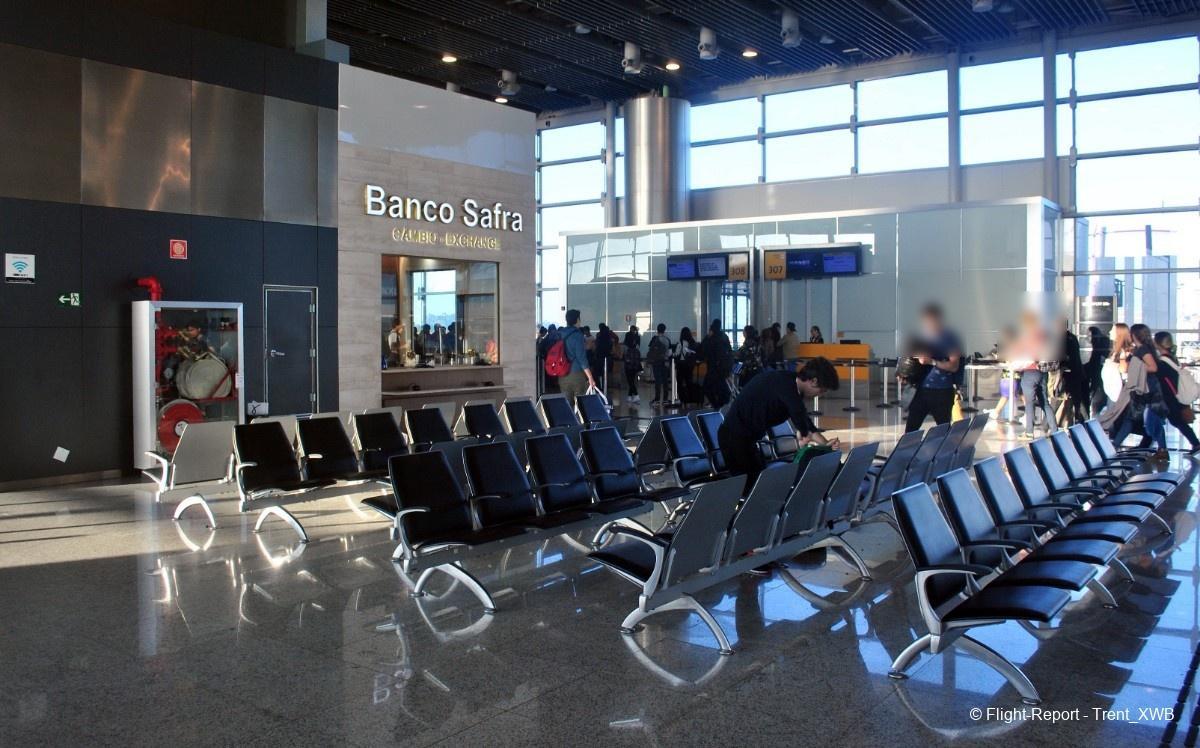
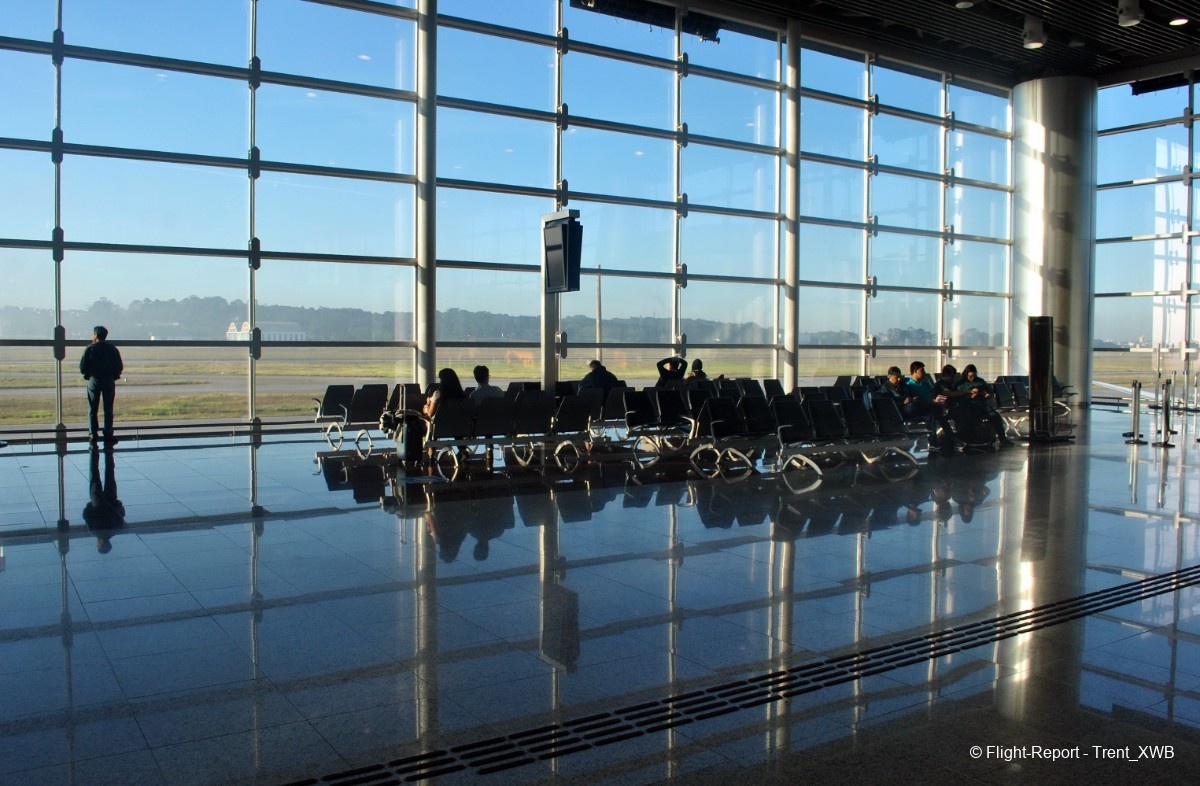
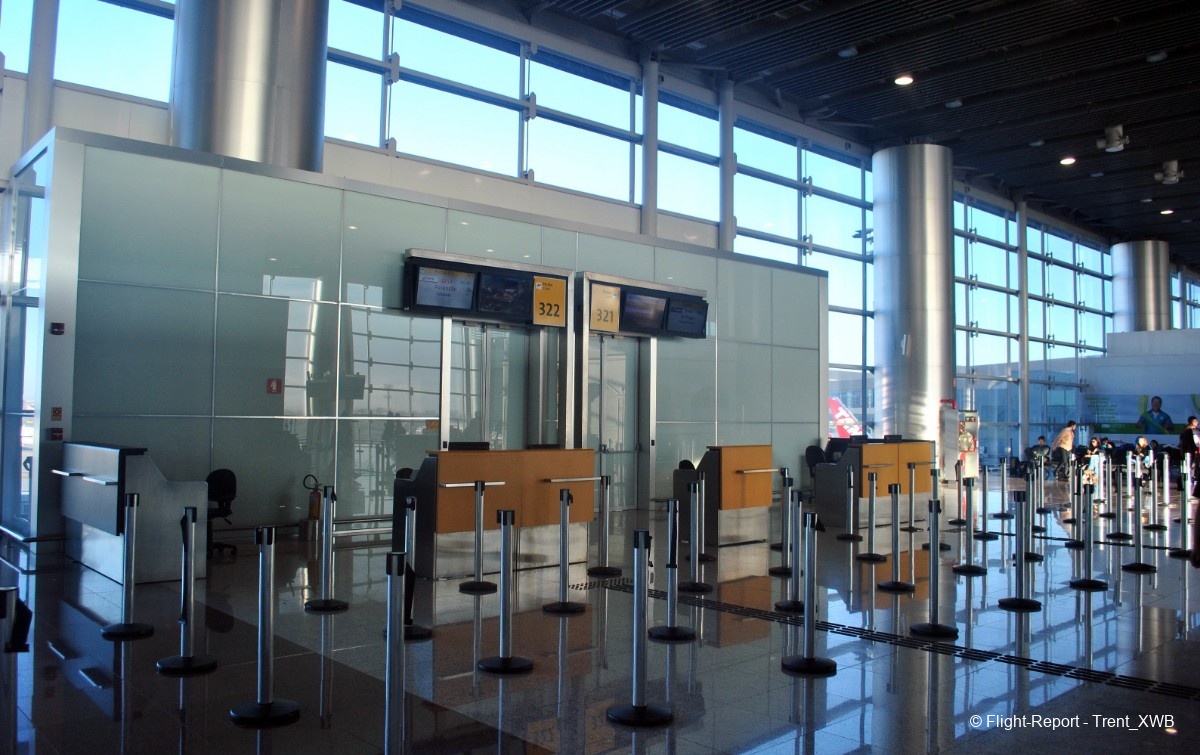
T3 has very spacious check-in hall and quite spacious international gates concourse (though, T3 is significantly smaller than giant terminals in some East Asian hubs) with excellent views of the apron and runway, which makes it ideal for planespotting. In the FR of the preceding MXP-GRU flight I shared planespotting I made during the 2-hour layover, and in the end of this FR I'll show photos from planespottings made during another visits to GRU.
The main building of T3 viewed from the gates area.
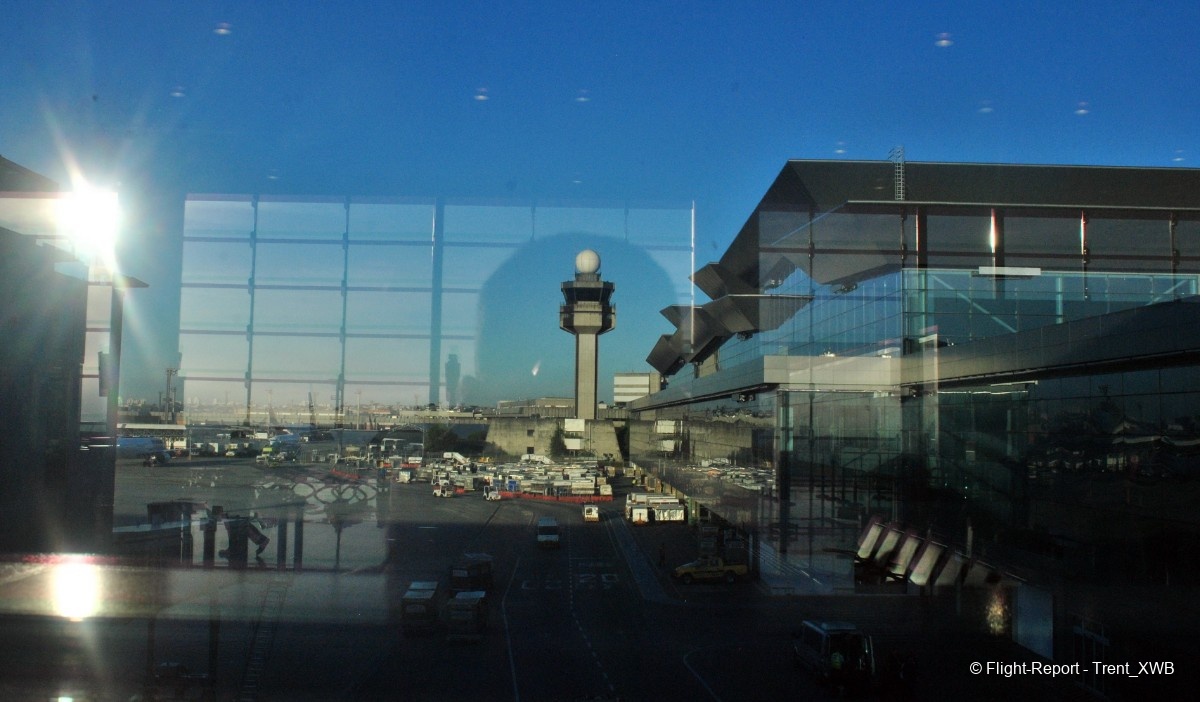
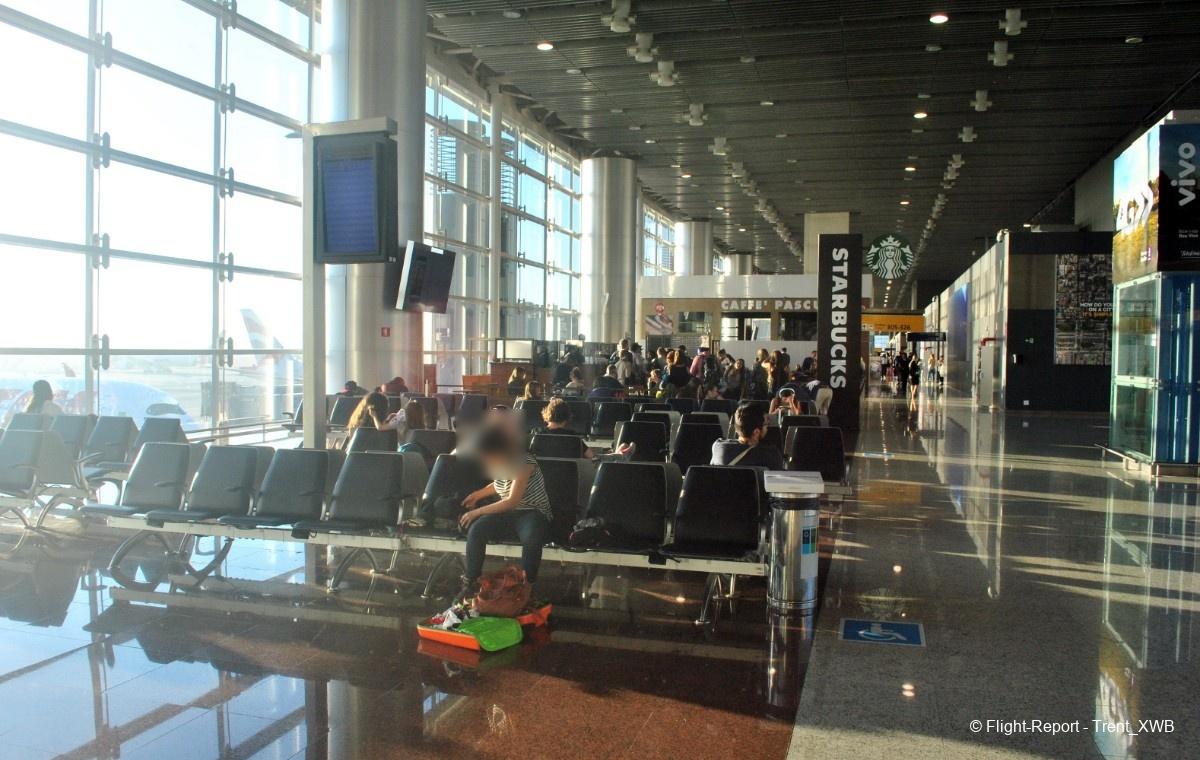
Some views of the gates area. The huge windows and airy feeling is what I especially like in T3 GRU. All the jetbridge gates are paired and it allows the terminal to serve A380 (EK do flies A380 here since March 2017).
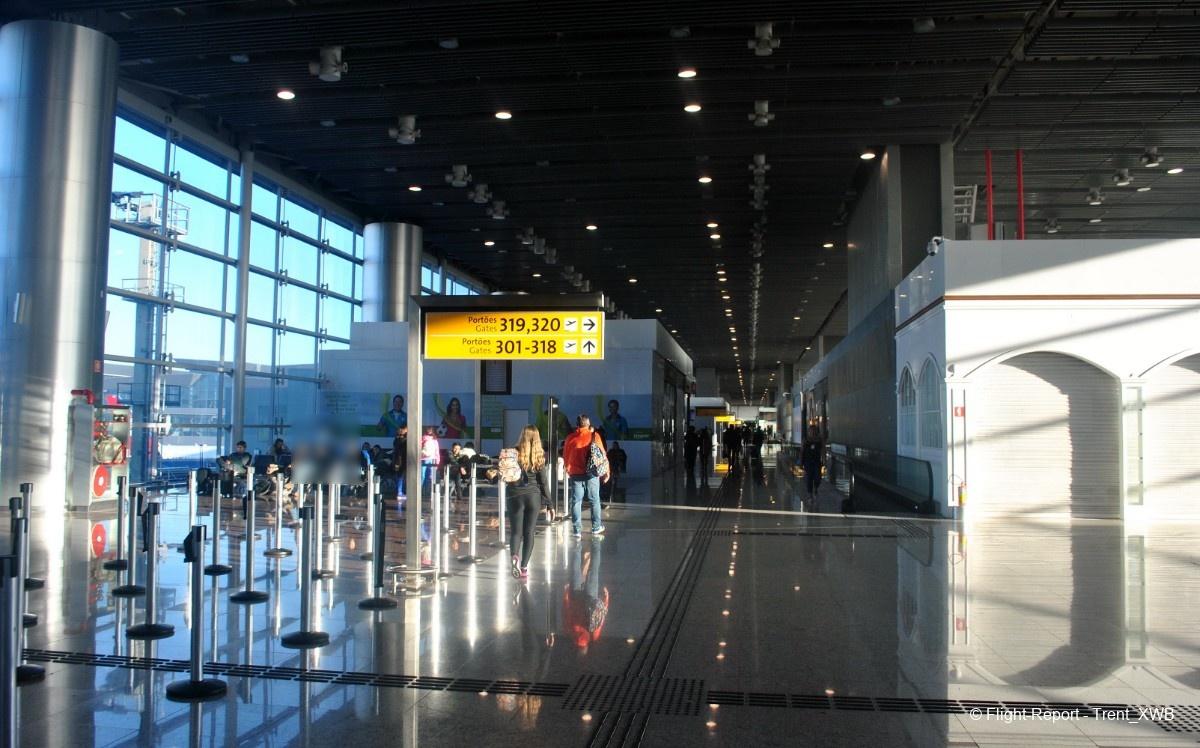
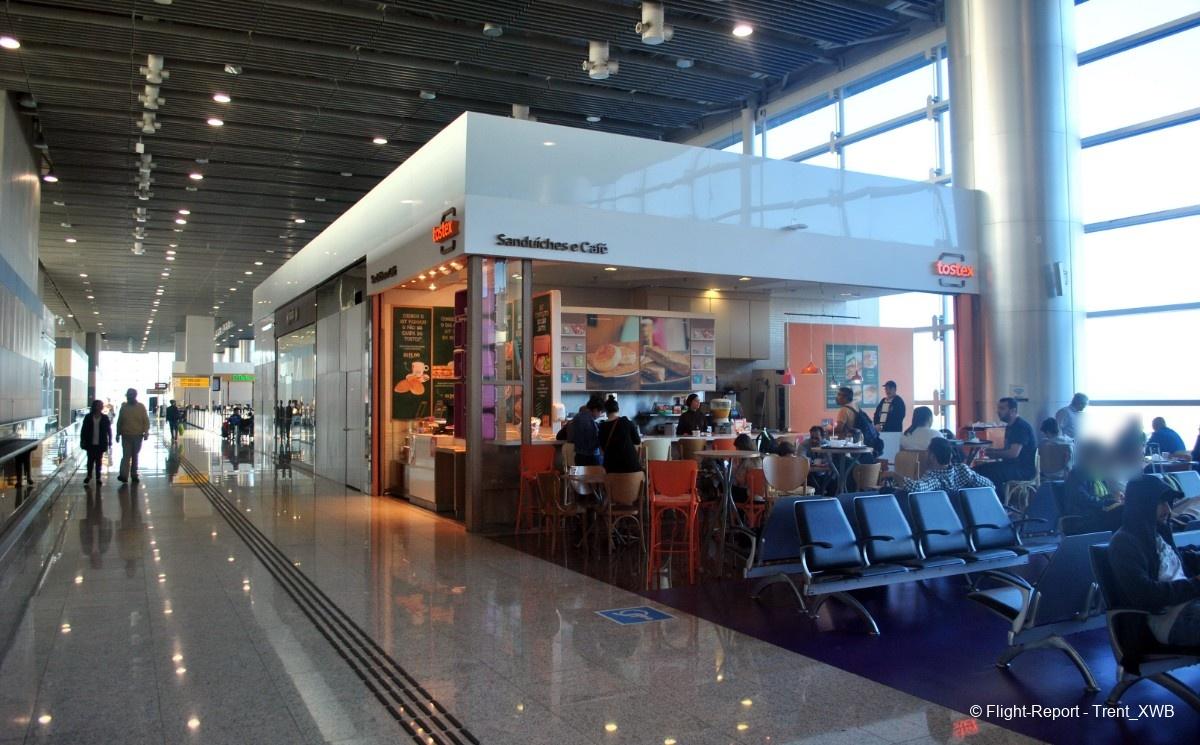
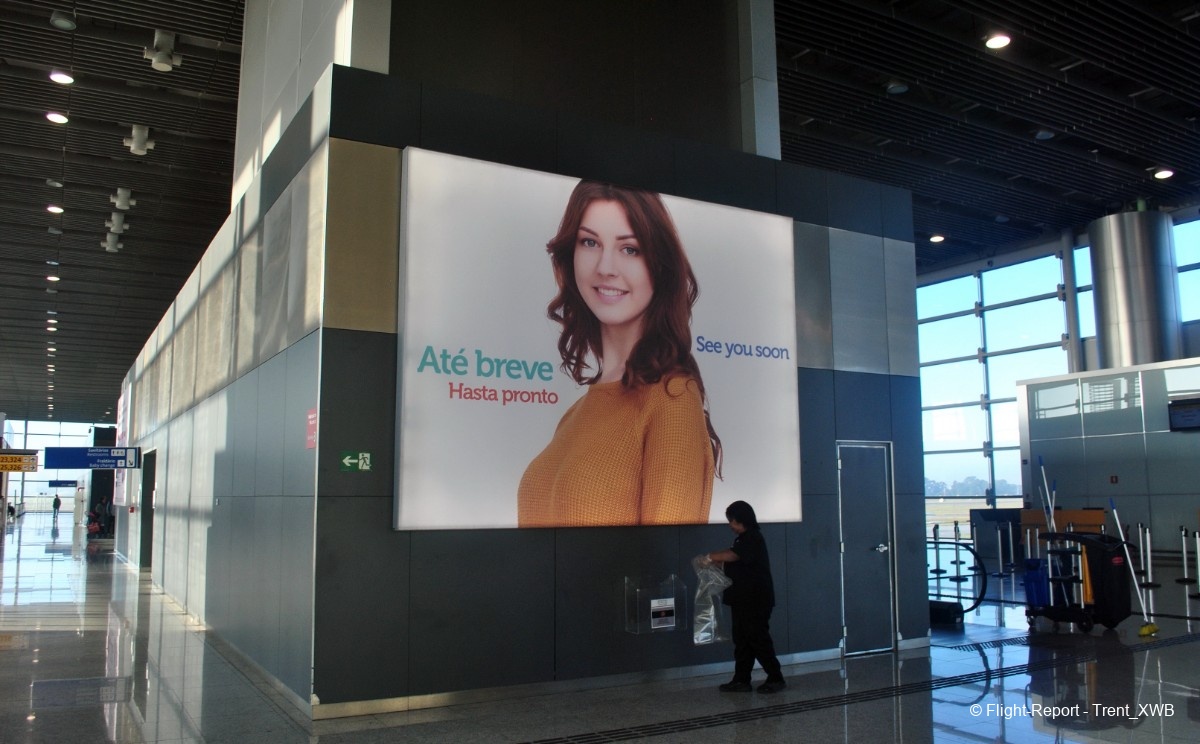
My flight to Santiago was boarding from the bus gates area, which was very crowded at this time of the day.
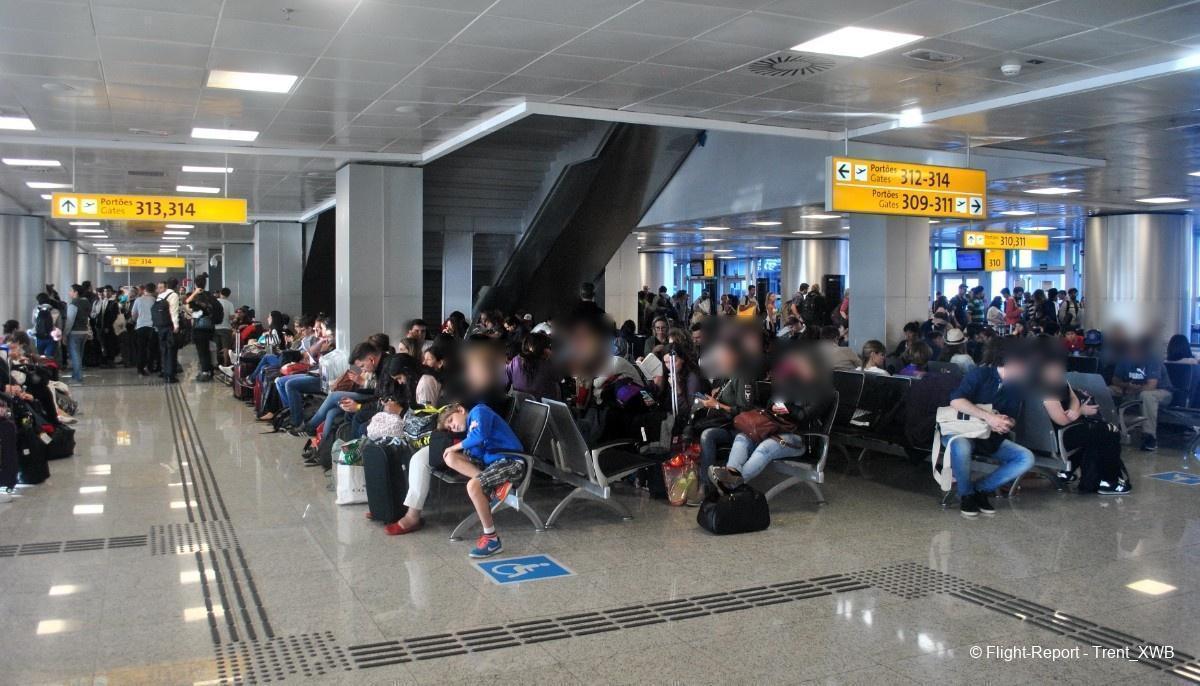
The Aircraft
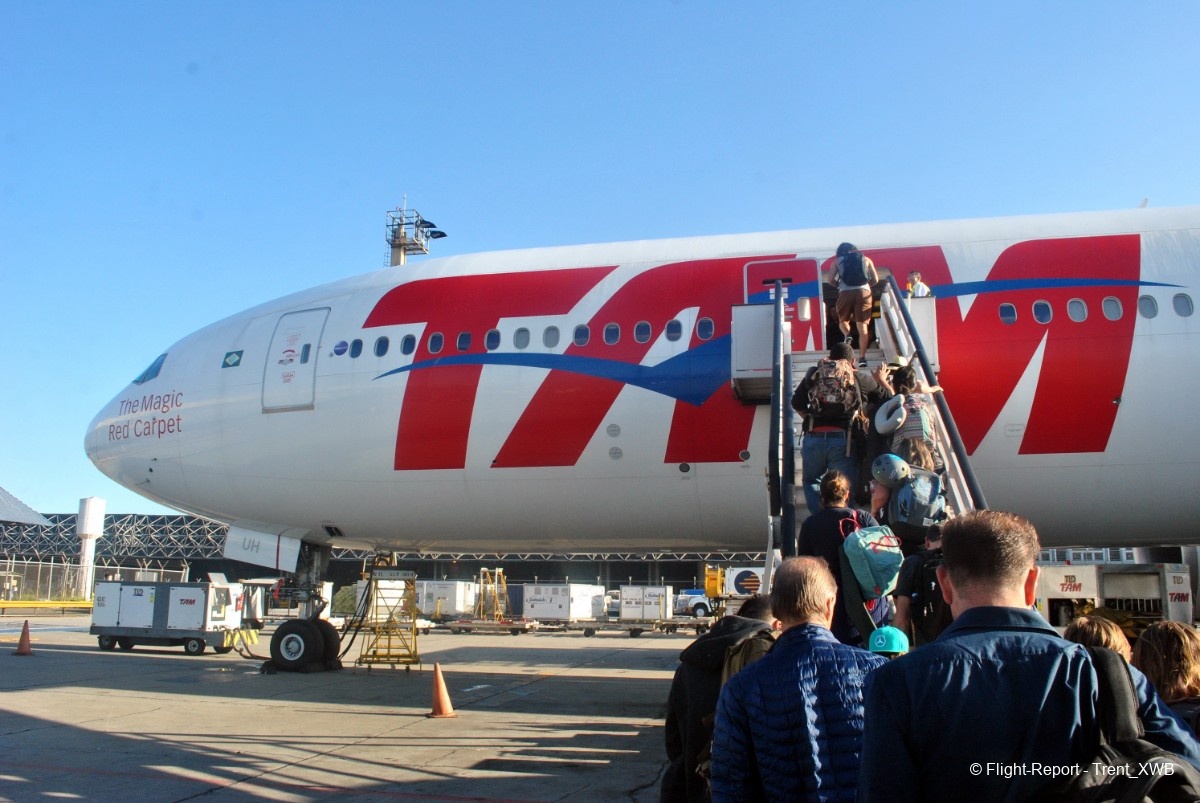
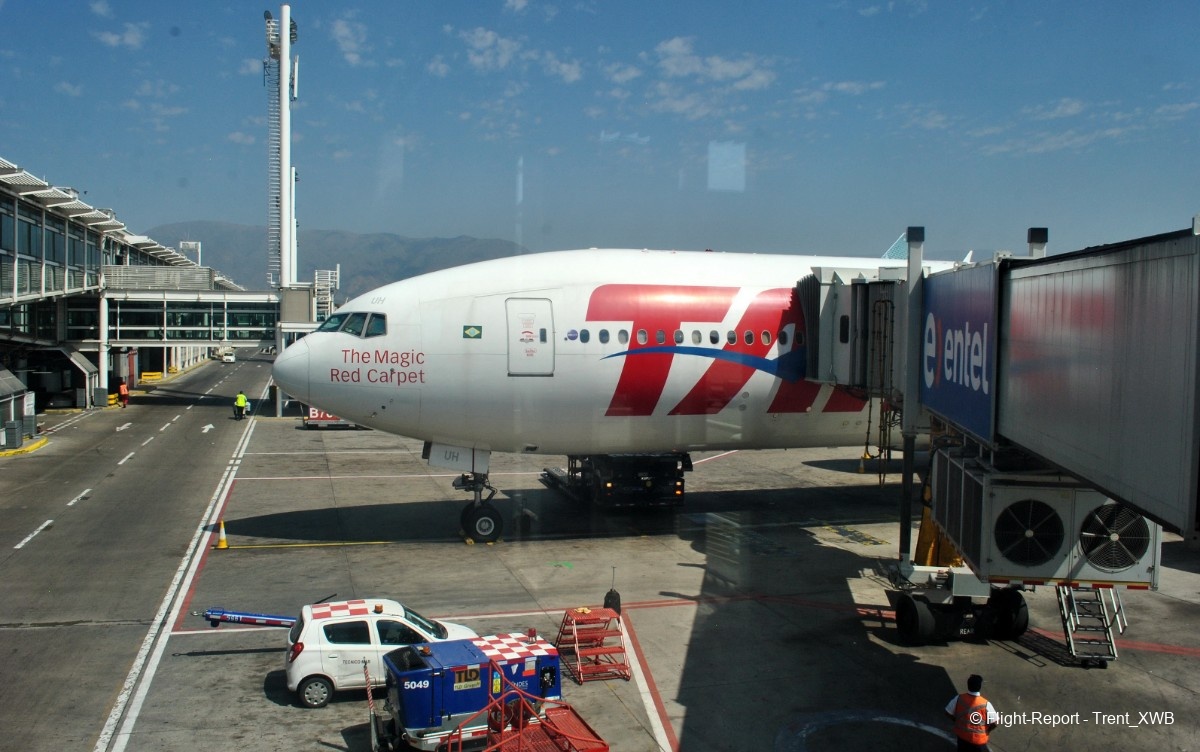
My flight GRU-SCL was operated by 2012-built PT-MUH, which was parked in the far end of GRU near the cargo terminal and T1. In April 2015 it was reconfigured from the "golden era" 3-class F4_C56_Y302 layout to the then-current dull 2-class C56_Y323 layout. In 2020 during the pandemic it was reconfigured into the new C38_Y372 layout and got the new LATAM livery.
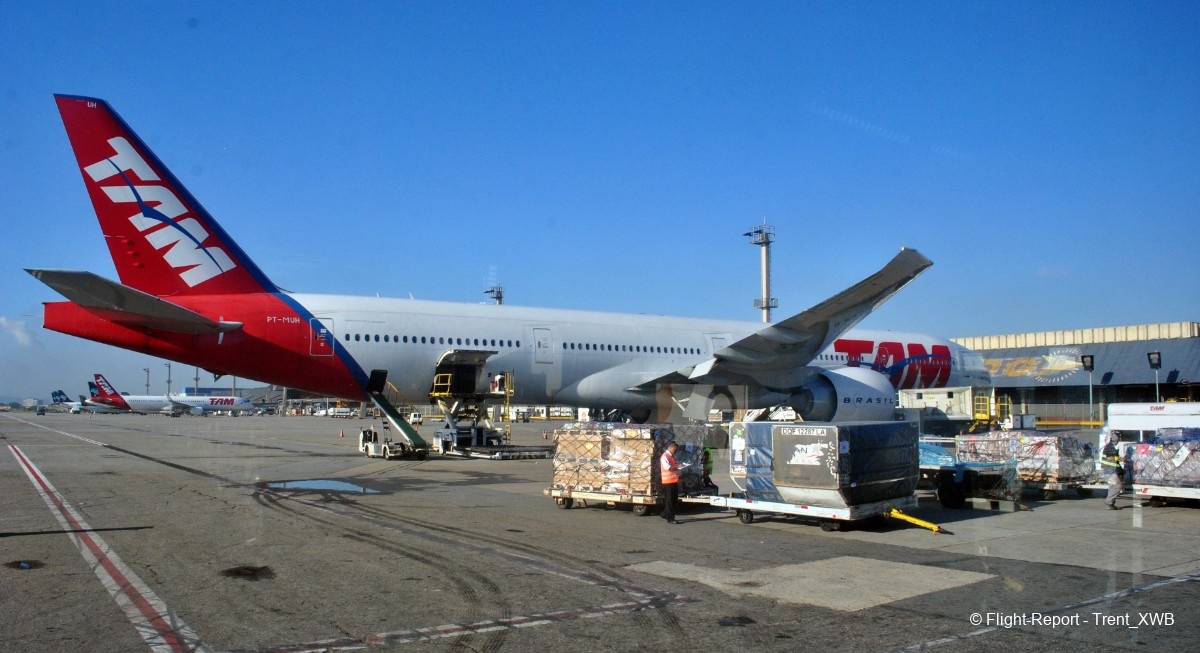
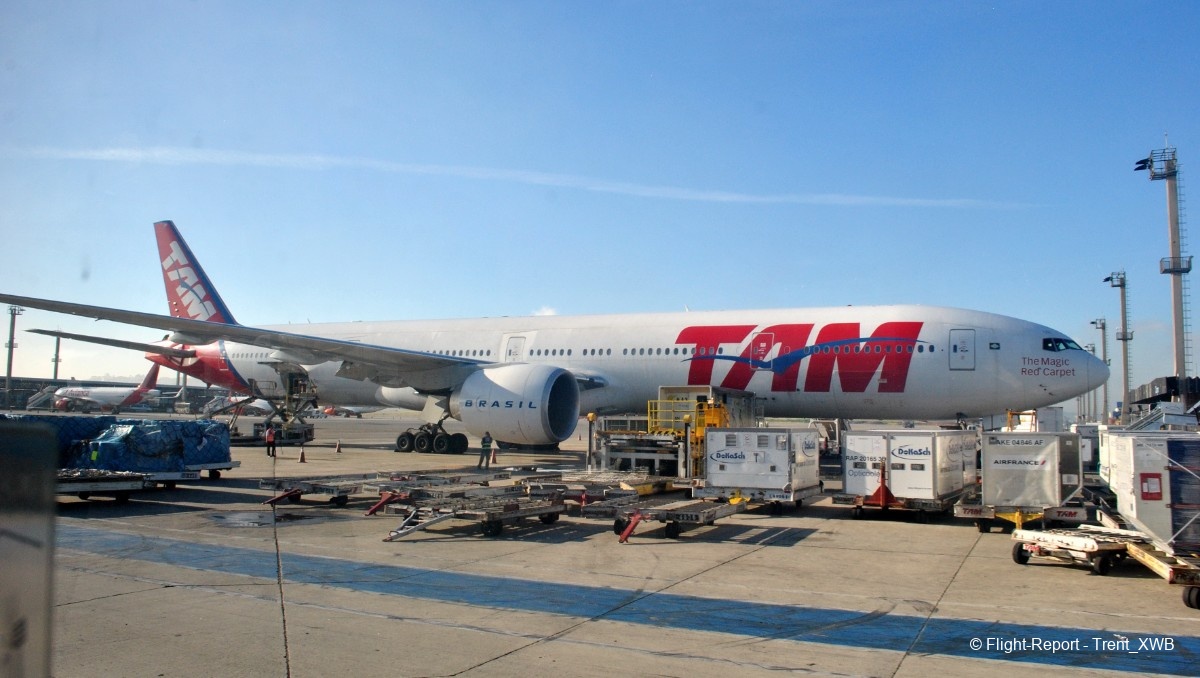
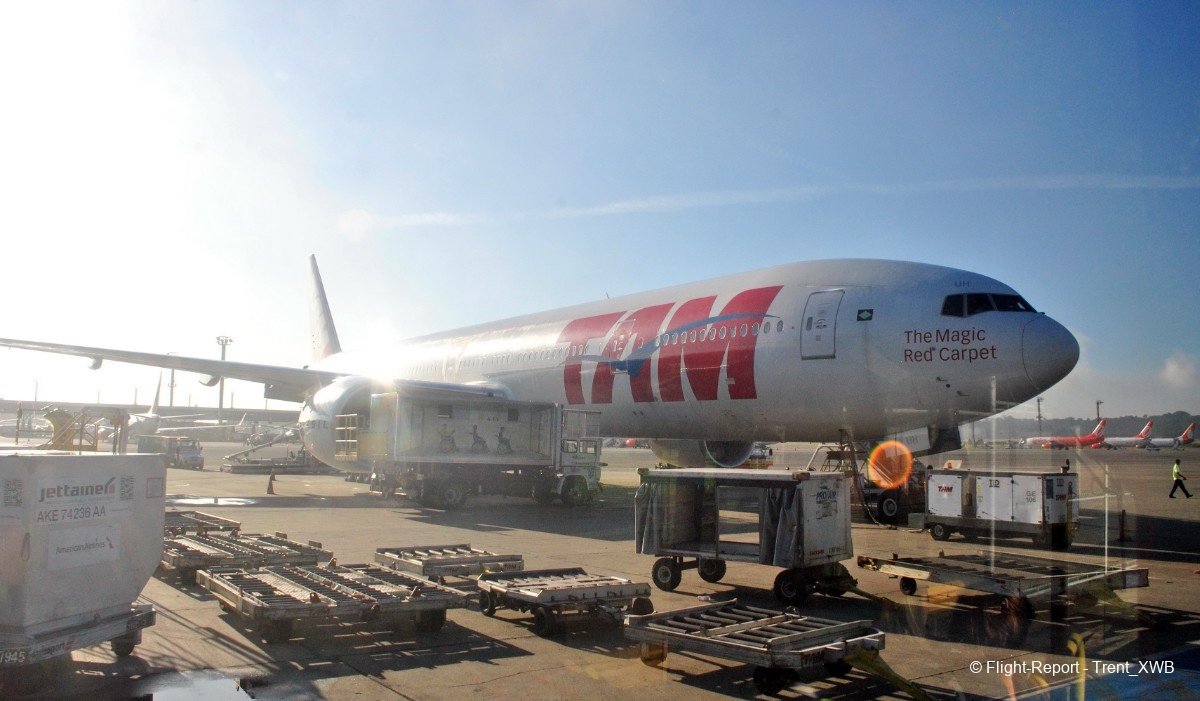
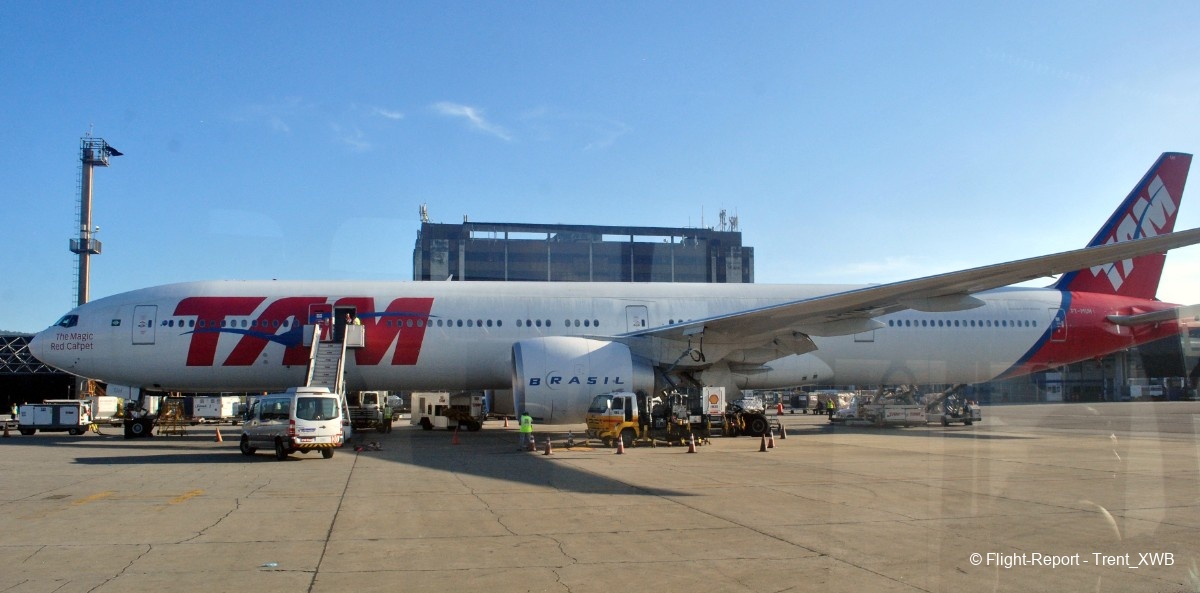
The nose view before climbing the stair. "The magic red carpet" was the motto of the TAM's golden era, which ended in 2014-2015 with the elimination of the first class and the start of the economic downturn in Brazil. Worth noting that the first 3 LATAM's A359, despite being initially painted into the TAM livery, didn't have this motto, because they were from the different era, when luxury was left behind.
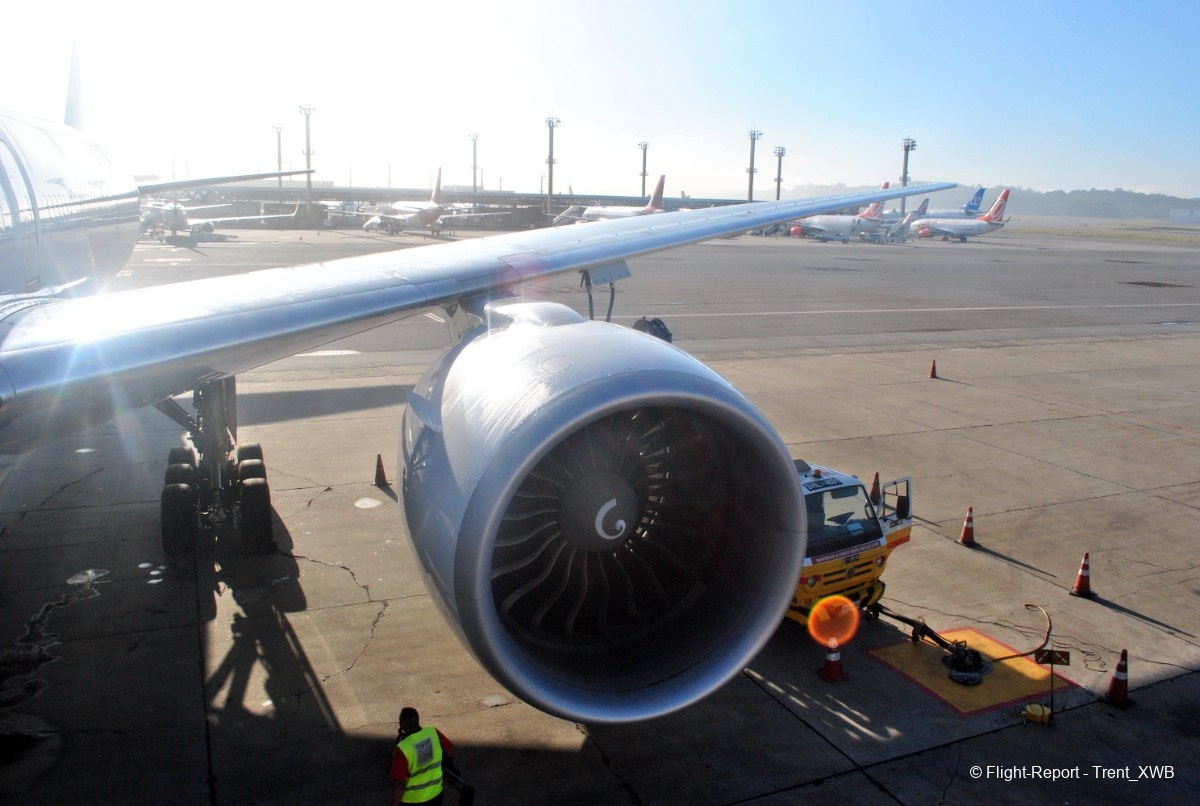
View of the wing, supermighty GE90-115B engine and the MLG from the stair. On the backdrop one can see the domestic part of T2 and numerous LATAM and GOL narrowbodies.
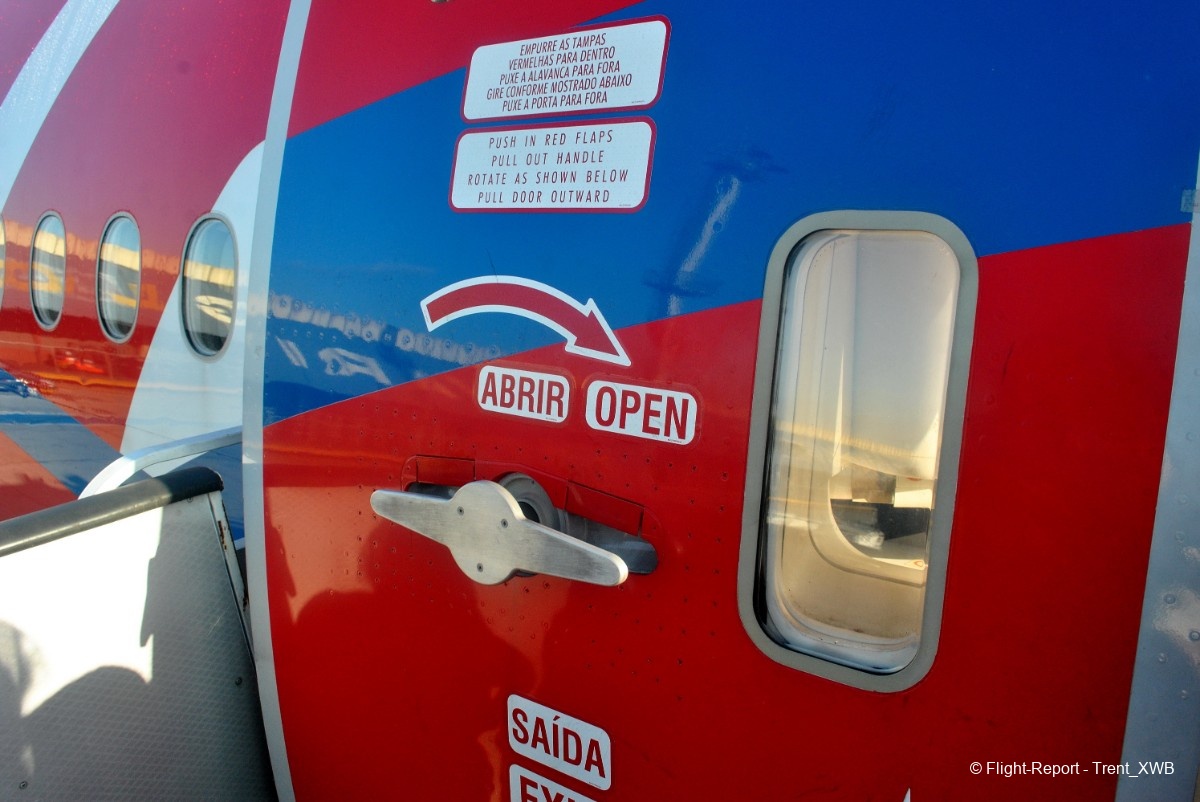
The 2L door.
The Business Class Cabin
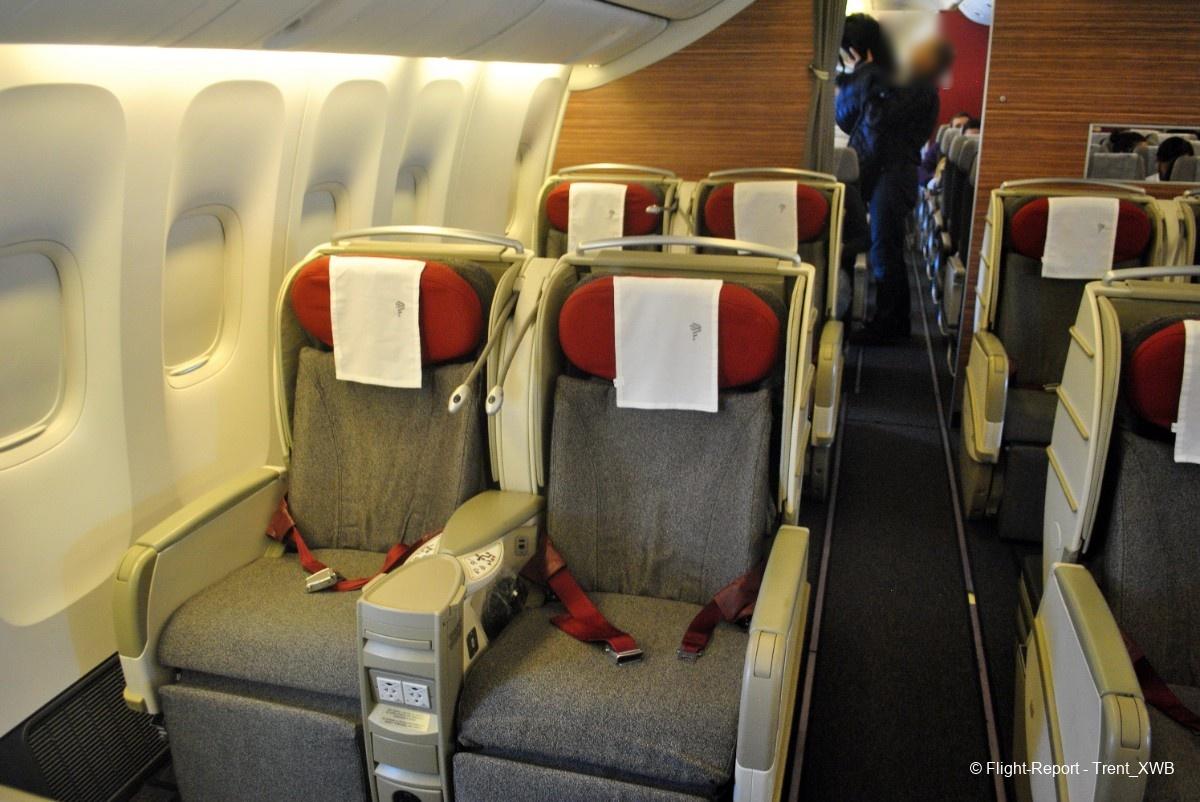
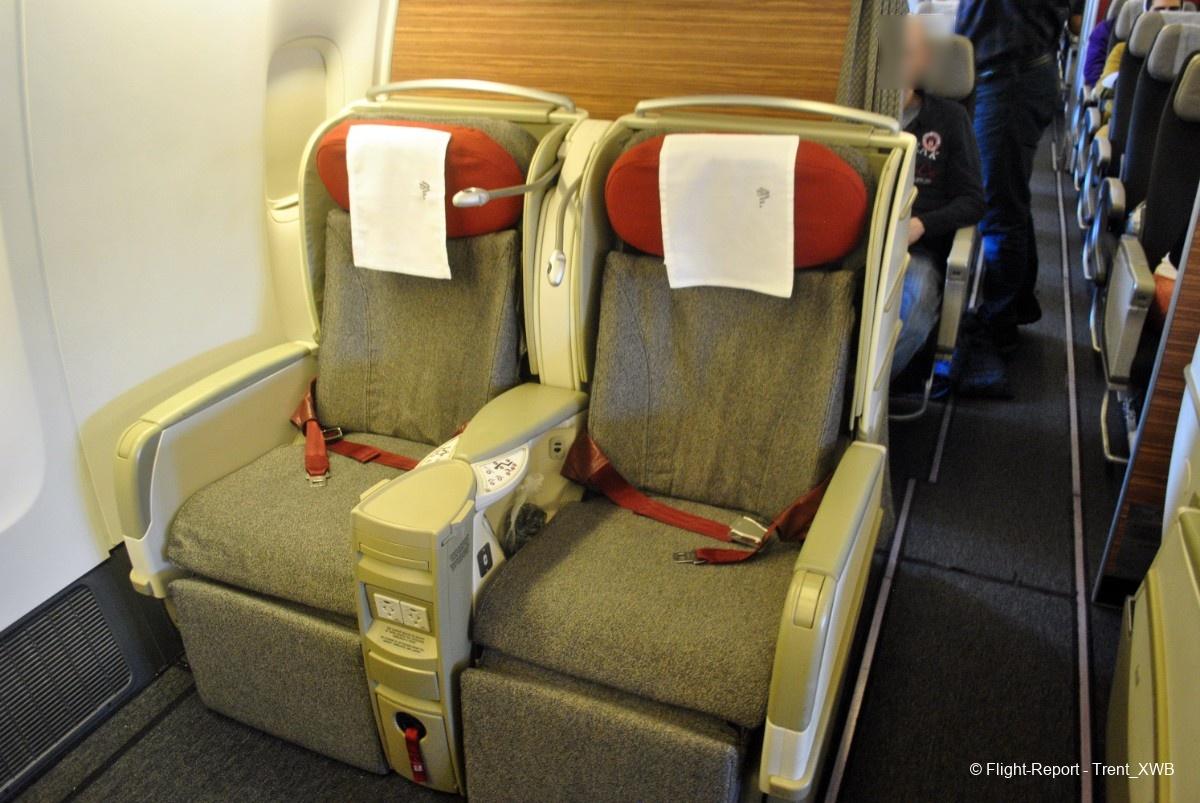
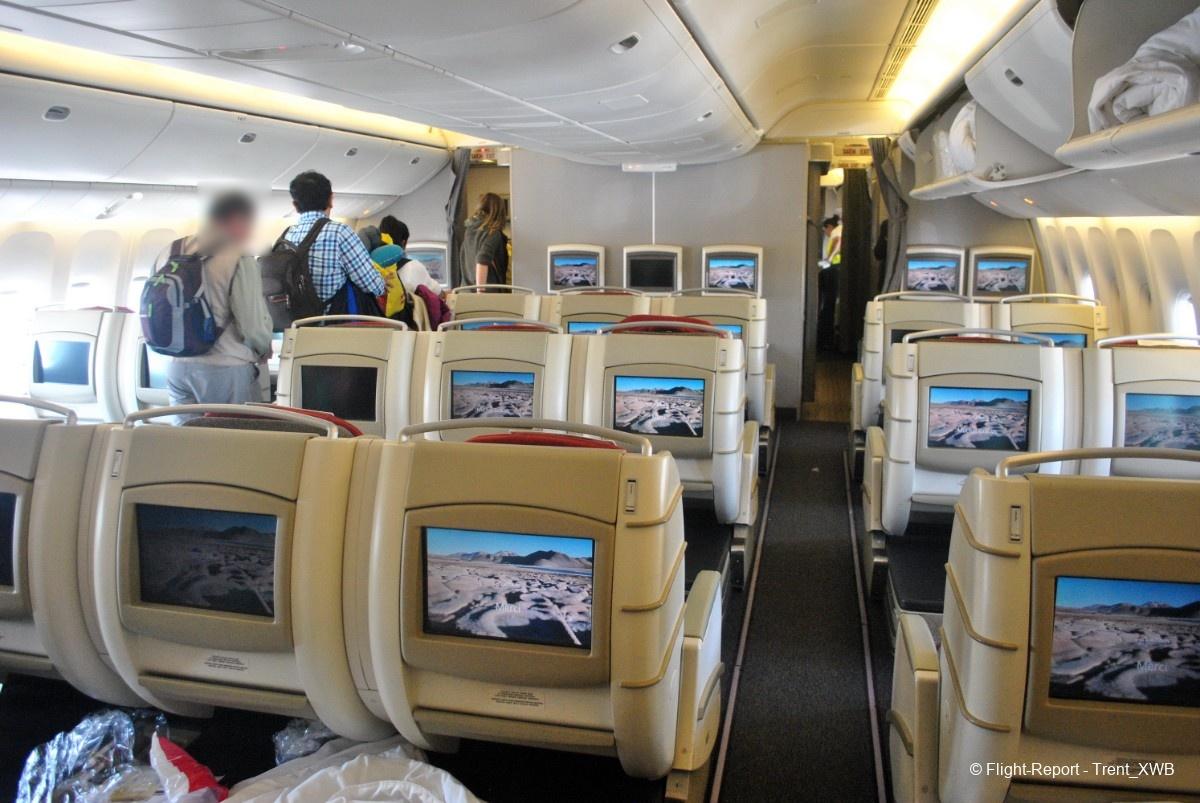
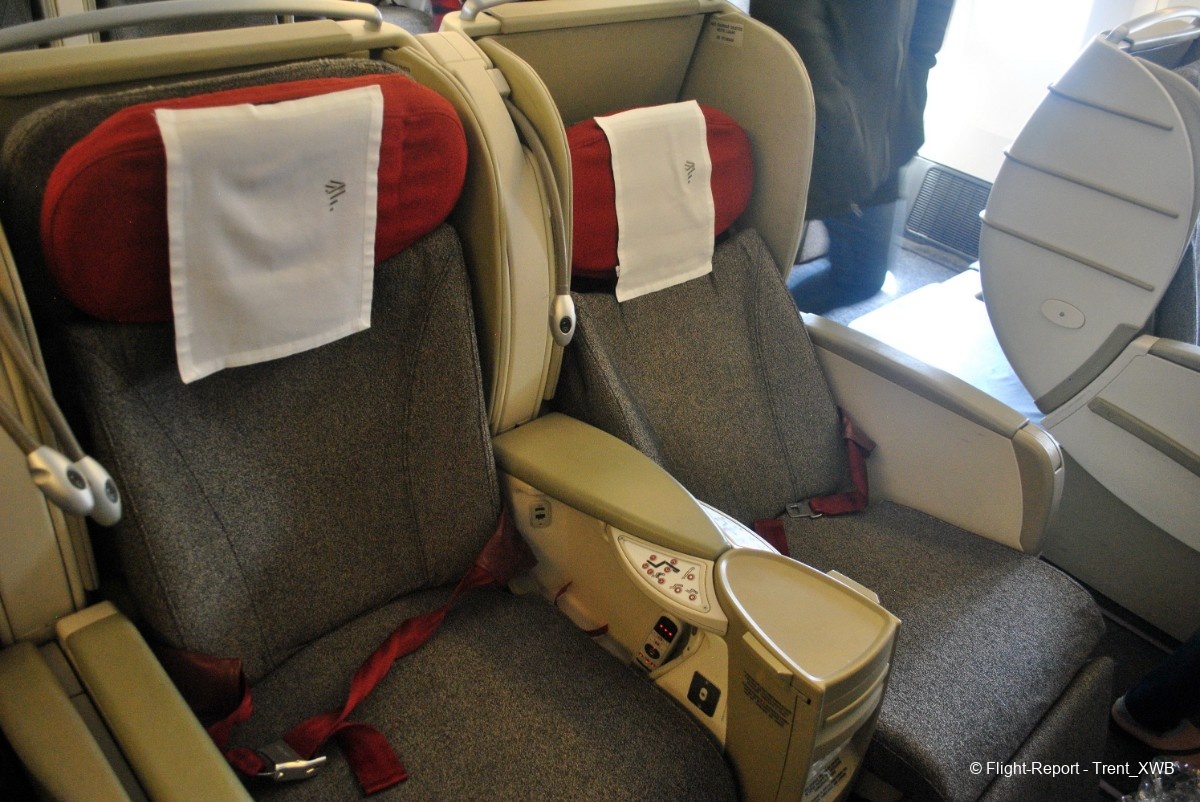
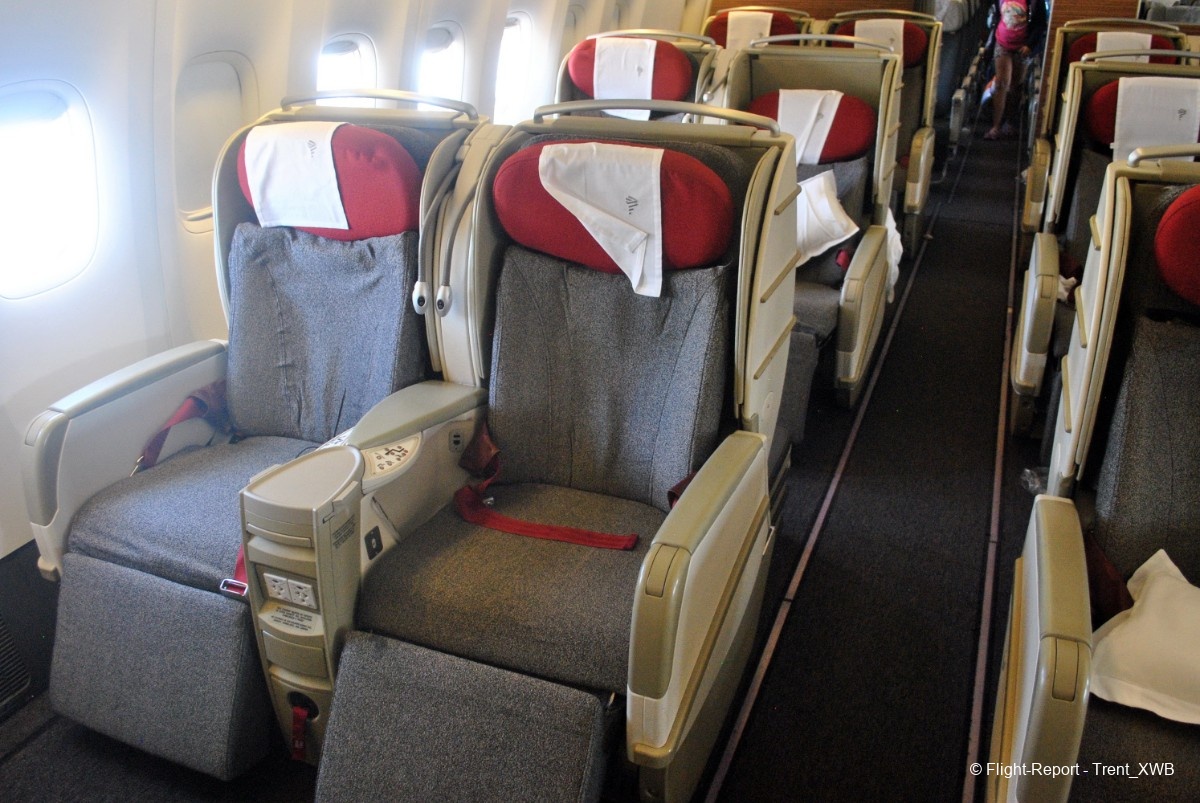
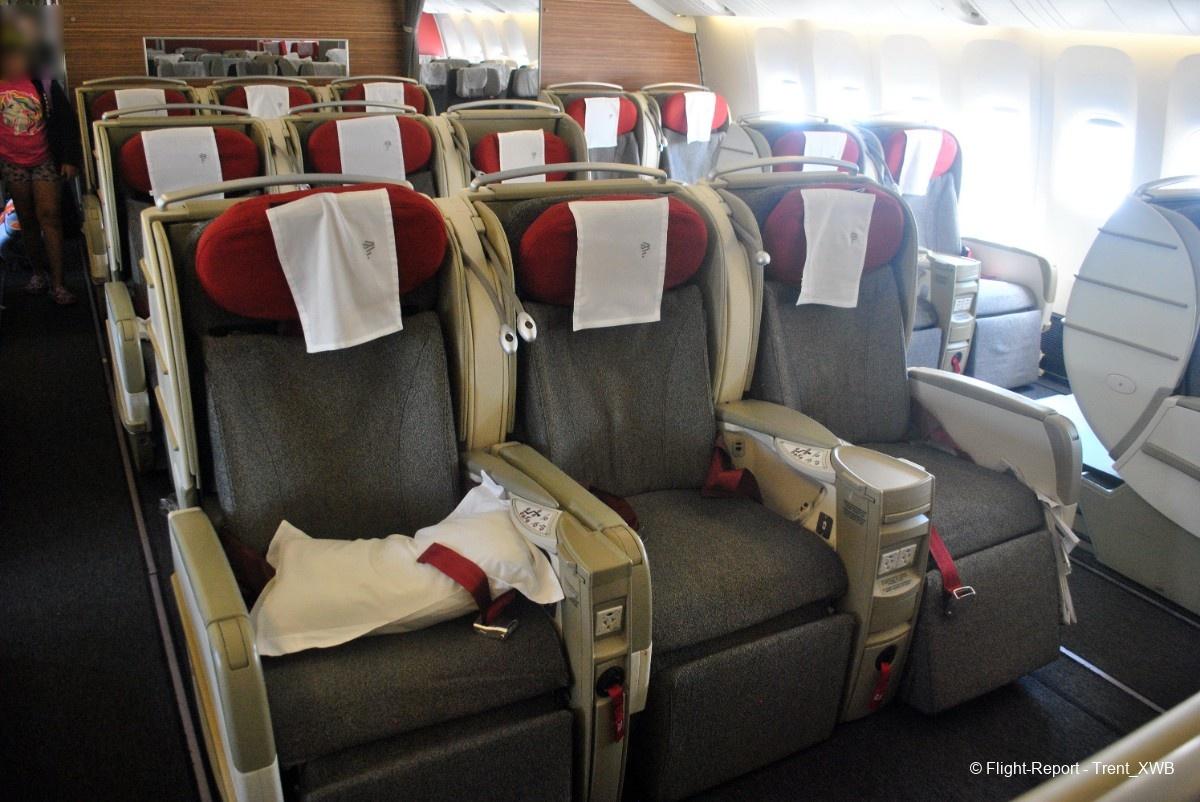
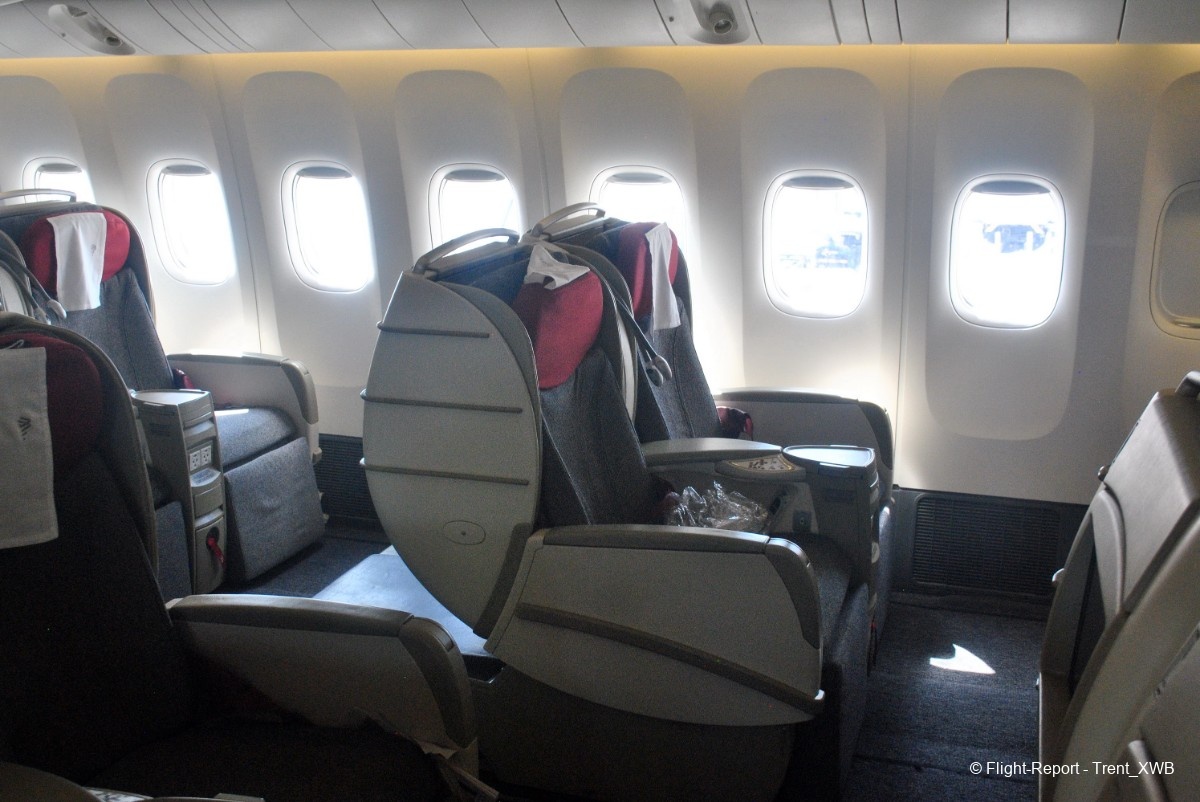
The business class back then consisted of 56 obsolete angle-lie Sicma Majesty seats in 2-3-2 layout, evenly divided between 2 cabins (4 rows in each): the front cabin being located between 1L/R and 2L/R doors and the second - after 2L/R doors. It's hard to explain why LATAM chose to order these obsolete seats (which already was very dated in 2012, when this aircraft was built - for example, Turkish Airlines chose 2-3-2 lie-flat Zodiac Aura / Aura Lite for its B77Ws with some of them being 2010-built) for its previous-gen widebodies. Maybe the purpose was better differentiation with first class. Without first, this layout looked extremely dull for the LATAM's flagship. BTW, these Sicma Majesty seats can still be found even now, in 2026, in some airlines: for example, Turkish Airlines operates 5 ex-JJ PW-powered A332s (C24_Y255) with these seats, MIAT Mongolian Airways operates single B763 with these seats in 2-1-2 layout (C15_Y237) and Uzbekistan Airways operates 4 similar B763s (C15_Y232).
Some views of the 2nd business cabin.
The Economy Cabin
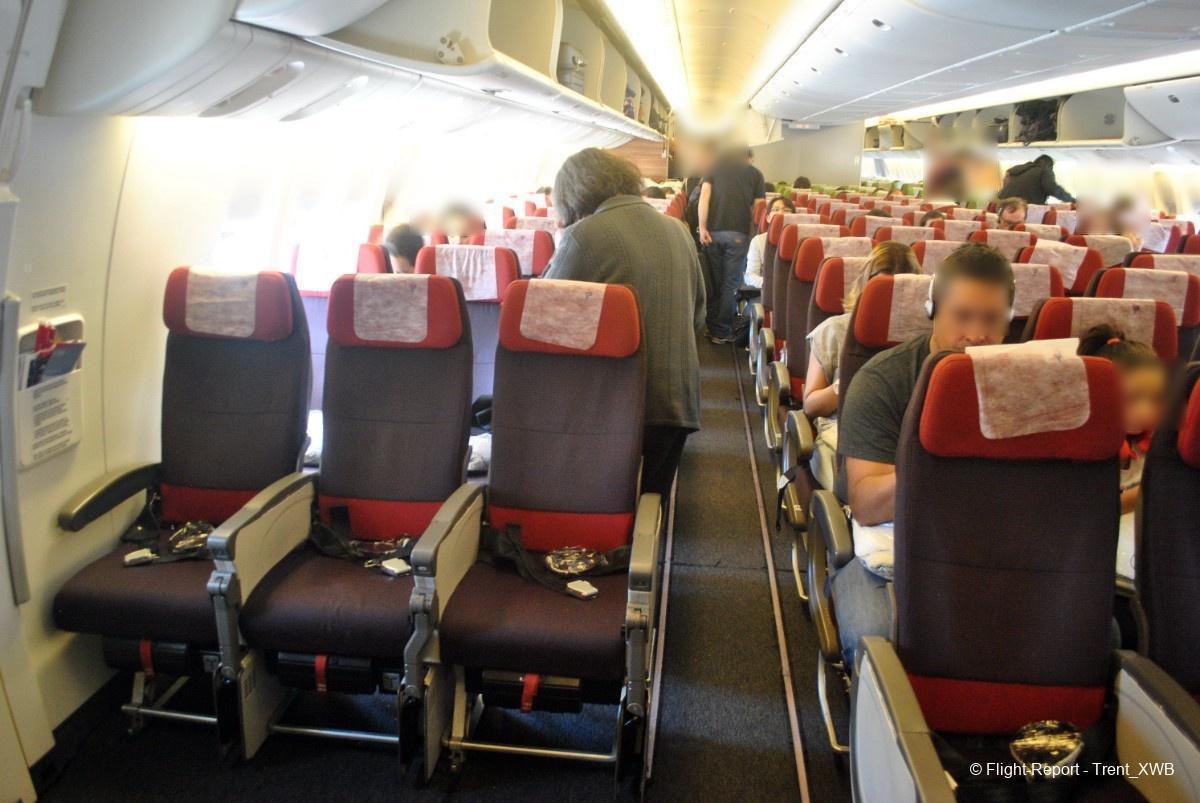
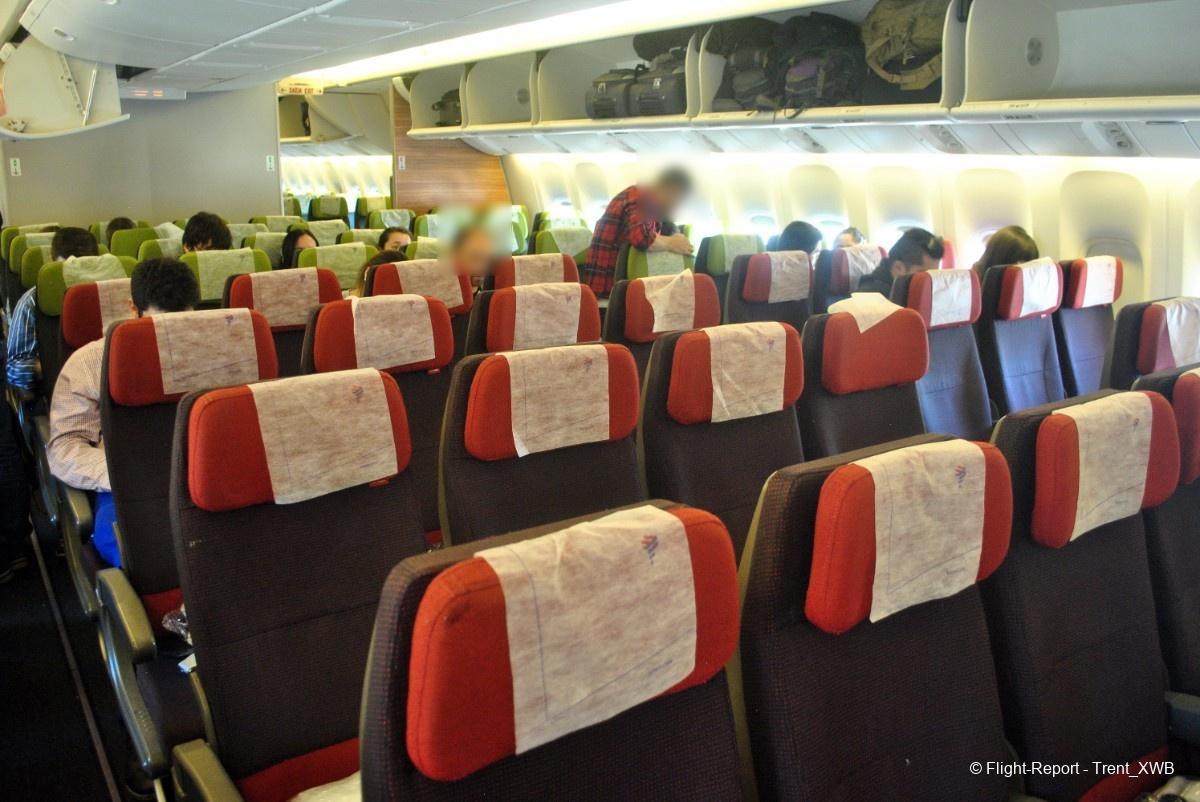
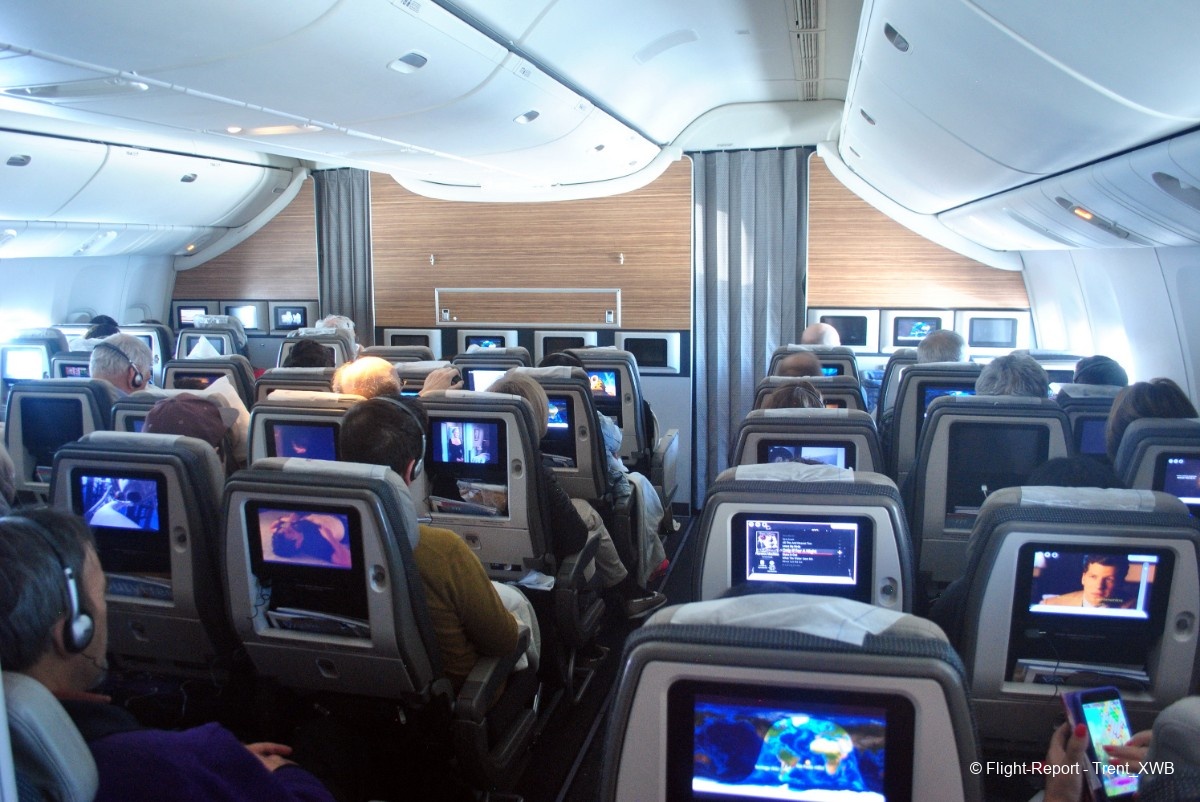
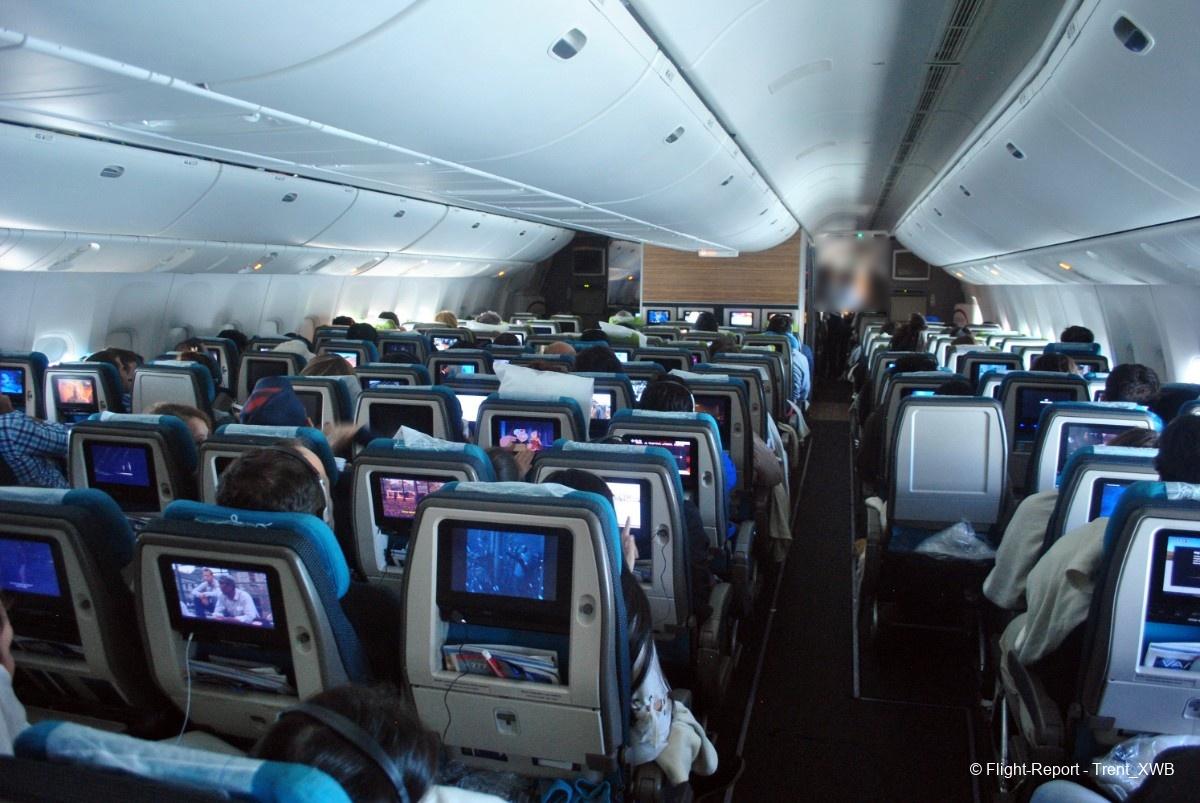
The economy class back then consisted of 323 seats in 3-4-3 layout, distributed over 3 cabins: the front smaller one between the 2nd business cabin and 3L/R doors, the middle one between 3L/R and 4L/R doors, and the rear one between 4L/R and 5L/R doors.
A couple of views of the middle economy cabin.
The Economy Seat
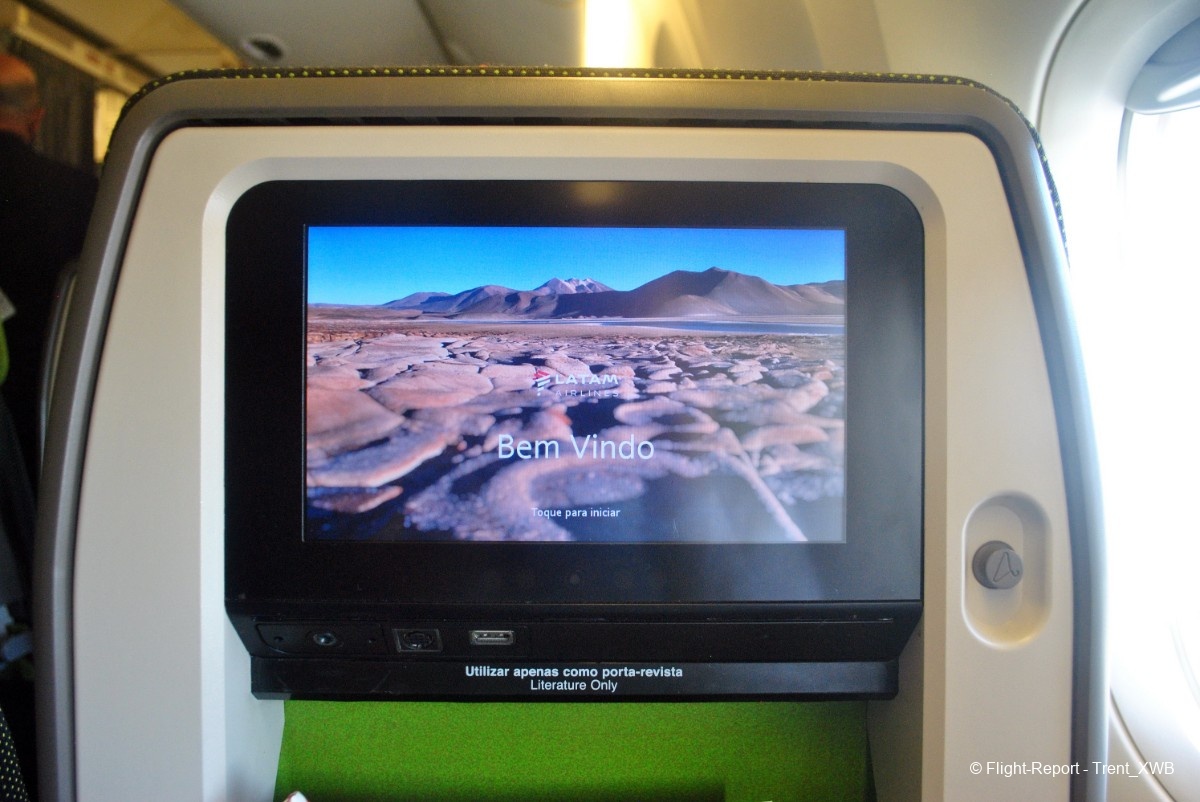
My seat 39K was located in the front part of the rear economy cabin. The seat model reminds Safran Z300, but I guess it was Zodiac-branded back in 2012. I didn't measure the seatwidth, but it's apparent that economy seat with full-sized armrests cannot be wider than 17.0" in 3-4-3 B777. The seat had ample padding and felt comfortable, especially for this 3.5-hour mid-haul flight. The seatpitch was quite good. The seat had fabric upholstery, adjustable headrest, IFE with fixed-mounted screen and USB port, coat hanger, upper hard seat pocket, bi-fold tray table, lower soft seat pocket, soft legrest and universal power socket underseat (2 per 3 seats). Waiting on the seats were pillow, blanket and headset. And yes - flying in this economy from GRU to FRA will be way better than in abysmal Recaro economy of LH B748.
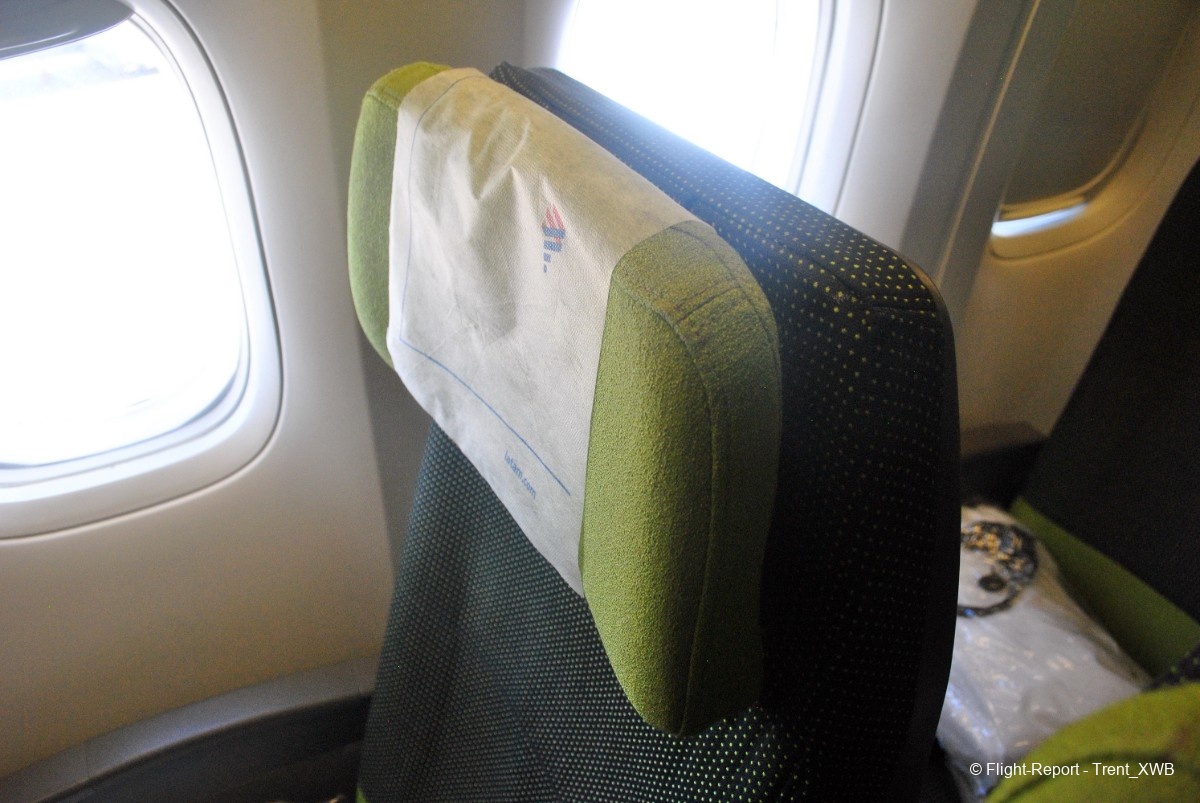
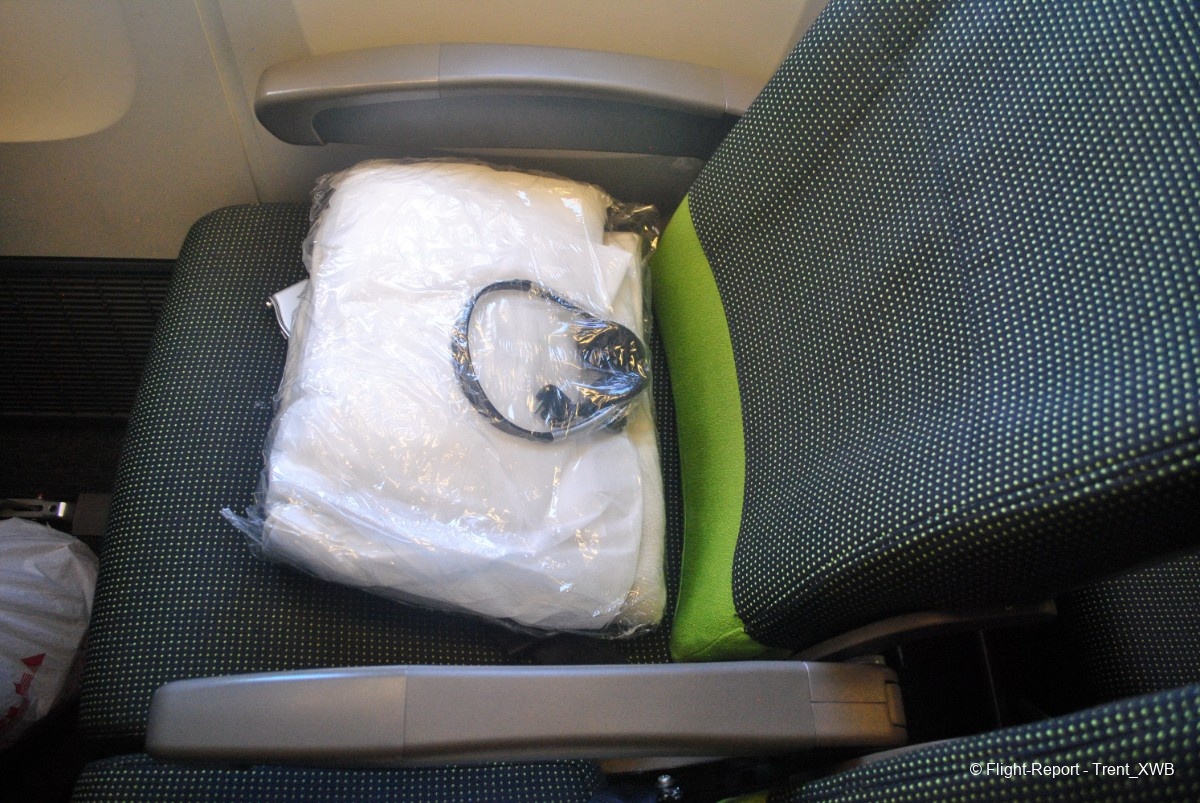
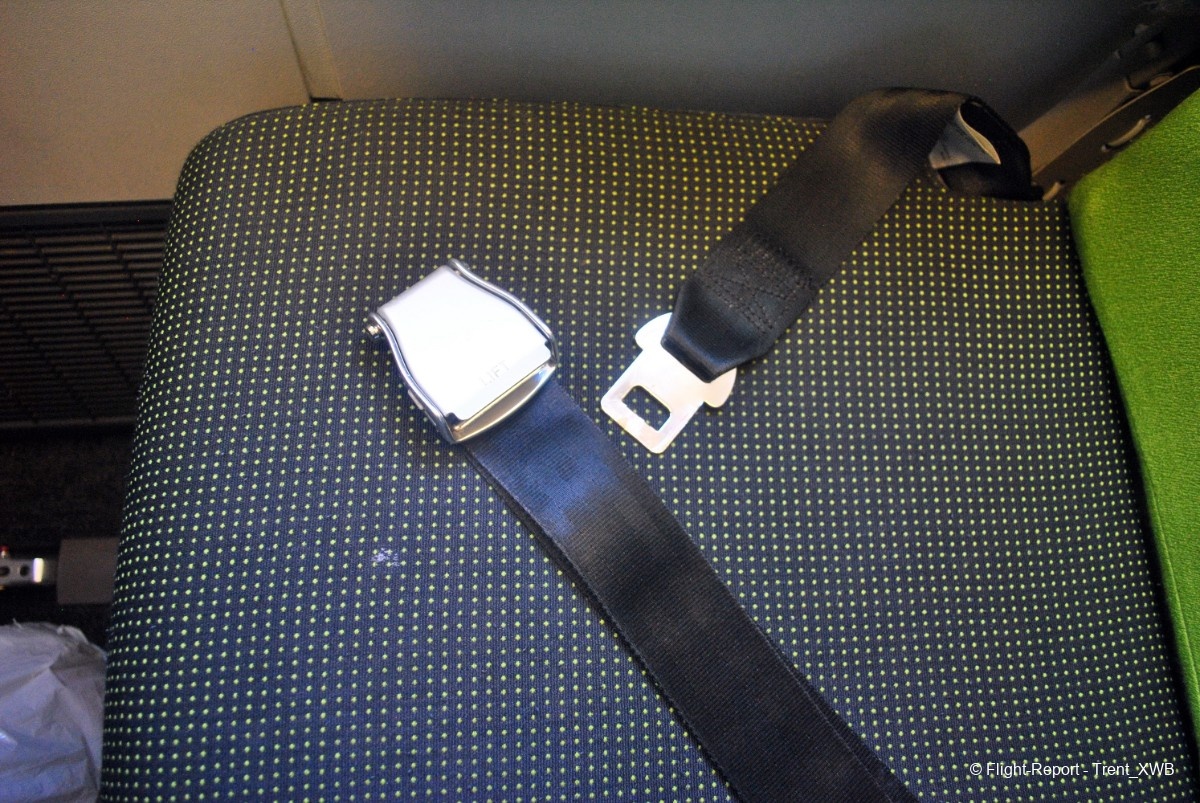

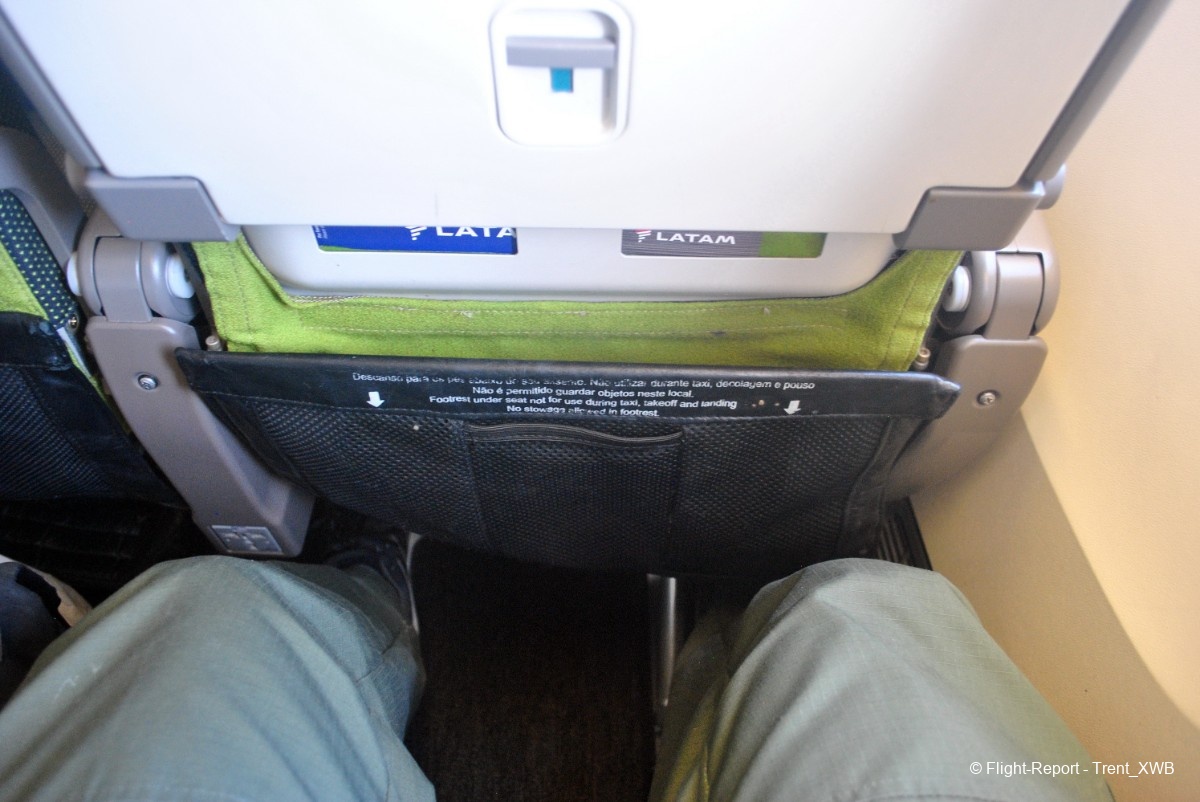
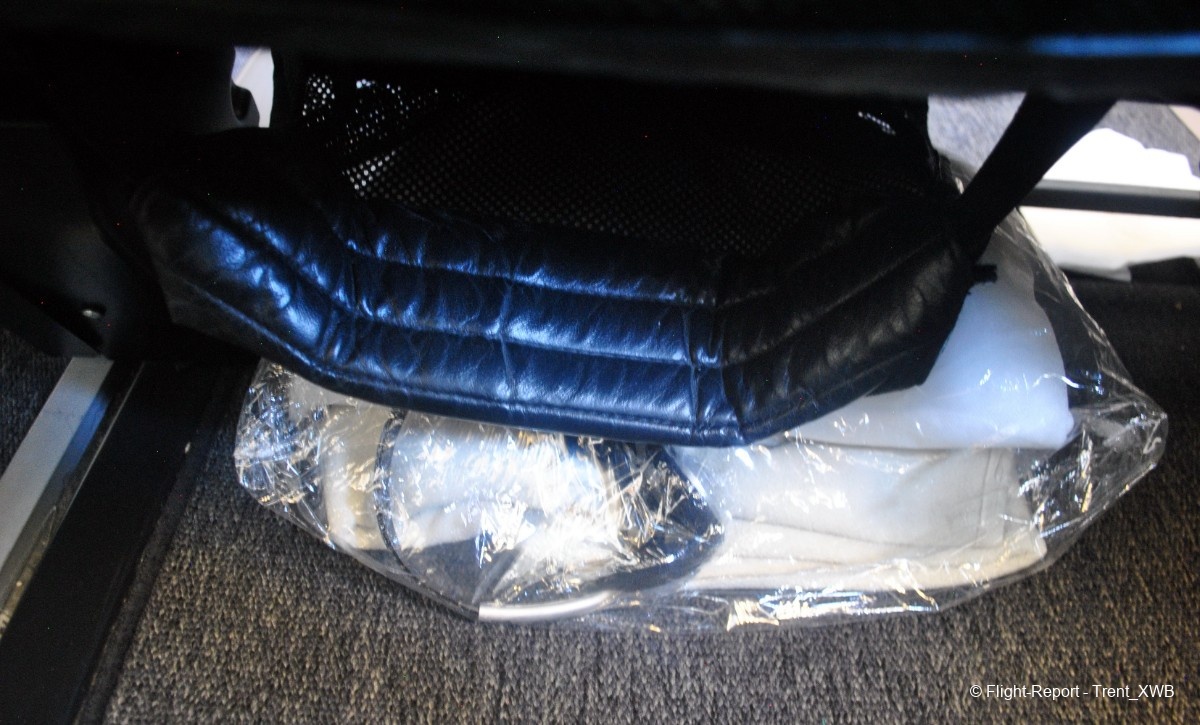
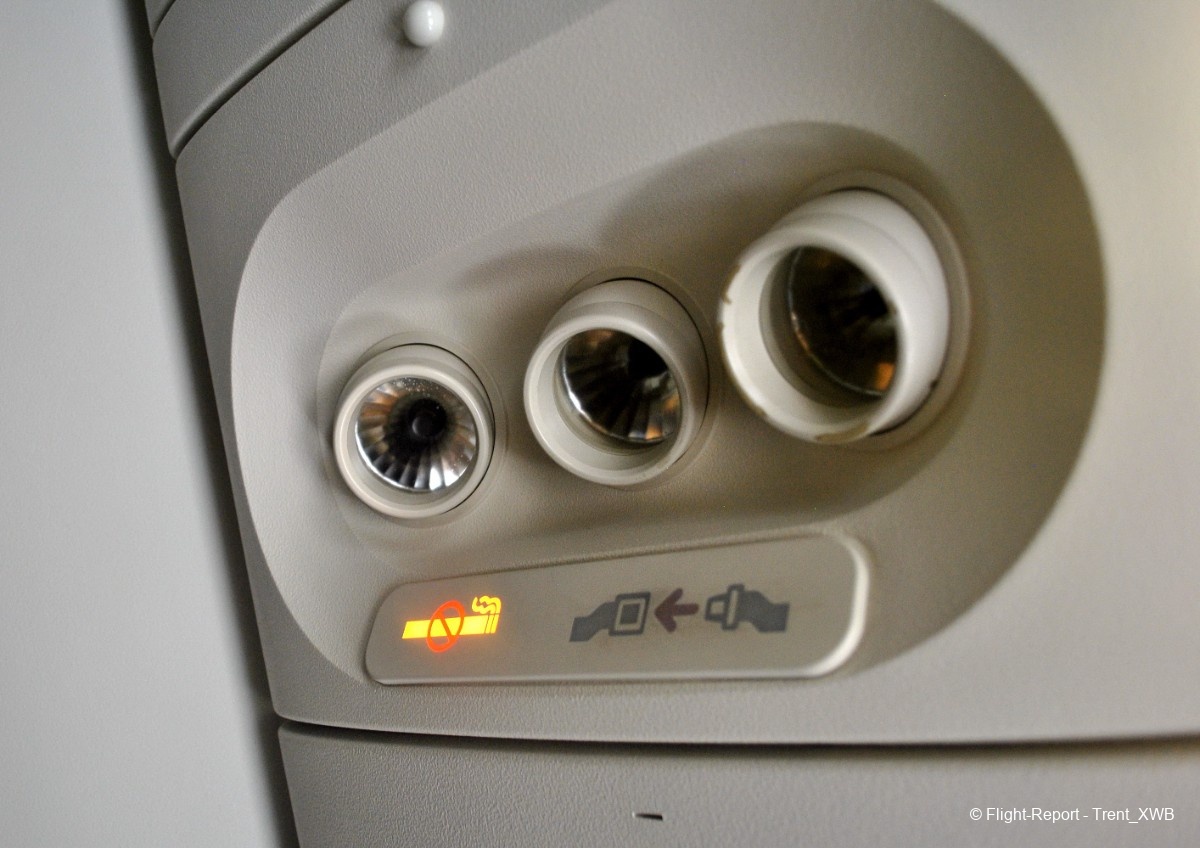
The overhead panel is standard without airvents.
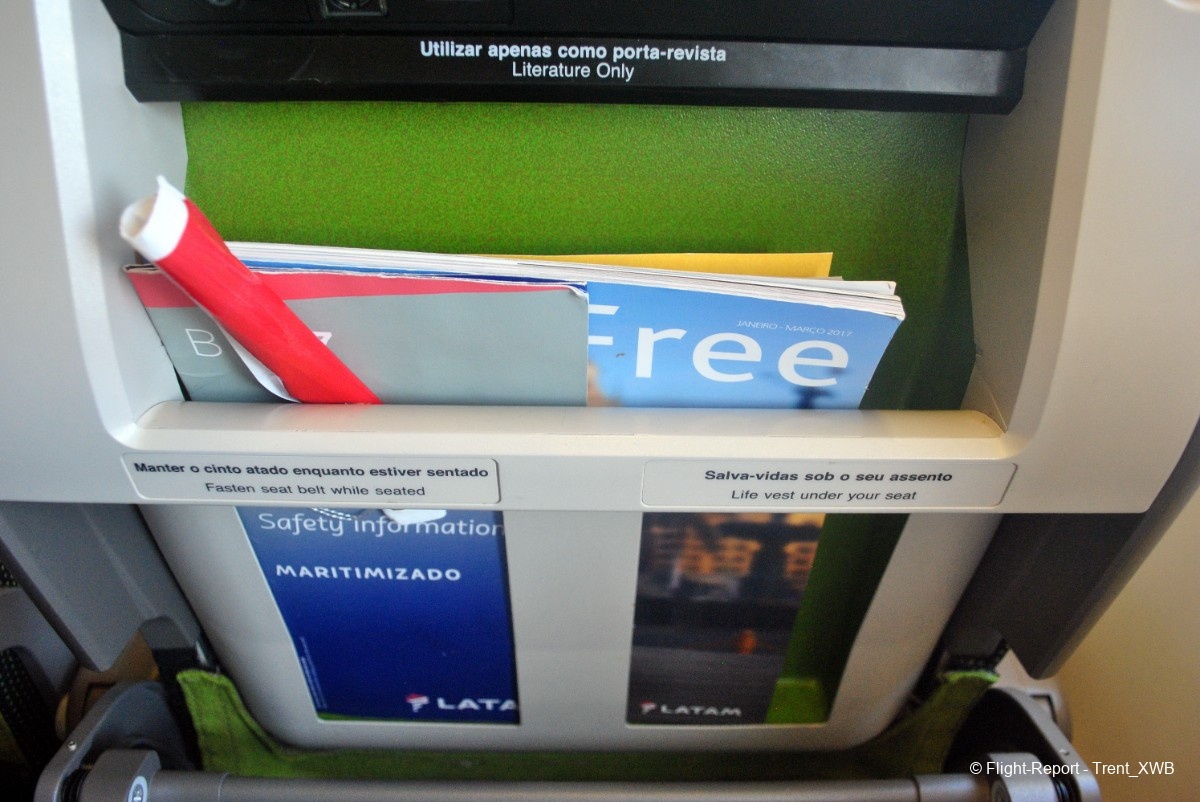
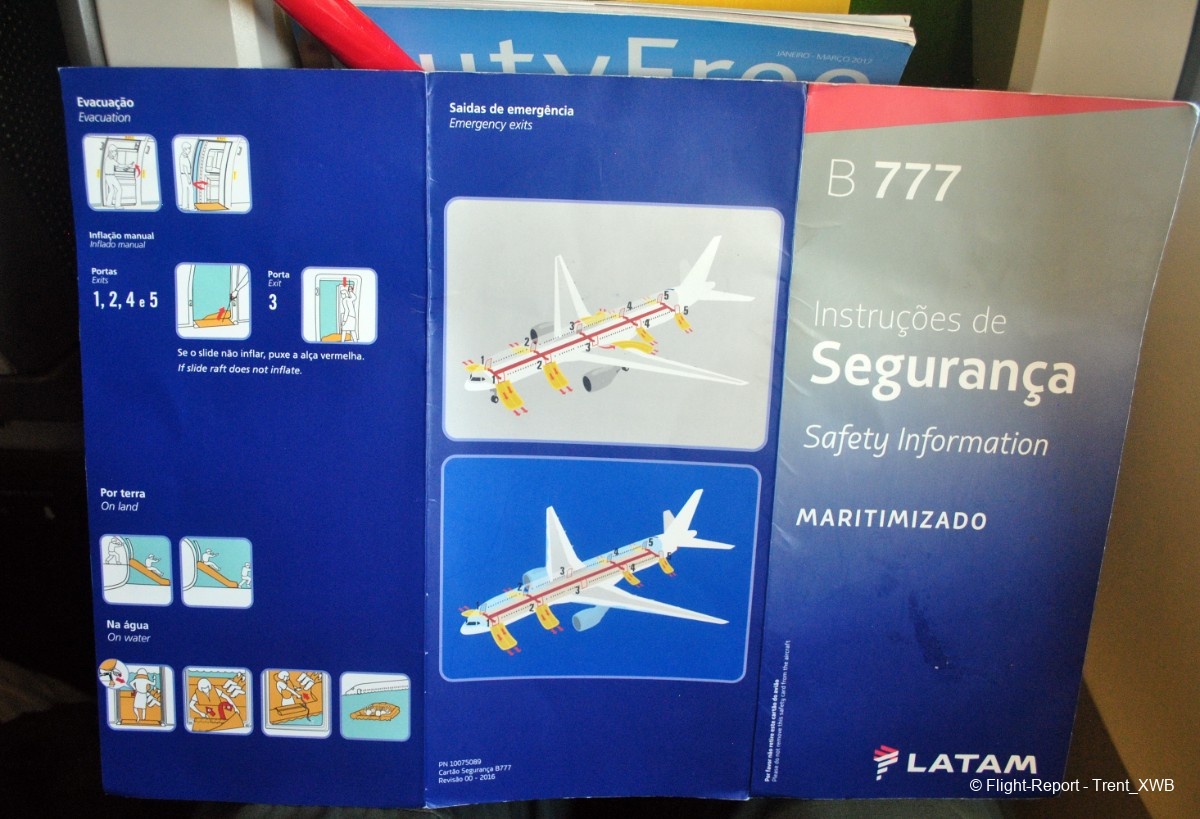
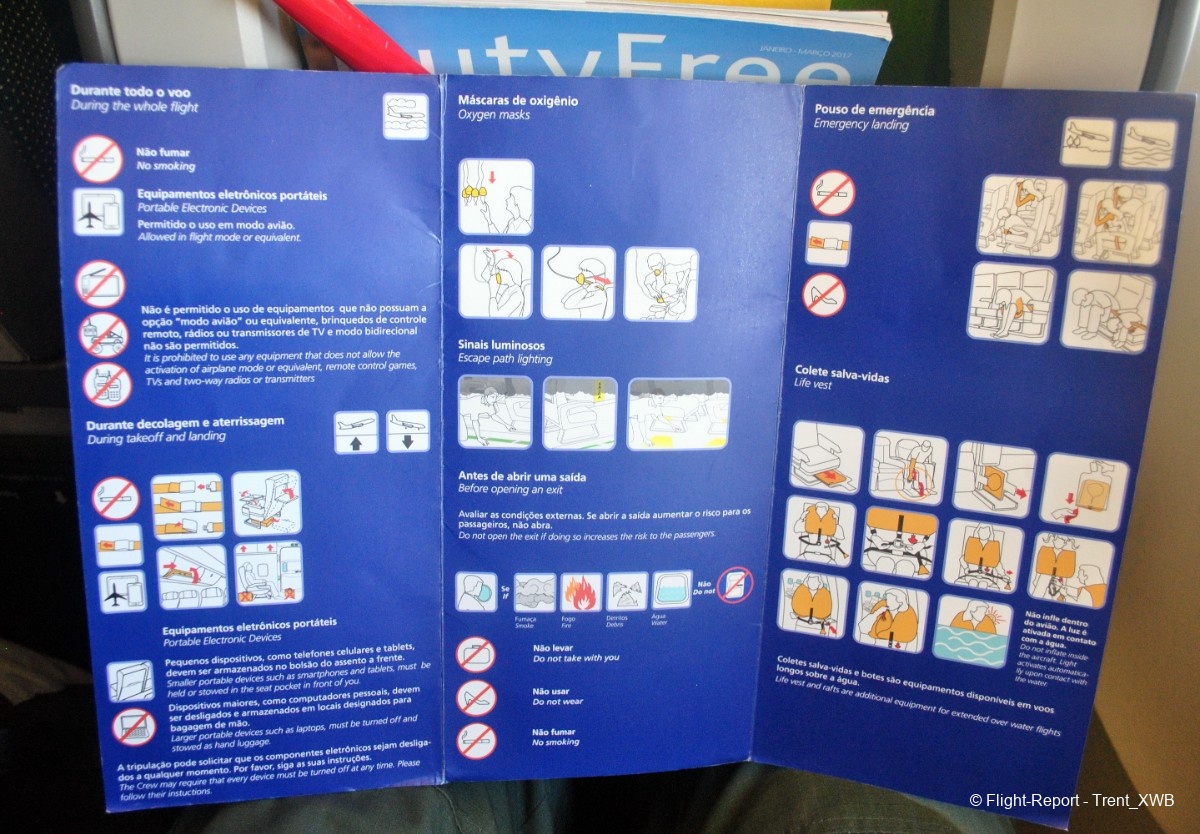
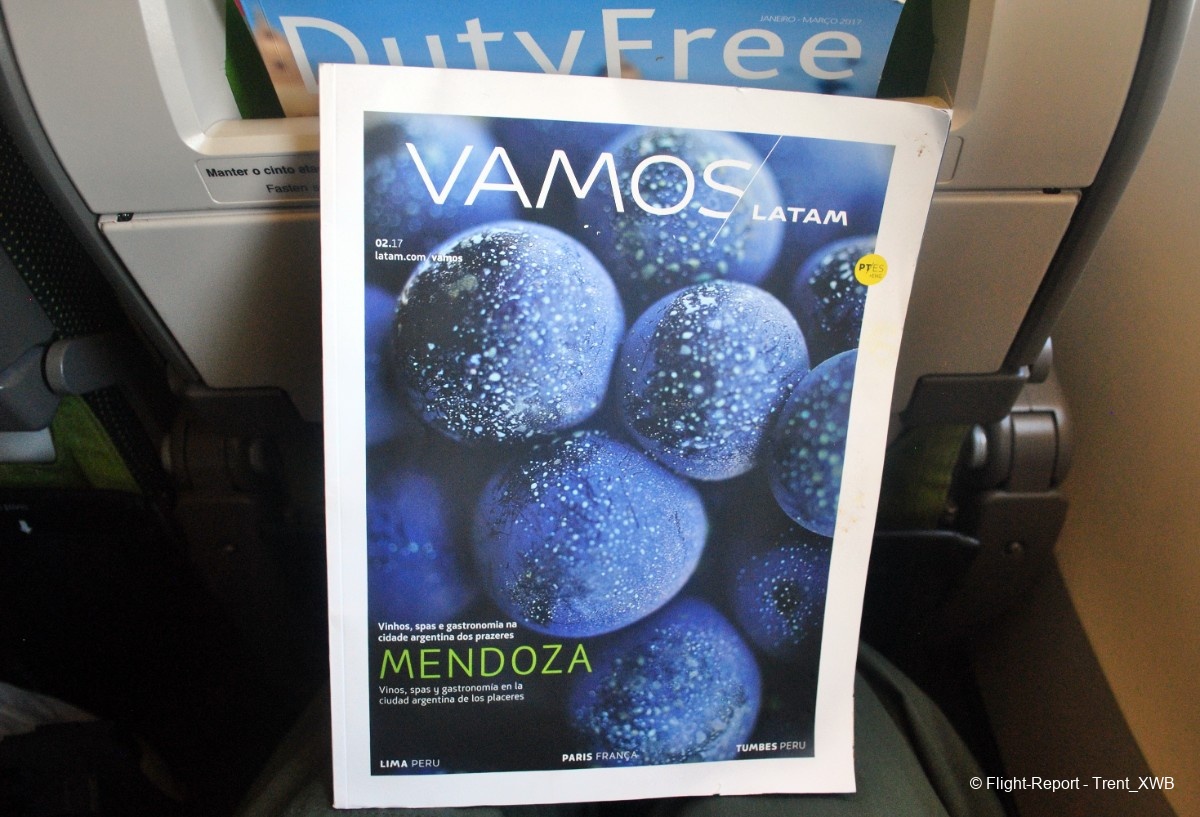
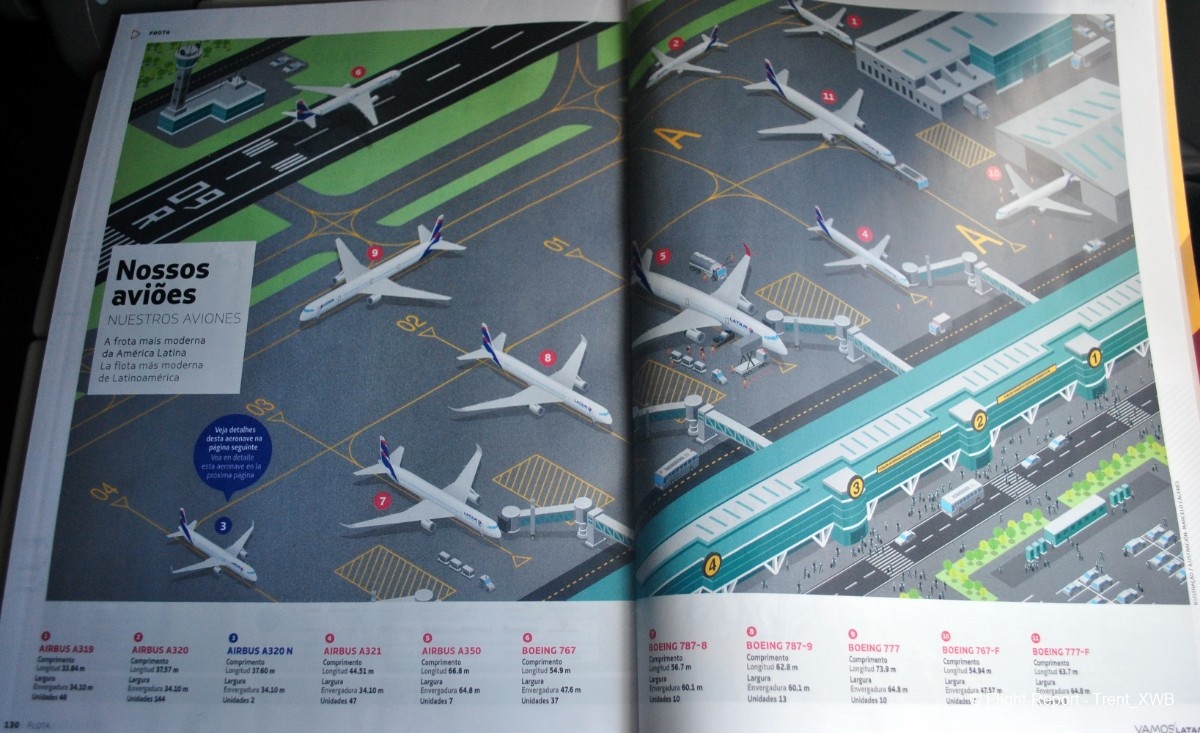
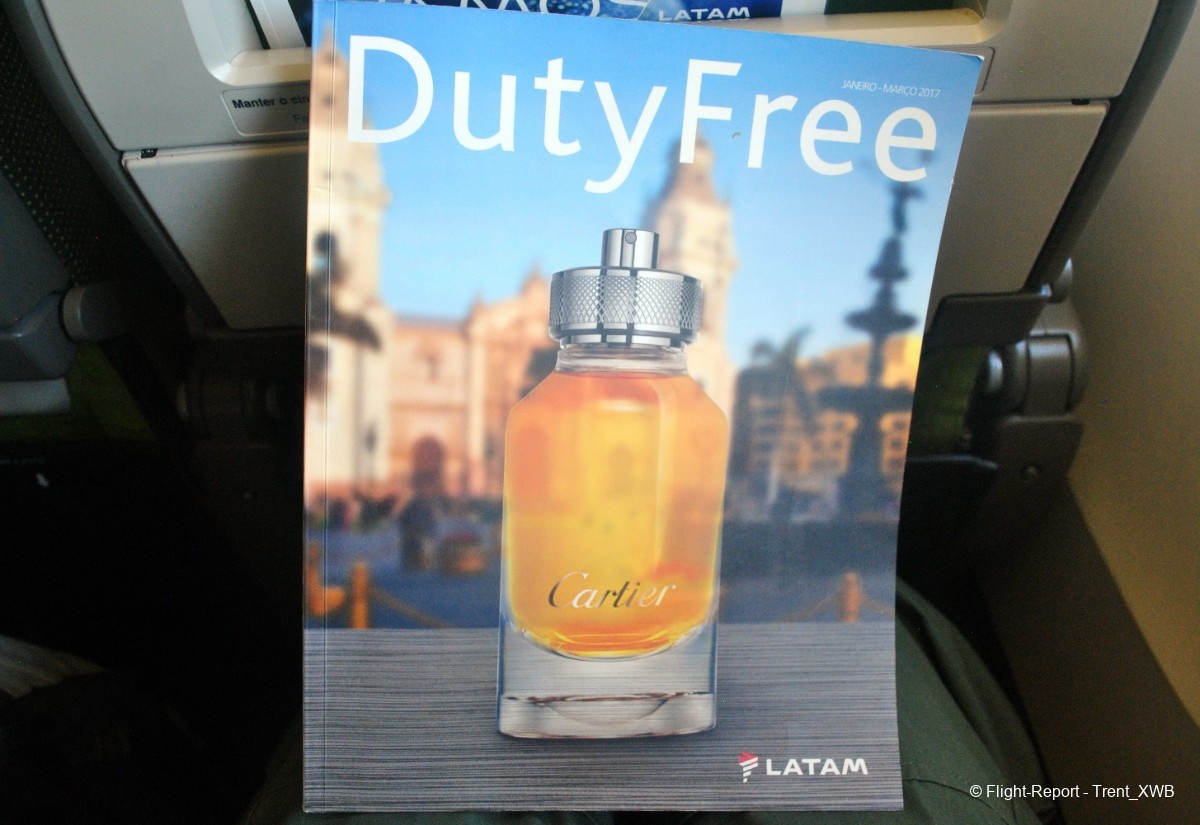
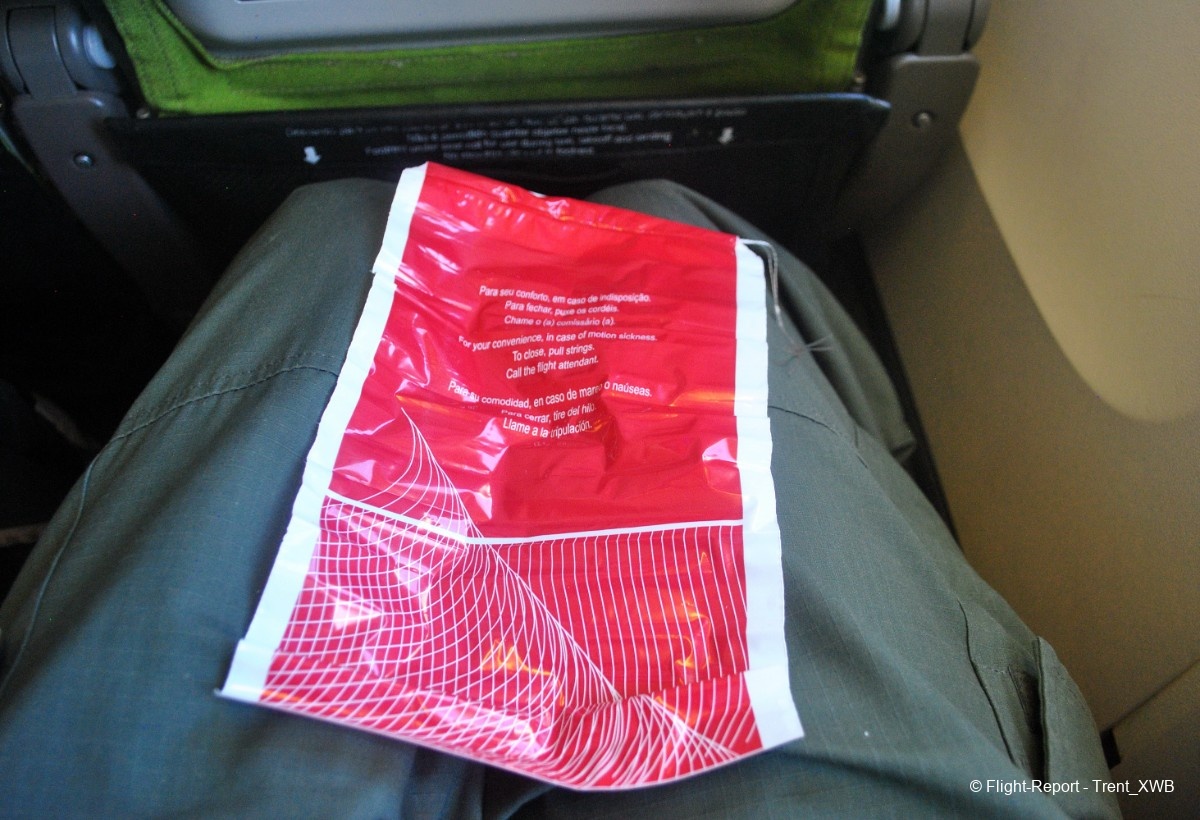
The seat pocket content: safety card, inflight magazine (with the photo of the then-current LATAM fleet page), duty-free magazine and waste bag.
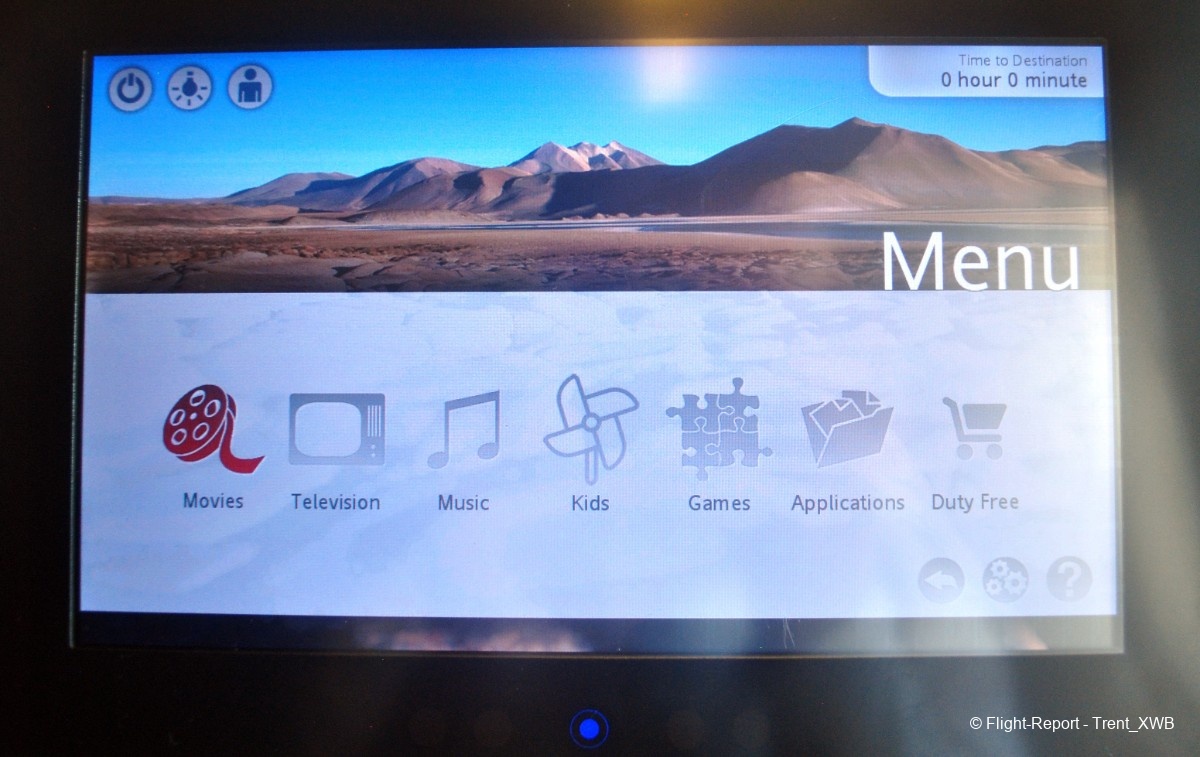
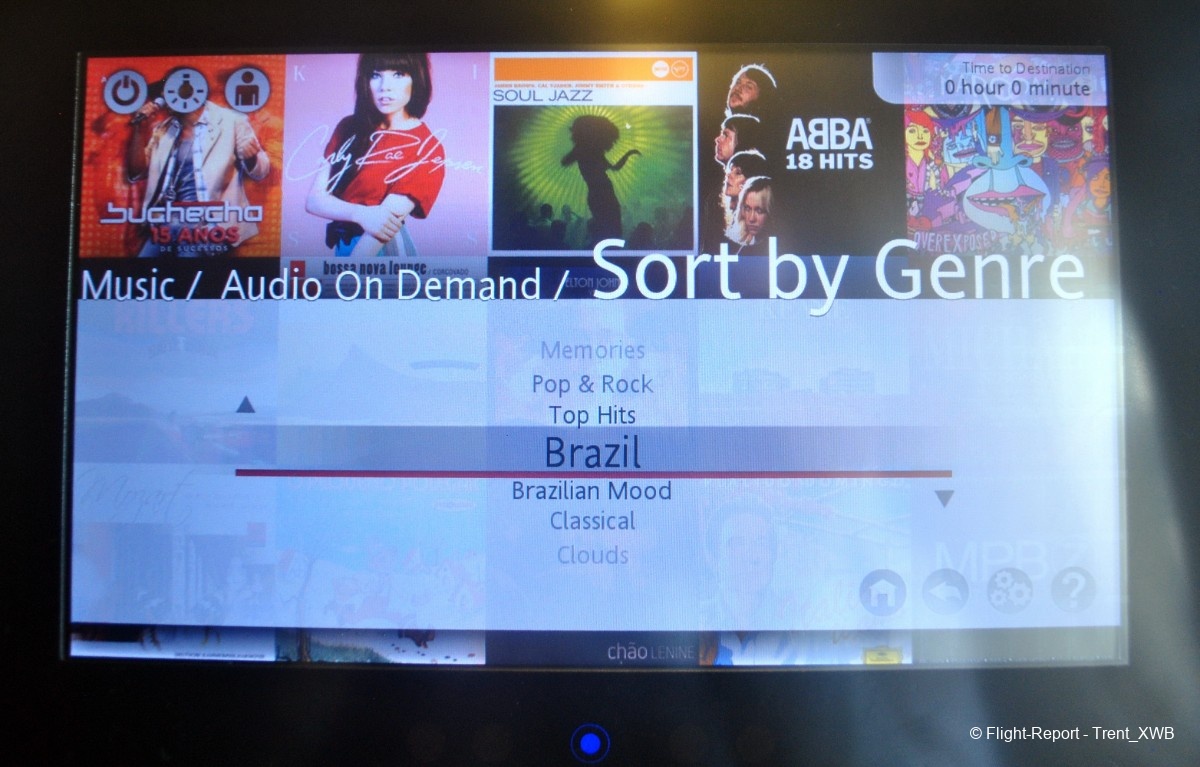
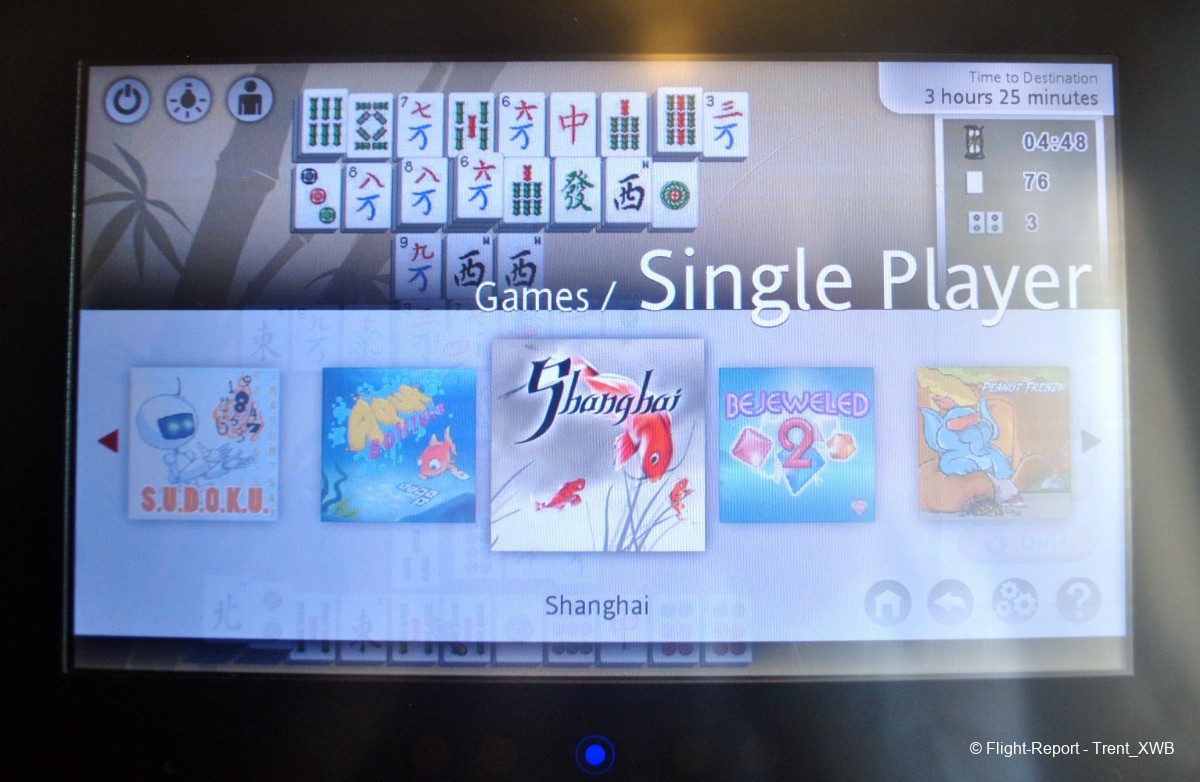
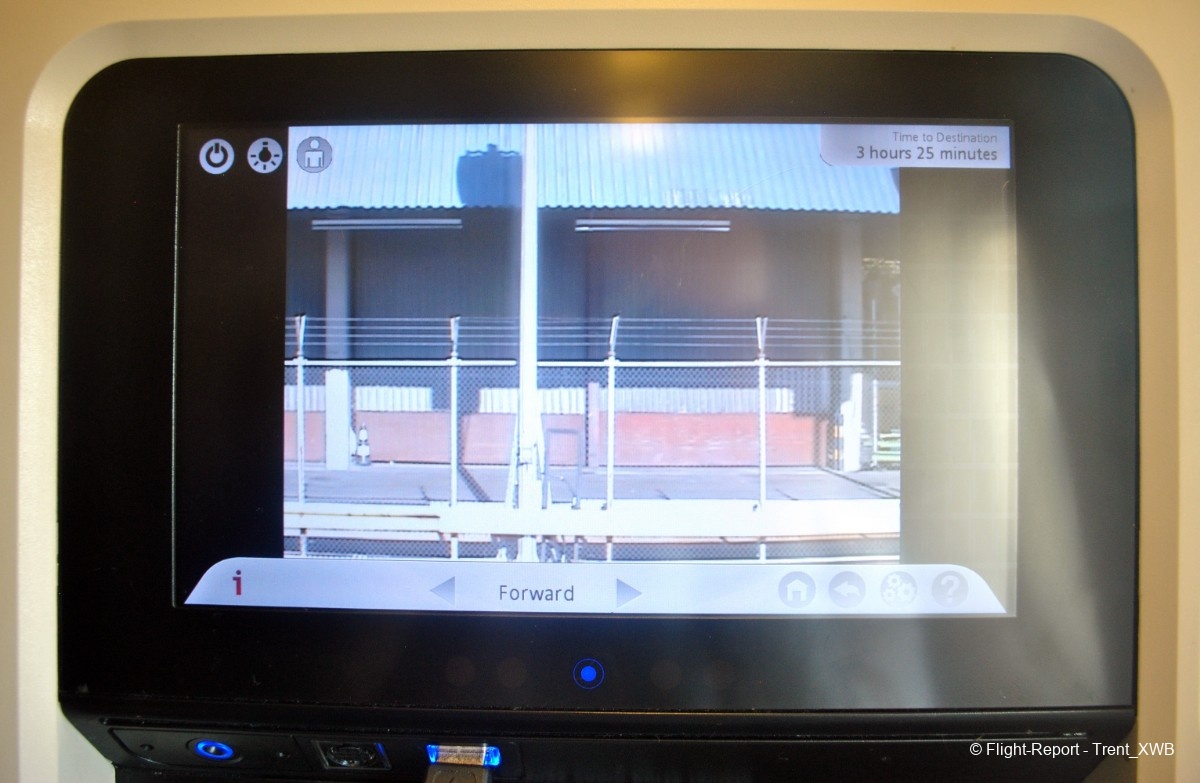
Some screenshots of the IFE, which even had camera (a rarity on B777)!
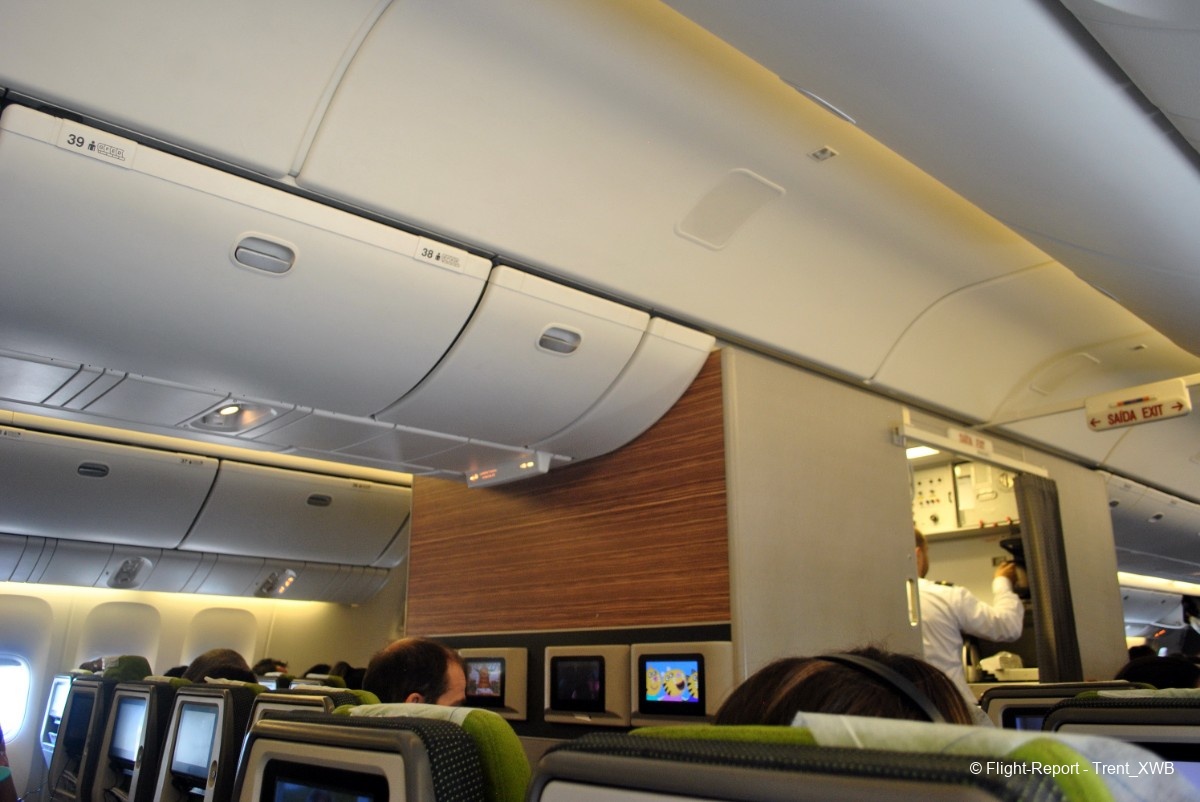
Cabin view before departure. Notice the galley near 4L/R doors.
The Flight
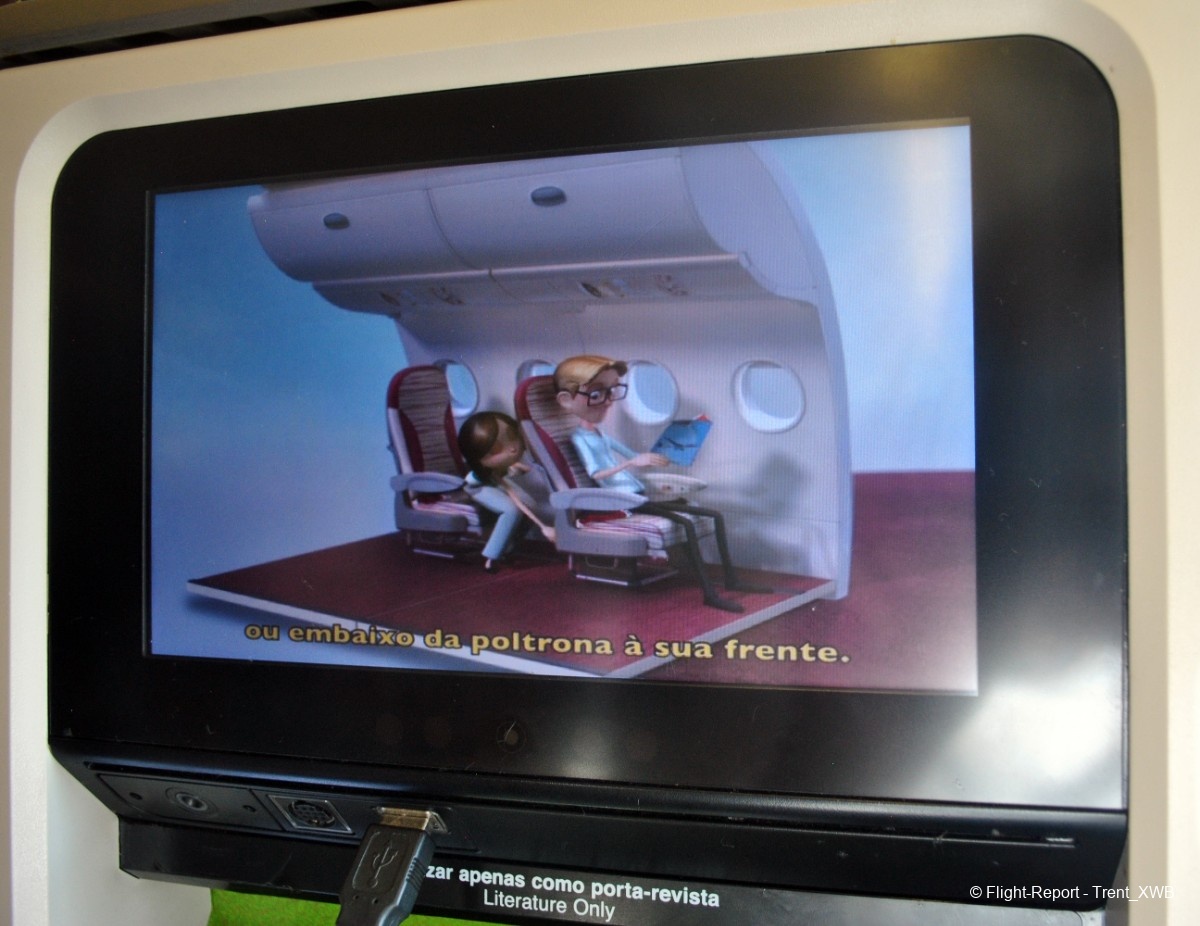
The safety video was very oldschool.
We rocketed into the skies with some beautiful condensation on the wing at takeoff.
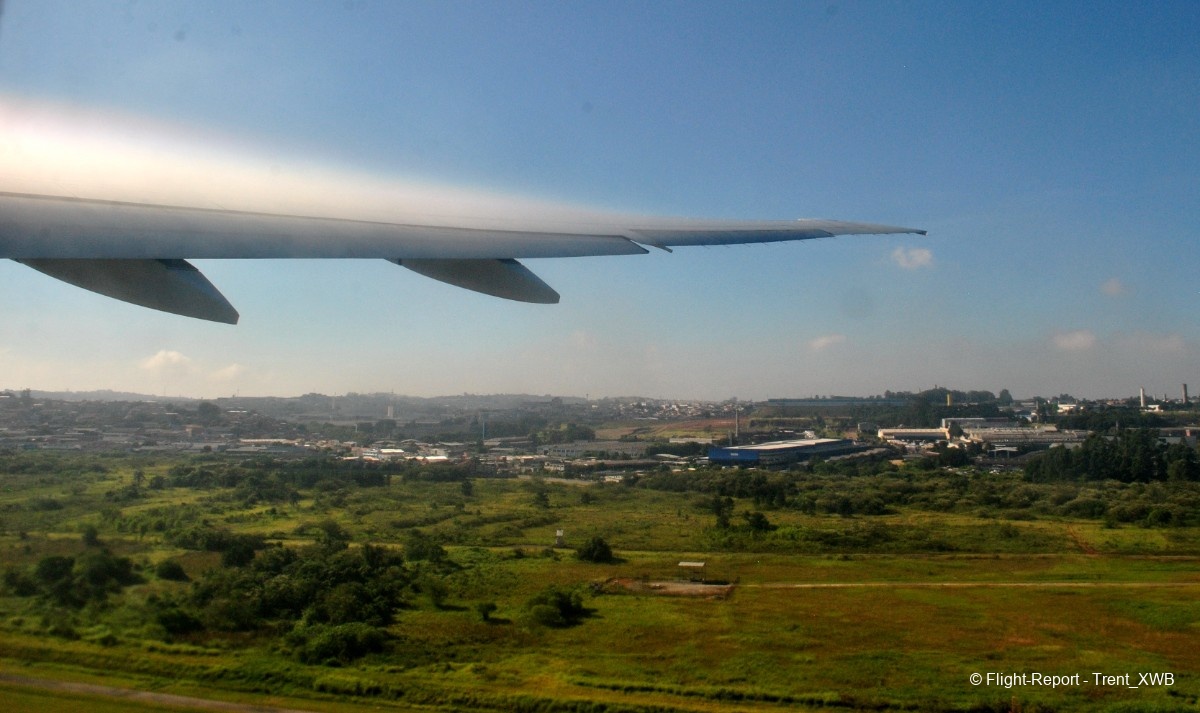
Aerial views of GRU.
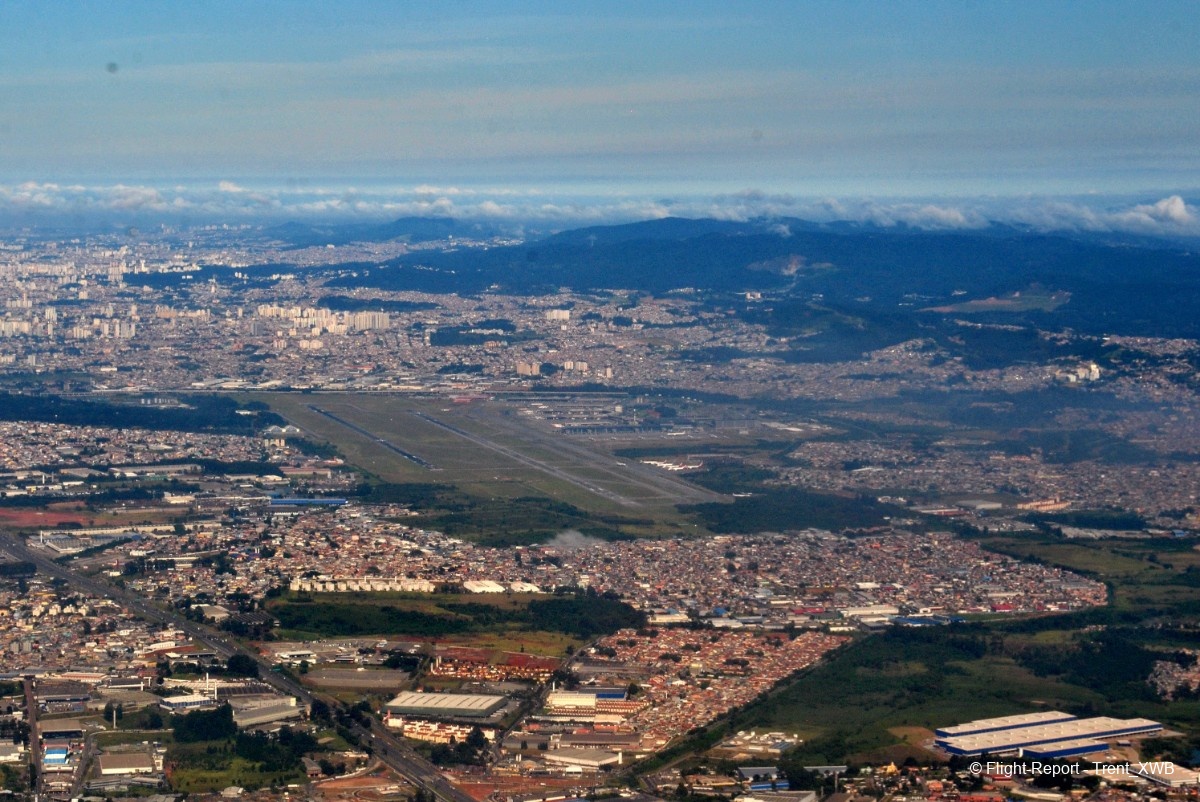
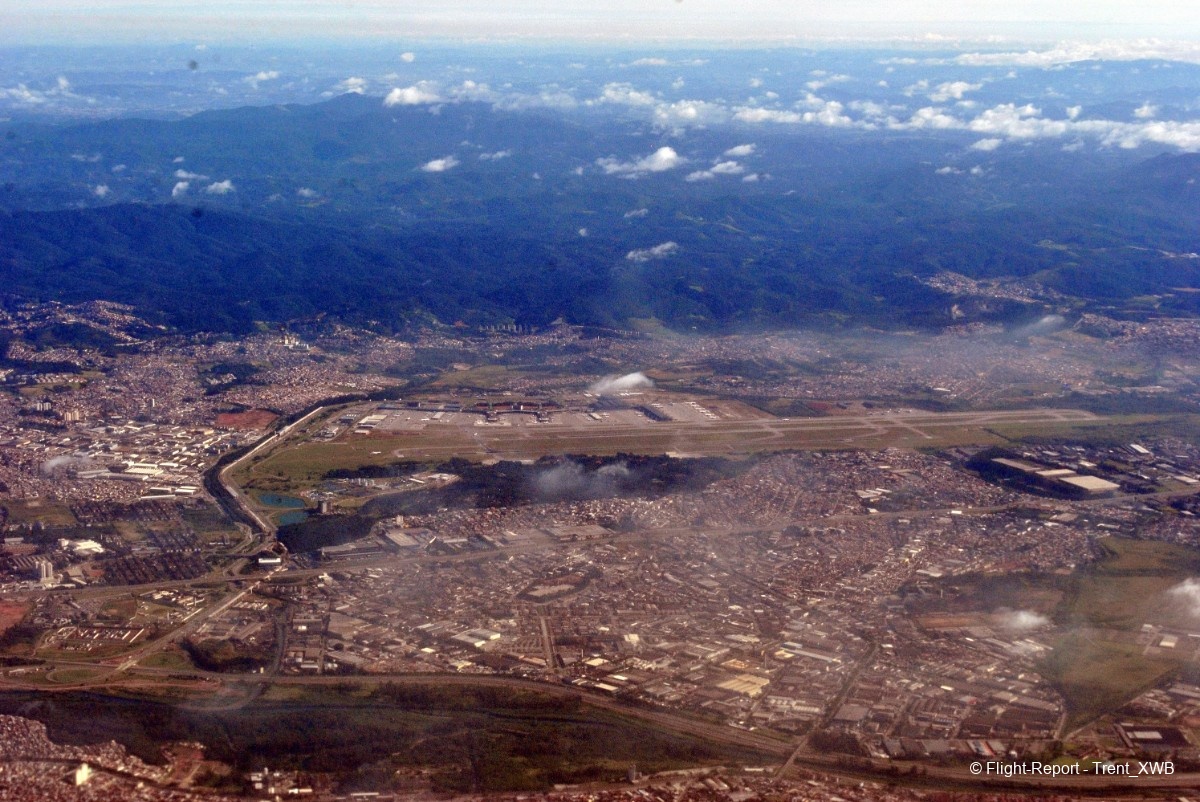
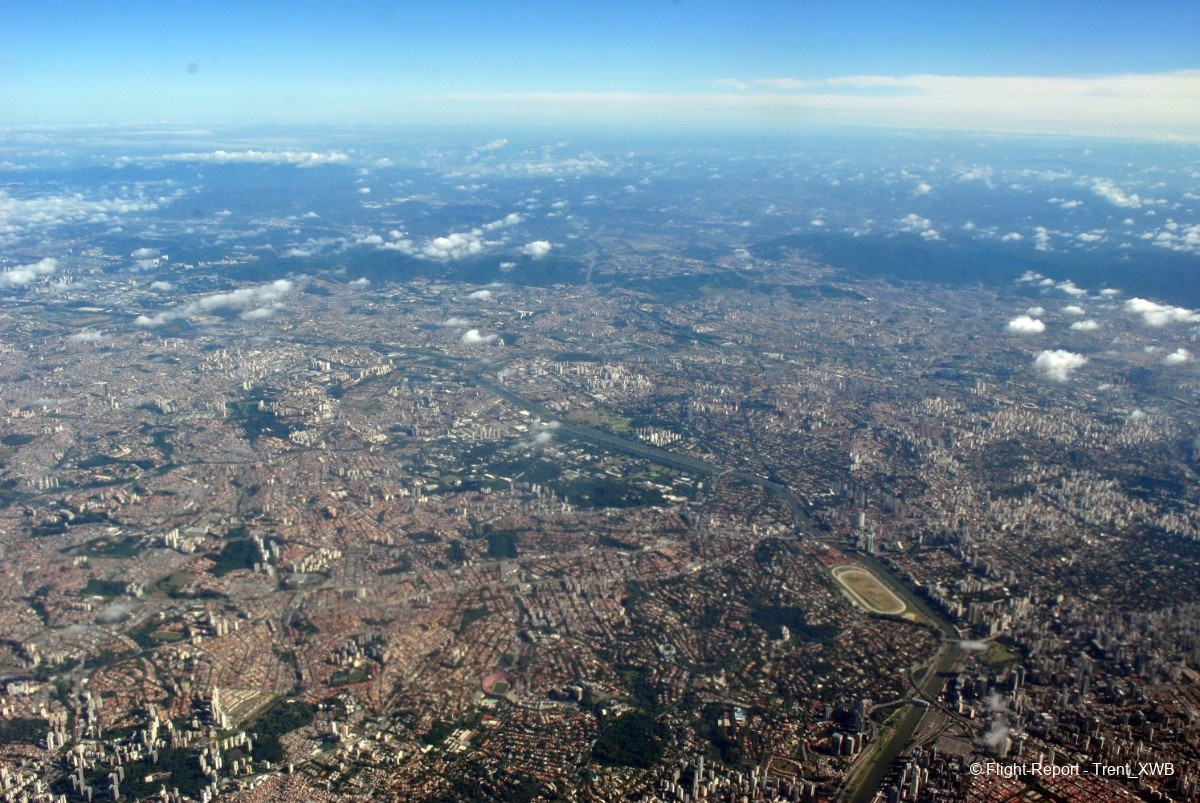
The "urban jungles" of Sao Paulo. This metropolitan city, being the main powerhouse of South America, never fails to amaze with its vast size!
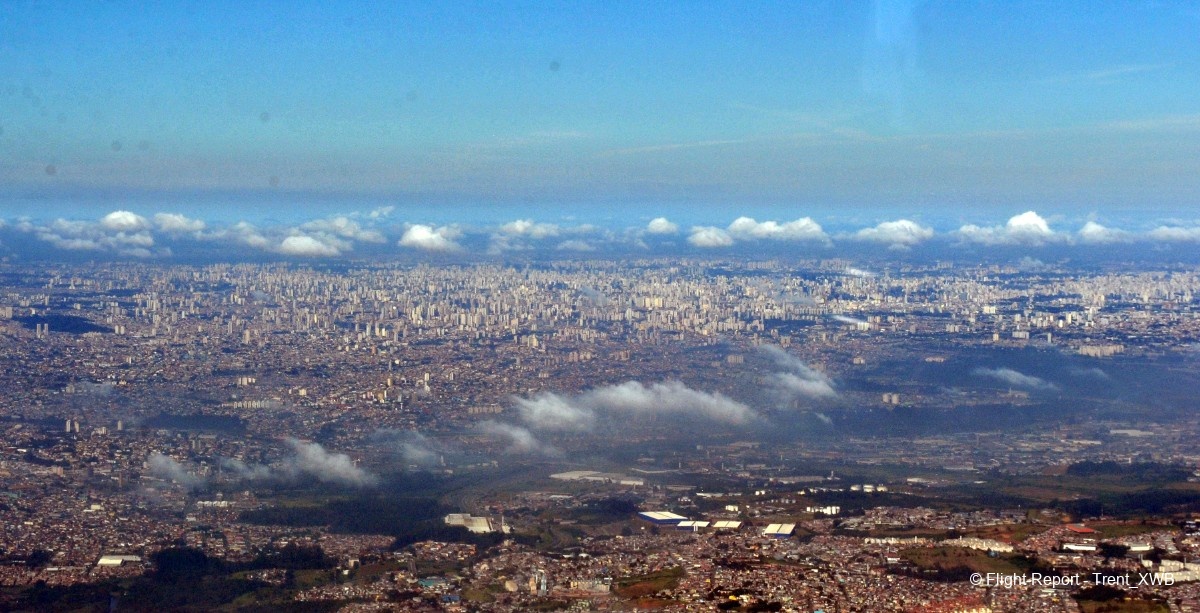
Overflying the central part of Sao Paulo. The South American Powerhouse is located on a highland plateau 800 metres above the sea level.
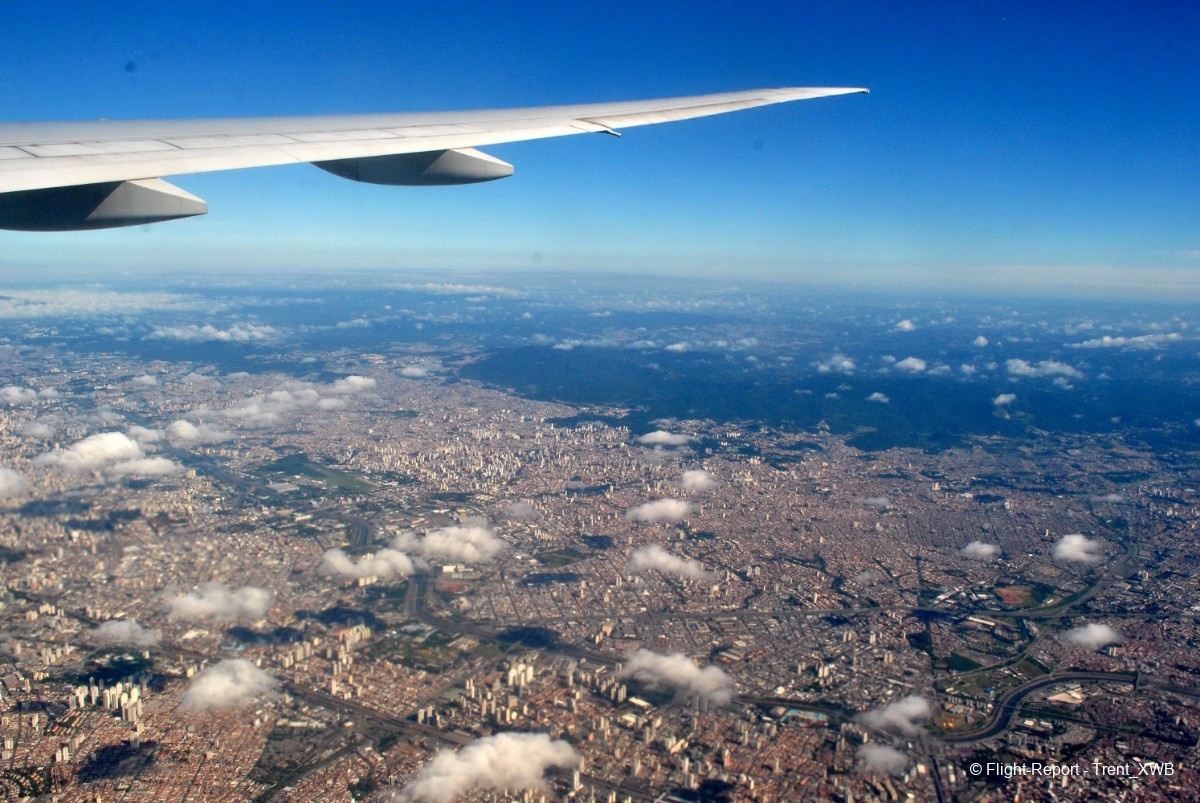
Sao Paulo is left behind…
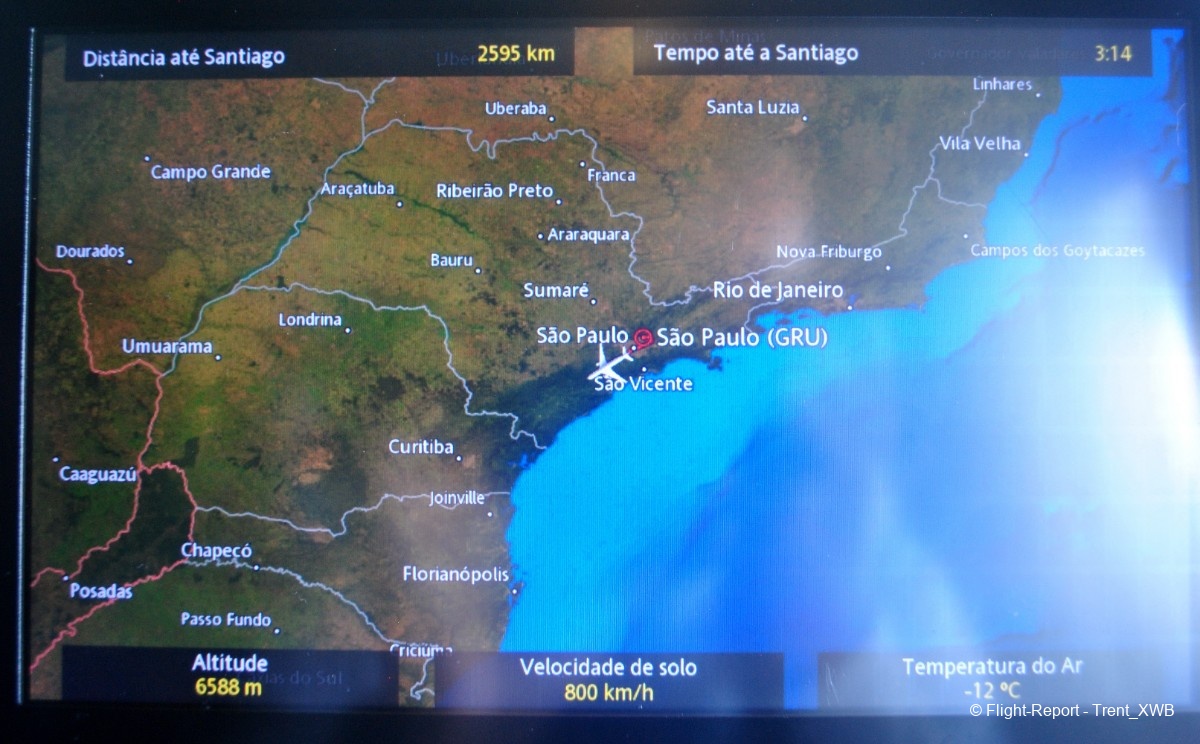
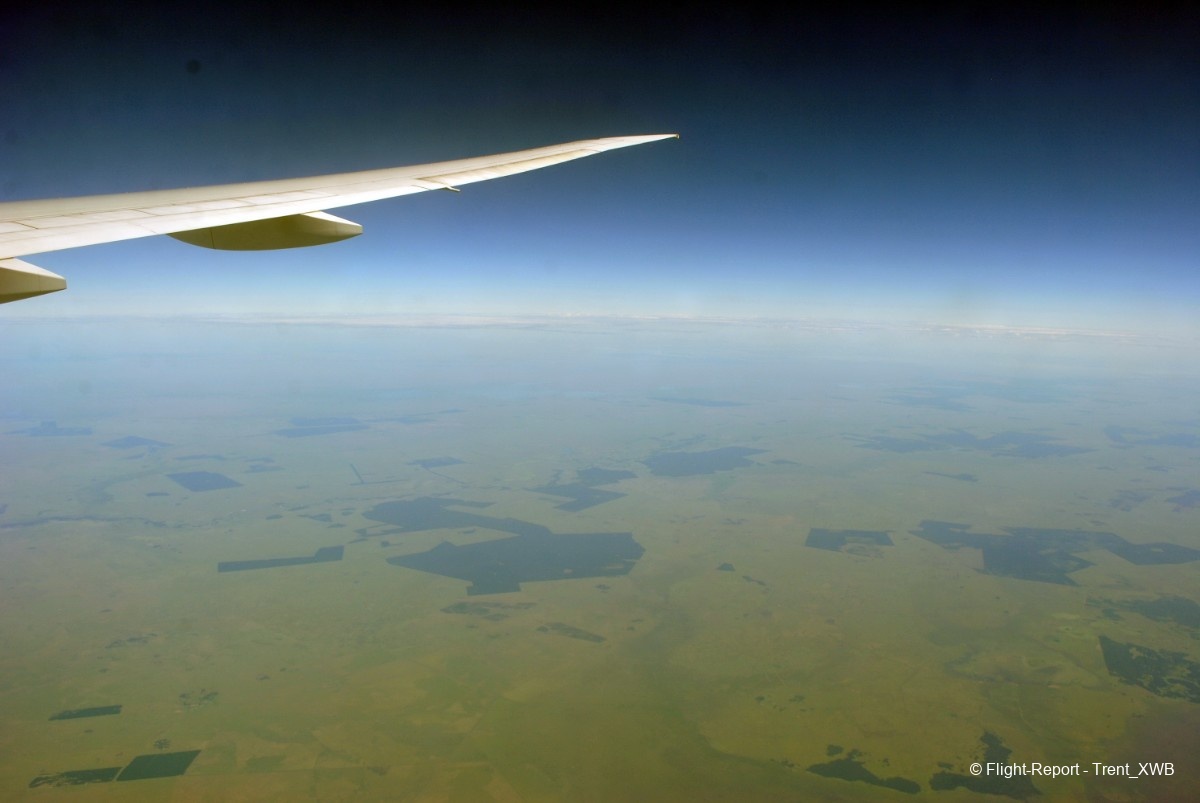
… and we're flying over the lush greenery of the Brazilian Highland


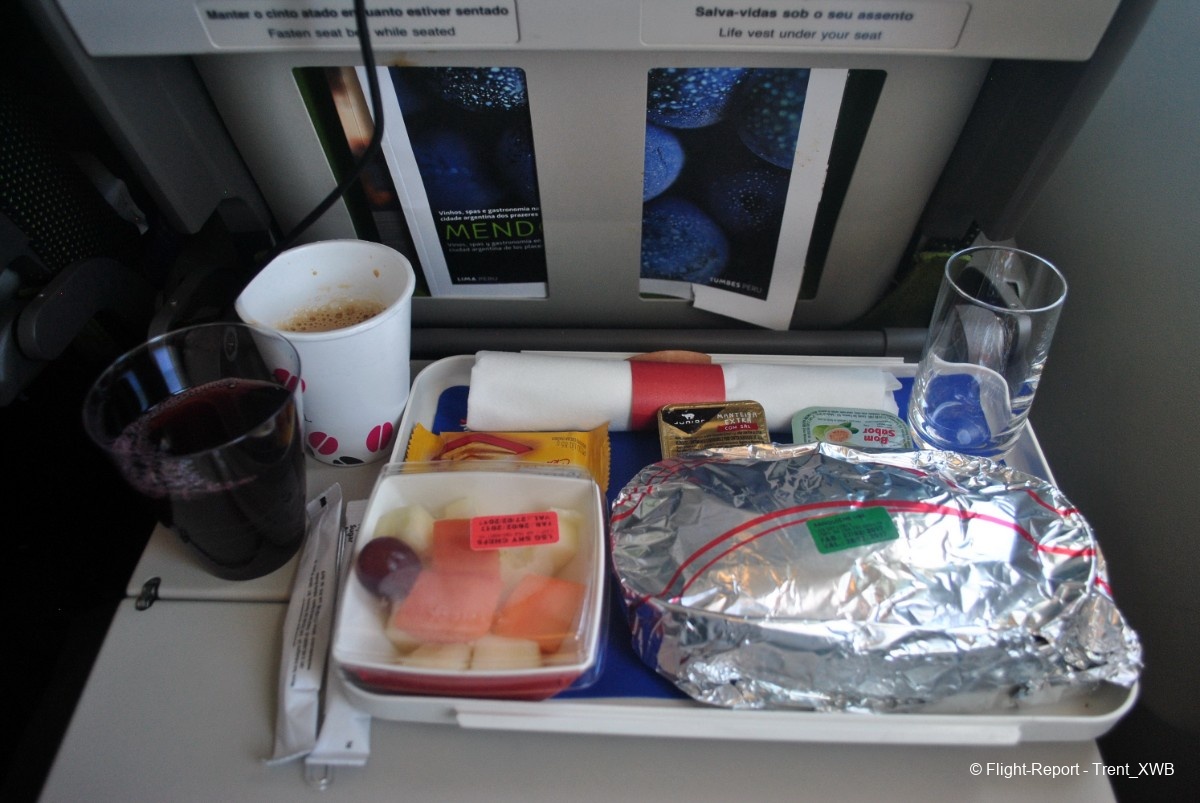
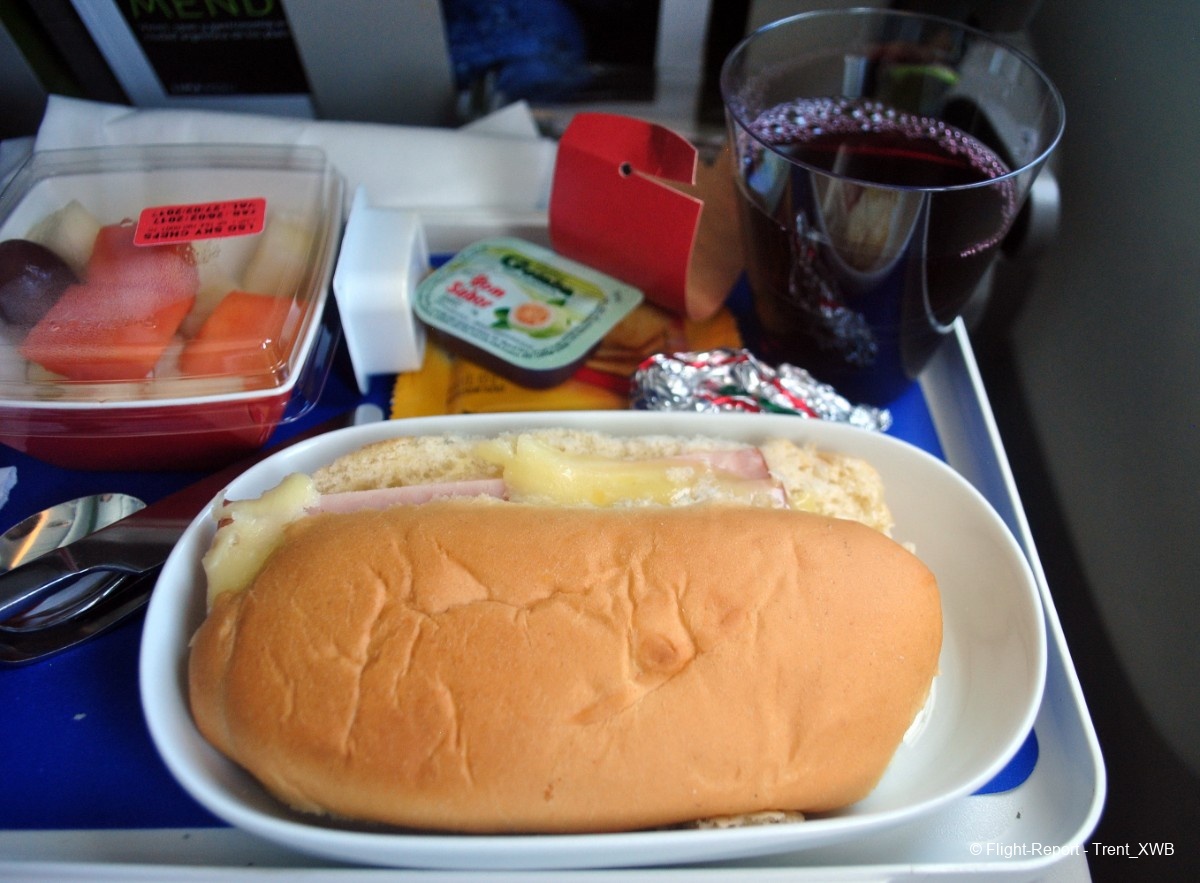
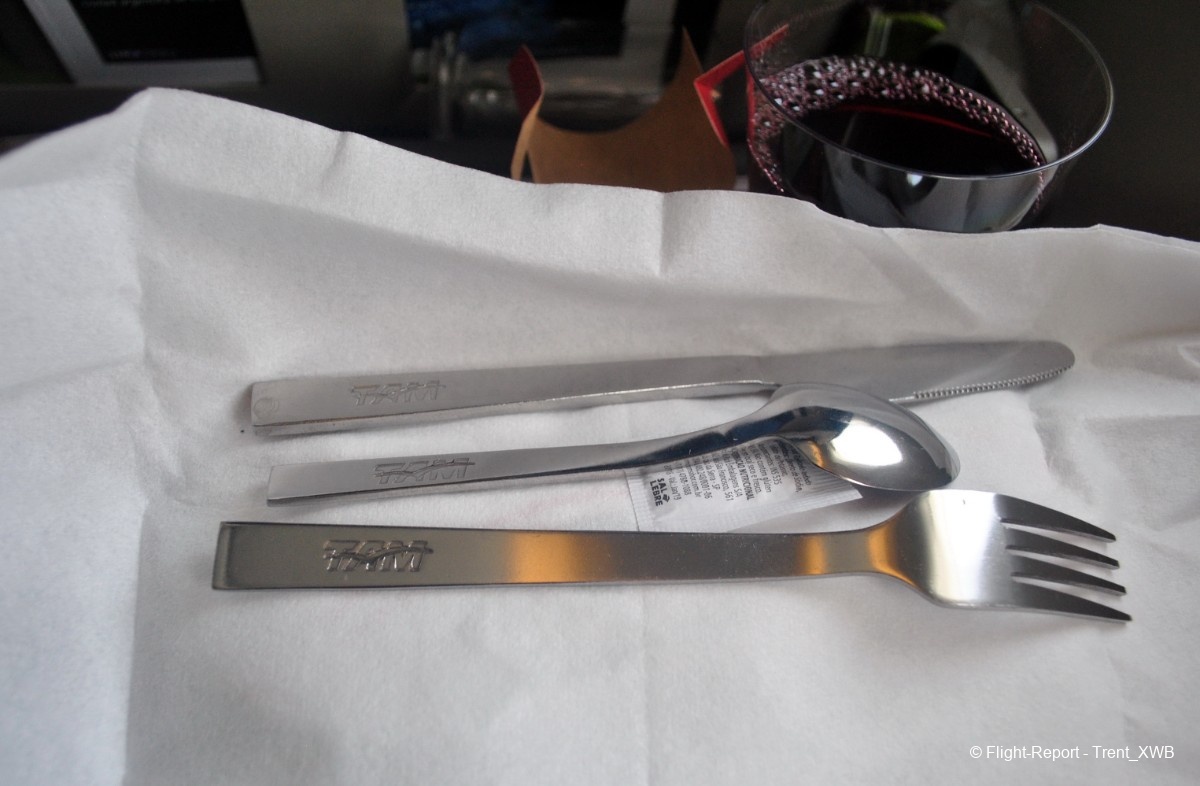
The breakfast was served: ham+cheese sandwich, fruit salad, crackers, butter and jam. Of the 4 flights with LATAM Brasil in this trip, it was the weakest meal (the best were gluten-free dinners on SCL-GRU-MXP flights). At the same time, it was presented with metal cutlery and a glass for wine. The crew on this flight seemed to be less friendly than on the preceding MXP-GRU flight.
Palmas town, located near the border of Parana and Santa Catarina states.

Crazy meanders of Chapeco river, flowing through Santa Catarina state towards Uruguay river.


Mighty Uruguay river, dividing Brazilian states Santa Catarina and Rio Grande do Sul near the border with Misiones province of Argentina (marked by the meanders of Peperi Guazu river and the dark green selva). In the easternmost meander of Uruguay river within the selva one can see a white strip of Yucuma waterfall.

Uruguay river, dividing Rio Grande do Sul state of Brazil and Misiones province of Argentina.

Some of the crazy meandering left tributaries of Uruguay river in Rio Grande do Sul state.
Santa Rosa river:

Rio Ijui:

Rio Piratini:

A large isle in Uruguay river (still dividing Rio Grande do Sul and Misiones) near Barra Concepcion village.

Saying goodbye to Uruguay river and entering Argentinian airspace over Santo Tome town in Corrientes province.

Flying over Argentinian Interfluve - the lowlands between Uruguay and Parana rivers.
Time to stretch the legs. An inflight view of the front small economy cabin…
… and of the large rear one.
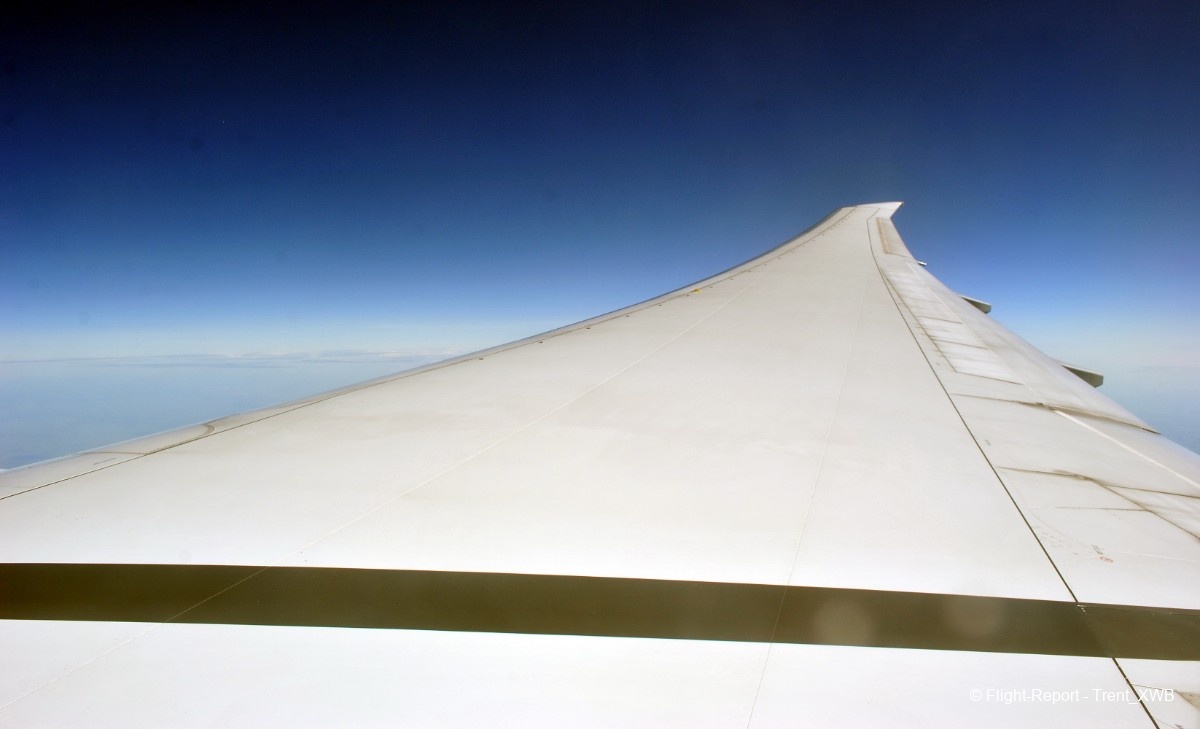
Wing view from the 3R door.
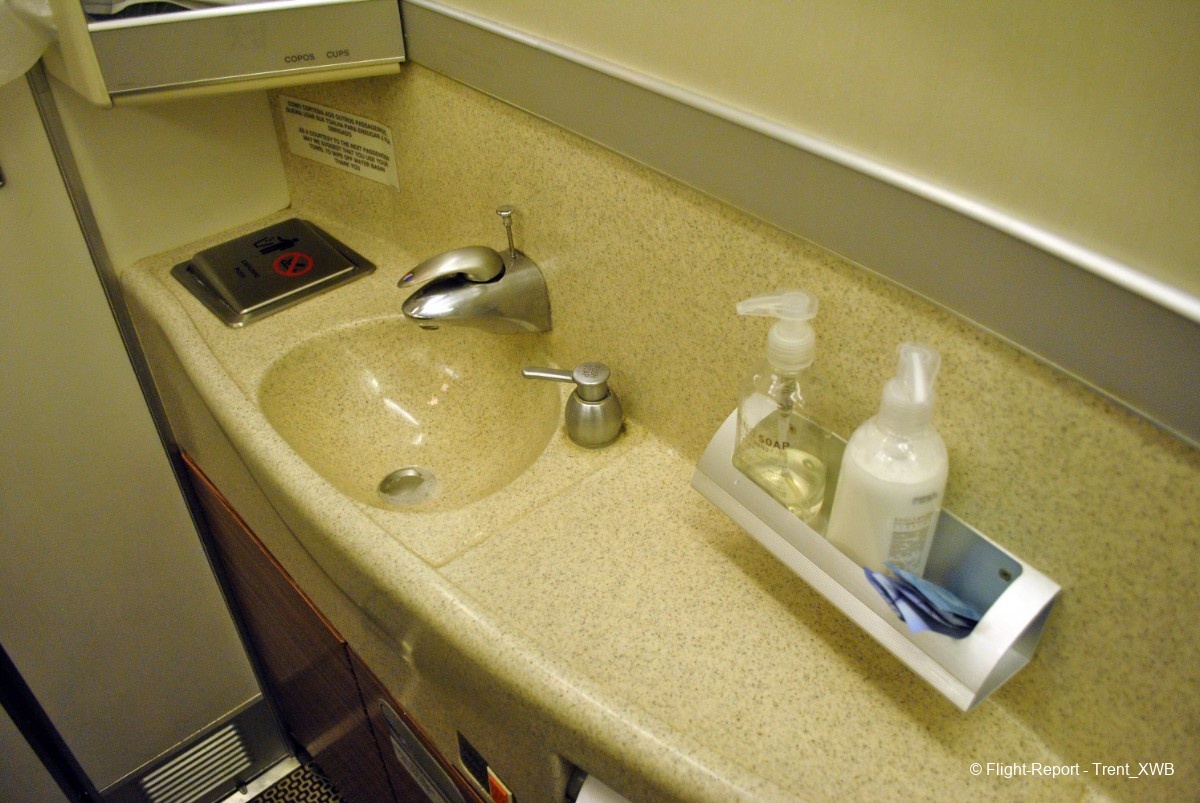
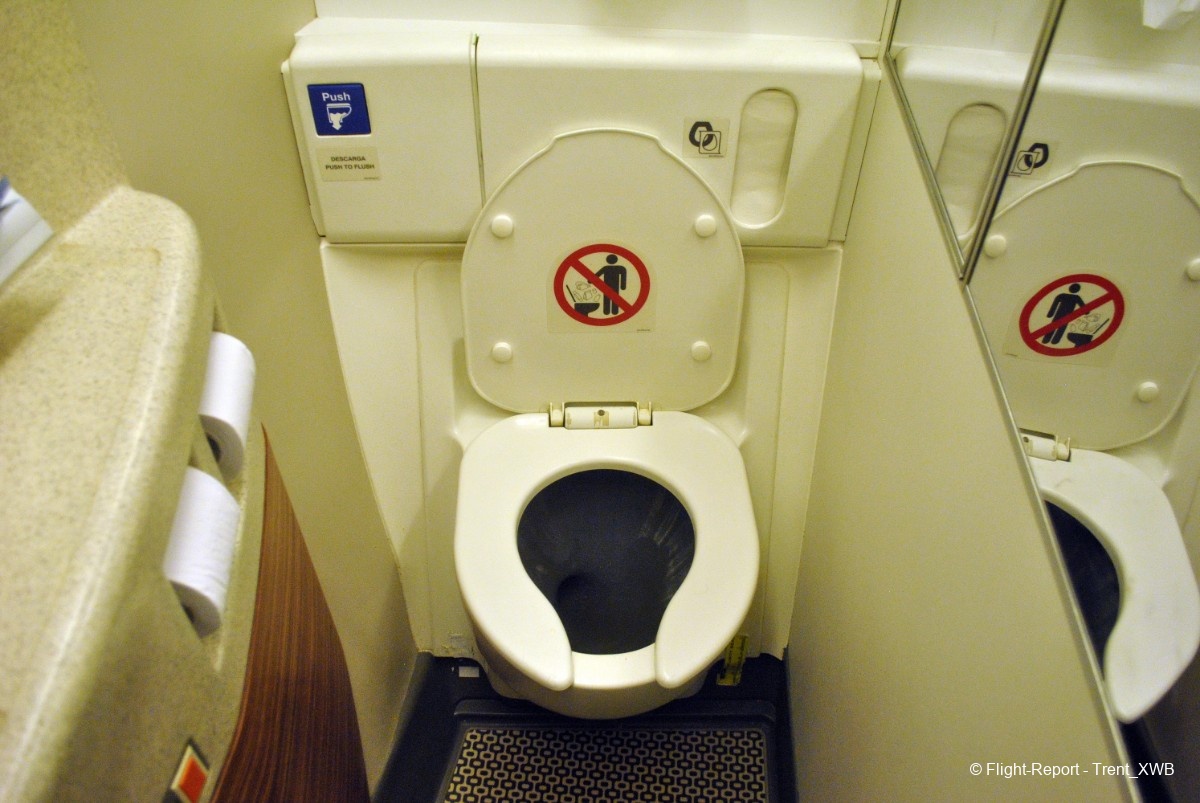
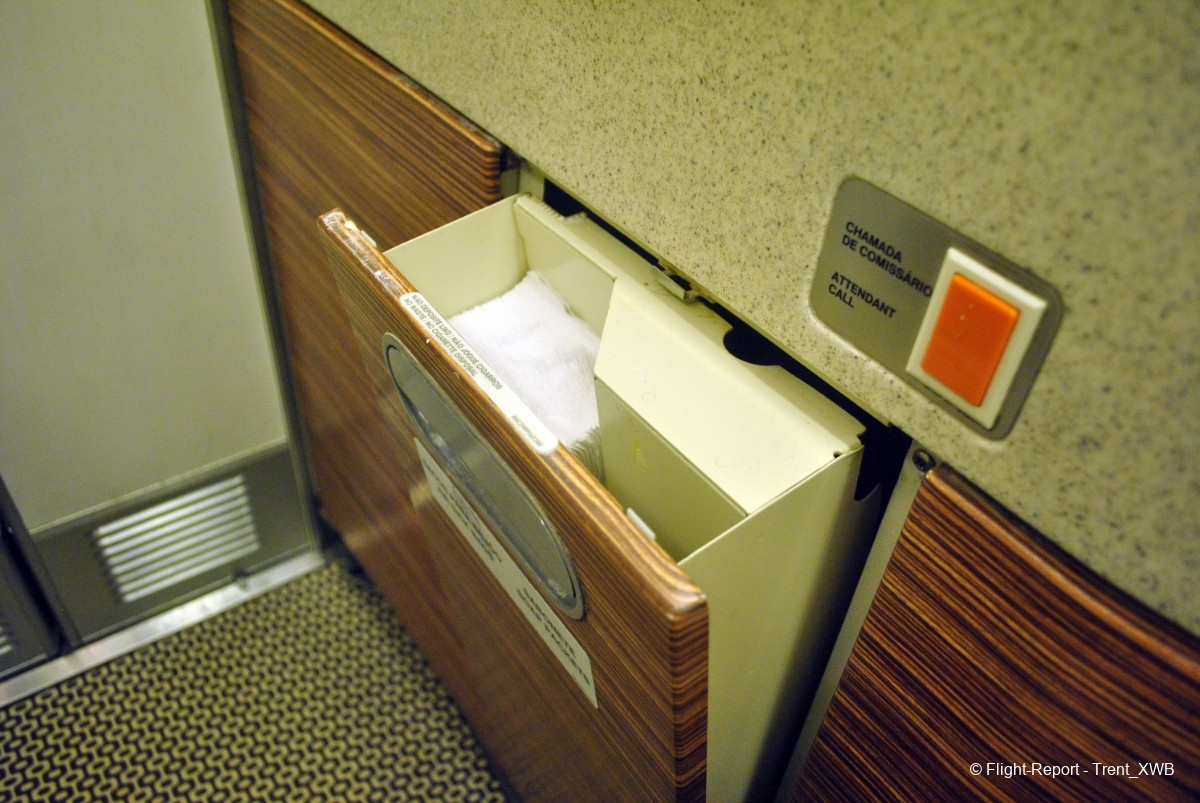
The rear lavatory has some oldschool vibes.
Crossing mighty Parana near Esquina town in Corrientes province. Parana is the second-largest (after Amazon) river in South America. Parana has joint mouth with Uruguay river, forming La Plata estuary, where Buenos Aires and Montevideo are located.


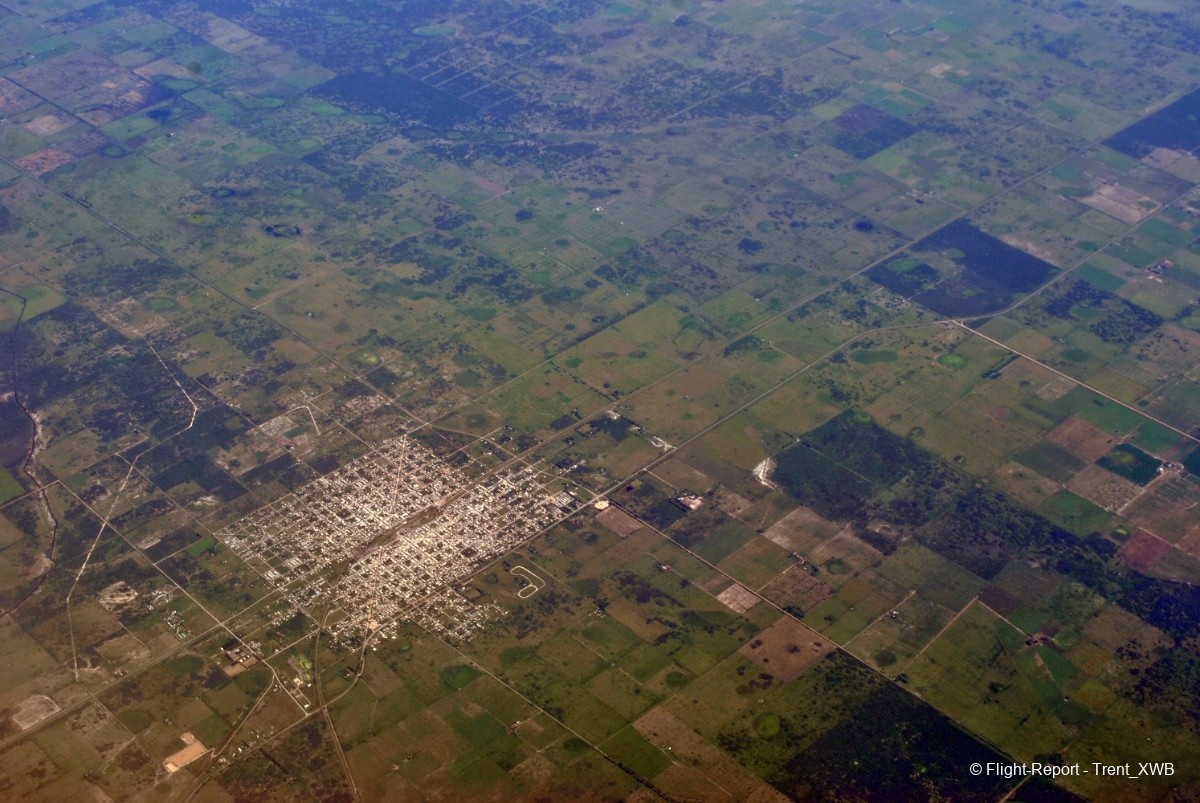
San Cristobal town in Santa Fe province of Argentina.
Mar Chiquita - large endorheic salt lake in Cordoba province of Argentina.

Cultivated plains of the Argentinian Pampa in Cordoba province.

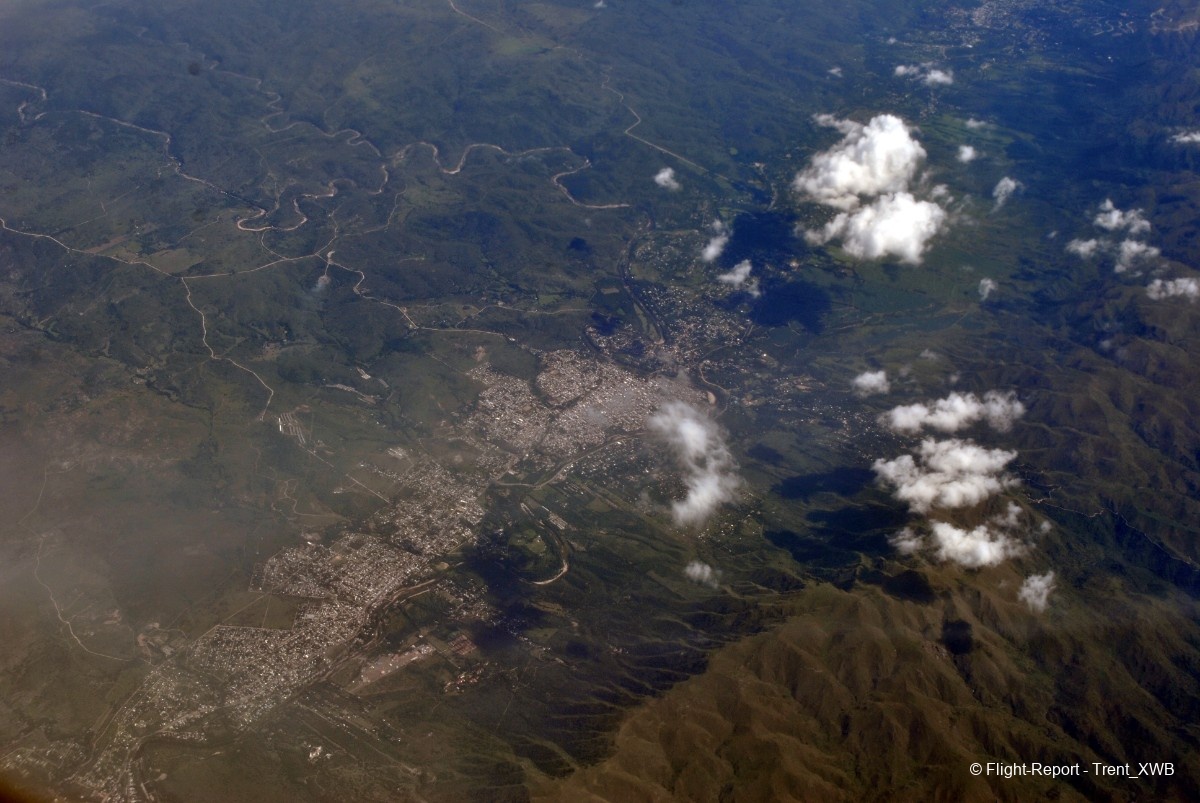
Cosquin town north-west of Cordoba city.
Pampa de las Salinas - a large (but almost dried in the dry season) salt lake in San Luis province.

As we're entering Mendoza province, the most scenic part of the flight begins.
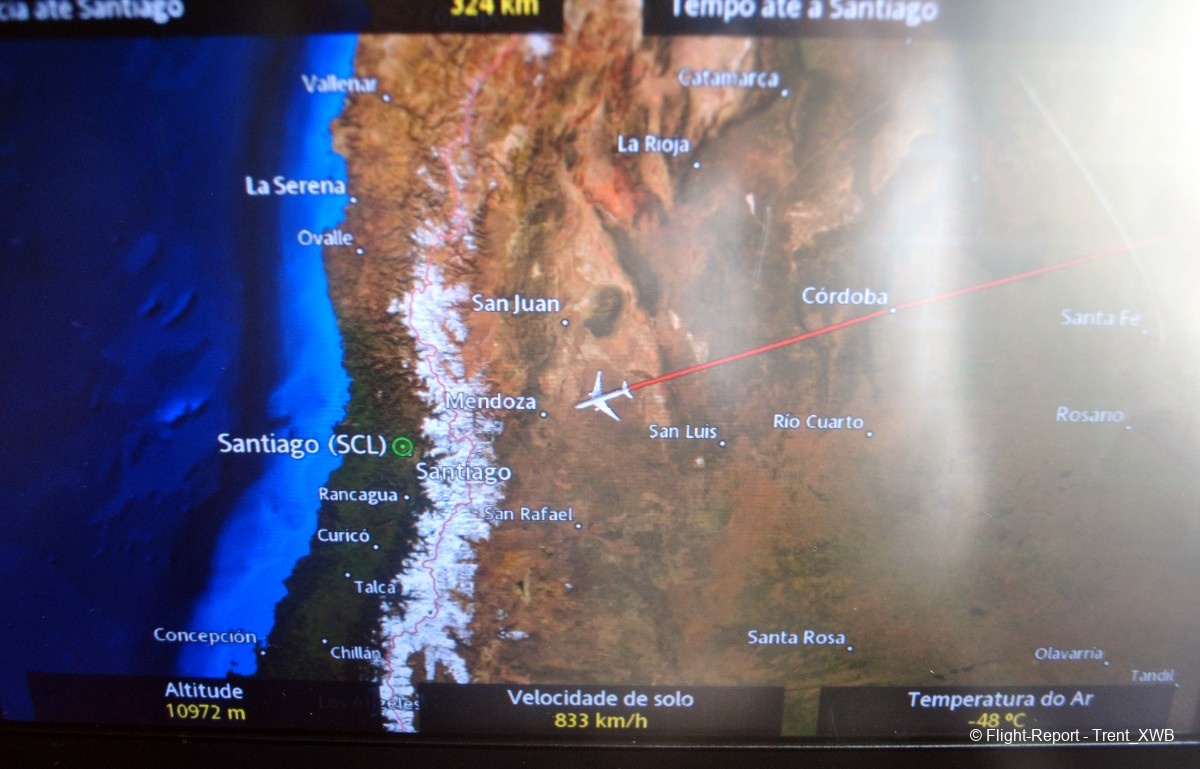
Overflying foothills of Andes with the main cordillera in sight. To the left over the wing is Cerro Mercedario (6770 MASL).
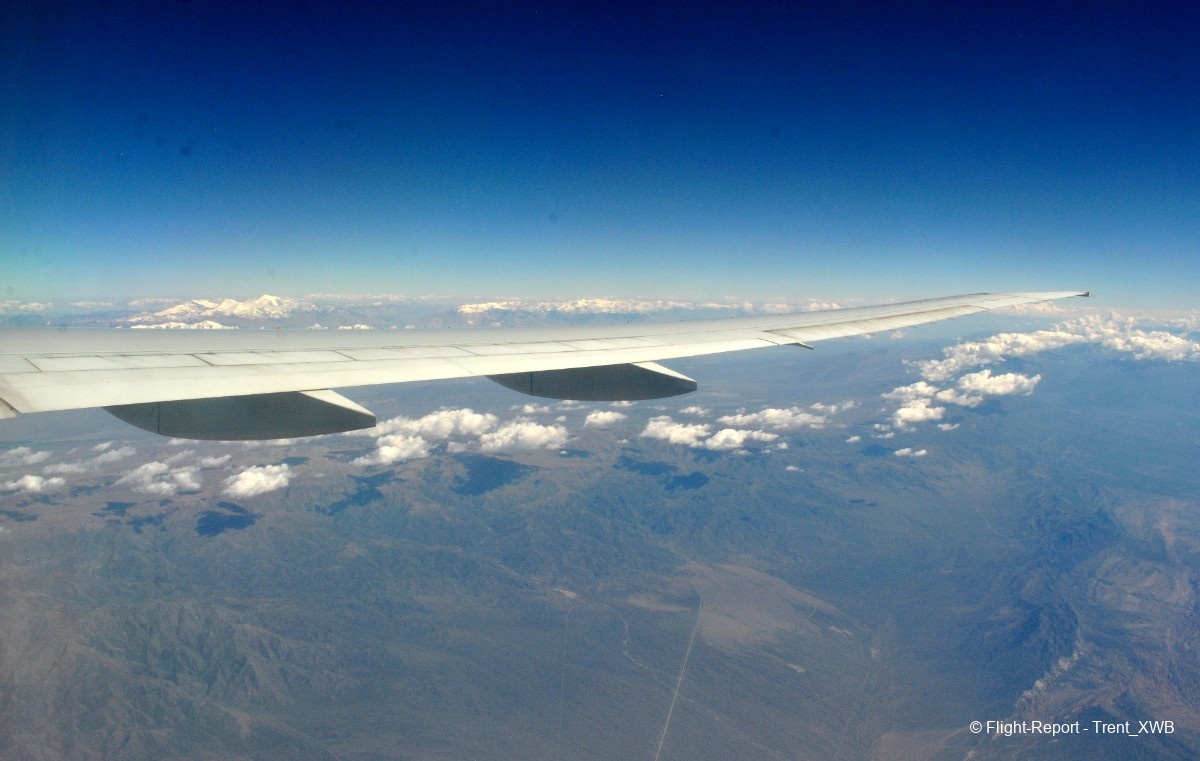
Crossing the Precordillera west of Mendoza.
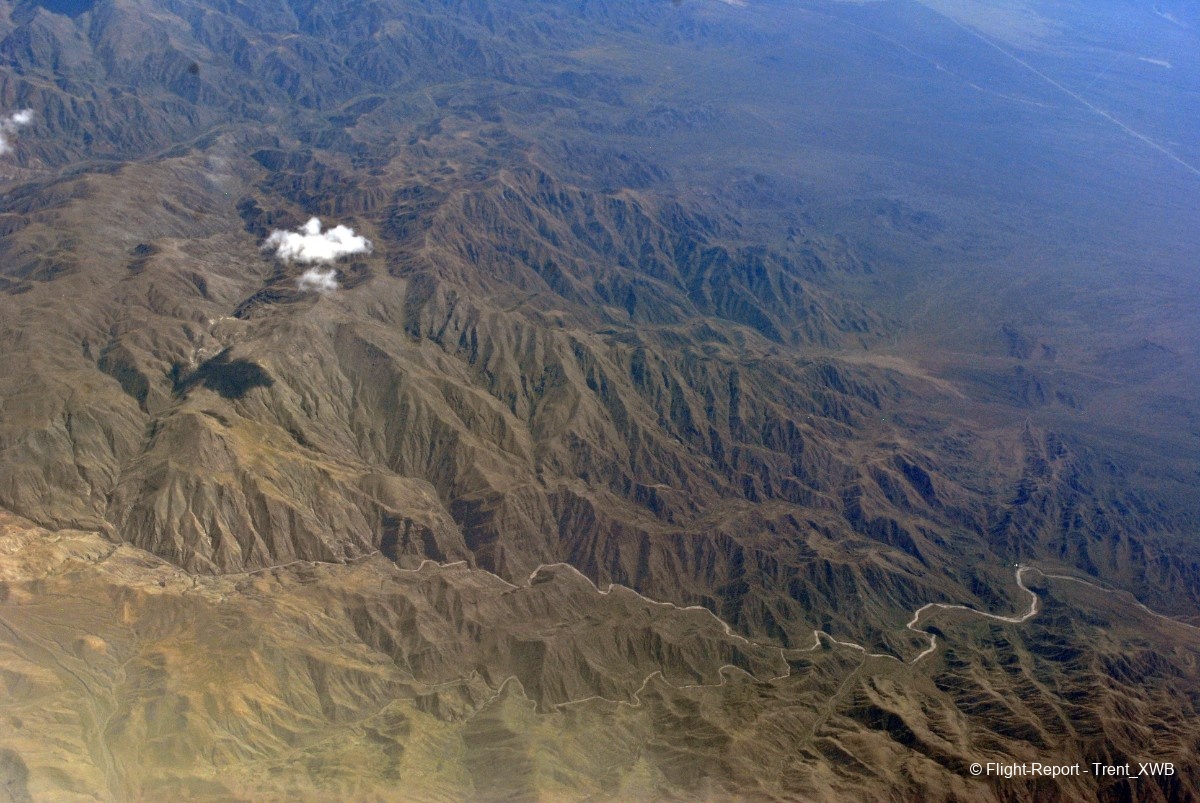
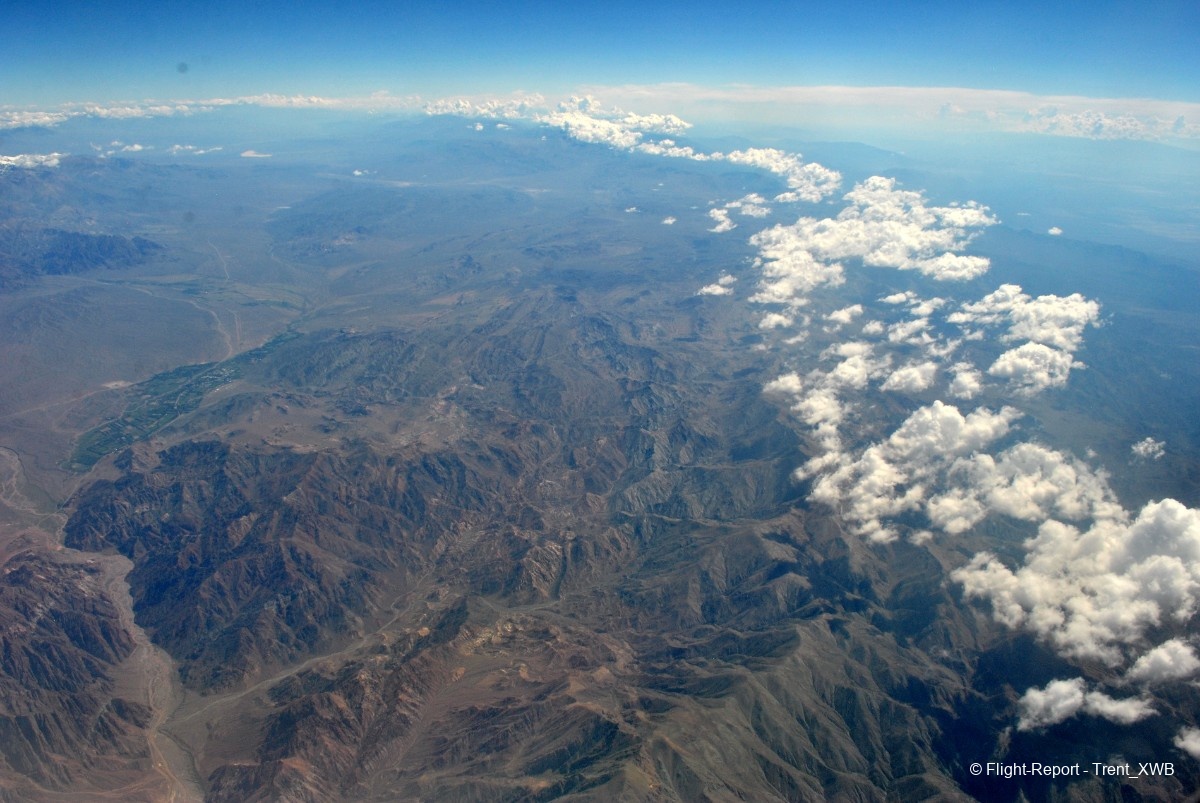
The super-scenic valley of Mendoza river with snow-capped Andes, towering above.

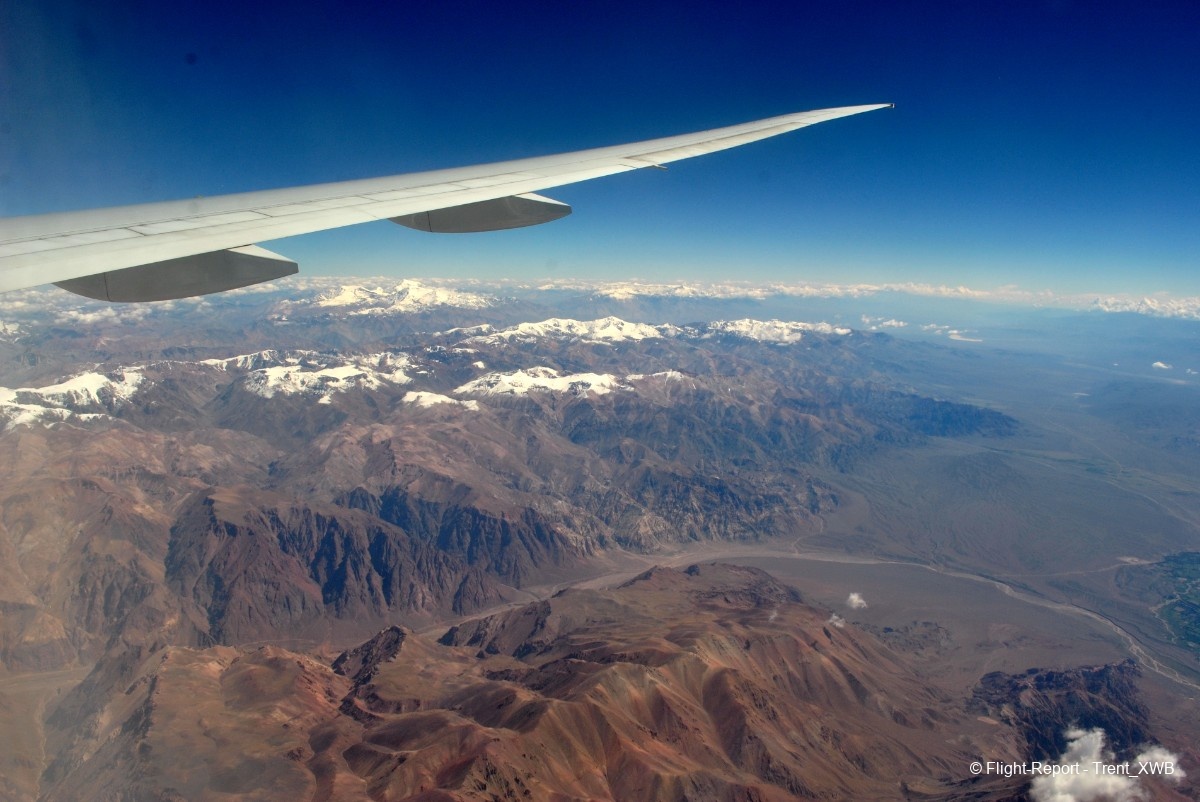
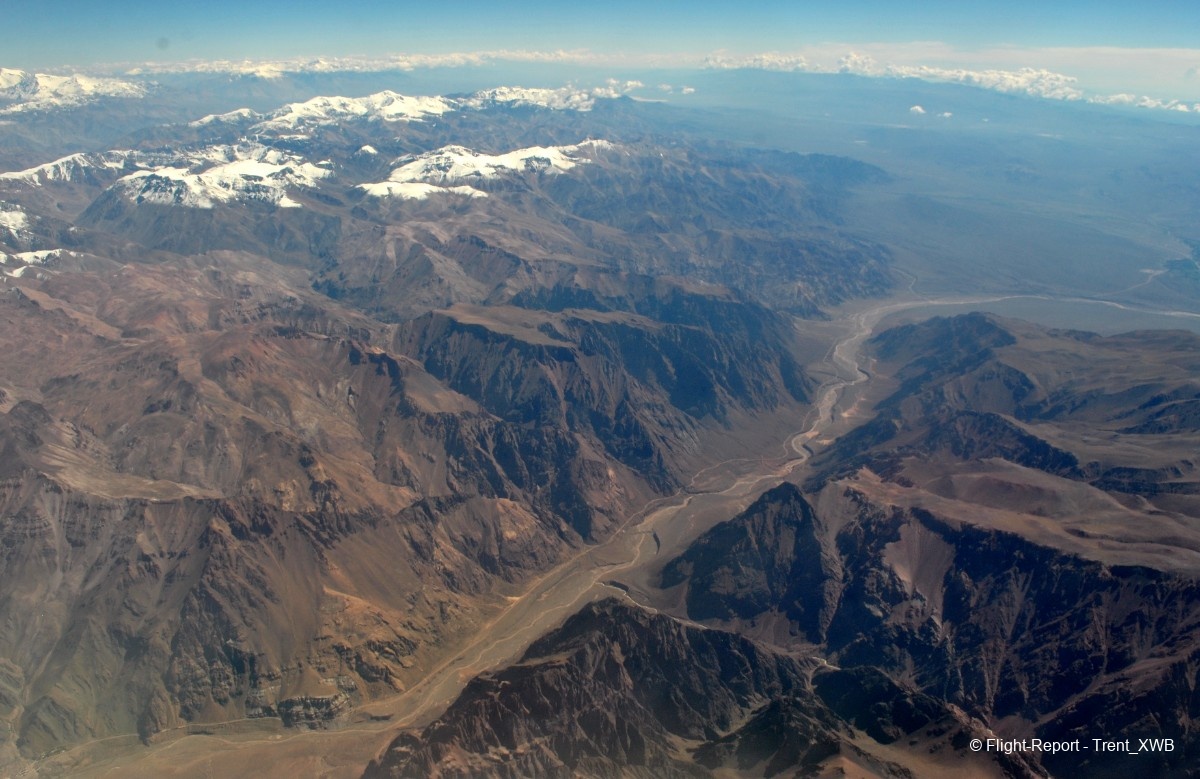
The valley of Rio de Vacas with Cerro Mercedario towering above. We're already descending while crossing the Andes.
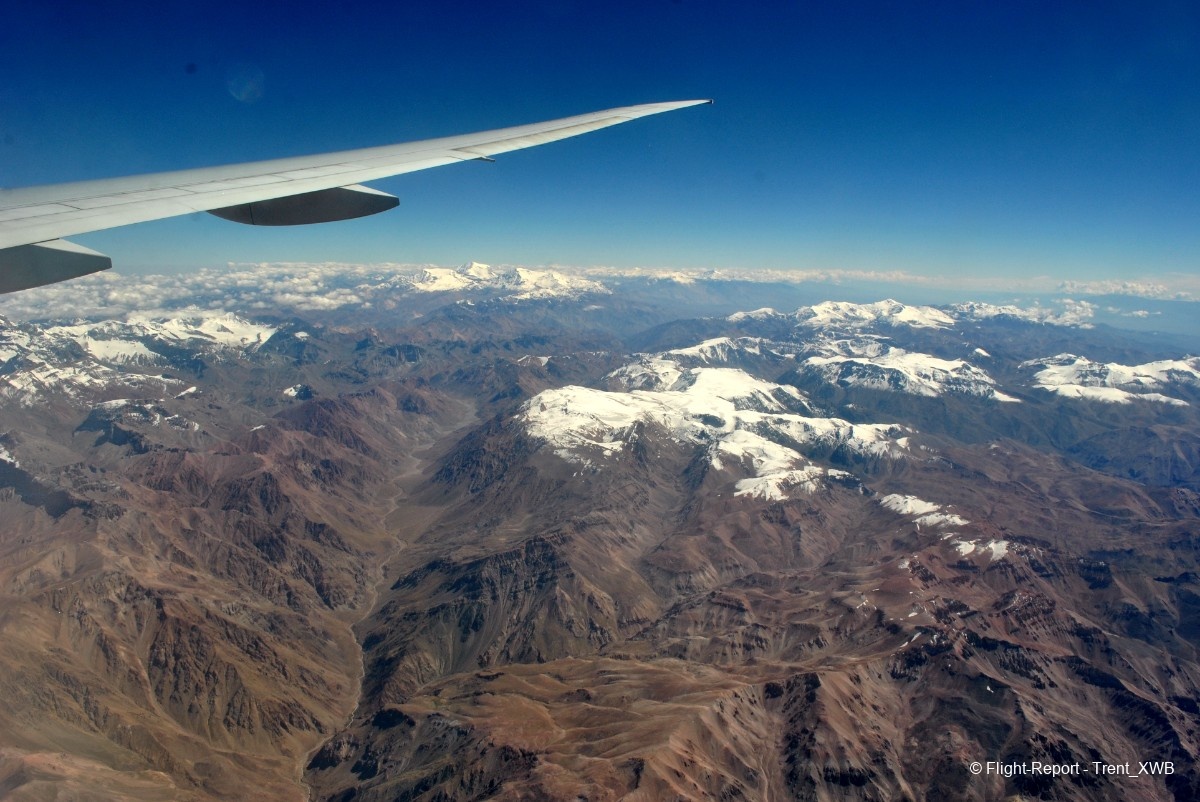
And the best moments of the flight: incredible views of Mount Aconcagua (6961 MASL) - the top of the Andes, the Americas and the western hemisphere. Acouncagua is located in Argentina (very close to the Chilean border), but for me it's associated with Chile, being the main highlight of flying to SCL from the east. I purposedly chose the seat on the right side to be able to see it.
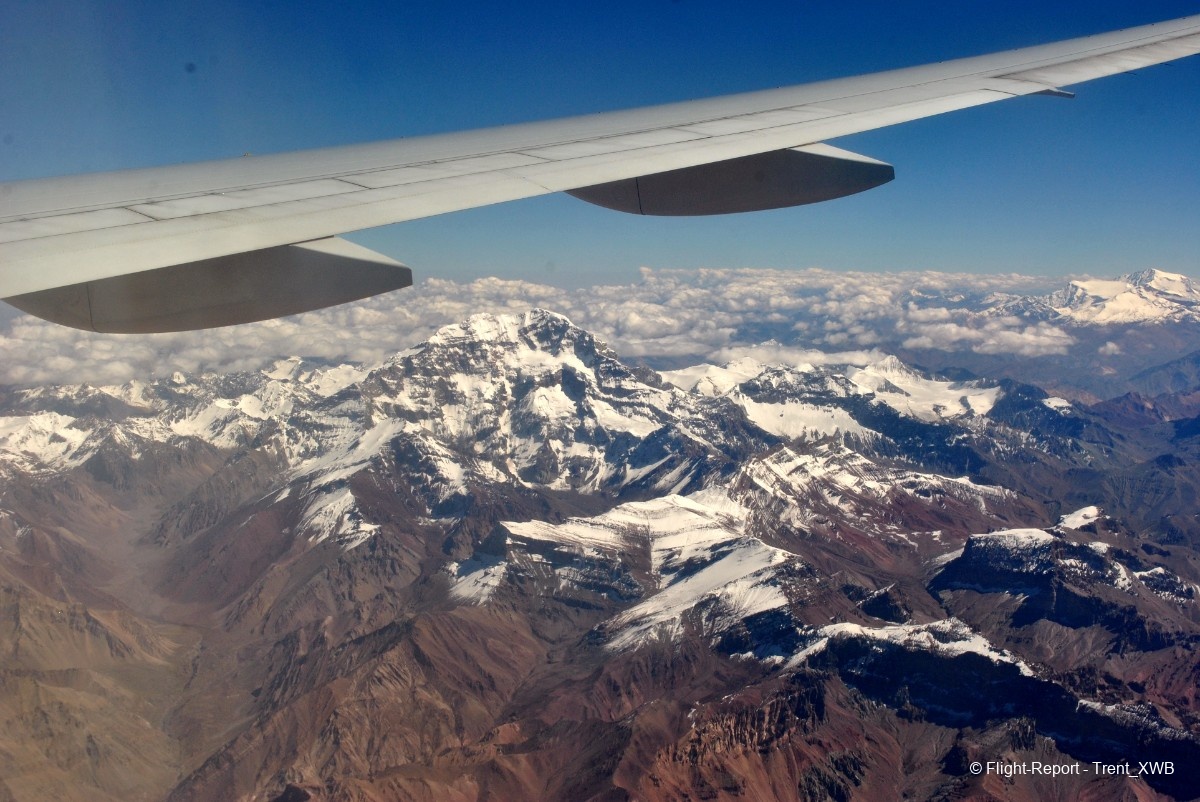
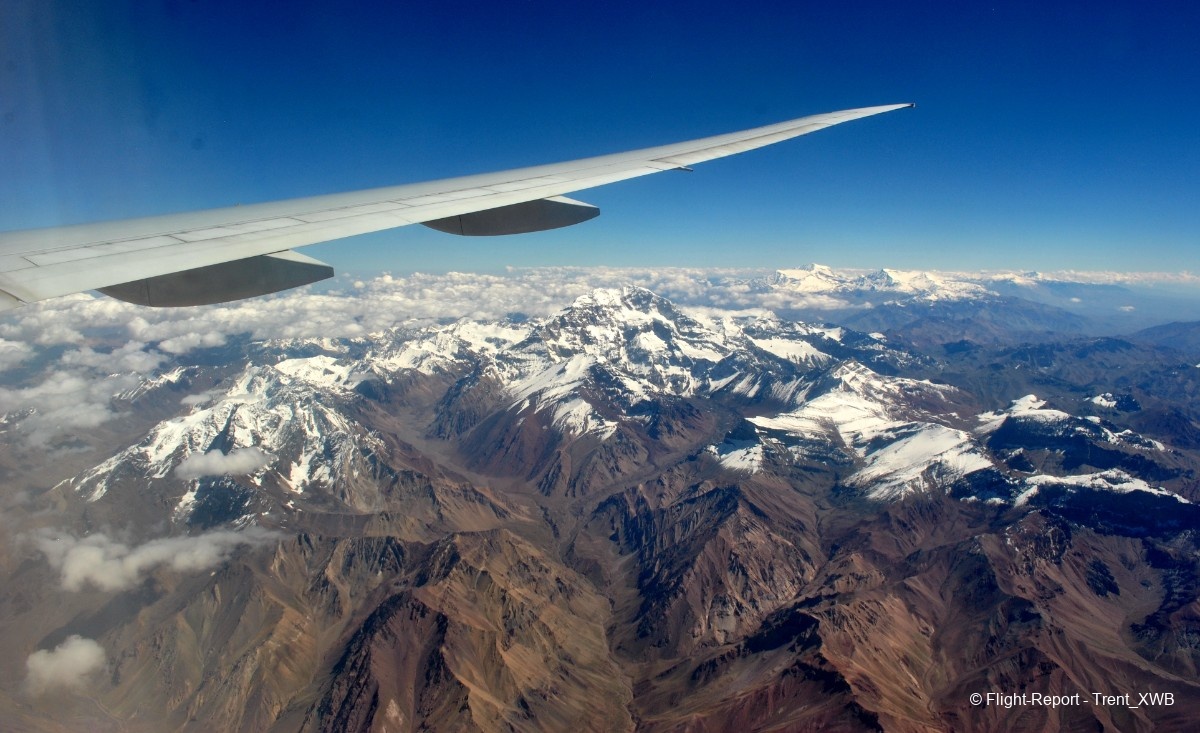

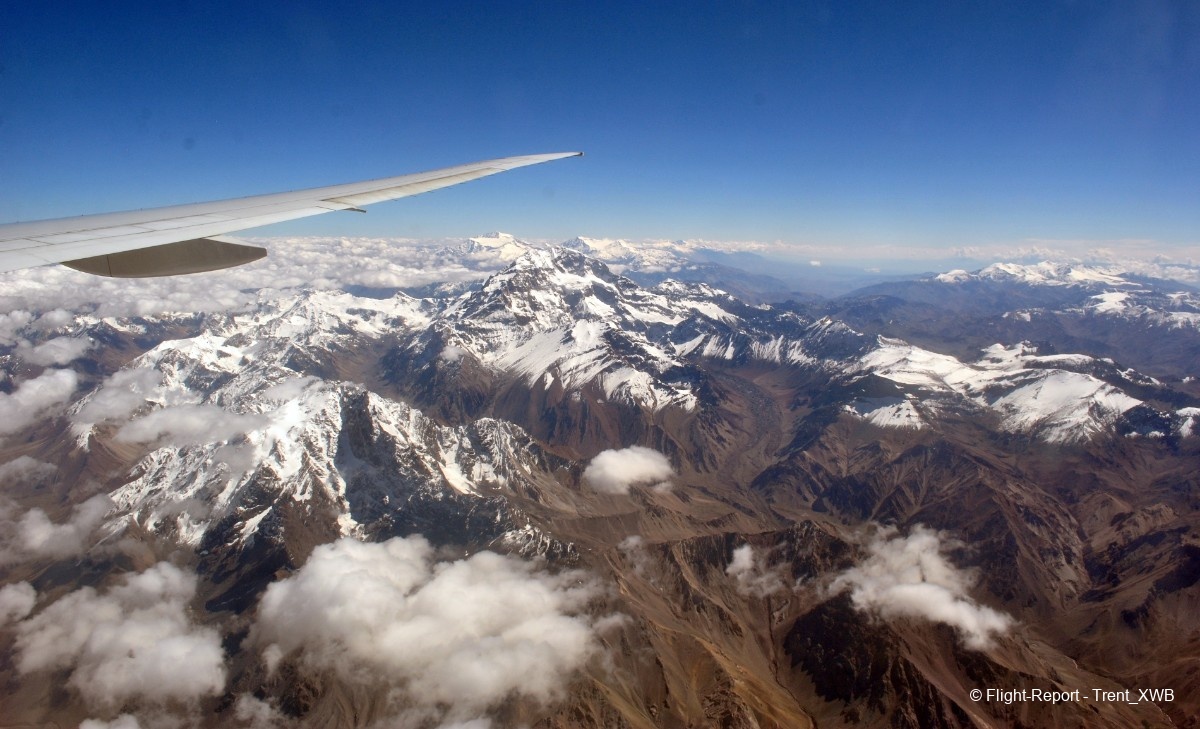
On this view below Aconcagua one can see Mendoza - Santiago road, approaching Cristo Redentor tonnel under the Los Libertadores pass on the Argentina-Chile border. After the tonnel the road descents to the Chilean side, forming crazy serpentine called Los Caracoles (not visible from the plane).

The giant of the Andes and its eternal glaciers in the mid-day light.

The last glance on Aconcagua from the Chilean airspace.

Descending over the foothills of the Andes.
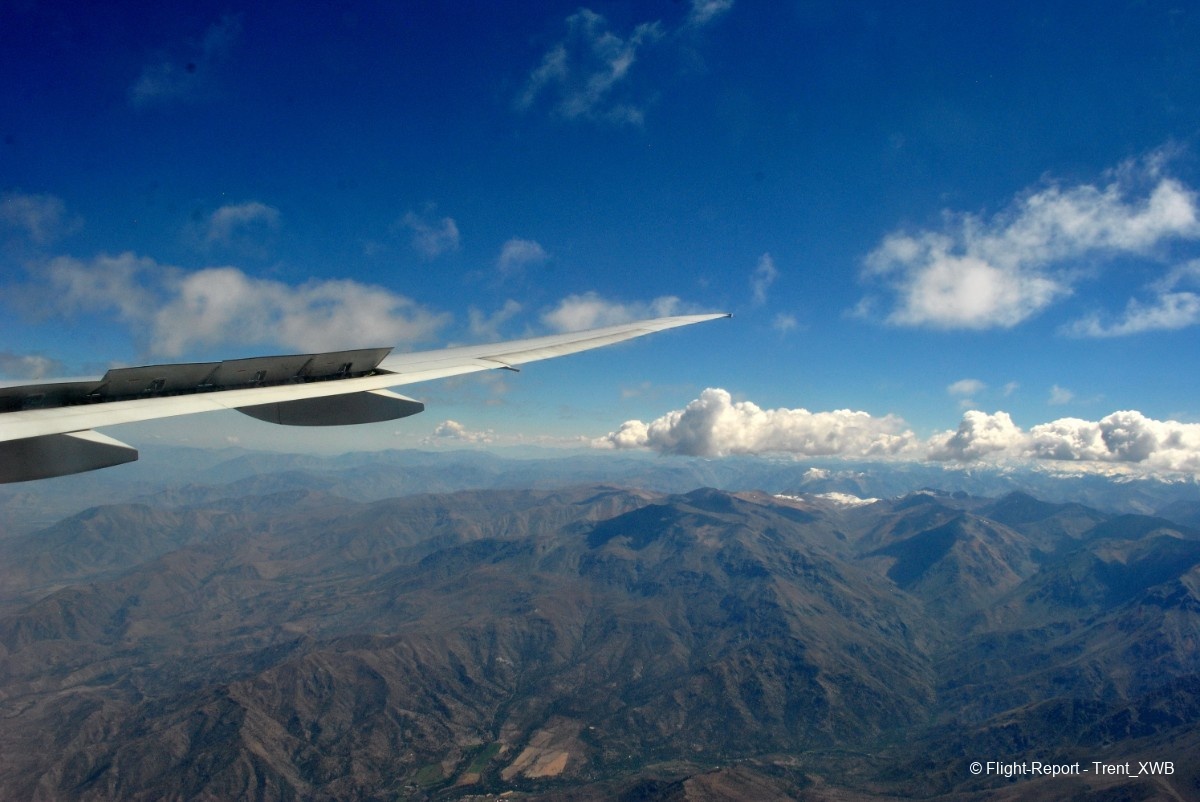
Flying over San Felipe town in the northern end of the Central Valley of Chile, located between the Andes and the Coastal Cordillera.
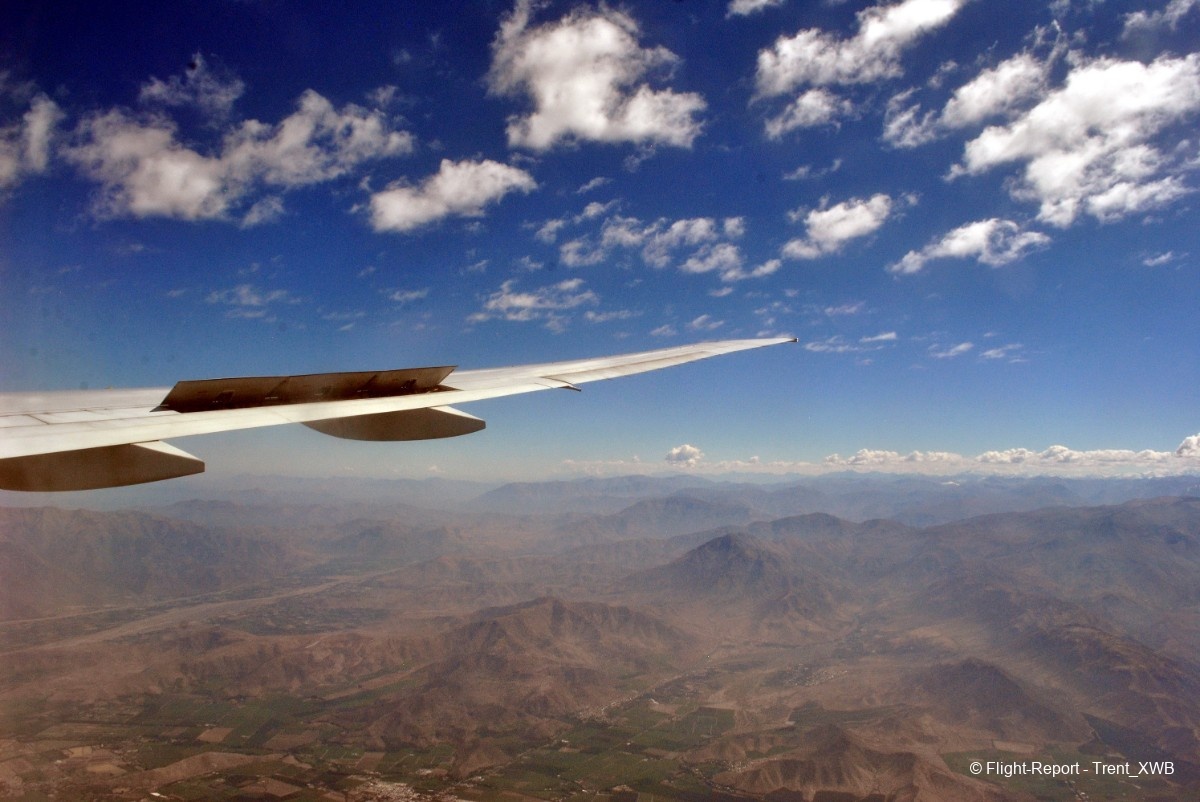
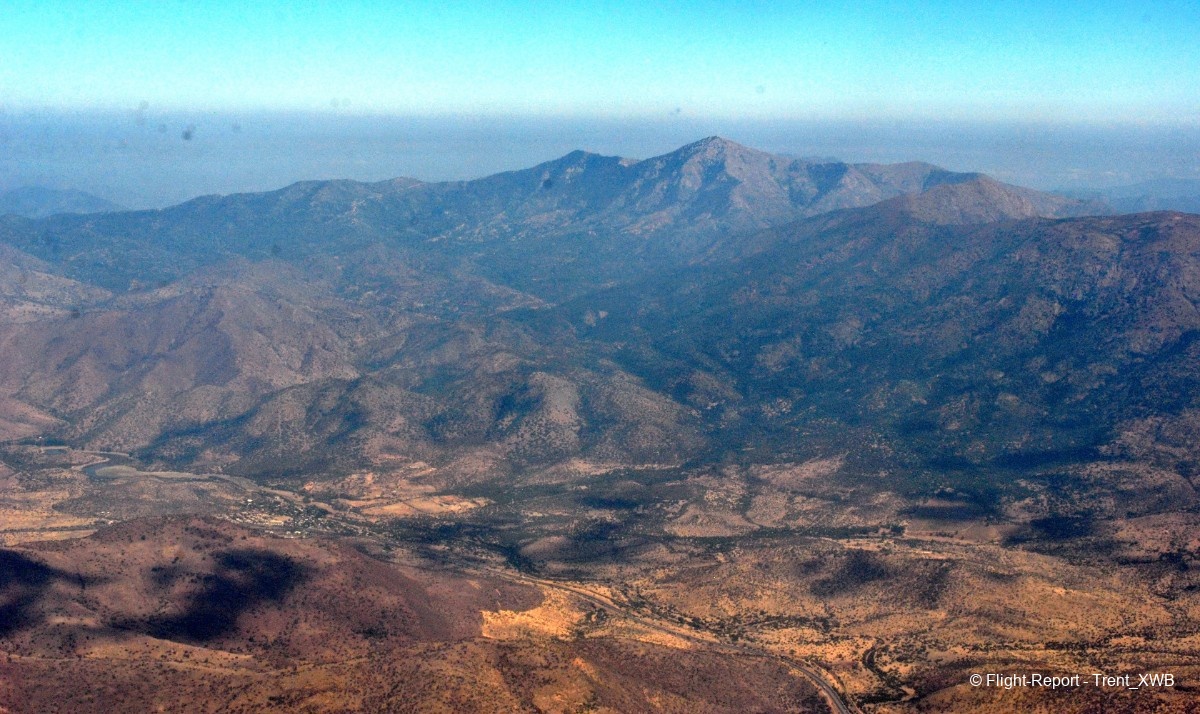
Views of the Coastal Cordillera and the valley of Aconcagua river.
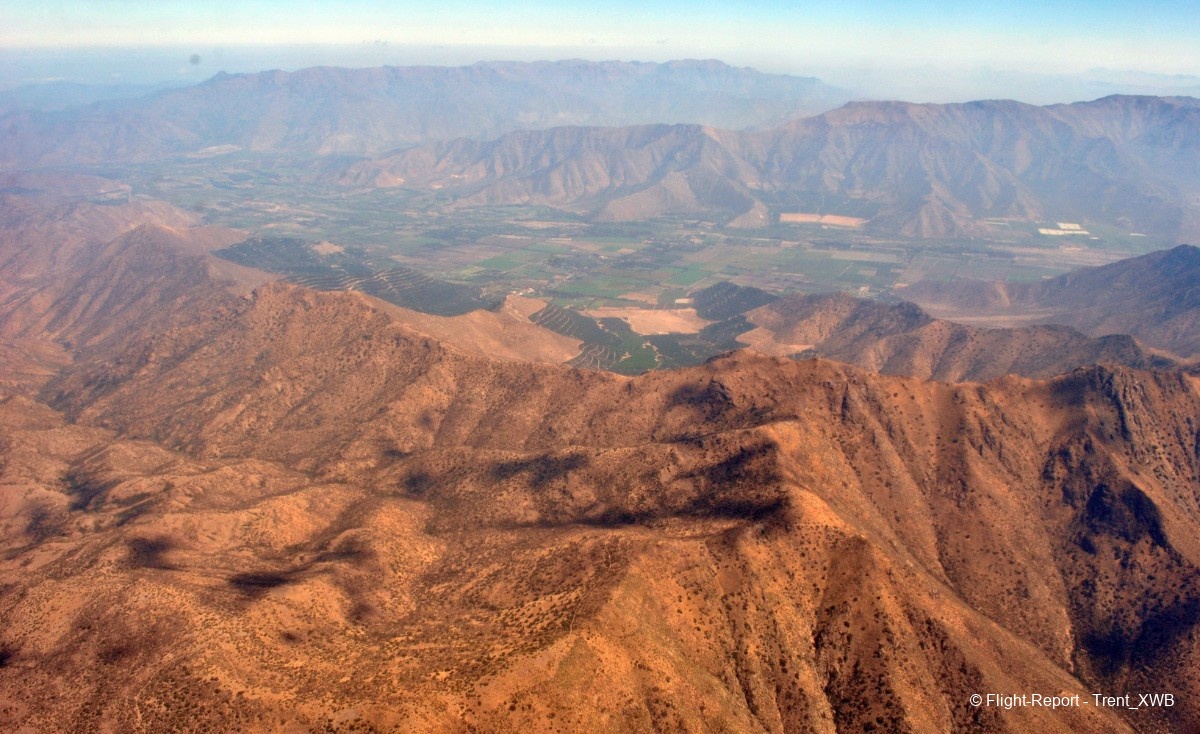
Cerro El Roble (a mountain of the Coastal Cordillera, popular for hiking from Valparaiso), towering over Panamerican highway.
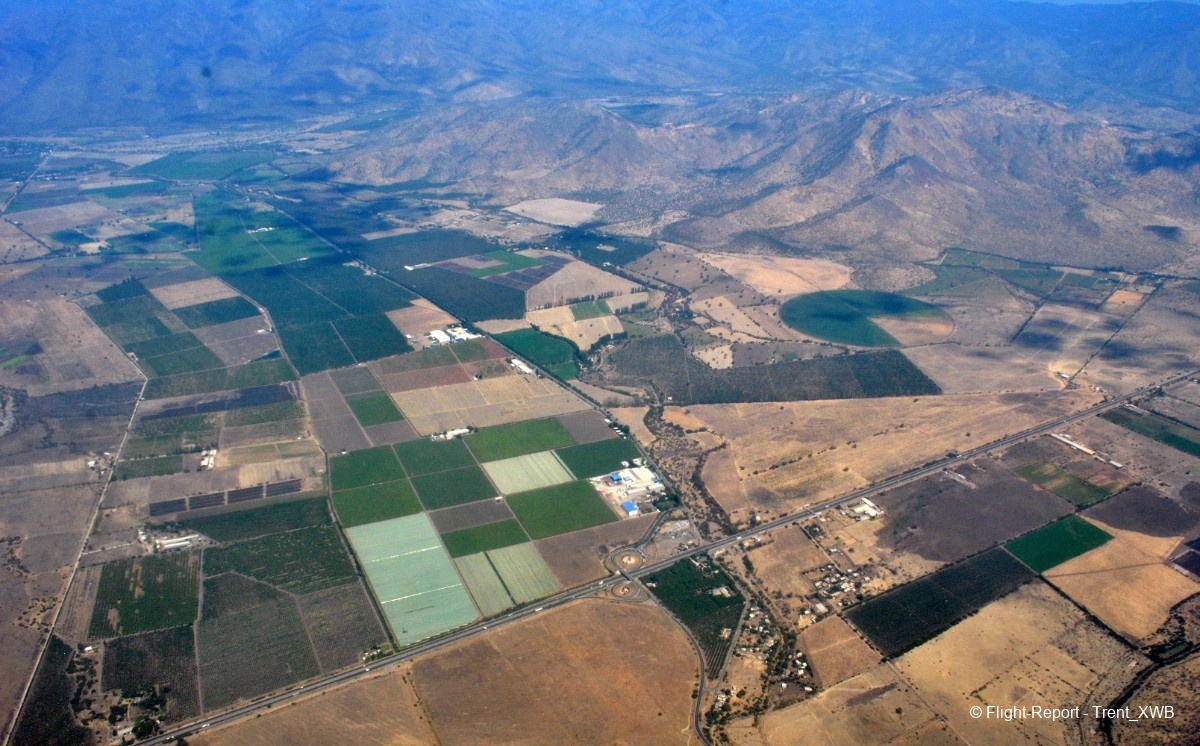
Flying over Panamerican highway.
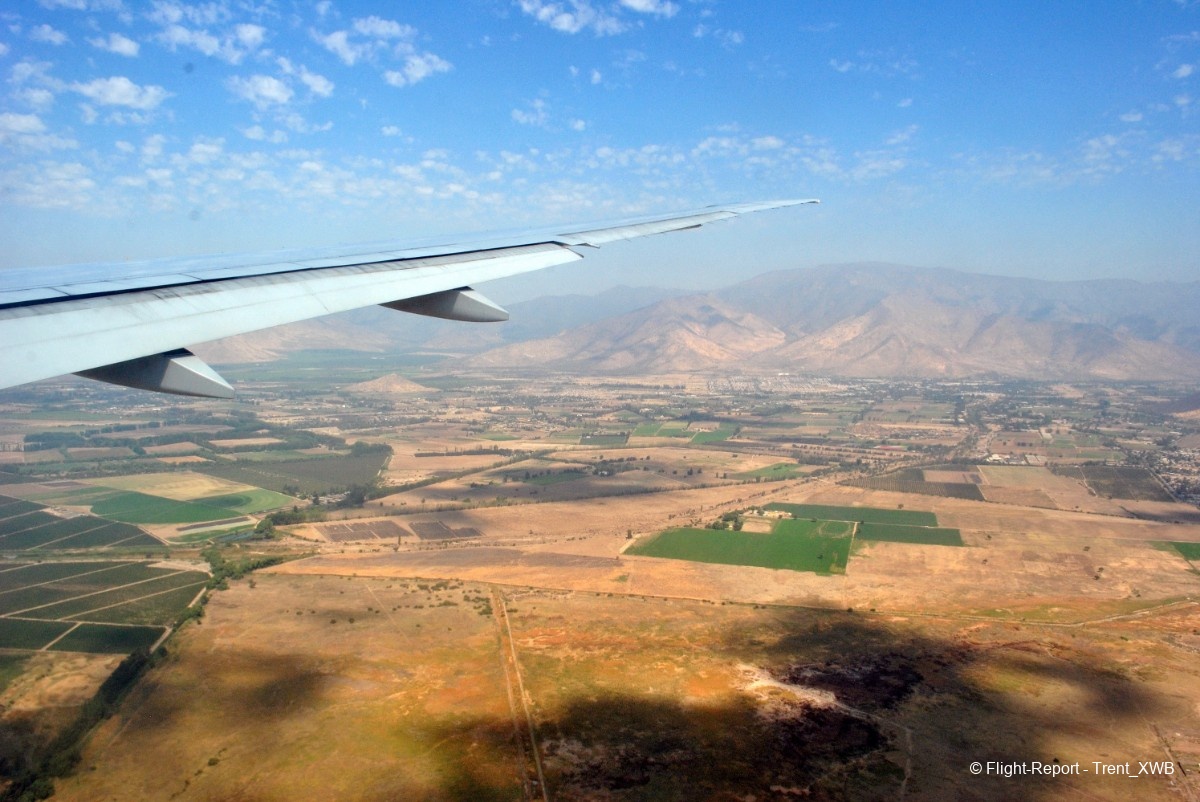
Flaps going out into the landing configuration.
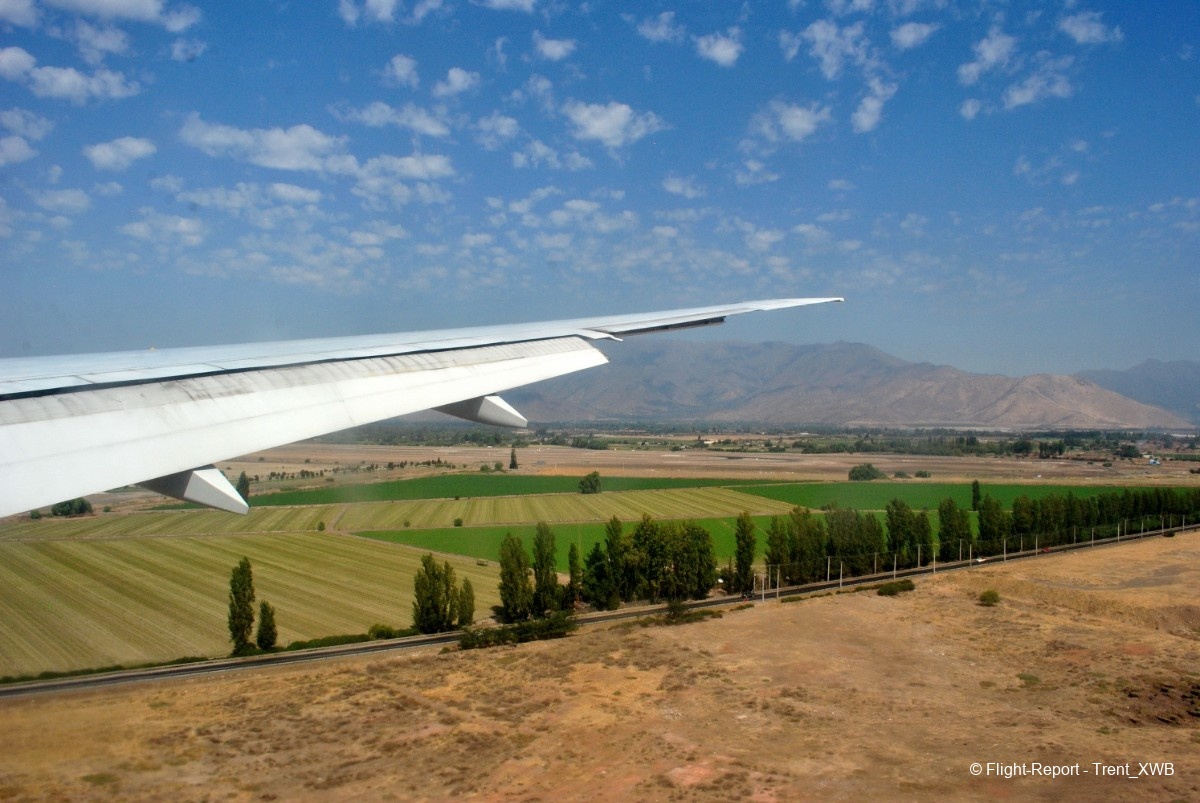
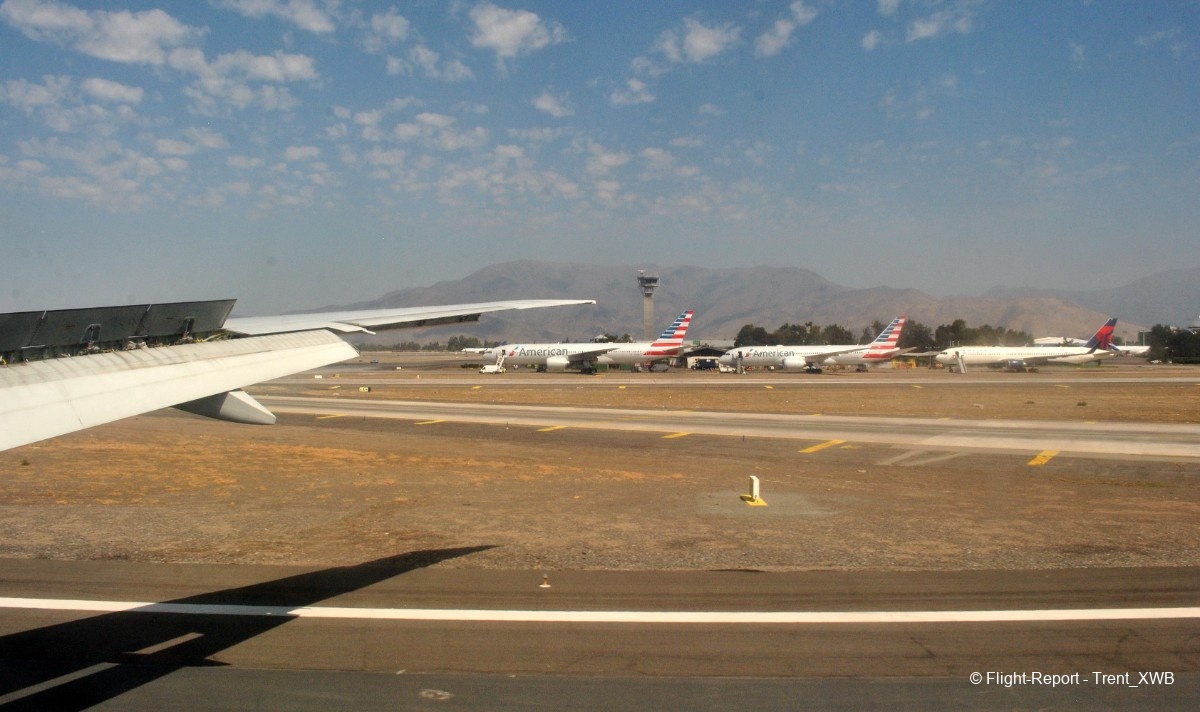
Landed in SCL, passing AA and DL aircrafts from MIA, DFW and ATL.
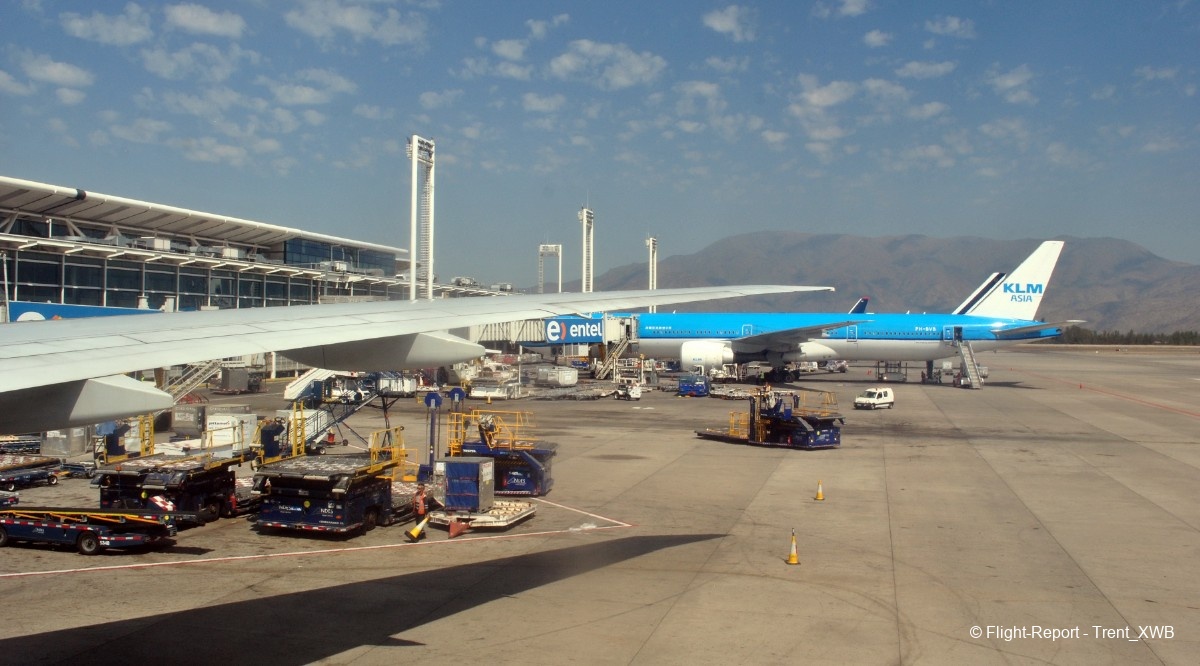
Arriving at then-single Terminal 1, which back then served international and domestic flights. In 2021 the new international Terminal 2 with 4 concources was fully opened and since then T1 serves only domestic flights. Near the T1 one can see KL B77W (PH-BVB) in KLM Asia livery. KL B77Ws currently feature 3-class C35_W24_Y322 layout. KL serves SCL via EZE, and considering that KL B777s have uncomfortable Recaro CL3710 seats in economy (I experienced it flying GYE-AMS on KL B77E in March 2020), it's a very exhausting flight and I'd like to recommend flying nonstop AF CDG-SCL flight instead, which is served by much more comfortable A359s with Safran Z300 seats.
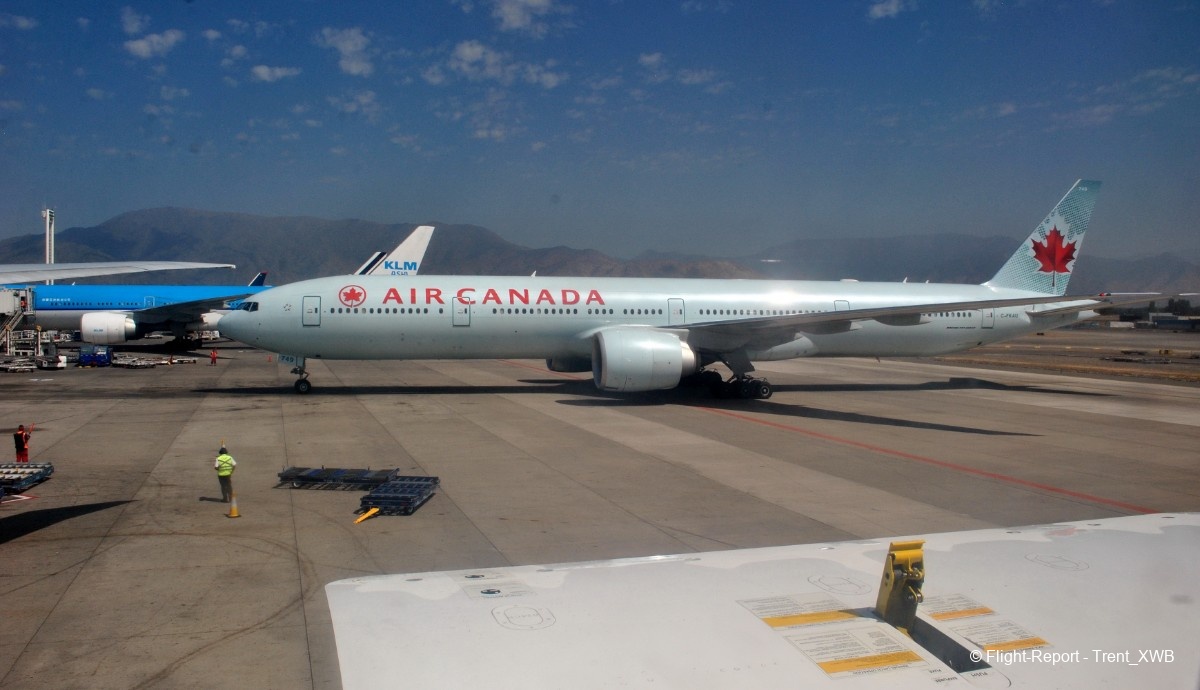
The youngest AC B77W (2016-built C-FKAU) in high-density 3-class C28_W24_Y398 layout, arriving from YYZ. Back then Air Canada served EZE via SCL. Now it flies YYZ-SCL-YYZ with B789s and flies from YYZ to EZE via GRU also with B789s.
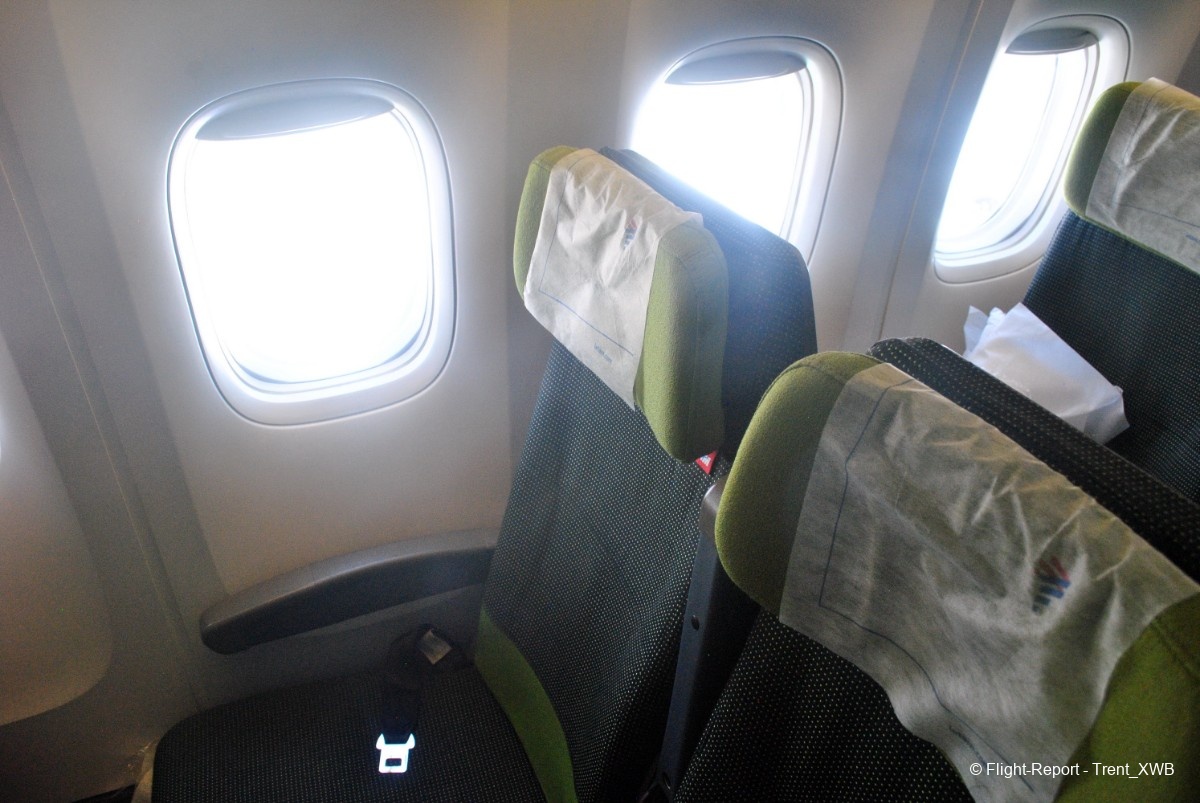
The Economy Cabin After The Flight
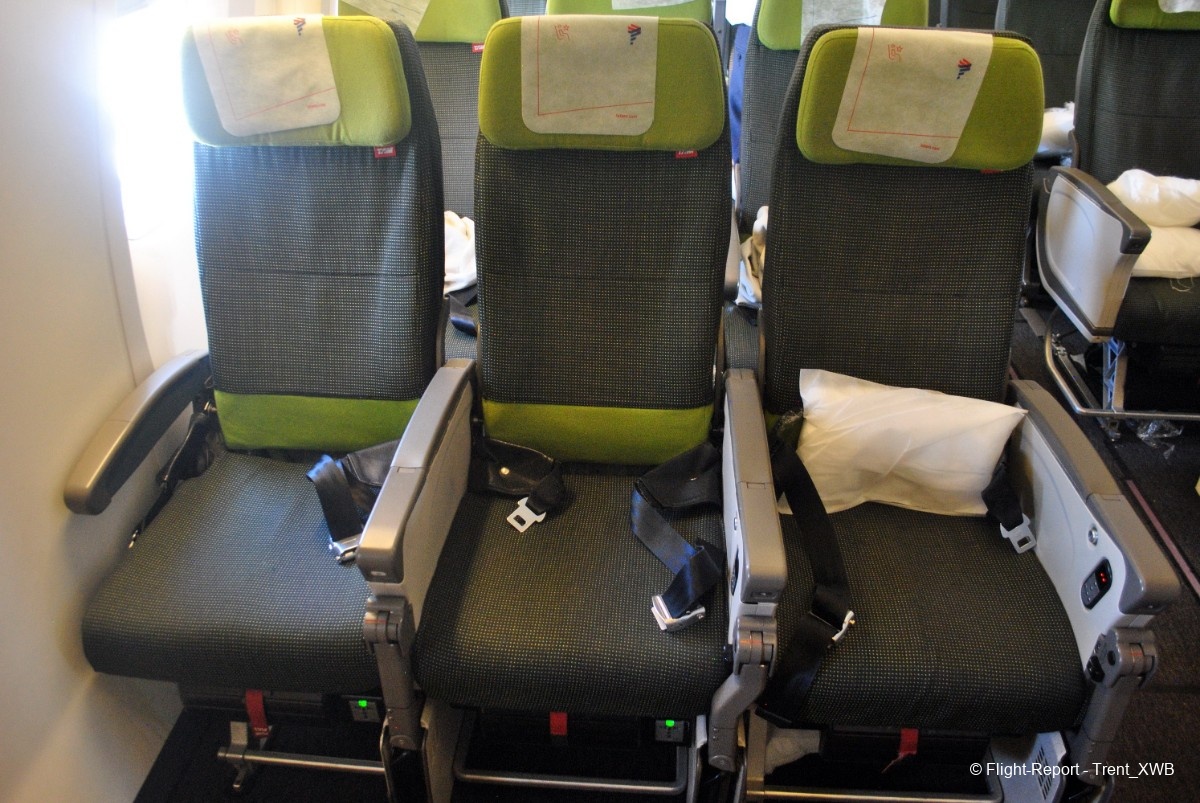
My seat 39K after the flight. It had only 1 window, whereas 40K had 2 windows, but the size of 777 window was enough to have decent angles of view even having just 1 window.
The front row of the rear economy cabin.
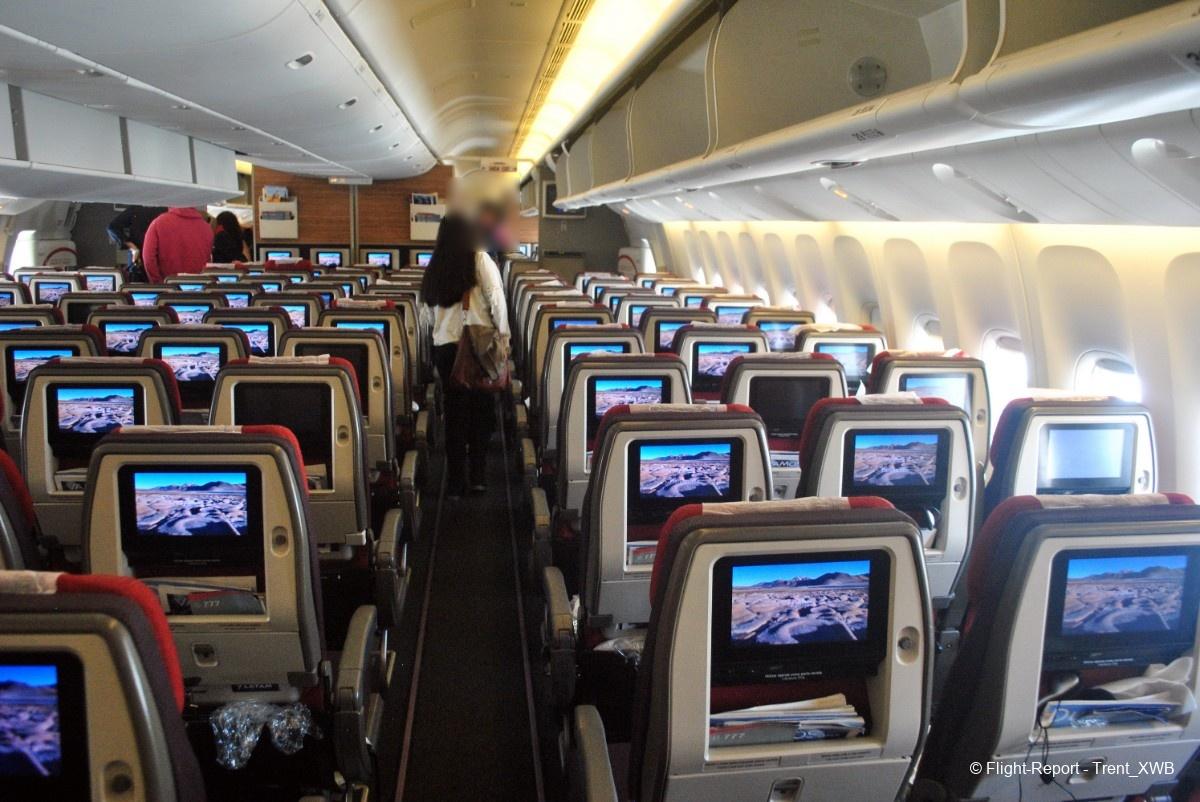
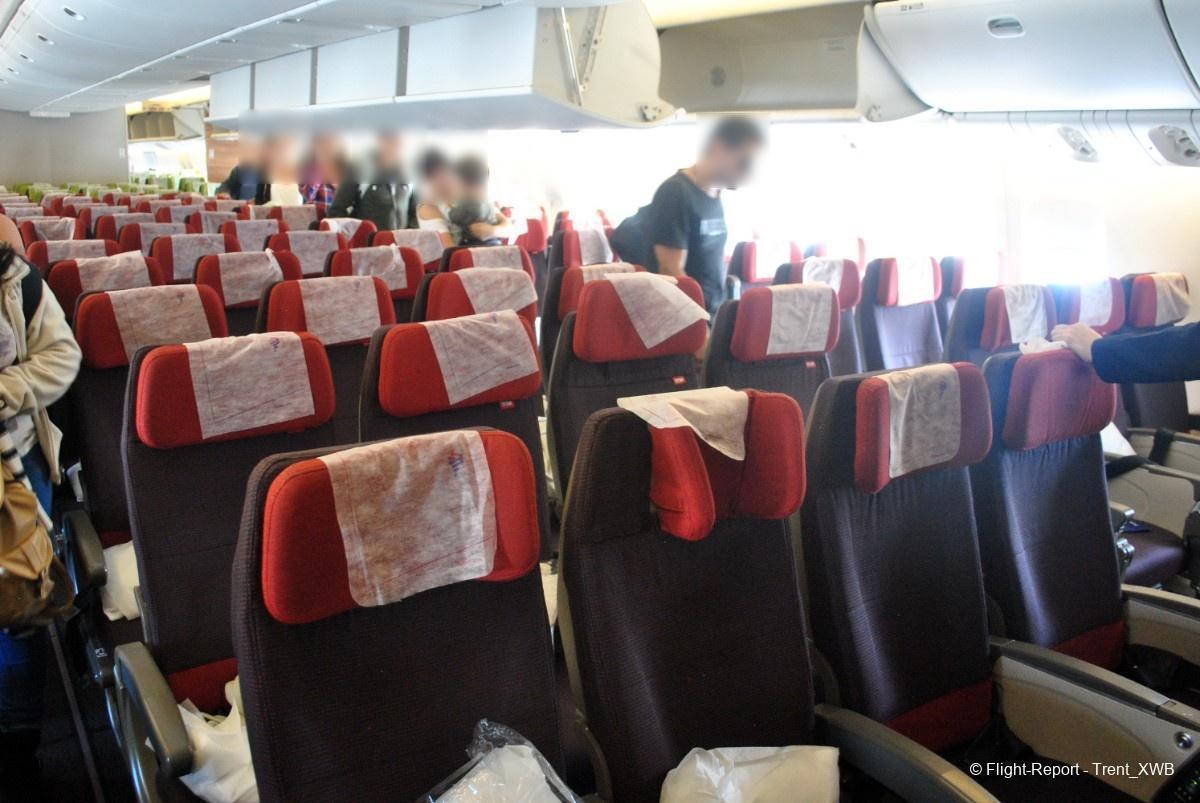
Some views of the middle economy cabin upon disembarkment.
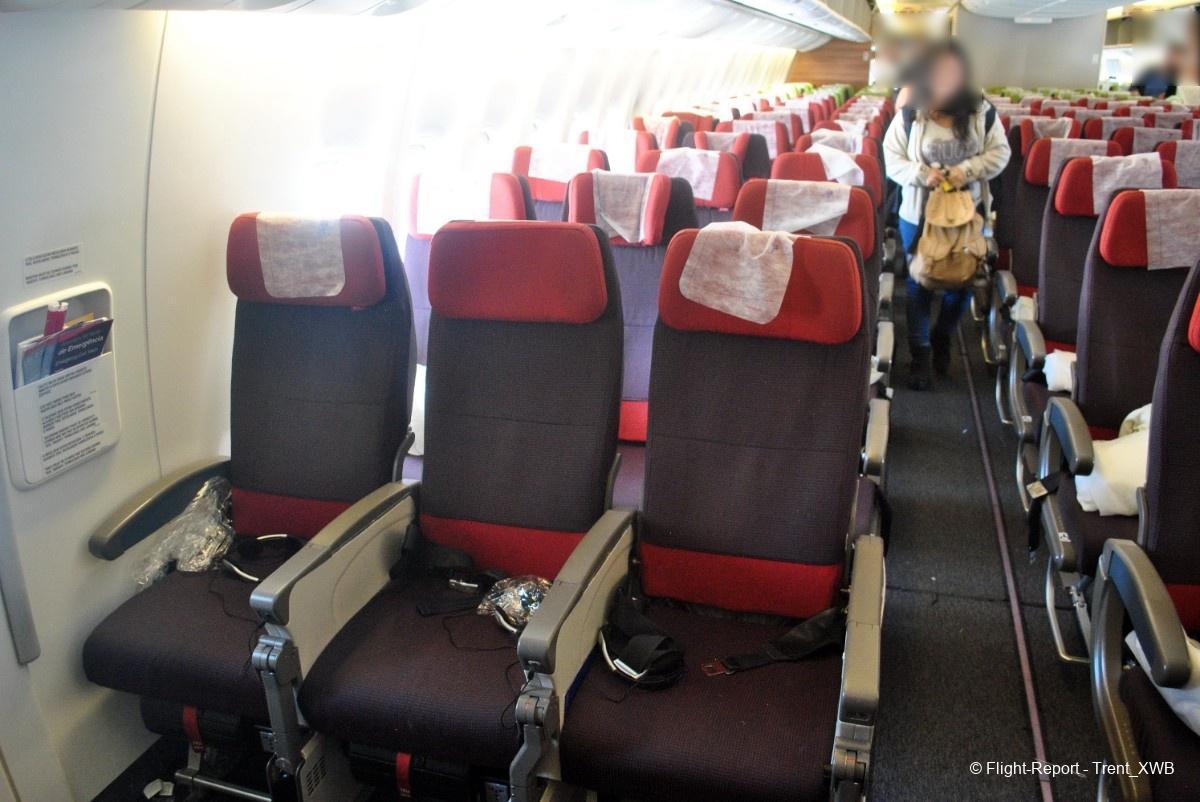
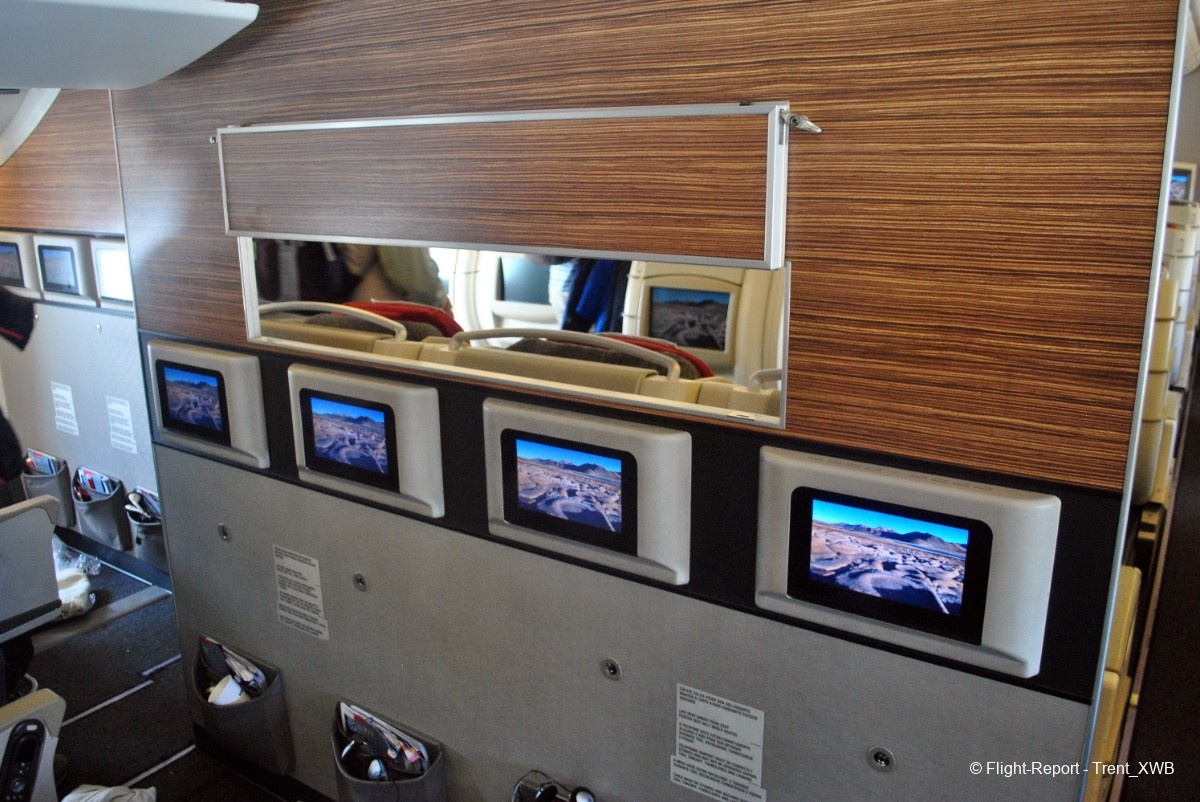
The bulkhead of the smaller front economy cabin with a "window" into the 2nd business cabin.
The Business Cabin After The Flight
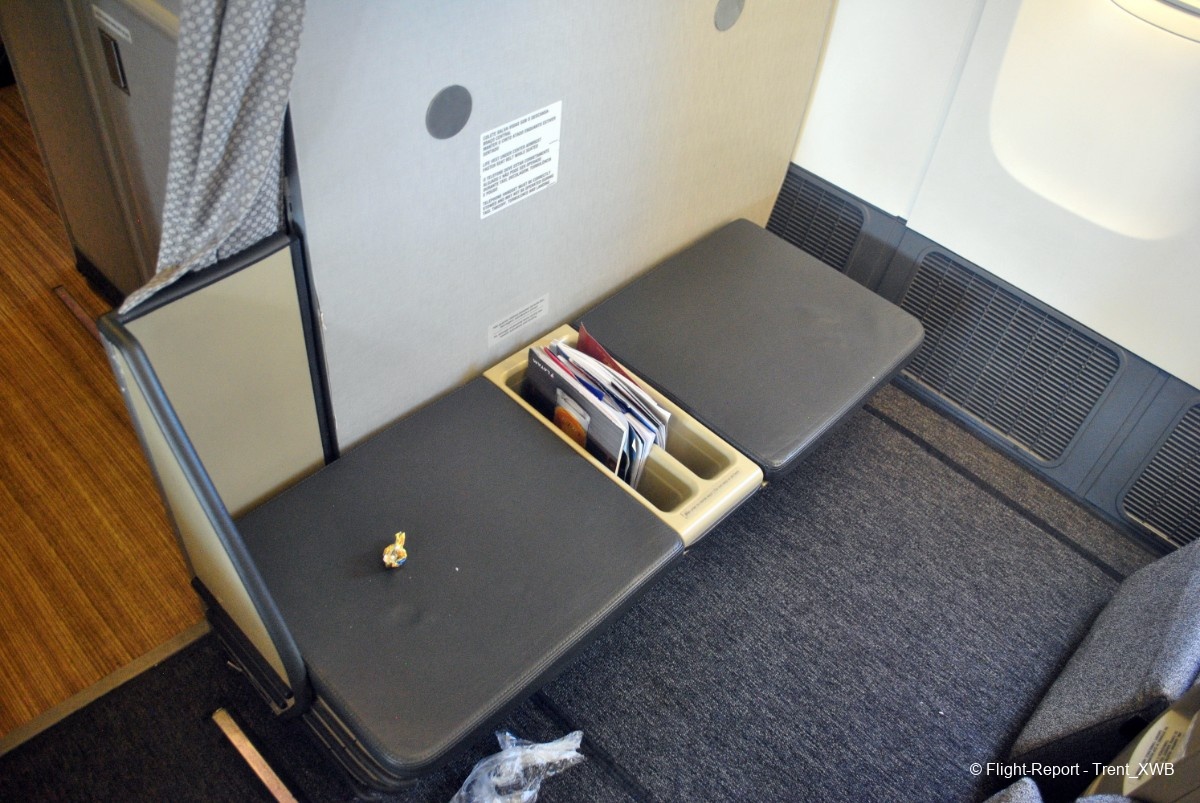
Some detailed views of the 2nd business cabin, which now has only nostalgic value. Retrofitting the business cabins with Vantage XL seats is a huge step up over these ancient Sicma Majesty angle-lies. I asked the crew about the possibility of visiting the front business cabin, but they didn't permit. Anyway, the front business cabin was absolutely the same as the 2nd one, so I didn't miss something special.
The Aircraft After The Flight
The last glance on the mighty B77W, which flew me here across the Conosur with magnificent views. Welcome to Chile!
Bonus: Nostalgic Planespotting in GRU in 2016-2017
As a bonus to this FR, I'd like to share some planespotting photos, made during my visits to GRU airport in 2016 and 2017.
Let's start with 2016. I was there in late February and early March, and it was the time when GRU had the maximum aircraft types diversity I ever witnessed there.
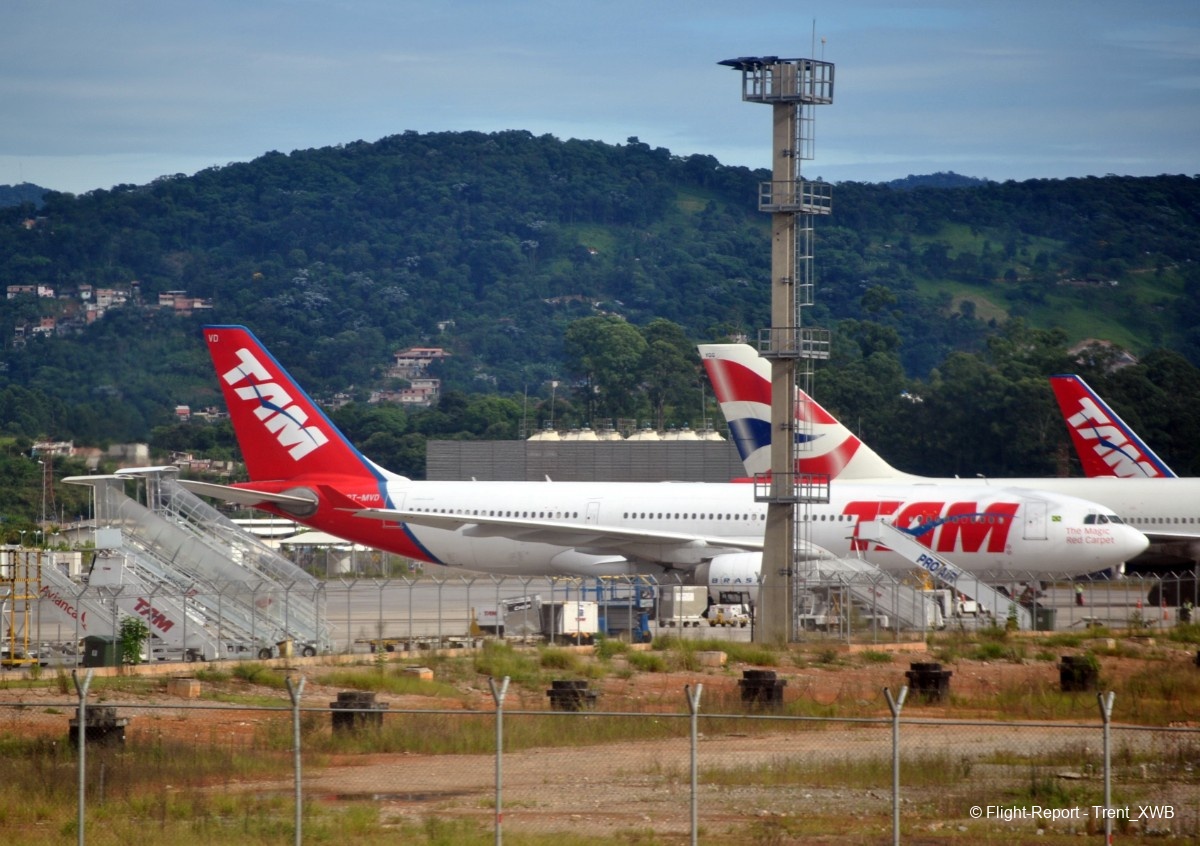
A332 (PT-MVD) - one of the last A332s, remaining from the old TAM and still having first class cabin. Its fate was already sealed: it was phased out 13 March 2016 and then scrapped.
The photo is taken on 26 February 2016.
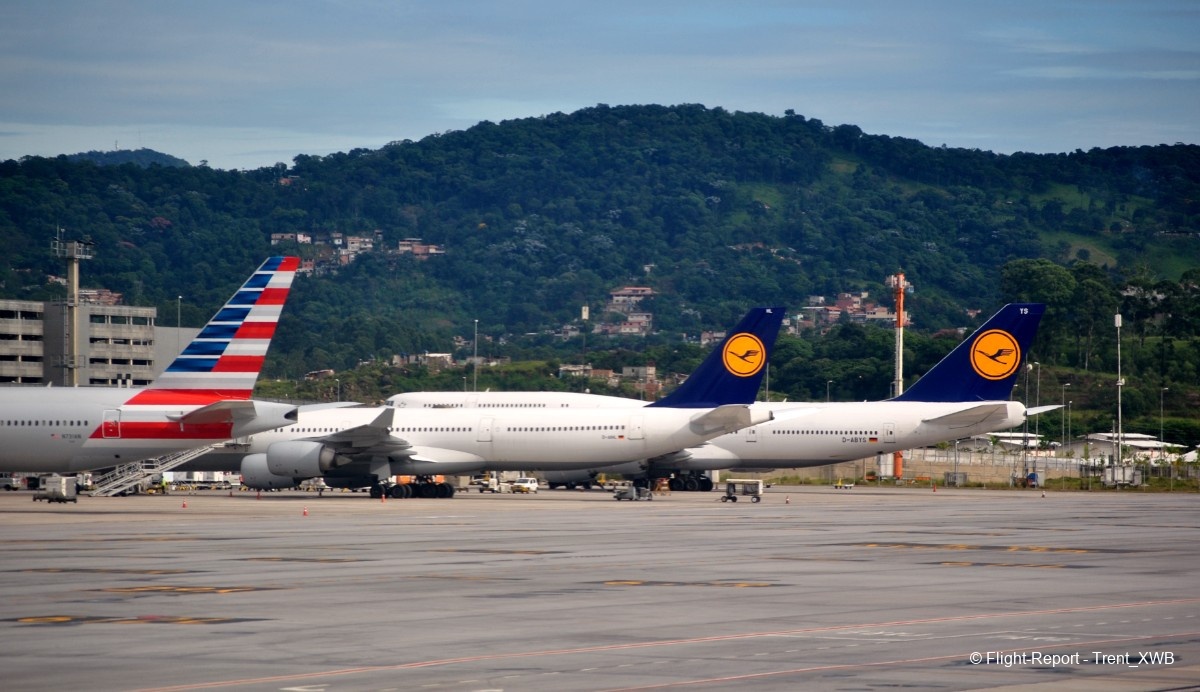
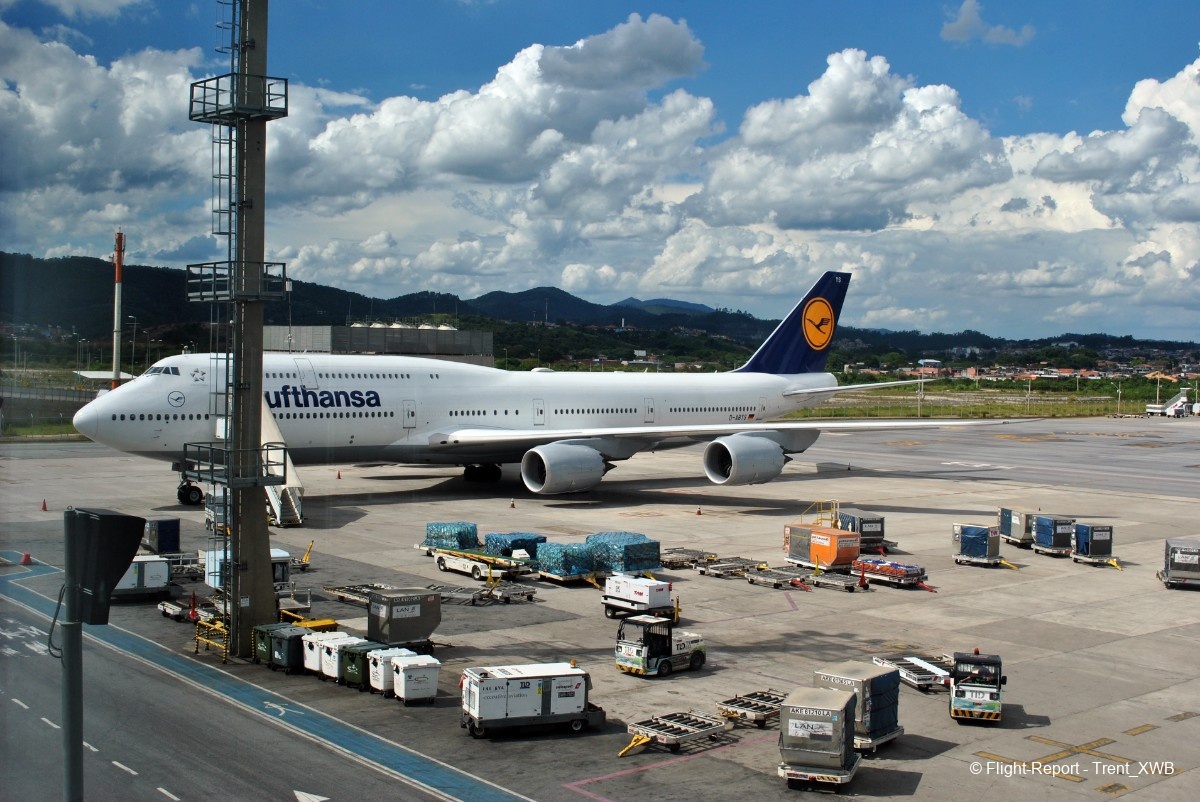
Tails of the Deutsche duo: LH B748 (from FRA) + LH A346 (from MUC), featuring the then-standard classic LH livery, and tail of AA B77E.
The photo is taken on 26 February 2016.
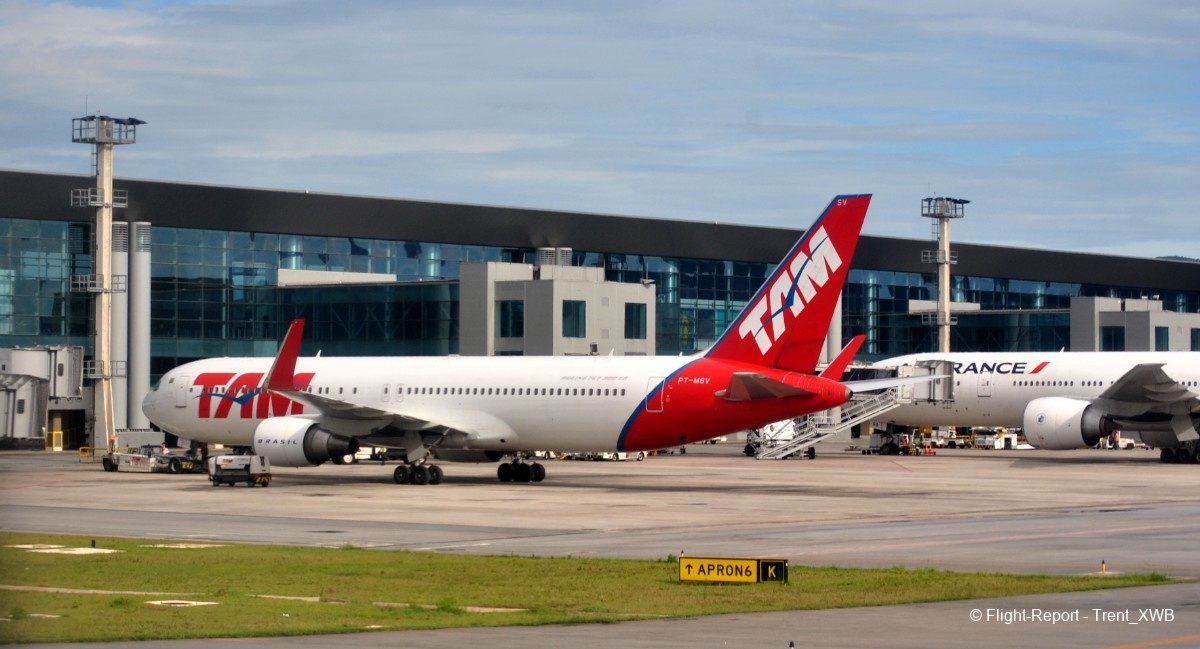
B763 (PT-MSV), built in 2012. In 2022 it was converted to freighter and joind LATAM Cargo Colombia fleet. On my way back from Chile in March 2017 I flew 2 similar B763s on SCL-GRU-MXP. These B763s were the most comfortable widebodies for economy passengers in the pre-Covid LATAM fleet.
The photo is taken on 26 February 2016.
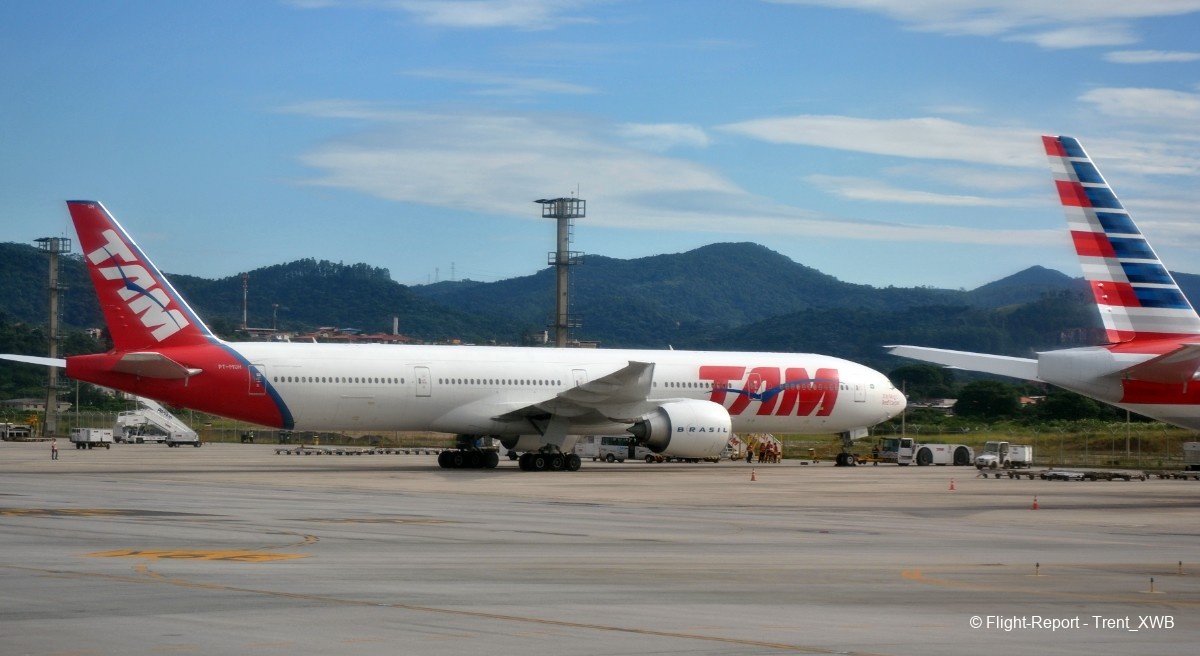
B77W (PT-MUH) - the star of this FR. Already without first class.
The photo is taken on 26 February 2016.
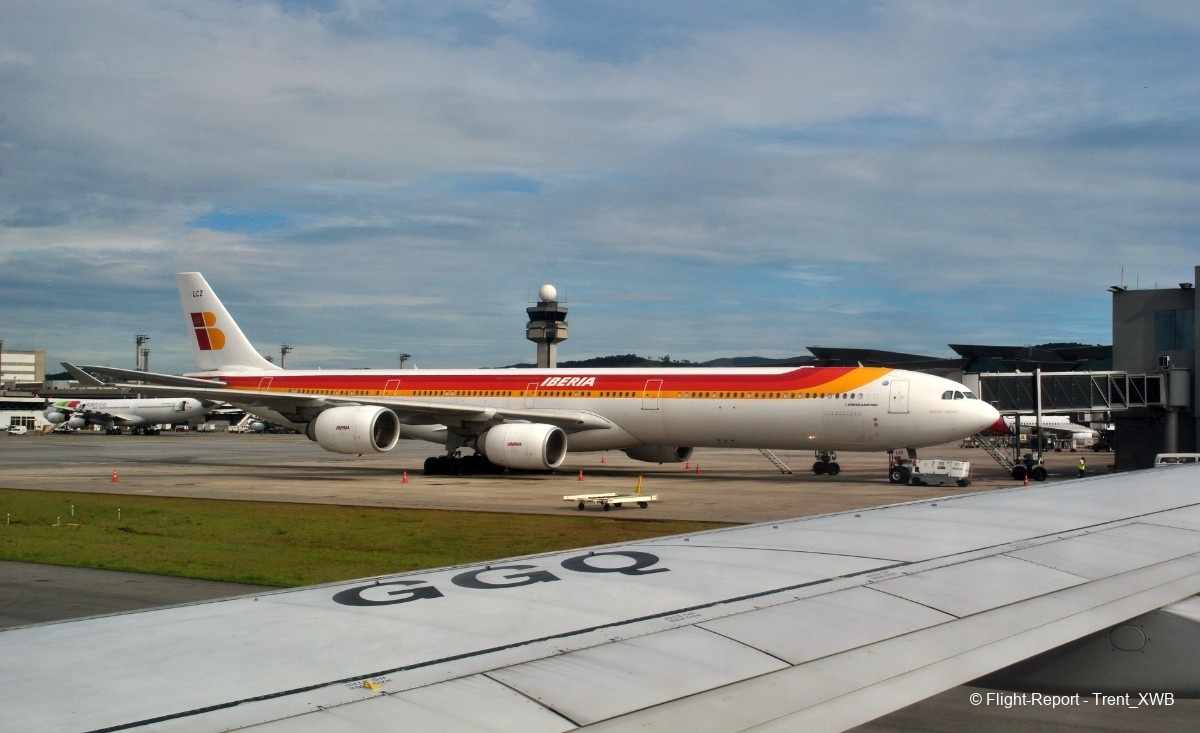
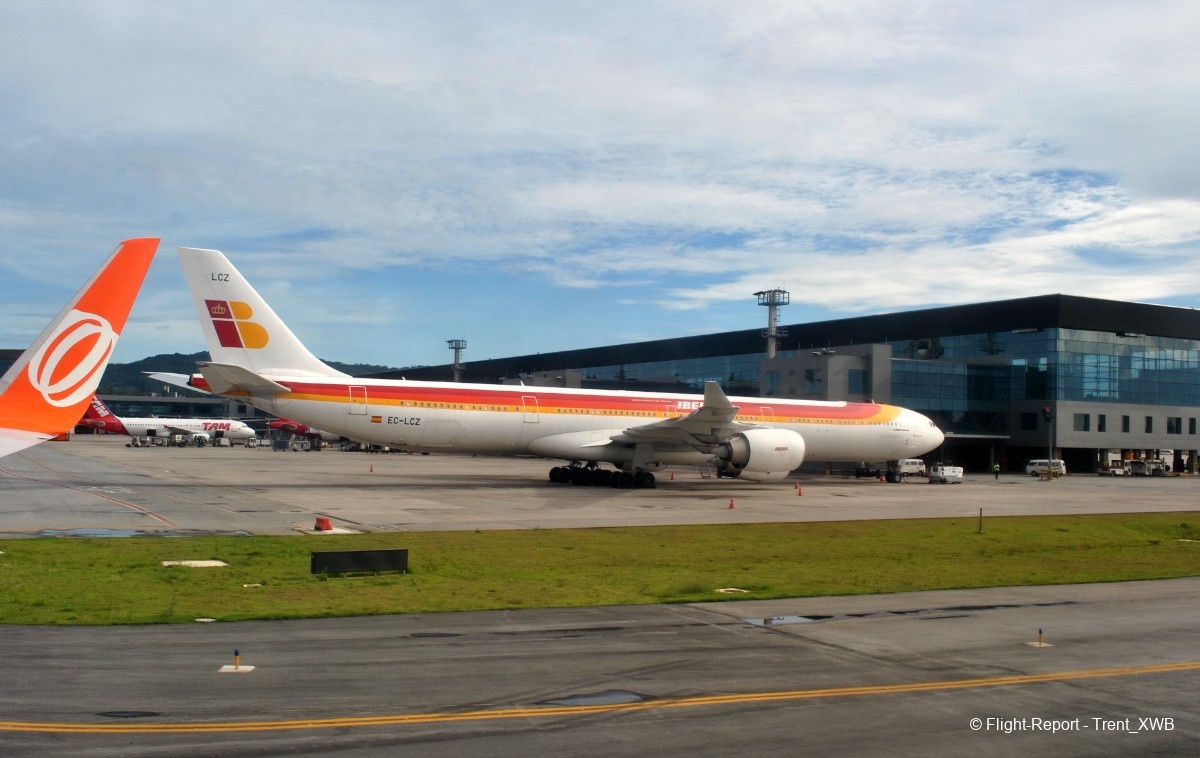
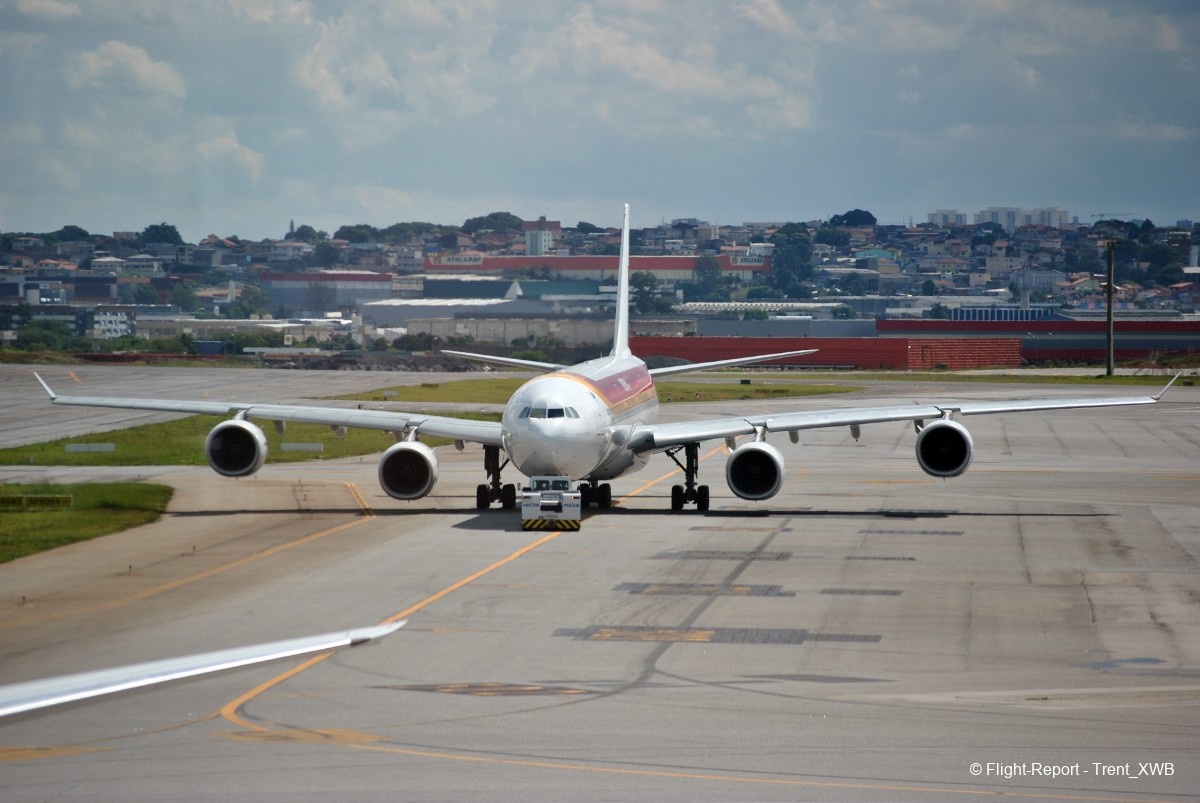
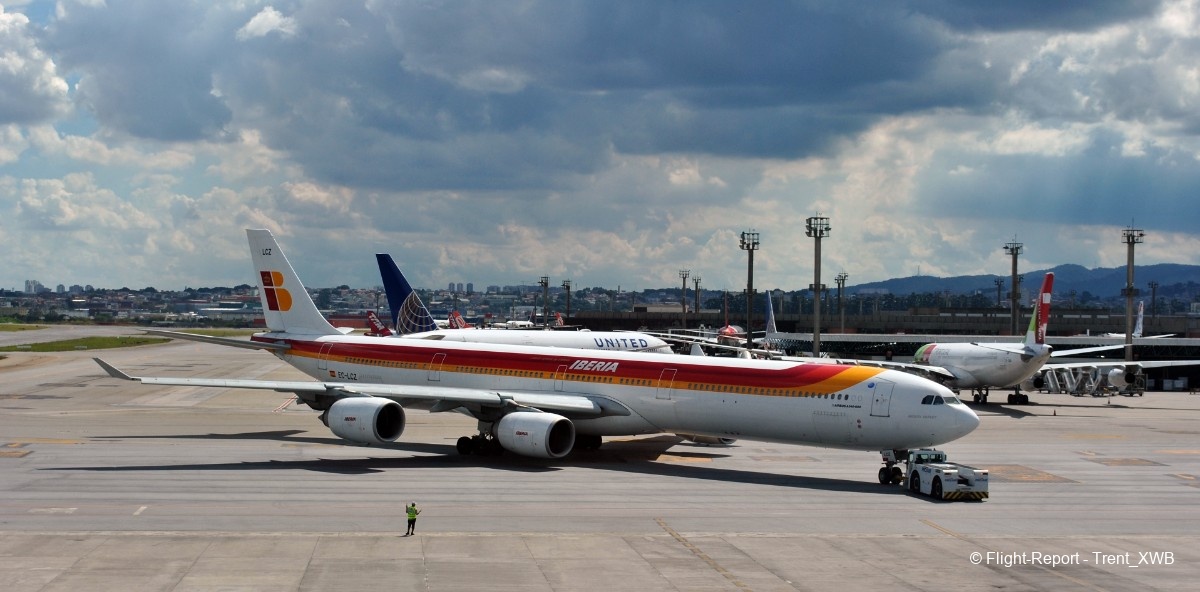
IB A346 (EC-LCZ) - the pen-penultimate A346, built in 2009. It was repainted into the new dull IB livery later in 2016. All the IB A346 were phased out in 2020 during the pandemic and most of them were scrapped, but EC-LCZ avoided this fate, being stored since. IB A346 had 2- or 3-class layouts (C36_W23_Y300 or C46_Y300) with very spacious and comfortable economy cabins. In February 2019 I flew an IB A346 on IB's then-longest flight MAD-SCL, but the experience was destroyed by abysmal - very hostile and rude - cabin crews, which was sadly a norm for pre-Covid Iberia.
The photos are taken on 26 February 2016.
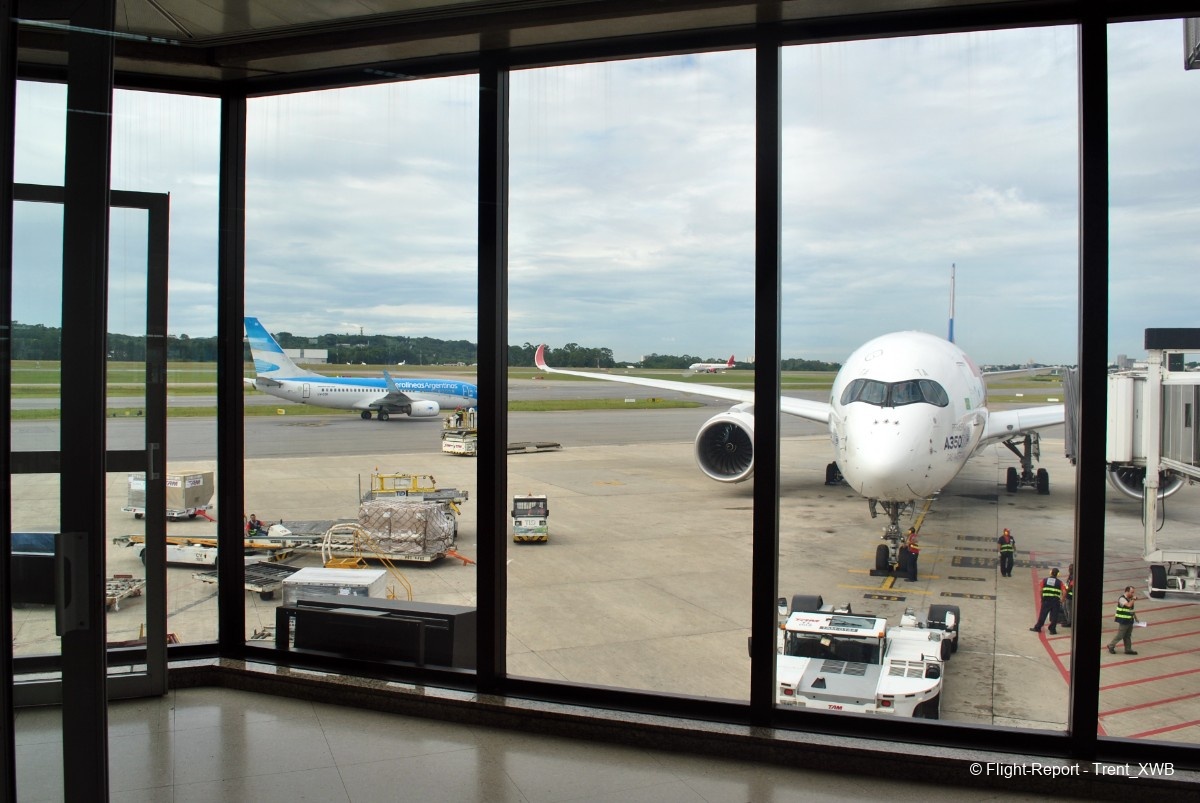
The very first LATAM's A359 (PR-XTA, now N568DZ of Delta) at the domestic gate in T2 and Aerolineas Argentinas B737 (LV-CSI) taxiing by. The latter was transferred to Southwest Airlines in November 2016 and then phased out in February 2025.
The photo is taken on 26 February 2016.
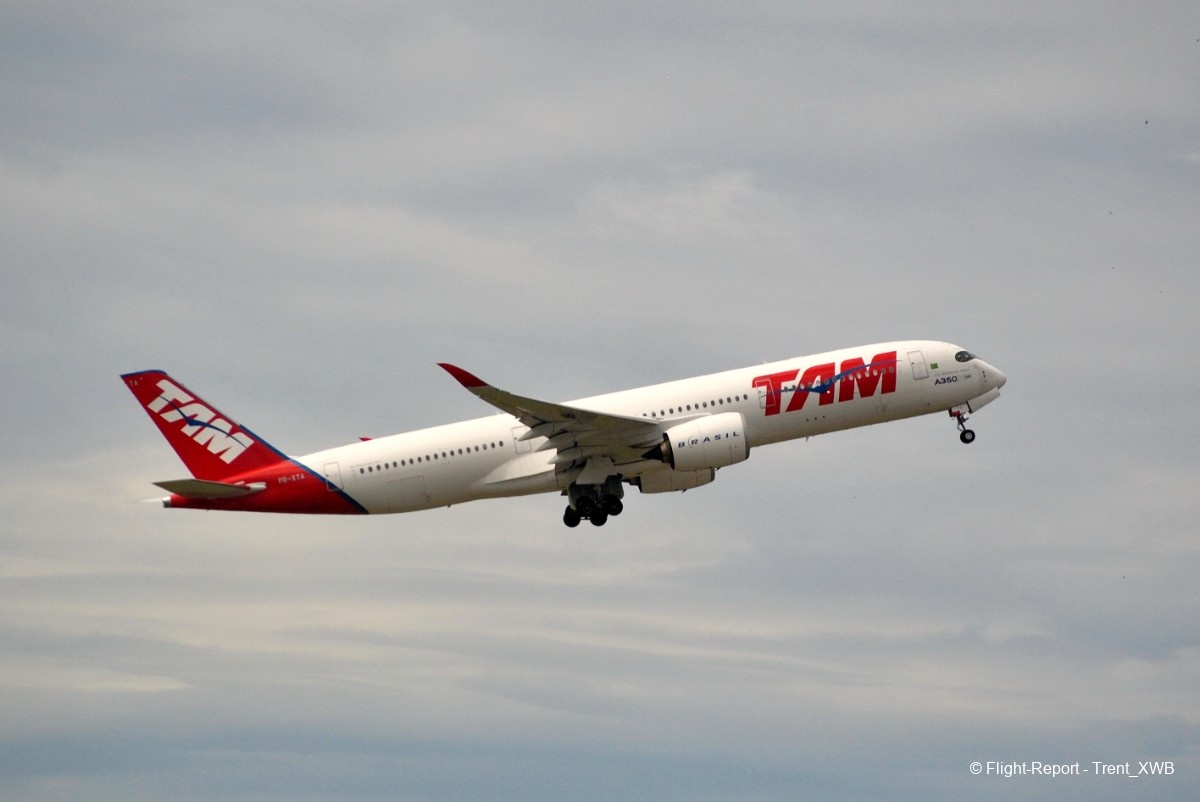
PR-XTA taking off for MAO.
The photo is taken on 26 February 2016.
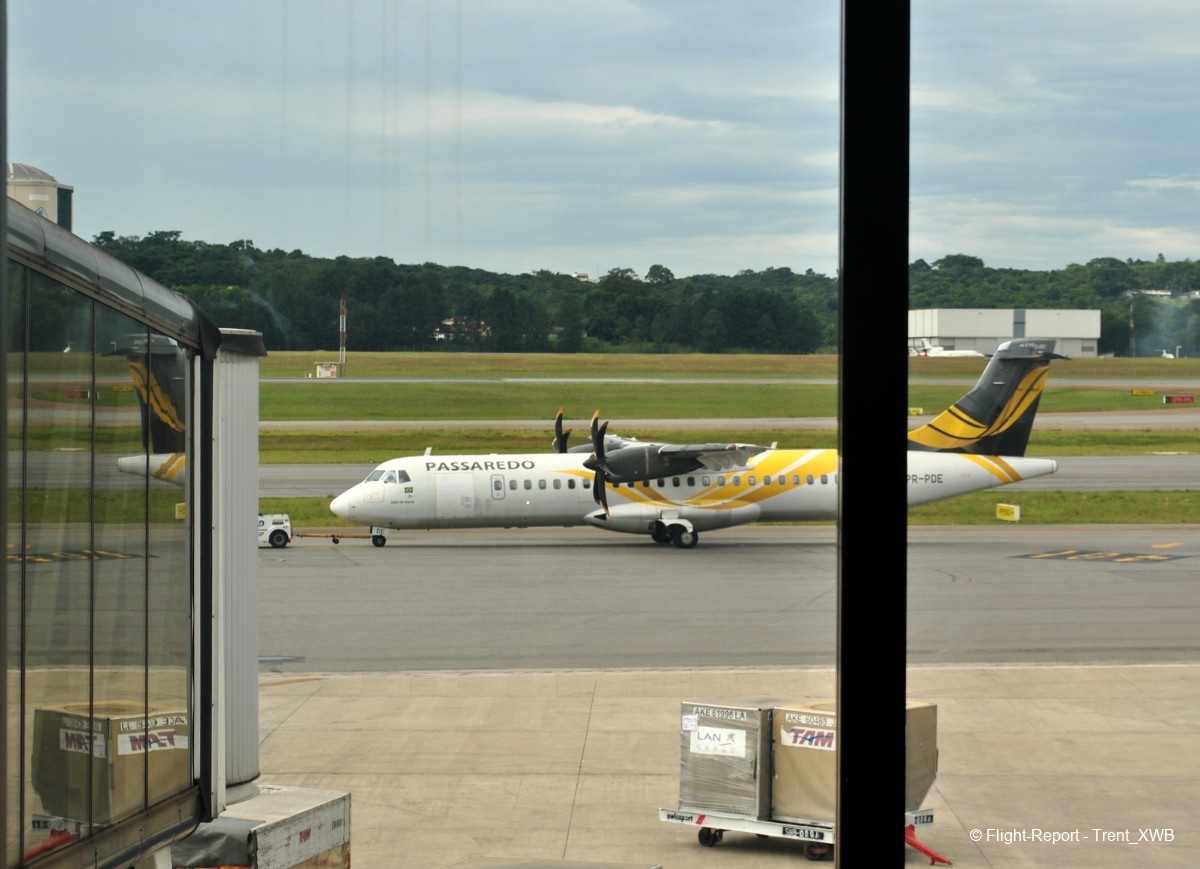
AT75 (PR-PDE) of Passaredo, built in 1998. It was phased out in August 2016. In August 2019 Passaredo was rebranded into Voepass. On 9 August 2024 2Z's AT75 (PS-VPB), flying CAC-GRU, crashed not far from GRU, killing 58 passengers and 4 crew. Then 2Z entered the "death spiral" and ceased operations 11 March 2025.
The photo is taken on 26 February 2016.
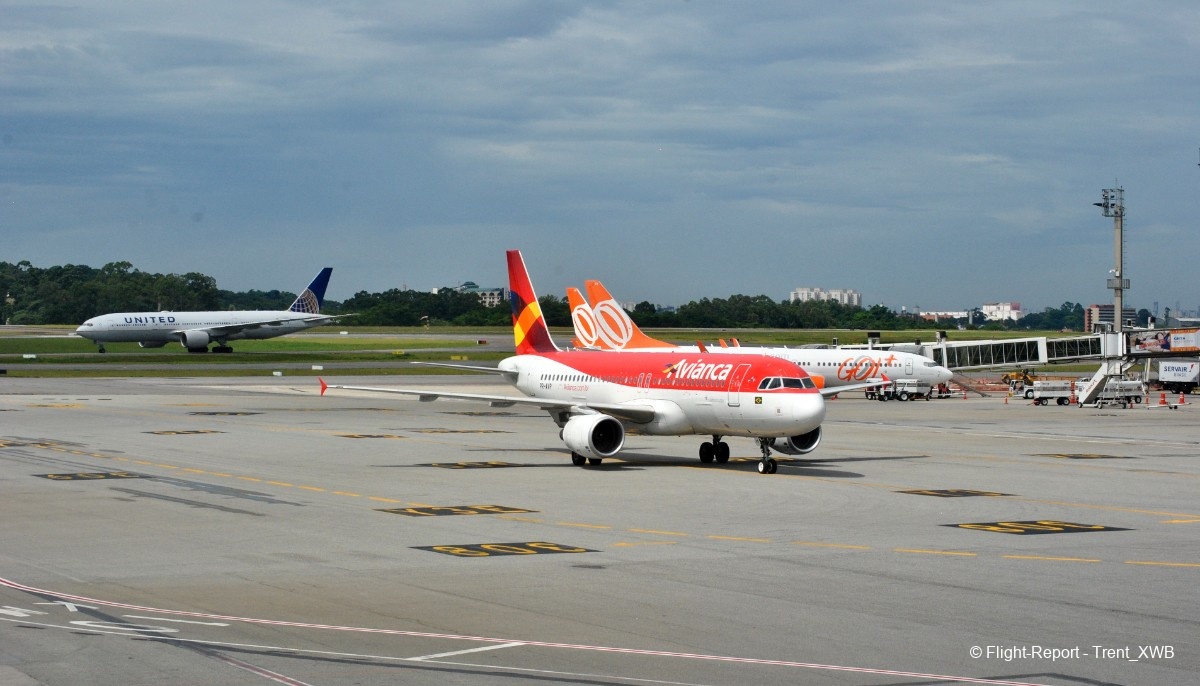
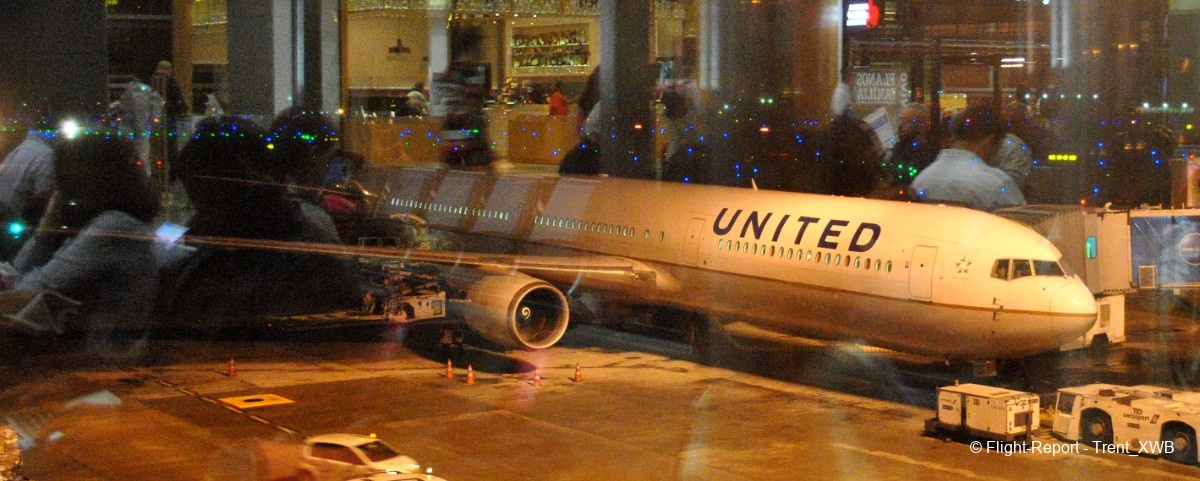
A320 (PR-AVP, now N292NV of Allegiant Air) of Avianca Brasil. The airline was discontinued in May 2019 and since then the Avianca brand means only Colombian airline. On the backdrop PW-powered UA B77E is arriving.
The photo is taken on 26 February 2016.
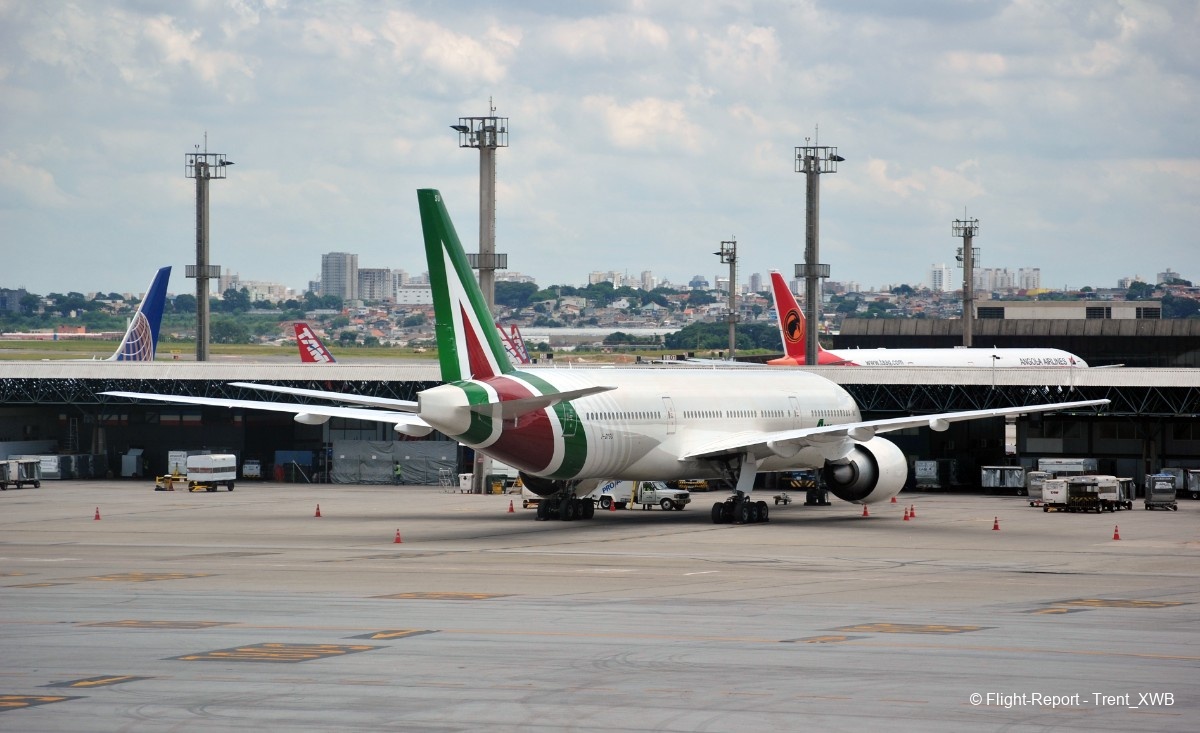
B77E (I-DISU) of Alitalia. Since the pandemic and the "old AZ" closure it was stored in FCO. The "new AZ" (ITA Airways) took over only AZ's A332s and now in January 2026 has almost got rid of them with the last A332 leaving the fleet soon (then ITA's widebody fleet will consist only of A359s and A339s). On the backdrop is TAAG B77W (DT is the only airline with first class in Africa), parked near T2.
The photo is taken on 26 February 2016.
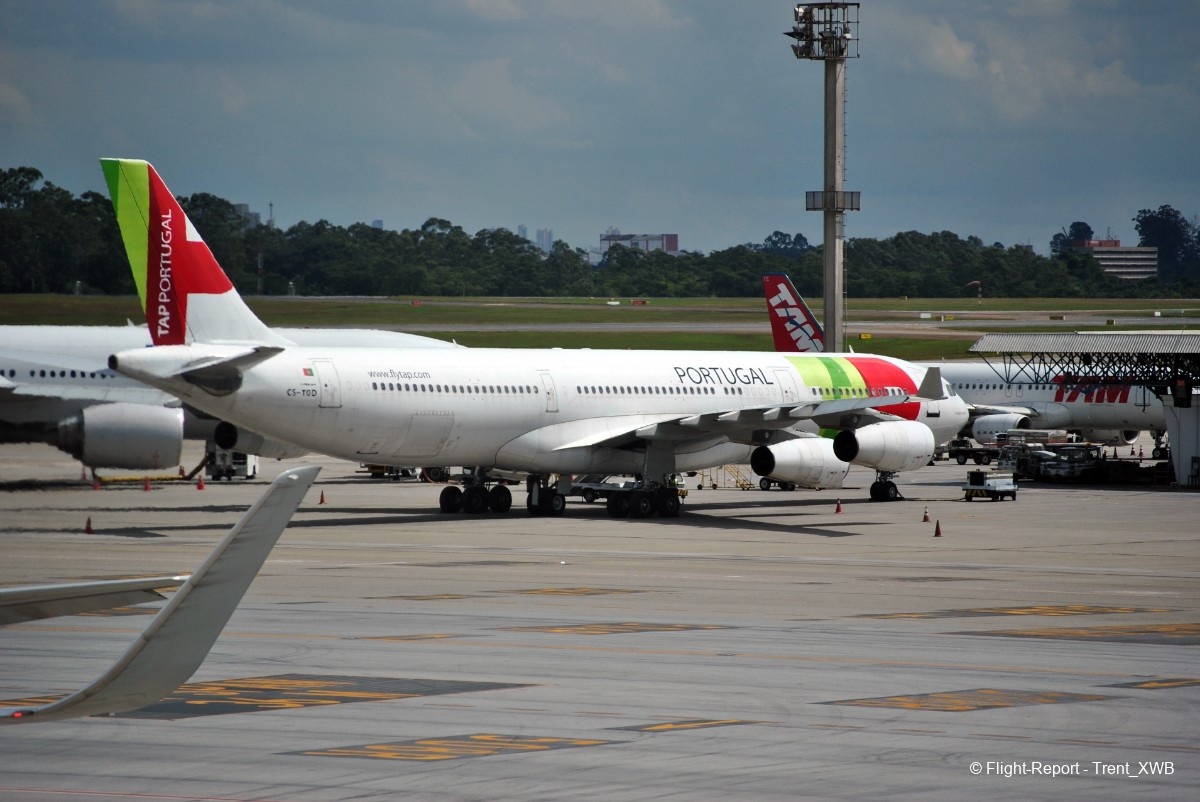
TP A343 (CS-TOD), built in 1995. TP phased out all its 4 A343s in 2019 and then they were scrapped. TAP managed to make a full turnaround of its widebody fleet by replacing all the A343s and all but 3 A332s with the newest A339s in 2018-2019 (TP is the world's first operator of the type).
The photo is taken on 26 February 2016.
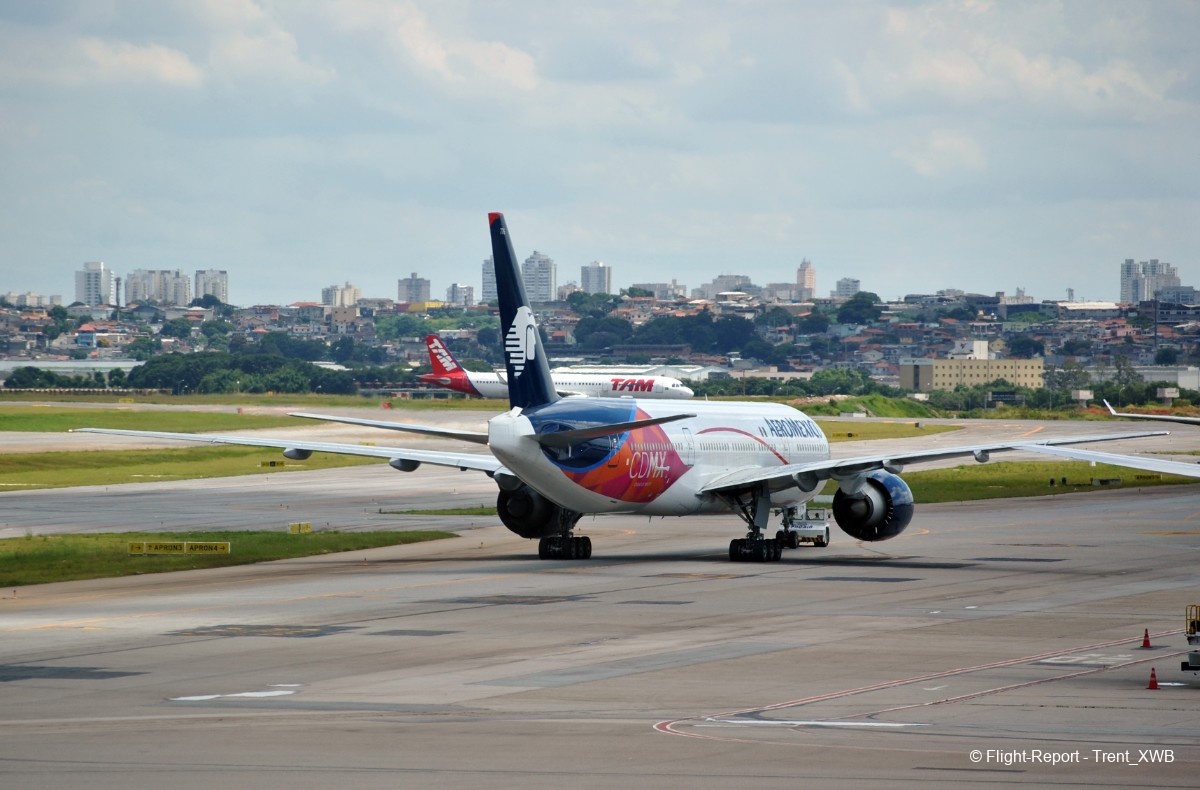
AM GE-powered B77E (N776AM) featuring "CDMX" livery. Its first operator was legendary Varig (which went bust in 2008), where this aircraft had 3-class F6_C49_Y232 layout. From 2007 to 2017 it was in AeroMexico fleet, where it had 2-class C49_Y226 layout with 3-3-3 economy. In early 2018 it joined OS fleet as OE-LPF and now has 3-class C32_W40_Y258 layout. From 2018 AM's widebody fleet consists only of Dreamlines - B789s and B788s. In November 2019 I flew AM B789 from MEX to AMS and it was very pleasant experience.
The photo is taken on 26 February 2016.
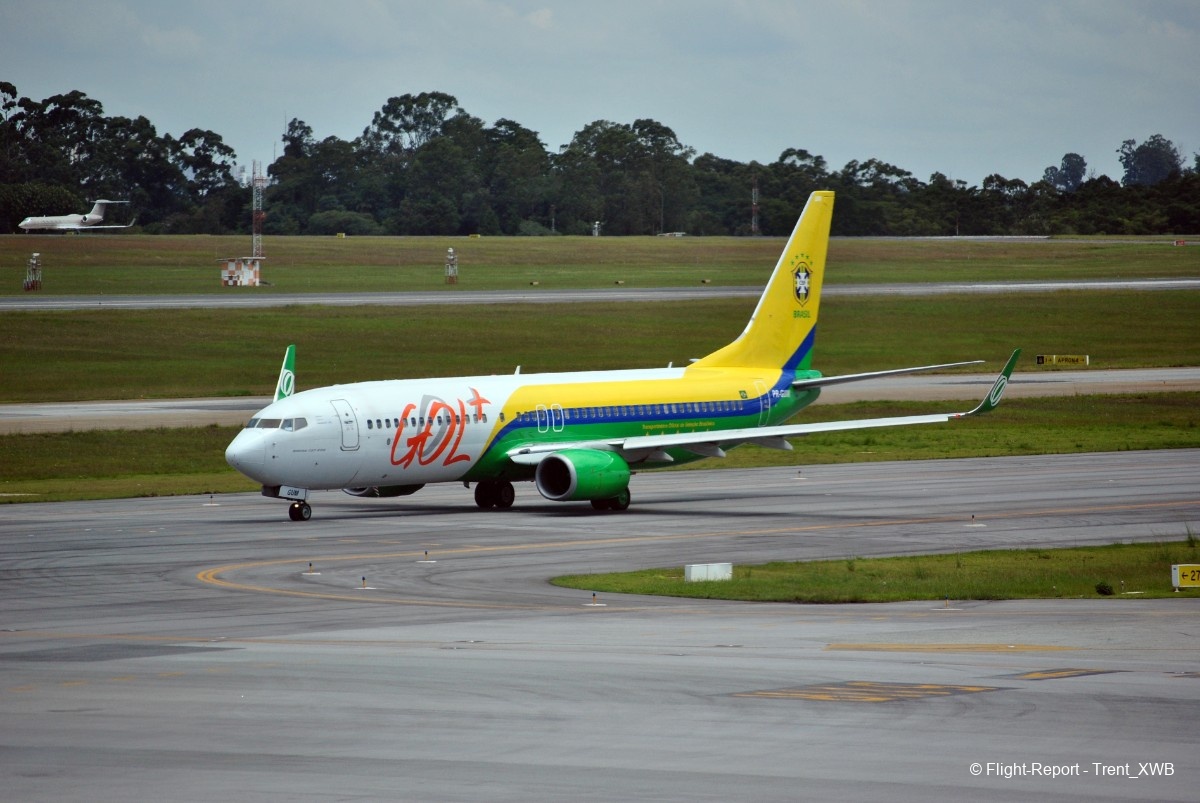
G3 B738 (PR-GUM) which had "Brazil Football" special livery from 2013 to 2024. I flew with GOL on its B738s 4 times in 2016 and once in 2024.
The photo is taken on 26 February 2016.
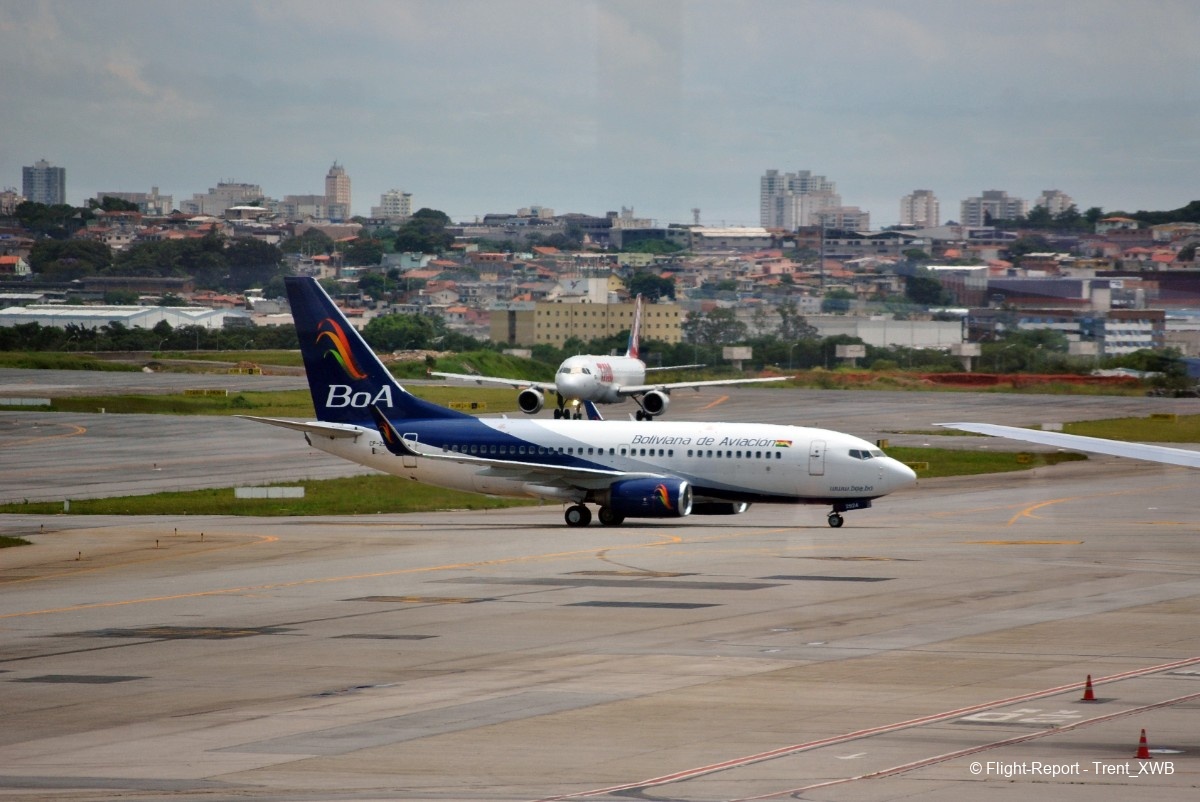
OB B737 (CP-2924) from VVI. I flew Boliviana de Aviacion in February 2019 on a classic B733 from LPB to SRE.
The photo is taken on 26 February 2016.
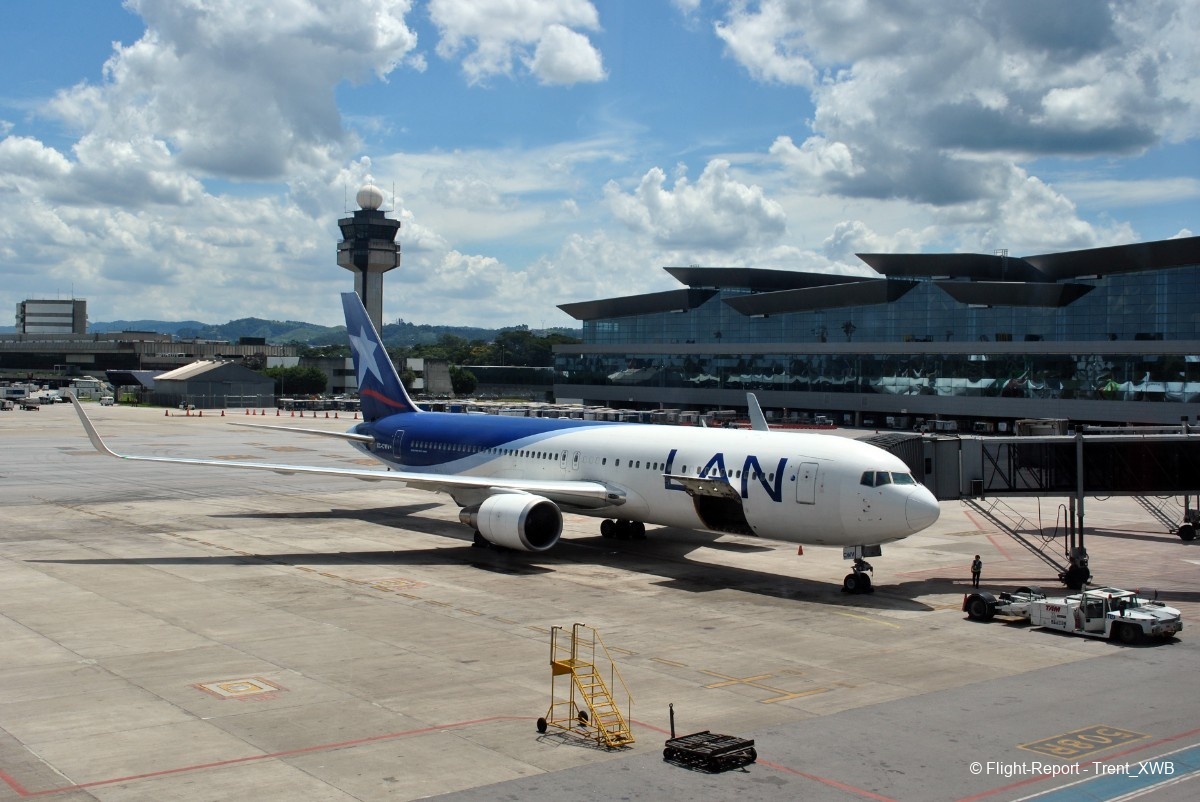
LA B763 (CC-CWV) in the old LAN livery, built in 2007. It was repainted into the new LATAM livery later in 2016. Unlike JJ, which sold its younger B763 for freighter conversion, LA retains its B763 and retrofitted them in 2019 with the new business cabins with 1-2-1 Thompson Vantage XL seats. On the backdrop to the right is the main building of T3, in the center is ATC tower and to the left is T2.
The photo is taken on 26 February 2016.
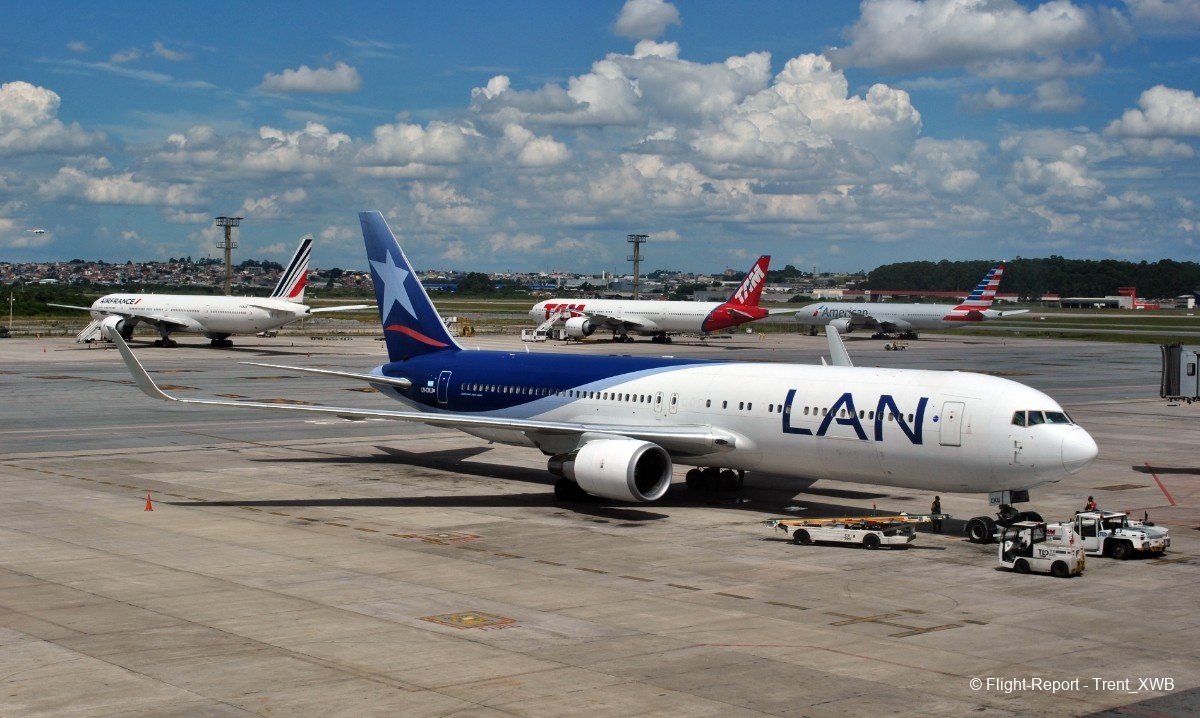
Another B763 (LV-CKU) in the LAN livery, which flew for LATAM Argentina. In 2018 this aircraft was converted to freighter and joined LATAM Cargo Colombia fleet. LATAM Argentina was discontinued in 2020 due to deterioration of Argentinian economy. On the backdrop are AA B77E, JJ B77W, and AF B77W (F-GSQA) built in 2004 - the oldest B77W in passenger service since JAL phased out in 2025 its JA732J (the B77W prototype) and JA731J (the 2nd test B77W). F-GSQA currently has 4-class premium-heavy F4_C58_W28_Y206 layout with the old La Premiere first class cabin.
The photo is taken on 26 February 2016.
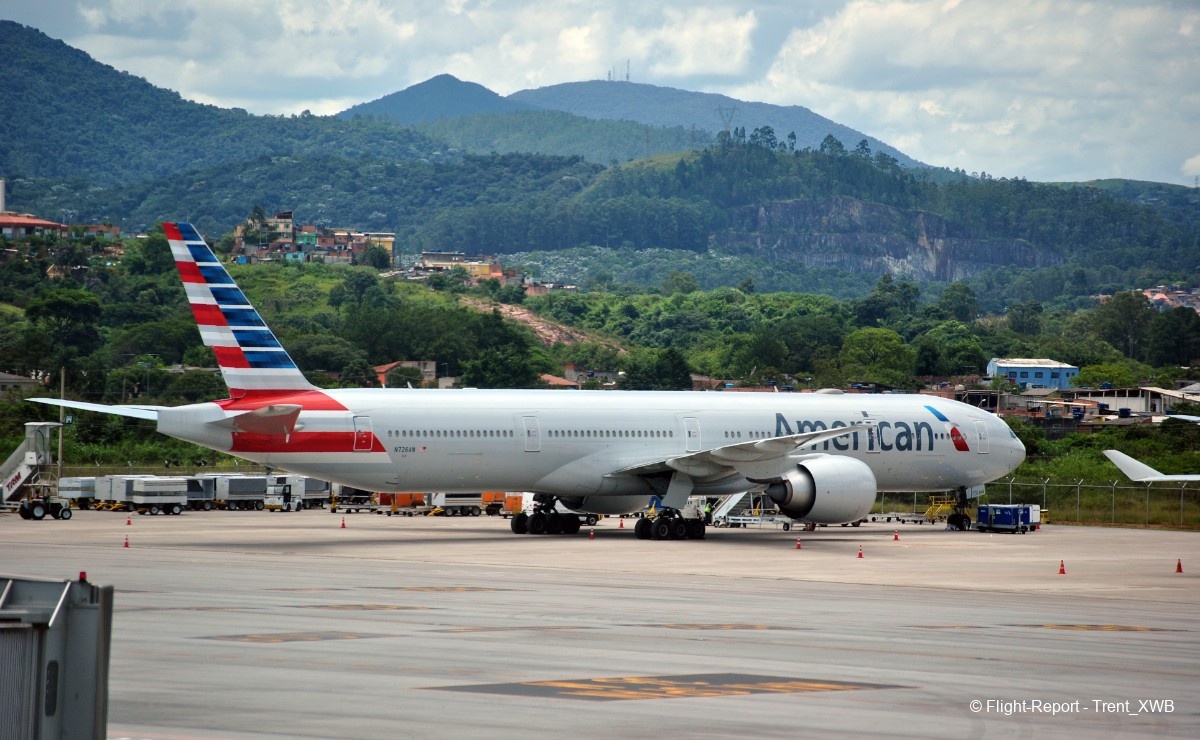
AA B77W (N726AN) in 4-class F8_C52_W28_Y216 layout. AA is the world's second-largest airline by fleet size (being recently surpassed by UA) and is the last airline in the Americas with first class. Though, AA's first in B77Ws rather looks like "business plus" by today's standards, and AA is going to eliminate it completely soon.
The photo is taken on 26 February 2016.
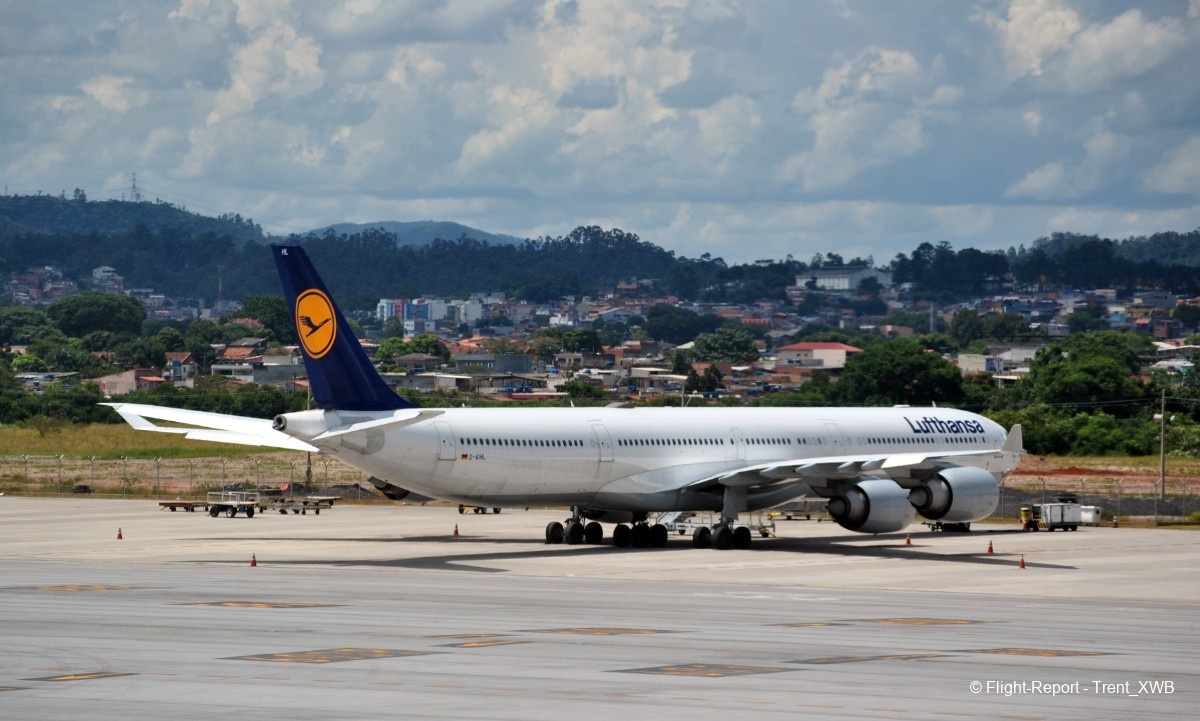
LH A346 (D-AIHL) in the then-standard classic LH livery, resting before evening flight back to MUC. I flew this very aircraft from MEX to MUC in late November 2017 and it was much more pleasant experience than flying LH B748s between FRA and MEX earlier. Since pandemic D-AIHL was stored and never returned to service. Currently LH has only 5 active A346s and their fate is sealed as soon as LH fully resolves the issues with Allegris cabin of its new 4-class A359s. LH A346s have unique 4-class F8_C56_W28_Y189 layout with economy class lavatories located on the cargo deck, making the aircraft a kind of double-decker.
The photo is taken on 26 February 2016.
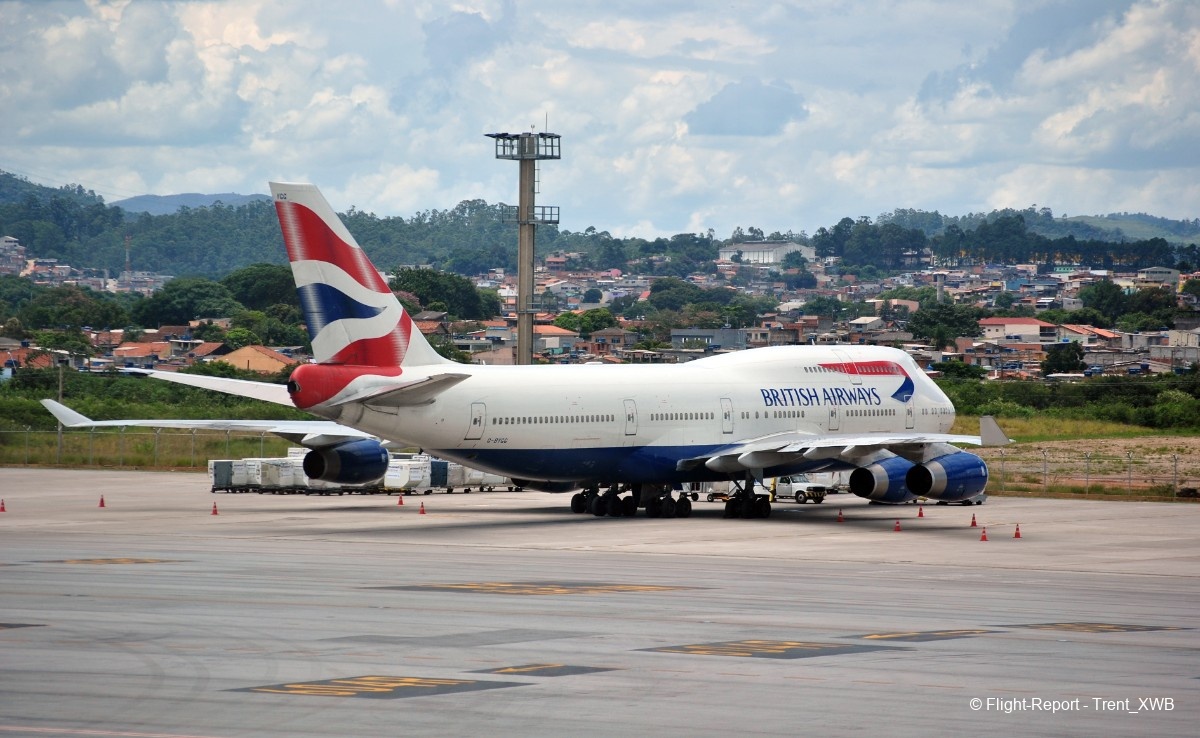
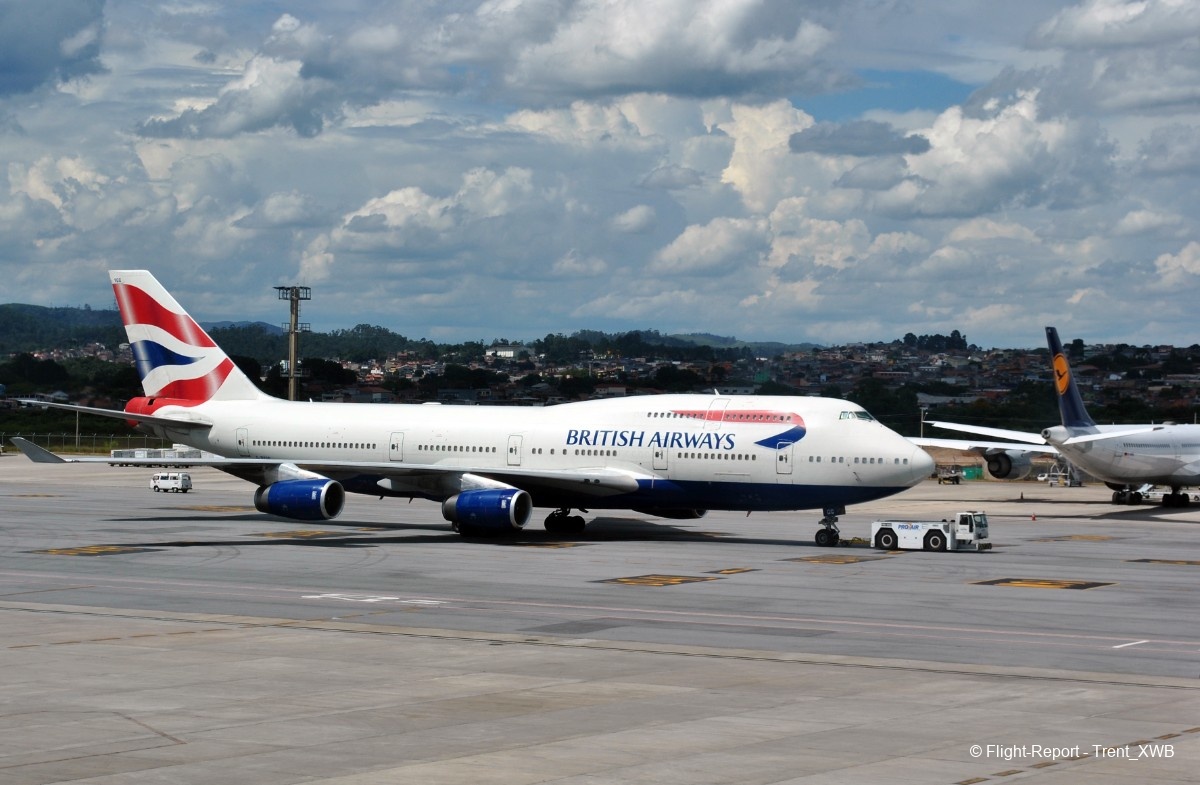
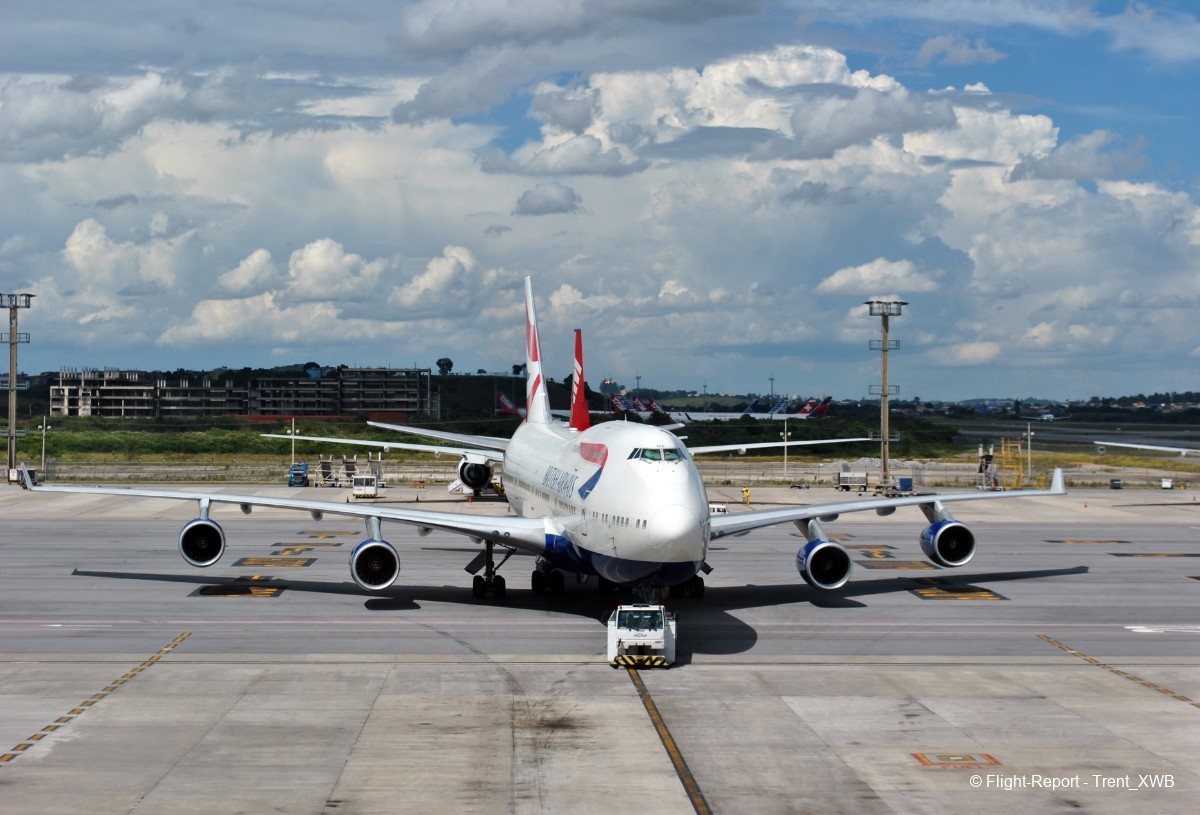
BA B744 (G-BYGG) in very premium-heavy 4-class F14_C86_W30_Y145 layout (one can see, how important was GRU for BA even in 2016!). In late November 2016 I flew her less-premium sistership G-CIVE (F14_C52_W36_Y235) from LHR to MEX due to LH's strike and cancellation of my FRA-MEX flight which had to be my first B748 flight. Though, due to this strike I got to fly 4-class B744 for the first and last time in my life - since BA retired all its Jumbos in 2020 during the pandemic, there are no 4-class B744s left in the world, and only CA has a couple of B744s with 3-class F10_C42_Y292 layout with first class. When I was in GRU in late February 2017, BA already switched GRU flights to RR-powered 3-class B77Es without F. Currently BA serves GRU with 3-class A35Ks, which also don't have F.
The photos are taken on 26 February 2016.
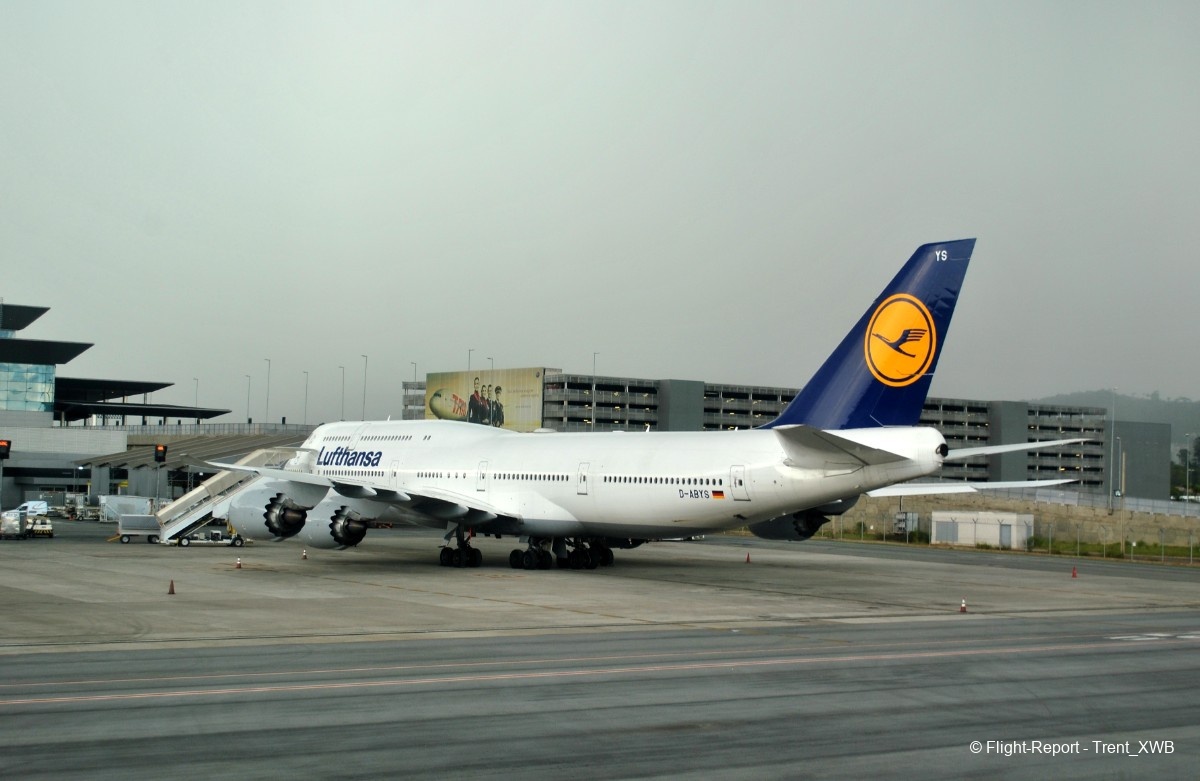
LH B748 (D-ABYS) featuring the then-standard classic LH livery in 4-class F8_C80_W32_Y244 layout, resting before evening flight back to FRA. I flew LH B748s between FRA and MEX twice (in December 2016 and November 2017) and both times the expericences were miserable due to abysmal economy cabin with very uncomfortable Recaro seats. Having now flown B748s of all the 3 operators of the type, I'd like to say that KE B748s are far superior in every aspect compared to LH's ones, and CA B748s are in between, but rather closer to KE ones. Maybe I'll fly a LH B748 next time after 2030, when LH will complete the full "allegrization" of its Jumbos (currently LH has just started to implement hybrid "semi-allegris" 4 class F8_C80_W40_Y220 layout, retaining the old first class and the old upstairs business class, on its oldest B748 D-ABYA). But I don't have any high expectations about their new economy class being sure that it will be very subpar.
The photos are taken on 26 February 2016. On this date I saw the maximum number of quadjets in GRU I ever witnessed: LH B748, BA B744, LH A346, IB A346, LX A343 (no photo), TP A343, SA A343 (no photo).
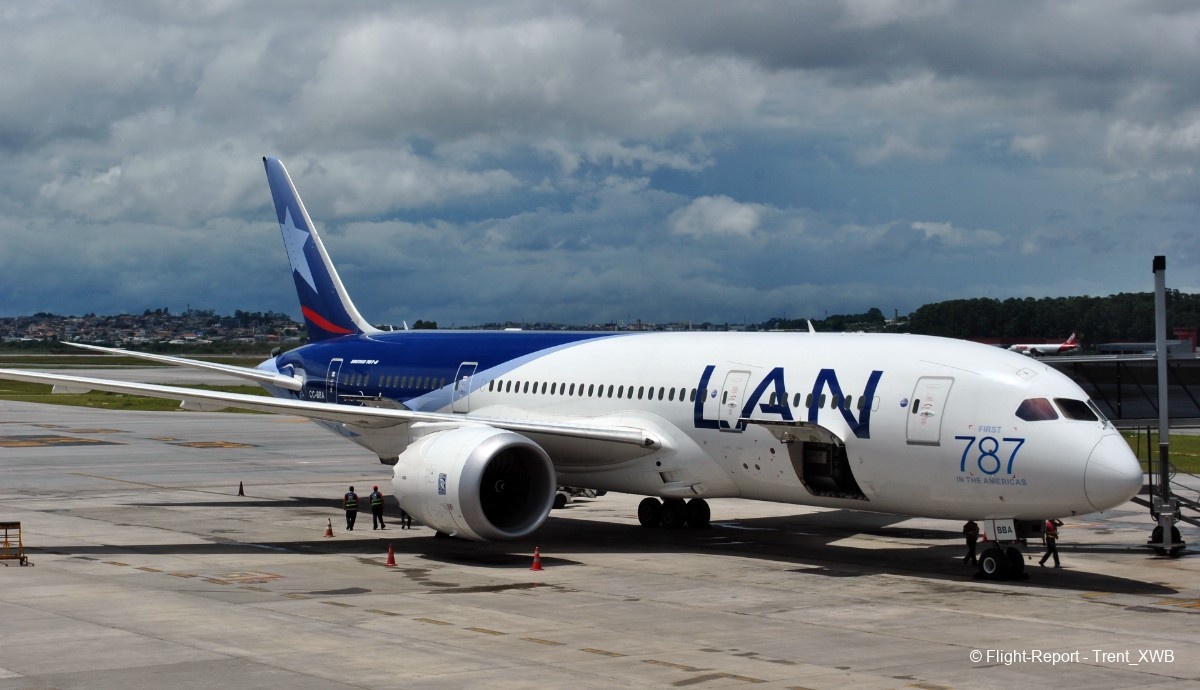
LA B788 (CC-BBA) - the first Dreamliner in the Americas. This aircraft flew me from SCL to GRU in early March 2016. It was repainted into the new LATAM livery in 2021 and reconfigured into the new C20_Y251 layout in July 2025.
The photo is taken on 3 March 2016.
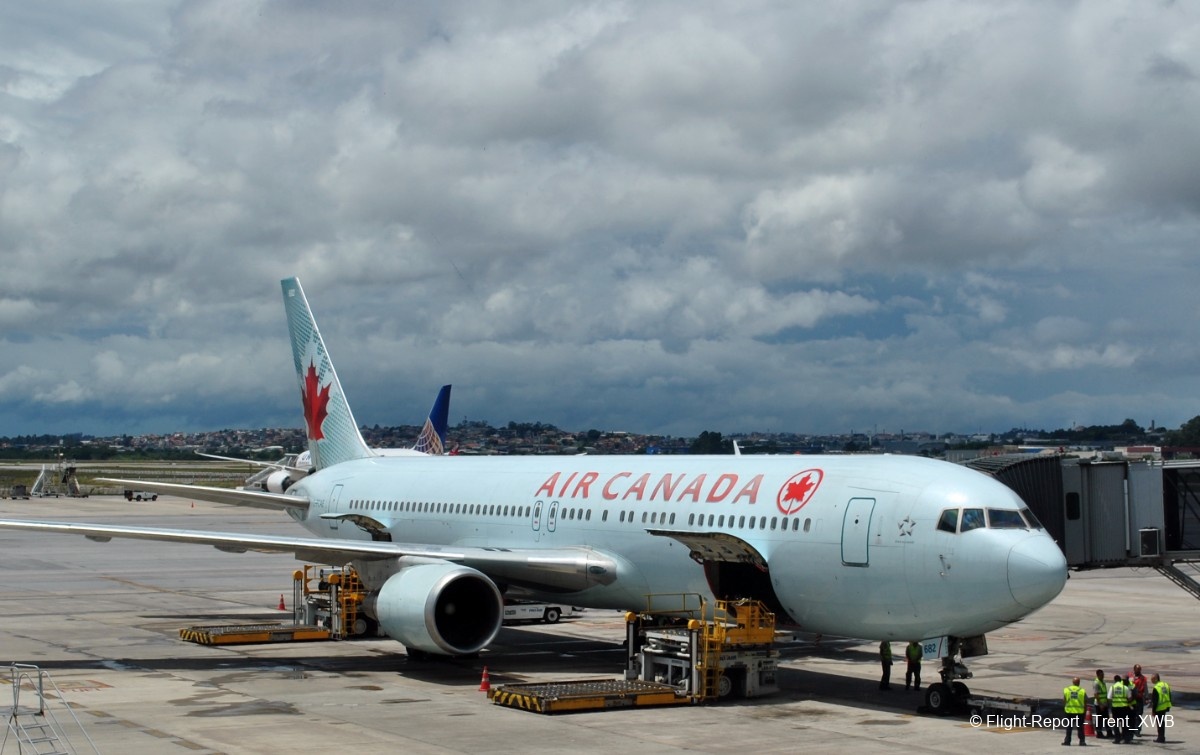
AC B763 (C-FCAE), probably from YUL. In 2020 it was converted to freighter.
The photo is taken on 3 March 2016.
UA B764, bound for IAD. Now these birds have 3-class C34_W24_Y173 layout. B764 is the type I dream to fly, but not able to do so, being banned from visiting the US. The only hope is some third world airline like Fly Khiva will pick up some UA's or DL's B764 in 2030s.
The photo is taken on 17 March 2017.
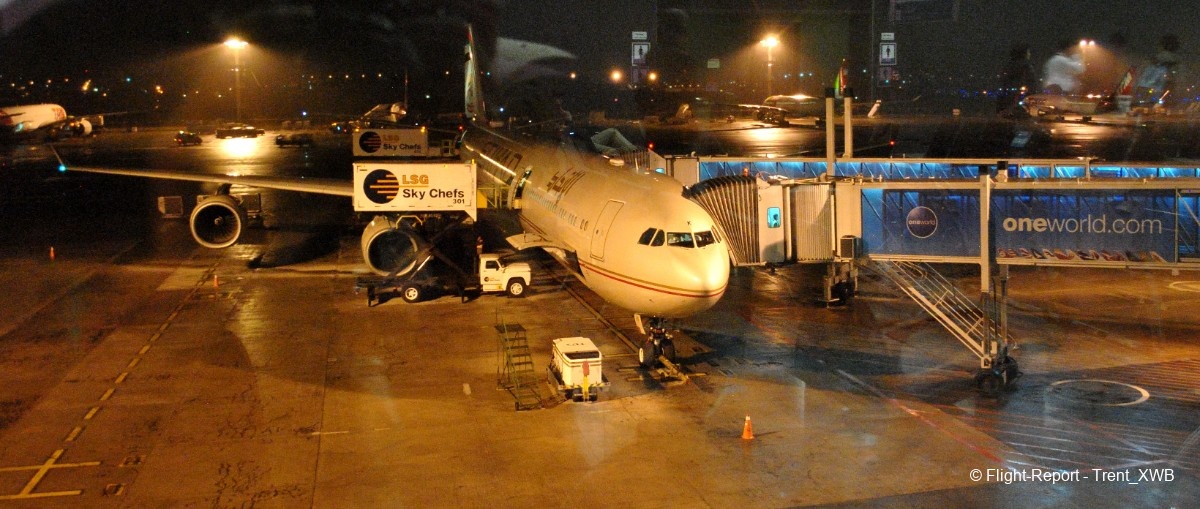
EY A346, which had 3-class F8_C32_Y276 layout. It was the last days of EY flying to South America, and with the 2017 summer schedule EY ceased AUH-GRU flights (and fully retired its A346s and A345s later in 2017), leaving the "elite club" of airlines flying to all the 6 inhabited continents. EK immediately stepped up, upgauging its DXB-GRU flights from B77W to A380, and operates whalejets to GRU daily since (excluding the pandemic). After the pandemic GRU became the only major Latin American airport having A380 flights. The another one was MEX, where AF used to operate its 4-class A380s, which were fully retired during pandemic.
The photo is taken on 17 March 2017.
Thank you for your attention and see you in the next FRs!